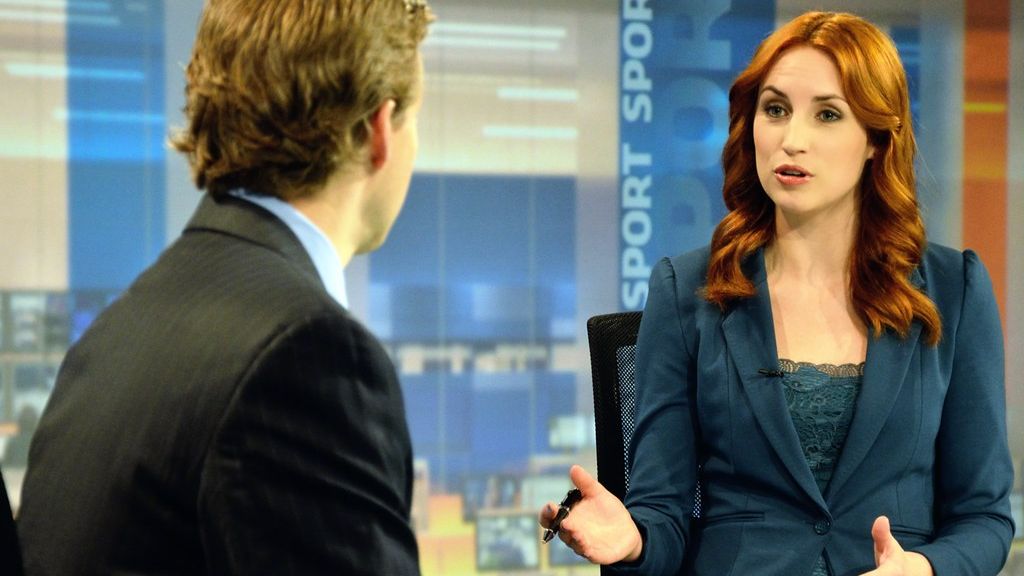
Have you ever caught yourself making an instant decision about someone you just met? Maybe you sized them up in seconds, forming an opinion based on nothing more than their appearance, the way they spoke, or even just a facial expression. You’re not alone in this. We all do it, whether we admit it or not.
It’s uncomfortable to think about, but judgment is woven into the fabric of human nature. Our minds are constantly evaluating the people around us, often without our conscious permission. The really interesting part is what’s happening beneath the surface. Hidden biases, evolutionary programming, and psychological shortcuts are all working together to shape the opinions you form about others. Let’s dive in and uncover what’s really going on when you pass judgment.
Your Brain on Survival Mode
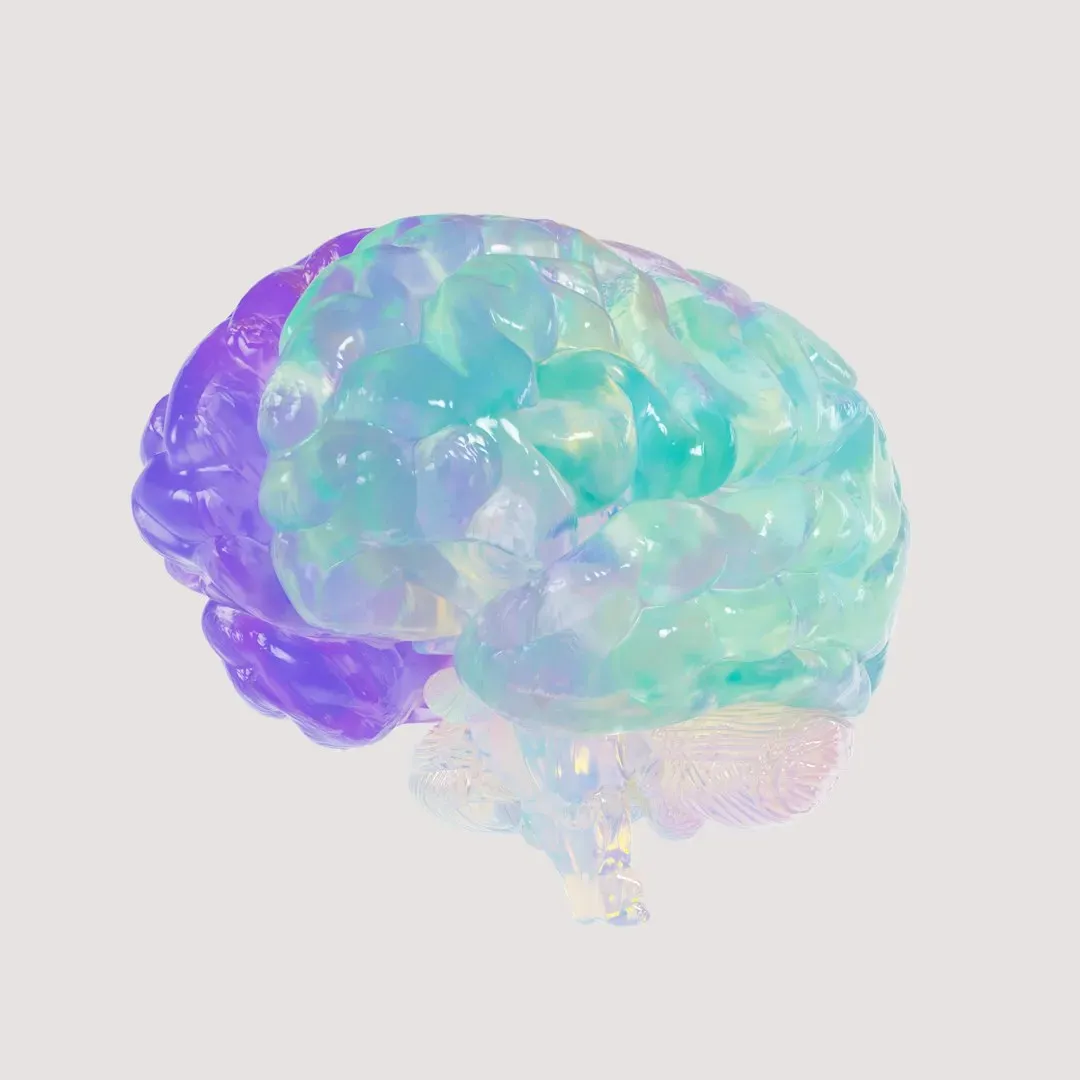
Scientific studies show that judgment is actually an instinct hardwired into the human brain, rooted in our basic need to survive and thrive by automatically assessing whether people around us are safe. Think about our ancestors for a moment. They didn’t have the luxury of getting to know every stranger they encountered. Quick assessments meant the difference between safety and danger.
Judgment stems from our need to assess threats, establish social hierarchies, and reinforce our beliefs and values, serving as a shortcut for navigating complex social environments. Your brain isn’t trying to make you unkind. It’s trying to keep you alive, even though the threats we face today look nothing like the ones our ancestors dealt with. That ancient wiring still fires up every time you meet someone new.
The Split Second That Changes Everything

Here’s something that might shock you. Research by Princeton psychologist Alex Todorov found that people make judgments about trustworthiness, competence, and likability within one second of seeing someone’s face, with trustworthiness assessments happening in just 100 milliseconds. That’s faster than a single blink.
These first impressions color the way we interact with others from that point forward, and all of this happens outside of our awareness in the unconscious processes of the mind. The scary part is that once we’ve made that snap judgment, we tend to stick with it. When given more time, people’s fundamental judgment didn’t change, and observers simply became more confident in their judgments as duration lengthened. So that instant opinion you formed? It’s probably going to stick around.
The Insecurity Behind the Criticism
Let’s be real here. Sometimes when we judge others harshly, we’re really just trying to make ourselves feel better. Insecurity is a significant driver behind why we judge others, and when we feel insecure about ourselves, we’re more likely to judge others to protect our self-esteem, creating a temporary sense of superiority that distracts us from our own insecurities.
It’s a defense mechanism that never really works. People judge others to avoid reckoning with potential feelings of inferiority and shame, but since judging others can never give a person what they really need, they feel like they have to keep doing it. It becomes a cycle that leaves everyone feeling worse. When you criticize someone else’s choices, appearance, or lifestyle, take a moment to ask yourself what you’re really trying to protect inside yourself.
The Fundamental Attribution Error

There’s a concept in psychology known as the fundamental attribution error, which describes how we judge others based on their character or inherent traits rather than the situation they’re in. This one’s particularly sneaky because it creates a double standard we rarely notice.
Actor-observer bias is our tendency to attribute our own actions to external situations while attributing others’ actions to their personalities. When you’re late to a meeting, it’s because traffic was terrible or your alarm didn’t go off. When someone else is late, they’re irresponsible or don’t respect other people’s time. Notice the difference? Same behavior, completely different explanations depending on who’s doing it.
Projection: Seeing Yourself in Others
One of the more unsettling truths about judgment is that we often criticize in others what we dislike about ourselves. Projection is a psychological defense mechanism where we attribute our undesirable traits or feelings to others, like when feeling envious of someone’s success leads us to judge them as arrogant or undeserving, allowing us to avoid confronting our own emotions.
When we look at someone for the first time, we see a reflection of our past experiences and associations. That person who annoys you with their constant need for attention? Maybe they’re triggering something in you about your own desire to be seen. The colleague you find too ambitious? Perhaps you’re wrestling with your own goals and what you think you should achieve.
The Halo and Horns Effect

If someone has a few positive traits, we tend to see them more positively as a whole, a phenomenon known as the halo effect. Attractive people, for instance, often benefit from this bias in surprising ways. We unconsciously assume they’re smarter, kinder, or more capable than they might actually be.
The reverse is equally powerful. We’ve all had the experience of forming a negative impression and deciding we don’t like someone, only to find once we get to know them they become a good friend, but the problem is that once we make up our minds about a person’s character, it’s difficult to change. We can even behave in ways that make people react to us according to our judgment of them, creating a self-fulfilling prophecy.
The Bias Blind Spot

Here’s the thing that makes all of this even more complicated. If you’re like most people, you consider yourself a fair and reasonable person able to make more objective judgments than most, but other people think they are reasonable too, and people often have a bias blind spot where they think of themselves as objective and others as biased, unable to see that they themselves are biased too.
When judging ourselves, we have access to our thoughts and motives and know whether we intend to be biased, though we often don’t discern our own bias. When judging others, we see only their actions rather than focusing on their thoughts and motives. This asymmetry in how we evaluate ourselves versus others makes it incredibly difficult to recognize when we’re being unfair.
Cognitive Shortcuts Gone Wrong
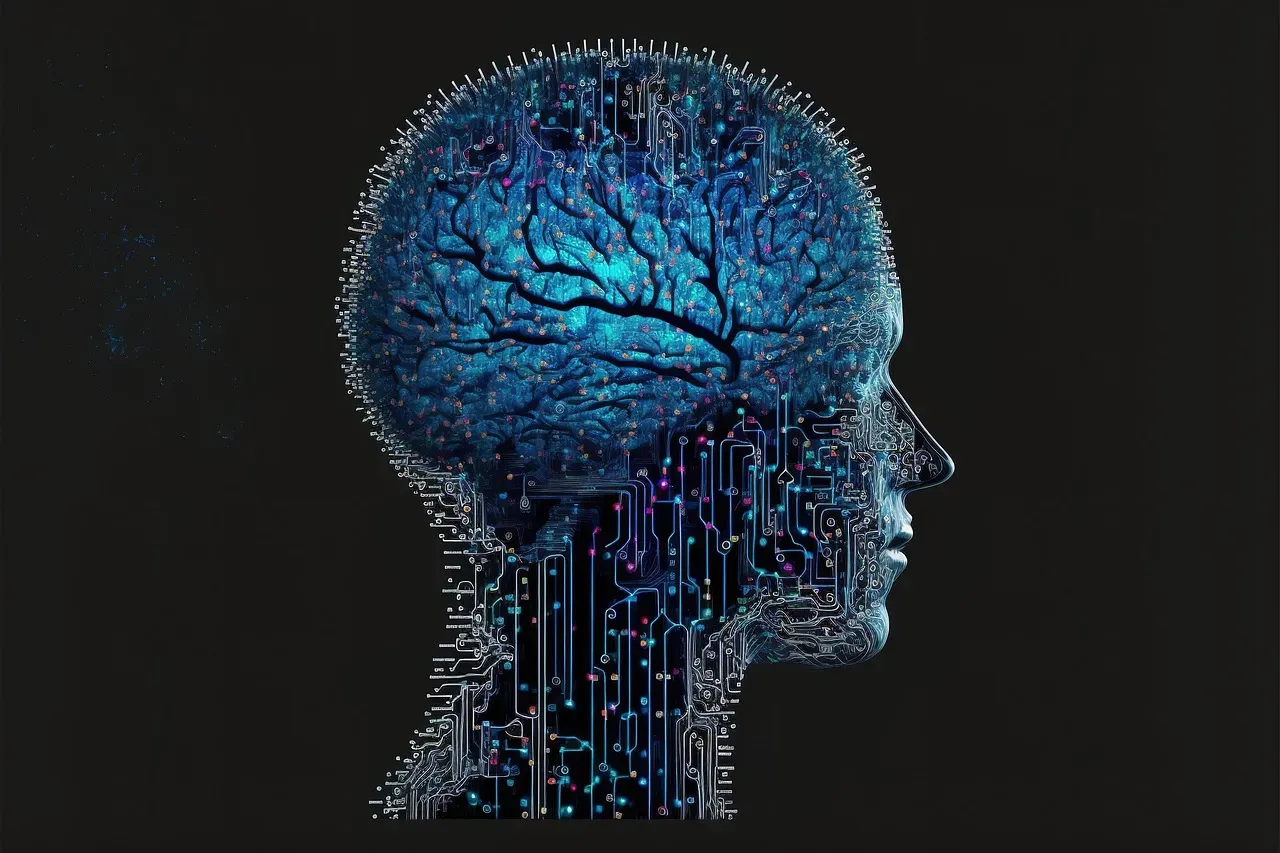
Cognitive biases are shortcuts our brain uses to quickly make sense of complex social situations, but they often lead to anxiety because they create a black-and-white world where we feel surrounded by characters we can’t trust or understand fully. Our minds are processing enormous amounts of information every single day, and these shortcuts help us manage the load.
Judging others based on limited information such as their appearance or initial actions provides a fast and convenient way to categorize and understand them, a tendency that stems from our evolutionary history where rapid judgment calls were necessary. The problem is that what worked for survival in ancient times doesn’t necessarily serve us well in modern, complex social environments. We end up making errors that damage relationships and opportunities.
Breaking the Cycle
So what do we do with all this information? We can understand judgmental thoughts as emotional protection, with emotions like anxiety, shame, and guilt fueling our judgments, and bringing awareness to the emotions that underlie our judgments helps us feel more connected and compassionate. Awareness is the first step toward change.
There is nothing that helps a relationship more than emotional awareness, and through awareness of emotions, we gain the skills to slow down our reactivity so we can respond thoughtfully to others with compassion instead of judgments. The next time you catch yourself judging someone, pause. Ask yourself what you’re feeling beneath that judgment. Are you anxious? Threatened? Insecure? That moment of self-reflection can change everything.
Conclusion: The Choice We All Have
Judgment is part of being human. Our brains are wired for it, shaped by thousands of years of evolution and influenced by biases we rarely recognize. Understanding why we judge doesn’t make us bad people. It makes us aware people.
The real power lies in what we do with that awareness. We can continue to let our hidden biases run the show, or we can bring them into the light and make more conscious choices about how we see others. We can recognize our projections, challenge our snap judgments, and extend the same compassion to others that we so readily give ourselves.
What do you think drives your judgments about others? Have you noticed any of these biases at play in your own life? The journey toward less judgment starts with honest self-reflection, and honestly, that’s something we could all benefit from.