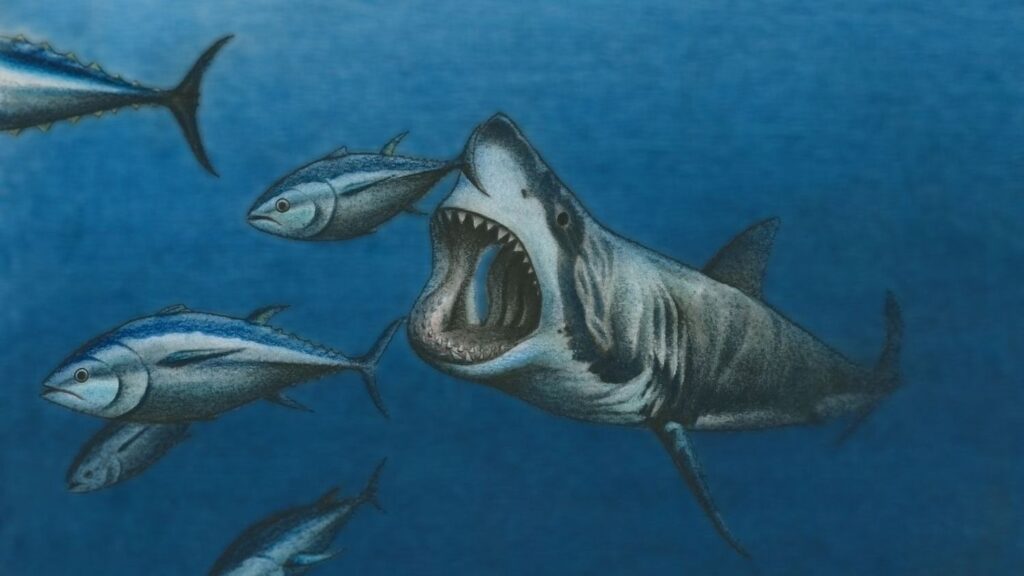
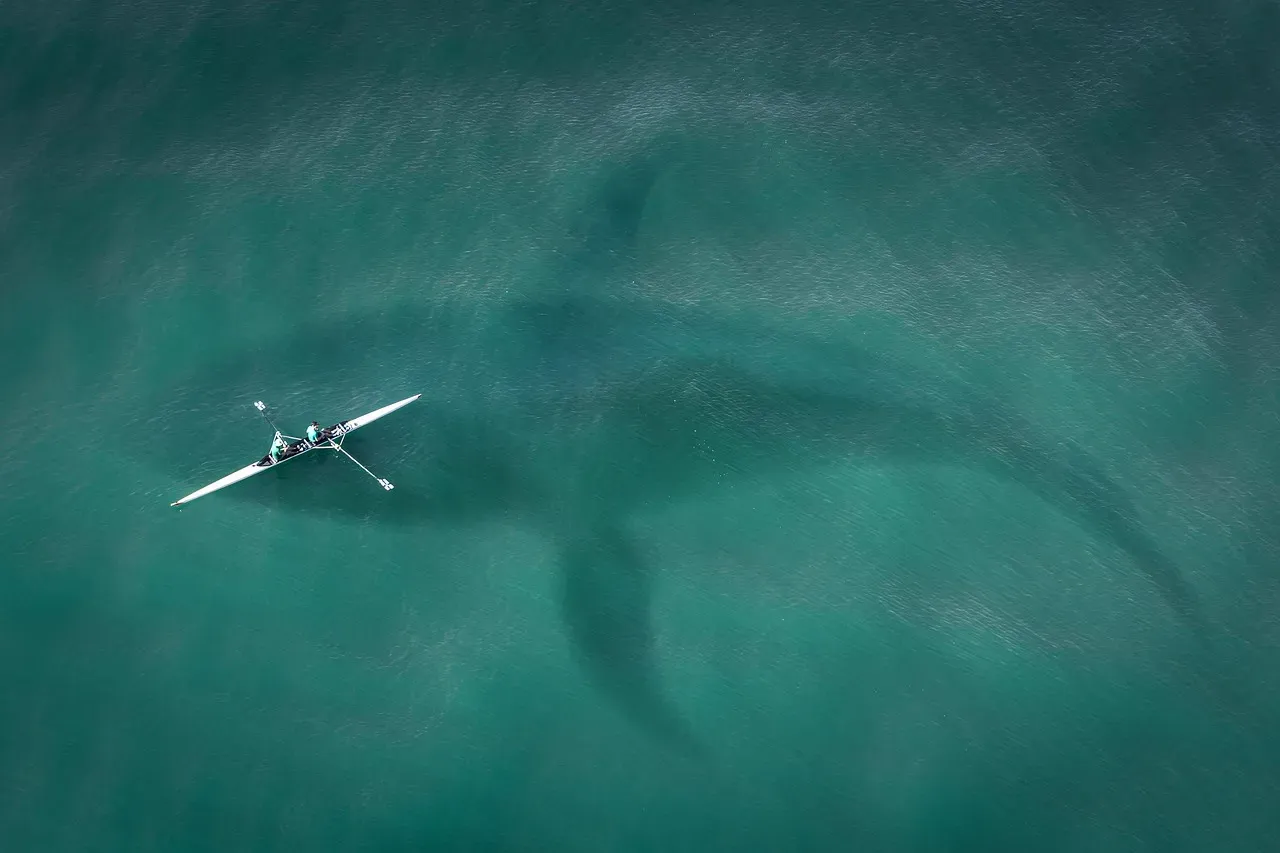
Picture a massive shadow rising from the ocean floor, far larger than any creature alive today. In prehistoric shark films the beast does not simply feed and move on. It returns, again and again, with what feels like deliberate intent.
That pattern turns an ancient predator into something closer to a cinematic serial killer. The question is why filmmakers keep making the same choice.
Roots in Fossil Records and Size Alone
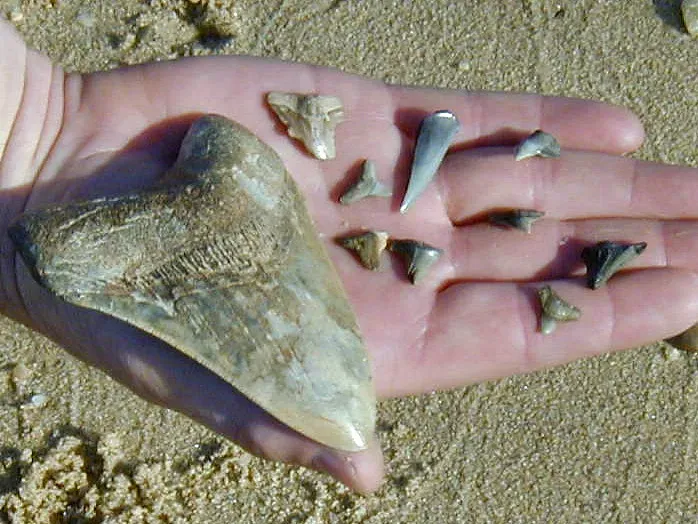
Fossil teeth and vertebrae show that megalodon reached lengths of roughly 50 to 60 feet. Such dimensions would have allowed it to tackle large marine mammals without much trouble. Yet the bones reveal nothing about repeated targeting of the same species or individual.
Movies take that raw scale and turn it into a recurring threat. The creature’s sheer bulk supplies the visual menace, while the script supplies the pattern of selective attacks that real fossils cannot confirm.
Exaggerated Solitary Hunting Style
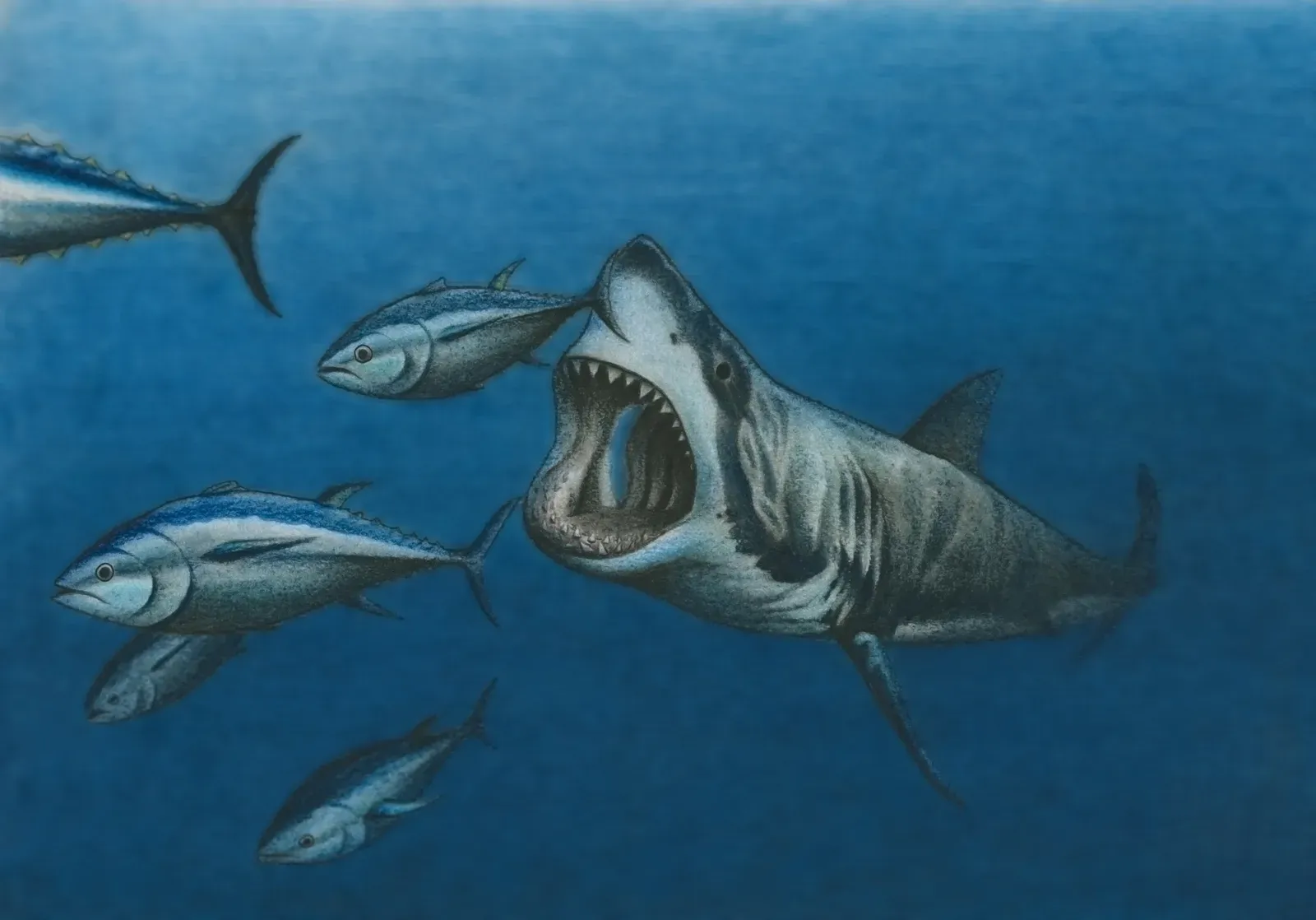
Real large sharks often hunt alone, but they also scavenge and switch prey when easier options appear. On screen the giant shark ignores schools of fish or whales and fixes on one group of humans. The choice creates tension because the audience senses the predator has singled them out.
This solitary focus mirrors the classic serial killer profile of selecting victims methodically. The film gains suspense each time the shark reappears near the same boat or beach, even though a real animal would likely have moved to richer feeding grounds by then.
Humans Cast as Preferred Prey
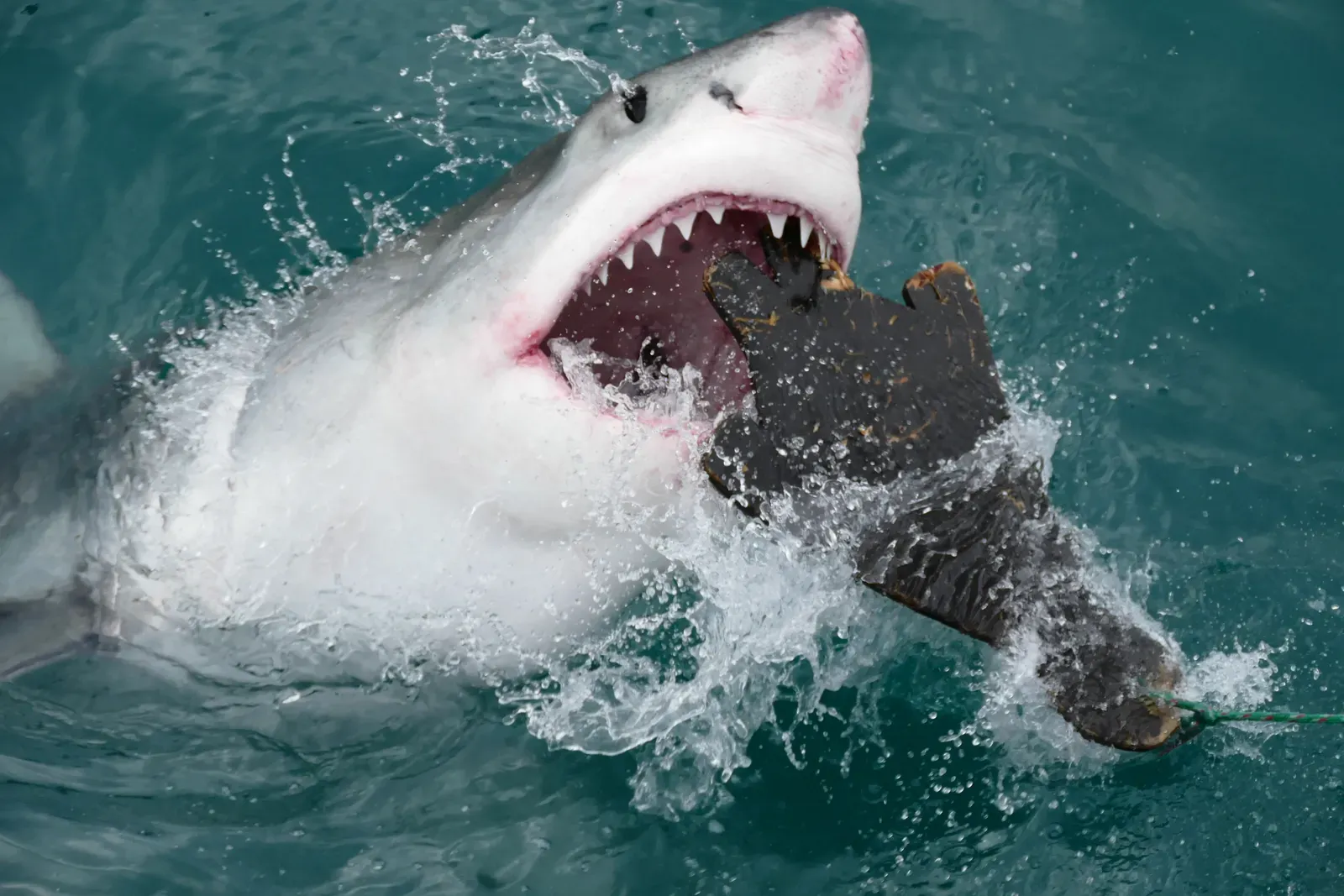
Prehistoric sharks evolved long before humans existed, so any interest in people is pure invention. Films nevertheless present the giant shark as drawn to human activity, whether divers, surfers, or research vessels. The pattern repeats across multiple encounters in the same story.
By making humans the consistent target, the narrative builds a sense of personal pursuit. The shark seems to remember previous failures and returns for another attempt, a behavior that echoes the calculated repetition seen in fictional killers rather than opportunistic feeding.
Attributing Near Human Intelligence
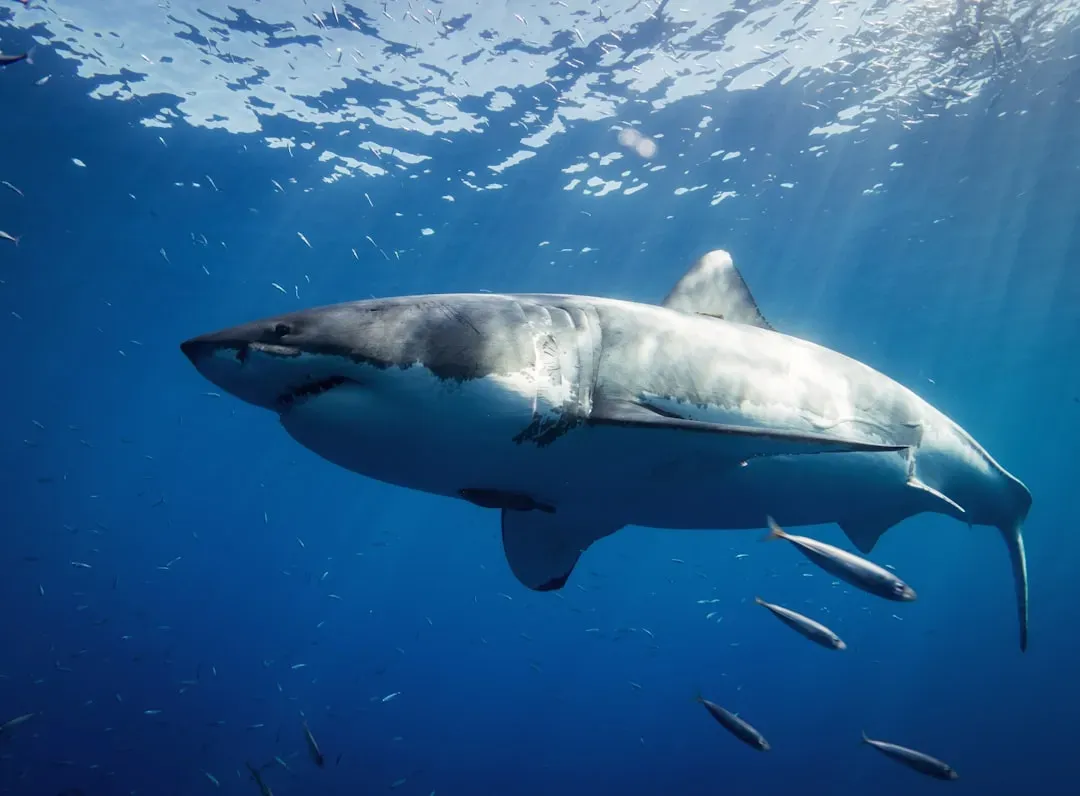
Shark brains are efficient for their lifestyle, yet nothing in the fossil record or living relatives suggests problem solving on the level of mammals. Movies nevertheless show the prehistoric giant learning from mistakes, avoiding traps, and even using the environment to its advantage.
That added cleverness lets the creature evade capture and strike again later. The result feels like a thinking adversary rather than a hungry animal, which heightens the serial killer parallel and keeps viewers guessing what the shark will do next.
Staging Repeated Dramatic Returns
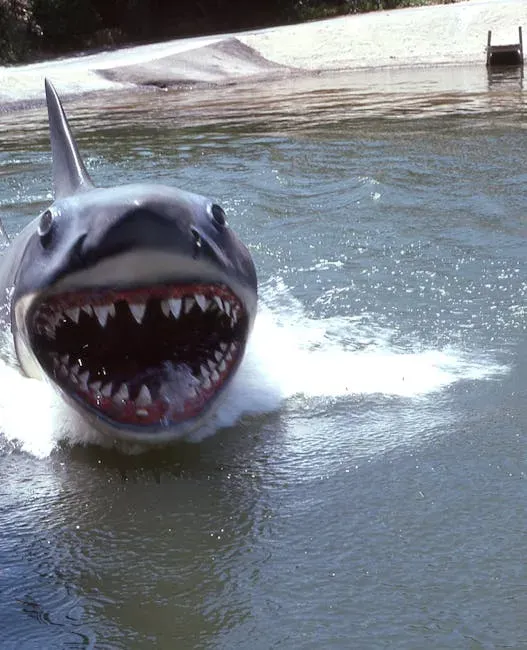
A single attack could end a story quickly, so scripts engineer multiple meetings between the same shark and the same characters. The creature surfaces near the survivors, follows them across open water, and appears at precisely the wrong moment.
Each reappearance reinforces the idea of a deliberate campaign. Real sharks might investigate a disturbance once and then depart, but the film version treats every sighting as part of an ongoing sequence aimed at the protagonists.
Disregard for Natural Ecological Roles
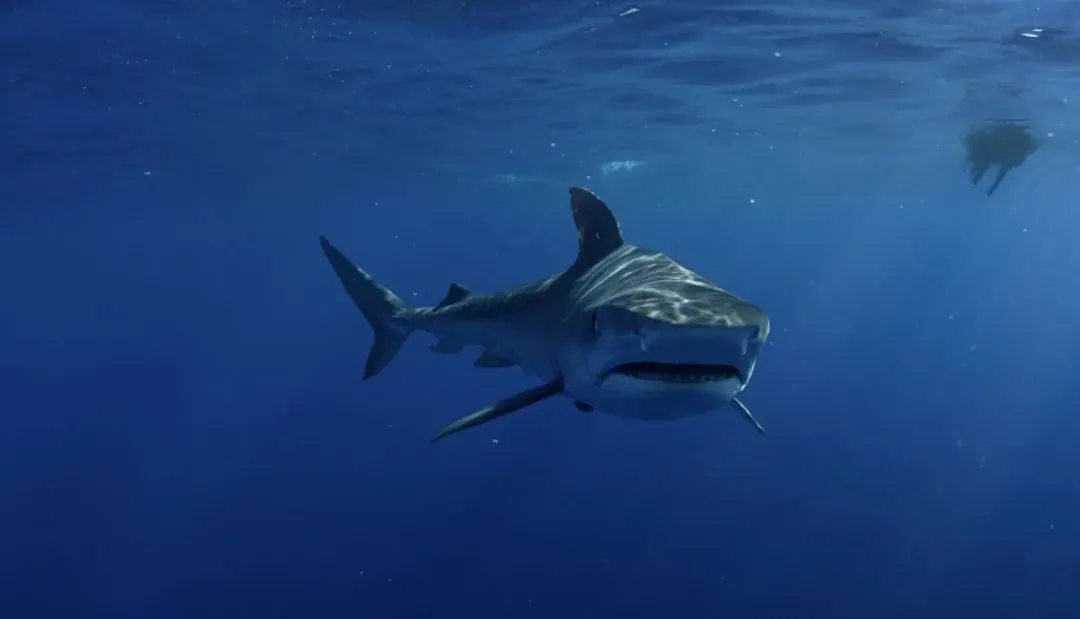
Large prehistoric sharks would have competed with other apex predators and shifted prey as opportunities changed. Films strip away that flexibility and present the giant shark as fixated on one narrow goal. Other marine life is either absent or quickly dismissed.
The narrowed focus turns the animal into a singular threat that must be confronted. Without competing predators or shifting food sources, the story can maintain the illusion of a lone hunter methodically eliminating obstacles.
The Persistent Need for a Clear Antagonist
Audience expectations favor a recognizable villain that can be tracked and ultimately defeated. A realistic prehistoric shark would behave more like any large predator, moving on when easier meals appear. That version offers little dramatic payoff.
By shaping the creature into something that hunts with apparent purpose and returns after setbacks, filmmakers create a satisfying arc. The serial killer framing supplies the emotional stakes that a purely biological portrayal would lack, which explains why the pattern endures across different prehistoric shark stories. In the end the trope serves the story more than the science, leaving viewers with a memorable, if exaggerated, image of ancient menace.