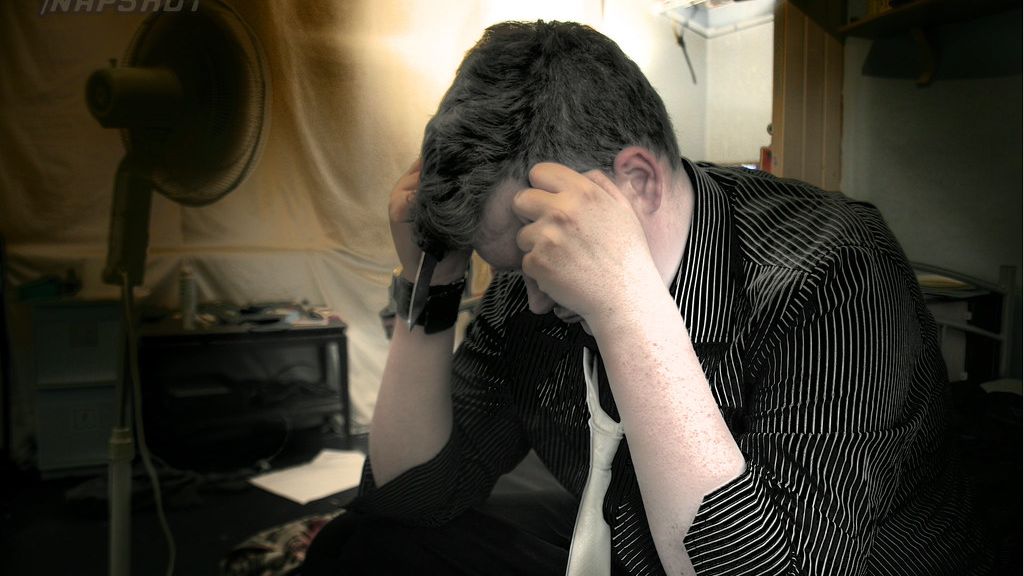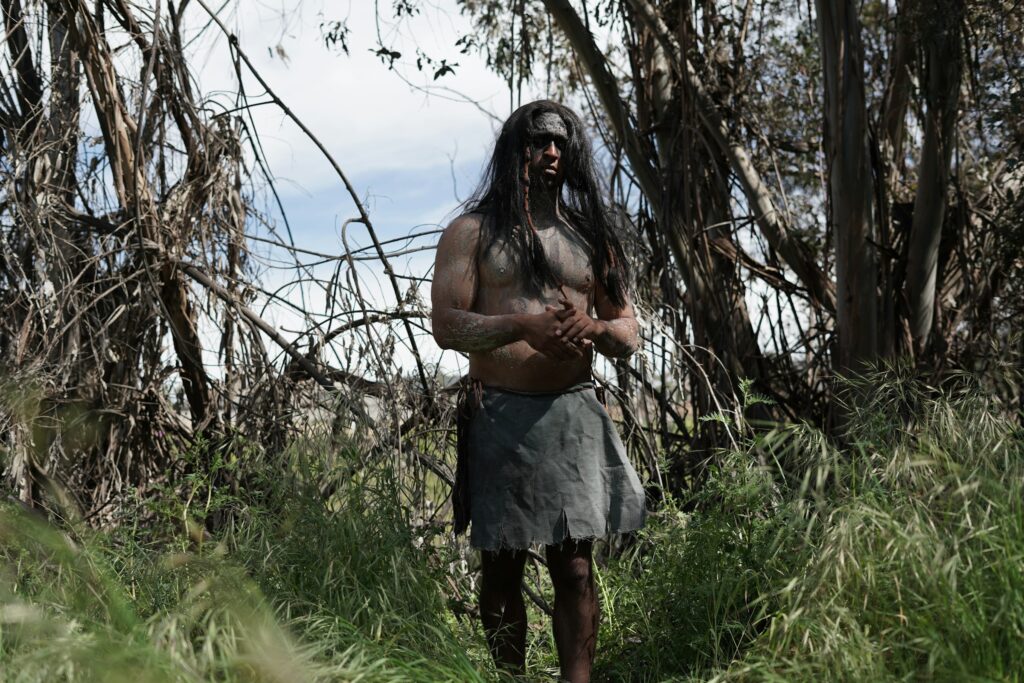
Think about the last time you saw a caveman or Neanderthal villain in a movie, comic, or video game. Chances are, they looked more like a snarling creature than a real human being: sloped forehead, huge teeth, matted hair, animal skin hanging off them like a horror costume. Somewhere along the way, prehistory got turned into a monster factory.
What makes this even stranger is that the real prehistoric people we know from archaeology and genetics were, quite literally, us. They loved, laughed, made art, buried their dead, and solved problems. Yet on screen and in stories, they often show up as barely-human brutes. That gap between what science shows and what pop culture loves to imagine is where things get fascinating, and honestly, a bit unsettling.
The “Othering” of Prehistoric People: Why We Turn Them Into Beasts
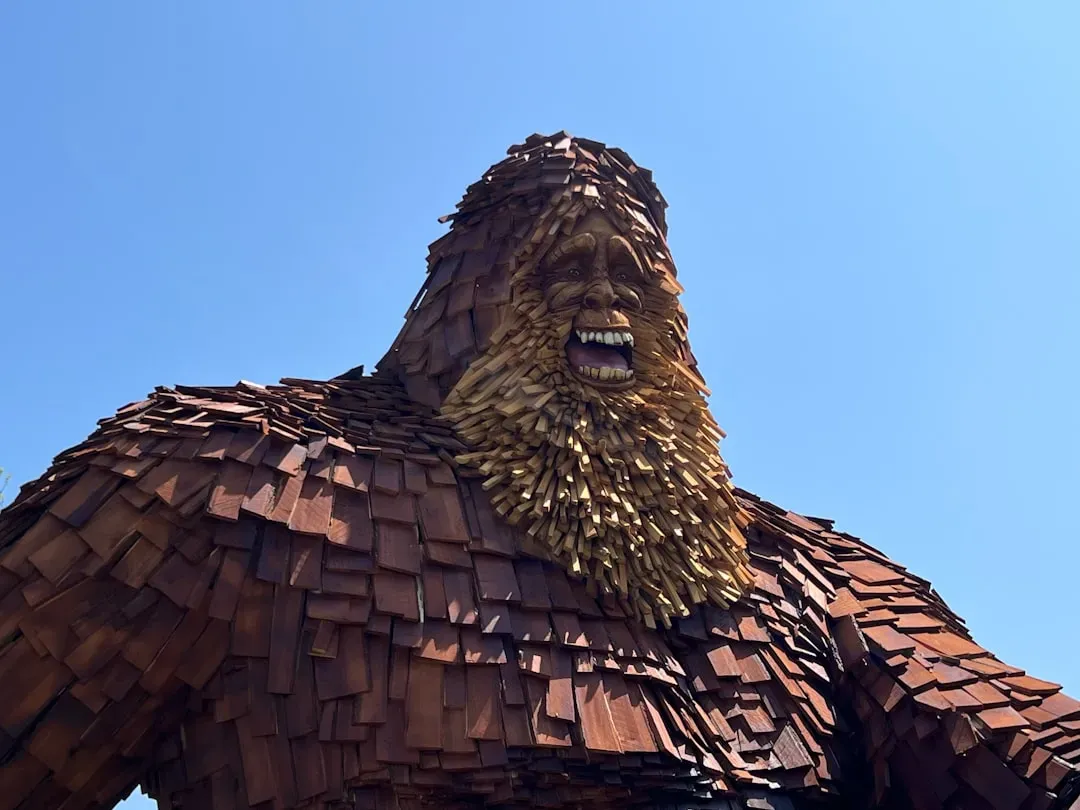
Here’s the uncomfortable core of it: we tend to turn people into monsters when we want to feel better about ourselves. Prehistoric humans become the ultimate “other” – distant in time, unable to defend themselves, and easy to caricature. When a storyteller wants a simple villain who can be killed without guilt, a half-animal “caveman” is a very convenient invention.
This is not just about entertainment; it echoes a long history of depicting unfamiliar groups as somehow less than fully human. The same mental habit that once twisted real living peoples into “savages” now gets safely redirected onto Neanderthals, Denisovans, or nameless Stone Age tribes. It feels harmless because they are long gone, but the mental pattern is exactly the same: we draw a line between “us” and “them,” then push “them” as far toward monster territory as possible.
How Hollywood Builds a Monster Out of a Human Skeleton
Visually, it takes surprisingly little to slide a human character into the uncanny zone. Give them exaggerated brows, sharpen their teeth, darken the eye sockets, slap on some random scars, and suddenly they look dangerous. Hollywood has been recycling these tricks for decades, and prehistoric villains are one of the easiest targets for this toolkit. After all, most people do not know what an actual Neanderthal or Homo erectus looked like beyond vague textbook sketches.
So costume designers and concept artists lean into horror language: low lighting, heavy shadows, an animal pelt that looks more like a flayed trophy than clothing. Even the posture is adjusted; instead of standing upright and relaxed, the prehistoric villain often hunches, lurches, or moves in short, jerky bursts like a predator. These choices are intentional, because they tap into visual signals our brains already associate with danger.
Science vs. Stereotype: What Prehistoric People Really Looked Like
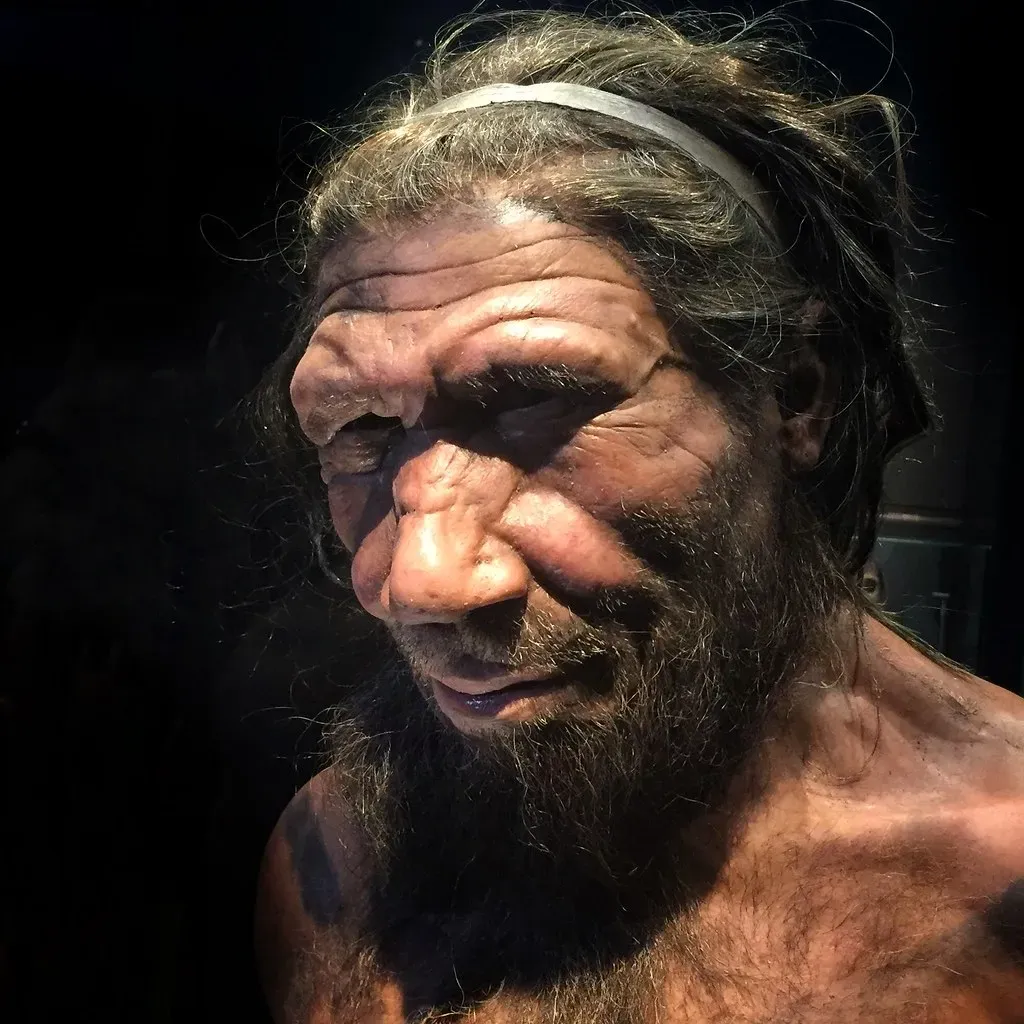
The wild part is that, scientifically, prehistoric humans were far more familiar than frightening. Neanderthals, for example, had slightly different skull shapes but bodies that were strong, compact, and extremely capable. They made tools, controlled fire, created pigments, and likely told stories. If you dressed one in modern clothes and had them ride the subway, some researchers argue most passengers would not even notice anything unusual at first glance.
Genetic studies show that many people today, especially outside of Africa, carry small amounts of Neanderthal DNA, which means our lineages interbred rather than waged endless war. That alone shatters the standard “prehistoric monster” narrative. The truth is slower, quieter, and more complex: cooperation, coexistence, learning from each other, and probably a mix of conflict and connection, just like every other chapter of human history.
Fear of the Past: Why “Before Civilization” Feels Scary
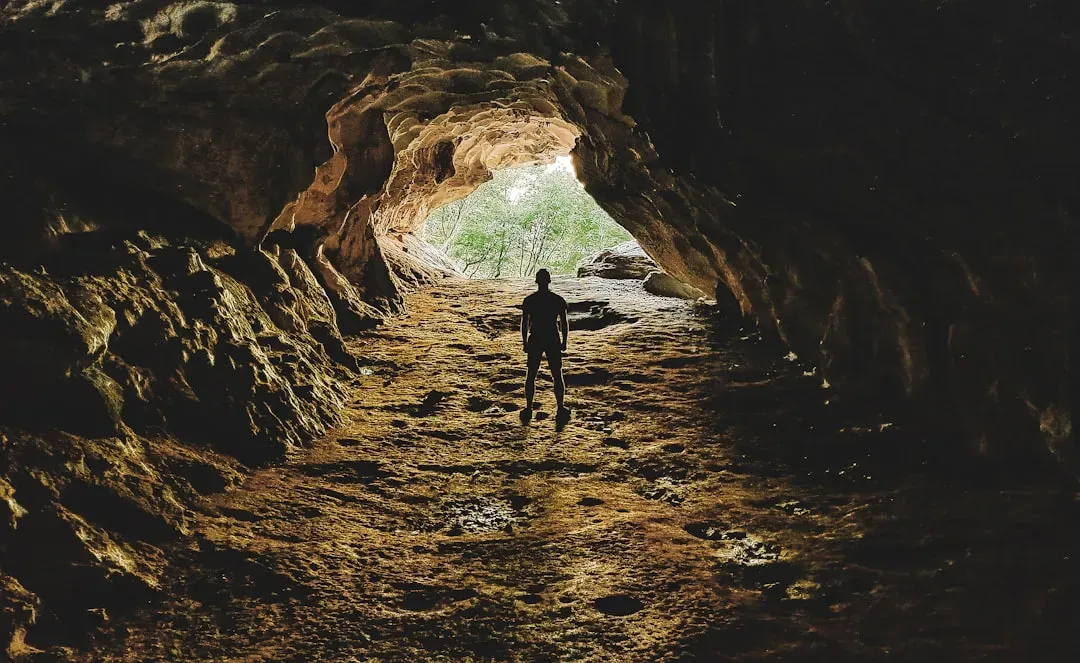
Beneath the monster makeup lies a deeper fear: the idea that without modern technology and laws, humans might fall apart into chaos and cruelty. When we see a prehistoric villain, we are not just looking at some random ancestor; we are staring at a fantasy of what we think we might become without phones, cities, and police. The monster caveman becomes a stand-in for our own worst impulses.
This is why stories set “before civilization” so often lean on brutal warfare, ritual sacrifice, or cannibalism, even when the evidence is thin or debated. Violence did exist in prehistory, of course, but so did long periods of stability and cooperation. We rarely dramatize that, because a peaceful Stone Age trading network does not hit the same emotional note as a blood-soaked cave battle. Fear sells better than balance.
Personally, I notice I used to fall for this framing without question: the further back in time, the more monstrous I assumed people were. The more I read actual archaeology and anthropology, the more that assumption started to feel like a mirror of my own anxieties about modern life, not a window into the past.
Anthropology Has Receipts: Evidence of Rich, Human Prehistoric Lives
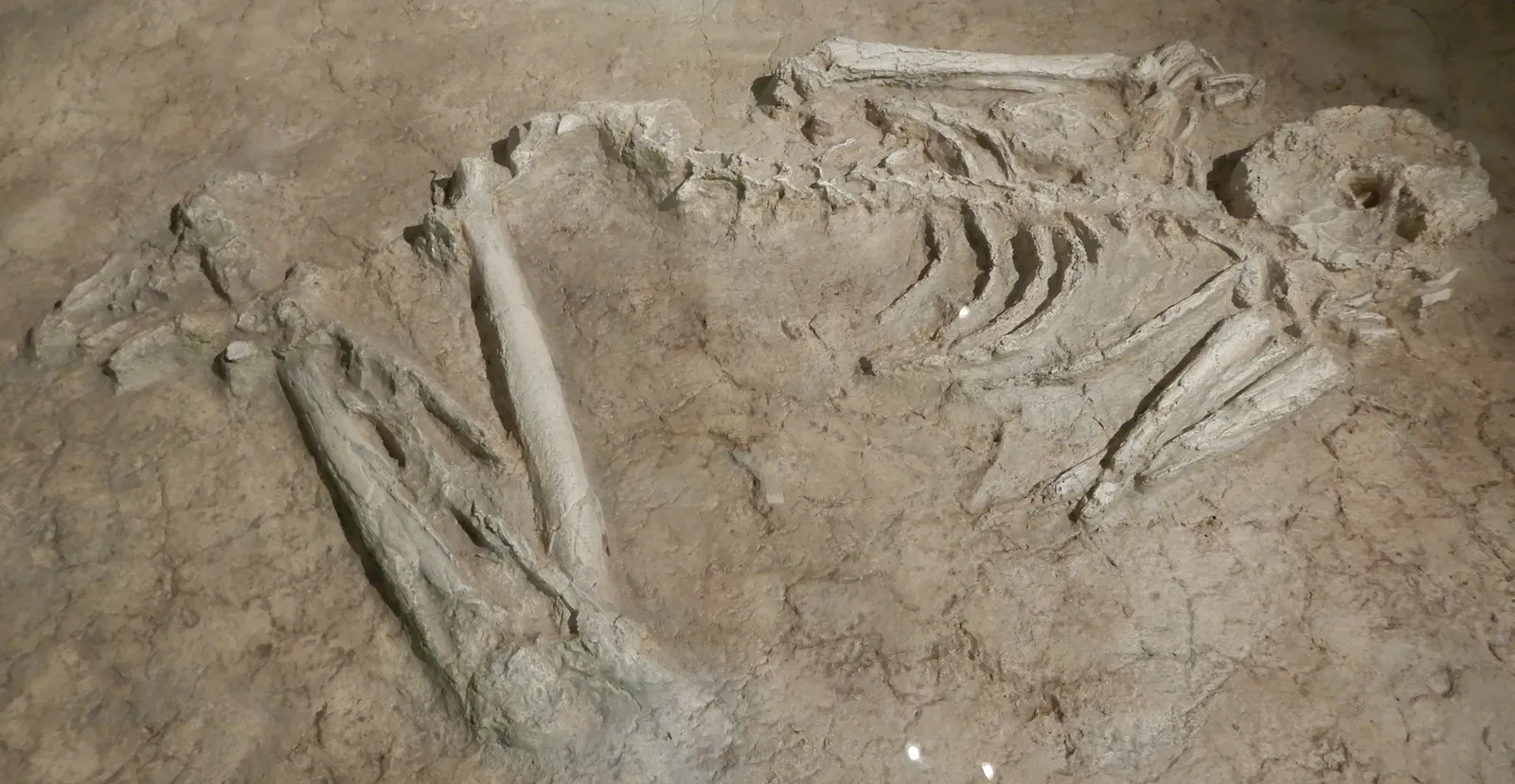
Archaeologists have uncovered evidence that ancient humans and their relatives cared for sick individuals, buried the dead with care, and decorated surfaces with art and symbols. There are skeletons of people who lived for years with severe injuries or disabilities, which implies that others in their group helped them survive. That is not the behavior of mindless monsters; that is the behavior of a community.
We also see signs of long-distance exchanges of materials like obsidian, shells, or pigments, telling us that even in deep prehistory, people were forming networks and relationships that stretched beyond their immediate group. You do not maintain trade over many miles by acting like a horror movie creature all the time. You negotiate, you build trust, and you rely on shared understandings, even if they were never written down.
Monstrous Villains, Modern Agendas: How Prehistory Gets Used
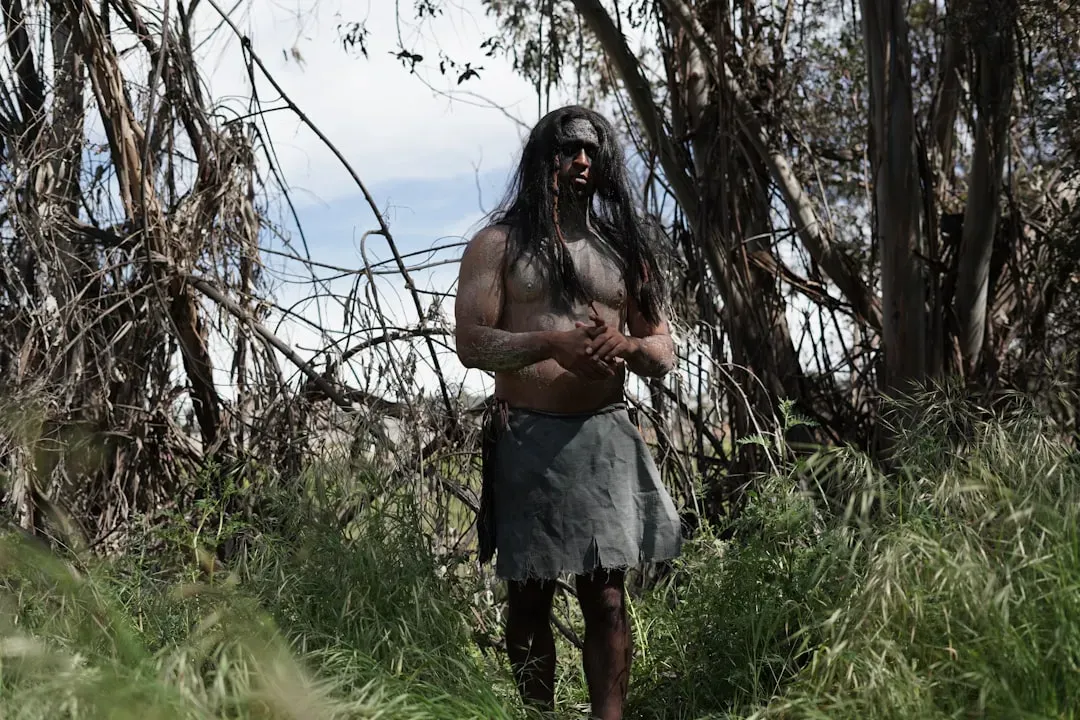
Portraying prehistoric people as savage monsters is not just lazy; it can be politically convenient. When you tell a story where “civilization” rescues humanity from animal-like brutality, you implicitly justify everything that came with it: conquest, empires, and sometimes even the idea that some groups are more advanced or more “human” than others. The prehistoric monster becomes part of a comforting myth that says, in effect, that history is a straight climb from barbarism to enlightenment.
That story is flattering, but it is not accurate. Prehistory was not a rehearsal for “real” humans; it was humanity. The people who lived then were navigating harsh climates, scarce resources, and complex social rules long before anyone carved laws into stone. Turning them into villains can subtly suggest that people without modern tech or written records are somehow less worthy, which is a slippery way of devaluing whole ways of life, both past and present.
When Art Gets It Right: More Human, Less Monster
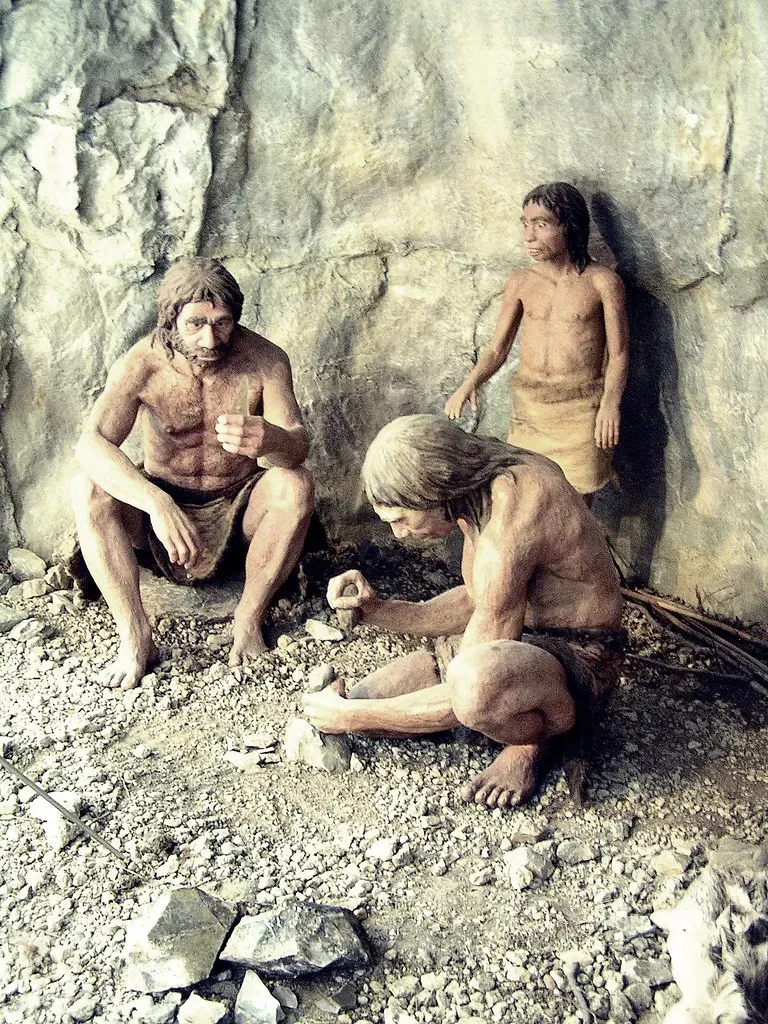
There are, thankfully, more portrayals emerging that show prehistoric people as full, complicated humans instead of walking threats. These stories give them families, humor, jealousy, tenderness, and even awkward moments that feel very now. When I stumble on one of these more grounded portrayals, it is almost jarring at first, like someone turned the lights on in a room I did not realize I was viewing in the dark.
Good creators dig into paleoanthropology, talk to experts, and let the small, specific details drive their designs: the way a tool is carried, the wear on a garment, the quiet rituals before a hunt. Suddenly, the “villain” looks less like a monster and more like a rival, a neighbor, or even a version of ourselves under different pressures. Conflict is still possible, but it feels human-sized, not mythically monstrous.
So Why Do We Keep Choosing Monsters Anyway?
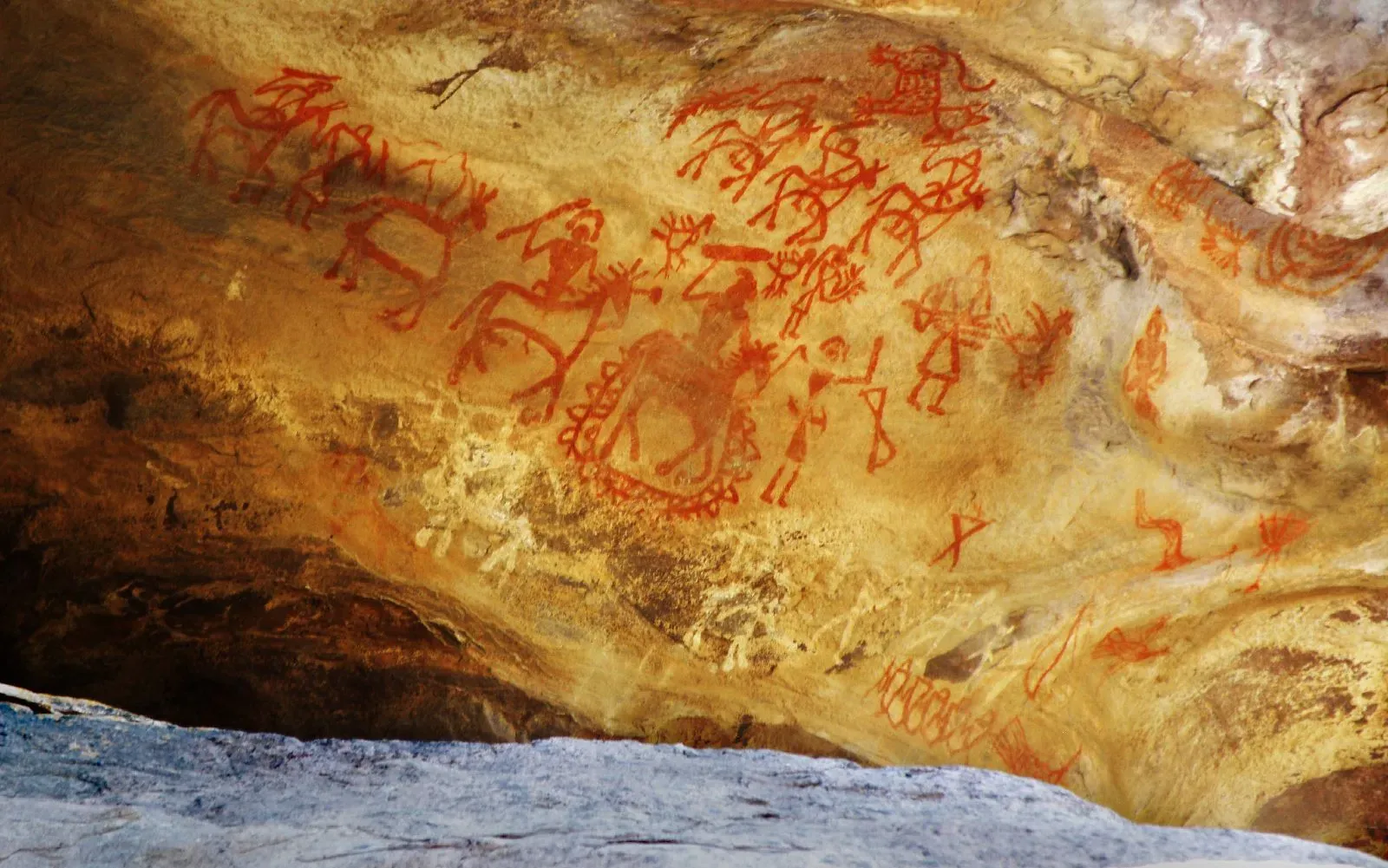
In the end, we keep turning prehistoric villains into monsters because it is easier. Monsters are simple: you do not have to feel guilty about defeating them, and you do not have to wrestle with messy questions about empathy, misunderstanding, or shared humanity. A snarling cave-beast lets us enjoy fear and violence while keeping our conscience mostly clean.
But the cost of that shortcut is a flatter, less honest view of who we are and where we came from. When every prehistoric antagonist is a barely-human brute, we erase a rich, tangled history of creativity, care, and connection. My opinion is blunt: we are overdue to retire the monster caveman stereotype and let prehistoric people be what they were – not demons, not angels, but humans under different skies. If we dared to face them that way, what might it change about how we see ourselves today?