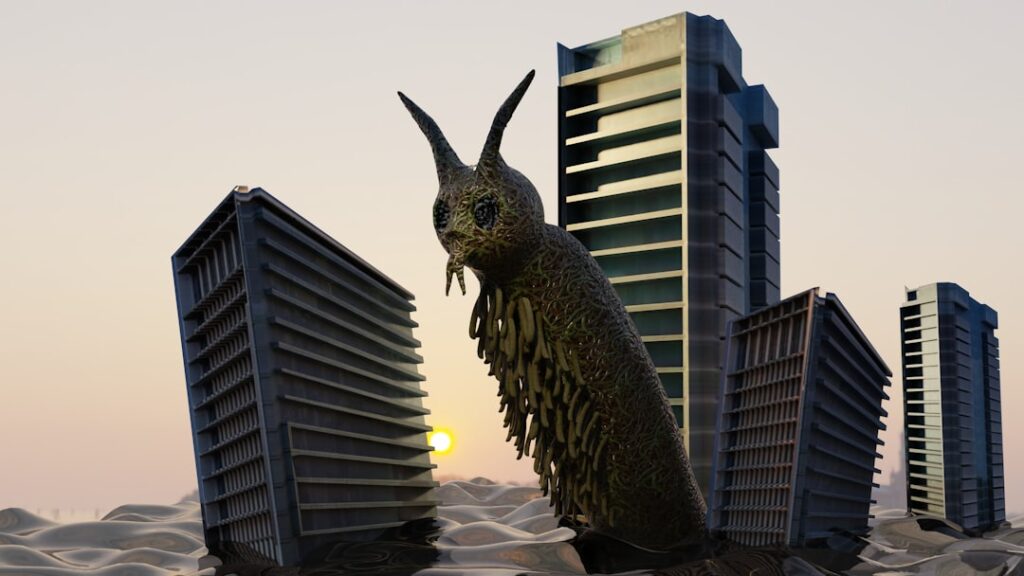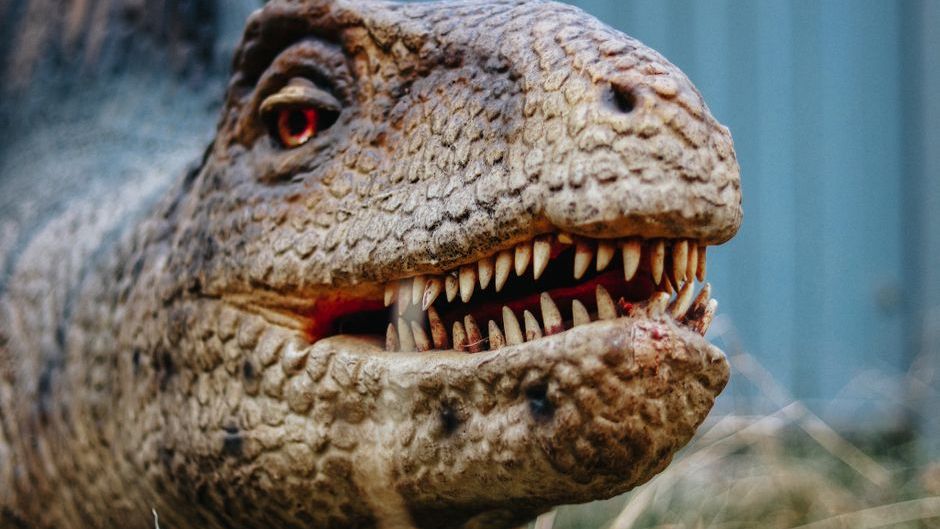
Every few years, a new movie trailer drops featuring some snarling “prehistoric beast” hurling itself at the camera, all teeth, slime, and rage. The crowd gasps, the soundtrack booms, and for a moment it feels thrilling. But if you love actual paleontology, or even just grew up fascinated by dinosaurs, there’s a nagging feeling underneath the popcorn excitement: this is not what these animals were really like.
Instead of complex, adaptable creatures that dominated Earth for millions of years, prehistoric animals are usually flattened into a single idea: monster. They scream, they chase, they kill, with barely a hint of real behavior or ecology. As someone who spent way too many childhood hours drawing feathered dinosaurs in the margins of school notebooks, I still feel a twinge of disappointment every time Hollywood throws science out the window for one more giant, roaring lizard. So why does this keep happening, even in 2026 when we actually know a lot better?
The Monster Template Is Easy, Familiar… and Profitable
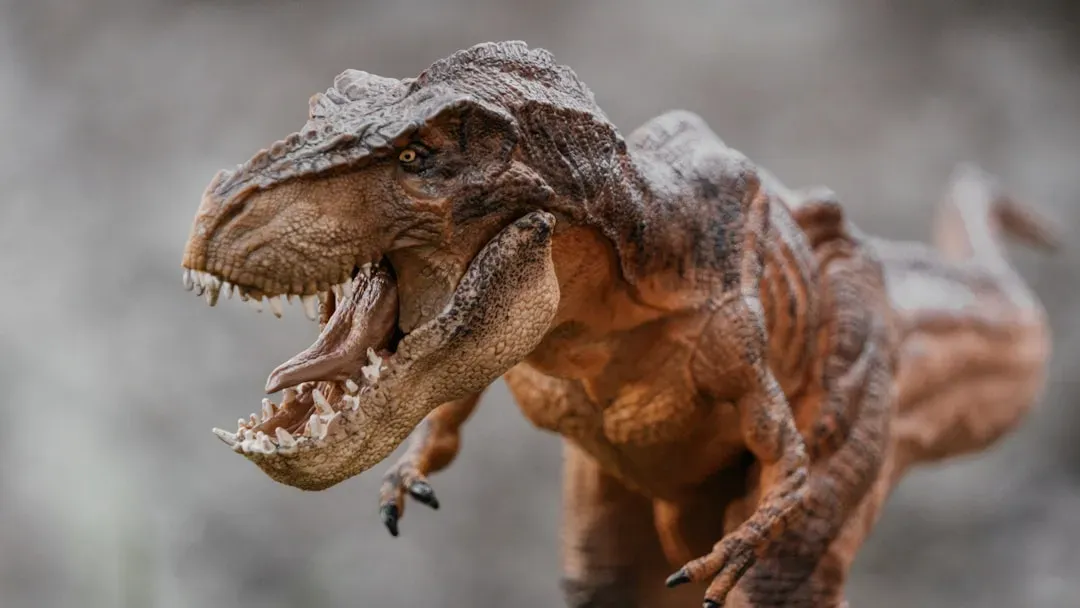
The blunt truth is that “monster” is a template Hollywood knows how to sell, quickly and reliably. A creature that is pure threat is simple to explain in a two-minute trailer: it is big, it is angry, and it wants to eat you. No one has to understand complex behavior, ecosystems, or evolutionary history. The stakes are immediate and obvious, and in a crowded blockbuster market, that clarity is worth a lot of money.
Studios also lean hard on familiarity. Audiences already know what a “movie monster” looks and acts like, so prehistoric animals are shoved into that mold whether it fits or not. Executives are usually more afraid of confusing people than of annoying paleo nerds, so nuance gets sanded off. I’ve sat in theater crowds that literally cheer when a dinosaur does something absurd but violent, and you can almost feel the producers somewhere nodding, convinced that accuracy would only get in the way of that loud, uncomplicated reaction.
Science Moves Fast, but Movie Images Stay Stuck in the Past
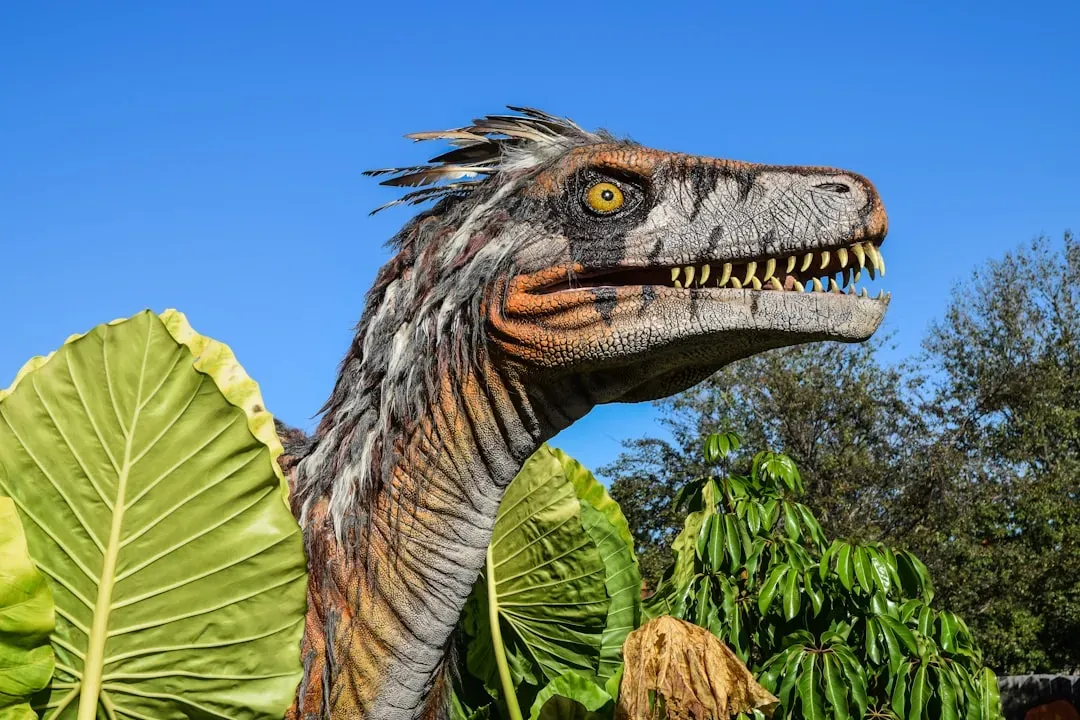
Modern paleontology has made some genuinely wild discoveries: feathered theropods, complex social behavior, specialized senses, and ecosystems every bit as intricate as modern ones. Yet movie dinosaurs often still look like they walked out of a 1980s museum diorama. It takes time for new research to filter into pop culture, and by the time a script is written, designed, approved, and animated, the science might have already moved on again.
On top of that, there’s a weird kind of nostalgia inertia. The classic lizard-skinned, tail-dragging predator has become iconic, so even when designers know better, they are pressured to “make it look like people expect.” Filmmakers fear that a realistic, feathered, birdlike predator might read as “wrong” to viewers who grew up with earlier images. So instead of letting prehistoric animals evolve on screen the way they did in life, movies freeze them in a scientifically outdated, permanently monstrous form that happens to be familiar and easy to recognize at a glance.
Real Animal Behavior Is Subtle, and Subtle Is Hard on the Big Screen
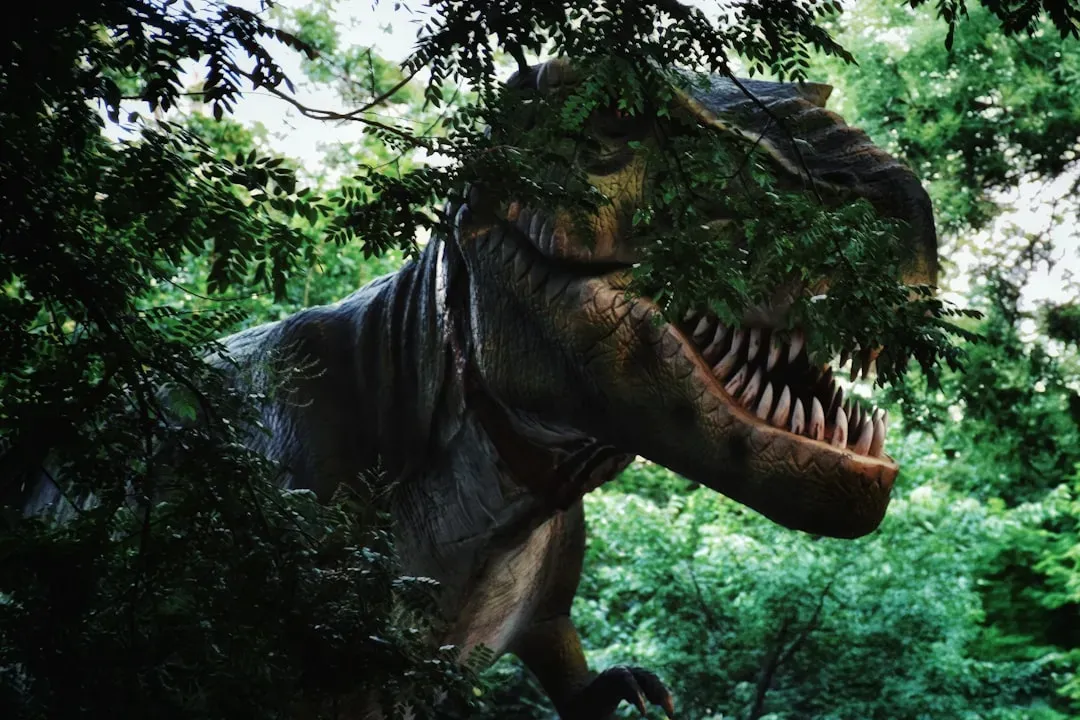
In real life, even apex predators spend most of their time not hunting. They rest, patrol territory, interact socially, raise offspring, and avoid injury because one bad step can mean death. Prehistoric animals were no different; they were busy staying alive, not constantly auditioning for a horror movie. But a two-hour blockbuster often wants clean, high-drama conflict, not the slow burn of animals navigating complex trade-offs and cautious decisions.
Directors and editors are under pressure to keep the tension spiking: show the chase, skip the quiet. If a big carnivore hesitates, retreats, or ignores the humans because they are not worth the risk, that might be beautifully realistic – but it can feel like a letdown to audiences primed for relentless danger. So screenwriters smooth out all of that nuance into a single gear: attack mode. Prehistoric animals become essentially natural disaster effects with teeth, instead of living creatures following intricate survival strategies that would actually be far more interesting if given room to breathe.
Fear Sells Better Than Respect
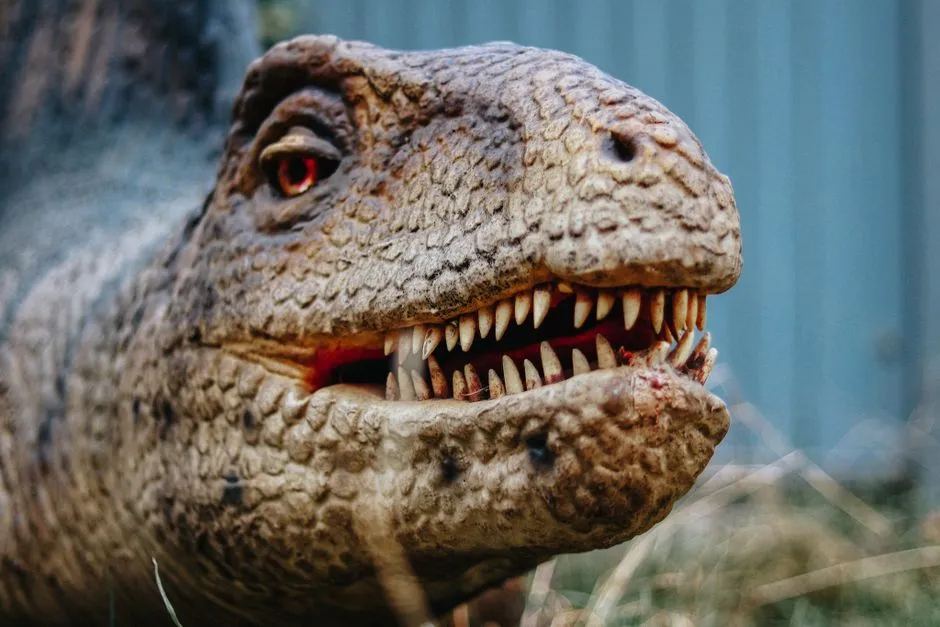
Hollywood has learned over decades that fear is one of the most direct emotional hooks it can pull. A giant, unstoppable animal engages the same deep instincts as a storm, a tsunami, or a slasher villain; you feel it in your body before you even start thinking. Prehistoric creatures are a perfect vessel for that because they are both real and remote – no one has ever seen one alive, so our imagination can exaggerate them without bumping too hard into everyday experience.
Respect, on the other hand, is quieter. It comes from appreciating behavior, ecology, and deep time. That kind of admiration can be transformative, but it tends to build slowly, not in jump scares or explosive set pieces. The industry usually treats respect as a side dish – something you sprinkle into a line of dialogue or a sweeping shot of a herd – while centering fear as the main emotional engine. The result is that prehistoric animals are framed primarily as something to escape from, not something to understand, even though understanding is where the real awe lives.
Complex Creatures Require Complex Writing and Design
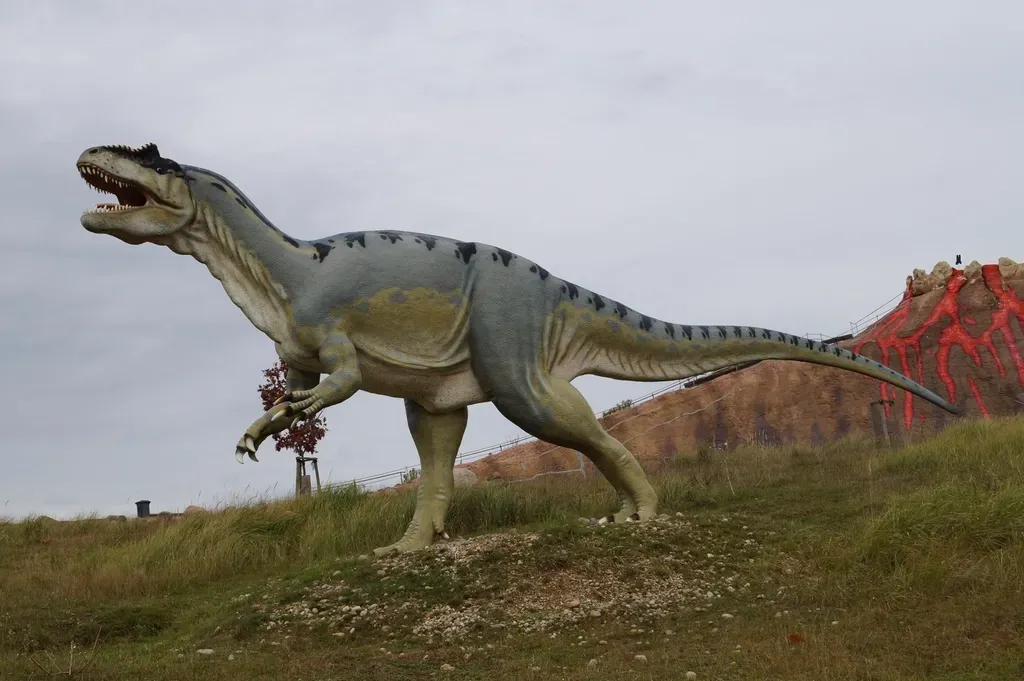
Portraying prehistoric animals as real creatures is actually harder work than letting them rampage. It means researching how they might have moved, hunted, socialized, and communicated, then embedding that in the story without turning the film into a lecture. Writers would need to think about herd dynamics, nesting behavior, territory, and sensory worlds that do not map neatly onto human instincts. That level of complexity is more demanding than just giving the creature a loud roar and an endless appetite for destruction.
On the visual side, animators and designers have to grapple with biomechanics and plausible movement instead of just making something look “cool” or terrifying. Shoulder joints, weight distribution, feather placement, and how skin actually stretches over bone – all of that matters if you want an animal to feel real rather than just heavy. When budgets and deadlines are tight, the temptation is huge to recycle known monster animations or exaggerate features far beyond what any known fossil suggests. Realism is a craft; monstrosity is a shortcut.
We Keep Asking for Spectacle, and Hollywood Keeps Listening
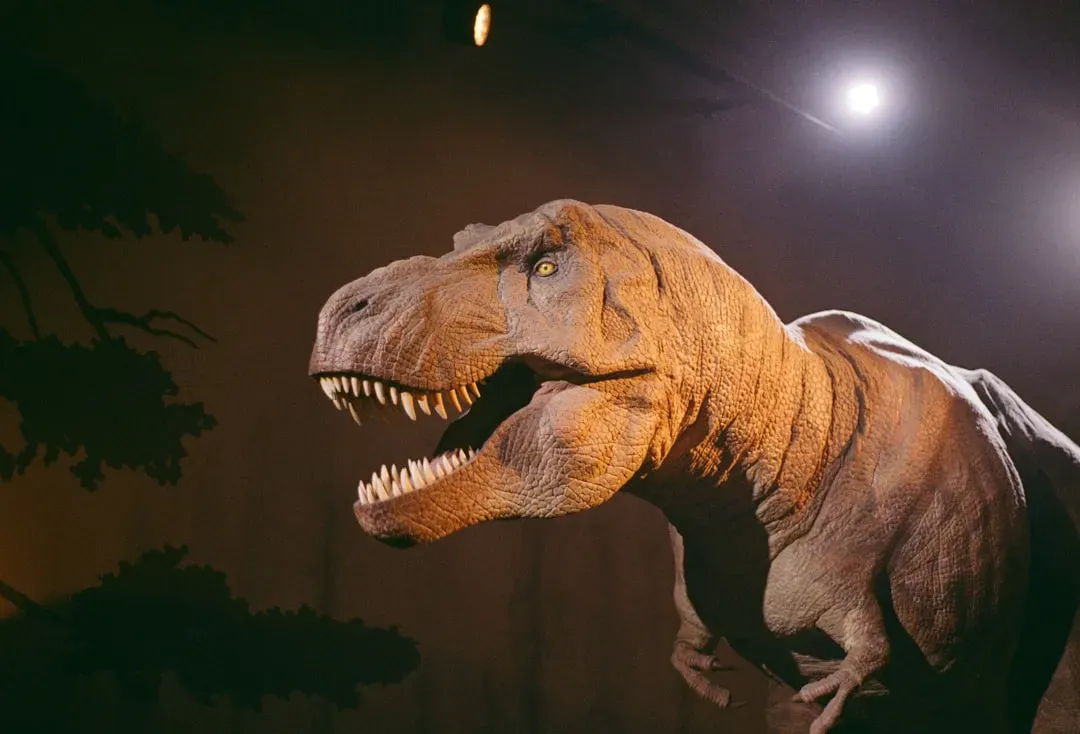
As much as it is tempting to blame studios alone, audiences are part of this loop. When movies that feature subtle, behaviorally rich animals underperform, and straightforward creature-feature carnage rakes in huge box office numbers, the financial message is loud. Viewers often say they want realism, but ticket sales frequently reward the biggest, loudest, most over-the-top version of prehistoric life, not the most accurate. Studios track that data obsessively, and it shapes what gets greenlit.
I remember dragging a friend to a more scientifically grounded dinosaur documentary and watching them check their phone halfway through, only to later rave online about a chaotic, scientifically ridiculous monster movie. It was a pretty harsh reminder that attention, not accuracy, is the currency Hollywood deals in. Until more people actively choose the films that treat prehistoric animals as animals instead of as jump-scare machines, the safest bet for studios will keep being the mindless monster model that guarantees a fast, visceral reaction.
What We Lose When Prehistoric Animals Become Only Monsters
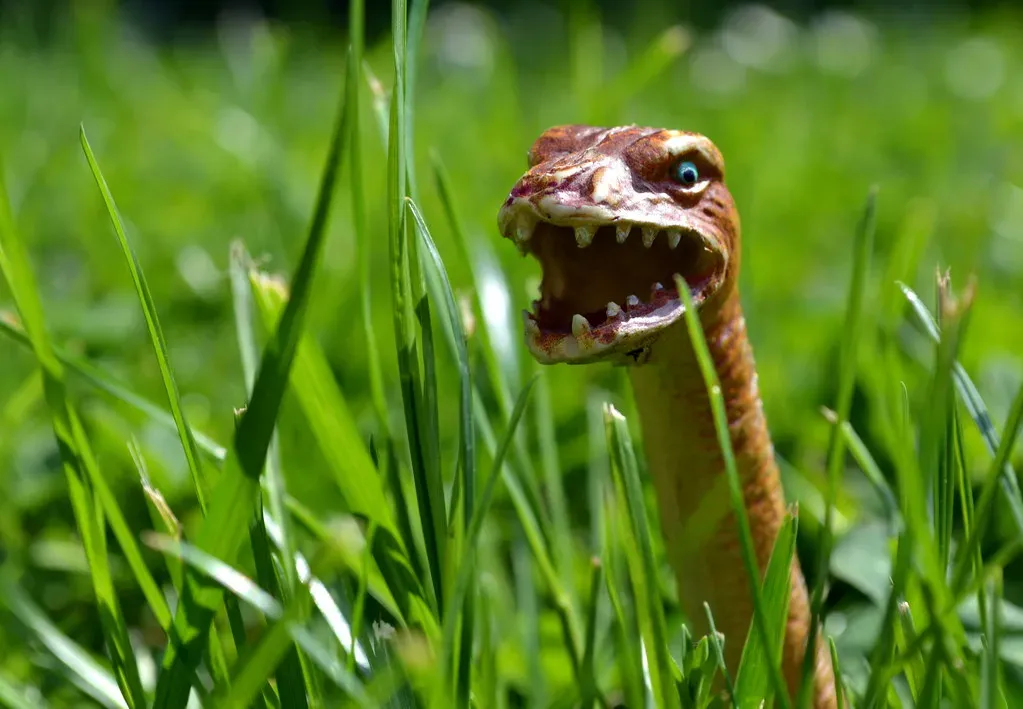
Reducing prehistoric animals to one-note villains quietly steals something huge from us: a sense of deep connection to Earth’s history. These creatures were not supernatural forces; they were part of a long, continuous story of evolving life that eventually leads to us. When movies turn them into irrational horrors that exist only to punish humans on screen, that continuity gets cut, and we miss the chance to see ourselves as just one more branch on a vast, ancient tree.
We also lose the chance to be genuinely surprised by the strangeness and beauty of real evolution. The true behaviors, colors, feathers, symbioses, and survival strategies of prehistoric animals are often far cooler than anything dreamed up in a writers’ room. By flattening them into the same generic monster again and again, Hollywood narrows our imagination instead of expanding it. That feels like a genuine cultural loss, especially for kids who might have fallen in love with science if they had been shown creatures that felt alive rather than just angry.
Conclusion: It Is Time to Demand Animals, Not Just Monsters
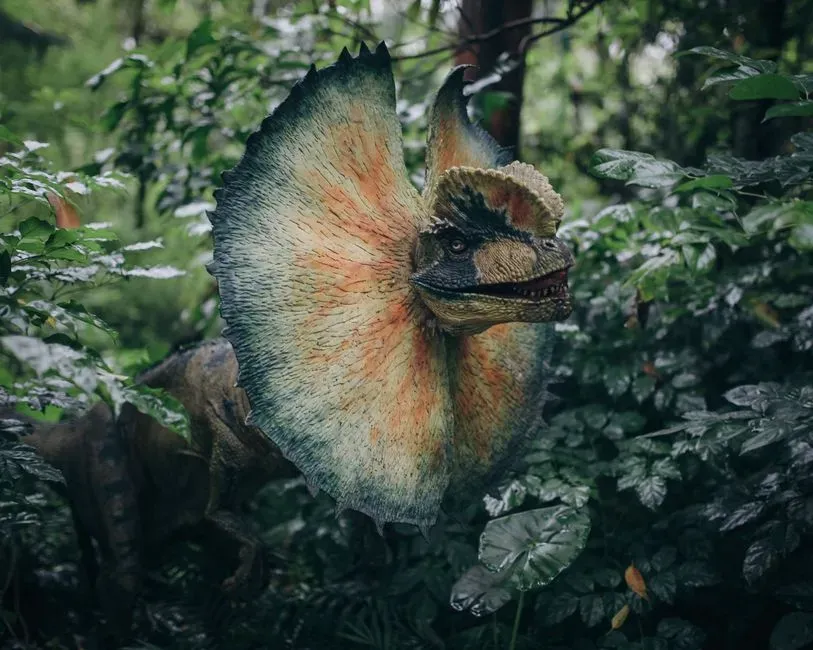
Hollywood keeps turning prehistoric animals into mindless monsters because it is easy, profitable, and familiar, not because it is the most interesting or truthful choice. Fear is a cheap spark; real creatures require patience, curiosity, and respect. But the responsibility is not only on studios. It is also on us to reward the films that dare to treat these animals as part of our shared natural history, not just as digital battering rams for action scenes.
Personally, I would rather watch a slightly slower movie that lets a dinosaur hesitate, care for its young, or avoid a fight than yet another endless sprint toward a screaming human with perfect plot armor. Prehistoric animals deserve better than to be stuck forever in the role of nameless villain, and honestly, so do we. Maybe the real question is not why Hollywood keeps making monsters, but why we keep settling for them when the real creatures were so much more incredible. If you had the choice on a Friday night, would you still pick the roar over the reality?