
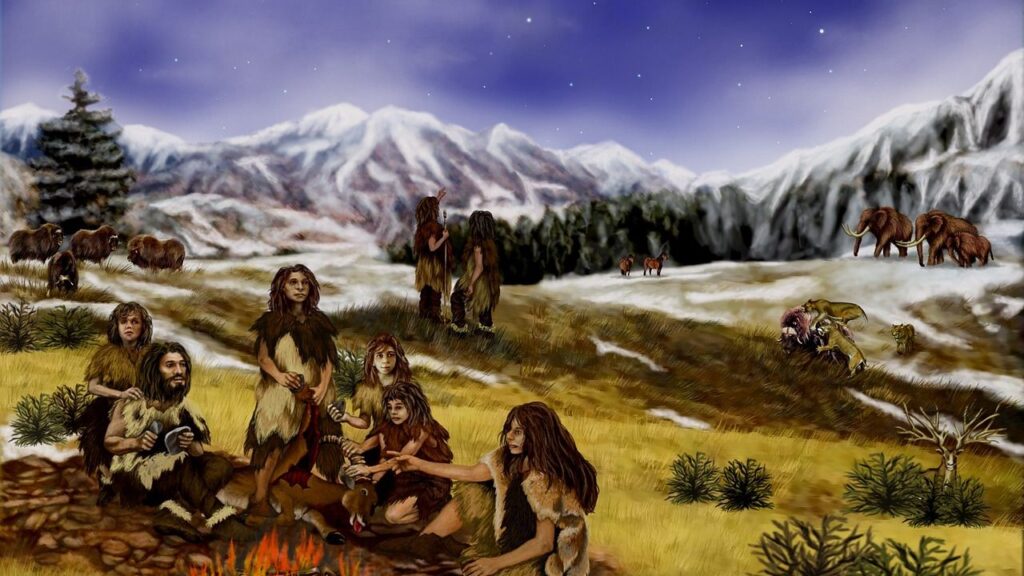
Every few years, a new movie or prestige TV series promises to show us what our distant ancestors really looked like. Then the trailer drops, social media erupts, and suddenly everyone is an expert on Neanderthal noses and caveman haircuts. One project leans into shaggy, half-beast creatures grunting in the dark; another gives us eerily modern, gym-toned hominins who look like influencers in furs. Somehow, they all feel a little off, and that unease is exactly where the real story lives.
The truth is, Hollywood is trying to paint a portrait with a fossil record that is partial, a genetics picture that is still evolving, and a modern audience that brings all kinds of bias to the table. As someone who has lost way too many evenings going down rabbit holes on human evolution, I’ve come to think of these portrayals less as mistakes and more as a mirror of what we find comforting, scary, or cool about our own species. The science is complicated, the history is messy, and the pressure to “make it cinematic” pulls in the opposite direction of nuance. That tension is exactly why screen versions of ancient humans keep changing – and why they probably always will.
The Fossil Problem: Building Faces From Fragments

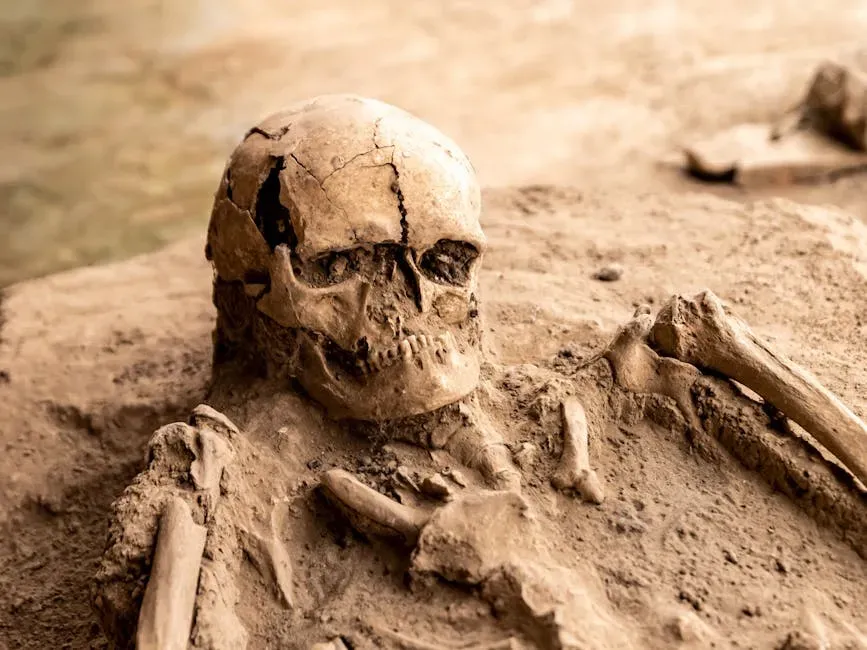
Here’s the first big issue: the fossil record is basically a half-finished puzzle with most of the pieces missing and no picture on the box. Paleoanthropologists often have to work from a single skull, a partial jaw, or a handful of teeth to infer what an entire population might have looked like. From that limited data, forensic artists and researchers reconstruct musculature, fat distribution, skin, hair, and even posture, and Hollywood then copies or stylizes those reconstructions. It is a heroic effort, but there are a lot of educated guesses layered on top of one another.
Small changes in interpretation can radically alter the final face. A slightly different angle of the jaw, a different assumption about how thick the soft tissues were, or a new study about brain size can shift our mental image from “ape-like” to “strikingly human” very quickly. When a big new fossil discovery hits the headlines, older reconstructions can suddenly look dated or even embarrassing. Hollywood, which works on long production timelines, often ends up releasing a film that reflects last decade’s best guess rather than today’s updated science, and viewers rarely see that gap.
The Genetics Wildcard: Skin, Hair, and Eyes We Still Argue About
Genetics has completely shaken up how scientists think ancient humans may have looked, but it has not given us a neat, high-definition picture. For a few ancient populations, researchers can extract DNA and identify variants linked to traits like skin pigmentation or hair type, but those links are statistical, not absolute. Even in living humans, the same gene can express differently depending on environment and interactions with other genes. Now imagine trying to apply that to a small, damaged sample from tens of thousands of years ago and then asking a costume department to turn it into a screen-ready character.
This uncertainty is why Hollywood keeps bouncing between extremes: some productions default to pale, rugged “cavemen,” others to uniformly dark-skinned hunter-gatherers, and a growing number try to show a mix, but often with a modern Western beauty filter layered on top. The reality is almost certainly more varied and surprising than any single film has shown – regional differences, seasonal changes in appearance, and a broader range of hair textures, facial features, and eye colors than audiences expect. Since the genetics story is still being written, filmmakers tend to cherry-pick the bits that are most dramatic or easiest to sell, which leaves viewers with a distorted sense of scientific certainty.
Eurocentric Myths and the Legacy of the “Caveman”
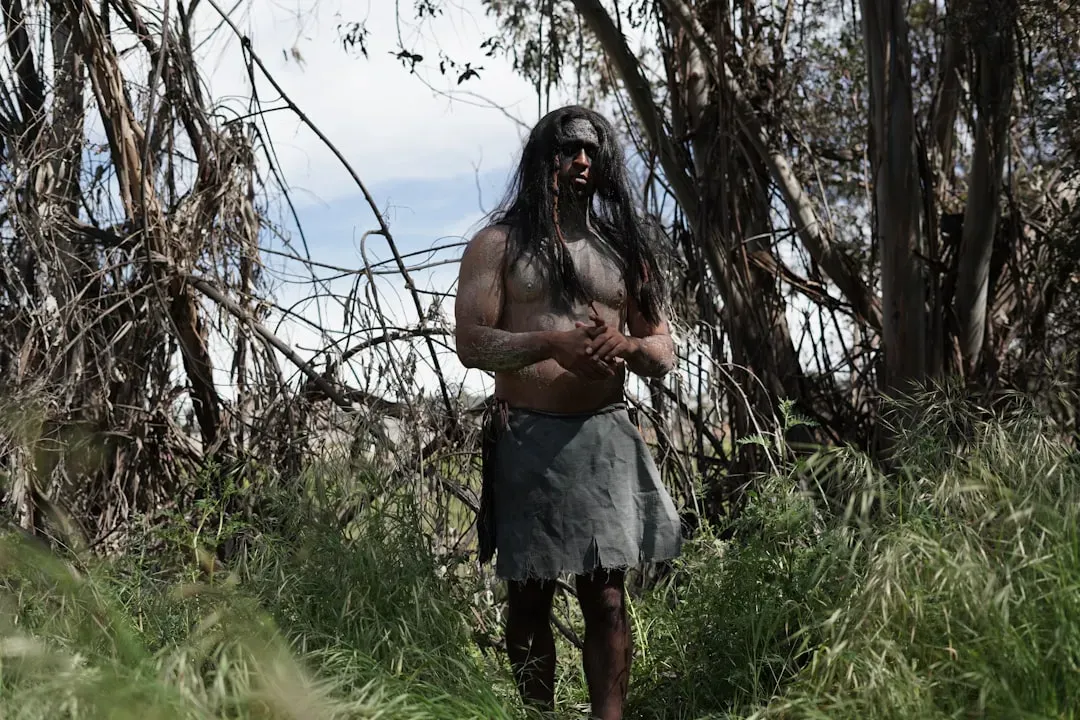
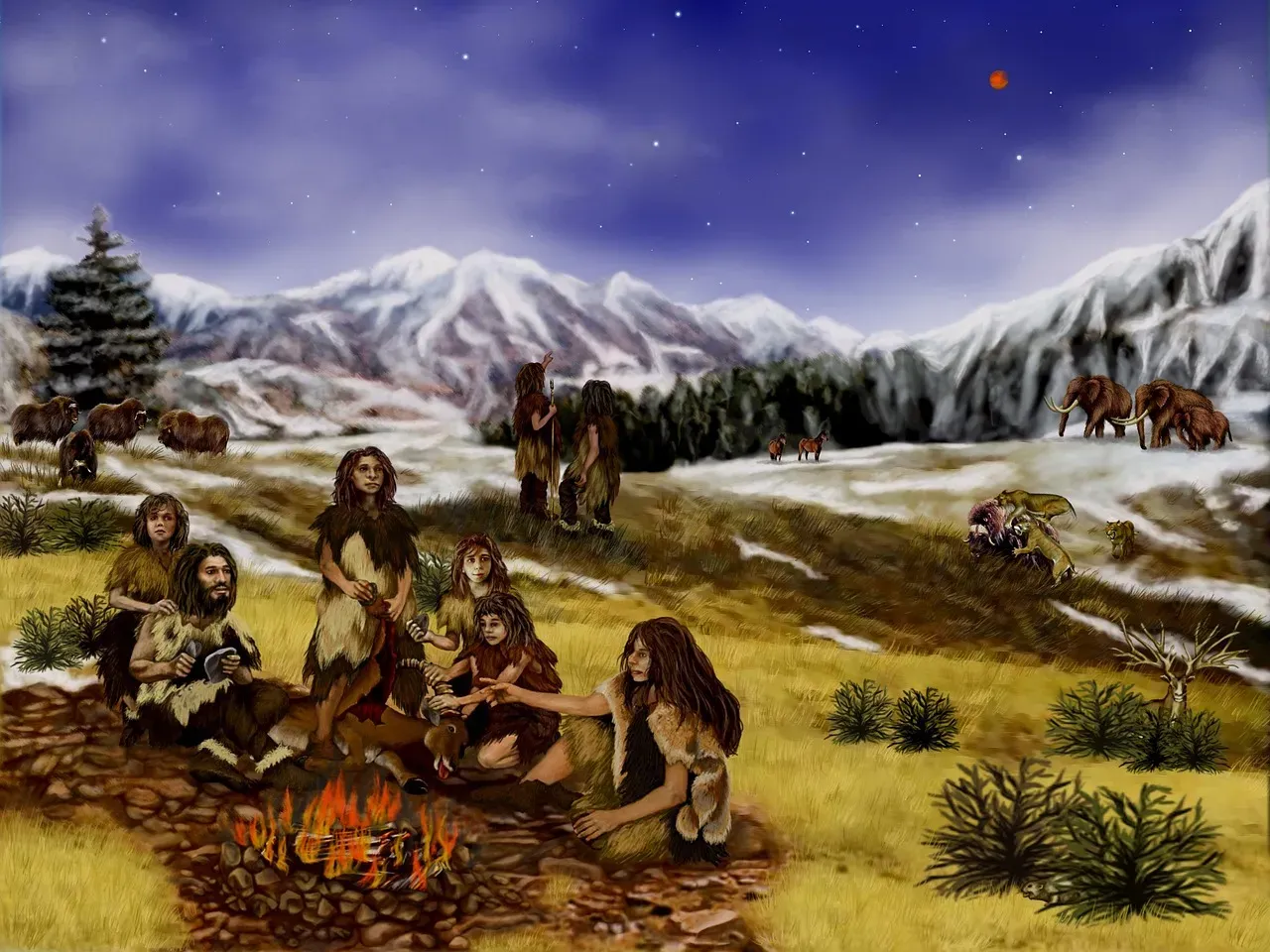
For over a century, the dominant image of ancient humans in Western media has been the cartoonish “caveman”: white or lightly tanned, big-browed, hairy, and dim-witted, usually male and always violent. That stereotype grew out of early European discoveries of Neanderthal bones and some deeply biased assumptions that placed European-looking ancient humans at the center of evolution. Even as science moved on, the visual shorthand stuck, because it was instantly recognizable and easy to parody or dramatize. Hollywood, which loves shortcuts, leaned into it hard.
This matters more than it seems, because on-screen images shape how people feel about deep human history. When ancient humans are always depicted as almost-European and mostly living in ice and caves, audiences unconsciously see prehistory as belonging to one region and one “type” of person. That leaves out the enormous role of Africa and other parts of the world in our story, and it feeds outdated ideas about superiority and “civilization.” More recent projects have tried to break those patterns, but they are fighting against decades of visual habits that still sneak in through casting, lighting, and even which characters filmmakers choose to focus on.
Neanderthals: Brutes, Soulful Outsiders, or Just… People?
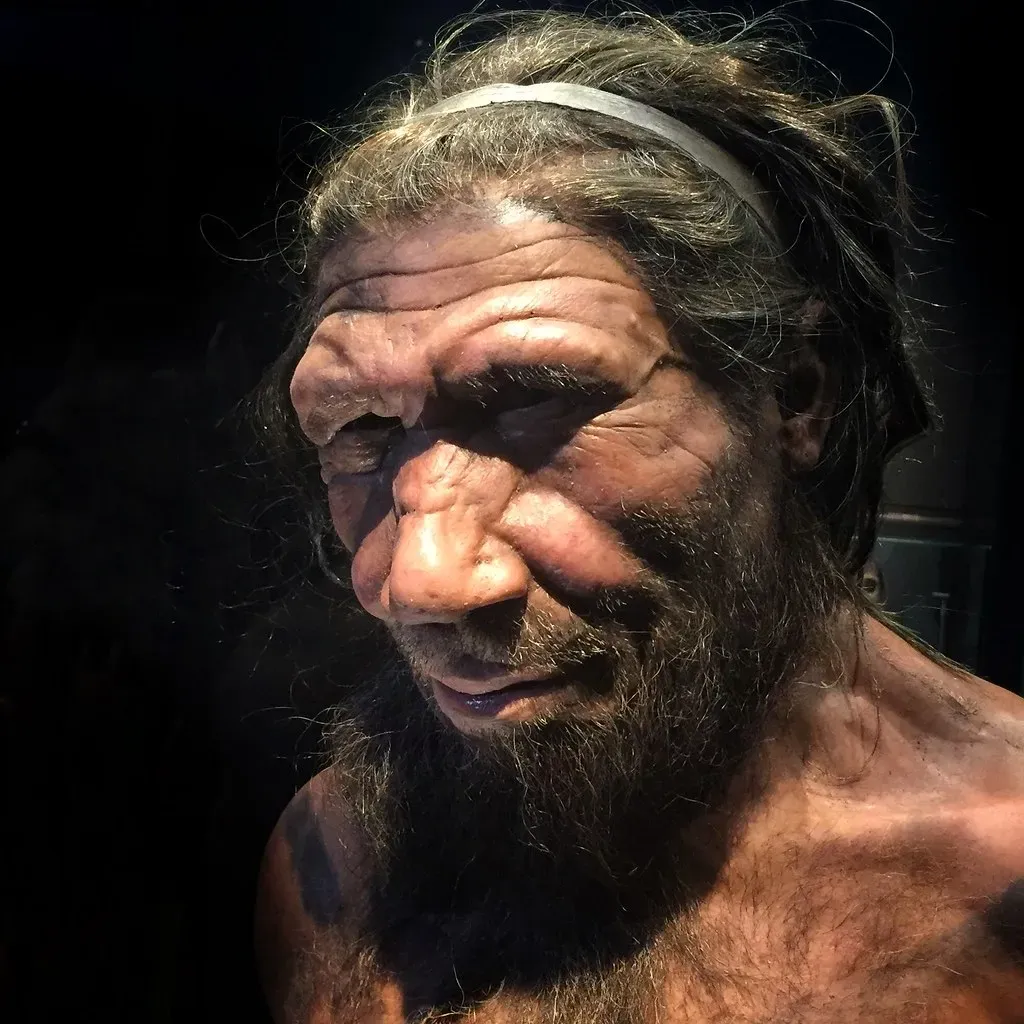
Few ancient humans have been reinvented on screen as dramatically as Neanderthals. Older films and cartoons turned them into lumbering brutes with barely coherent speech, often played for laughs or fear. As newer research has revealed their brain size, tool use, possible symbolic behavior, and even interbreeding with modern humans, portrayals have softened into tragic outsiders, sensitive warriors, or misunderstood cousins. In one decade they’re monsters; in the next, they’re almost romantic leads with a bit of extra brow ridge.
This ping-pong effect happens because Neanderthals sit on an emotional fault line for us. The closer they seem to us in intelligence and culture, the more we have to question what makes us “special.” If they were capable of art, complex social bonds, or compassion, then wiping them out or replacing them looks less like inevitable progress and more like a brutal accident of history. Hollywood senses this and amplifies whichever angle fits the story it wants to tell: horror leans into the beast; drama leans into the almost-human. Science moves in slow, cautious steps, but storytelling moves in sweeping moods, so the Neanderthal we see on screen is always a few beats out of sync with the one in the lab.
Budget, Makeup, and the “Hotness” Filter
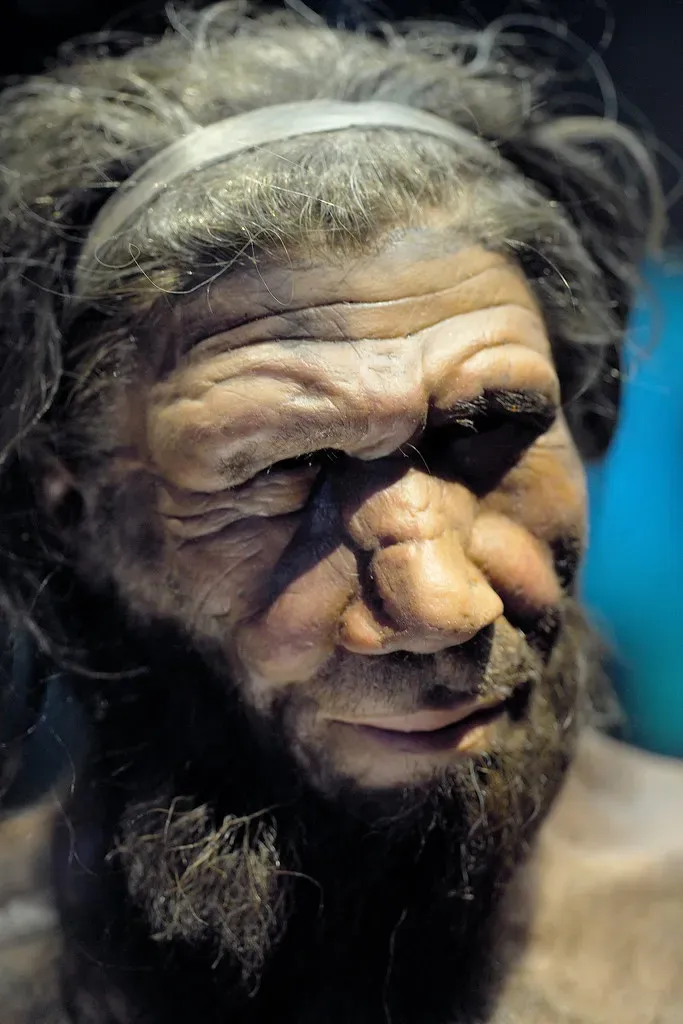
Even when a production team wants to be faithful to the latest research, practical constraints drag the vision back toward familiar faces. Heavy prosthetics and complex makeup are expensive, time-consuming, and uncomfortable for actors, especially for long shoots or stunt-heavy scenes. Digital effects can help, but realistically animating subtle differences in facial structure and body hair still costs money that many projects would rather spend on big battle scenes or sweeping landscapes. The result is a gradual erosion of scientific detail in favor of something quicker and cheaper to pull off every day on set.
Then there is the unspoken “hotness” filter. Studios know that audiences tend to root for attractive leads, so ancient humans – especially protagonists – get subtly airbrushed: straighter teeth, clearer skin, symmetrical faces, and gym-sculpted bodies. You can see it when a supposedly harsh, pre-modern character somehow has perfect brows and camera-ready cheekbones. I remember watching one widely hyped prehistoric series and laughing at how everyone looked like they had just stepped out of a fashion editorial with strategically torn furs. It makes for good posters, but it pushes the visuals further away from what life in those environments would realistically have done to people’s bodies and faces.
Storytelling Needs vs. Scientific Messiness
Storytelling thrives on clear types: the wise elder, the fierce warrior, the visionary outsider. Ancient humans, though, were not neatly organized into cinematic archetypes; they were messy, contradictory, and ordinary in ways that do not always translate well to a tightly plotted two-hour film. To keep a narrative moving, writers and directors compress cultures, flatten personality differences, and exaggerate physical traits so viewers can instantly tell groups apart. Distinct bone structures, scars, or hairstyles become stand-ins for complex histories and ecological settings that would take hours to explain.
Scientific reality resists that kind of simplification. Different hominin species may have overlapped in time and space, interbred, shared tools, or swapped ideas in ways we are only beginning to grasp. There were likely quiet years, small dramas, and long stretches of nothing especially cinematic happening at all. But you cannot build a season of television on “mostly foraged, sometimes argued about who gets the best sleeping spot,” so Hollywood leans into dramatic conflicts and clear visual contrasts. In doing so, it inevitably distorts and how they lived, even when consultants are involved and everyone has good intentions.
Audience Expectations and the Comfort of the Familiar

We like to think we want accuracy, but most of us also want to recognize what we are looking at without working too hard. When studios screen early cuts of films, they pay close attention to whether test audiences are confused or put off by the look of the characters. If the feedback is that certain hominin designs are “too weird,” “too animal,” or simply “not relatable,” there is enormous pressure to nudge them closer to modern human faces. That tension plays out quietly in editing rooms and redesign meetings long before we ever see the final product.
There is also a deep psychological comfort in seeing ourselves, not just as we are, but as we wish we were, reflected into the deep past. If ancient humans look like rugged versions of us, it supports a flattering story of continuity and inevitability: of course we ended up here, we think, we were always headed this way. More alien-looking ancestors complicate that narrative and make our own existence feel less guaranteed. I suspect that is why many people still prefer the slightly softened, movie-friendly “caveperson” over the stranger, more varied faces that paleoartists sometimes produce. It is not just an aesthetic choice; it protects a story we like to tell about ourselves.
Conclusion: Hollywood’s Ancient Humans Say More About Us Than Them
When you pull all these threads together – fragmentary fossils, incomplete genetics, long-standing biases, budget realities, storytelling shortcuts, and audience comfort – it becomes obvious why Hollywood still cannot settle on a single, definitive look for ancient humans. The science is evolving, yes, but the bigger problem is that every portrayal is also carrying the weight of what we want to believe about intelligence, beauty, progress, and who counts as “fully human.” In that sense, the endless redesigns are not a failure; they are a running commentary on our changing anxieties and hopes.
My own opinion is that we should lean into the weirdness more and accept that our ancestors may have looked both more familiar and more alien than we like to imagine. I would rather see a film that makes me slightly uncomfortable with how close a Neanderthal feels, or how different an early Homo species appears, than another round of airbrushed cave chic. Maybe the real measure of progress will not be when Hollywood finally decides on one canonical look, but when it is brave enough to admit that there never was just one. If you picture your thirty-thousand-year-old ancestor right now, do you see them as a stranger – or as family you have been trained not to recognize?