
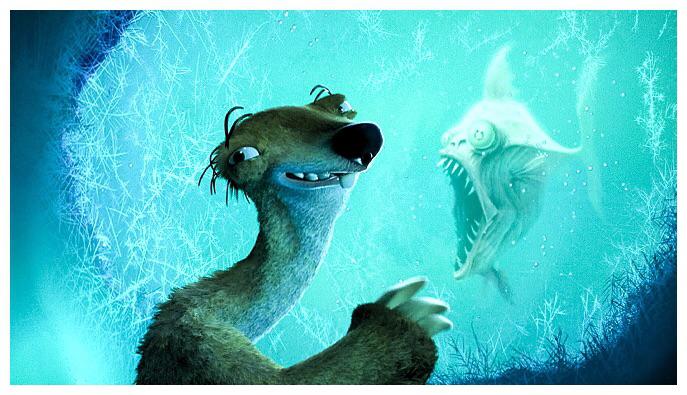
Ask someone what a sloth is like, and a surprising number of people will start describing Sid from Ice Age: goofy, hyper, chatty, and tripping over his own feet. The twist? Real sloths are almost the complete opposite. Sid is one of the most beloved animated characters of the 2000s, yet he might also be one of the biggest biological disasters in mainstream animation.
This gap between the real animal and the on‑screen version is more than just a funny mismatch. It quietly shapes what millions of kids and adults think sloths actually are. Once you look closely at what science says about real sloths, Sid stops being a cute mistake and starts looking like the poster child for how Hollywood gets animals wrong. Let’s unpack why this one character might be the most misrepresented animal in animation history.
Sid’s Personality vs. Real Sloth Behavior: Hyper Speed vs. Slow Zen
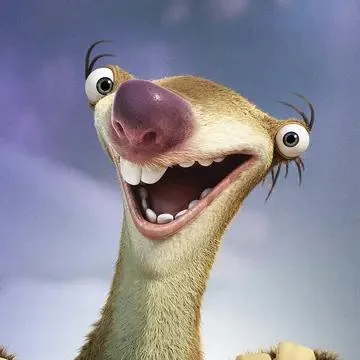
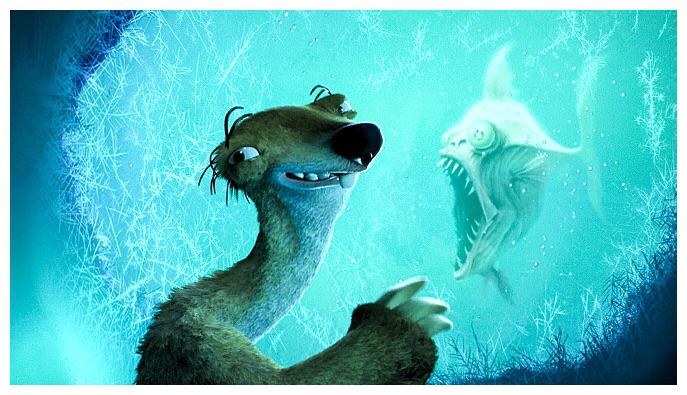
Sid is loud, constantly talking, wildly expressive, and always in motion. In almost every scene, he’s either running, panicking, rambling, or doing some physical gag. Personality‑wise, he’s written like the group clown: socially needy, always inserting himself into drama, and bouncing emotionally from fear to excitement in seconds. If you only knew sloths from Sid, you’d picture them as chaotic little energy balls trapped in weird, slow‑moving bodies.
Real sloths, though, are closer to forest monks than slapstick comedians. Wild sloths are mostly solitary, moving slowly and deliberately, spending a huge portion of their lives resting or sleeping up in the canopy. They don’t shout at each other every five minutes, they rarely engage in dramatic social antics, and they conserve energy like it’s a sacred rule. Watching a wild sloth for an hour often means seeing it move just a few careful steps. Sid’s manic, nonstop chatter is almost the exact emotional opposite of the quiet, low‑key, energy‑saving lives real sloths actually lead.
Speed, Movement, and Coordination: The Physics That Ice Age Ignores
One of the most striking things about Sid is how much he runs. He sprints from predators, flails across ice, tumbles, jumps, and sometimes keeps pace with animals that, in real life, would leave a sloth hopelessly behind. On screen, his movement is clumsy but still surprisingly agile; he can dodge, pivot, and react quickly enough to escape danger. The animation leans into his floppy body for comedy, but it still gives him reflexes and stamina that a real sloth simply doesn’t have.
Real sloths move slowly not because they are “lazy,” but because their entire physiology is built around ultra‑low energy expenditure. Their muscles, metabolism, and even nerve conduction speed are tuned for a slow lifestyle. They are capable climbers in trees, but on the ground they are extremely vulnerable and painfully slow. They do not sprint, they do not skillfully slide across ice, and they do not maintain high‑speed chases. By turning a fundamentally slow, deliberate animal into one that can casually outrun prehistoric predators, Ice Age quietly erases the single most defining trait of a sloth’s biology.
Anatomy and Posture: A Ground‑Bound Sloth in a Tree‑Dweller’s Body
Look closely at Sid’s design and you’ll notice he spends a surprising amount of time upright, running like a wobbly human, with his limbs used for exaggerated gestures and balance. His body is elongated, but the way he stands, walks, and uses his arms treats him more like a cartoon person with funny proportions than like an animal that evolved for life hanging from branches. The filmmakers sprinkle in a few hanging gags, but overall, Sid is presented as a mostly ground‑based creature wandering around with the herd.
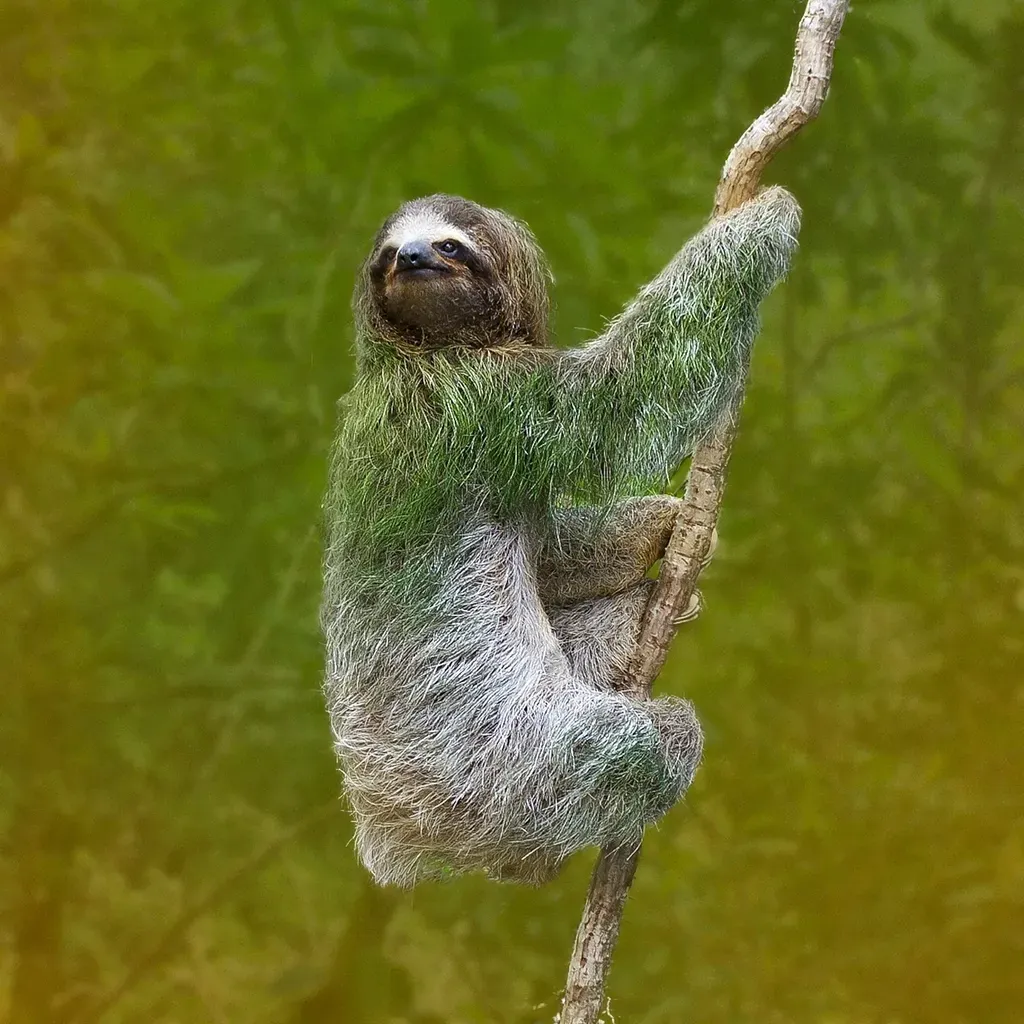
Real sloths are the definition of arboreal specialists. Their anatomy is designed for hanging below branches: long, curved claws hook securely onto tree limbs, their center of gravity fits that upside‑down lifestyle, and they’re far more confident in the canopy than on the ground. On land they appear awkward because, frankly, they are. Their claws are not built for walking; they are built for gripping. By turning an expert tree dweller into a comedic land‑walker, the movie shifts our mental image of what a sloth’s body is even for. Sid’s body language tells viewers “this is a clumsy ground animal,” when reality says “this is a canopy specialist that barely belongs on the forest floor at all.”
Ecology and Habitat: Tropical Forest Specialist Lost in an Ice Age
There’s another big problem that often goes unnoticed: Sid’s entire world is wrong for his species. He roams icy landscapes, snowy valleys, frozen seas, and glacial caves. The whole setting of the franchise places him in harsh, cold conditions that modern sloths are simply not built to handle. Today’s sloths live in humid, tropical forests of Central and South America, where dense canopy, stable temperatures, and abundant foliage define their niche.
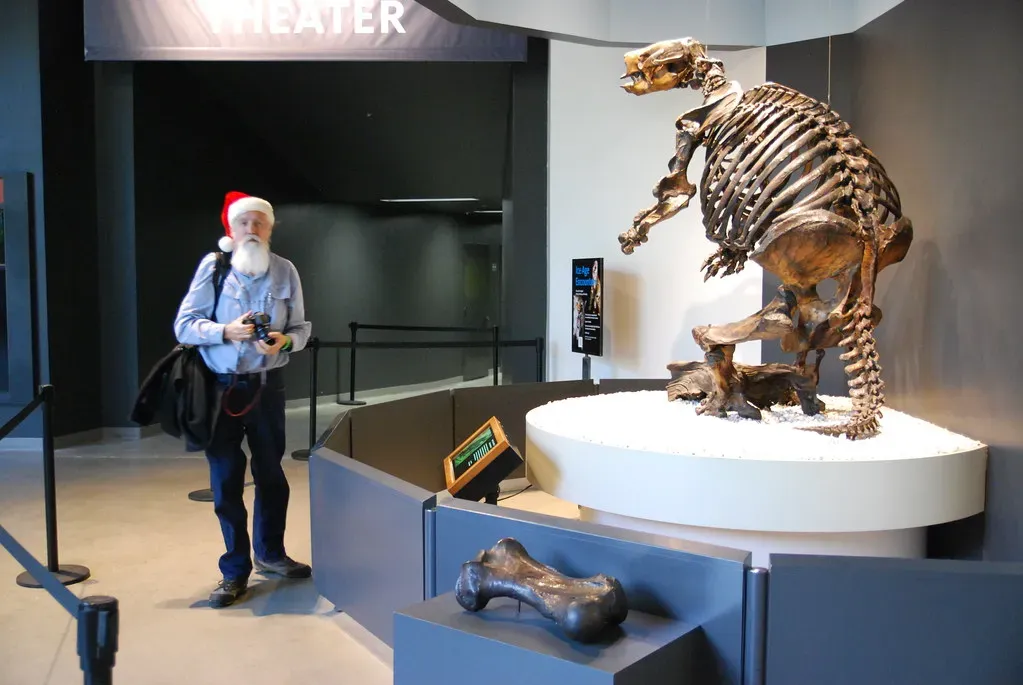
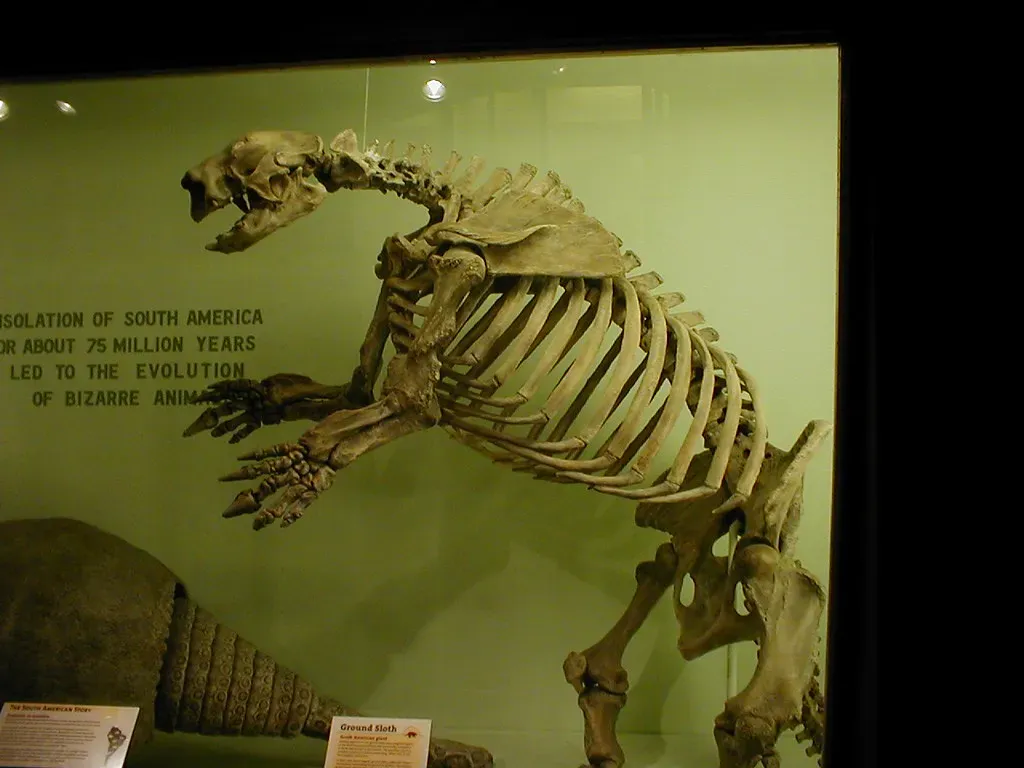
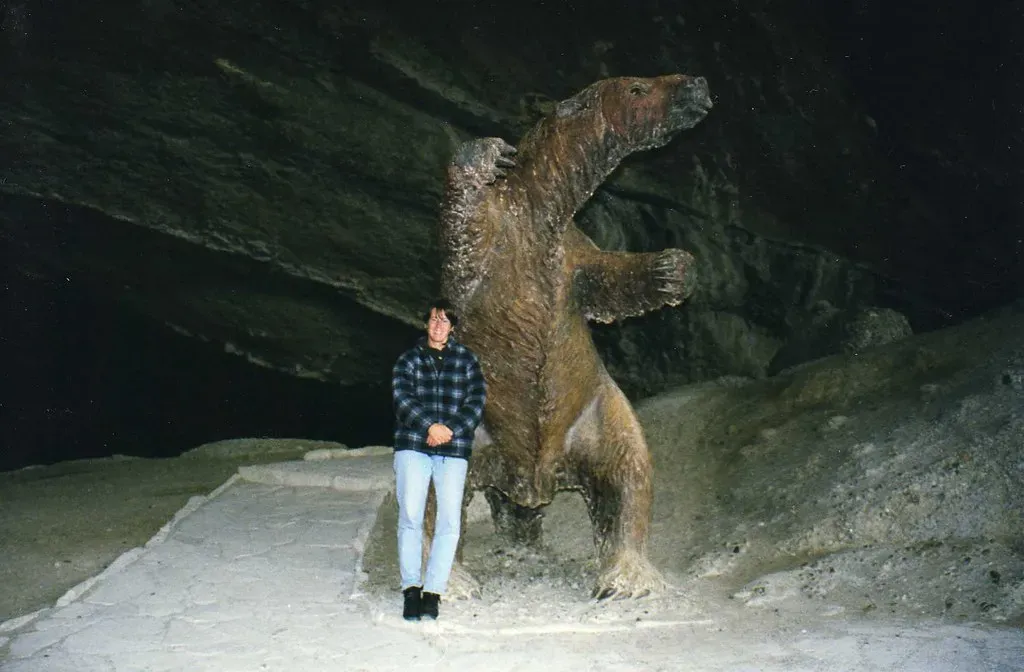
To be fair, Ice Age loosely references prehistoric ground sloths, which did exist and were very different animals, often much larger and more terrestrial. But Sid is not portrayed like a scientifically accurate ground sloth either; he’s a mashup: a modern‑style sloth face and vibe thrown into a cold, Pleistocene world and then given cartoon physics. That mixture can easily confuse viewers about where sloths belong and how they actually live. Instead of dense foliage and hidden lives high in the trees, we get a sloth sliding across glaciers with a mammoth and a saber‑toothed cat, as if that were remotely realistic.
Cognition, Communication, and The “Dumb but Lovable” Trope
Sid is written as silly, naive, and often the butt of the joke. He misreads social cues, comes up with bad plans, and constantly gets talked over or dismissed by the other characters. While he does show emotional intelligence and loyalty at times, the running gag is that he’s the least competent member of the group. The “idiot but adorable” archetype attached to Sid quietly bleeds into how people describe real sloths: slow, dumb, clueless, helpless without human help.
In reality, wild sloths are well adapted to their environment in a way that looks less like human‑style intelligence and more like quiet, efficient specialization. They do not need to be clever in a comedic, problem‑solving way to thrive; they need to know how to navigate trees, find food, hide from predators, and conserve energy. People often underestimate animals that move slowly or have relaxed expressions, projecting stupidity onto them. Sid’s portrayal reinforces that bias. Instead of showing a creature perfectly tuned for a specific lifestyle, the films turn him into a punchline, feeding the idea that sloths are inherently incompetent, when they are actually well‑designed survivors within their ecological niche.
Why Sid’s Misrepresentation Matters More Than We Think
On the surface, all of this might sound like overthinking a cartoon character. But animated movies shape how entire generations picture animals they may never see in the wild. I’ve personally heard people at zoos say things like “Wow, it’s not like Sid at all,” as if the real animal is the odd one out. When a character as globally popular as Sid becomes the mental template for an entire species, his inaccuracies stop being harmless quirks and start becoming cultural “facts” in people’s heads. That matters for how we talk about conservation, captivity, and even how we treat the animals themselves.
Compared to other animated animals, Sid’s mismatch is unusually extreme. Lions in many movies are still recognizably lions. Clownfish in ocean films still look and behave roughly like real clownfish. But Sid takes a highly specialized, slow, arboreal, tropical animal and turns it into a cold‑climate, ground‑running, loud, socially chaotic caricature. In my view, that makes him the most misrepresented animal in mainstream animation history. It does not mean we should cancel the character or stop enjoying the movies, but it does mean we should watch them with our eyes open. The next time you see a sloth meme or a plush toy with Sid’s grin, it is worth asking yourself: how much of what I think I know about this animal actually comes from science, and how much comes from a very funny, very lovable, but wildly inaccurate cartoon?