If you could dive into the Late Cretaceous oceans, you might expect to fear giant sharks or long-necked plesiosaurs first. But the real terror waiting in that green, murky water was something closer to a swimming Komodo dragon supercharged with the power of a crocodile and the speed of a tuna. Those were mosasaurs, and for a few million years they ruled the seas with a kind of ruthless efficiency that still feels a bit unsettling to think about.
What makes mosasaurs so compelling is not just that they were huge and dangerous, but that they were rapid success stories in evolutionary terms. In a relatively short window before the mass extinction that wiped out the non‑avian dinosaurs, these lizards went from land-dwelling ancestors to apex marine predators spread across the globe. When you start to unpack how they did it – how they moved, hunted, and even gave birth – it becomes pretty clear that calling them the “kings” of the prehistoric seas is not just dramatic language. It’s a fair assessment.
From Land Lizards to Ocean Overlords
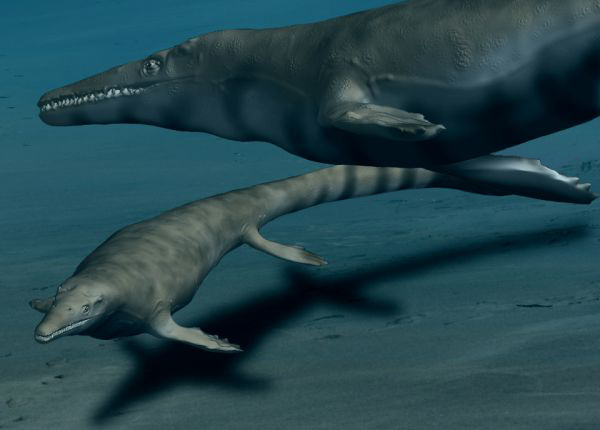
One of the wildest things about mosasaurs is that they were not some ancient, distant branch like ichthyosaurs or plesiosaurs. They were squamates, the same broad group that includes modern snakes and lizards. That means the ocean’s top predator in the Late Cretaceous was, in a way, a giant, fully aquatic cousin of the monitor lizards you might see in a zoo today, which is a bit like discovering that a house cat’s relative once ruled the African savanna. The fossil record shows that early mosasaurs probably started as shoreline hunters before taking the full plunge into open water.
Once they committed to the seas, evolution moved fast. Limbs reshaped into powerful flippers, tails developed deep, shark‑like flukes, and their bodies streamlined into efficient torpedoes. In only a few million years, mosasaurs occupied a spectrum of marine roles, from mid‑sized fish hunters to colossal apex predators over fifteen meters long. To me, that rapid takeover says something bold: nature handed them an empty throne in the oceans, and they did not hesitate to sit on it.
Hydrodynamic Design: Built for Speed and Surprise
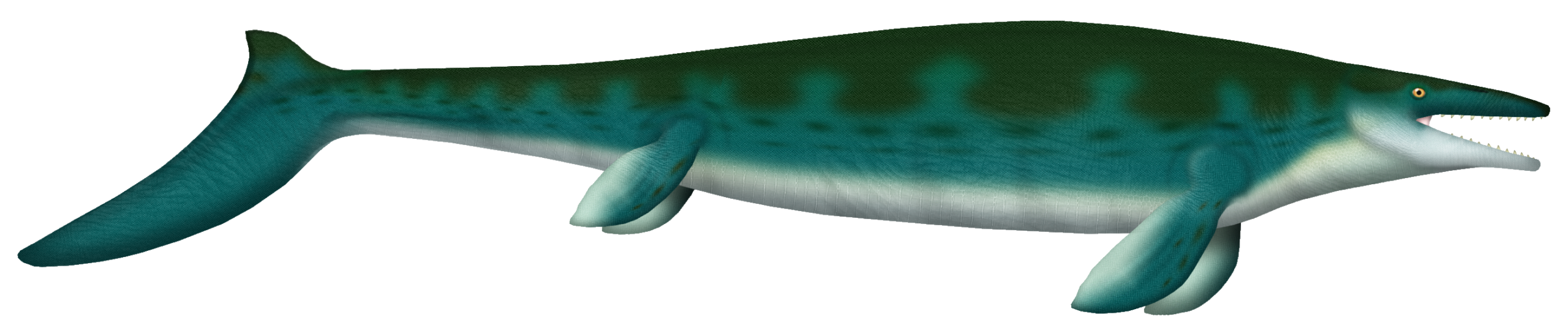
For a long time, older reconstructions made mosasaurs look like chunky, side‑to‑side paddlers, almost like oversized monitor lizards awkwardly swimming. More recent fossil finds have changed that picture dramatically. We now know many species had deep, crescent-shaped tail flukes, similar in principle to those of sharks and some modern marine reptiles. That kind of tail is built for fast, efficient propulsion, not slow lumbering. Imagine a reptilian missile, able to accelerate in bursts and strike before prey had time to react.
The rest of their body tells the same story of streamlined performance. Their ribs, vertebrae, and limb bones point to flexible, powerful undulation down the spine, which would have produced smooth, sustained swimming rather than clumsy thrashing. Big eye sockets and evidence of good sensory adaptations suggest they could hunt in dim, deeper waters as well as near the surface. Put that together, and you get a predator that could stalk quietly, then explode forward in a sudden rush – a terrifying combination for anything sharing their ocean.
Jaws Like a Living Bear Trap
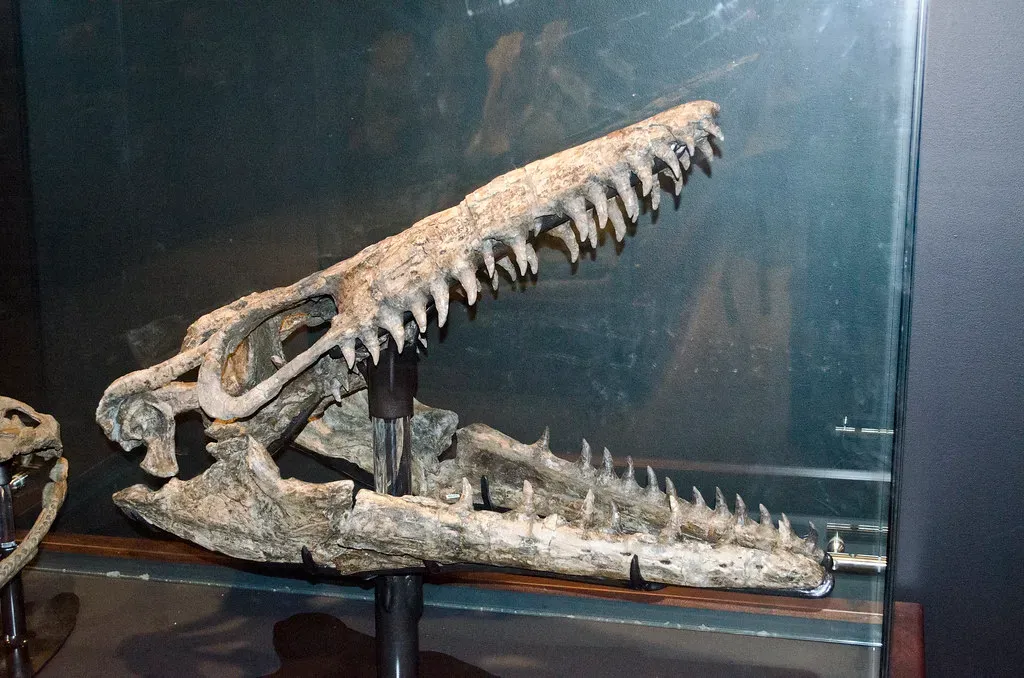
If mosasaurs had one superpower that really sealed their claim to the throne, it was their skull. Their heads were armed with long, conical teeth perfectly shaped for gripping slippery prey like fish, ammonites, and smaller marine reptiles. Many species had teeth that curved slightly backward, acting like hooks that made escape almost impossible once they clamped down. Their upper and lower jaws were hinged in a way that allowed a wide gape, and some had extra rows of teeth on the palate, a bit like snakes, pulling prey deeper into the throat.
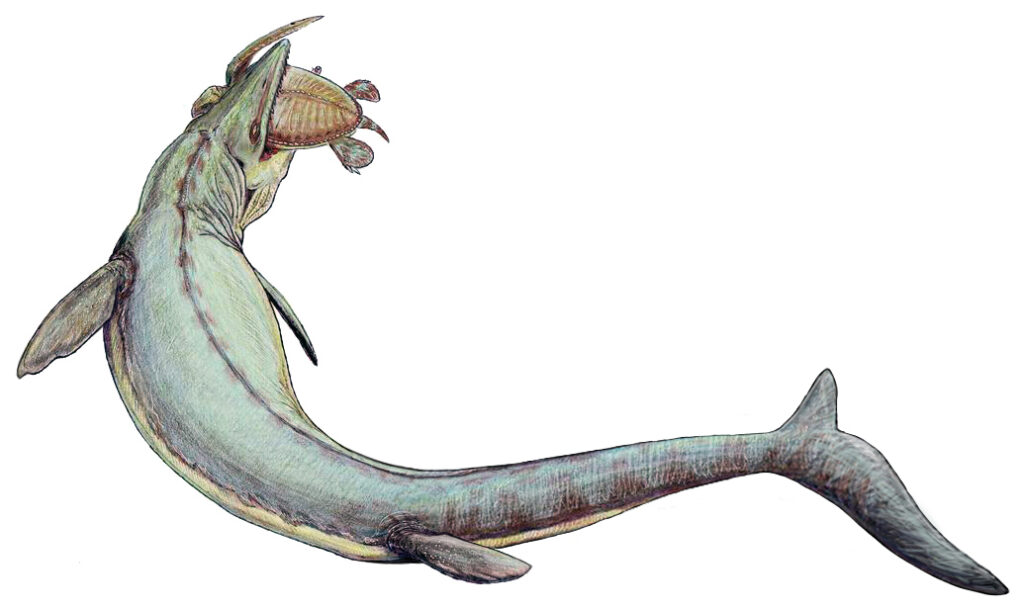
What really strikes me is how the whole skull is engineered for force and flexibility at the same time. The bones interlocked strongly enough to withstand intense biting pressure, yet the joints allowed enough movement to handle struggling animals and large meals. There is direct fossil evidence of mosasaur bites on the shells of ammonites and even on bones of other marine reptiles, showing they were not shy about going after hard or armored prey. These were not picky eaters trimming the edges of the food web; they were taking big, bold bites out of it.
A Menu That Included Almost Everything
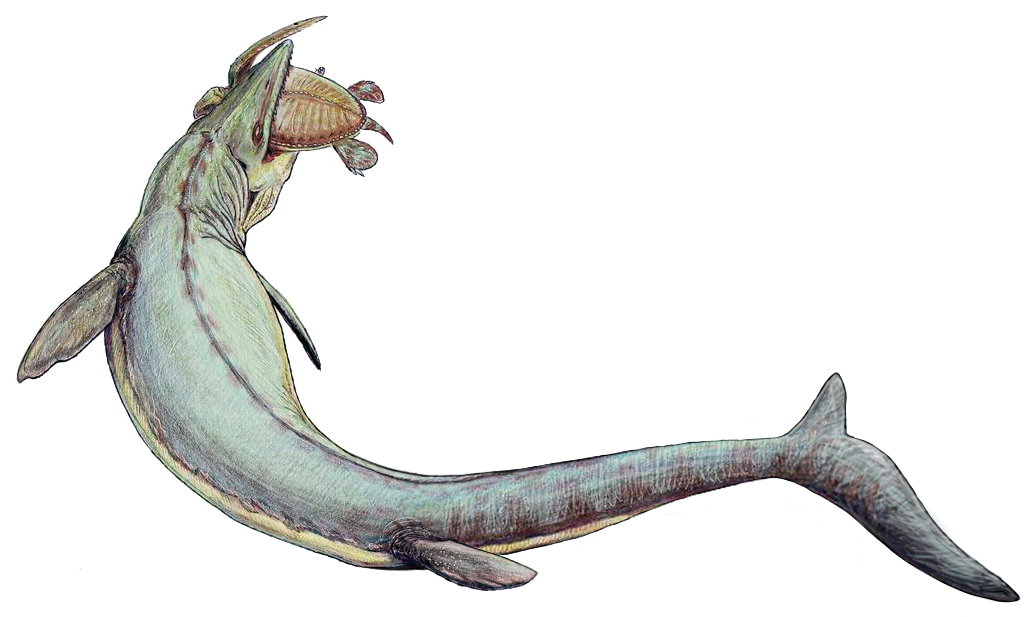
When you look at fossilized stomach contents and bite marks, mosasaurs come across less like specialists and more like opportunistic tyrants. Some species clearly favored fish and squid‑like cephalopods, while others left behind telltale gouges in turtle shells or partial remains of other mosasaurs in their guts. There is evidence of them feeding on seabirds, smaller marine reptiles, and even scavenging on whale‑like early marine mammals toward the very end of the Cretaceous in some regions. If it was meat and it moved in the ocean, a mosasaur probably tried to eat it at some point.
This wide dietary range gave them a huge ecological advantage. Instead of collapsing if one particular prey source declined, mosasaurs could shift their focus to whatever was abundant. It is similar to how modern killer whales can hunt fish, seals, or even large whales depending on the population and circumstances. I think that ability to flex and adapt their hunting strategies is a big part of why they emerged as top dogs in marine ecosystems that already had large sharks and other reptiles competing for food.
Global Expansion and Ecological Dominance
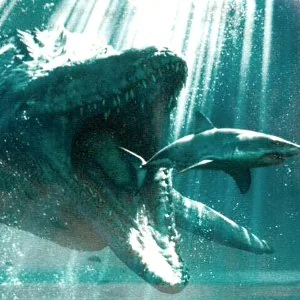
Fossils of mosasaurs have been found on every continent, including in rocks that once formed shallow seas over what is now North America and Europe. That global distribution is a strong sign they were not just local bullies but widespread rulers of Cretaceous oceans. In many marine fossil beds from the Late Cretaceous, mosasaurs show up at or near the top of the food chain, above sharks, large fish, and plesiosaurs. Their presence is so common in some formations that it almost feels like you cannot talk about those ecosystems without putting mosasaurs center stage.
Just as telling is the diversity of species within the group. There were smaller, more agile mosasaurs prowling coastlines, mid‑sized hunters dominating open‑water food chains, and truly giant forms that likely terrified anything within sight. This kind of tiered hierarchy, all occupied by variations of the same basic animal design, screams dominance. To me, that is what makes them feel like true kings: they did not just exist in the ocean; they filled it, reshaped it, and pushed other predators to the margins.
Reproduction, Live Birth, and Life at Sea
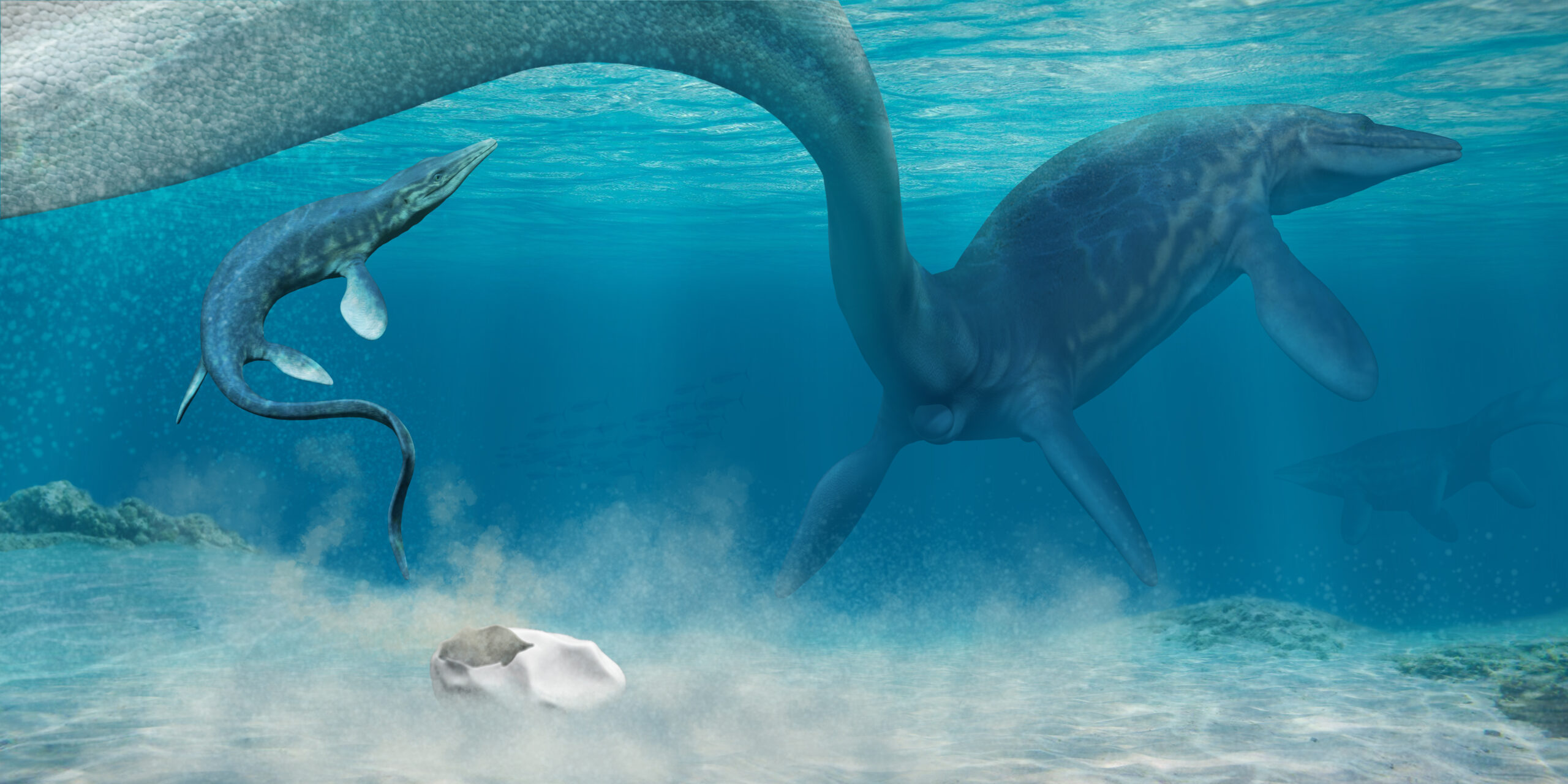
Another key reason mosasaurs were so successful is that they were not just weekend visitors to the water; they were fully committed. Fossil evidence suggests that mosasaurs gave birth to live young rather than laying eggs on land. Some fossils show small mosasaurs preserved inside the body cavity of larger individuals in a way that strongly supports live birth. That meant they could carry out their entire life cycle in the ocean, avoiding the risky commute to shore that sea turtles and some other marine reptiles still have to make today.
Living entirely at sea opened up huge areas for them to inhabit, from coastal shelves to deeper offshore regions. Juveniles and adults could use different parts of the ocean, reducing competition and increasing overall survival. It is not hard to imagine nursery zones in warm, shallow waters where young mosasaurs learned to hunt, gradually venturing out into harsher, deeper environments as they grew. That picture feels eerily similar to how some modern sharks and marine mammals use different habitats across their lifespans, and it underlines just how integrated mosasaurs were into the fabric of Cretaceous oceans.
Why Mosasaurs Deserve the Crown Over Other Marine Giants
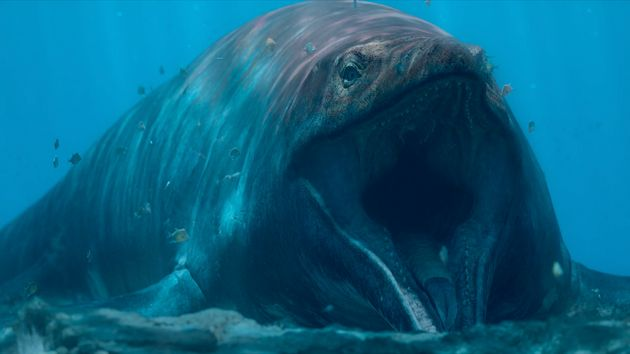
People often ask whether mosasaurs were really more dominant than giant sharks or plesiosaurs, and my own view is that, by the Late Cretaceous, the balance of power had tilted in their favor. Earlier in the Mesozoic, ichthyosaurs and plesiosaurs had long reigns as major marine predators, but by the time mosasaurs appeared and diversified, many of those earlier lineages were declining or gone. Mosasaurs surged right into that vacuum with shockingly effective designs: speedy bodies, devastating jaws, broad diets, and global reach. That combination is hard to beat in any era.
Even compared to the big sharks of their time, mosasaurs seem to have held the edge in many ecosystems. Sharks were formidable and certainly dangerous, but mosasaurs often reached larger sizes and show more direct evidence of preying on other big vertebrates. They were not just one more predator in a crowded sea; they were the animals other predators had to work around. If you think of the ocean as a kind of three‑dimensional chessboard, mosasaurs were the queens – the pieces with the most ways to attack and control the game.
Opinionated Conclusion: The Brief, Brilliant Reign of the Sea Kings
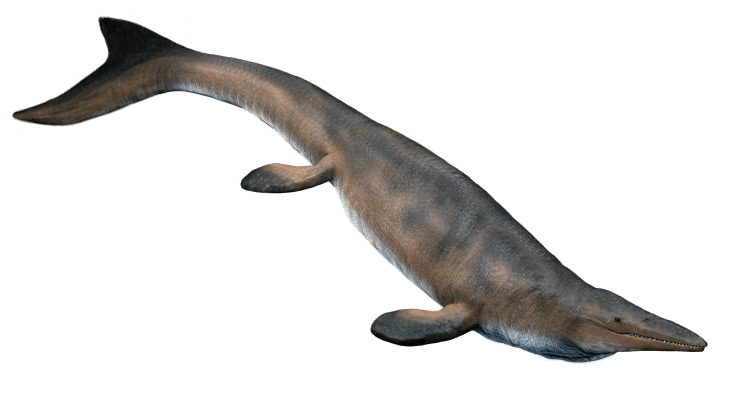
For me, what makes mosasaurs so fascinating is not just that they were big or scary, but that they represent a perfect storm of evolutionary opportunity and design. They arrived late to the Mesozoic party and still managed to climb straight to the top of the marine food web in record time. In a sense, they were the last great experiment in reptilian ocean dominance before the end‑Cretaceous extinction pulled the plug on their world. Their story feels a bit like a band that explodes onto the scene, dominates the charts, and then disappears suddenly – leaving everyone wondering what might have happened if they had a little more time.
If I had to hand out a crown for “,” I would give it to mosasaurs without much hesitation. They were fast, powerful, adaptable, and everywhere, turning the Late Cretaceous oceans into their hunting grounds. Sharks and plesiosaurs had longer runs, sure, but mosasaurs burned brighter in the final act. When I picture those ancient seas, it is their silhouette I see first, gliding just below the surface, waiting to burst upward in a spray of foam and teeth. Knowing what you know now, would you really want to meet anything else out there in the dark water?