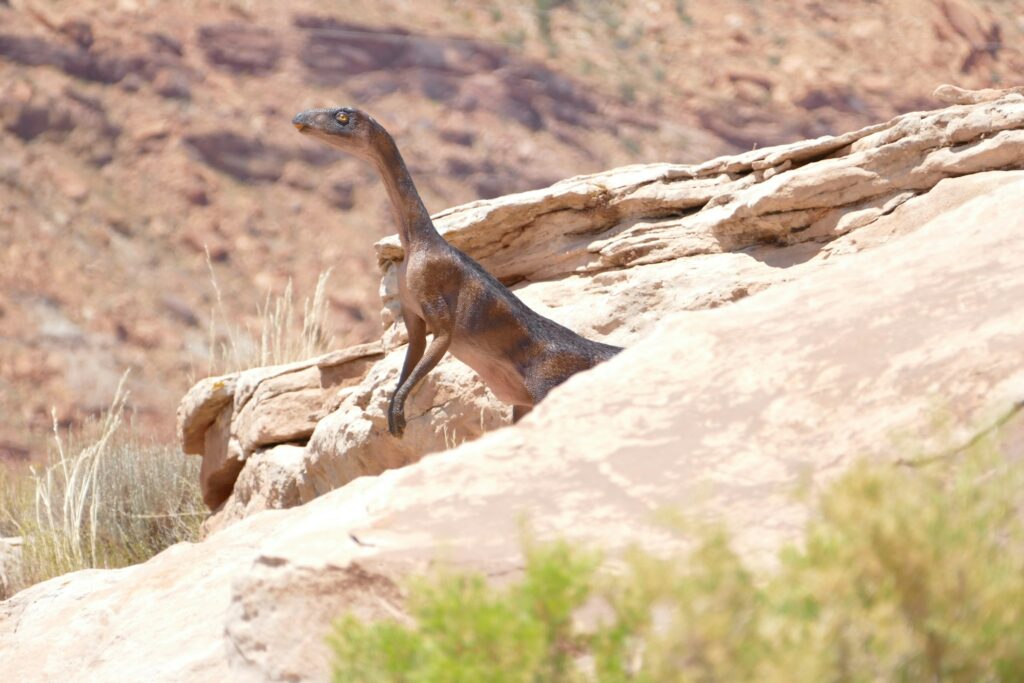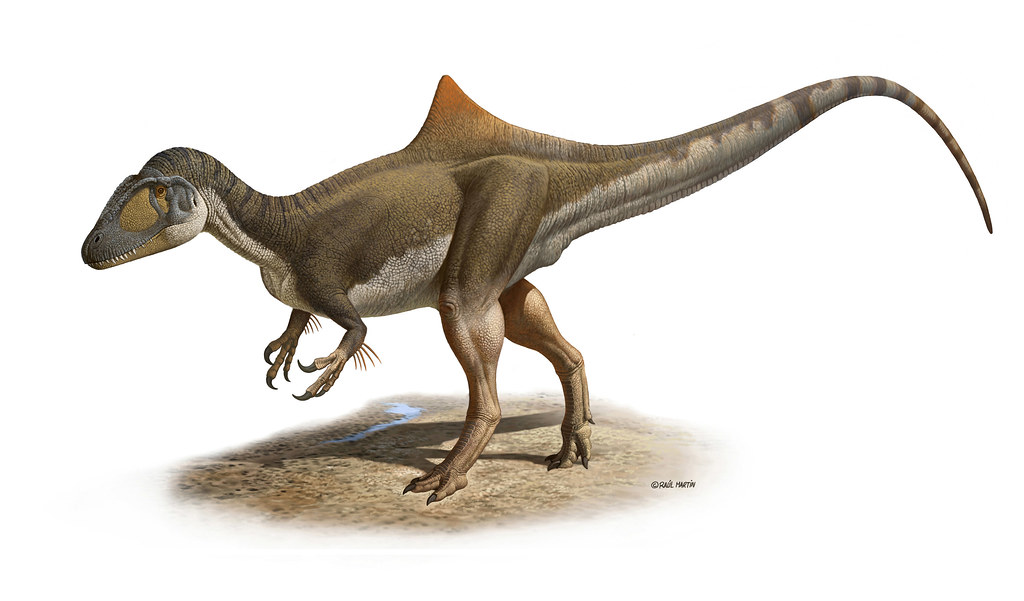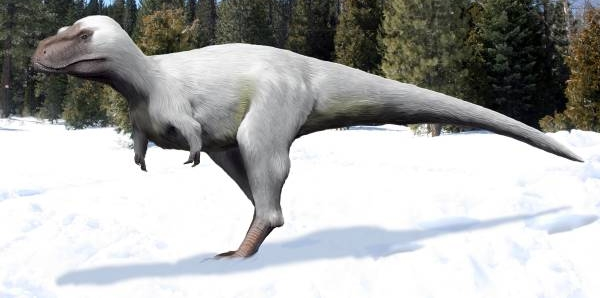
You can stare at a T. rex skeleton in a museum and feel awed, maybe even a little spooked. But picture this instead: you are floating in deep, dark water, unable to see the bottom, when a shadow the size of a bus glides silently beneath you. No footsteps. No warning. Just a mouth full of teeth rising from the black. Somehow, that image hits a different part of the brain.
Many people casually say they are more scared of the ocean than of anything on land, and when you mix that feeling with gigantic prehistoric predators, the result is pure nightmare fuel. The funny thing is, science actually backs up a lot of what our instincts are telling us: ancient seas were home to some of the most efficient and brutal hunters the planet has ever seen. Let’s dive into why those marine monsters can feel far more terrifying than their land‑dwelling dinosaur cousins.
The Ocean Is Already Unsettling, Even Before You Add Monsters
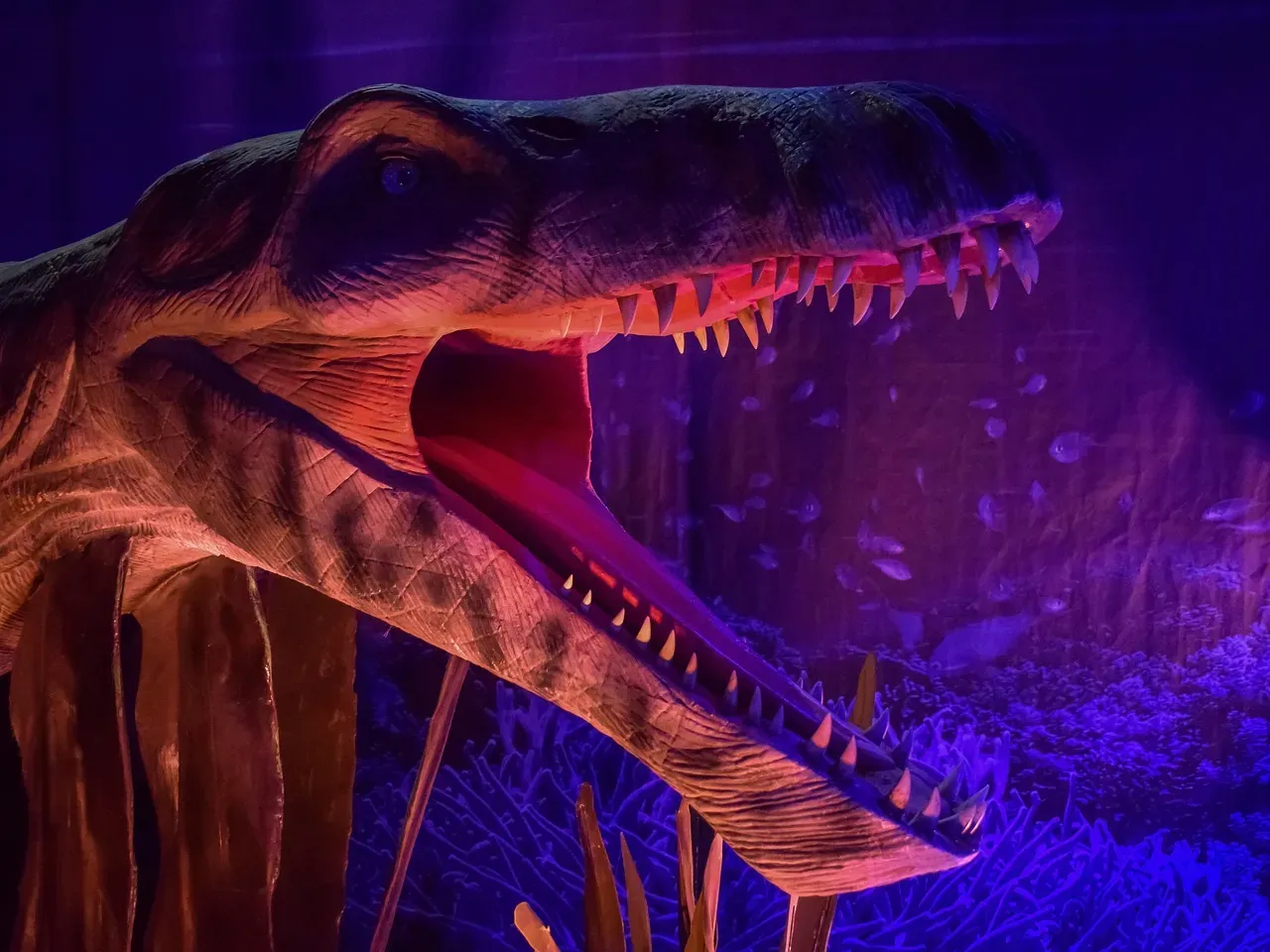
Most of us are not fully comfortable in open water to begin with. You cannot breathe, you move slower, you cannot see very far, and you are painfully aware that you are out of your element. The sea is cold, heavy, and three‑dimensional in a way that land is not; danger can come from below, above, or behind, and you will not hear it coming.
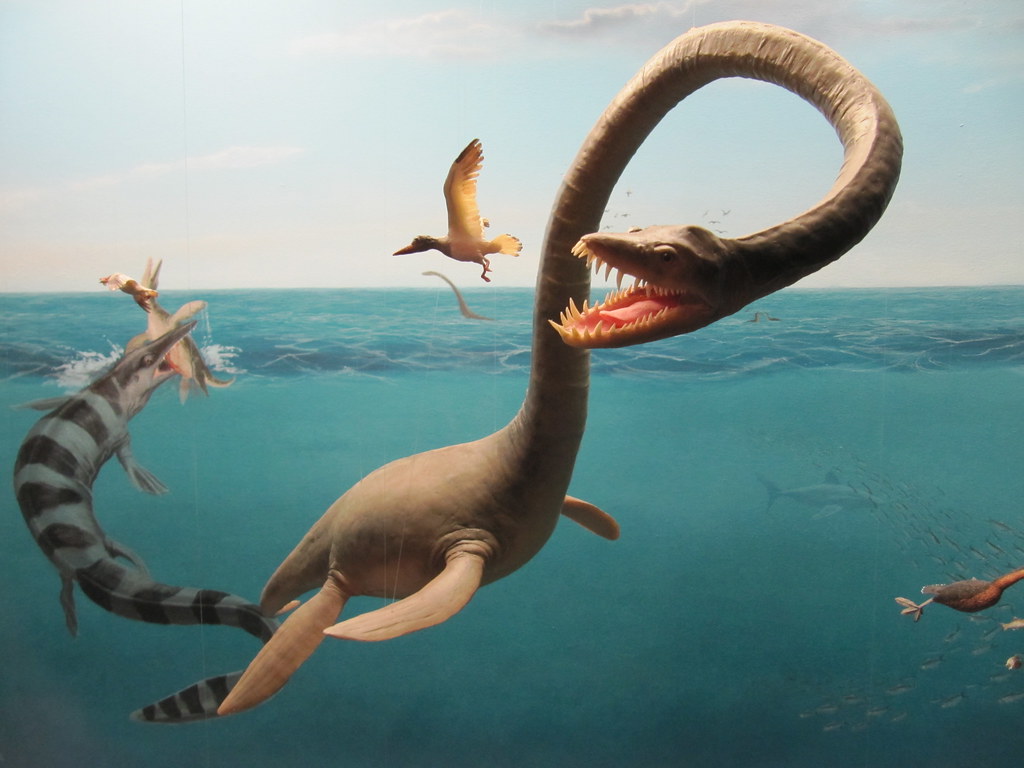
Now layer prehistoric predators onto that fragile sense of safety. Imagine the same ocean, but instead of a curious fish brushing your foot, it is an ichthyosaur the length of a truck, or a mosasaur that could swallow you with room to spare. Our fear is not just about size; it is about being helpless in an environment where we cannot run, cannot climb, and cannot even see what is coming until it is inches away from our face.
Invisible Depths Versus Visible Giants
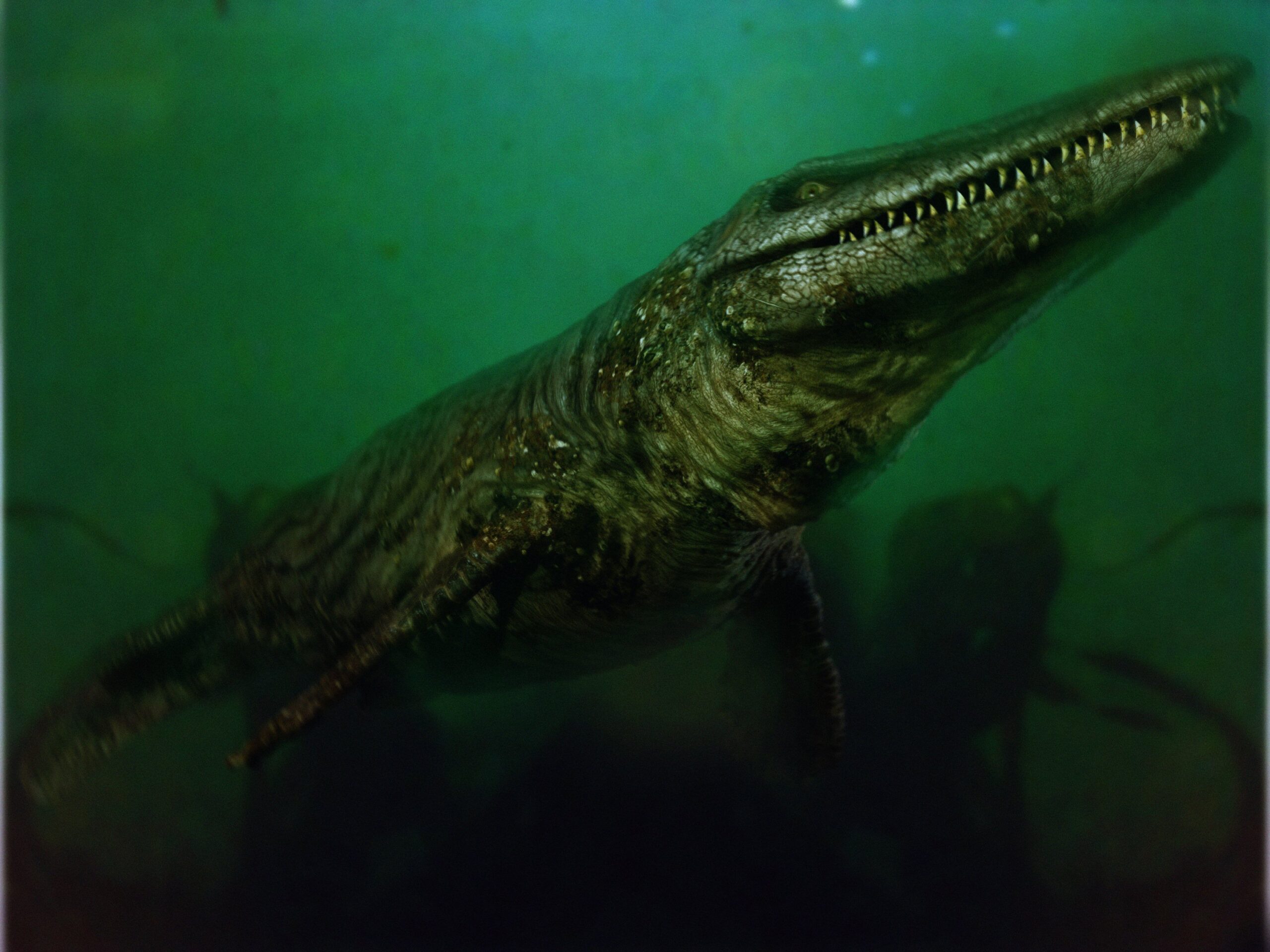
Terrestrial dinosaurs, as huge and dangerous as they were, stood on solid ground in broad daylight. You could theoretically spot a charging tyrannosaur from a distance, the way you would see a bear on a hiking trail. That visibility makes them feel like enemies you could at least try to avoid, which is a very different vibe from something lurking in pitch‑black water.
Prehistoric seas, by contrast, were layered with steep drop‑offs and deep basins where sunlight never reached. Large marine reptiles and giant sharks could move in and out of those murky zones like ghosts. Even just thinking about something like a pliosaur cruising through water so dark you would not see your own hand hits a more primal fear: fear of the unseen, not just the dangerous. What we cannot see, we tend to imagine as worse than it really was – and with some of these animals, our imagination might not be exaggerating much.
Predators Built for Ambush and Blitz Attacks
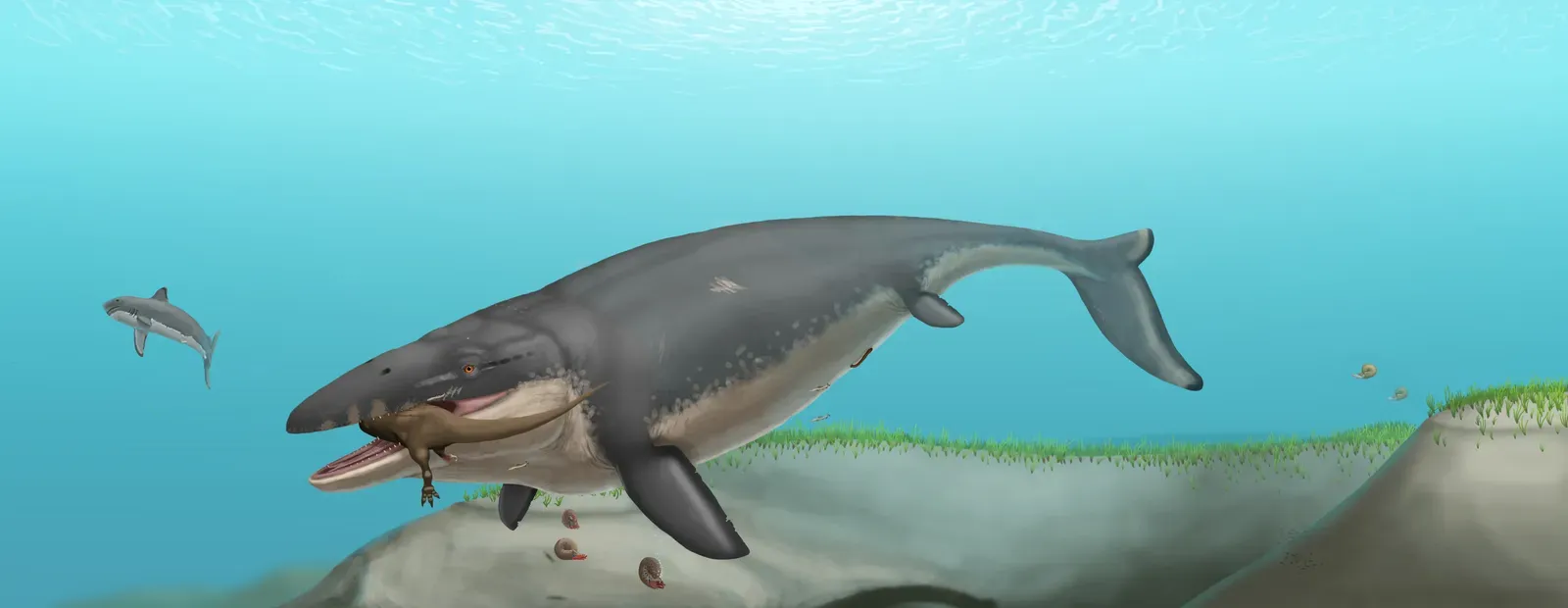
Many land dinosaurs, especially the big famous ones, were pursuit hunters or opportunistic scavengers. They still would have been deadly, of course, but they were limited by gravity and terrain in how quickly they could move and from what angles they could strike. Their attacks were often loud, involving thundering footsteps and lots of motion you could sense, even if too late.
Marine apex predators, on the other hand, had water on their side. A streamlined mosasaur or pliosaur could launch itself from the gloom beneath a school of prey in a blitz attack, using powerful tail strokes and fin‑like limbs. Instead of a roaring charge, you had hushed acceleration, a sudden flash of teeth, and then silence again. That mix of stealth, speed, and three‑dimensional movement makes them feel more like living torpedoes than animals – and torpedoes are terrifying.
Teeth, Jaws, and the Brutality of Marine Feeding
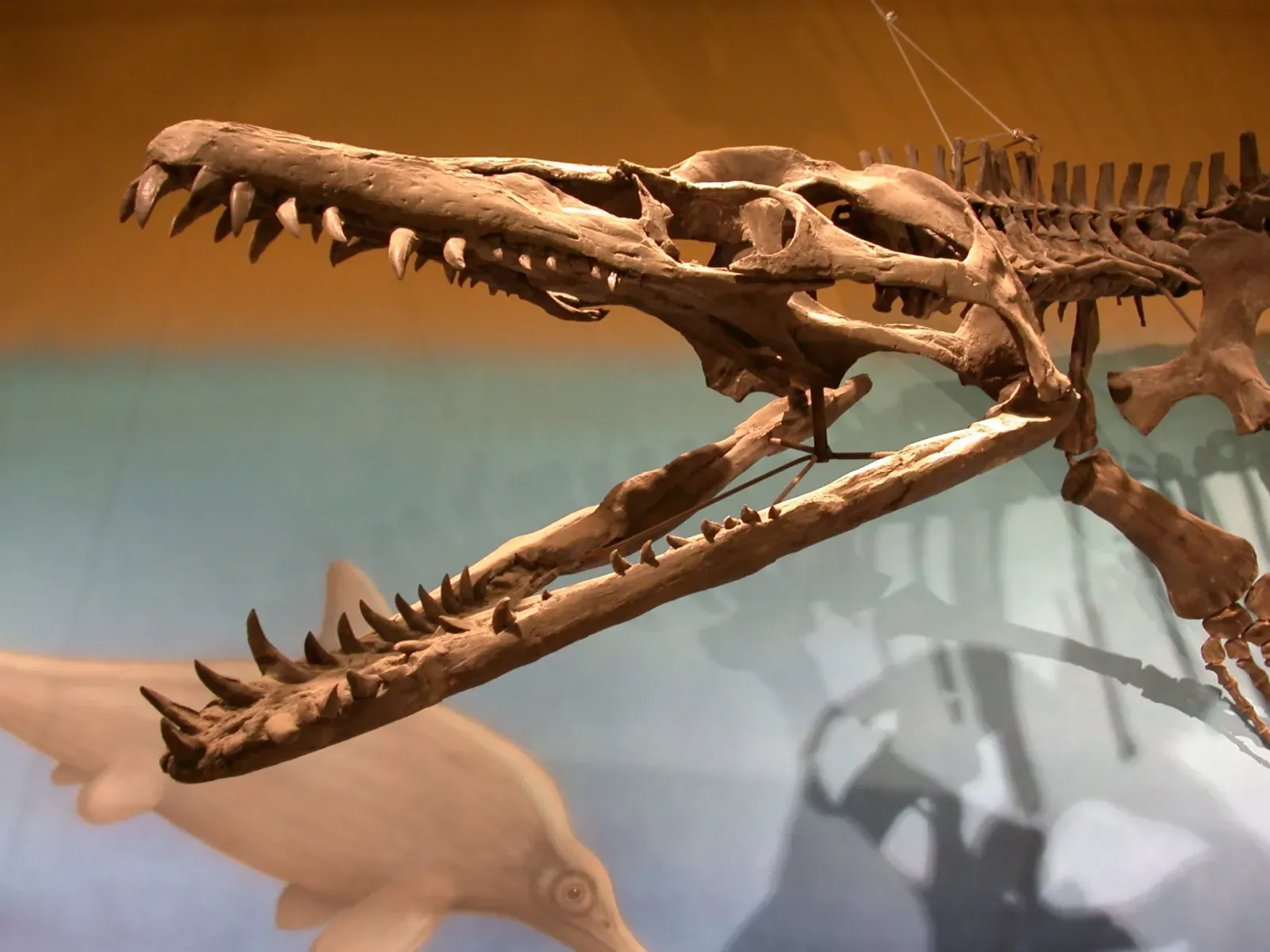
Part of what makes prehistoric sea monsters extra chilling is how they fed. Many marine reptiles and giant sharks had jaws bristling with conical, recurved teeth perfect for impaling slippery, struggling prey. Some species had skulls shaped almost like hooked spears, which they rammed into victims before twisting and tearing them apart. Even fossil bite marks on bones tell stories of desperate last moments, with ribs punctured and limbs torn off.
When you look at the skull of a large pliosaur or mosasaur, the design feels almost overkill: teeth angled backward so prey could only move one way – down the throat. It is the same basic blueprint as modern crocodiles, only scaled up to house‑sized dimensions and combined with faster, more agile bodies. On land, bite force and claws are terrifying; in the water, being seized and dragged under in one smooth motion adds drowning to the list of things your brain starts panicking about.
We Know Less About Them, So Our Minds Fill in the Blanks
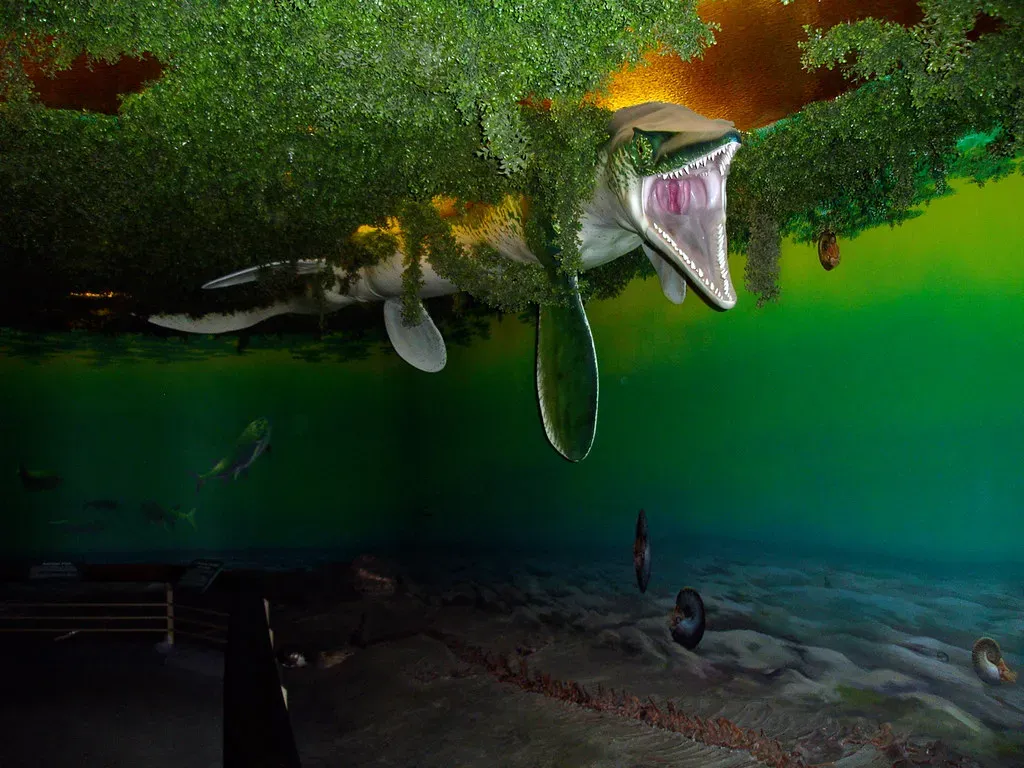
By now, most people have a mental picture of the big land dinosaurs, thanks to decades of documentaries, museum exhibits, and movies. They have become almost familiar characters. We argue about whether they had feathers, what color they might have been, and how exactly they moved. They are scary, yes, but also strangely domesticated in our cultural imagination.
Prehistoric marine life, in contrast, is still a bit of a mystery to the general public. You hear names like mosasaur, pliosaur, or Dunkleosteus and might vaguely remember a photo or two, but you probably do not have a clear, stable image in your mind. That vagueness leaves a lot of room for imagination, and when humans do not know details, we tend to mentally dial the horror up rather than down. Add in that many of these animals are reconstructed from fragmentary fossils, and even scientists sometimes debate their exact size or appearance, which only fuels the sense of something unknown and potentially worse than we think.
The Ocean Today Still Proves How Scary the Water Can Be
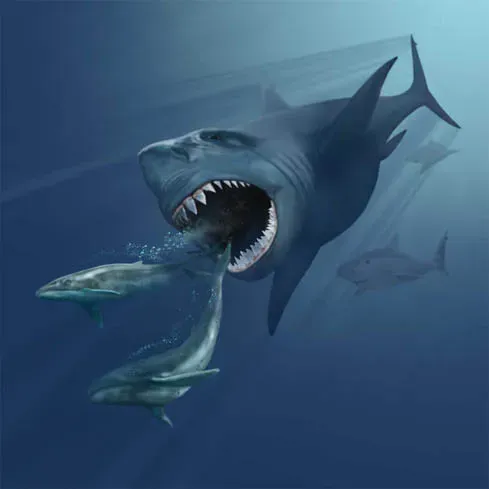
We do not even have to travel back in time to feel how unsettling the sea is. Modern oceans already contain giant squids, huge sharks, orcas, and crocodiles – animals that are plenty capable of making us nervous. Even with today’s technology, there are deep‑sea regions we have barely explored, and new species are still being discovered regularly, often with bizarre or eerie features.
Now imagine stacking prehistoric predators on top of that modern fear. It is one thing to know that a great white shark can reach the size of a small car; it is another to learn about something like megalodon, which likely grew far larger than that, cruising through ancient waters with teeth the size of your hand. The present‑day ocean is already a scary playground. Knowing that, in the past, it housed even more extreme predators makes the entire environment feel cursed in retrospect.
Psychology, Phobias, and Why Deep Water Feels Personal
There is a psychological angle too: fear of deep water and vast open spaces is extremely common. Many people have an intense fear of not knowing what is under them when they swim in a lake or the ocean. It is not just about animals; it is about the feeling of losing control, of being suspended over a bottomless drop with no way out if something goes wrong.
Prehistoric sea monsters plug directly into that fear. Even if you know, rationally, that mosasaurs are long gone, imagining them still taps into the same mental circuitry that freaks out when you tread water in the dark. You might picture a massive shadow swooping up from below, because your brain is wired to assume the worst when it cannot see what might be lurking. Dinosaurs on land feel like a distant historical threat. Ancient marine predators, thanks to this phobia, feel strangely present, like they could still be down there if you drifted a little too far offshore.
Pop Culture Has Turned Sea Monsters Into Pure Horror Icons
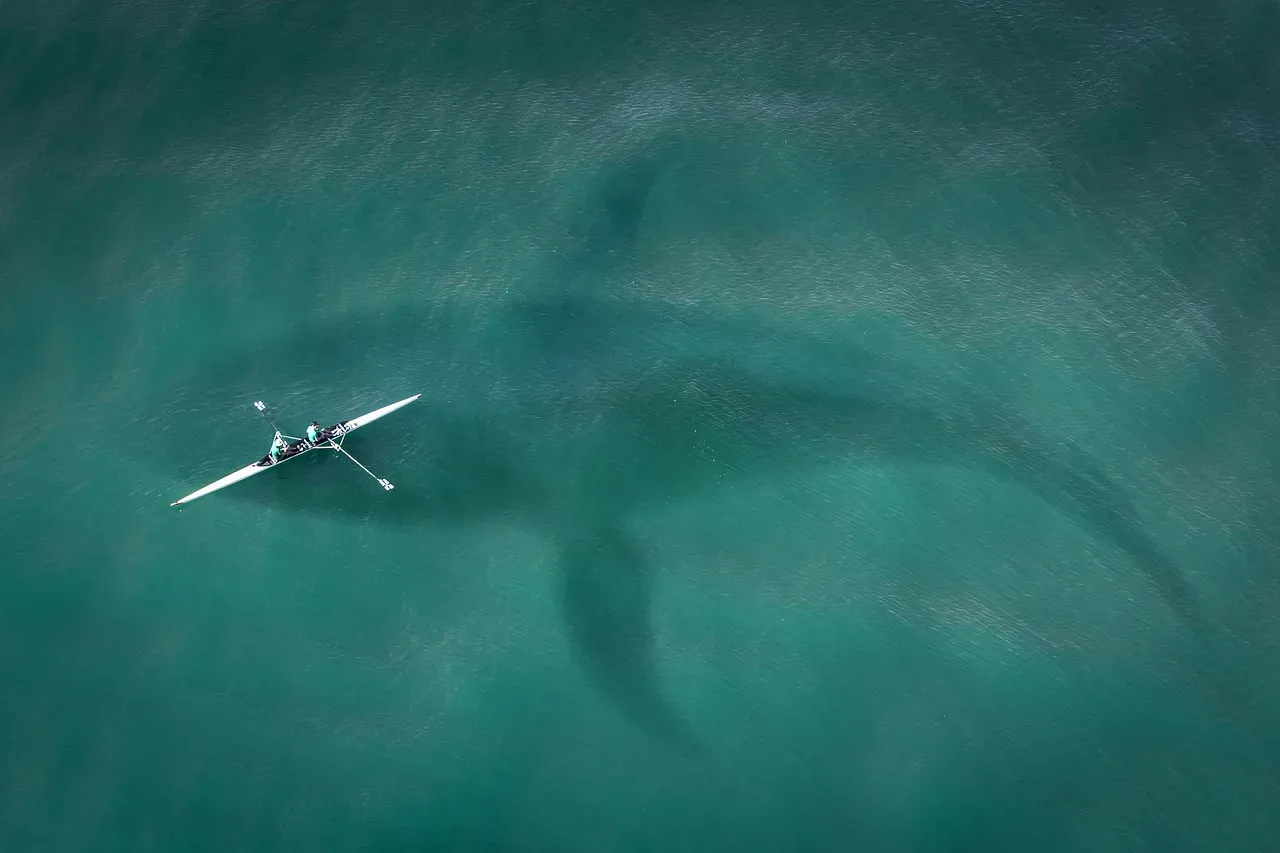
Movies, video games, and viral clips have done a lot to shape how we feel about different prehistoric creatures. Land dinosaurs often appear in big action scenes where people run, hide, and occasionally outsmart them. Even when they are deadly, there is a sense of adventure and spectacle. They are framed as powerful, but almost noble, forces of nature you stand in awe of.
Sea monsters, on the other hand, tend to star in straight‑up horror moments. A quiet boat trip interrupted by a colossal jaw rising from the depths, a diver shining a flashlight into darkness only to reveal a wall of teeth, a supposedly safe aquarium tank that is nowhere near strong enough – all of that leans heavily into dread rather than excitement. Those pop‑culture images stick, and they amplify what was already lurking in our subconscious: the feeling that the ocean hides things we are not meant to meet.
Conclusion: Why the Deep Will Probably Always Win the Fear Contest
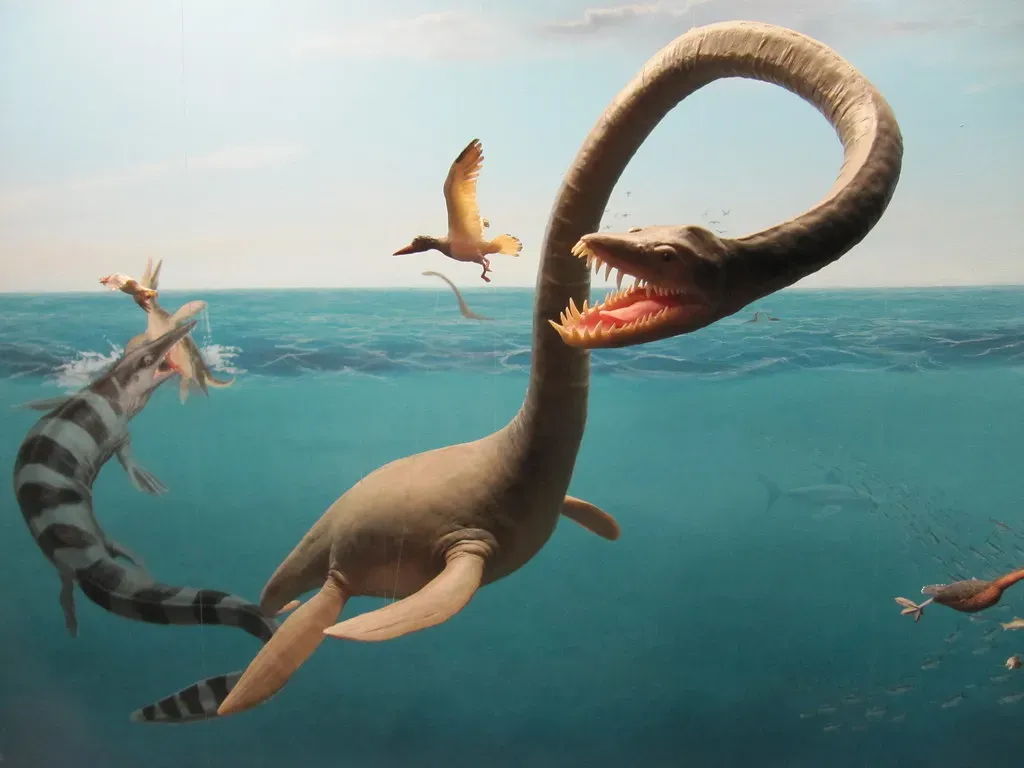
If I am honest, if you offered me a time machine with two coordinates – one to stand on a distant hill and watch land dinosaurs from a safe distance, and another to float above a prehistoric reef with marine reptiles below – I would pick the hill every time. Rationally, both worlds were dangerous. Emotionally, the idea of being suspended above that ancient, shadowy blue with enormous hunters beneath me is just a harder no. The sea is the perfect stage for fear: limited vision, limited control, and predators perfectly adapted to exploit both.
That is why prehistoric sea monsters tend to haunt our nightmares more than their land‑based cousins. They combine the raw power of giant dinosaurs with an environment that strips us of our usual defenses and sense of safety. On land, at least in theory, we can run, hide, or climb. In deep water, all we can do is float and hope. Maybe that is the real reason these ancient marine predators linger in our imagination: they remind us that some parts of nature were never designed with human comfort in mind. Faced with that, which would you rather meet – a charging T. rex you can see coming, or a silent shadow rising from the deep where you cannot even touch the ground?