
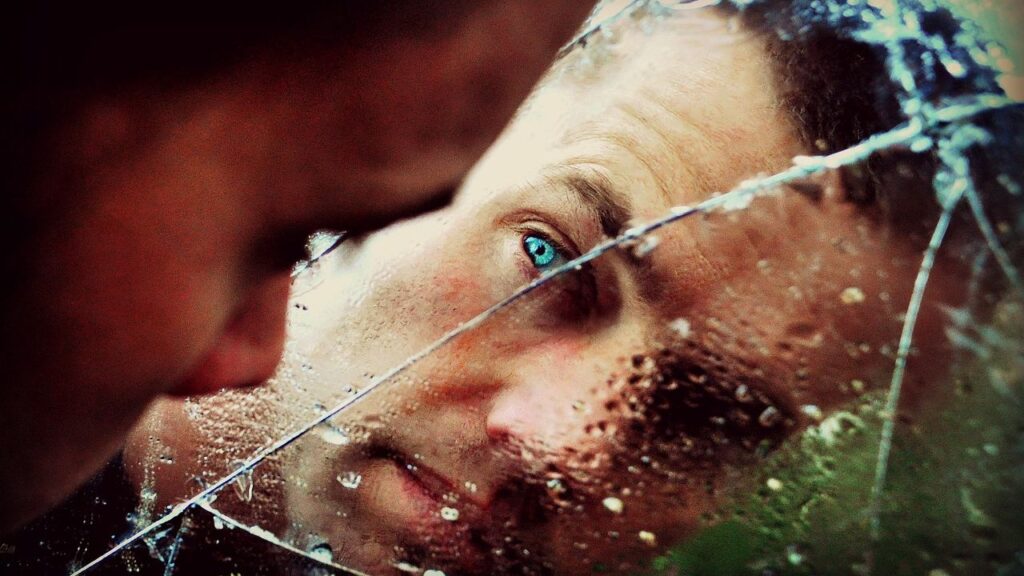
You know that person who seems to have it all together? The one who reflects deeply, understands their emotions, and takes ownership of their actions? Here’s the thing: they’re probably harder on themselves than anyone else could ever be. Self-awareness, while celebrated as a cornerstone of personal growth, often comes with a hidden shadow. It’s like having a superpower that occasionally turns against you.
When you develop the ability to see yourself clearly, you don’t just notice your strengths. You become acutely aware of every misstep, every flaw, every moment you fell short of your own standards. Most people can name their weaknesses with lightning speed, ready with a list of areas they need to improve. Yet ask them to name five strengths, and there’s often a long pause.
Let’s dive into why this paradox exists and what it means for you.
The Connection Between Seeing Yourself Clearly and Judging Yourself Harshly

Research shows that main effects of self-awareness include self-evaluation, self-criticism, escape from the self, and increased emotional intensity. Think about it this way: when you turn the spotlight inward, you’re suddenly the audience, the critic, and the performer all at once. That’s a lot of pressure.
When self-awareness is taken to an extreme, it can fuel perfectionist tendencies by heightening self-criticism and self-evaluation, with perfectionists constantly scrutinizing their thoughts, feelings, and behaviors for any signs of imperfection. You start dissecting every conversation, every decision, every reaction. Did you say the right thing? Could you have handled that situation better? Why did you feel that way?
While being more attuned to strengths and weaknesses is helpful for self-improvement, it also makes you more sensitive to criticism. You don’t just hear feedback from others anymore. You’re already giving yourself the harshest review before anyone else even speaks up.
The Evolutionary Wiring That Intensifies Self-Critical Thoughts

We’ve evolved to naturally pay more attention to negative events and experiences than positive ones, a negativity bias that helped our ancestors survive by keeping them alert to threats, but today it can limit our ability to notice and appreciate the good. Your brain is literally wired to focus on what could go wrong, not what’s going right.
When you combine this ancient survival mechanism with modern self-awareness practices, you get a recipe for relentless self-scrutiny. Your internal alarm system, designed to protect you from saber-toothed tigers, now activates when you send a slightly awkward email or stumble over your words in a meeting.
Research dictates that those with depression have a highly active default mode network and therefore they question themselves more or rather judge themselves more. Your mind’s natural tendency to wander inward can become a trap when it fixates on perceived failures rather than problem-solving.
How Modern Culture Fuels the Never-Ending Improvement Cycle

There is enormous pressure that exists today that we always need to be learning, growing, and improving, which can keep us stuck in a cycle of never feeling like we’re enough. You scroll through social media and see everyone’s highlight reel. You attend webinars on productivity. You read articles about becoming your best self. The message is clear: you’re not done yet.
Self-awareness became synonymous with knowing where we fall short, but if we’re only tuned into our shortcomings, growth points, and faults, are we truly self-aware? Somewhere along the way, self-improvement culture hijacked self-awareness and turned it into self-flagellation.
The finish lines just keep getting moved further and further away, the bar keeps getting higher and higher, and it can turn moments of reflection into relentless self-criticism. You achieve something, and instead of celebrating, you’re already looking at the next mountain to climb. Let’s be real: that’s exhausting.
The Psychological Toll of Constant Self-Examination
Excessive or relentless self-criticism can have detrimental effects on mental health and well-being, leading to feelings of low self-esteem, anxiety, and depression. When you’re constantly analyzing yourself, you’re essentially living with a harsh critic who never takes a day off.
Chronic or excessive self-criticism may contribute to depression, social anxiety, body image issues, or feelings of worthlessness, with a tendency to blame oneself when things go wrong leading to feelings of failure or a depressed mood. You start believing that everything that goes wrong is somehow your fault, even when it’s clearly not.
Keeping yourself in a negative frame of mind can create or exacerbate depression, anxiety, and insomnia, while maintaining a negative perception makes you more likely to notice only the bad things in life. It’s like wearing glasses that filter out all the good stuff and magnify every mistake. Eventually, that distorted view becomes your reality.
When Self-Awareness Becomes a Spiral Rather Than a Tool

The self-questioning involved in self-awareness can lead to an endless spiral, layer upon layer, where peeling back deeper levels can generate more anxiety, stress, and self-judgment. You start questioning why you’re questioning yourself, then questioning that questioning, and suddenly you’re five levels deep in mental gymnastics.
You complete a project successfully but immediately focus on the tiny flaws only you can see, a perfectionism that isn’t motivation but a form of self-punishment where nothing ever feels good enough. Sound familiar? You ace a presentation, but all you remember is that one awkward pause. You get praised by your boss, but you fixate on the task you didn’t complete perfectly.
When you are overly self-aware, you tend to over-analyze and scrutinize every thought, action, and behavior. It’s like having a surveillance camera pointed at yourself 24/7, replaying every moment and dissecting it for flaws. Honestly, no wonder self-aware people are so exhausted.
The Roots of Self-Critical Tendencies in Self-Aware Individuals

Self-criticism often stems from internalized beliefs about one’s worthiness, competence, or likability, influenced by early experiences, cultural norms, and societal pressures, with individuals who are hard on themselves often having grown up in environments where perfectionism was encouraged or criticism was prevalent. If you were raised with high expectations or frequent correction, your inner voice likely adopted that same tone.
Negative or traumatic experiences in childhood can lead to excessive self-awareness, with those who were harshly criticized or made to feel ashamed as children being more likely to be self-conscious and critical of themselves as adults. You learned early that noticing your mistakes before others did might protect you from judgment or disappointment.
Self-criticism is potentially helpful and a process of fundamental importance for the individual, as it is a self-correcting and a self-monitoring mechanism, providing adaptive feedback to the individual. The problem isn’t self-awareness itself. It’s when the monitoring system gets stuck on repeat, focusing only on what’s wrong rather than what’s working.
The Fine Line Between Healthy Reflection and Destructive Rumination

Healthy reflection learns from mistakes and moves forward, while negative self-awareness gets stuck replaying embarrassing moments or errors from the past without extracting useful lessons. There’s a massive difference between thinking “I could have handled that better, and here’s what I’ll do next time” versus “I can’t believe I did that, I’m such an idiot” on repeat.
Self-awareness is not about finding fault within yourself but being aware of self judgment and how often you pick yourself apart, allowing you to interrupt your habit by looking at yourself more objectively. True self-awareness means noticing what’s happening without immediately condemning yourself for it. It’s observation, not prosecution.
Judging yourself for mismanaging emotions or having biased thoughts is a trap because it feels like being self-aware, leading to a false sense of saintliness for recognizing how flawed you are. You pat yourself on the back for being so “insightful” about your shortcomings, but you’re actually just beating yourself up with extra steps.
Building a Balanced Relationship with Self-Awareness

Learning to balance self-awareness with self-compassion is an essential part of managing self-criticism effectively, fostering a healthier and more supportive relationship with oneself. You need to treat yourself like you’d treat a good friend who made a mistake. Would you berate them endlessly? Probably not. So why do it to yourself?
When you give as much attention to what’s working and going well as you do to what’s not, you invite more hope, momentum, and self-compassion. Make it a practice to notice what you’re doing right, not just what needs improvement. It might feel uncomfortable at first, like you’re bragging or letting yourself off the hook, but that’s just your critical voice talking.
Self-awareness is wasted if it does not result in self-acceptance. This right here is the key. Seeing yourself clearly should ultimately lead to accepting yourself as you are, flaws and all, while still working toward growth. It’s not about ignoring areas for improvement. It’s about approaching them with kindness rather than contempt.
Conclusion

because their enhanced ability to observe themselves becomes a double-edged sword. You see more, so you judge more. You understand your patterns, so you hold yourself to impossible standards. You know better, so you expect perfection.
The solution isn’t to abandon self-awareness. That would be like throwing out your GPS because it showed you took a wrong turn. Instead, you need to pair your self-awareness with self-compassion, balance your focus between strengths and weaknesses, and remember that being human means being imperfect. Growth happens when you’re honest with yourself without being cruel to yourself.
What patterns of self-criticism have you noticed in your own life? How might approaching yourself with more compassion change your inner dialogue?


