
You’ve probably seen it happen. Same crisis. Same pressure. Yet one person seems almost energized by the madness while another completely unravels. It’s not luck. It’s not about being tougher or smarter. The truth is, your brain decides how you respond to chaos long before you even realize what’s happening.
Honestly, when life throws curveballs, some of us catch them while others duck for cover. The difference isn’t random. Science now reveals that distinct psychological and biological factors separate those who flourish under pressure from those who crumble. Let’s dive in and explore what really sets these two groups apart.
Your Brain’s Response to Stress Isn’t One Size Fits All

Your brain processes stress through the amygdala, which evaluates fear and emotional stimuli before sending signals to the hypothalamus. This triggers what most people recognize as the fight-or-flight response. The body releases adrenaline and cortisol, causing temporary changes like increased heart rate.
Here’s the thing though: not everyone’s brain reacts the same way. What may be a stressful experience for one person may be a non-event for another. Your perception of a threat determines whether your nervous system kicks into high gear or stays relatively calm. Think about it. Two people face identical deadlines, yet one sees opportunity while the other sees disaster.
The Personality Factor in Handling Pressure

Neuroticism negatively predicted performance under social pressure but did not affect decision-making under low pressure. People high in neuroticism tend to experience greater performance anxiety when stakes are elevated. Higher levels of neuroticism were associated with lower performance once pressure was on.
Meanwhile, certain personality traits seem almost protective. Highly sociable participants exhibited smaller cortisol and blood pressure responses to stress, consistent with increased stress resilience. Those who perform well under pressure often share commitment, control, and challenge perspectives. They stay engaged rather than withdraw, believe they can influence outcomes, and view change as growth rather than threat.
Cortisol: Your Body’s Double-Edged Sword
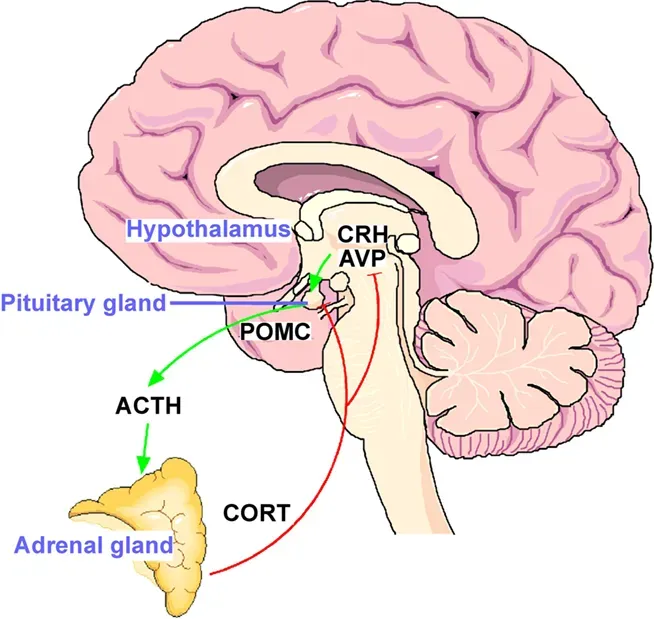
Cortisol gets a bad reputation, yet it’s far more nuanced than many realize. Individuals with higher DHEA-to-cortisol ratios seem to tolerate stress better and experience fewer negative effects. More pronounced cortisol responses to acute stress are associated with resilience to chronic life stress.
But timing matters enormously. High basal cortisol levels were related to relative stress resilience, whereas higher cortisol responsivity to stress might facilitate recovery in those prone to react sensitively. Your baseline cortisol versus your reactive cortisol tells different stories about how you handle chaos. Let’s be real, it’s complicated.
Why Perception Shapes Your Reality

Women who perceived a task would be more stressful had an older biological age than women who perceived it would be less stressful, yet the actual stressor was not associated with biological age. Your anticipation of stress matters more than the stressor itself. That’s almost unsettling when you think about it.
How we interpret pressure determines how it affects us; some see stress as a challenge rather than a threat, and when pressure is seen as opportunity, the brain shifts from panic to problem-solving. This cognitive reappraisal isn’t just positive thinking nonsense. It fundamentally rewires your neural response patterns. The power of perspective isn’t mystical; it’s measurable.
The Resilience Factor: Bouncing Back Versus Breaking Down

Resilience is viewed as maintenance of physical and psychological health in the face of threat, and not every person will experience a particular stressor the same way. Psychological stability is a protective characteristic that enhances adaptation to environmental conditions and mitigates harmful effects of stress; individuals with higher stress tolerance maintained mental health, social adaptation, and professional efficiency.
Differences in psychological resilience account for meaningful variation in daily emotional responses to stress, and positive emotions aid high-resilient individuals in recovering effectively from daily stress. Resilience isn’t static. You can build it over time through targeted practices, though it requires consistent effort rather than wishful thinking.
The Chaos Theory Connection in Your Neural Networks

Research provides evidence that the human brain operates at a critical transition point between randomness and order, existing at a critical point on the edge of chaos. Brain networks transition between states via unpredictable, rapid, chaotic trajectories, exploring many possible brain states before stabilizing into local states.
This sounds abstract, I know. Yet it explains why some people navigate uncertainty better. Nonlinear systems show high dependence on initial conditions, and temporal distance with weak emotional awareness stimuli could lead to important disturbances in self-evaluation. Your brain’s ability to explore multiple configurations before settling allows for adaptive flexibility during chaotic situations. Those who struggle often get stuck in rigid patterns.
Coping Mechanisms: Adaptive Versus Maladaptive Strategies

Adaptive coping strategies played a protective role in reducing psychological distress, with social and family support consistently identified as strong buffers against stress. Reliance on maladaptive coping mechanisms like avoidance, self-blame, and behavioral disengagement has been linked with persistent psychological distress and worsened outcomes.
Using humor as a coping strategy helped maintain psychological resilience while processing difficult circumstances. Meanwhile, For individuals suffering from anxiety, psychological flexibility and emotion regulation may be coping strategies that lead to less depression and stress. How you cope literally determines whether you survive or thrive.
The Window of Tolerance: Staying Inside Your Optimal Zone

The window of tolerance describes the optimal state where people are calm but alert, able to focus, think clearly, and respond flexibly, with the prefrontal cortex online. Some stay sharp under pressure while others hit a wall where focus slips and decisions falter, explained by whether individuals can stay inside their window of tolerance.
When stress becomes relentless or unsupported, the nervous system gets overwhelmed, and re-regulation through rest, psychological safety, and structured support helps the nervous system reset. Think of it like a thermostat for your stress response. Some people have wider ranges; others operate within narrower bands. Expanding your window takes intentional practice.
Neurobiological Differences: The Hardware Behind the Software
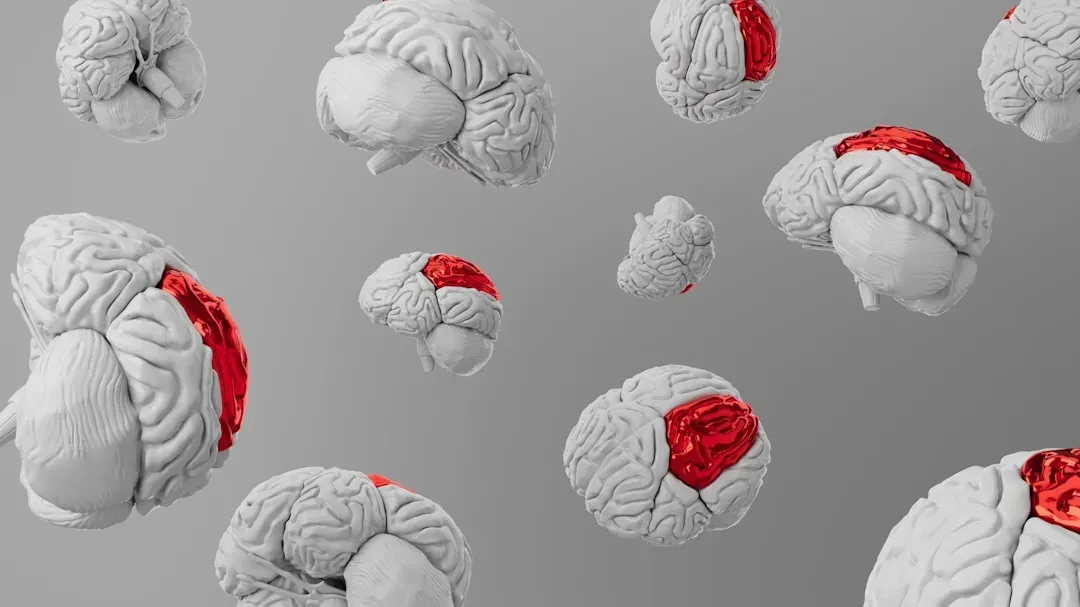
Research shows heightened activity in the prefrontal cortex, linked to decision-making and impulse control, and the amygdala, associated with stress responses; Type A individuals may have heightened amygdala activity. The ability to maintain prefrontal activity during stress keeps the head clear.
External stimuli lead to unpatterned chaotic states allowing formation of new nerve cell assemblies that form new attractors; new attractors may be formed as a result of traumatic stress, and this bifurcation process leads to changed psychological processes. Your brain literally reorganizes under intense pressure. Whether that reorganization strengthens or weakens you depends on multiple interacting factors.
Building Your Chaos-Handling Capacity

Thriving under pressure is trainable; repeated exposure to pressure, coupled with reflection and recovery, builds tolerance using principles behind exposure therapy and elite performance training. Meditation and mindfulness can help reduce stress response and have been associated with greater tolerance for uncertainty, building space in the mind to reduce judgments about uncertain environments.
Acknowledgment involves recognition of available coping resources and acceptance of reality; resilient individuals acknowledge adversity without becoming overwhelmed. Reframing allows individuals to reinterpret stressors in ways promoting adaptive responses, deeply embedded in cognitive-behavioral therapy through cognitive restructuring. You’re not stuck with your current capacity. Neuroplasticity means you can rewire these responses with deliberate practice.
The Role of Early Experiences and Learned Patterns

Being drawn to chaos stems from deeper emotional needs and coping mechanisms shaped by upbringing and personality traits; for some, chaos becomes a way of feeling alive, while for others it’s a familiar pattern established during childhood. If a child’s needs for love and security were met inconsistently, they might have learned to associate chaos with attention or care.
A study revealed that individuals aged thirty to forty demonstrated higher psychological stress resistance compared to those aged eighteen to twenty-five. Experience matters. Age brings pattern recognition. You develop mental models over time that either help navigate chaos or reinforce maladaptive responses. Breaking old patterns requires conscious awareness of their origins.
Conclusion

The difference between thriving and drowning in chaos isn’t about inherent strength or weakness. Your biology, personality traits, perception patterns, coping strategies, and neural architecture all converge to determine your response. Some arrive with advantages. Others must build capacity intentionally.
The good news? Resilience is something that can be practiced, learned, and developed. Your brain’s window of tolerance can expand. Your cortisol response can be regulated. Your cognitive reappraisal skills can sharpen. Chaos doesn’t have to overwhelm you. Understanding these mechanisms gives you power to shape your own response patterns.
What’s your relationship with chaos? Have you noticed your own patterns during high-pressure moments? The awareness itself is the first step toward transformation.