There’s something almost unsettling about the way a Tyrannosaurus rex lives rent‑free in our heads. Sharks exist, lions exist, crocodiles exist, yet it’s this long‑extinct, two‑legged reptile with tiny arms that dominates our nightmares, movie screens, and kids’ bedroom walls. You could go your whole life without seeing a lion in the wild, but you probably pictured a T. rex with surprising clarity the second you read the title of this article.
That reaction is not an accident. T. rex sits in a strange sweet spot where science, storytelling, fear, nostalgia, and raw aesthetics overlap. We know just enough about it to be specific, but not enough to remove the mystery. That thin fog of uncertainty lets our imaginations do the rest – and that’s where things get powerful.
The Perfect Monster Blueprint: Size, Shape, and Sheer Presence
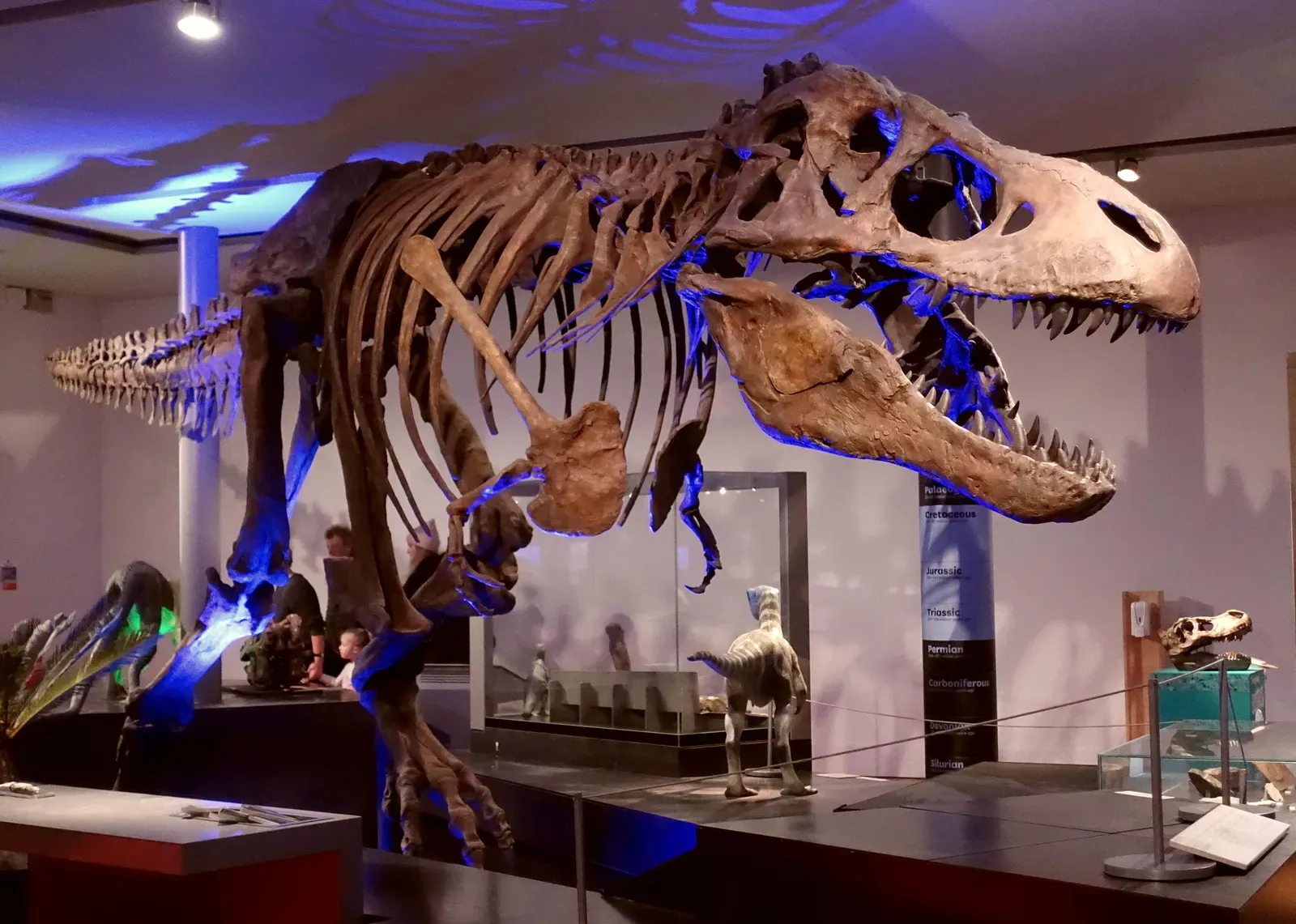
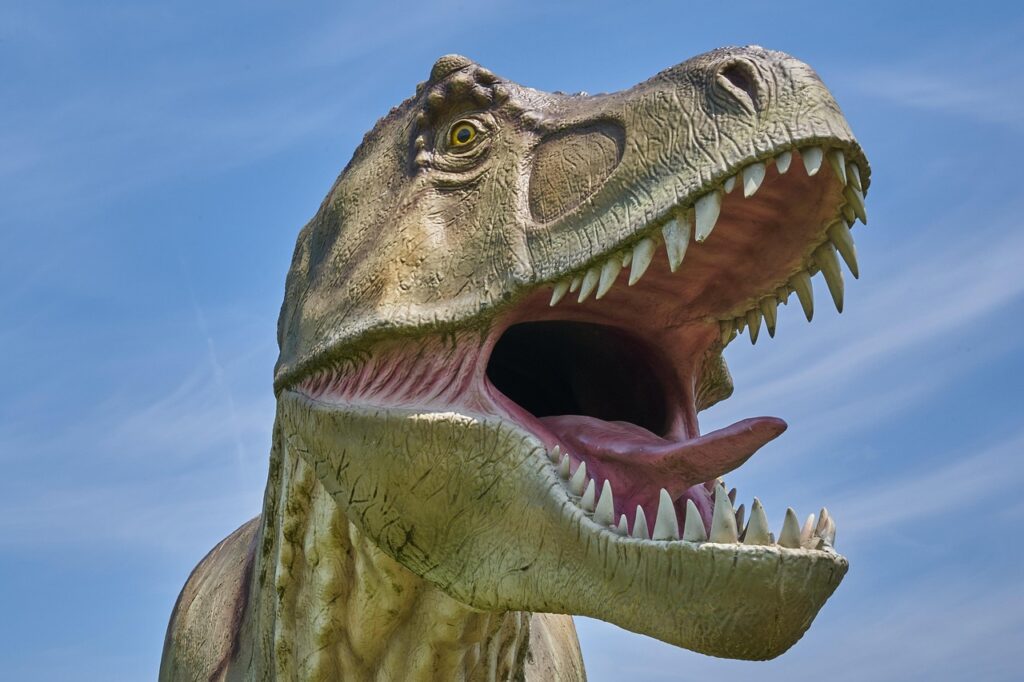
If you asked a child to draw a “dinosaur,” odds are you’d get something that looks suspiciously like T. rex: huge head, big teeth, long tail, standing upright on two muscular legs. Its basic silhouette is so distinct and so simple that one glance is all it takes to recognize it. Visually, it’s almost like nature sketched the ultimate movie monster long before movies existed, with a design so clean that it sticks in your memory after one look.
On top of that, the proportions are just outrageous enough to feel unreal but still grounded in biology. The giant skull looks like a weaponized battering ram, balanced by a massive tail that acts like a counterweight, while the famously tiny arms add a weird, almost meme‑like element of absurdity. That mix – genuinely terrifying, but a bit ridiculous – makes T. rex oddly approachable as a cultural icon, the way a horror villain with a recognizable mask becomes both scary and strangely familiar.
Jaw Power and Teeth That Feel Almost Supernatural
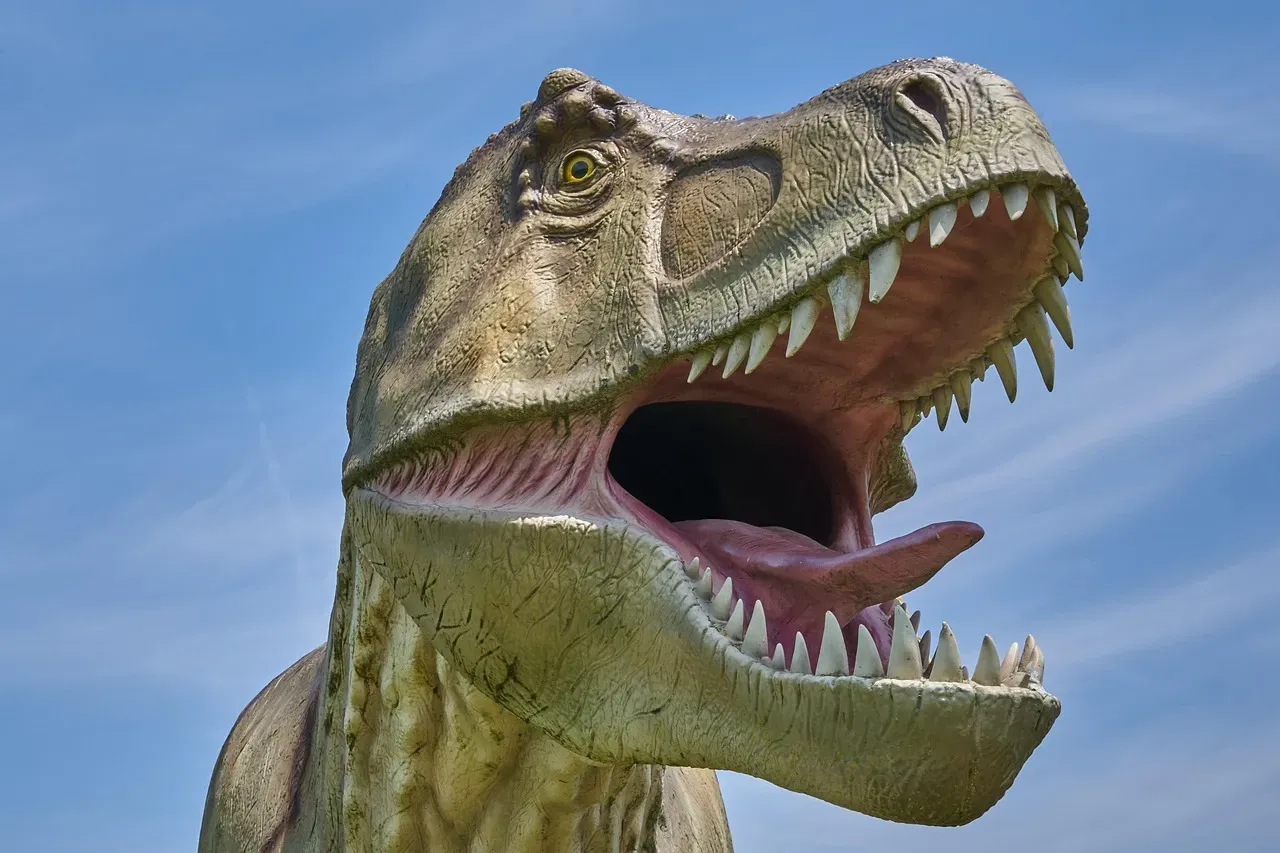
Even among predators, T. rex’s bite is on another level. Research suggests its bite force was far beyond that of any living land animal, strong enough to crush bone rather than just tear flesh. When you imagine those banana‑sized, serrated teeth closing around something, you’re not just picturing a bite; you’re picturing a hydraulic press with instincts. That is very different from a shark’s slashing bite or a lion’s suffocating grip.
Those teeth themselves are story fuel. They’re not sleek like a shark’s; they’re thick, brutal, and almost cartoonishly oversized, each one looking like it belongs in a nightmare dental exhibit. You do not have to know exact bite force numbers to feel the horror of a mouth built not only to kill prey but to obliterate it. There is something disturbingly final about a predator that doesn’t just win the fight – it erases evidence that the fight ever happened.
Just Enough Mystery: Science Leaves Room for Imagination
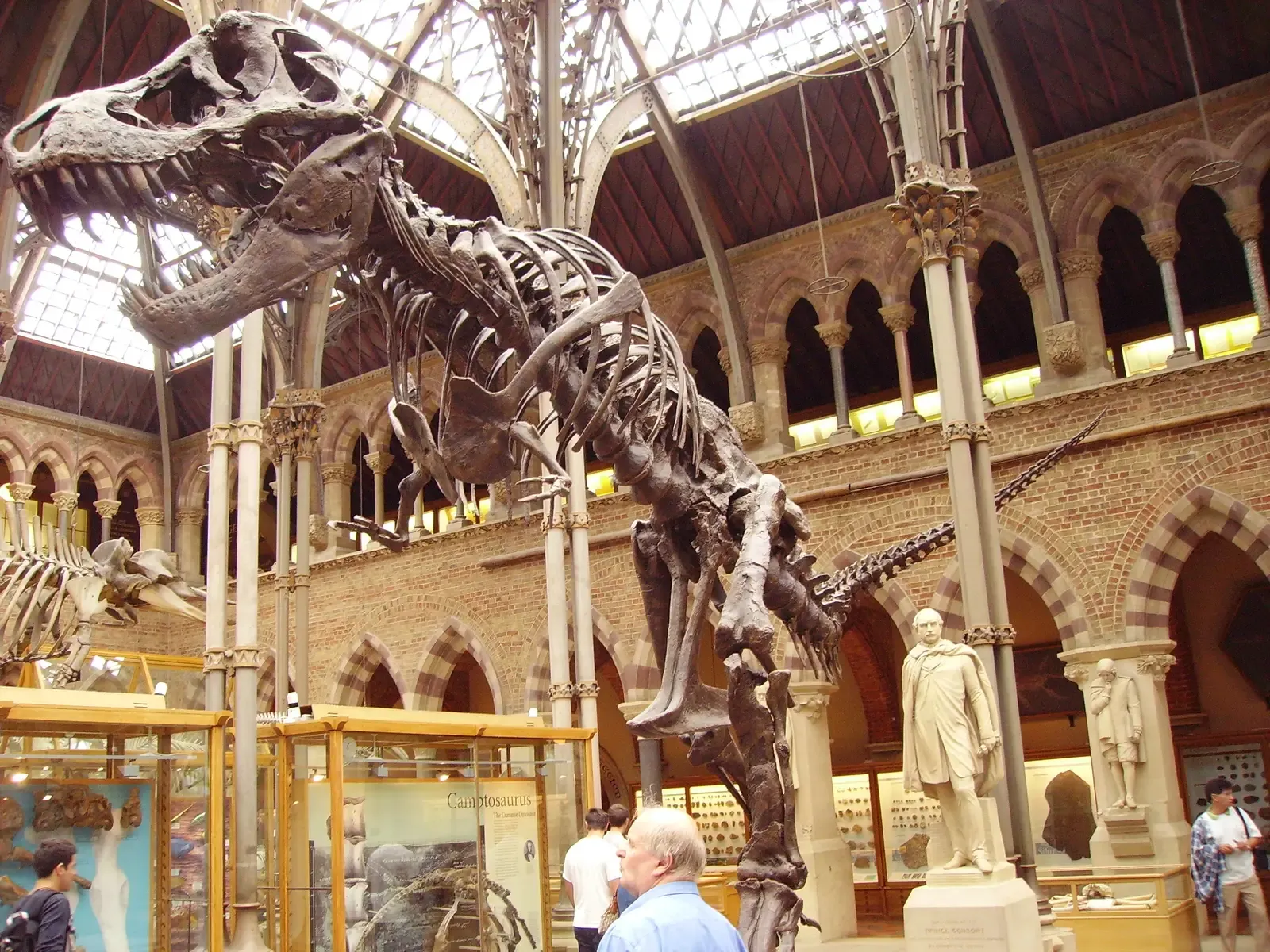
We know a lot about T. rex, but not everything – and that gap is exactly where the imagination thrives. Paleontologists can reconstruct bones, estimate muscle, infer behavior from bite marks and fossils, but they still debate things like how fast it truly ran, how much it depended on scavenging, or how much it cooperated or fought with others. Those disagreements create a living, evolving story rather than a closed case. It feels like a mystery being solved in real time.
Compare that to modern predators we can film in slow motion from multiple angles. We know what lions actually do to a painful level of detail; there is less room left for myth. T. rex, on the other hand, is forever a little out of reach. Did it sound like a crocodile, a bird, something else entirely? Was it more like a land shark or like a giant, terrifying vulture with attitude? Because we cannot know every detail, we get to choose our own version – and people tend to choose the most dramatic one.
The Jurassic Park Effect: How One Franchise Rewired Our Brains
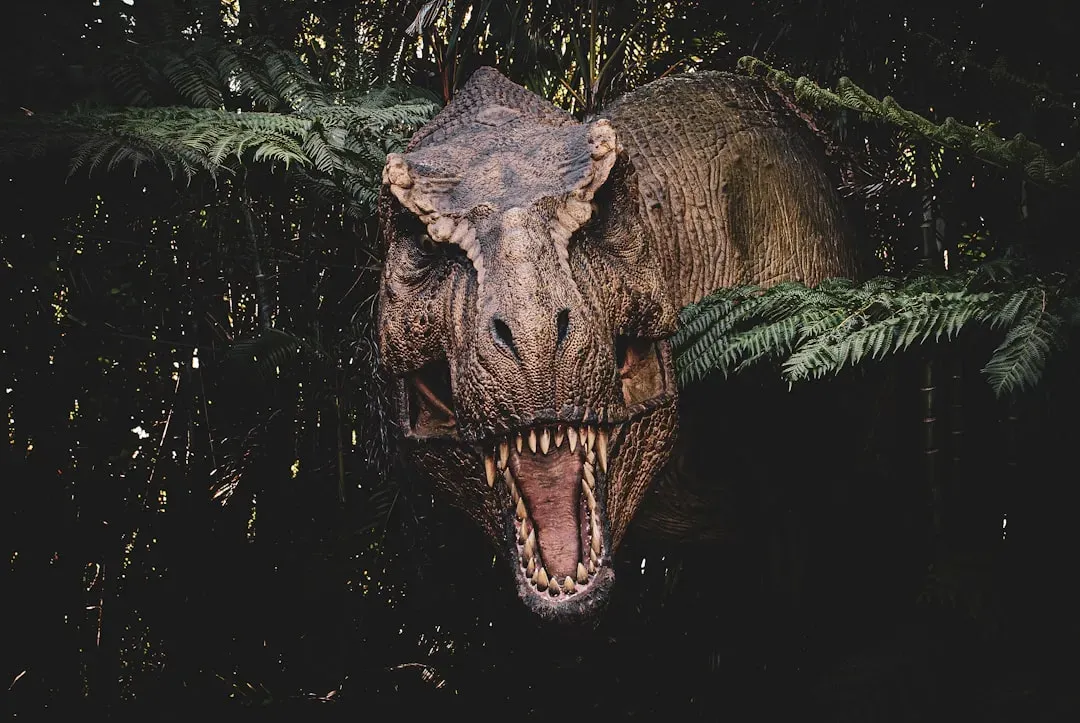
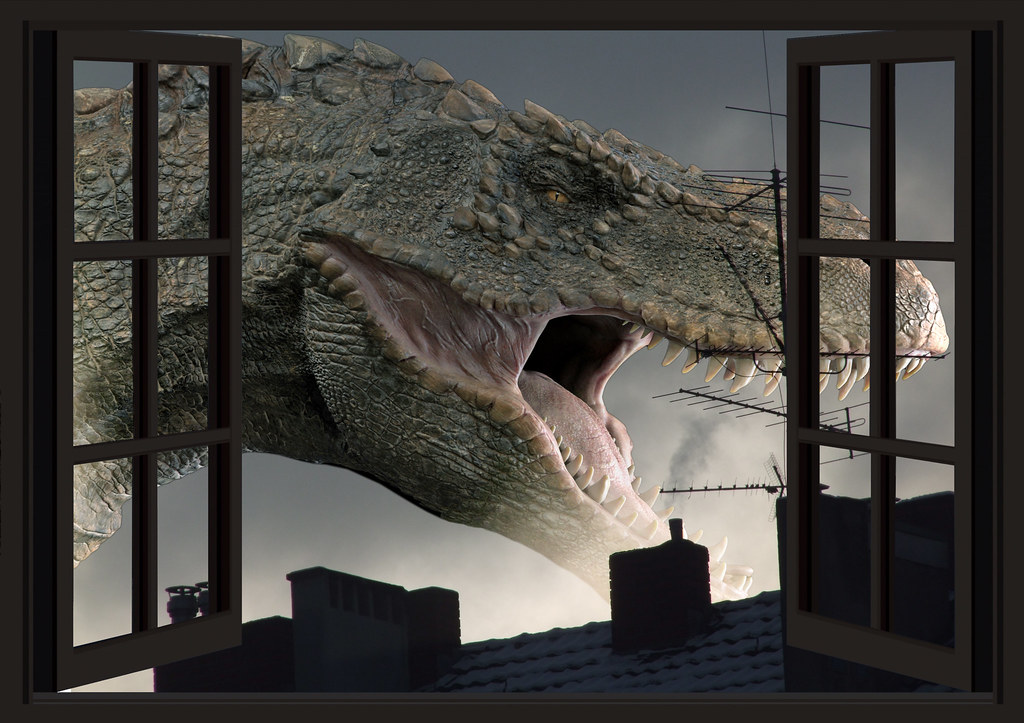
It’s impossible to talk about T. rex and human imagination without acknowledging cinema, especially that one roaring, rain‑soaked entrance on the big screen. For millions of people, that was the first time a dinosaur felt truly alive rather than like a museum skeleton. The image of a T. rex stepping out of darkness, shaking the ground with each step, became a permanent mental template for what danger looks like. Other predators star in documentaries; T. rex stars in blockbusters.
Once that image got into the global culture, it started to loop. Films, video games, toys, theme parks, and memes kept reinforcing the same idea of T. rex as the ultimate boss enemy. Modern predators do not get that same narrative treatment; sharks and bears show up, sure, but usually as supporting threats, not the final challenge. T. rex became more than an animal; it became a character, and once that happens, you are no longer competing with lions and crocodiles – you are competing with legends.
Safe Fear: A Monster You Never Actually Have to Face
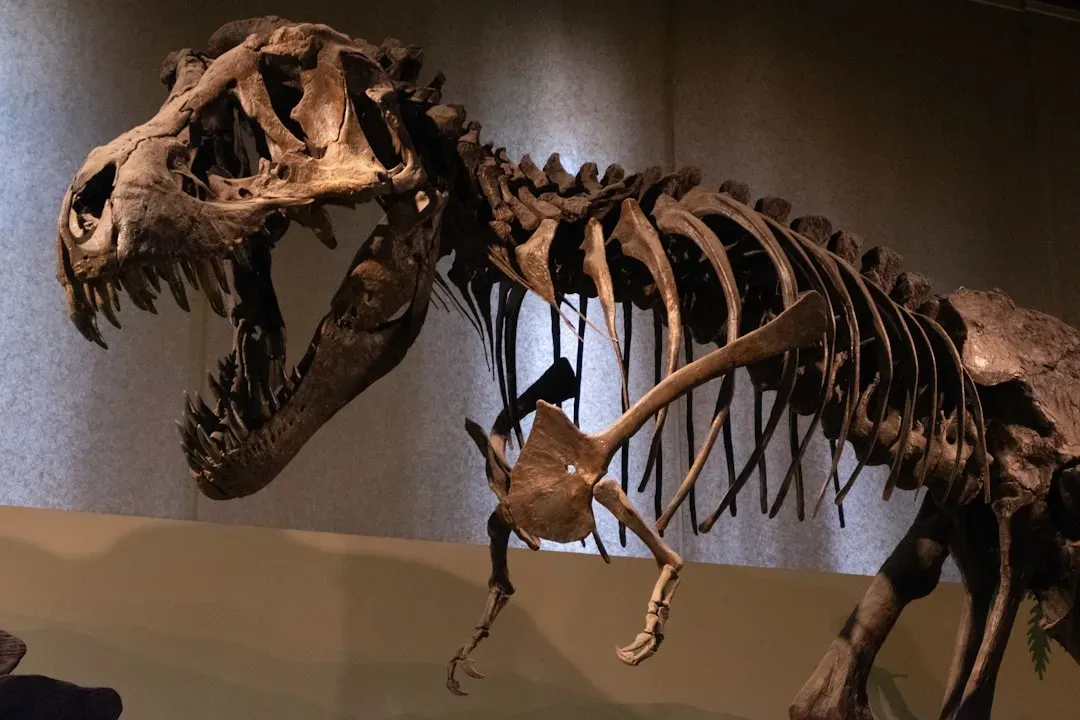
Here’s the paradox that makes T. rex uniquely comfortable to be terrified of: it can never hurt you. You can let your imagination run wild, picture it chasing your car or stomping through your city, and still sleep peacefully, because deep down you know it’s gone. That puts T. rex in a special emotional category: maximum fear, zero real‑world risk. Modern predators do not have that luxury; if you live near sharks, bears, or big cats, fear has a practical edge.
Safe fear is a powerful psychological drug. It’s the same reason people line up for haunted houses or roller coasters – they want intensity without actual danger. T. rex is like the ultimate, permanent haunted attraction living in our cultural imagination, roaring just loudly enough to thrill us, but always behind glass, behind time, behind extinction. We get the adrenaline rush without the survival calculation, and that makes us keep coming back for more.
Childhood Imprinting: The Dinosaur Phase That Never Really Ends
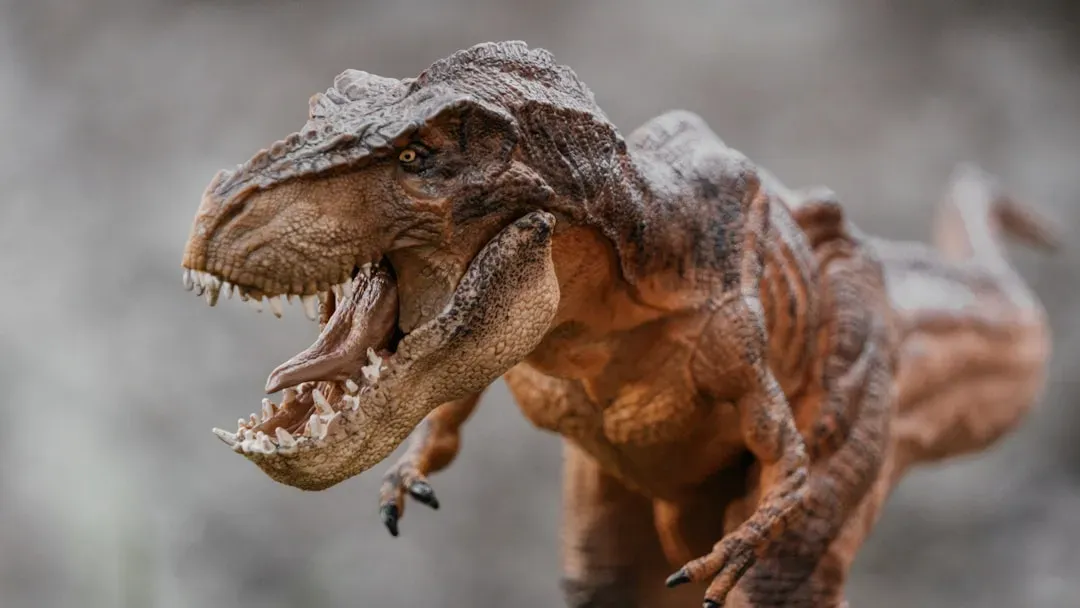
There is almost a rite of passage many kids go through: the dinosaur obsession phase. Picture the stacks of dino books, plastic figurines, posters above the bed, arguments on the playground about which dinosaur would win in a fight. At the center of that little personal universe, more often than not, sits T. rex. When you learn to pronounce its name as a five‑year‑old, it feels like learning a secret spell that summons something powerful in your mind.
That early emotional imprint matters. Once a creature becomes part of your childhood identity, it never fully leaves. As adults, we might trade dinosaur picture books for detailed fossil articles and documentaries, but the core fascination is the same. A lion might be majestic and a shark might be dangerous, yet T. rex is the one we were emotionally attached to when we were still small enough to sleep in dinosaur pajamas. That kind of nostalgia is rocket fuel for imagination.
Symbol of Power, Extinction, and Human Fragility
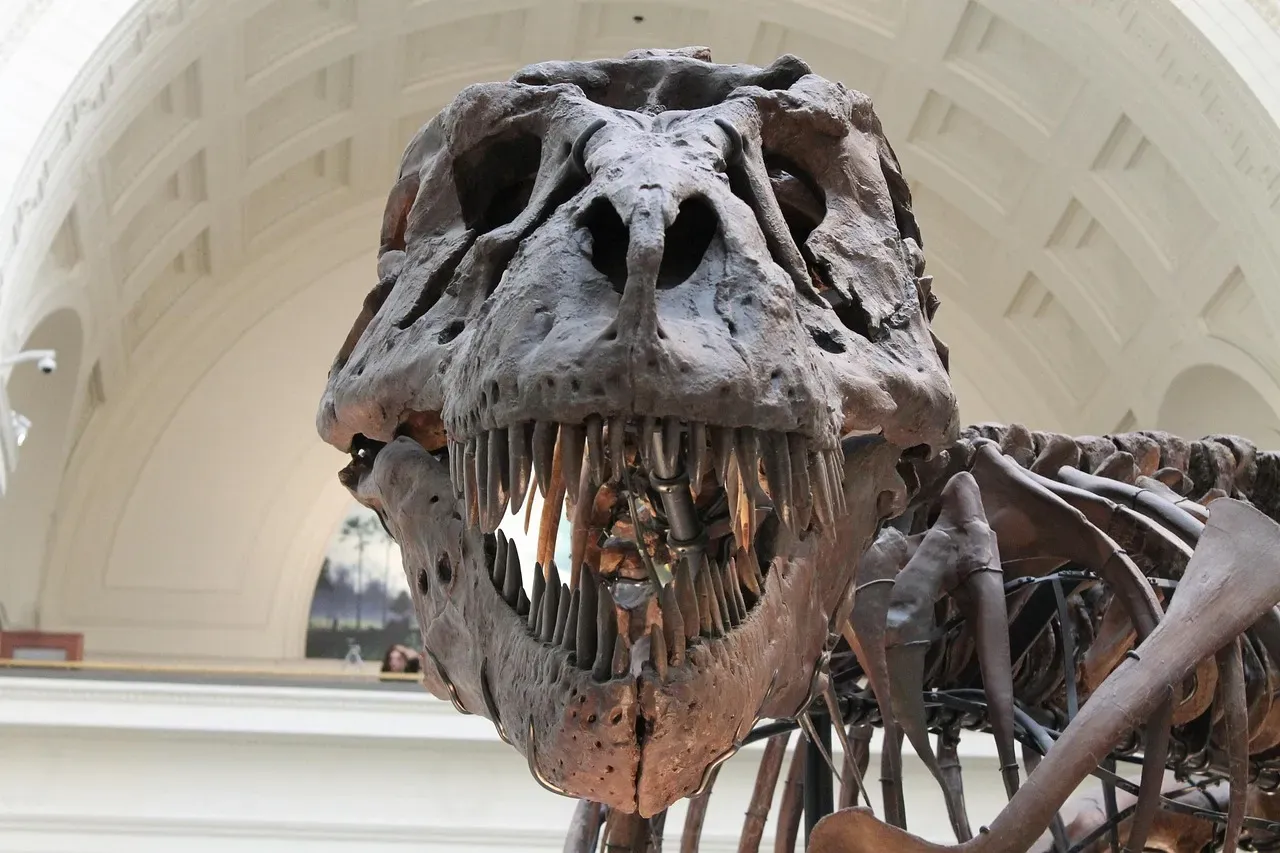
On one level, T. rex is pure power fantasy: the apex predator of its world, towering over its environment, almost unbeatable in its time. People project a lot onto that image – dominance, invincibility, the raw thrill of being at the top of the food chain. In a world where many of us feel small, stressed, and controlled by systems we do not fully understand, it is easy to be captivated by a creature that answers to nothing but hunger and strength.
But there is a darker, more thoughtful angle: for all its power, T. rex still lost the cosmic lottery. An asteroid impact and climate chaos erased it, along with most of its world. That contrast – near‑perfect predator, completely powerless against global catastrophe – hits close to home in an era of climate anxiety and technological risk. When we stare at a T. rex skull, we are not just thinking, “What a monster.” On some level, we are also thinking, “If something like that can vanish, what does that say about us?”
Science, Pop Culture, and the Ongoing Reinvention of T. Rex
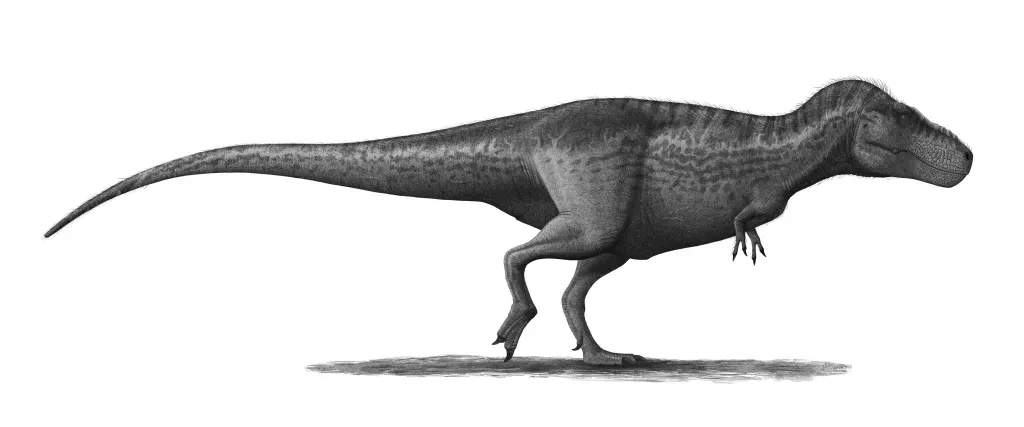
Another reason T. rex stays ahead of living predators in our imagination is that it keeps getting updated. New discoveries about feathers, posture, growth rates, or behavior do not push it out of the spotlight – they refresh it. Every few years, an illustration, a documentary, or a museum exhibit reveals a slightly different T. rex, and the debates flare up again. Was it more birdlike, more reptilian, slower, faster, smarter? It never becomes stale because the science refuses to let it freeze in place.
Meanwhile, pop culture happily cherry‑picks the version that fits the story it wants to tell. Sometimes T. rex is portrayed as a relentless horror villain, other times as a misunderstood animal, and occasionally even as a weird, almost comic presence in memes and cartoons. That flexibility is rare; most modern predators are stuck in fixed roles, like “shark equals ocean terror.” T. rex can slide between roles, from scientific specimen to action star to cultural in‑joke, and that range keeps it constantly in motion in our minds.
Why T. Rex Still Beats Every Living Predator in Our Heads
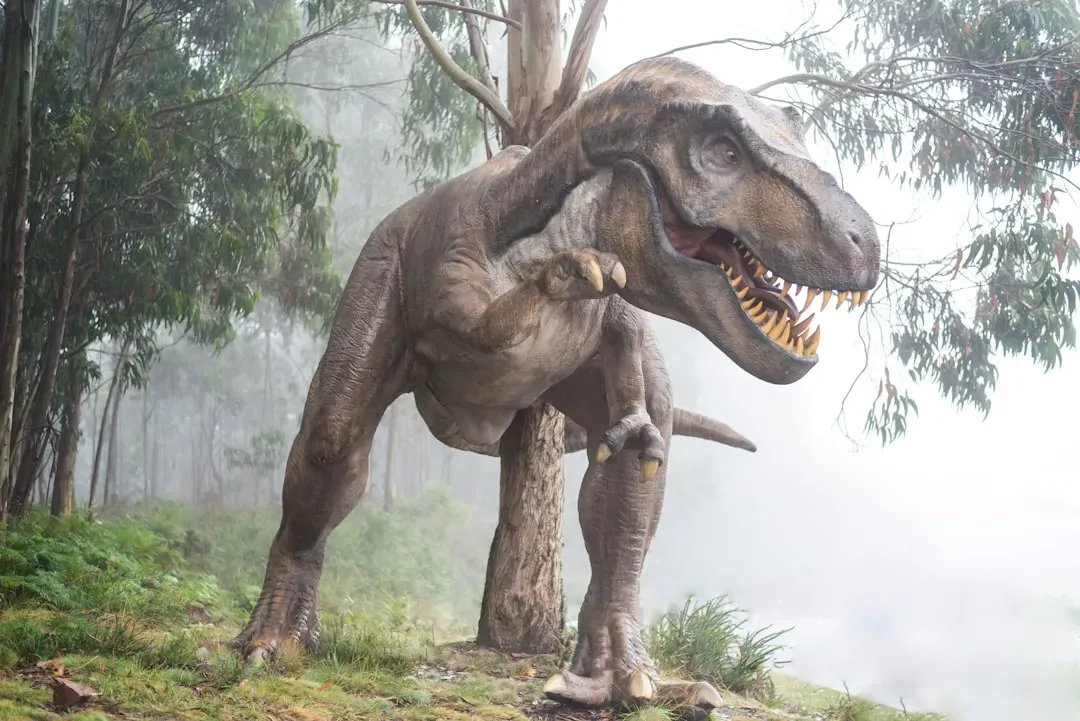
If I’m being honest, I do not think any living predator really stands a chance against T. rex in the arena of imagination, and that says more about us than about the animals. T. rex is larger than life, literally and symbolically: part childhood friend, part movie monster, part scientific puzzle, and part warning about how even the mightiest can fall. Lions and sharks command respect, but T. rex commands narrative. It is the creature we summon when we want to picture the purest form of predatory power, safely locked in the past.
In a way, we need T. rex. It gives us a place to store our fears of being hunted, our fantasies of being unstoppable, and our unease about how fragile dominance really is, all inside the bones of one vanished animal. That might not be entirely fair to the real, once‑living creature, but it is how culture works: we turn fossils into mirrors. And when you look into the empty eye sockets of that skull, what you see staring back is not just a prehistoric killer – it is a reflection of what thrills us, what scares us, and what we hope never suddenly goes extinct in our own world. Did you expect one dinosaur to say so much about us?