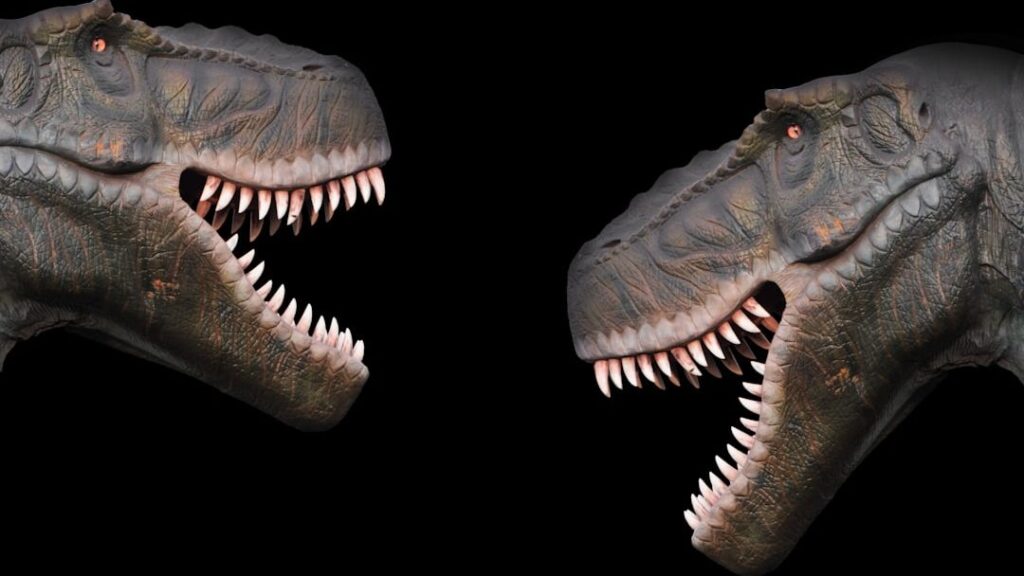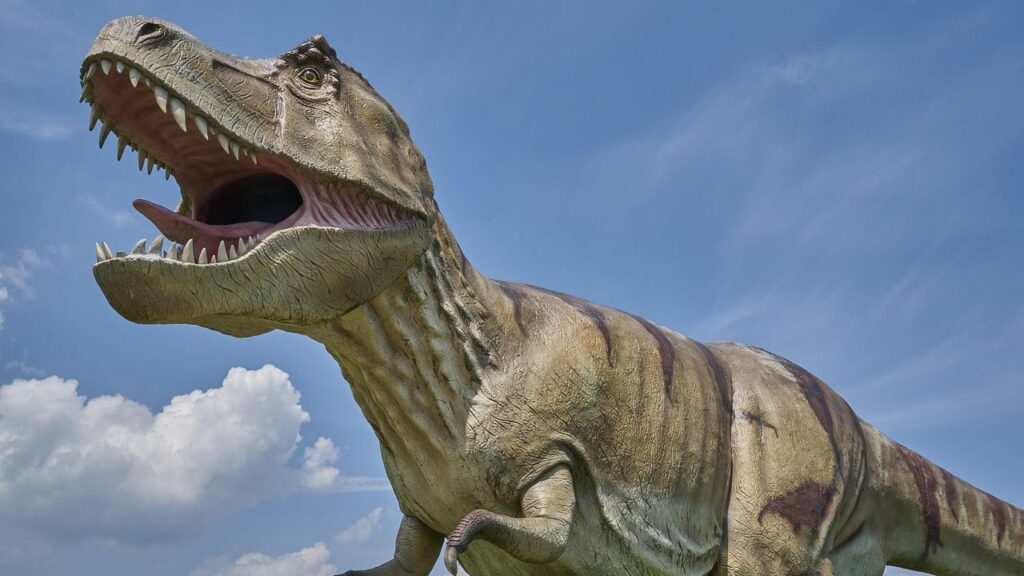
Picture a 7-ton predator hitting the ground at a sprint, jaws slamming into struggling prey, tail whipping to balance that massive skull. Now picture your average 30-year-old hunched over a laptop, living on coffee, DoorDash, and five hours of sleep. One of these bodies was built to withstand bone-cracking forces. The other gets a stress fracture from walking too hard in the wrong sneakers.
That contrast sounds funny, but it is also uncomfortably real. Tyrannosaurus rex lived a brutally physical life and still reached its prime in its late twenties to early thirties with skeletons that show dense, heavily reinforced bones. Many humans, by that same age, are already quietly losing bone mass, setting up problems for their 50s, 60s, and beyond. The gap between a dinosaur apex predator and a sedentary modern adult is less about fate and more about how biology responds to the world we build around it.
The Dinosaur That Hit 30 Like a Powerlifter, Not a Patient
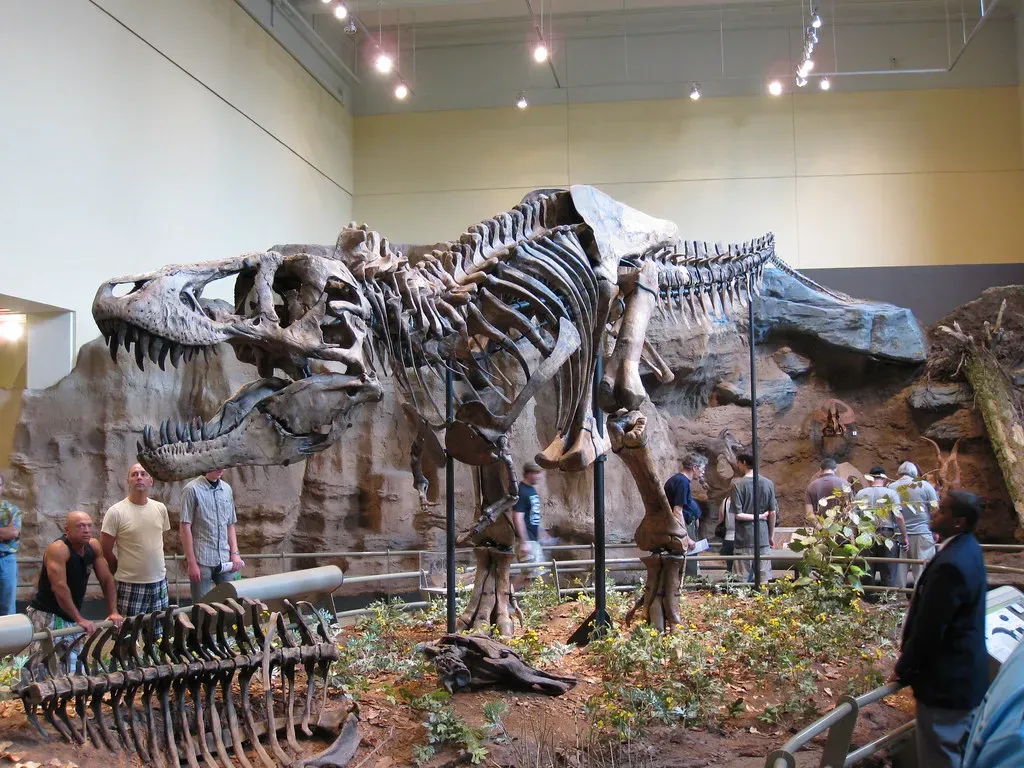
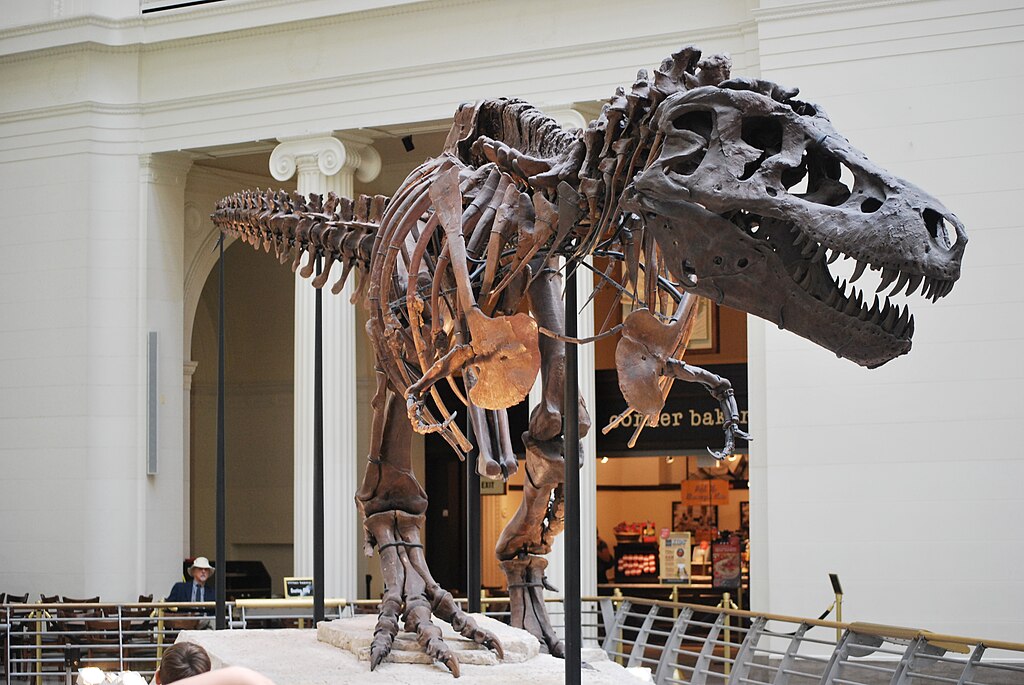
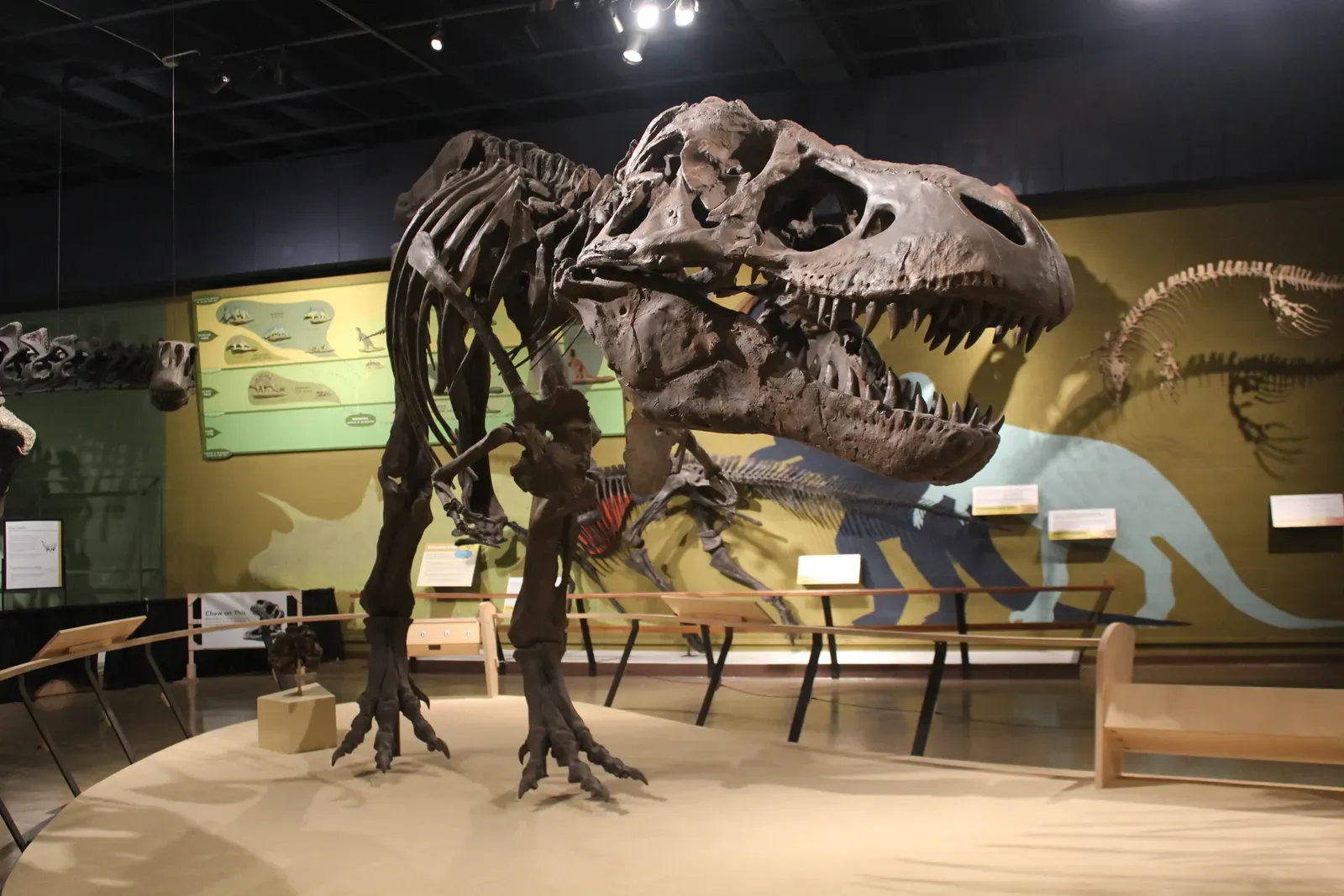
It still shocks people that T. rex did not burn out in its teens. Fossil studies suggest these animals grew fast through adolescence, then hit a more stable, powerful adult phase that could last into their late twenties or early thirties, with fully mature individuals showing thickened, remodeled bone. The skeletons we find of large, adult T. rex are not fragile relics; they are more like the heavy-duty frames of construction cranes, packed with reinforcement where the stresses were highest.
When paleontologists slice through long bones from T. rex, they see layers of bone that have been laid down, reshaped, and strengthened over time, a bit like tree rings blended with a constantly updated scaffold. These animals were not preserved in a bubble; they lived through injuries, infections, massive exertion, and still kept moving. Meanwhile, many humans are already experiencing measurable bone loss before they hit 40, long before any serious trauma. The difference is not that T. rex had magical dinosaur bones, but that every day of its life was a high-intensity conversation between bone and environment.
Bone Is Not a Stick – It’s a Living, Adapting Material
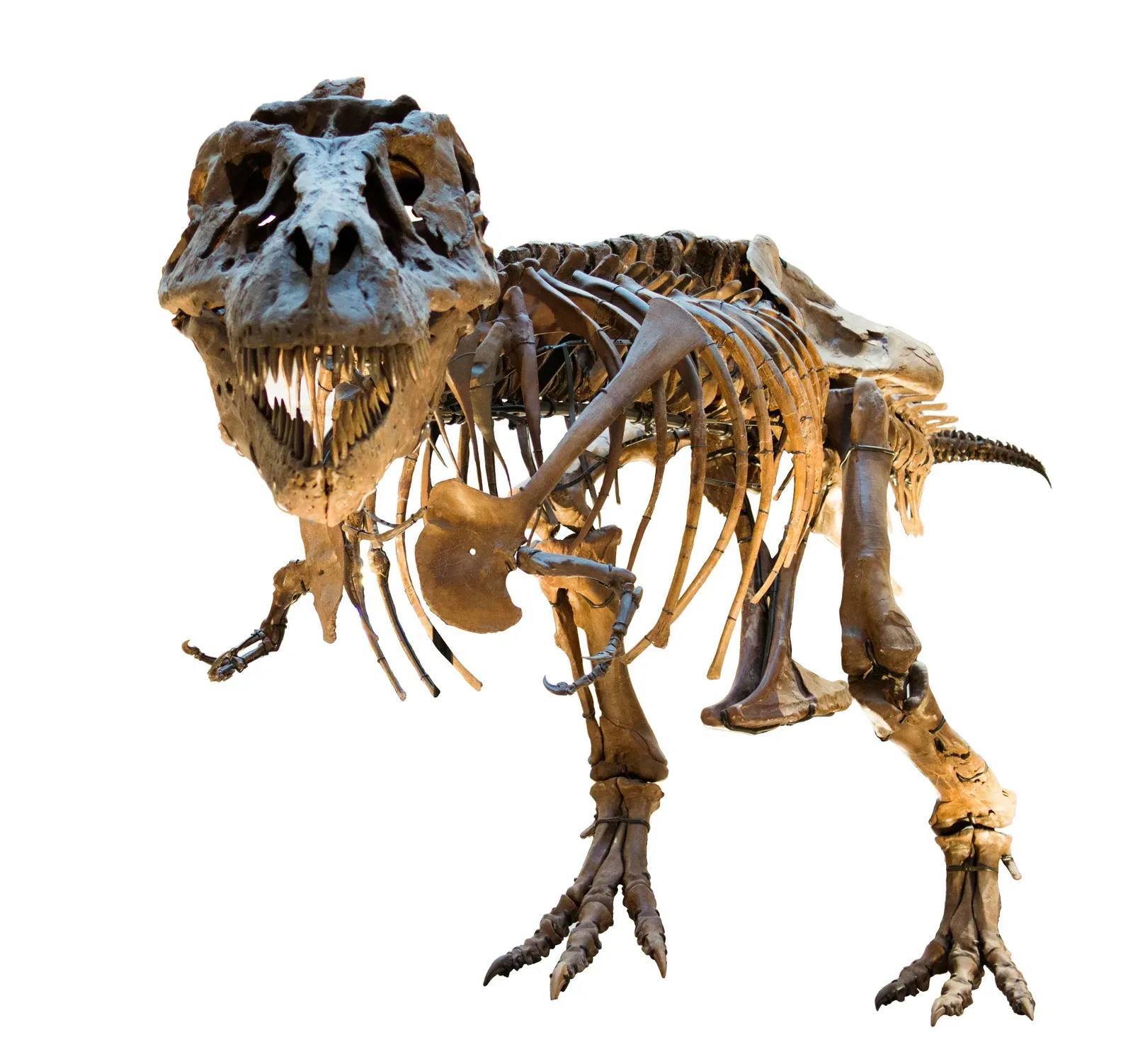
Most of us picture bone like a white, lifeless rod you see in a Halloween decoration, but real bone is closer to a smart construction site that never shuts down. Specialized cells constantly break down old or stressed bone and rebuild new bone in response to the forces you put through your body. Lift heavier loads, jump, sprint, carry, and the skeleton quietly responds by adding more material, reorganizing fibers, and making the whole structure stronger and more resilient.
T. rex lived in a world where that system got hammered daily. Every step loaded several tons through its legs; every lunge, bite, and twist sent shockwaves through its spine and hips. This relentless mechanical demand kept its bone-building machinery turned up. By contrast, many of us live in ergonomic chairs, cushioned shoes, and climate-controlled spaces, barely challenging our skeletons. Bone is brutally honest: if you do not ask much of it, it slowly stops offering much in return.
Mechanical Stress: The Secret Ingredient We Keep Editing Out
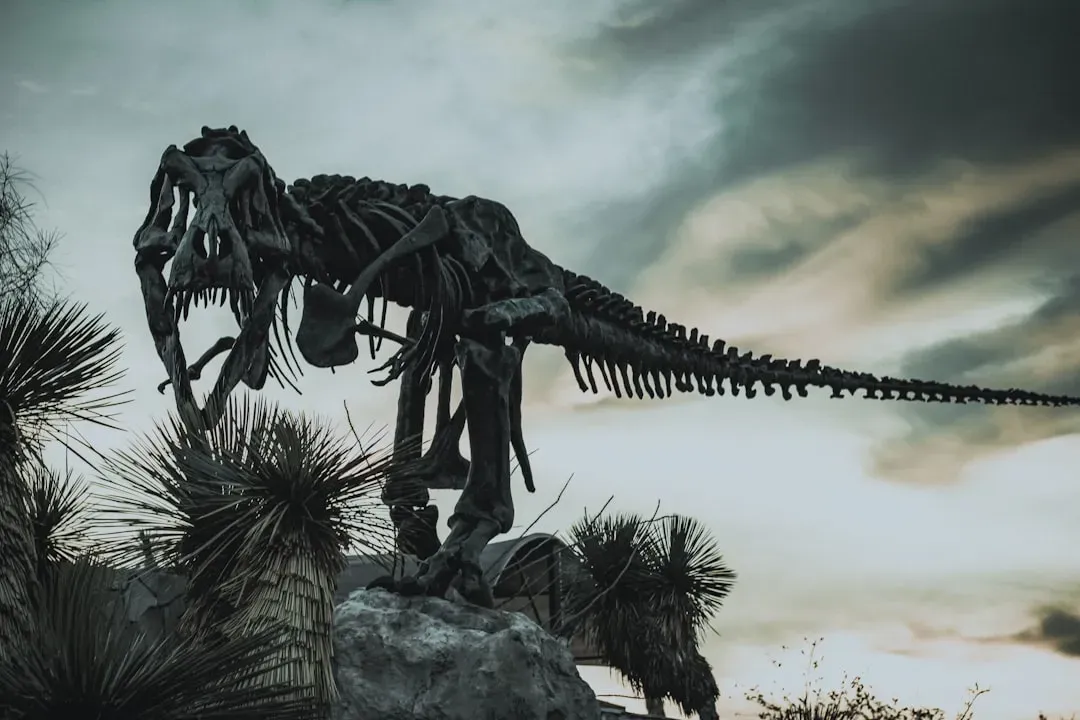
If there is one big lesson from a dinosaur’s skeleton, it is that bone thrives on stress, the right kind. When you put weight and impact through your body – think jumping, sprinting, lifting, and carrying – it sends signals down at the cellular level that say, in effect, build more, reinforce here, strengthen this region. That is exactly what T. rex did every time it pursued prey or pivoted its massive body; the physics of its movements literally sculpted its bones.
Compare that to how most modern lives are structured. We move from bed to car to desk to couch, maybe squeezing in a short walk or a light workout, but often far below what our skeletons evolved to expect. Even kids, who used to spend hours running and climbing, are spending more time indoors, staring at screens. It is not that our bones “went bad” compared to a dinosaur’s; we just removed a key input from the system – regular, varied, heavy mechanical load – and then acted surprised when the system quietly downshifted.
From Active Childhoods to Chair-Shaped Adults
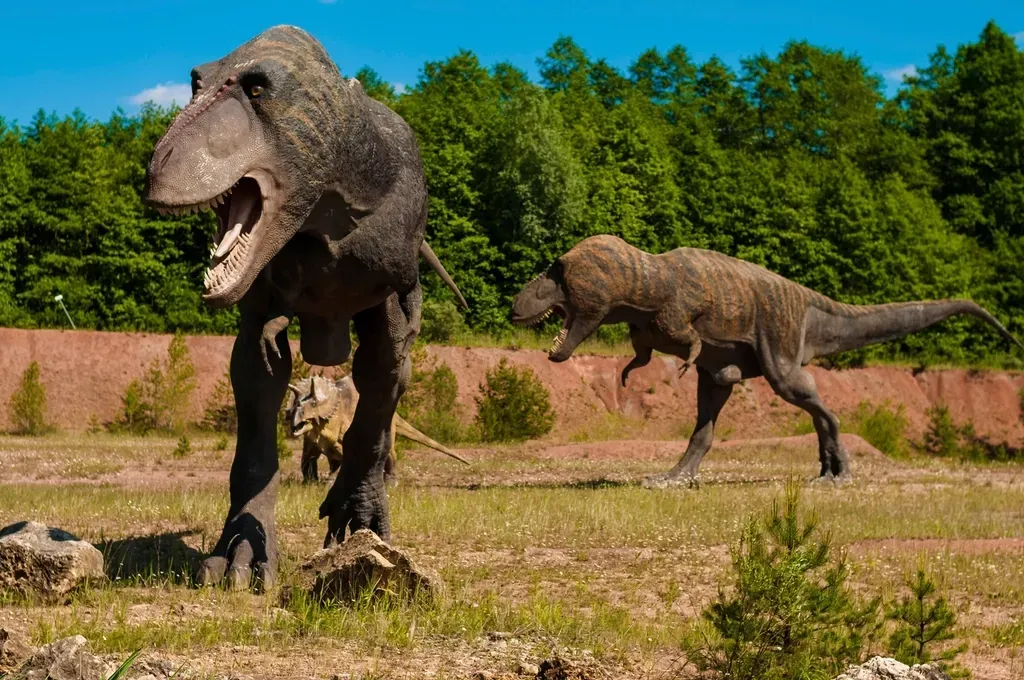
Think about how a human life used to look, even just a few generations ago: walking long distances, manual labor, chores that required lifting, bending, carrying, and real physical effort from childhood onward. Our ancestors were not training like pro athletes, but their daily grind kept bones engaged. T. rex never had a childhood that was anything other than physically demanding, either – survive or do not, there was no sedentary option.
Now look at today’s typical trajectory. Many kids sit in classrooms most of the day, then come home to homework and digital entertainment. Even sports are often compressed into a few heavily scheduled chunks per week instead of hours of free, chaotic movement. By the time someone hits 30, their skeleton has had decades of under-loading. It is not dramatic, but it is relentless – and bone loss does not need drama, only time and disuse. The result is a body that looks fine in photos but is structurally undertrained.
Protein, Minerals, and the Modern Diet Problem
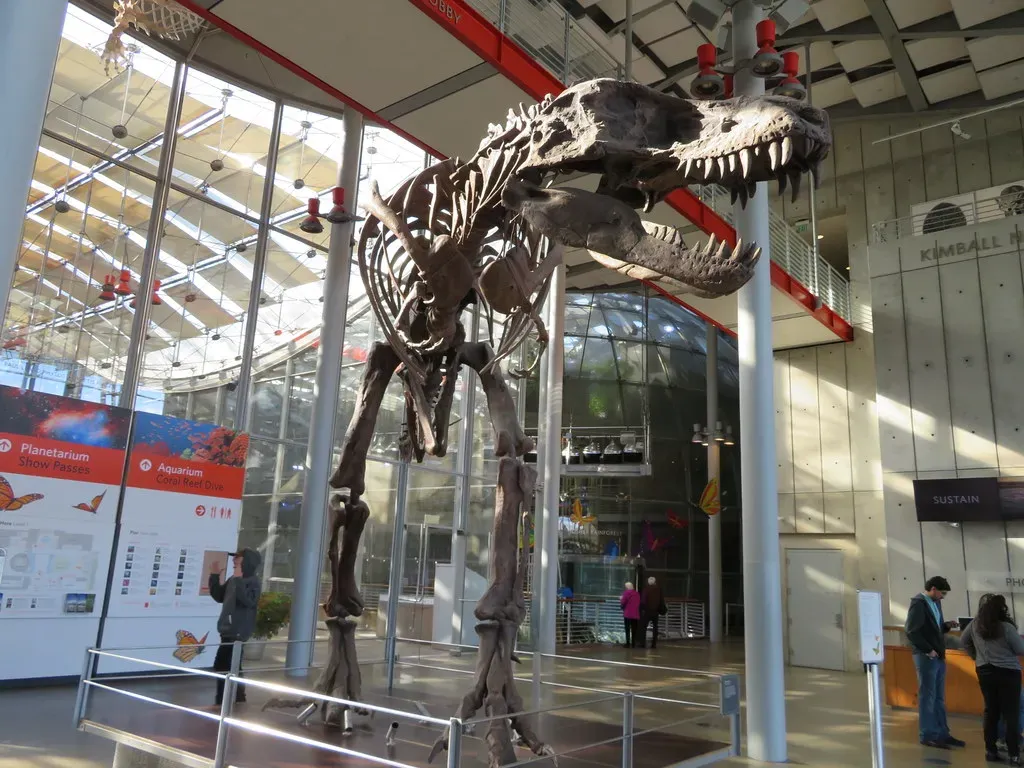
Strong bones are not just about stress and movement; they are also about materials. Bone is made of a mineral-rich matrix supported by collagen and other proteins, and it needs enough raw ingredients to build and repair. T. rex likely ate a high-protein, mineral-dense diet whether it wanted to or not – entire animals, including bones and connective tissue, not just lean muscle. That kind of diet constantly supplied the building blocks needed for robust skeletal maintenance.
Modern humans, despite living in a time of food abundance, are surprisingly good at undernourishing their bones. Ultra-processed foods dominate many diets, crowding out calcium-rich, protein-dense, and micronutrient-packed options. People may hit their calorie targets while quietly missing what bones need to thrive. Add in habits like excessive soda consumption, excessive alcohol intake, and inconsistent vitamin D from low sun exposure, and you get a skeleton trying to patch potholes with low-quality asphalt.
Hormones, Aging, and Why 30 Shouldn’t Feel Old
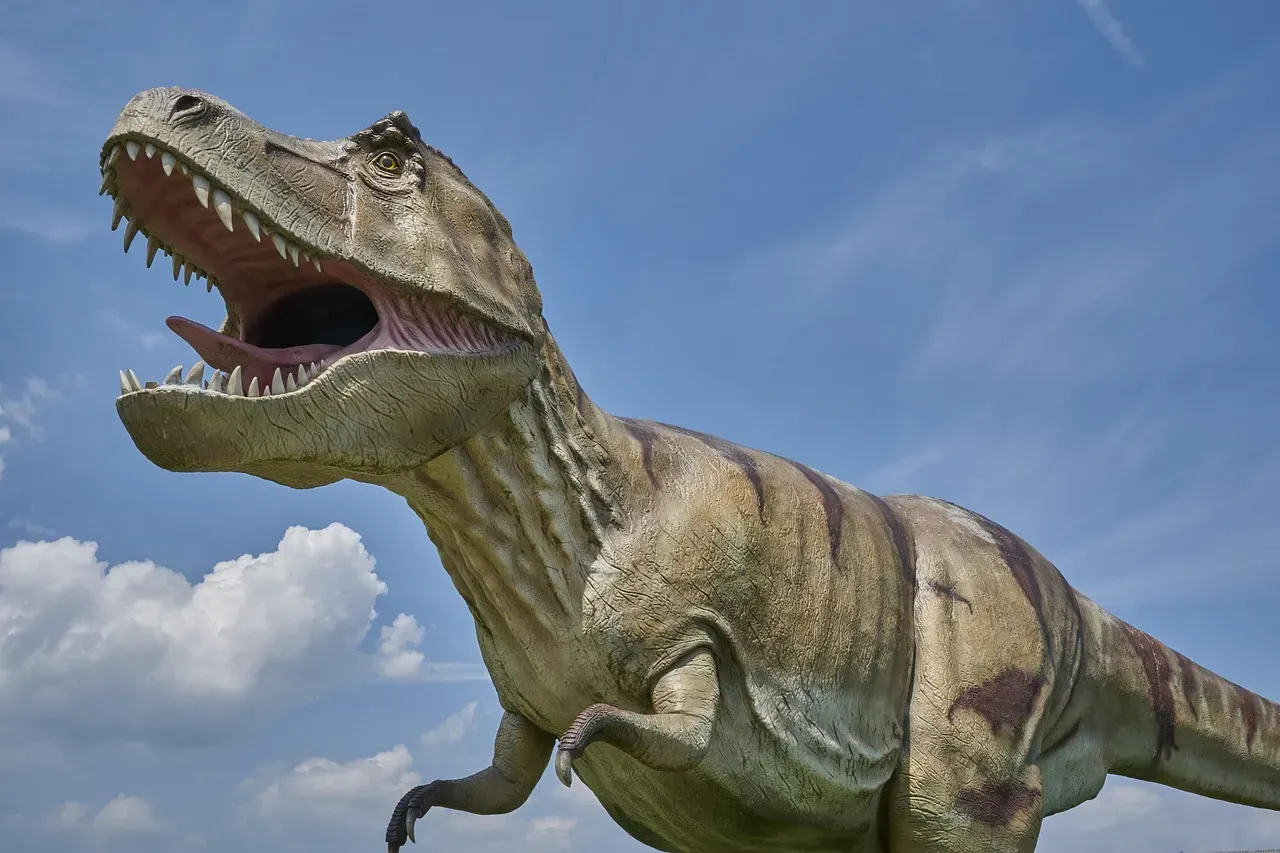
There is a real biological shift as humans age – hormones change, bone-building slows, and bone breakdown creeps ahead. But the modern narrative that 30 is the beginning of the end is wildly out of proportion to what the body is capable of when supported well. T. rex did not have gentle golden years; if anything, reaching 30 in that world meant you were exceptionally tough, and your skeleton showed it. Age did not grant weakness; it selected for the individuals whose bodies kept up.
For humans, the drop-off we see around and after 30 is less about inevitable decay and more about the cumulative impact of years of poor sleep, high stress, low movement, and inconsistent nutrition. Hormones absolutely matter, especially for women around pregnancy and menopause and for men with declining testosterone, but hormones interact with lifestyle. Strong bones at 30 should be the baseline, not a miracle. The fact that it feels miraculous says more about our environment than our DNA.
High-Tech Lives, Low-Tech Bodies
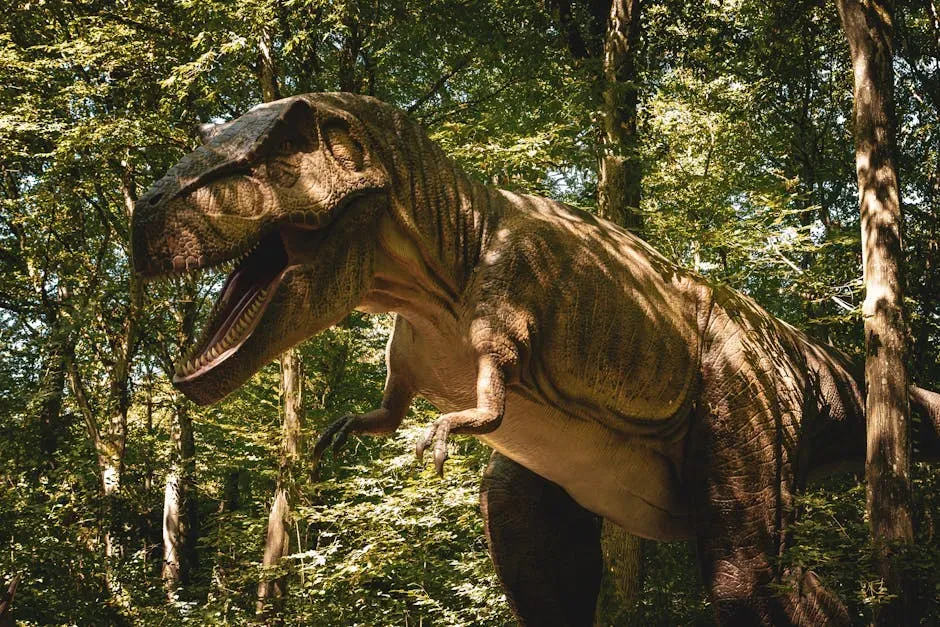
We love to talk about human progress, and in many ways we have transformed our world for the better. But there is a strange irony in how we have engineered physical effort almost entirely out of daily life. Elevators replace stairs, cars replace walking, apps replace errands, and digital connections replace in-person activities that used to involve at least some movement. Our minds live in a high-speed, high-tech reality, while our bodies are quietly parked in neutral.
T. rex, in contrast, lived in a brutally analog world. Every survival task – finding food, avoiding rivals, securing territory – demanded physical output. There was no version of that animal that scrolled a feed for three hours and then wondered why its joints hurt. We have built a culture where it is shockingly easy to survive without challenging the skeleton at all. In my opinion, that comfort has a hidden tax, and we are paying it later as fractures, surgeries, and limitations that our ancestors, and certainly T. rex, never had the luxury to experience.
What We Can Learn (Without Chasing Prey Through a Swamp)
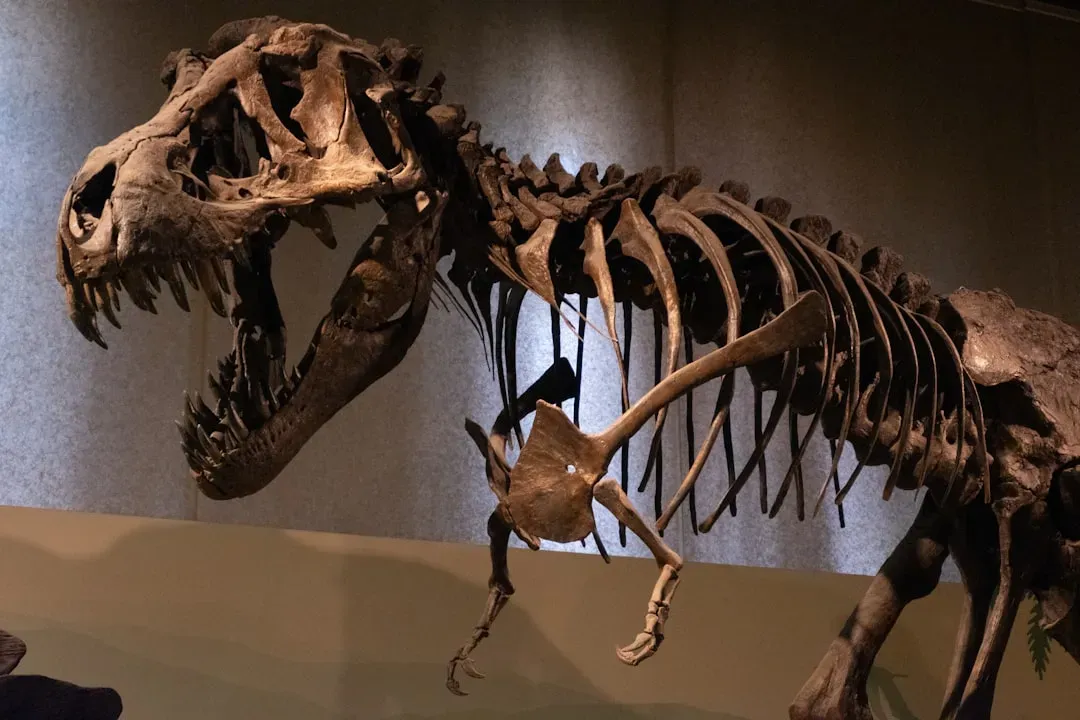
We obviously cannot, and should not, try to live like a giant carnivorous dinosaur. But we can steal the principles that shaped its bones. First, bones respond to load, so we need more weight-bearing, impact, and resistance in normal life – not just in a gym, but in walking more, taking stairs, carrying groceries, doing physical hobbies, and letting kids climb, jump, and play in unscripted ways. The goal is not to become extreme; it is to make movement a normal background condition again.
Second, bones need materials and maintenance: enough protein, adequate calcium and vitamin D, minimal smoking and excessive drinking, decent sleep, and some exposure to natural light. None of that is glamorous, and it will never trend like some miracle supplement, but it is exactly how you build a skeleton that holds up under stress. We do not have to become prehistoric to get prehistoric toughness; we just need to stop acting like our bones are ornamental instead of load-bearing infrastructure.
Rebuilding a Culture Where 30 Is Peak, Not Decline
Here is my honest take: the fact that a 30-year-old T. rex sounds tougher than a 30-year-old human should embarrass us a little. It is a sign that we have pushed convenience so far that even our basic architecture is suffering. We glamorize hustle culture while physically sitting still, then medicalize the predictable fallout as if biology personally betrayed us. In reality, we quietly betrayed our own bodies by designing lives that never ask them to show what they can do.
We know what stronger bones at 30 would look like for humans: more movement woven through the day, more real food, more sun and sleep, less chronic stress, and a culture that treats physical capacity as normal, not niche. That shift is not about nostalgia or pretending we are cavemen or dinosaurs; it is about aligning with how our bodies actually work. T. rex did not choose strong bones; its world demanded them. We have a choice – and so far, many of us are choosing comfort over capability. The question is, when you imagine your future self, which one do you secretly want to resemble more: the overworked office chair, or the creature whose bones were built to handle anything?