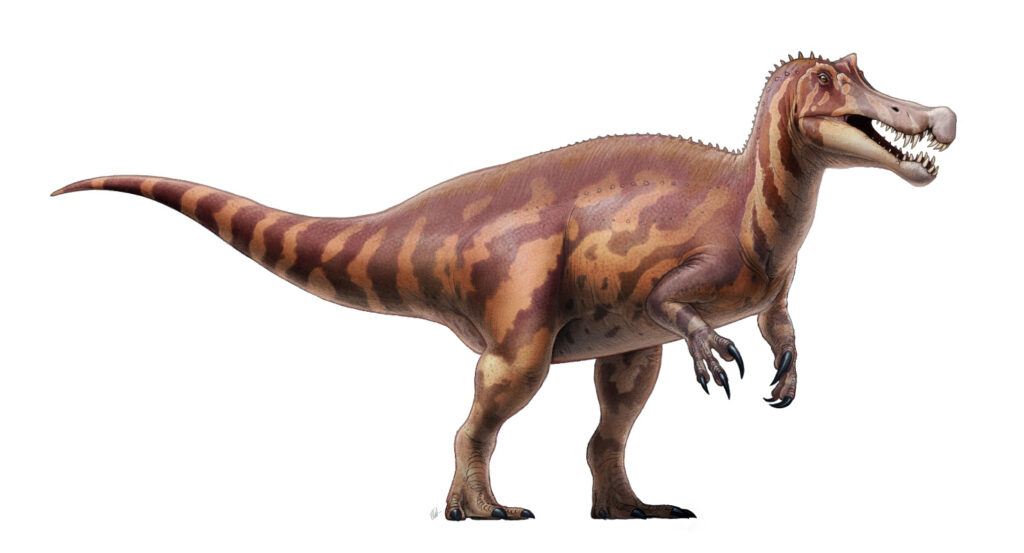
Every fossil has a story, but few start with annoyed scientists and a mangled skull. Irritator challengeri, a mid–Cretaceous predator from Brazil, is one of the rare dinosaurs whose very name captures the frustration that came with its discovery. What began as a damaged fossil, heavily altered by fossil traders using plaster and glue, turned into one of the most intriguing pieces of the dinosaur puzzle: a spinosaurid with a long, narrow snout that hints at a semi-aquatic way of life.
Once you get past the funny name, Irritator opens a window into an ancient world of flooded plains, crocodile-like hunters, and ecosystems that looked nothing like the classic dinosaur scenes most of us grew up with. This animal sat at the crossroads of land and water, part fish-catcher, part terrestrial hunter, and a distant relative of the famous Spinosaurus. Let’s walk through what scientists think this animal was, how it lived, and why a frustrating fossil turned out to be a surprisingly important one.
A Name Born From Frustration: How Irritator Was Discovered
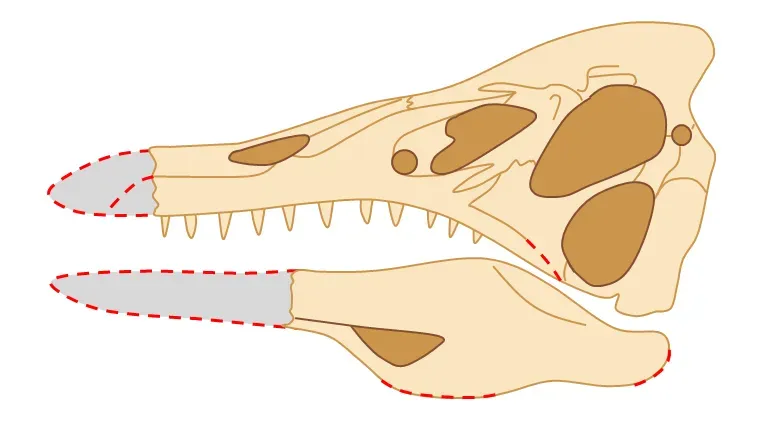
Irritator was first described in the mid-1990s from a partial skull found in the Santana Formation of northeastern Brazil, a rock unit famous for beautifully preserved Cretaceous fossils. The catch was that this particular skull reached scientists only after passing through the hands of commercial fossil dealers, who had “improved” it with plaster and filler to make it look more complete and valuable. When paleontologists began cleaning and preparing it, they quickly realized they had been handed a headache: distorted bones, fake pieces, and lots of hard work to separate real from fake.
That irritation is literally baked into the dinosaur’s name. Researchers coined the genus name Irritator to capture the annoyance caused by the extensive modifications that misled them and complicated the scientific study of the fossil. Underneath the artificial material, though, they found something genuinely exciting: the skull of a spinosaurid, a group of bizarre theropod dinosaurs with long, crocodile-like snouts. In a twist that feels almost poetic, the fossil that caused so much frustration ended up reshaping how scientists thought about these strange predators.
A Slender Snout and Needle Teeth: What Irritator Looked Like
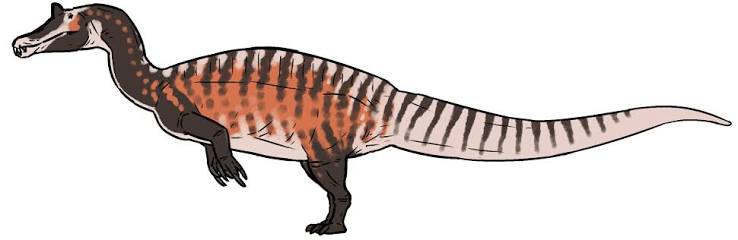
Even though we only have part of the skull and a few other remains, scientists can reconstruct a surprisingly vivid picture of Irritator. It had a long, narrow snout filled with conical, slightly recurved teeth that were better suited to gripping slippery prey than slicing flesh, more like a modern crocodile or a fish-eating bird than a classic meat-slicing theropod like Allosaurus. The snout bones show openings and grooves that likely housed nerves and blood vessels, suggesting a sensitive tip that may have helped it detect movement in the water.
Based on comparisons with better-known spinosaurids, Irritator was probably around the size of a small bus, perhaps seven to eight meters long, with powerful hind limbs and a relatively slender body. It likely had strong neck muscles for snapping at prey and a tail that may have been more flexible and muscular than that of typical theropods, though not as radically specialized as the huge paddle-like tail suggested for Spinosaurus. It is easy to imagine Irritator looking like a mash-up of a giant heron, a crocodile, and a traditional theropod, built not just for running on land but for working the edges of rivers and lagoons.
Life in the Santana Seas: Irritator’s Ancient Habitat
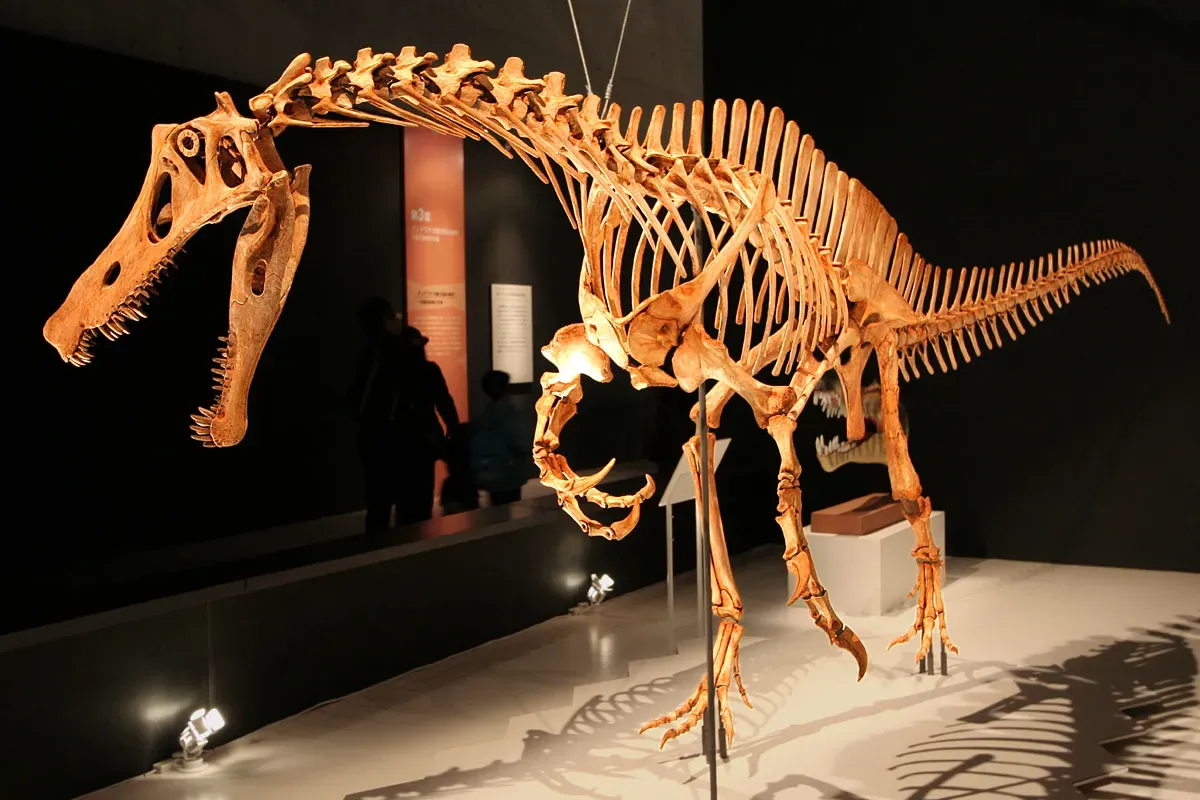
Irritator lived during the Early Cretaceous, in what is now Brazil but was then a warm, coastal region with lagoons, lakes, and shallow marine environments. The Santana Formation preserves fish, pterosaurs, marine reptiles, and plants in remarkable detail, painting a picture of a lush, water-rich ecosystem. Instead of the endless dry plains that many people imagine when they think about dinosaurs, this was a world of muddy shorelines, sandbars, mangrove-like vegetation, and teeming schools of fish.
In this setting, Irritator occupied a niche that feels oddly familiar if you think about modern ecosystems. It likely patrolled riverbanks and lagoon margins, hunting where land and water met, much like a jaguar prowling a flooded forest or a crocodile lurking in a river channel. The abundance of fish fossils in the same rock layers, alongside other aquatic and semi-aquatic animals, supports the idea that Irritator was deeply tied to water. Its presence turns the Santana ecosystem into something more complex and layered, with predators specialized not only for the land but also for the water’s edge.
Fish, Carrion, and Opportunism: What Irritator Probably Ate
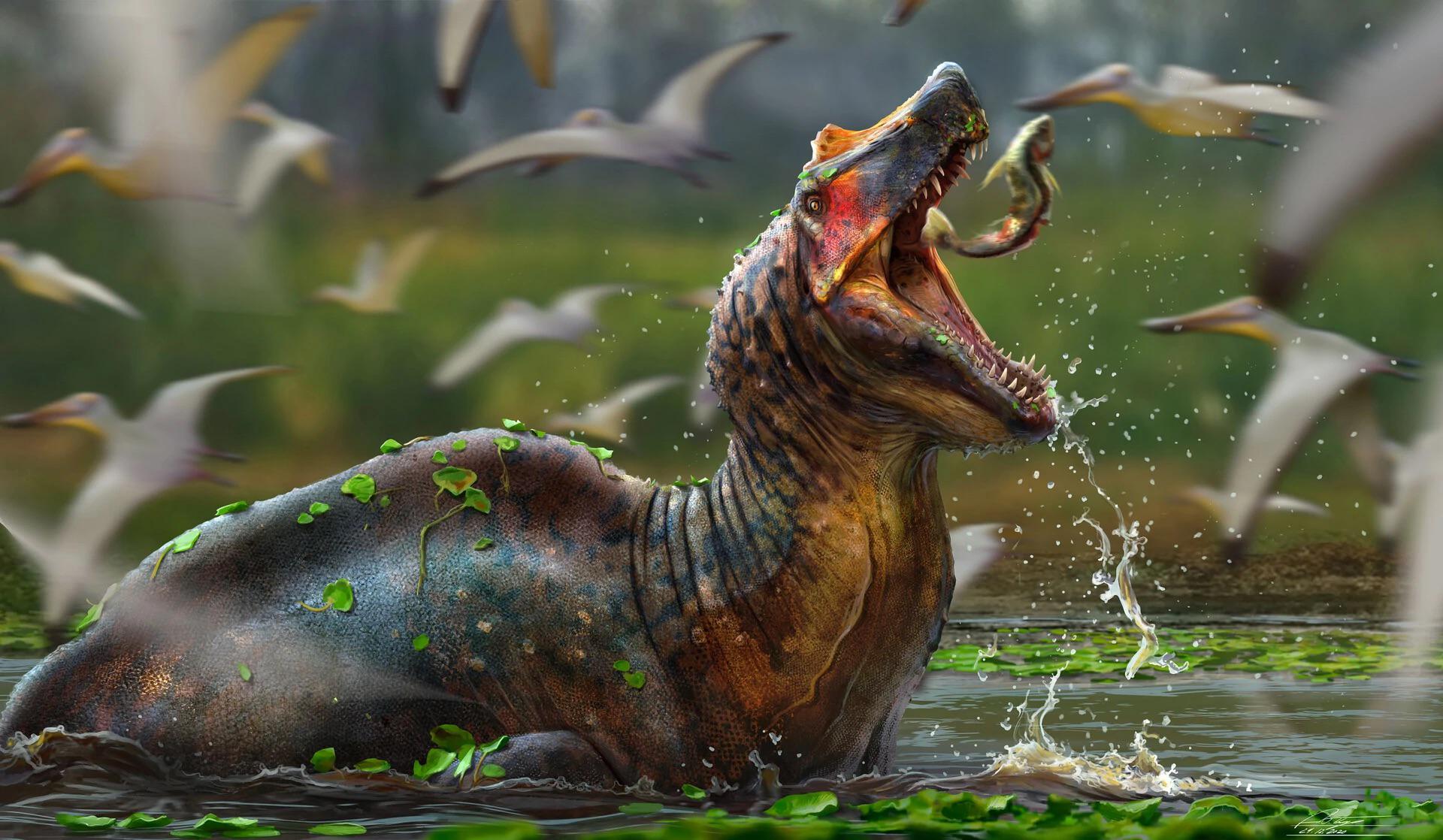
The skull and teeth of Irritator strongly hint at a diet dominated by fish. The long, narrow snout with conical teeth is a classic design favored again and again in evolution by animals that catch slippery prey, from modern crocodilians to fish-eating birds and even some marine reptiles. The teeth lack the sharp serrations seen in many meat-slicing theropods, which fits better with gripping fish rather than tearing thick chunks from large dinosaurs. Its jaws may have snapped shut quickly, like a reptilian fish trap hovering at the water’s surface.
That said, it would be a mistake to picture Irritator as a fussy, fish-only specialist. Most large predators alive today are opportunistic, and there is no good reason to think Irritator would have passed up an easy meal of carrion or a smaller land animal that wandered too close. It might have scavenged floating carcasses or grabbed pterosaurs, small dinosaurs, or other animals that strayed into shallow water. I like to think of it as the kind of predator that preferred fish but did not mind improvising when the chance arose, a flexible feeder shaped by water but not limited to it.
Swimming or Wading? The Debate Over Irritator’s Lifestyle
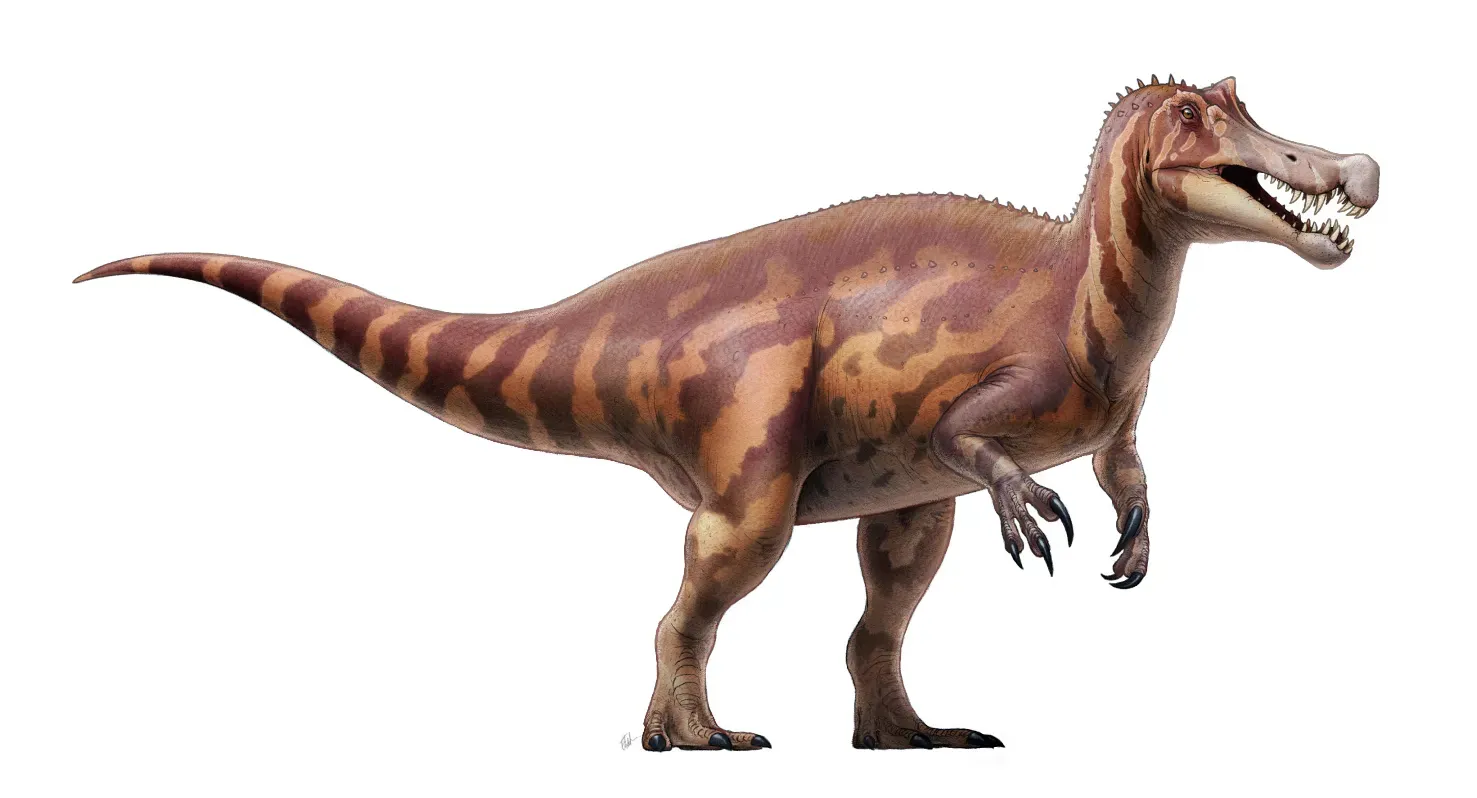
One of the biggest questions about spinosaurids in general is how aquatic they really were, and Irritator sits right in the middle of that debate. Some evidence from its relatives suggests strong adaptations toward swimming, such as dense bones for ballast and limb proportions that hint at time in the water. At the same time, Irritator does not appear to have the extreme features proposed for animals that were almost fully semi-aquatic, like the huge sails and paddle-like tails suggested for Spinosaurus. Instead, it seems to occupy a more moderate position, a dinosaur comfortable both near and in the water.
When I think about Irritator’s lifestyle, it feels more like a crocodile or a stork than a dolphin. It probably waded into shallow water, used its sensitive snout to detect movement, and then snapped at fish with lightning-fast strikes. It may have been capable of swimming across channels or pursuing prey in deeper water when needed, but its main hunting ground was likely the shallows and shoreline. That picture might change as new fossils are found, but for now, the most reasonable view is that Irritator was a shoreline specialist, not a full-time swimmer and not just a land-based predator that happened to like fish.
Why Irritator Matters: A Frustrating Fossil With Big Implications
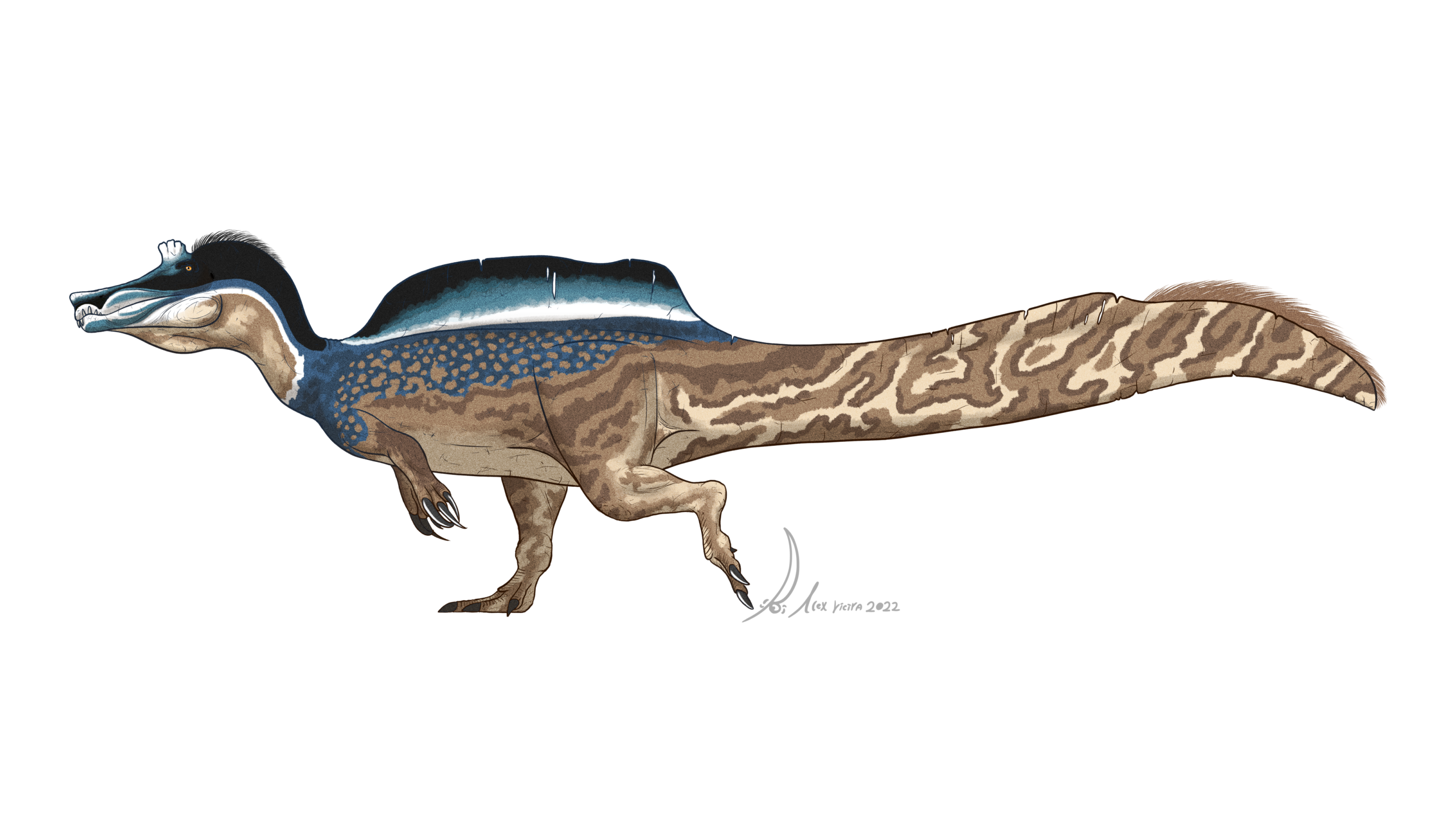
Even with incomplete remains, Irritator plays a big role in how we understand spinosaurids and Cretaceous ecosystems. It helps confirm that these crocodile-snouted predators were not a one-off experiment limited to a single region, but a widespread and diverse group occupying similar ecological roles in different parts of the world. Finding a spinosaurid like Irritator in South America, preserved among rich fish and marine life, reinforces the idea that these animals were deeply tied to water and likely played a central role as top or near-top predators in their environments.
There is also a more personal, almost philosophical reason why Irritator matters. Its butchered, tampered-with skull is a reminder that science often starts from messy, imperfect data, and that progress sometimes emerges from frustration and careful re-evaluation. Paleontologists had to undo the damage, reinterpret what they were seeing, and accept that a strange, irritating fossil might hold clues far beyond what anyone initially expected. In a way, Irritator symbolizes how science really works: not as a neat, linear process, but as a patient, sometimes exasperating effort to rescue truth from confusion.
A Personal Take: What Irritator Tells Us About Dinosaurs and Ourselves
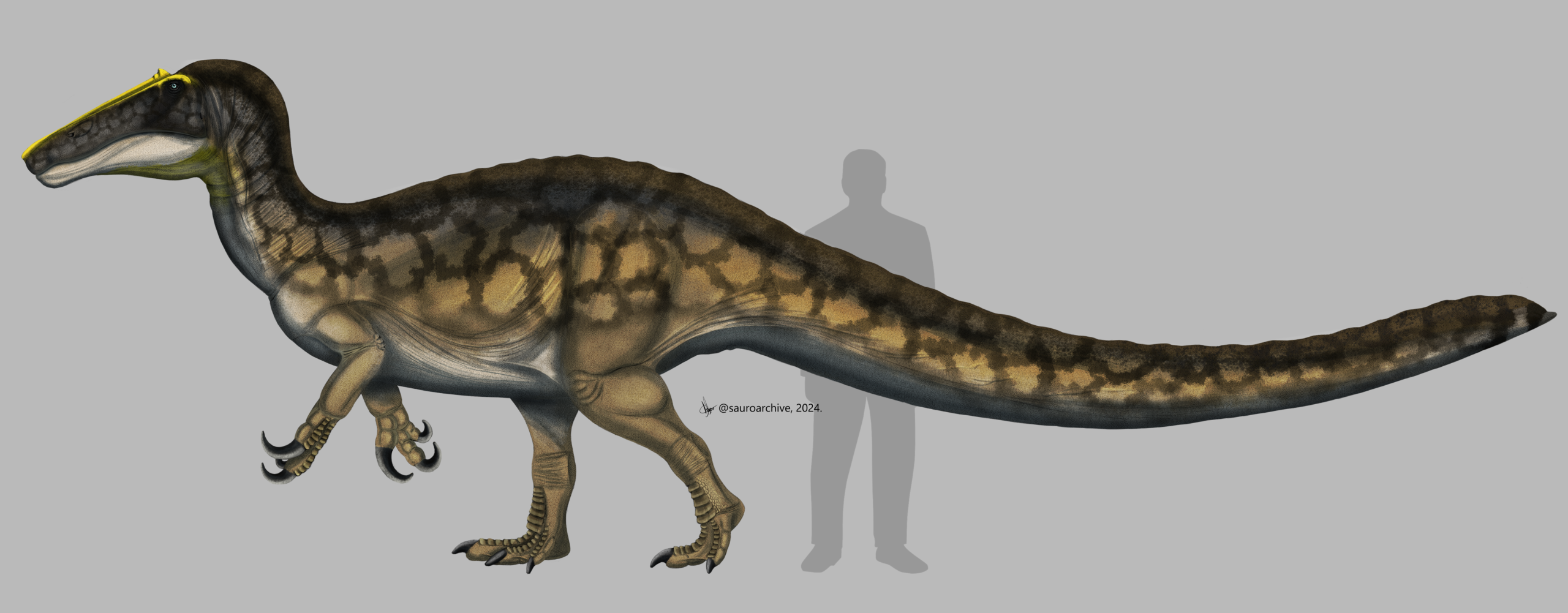
Irritator challengeri might never be as famous as Tyrannosaurus or Velociraptor, but I think it deserves far more attention than it gets. It breaks the stereotype of dinosaurs as only giant, roaring land predators and shows that many of them were specialists, fine-tuned to particular environments like river deltas and coastal lagoons. Its fish-catching jaws and semi-aquatic habits make it feel oddly modern, echoing roles filled today by crocodiles, herons, and otters. That continuity across deep time makes the animal feel less like a monster and more like a familiar player in a very old, ongoing story about life near the water’s edge.
More than anything, Irritator makes a quiet but powerful argument against oversimplified views of prehistoric life. The fact that such an important animal was almost obscured by human tampering, then painstakingly reconstructed into a key piece of the spinosaurid puzzle, says a lot about our relationship with the past. We distort it, romanticize it, commercialize it, and still, with enough patience, we can also learn from it. To me, the story of Irritator is a small, sharp reminder that the past is richer and stranger than our first, polished impressions – so the next time you picture dinosaurs, will you still see only roaring land giants, or can you imagine a long-snouted hunter waiting quietly in the shallows?