Imagine looking down from a cliff into a dark Cretaceous ocean and seeing a long‑necked shape the size of a bus gliding silently beneath the waves. That’s the mental picture that comes to mind when paleontologists talk about Thalassomedon, the marine reptile whose name translates to something like “sea lord” or “lord of the sea.” It is not as famous as mosasaurs or ichthyosaurs, but the more you learn about this creature, the more that grand title starts to feel earned rather than dramatic.
Thalassomedon did not rule the seas the way movie monsters do, smashing everything in sight, but it was part of a powerful dynasty of plesiosaurs that sat high on the food chain for millions of years. Its fossils whisper a story of speed, stealth, and specialization in an ocean packed with predators. Once you see how its body was built, how and where it lived, and what it likely hunted, the nickname stops sounding like hype and starts sounding almost modest.
A Name That Already Claims the Throne
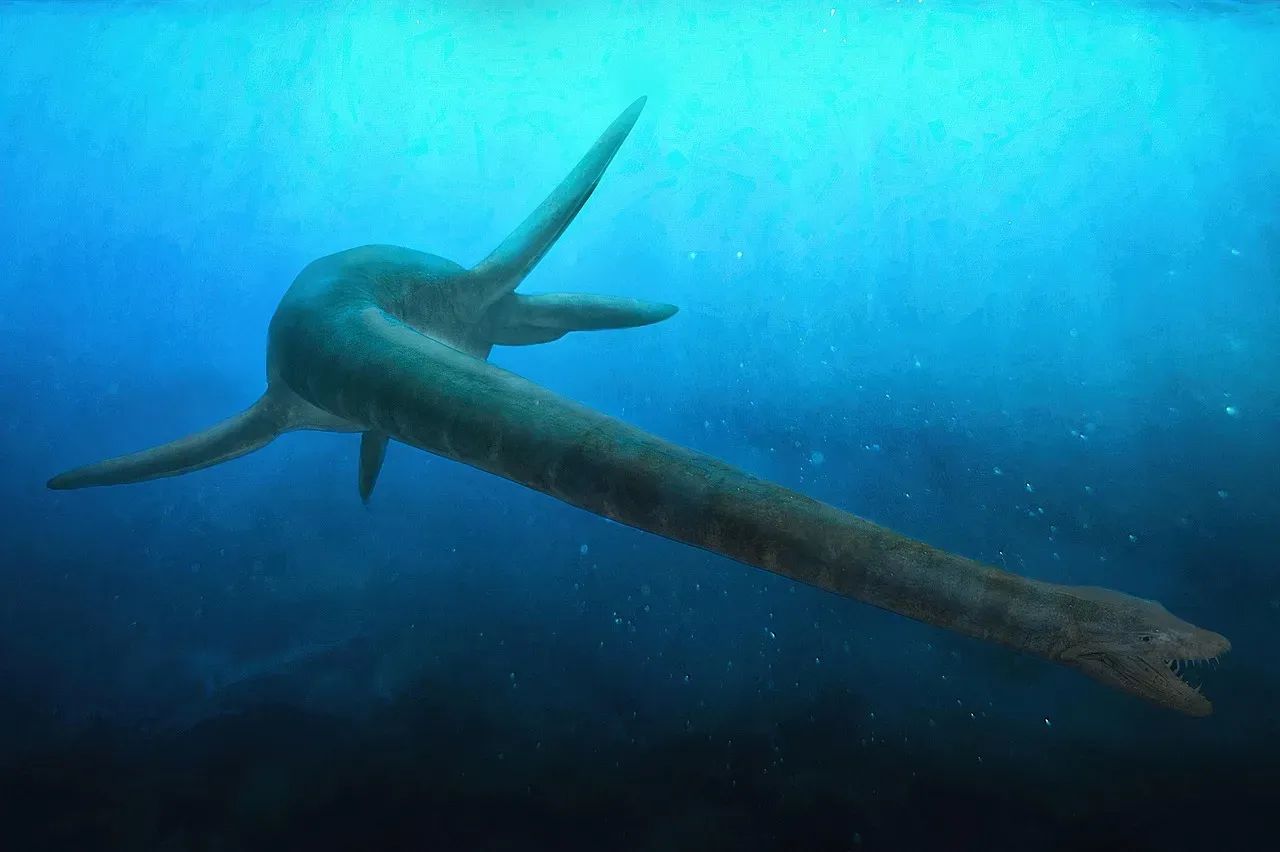
The nickname basically comes built into the animal’s scientific name: Thalassomedon. It blends Greek roots that are usually translated as something like “sea” and “ruler” or “lord,” which is why you so often see it described with that grand title. This was not an accident; the paleontologist who named it clearly looked at this enormous plesiosaur and felt it deserved something regal rather than something plain and descriptive.
Scientific names often set the tone for how we picture an extinct animal, and this one is doing a lot of heavy lifting. When you tell people there was a reptile literally named “Lord of the Sea,” their imagination goes straight to apex‑predator status, even before you show them a skeleton. In that way, the name became a kind of self‑fulfilling legend: the more we repeat it, the more it shapes how we interpret its fossils and role in the ancient oceans.
A Body Built Like an Underwater Warship
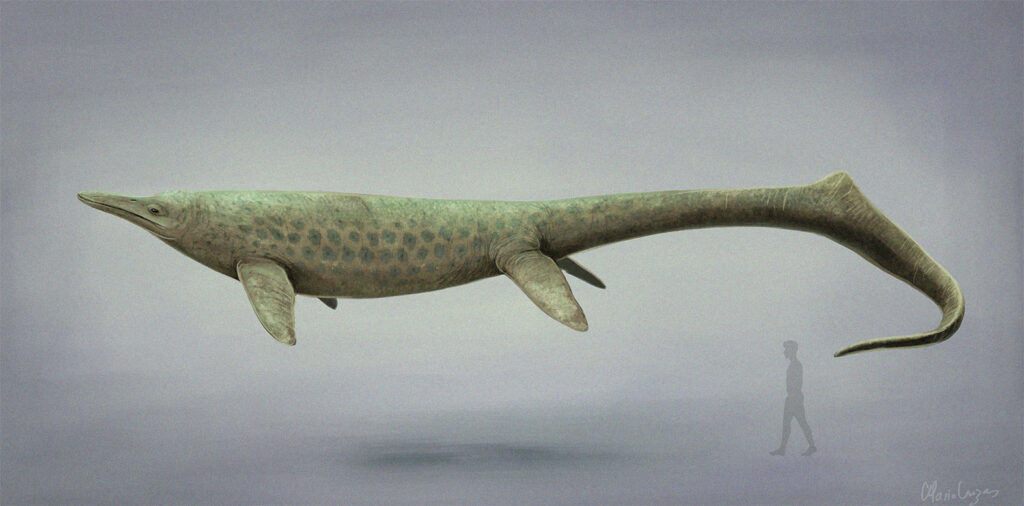
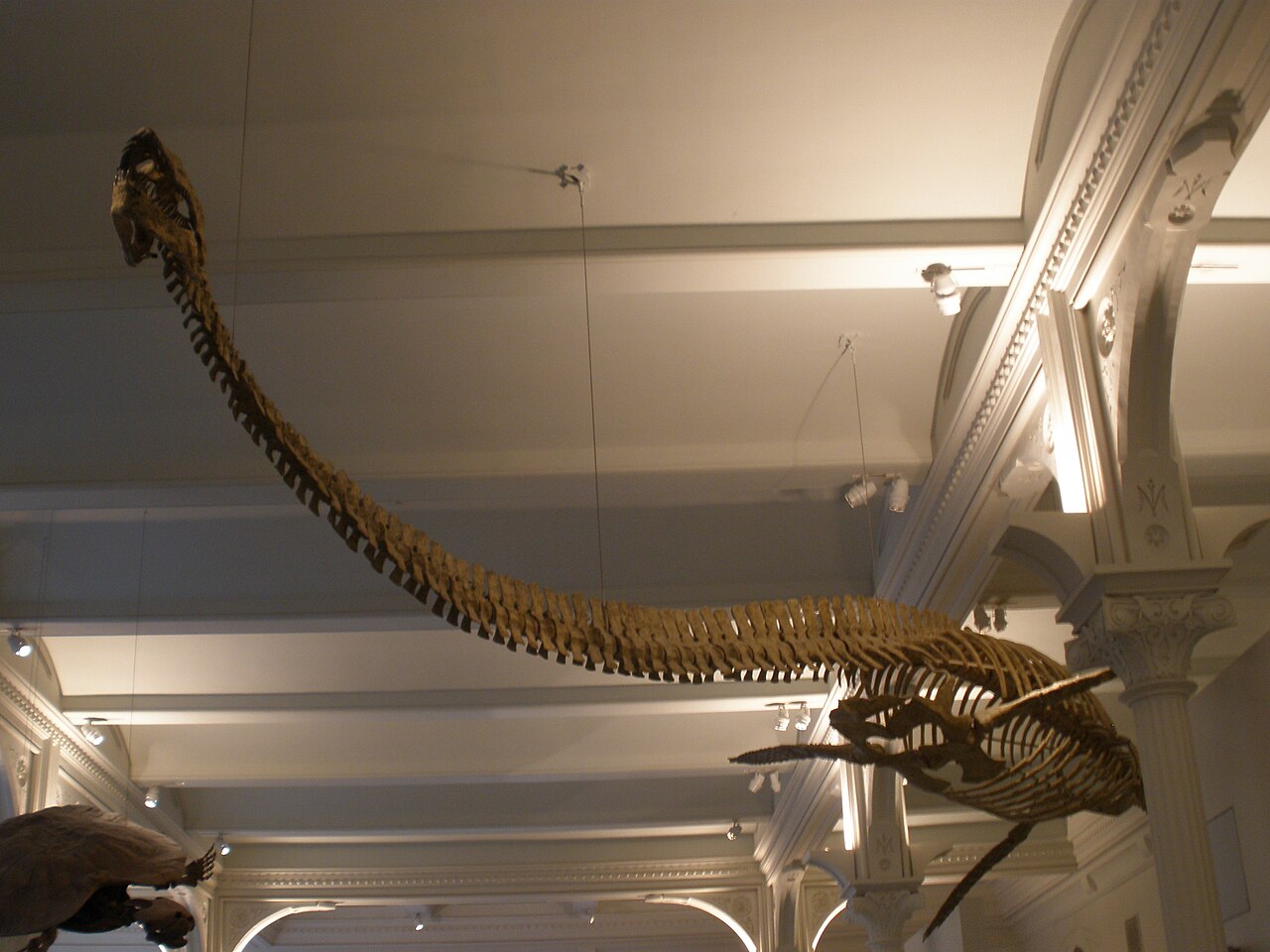
Thalassomedon was big, even by plesiosaur standards. Estimates put its total length at roughly twelve meters, about the size of a city bus, with a huge portion of that taken up by its famously long neck. The torso was deep and powerful, ending in a relatively short tail; the whole animal looks, in reconstructions, like a muscular hull with a spear‑like neck bolted to the front.
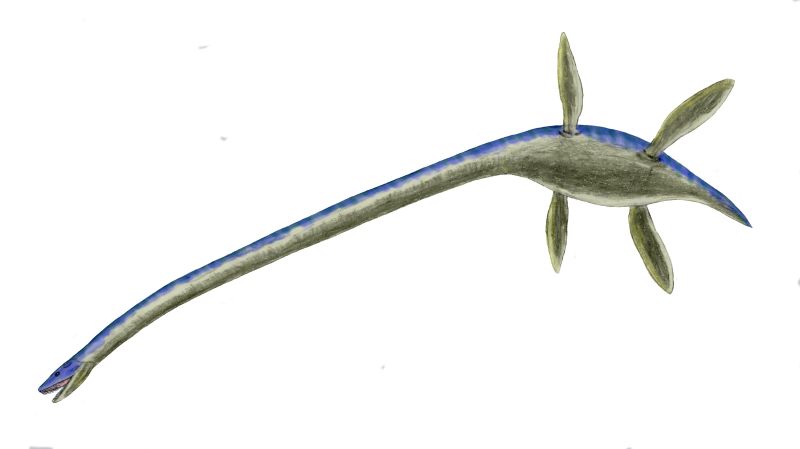
Instead of limbs, it had four large, paddle‑like flippers that worked together almost like the wings of a giant underwater bird. This quad‑flipper design let plesiosaurs generate strong, efficient strokes, and Thalassomedon would have been no exception. Picture a warship that does not sprint like a speedboat but can keep a strong, steady cruising speed for a very long time. That is the kind of build that makes “Lord of the Sea” feel like a fair description rather than an overstatement.
The Long Neck: Precision Weapon, Not Just a Party Trick
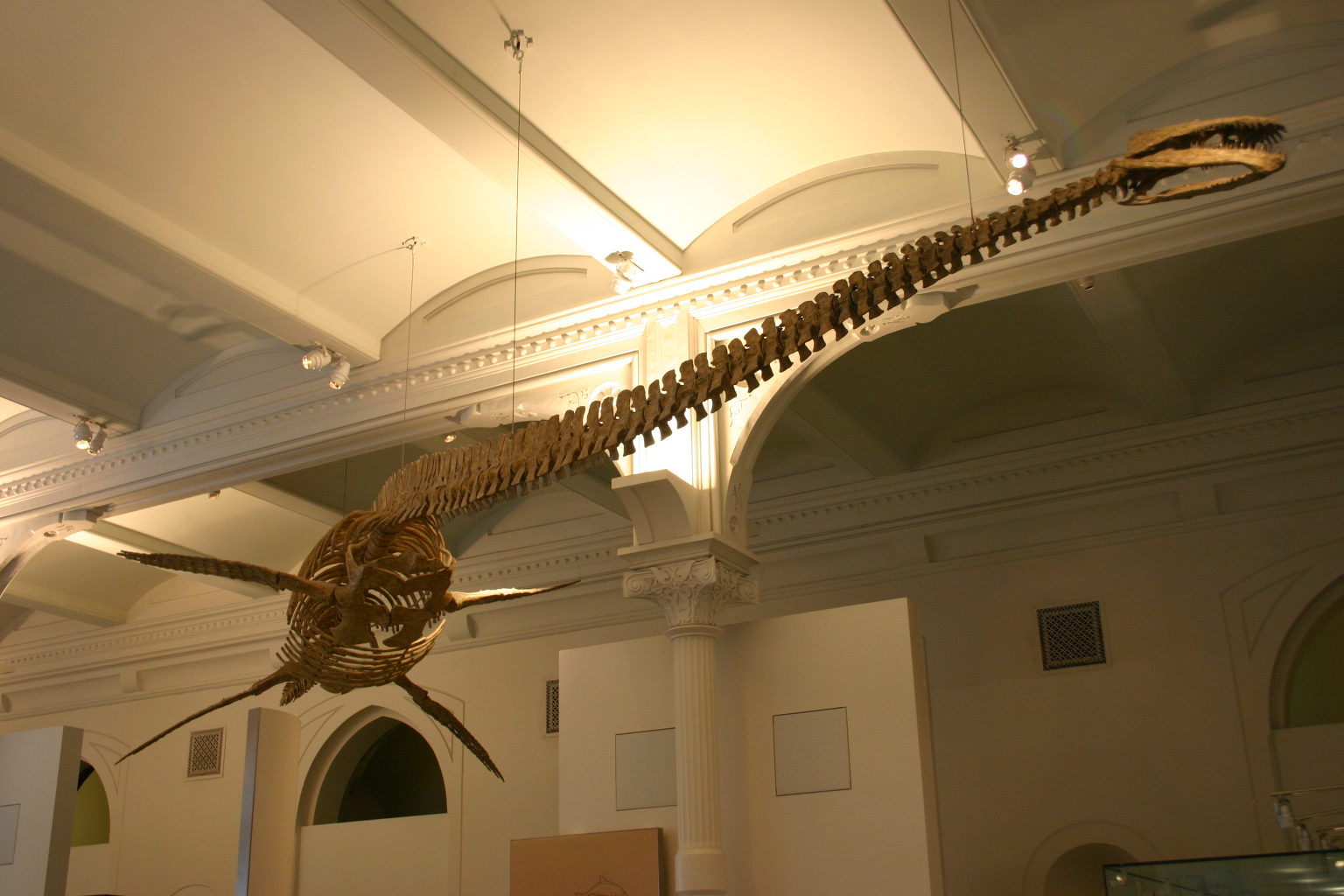
If you glance at a Thalassomedon skeleton, your eyes go straight to that neck. It is made of a long series of vertebrae stacked one after another like beads on a string, giving it a reach that looks almost absurd by modern animal standards. This feature was not just there for show; it likely turned the animal’s head into a precision hunting tool that could snake through schools of fish or sneak up under prey before the bulk of the body came into view.
In a way, the body was the battleship and the neck was the targeting system. By keeping its heavy torso and flippers a little farther away, Thalassomedon could reduce the water disturbance around its head and jaws, making it harder for prey to sense the danger in time. That kind of stealthy precision fits the image of a lordly hunter that does not waste energy thrashing around, but instead strikes with control and confidence.
A Predator Near the Top of a Crowded Food Chain
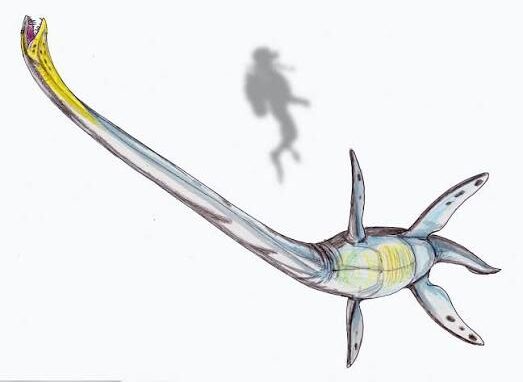
Thalassomedon lived during the Late Cretaceous, when the seas were full of competition: fish, sharks, other plesiosaurs, and, in some regions, emerging mosasaurs. Even in that crowded lineup of killers, a large plesiosaur with a long neck and strong flippers would have ranked near the top of the food chain in its environment. Its teeth, usually described as conical and suited for gripping, suggest a diet of relatively soft‑bodied prey like fish and smaller marine reptiles, which it would have been very good at catching.
Being near the top does not mean it was untouchable, but it does mean it was more hunter than hunted for most of its life. When an animal spends its time cruising open waters, collecting high‑value prey, and only rarely has to worry about something big enough to attack it, “Lord of the Sea” starts to sound less like flair and more like a basic job description. It was not the only lord out there, but it certainly acted like one.
Fossils show that Thalassomedon lived in regions that were once part of a vast inland seaway splitting North America. That might sound less glamorous than the open ocean, but this seaway was a major marine highway filled with nutrients and life. For a predator adapted to open water, this was prime territory: wide spaces to roam, rich feeding grounds, and plenty of ecological room to become a dominant player.
Large marine reptiles like Thalassomedon did not just drift aimlessly; they were part of a dynamic ecosystem, following migrations, exploiting seasonal booms, and possibly traveling over long distances. When you visualize it patrolling these ancient waters, using its long neck to snap up prey in a sea buzzing with life, the word “lord” feels right. You can almost picture it as a roaming noble of the seaway, owning whatever patch of water it happened to pass through.
A Snapshot of an Entire Plesiosaur Dynasty
One thing I love about Thalassomedon is that it acts like a poster child for an entire group of animals. Long‑necked plesiosaurs as a whole dominated marine ecosystems for a huge stretch of time, and Thalassomedon is one of the late, specialized representatives of that dynasty. Calling it is, in a way, giving that title to its whole lineage: a nod to millions of years of successful evolution in the water.
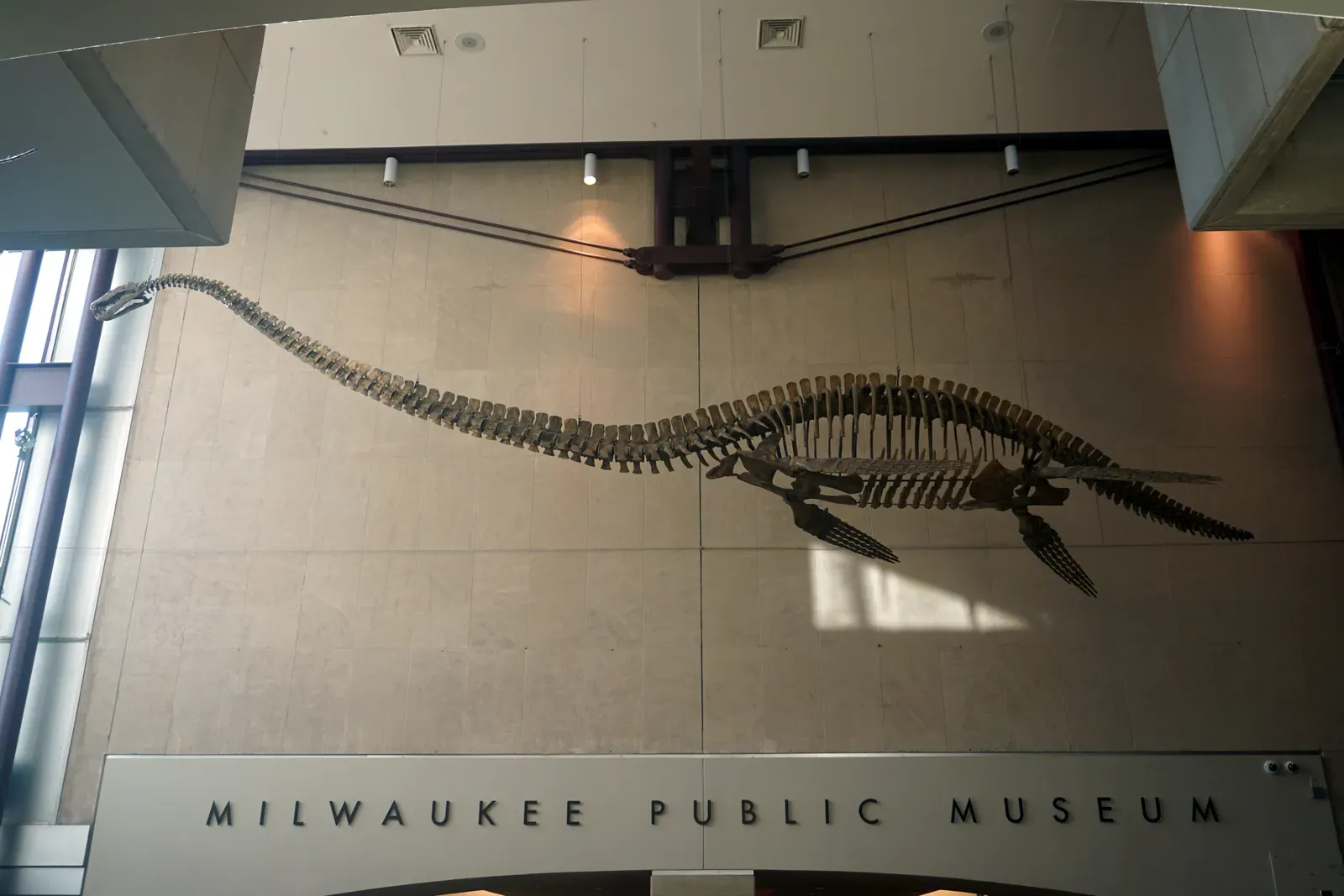
When you stand in front of a mounted plesiosaur skeleton in a museum, it is easy to think of it as a strange one‑off oddity. But Thalassomedon reminds us that this body plan worked incredibly well for a very long time. To me, the nickname carries a bit of respect, like we are finally acknowledging how thoroughly these animals shaped the ancient oceans. They were not mistakes or evolutionary dead ends; they were long‑running champions.
Why “Lord of the Sea” Still Feels Right Today
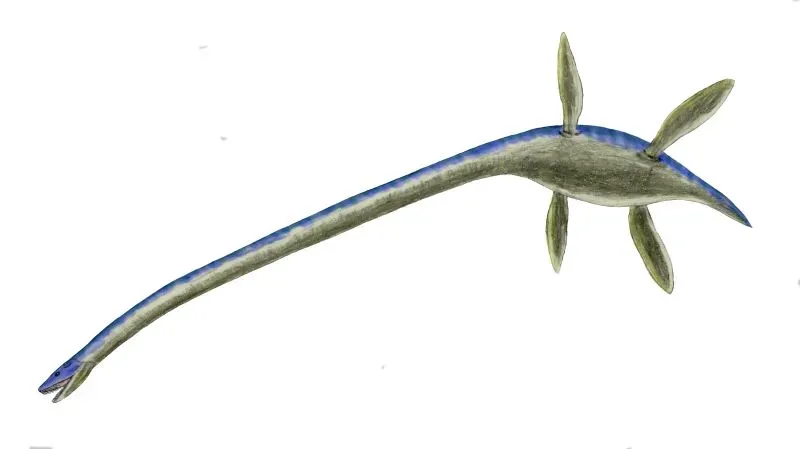
From my perspective, the nickname sticks because it captures something about how Thalassomedon sits in our imagination as much as in its ecosystem. We see a huge, sleek marine reptile with a neck like a living periscope, cruising through a warm Cretaceous seaway, and “Lord of the Sea” simply fits the mood. It is admittedly a bit theatrical, but science does not have to be dull, and a little drama can actually help people remember that this animal was a serious predator, not a cartoon.
If anything, I think the title is earned precisely because Thalassomedon was not a mindless monster but a highly specialized, well‑adapted hunter in a complex world. It is a reminder that nature crowns its “lords” not with magic or myth, but with anatomy, behavior, and survival over deep time. The next time you hear that name, maybe ask yourself: in an ocean full of contenders, which creatures today feel like true lords of their realm, and how long will their reign really last?