If your mental image of a velociraptor is a six-foot-tall scaly nightmare slamming into a kitchen door, you’ve basically memorized a movie monster, not an actual animal. The real velociraptor was closer in size to a big turkey, complete with feathers, and that gap between fact and fiction is way bigger than people realize. Once you see how far Hollywood stretched the truth, it’s hard not to feel a little cheated.
This is not just some nerdy detail about paleontology trivia; it completely changes how we picture the age of dinosaurs. A turkey-sized, feathered predator is still fascinating and dangerous in its own ecosystem, but it lives in a totally different mental category than the movie version. Let’s unpack what scientists really know about velociraptors, why the movies blew it so dramatically, and what we lose when we trade reality for spectacle.
The Real Velociraptor: Small, Deadly, and Feathered
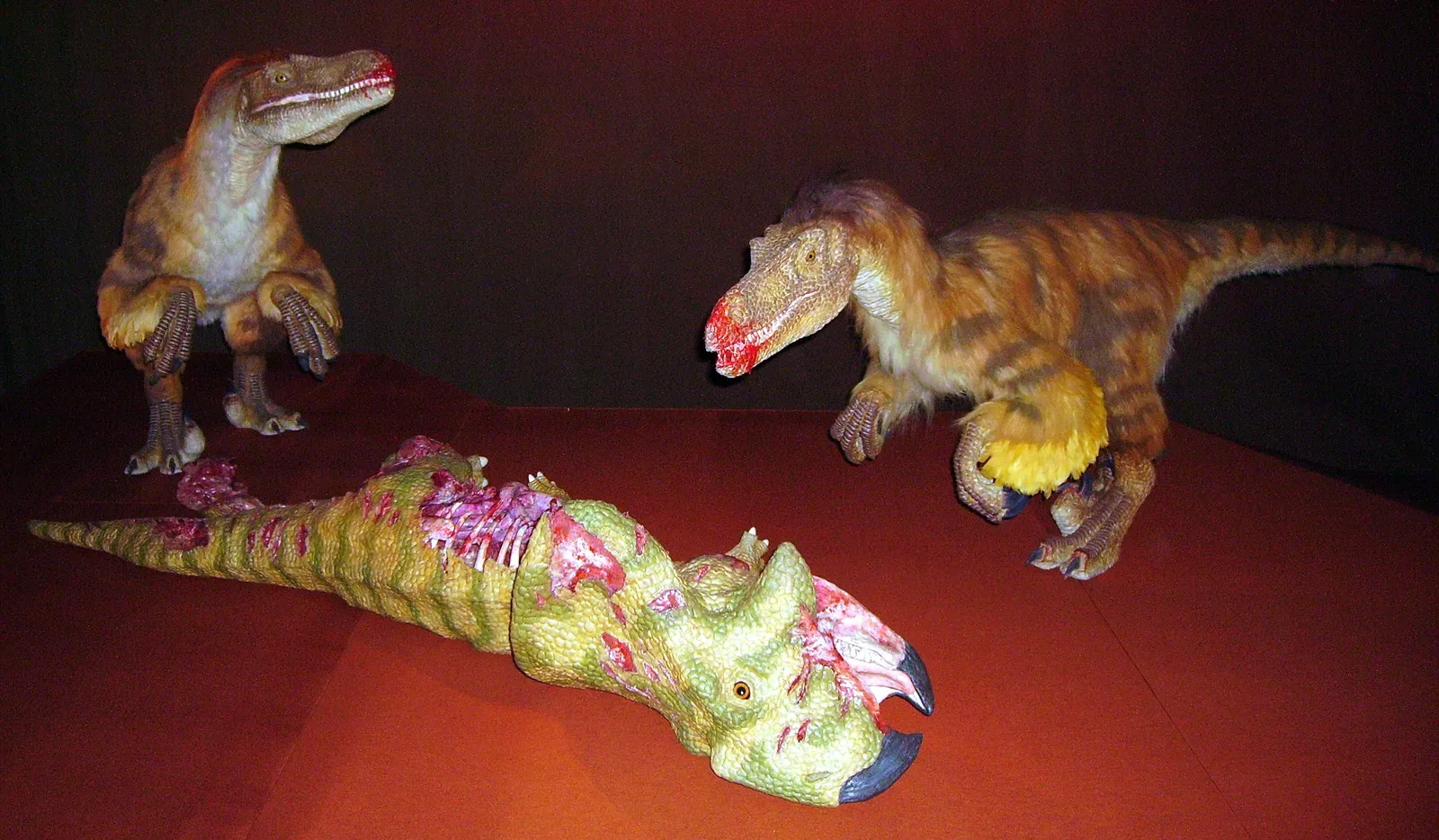
The harsh truth: an adult velociraptor was roughly as long as a large turkey, with a lightweight, narrow body and a long tail – not a hulking, human-sized beast. Its hip height was low enough that you would have looked down at it, not up, if you could somehow stand next to one. Put it this way: if you saw one sprint past your car, your first thought would probably be “weird bird” before “apocalyptic killing machine.”
What really blows people’s minds is the feather situation. Fossil evidence from close relatives of velociraptor shows clear signs of feathers, and skeletal features strongly support the same for velociraptor itself. That means we’re talking about a sleek, birdlike predator, more like a vicious ground-hunting bird of prey than a scaly reptile from a horror film. It was still dangerous, but it belonged in the same broad family tree as your backyard birds and the pigeons downtown.
The Hollywood Raptor: Taller, Meaner, and Mostly Fictional
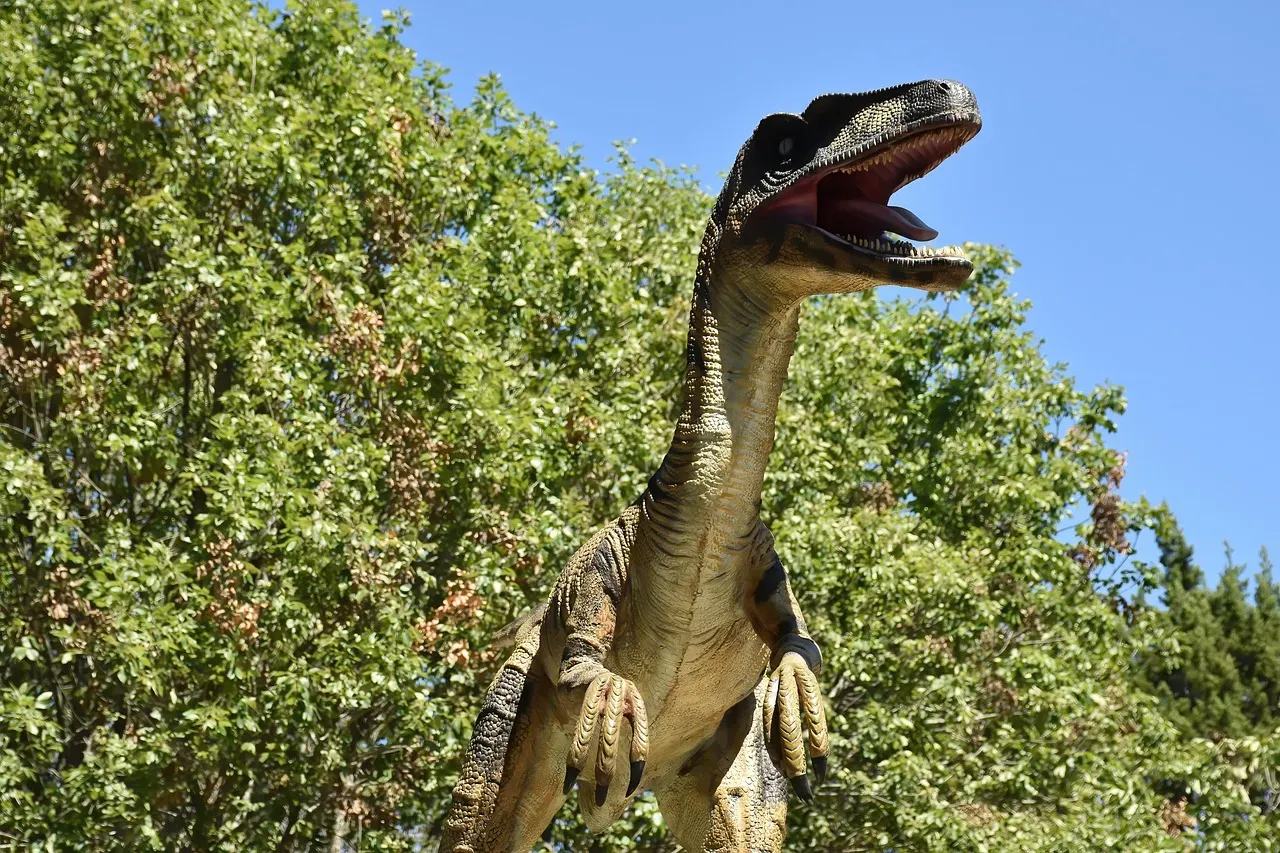
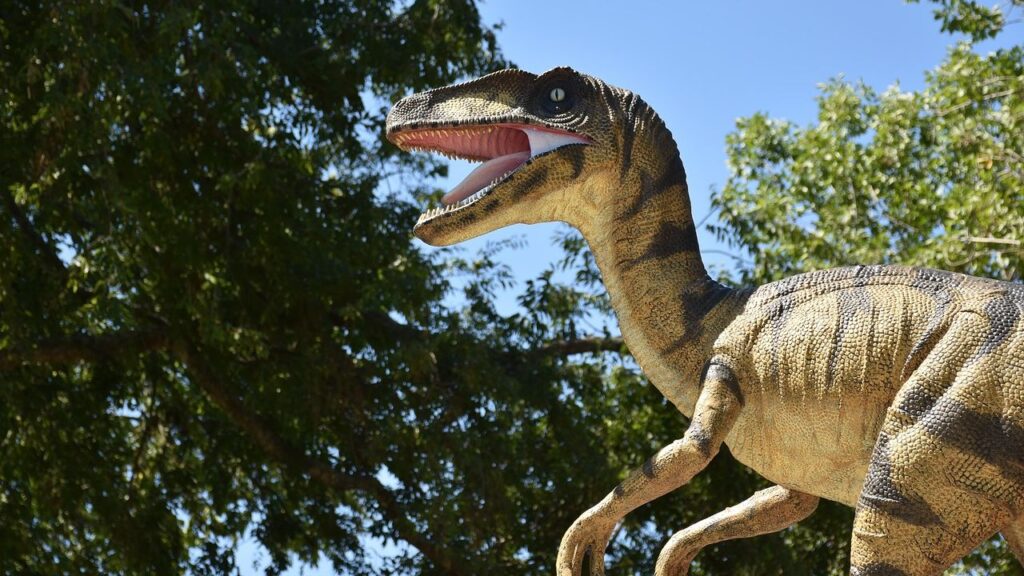
The raptors in big blockbuster movies are not just exaggerated; they’re basically an entirely different dinosaur wearing velociraptor’s name tag. On screen, these animals are the size of an adult human, with heavy, muscular limbs and a massive, blocky head – more like a mash-up of larger dromaeosaurs than a true velociraptor. They slam into metal doors, leap onto cars, and lock eyes with people at eye level in a way the real animals simply couldn’t.
Then there’s the design choice to strip away feathers and keep them scaly, like overgrown lizards. That was a style decision, not a scientific one, even long after scientists had already embraced feathered raptors. The result is a creature that looks more like a reptilian movie monster than a member of the dinosaur–bird continuum. It’s cinematic, sure, but it’s about as accurate as giving a tiger scales and calling it a crocodile because it “looks cooler.”
How We Know Their True Size (And Why Turkey Is a Fair Comparison)
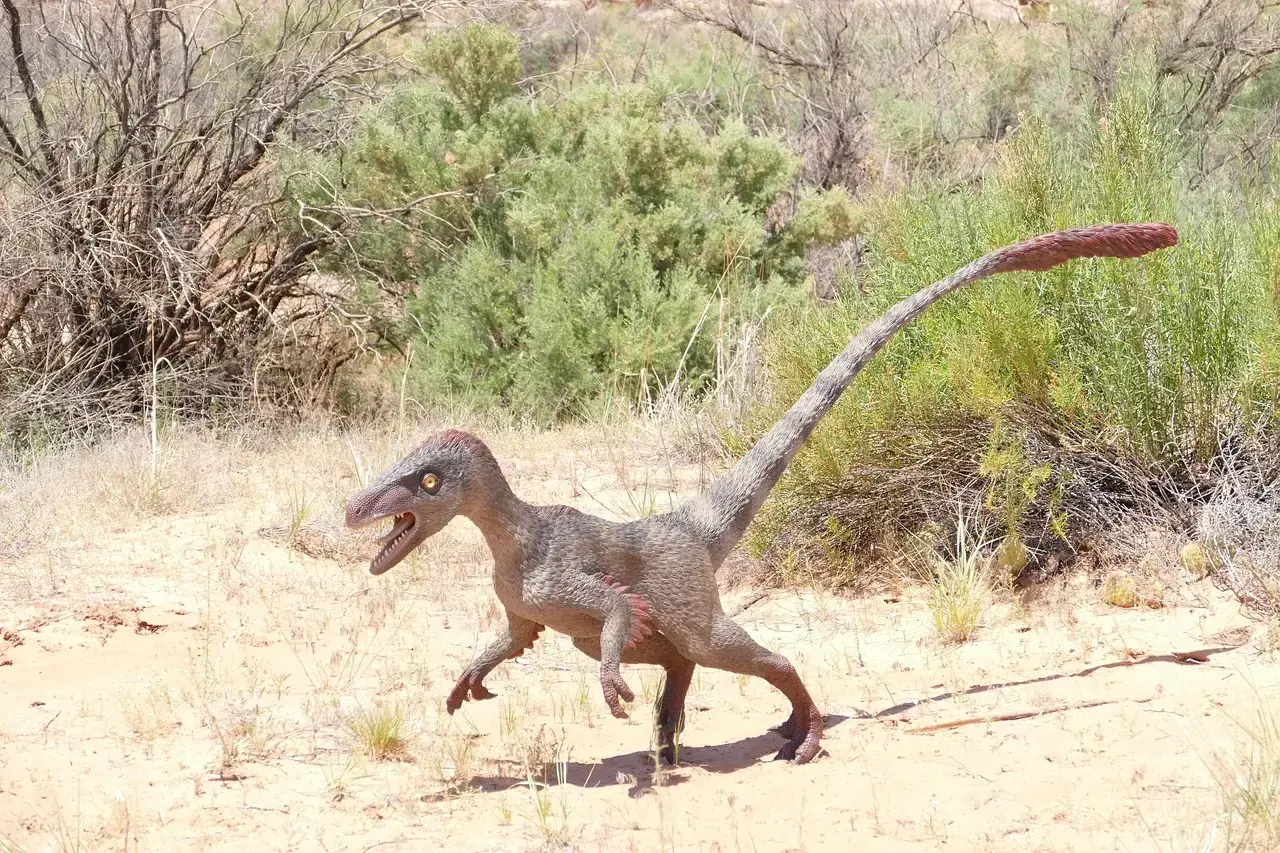
The turkey comparison might sound like a joke, but it’s actually a pretty solid shorthand once you look at the numbers. Fossil skeletons show that velociraptor was only a couple of meters from nose to tail, with much of that length in the thin, stiffened tail used for balance. Its body mass was light, more in line with a big bird than a stocky mammal, and nowhere near the weight you’d expect from a towering movie monster.
When you factor in feathers, the resemblance to a large ground-dwelling bird gets even stronger. Think of something in the emotional zone of a furious, armed cassowary rather than a scaly dragon. A turkey-sized predator with a razor claw and a sharp beak is absolutely not cute or harmless, but it occupies a different psychological space than the towering kitchen-stalking creatures from film. The turkey analogy is less about mocking them and more about putting their size into a frame regular people can actually picture.
Feathers, Not Scales: The Bird-Like Truth Hollywood Ignored
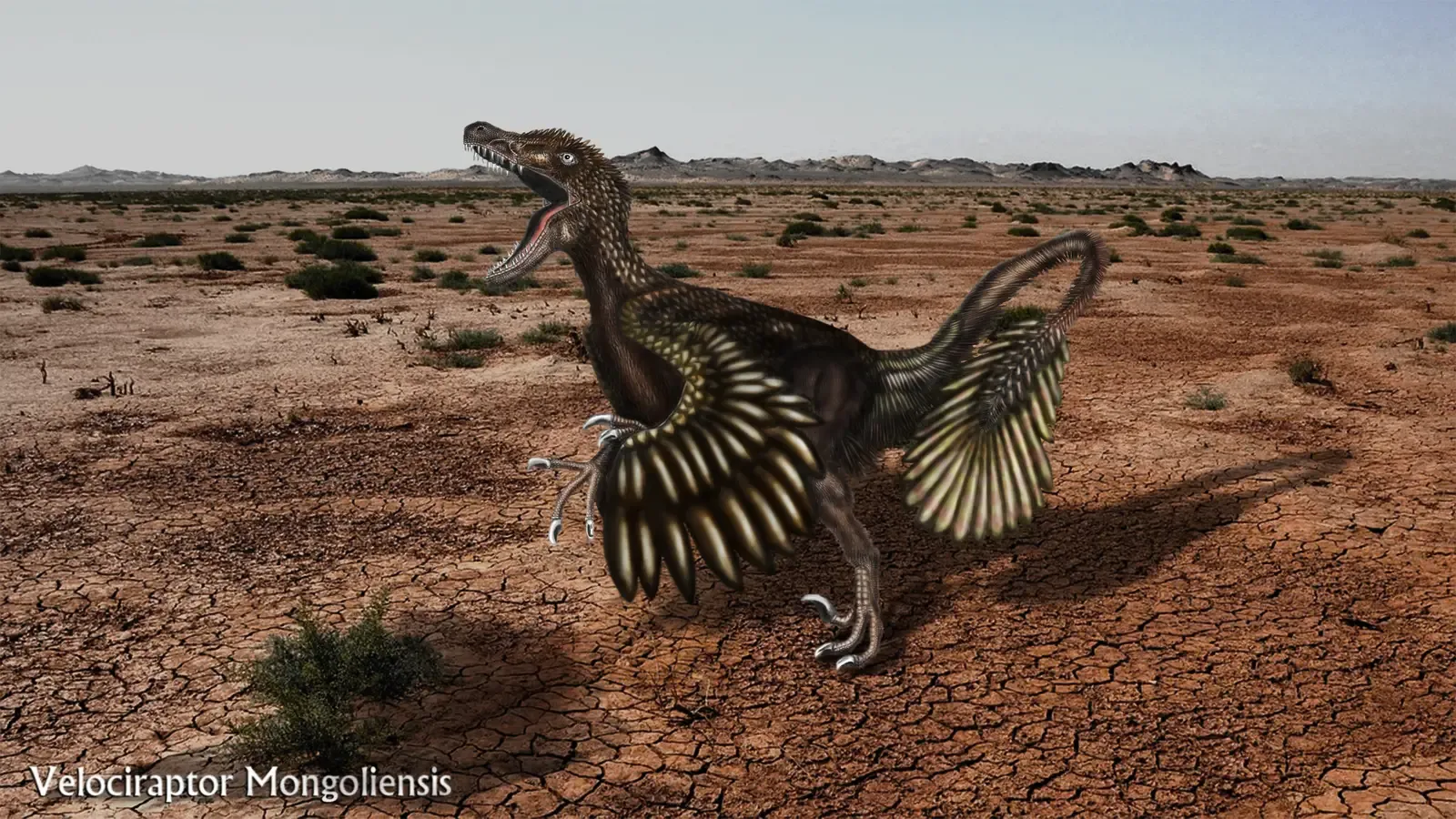
There is something oddly stubborn about how movies refused to give raptors feathers even after the science had moved on. Skeletal features such as quill knobs on related species strongly indicate that velociraptors had winglike forelimbs covered in feathers. These were not for flying but likely for display, balance, and maybe even brooding or protecting their nests – behaviors we associate with modern birds. That makes them feel less like monsters and more like hyper-intense, ancient cousins of hawks and eagles.
But feathers apparently read as less scary on screen, so they were either stripped away or barely hinted at, as if reality might break the illusion. This is where Hollywood really does owe us an apology: they had the opportunity to show audiences the genuinely weird, alien beauty of feathered dinosaurs and chose nostalgia over accuracy. A pack of coordinated, bright-eyed, feathered hunters sprinting through ferns would be just as intense – arguably more so – because it connects directly to the real, living world we see every day in birds.
Why Hollywood Super-Sized Velociraptors in the First Place
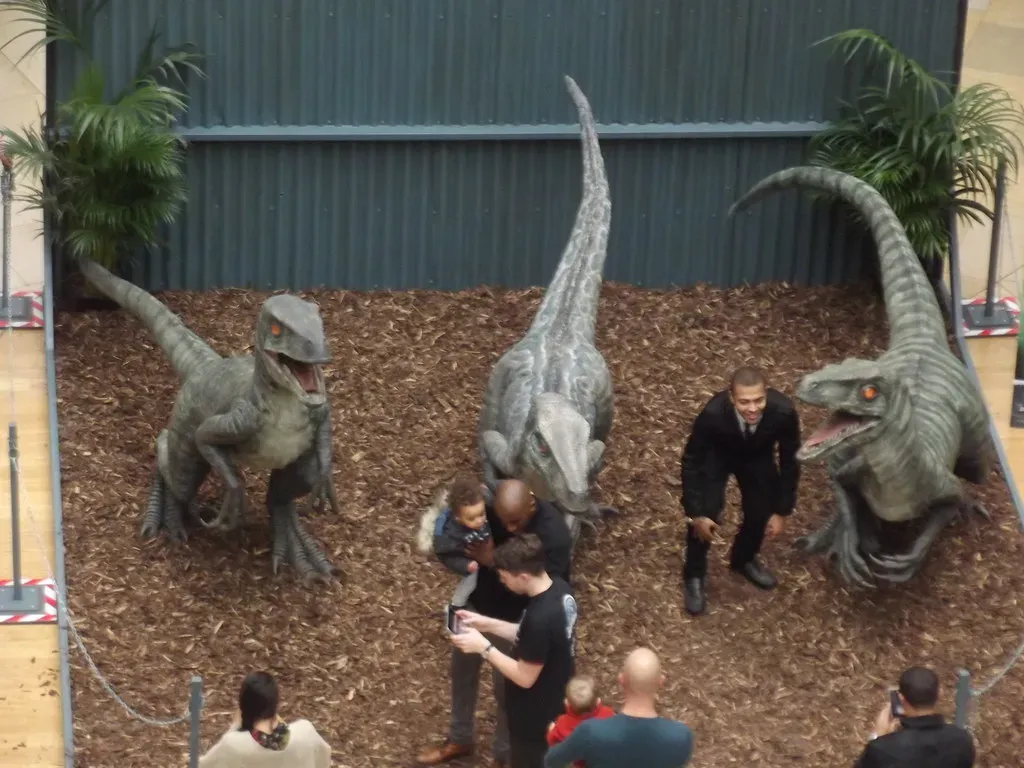
To be fair, there’s a reason filmmakers juiced up velociraptors: fear sells. A predator your own size is automatically more cinematic than something that reaches your thigh, so scale becomes a storytelling tool. Bigger animals are easier to frame face-to-face with actors, to throw against doors, and to choreograph in tight spaces without looking unintentionally funny. A turkey-sized assassin, no matter how lethal in nature, risks reading as “overgrown chicken” to an audience primed by previous monster movies.
There’s also a branding element at play. Once a certain look was established on screen, it became the pop-culture template, even as new discoveries rolled in. Adjusting them to be smaller and feathered would mean admitting that the previous films were fantasy, not science fiction grounded in reality, and that is a hard sell for a billion-dollar franchise. So instead of evolving with the evidence, the movies doubled down, and the fake velociraptor became more real in people’s minds than the actual animal ever was.
What This Misconception Does to Our View of Dinosaurs
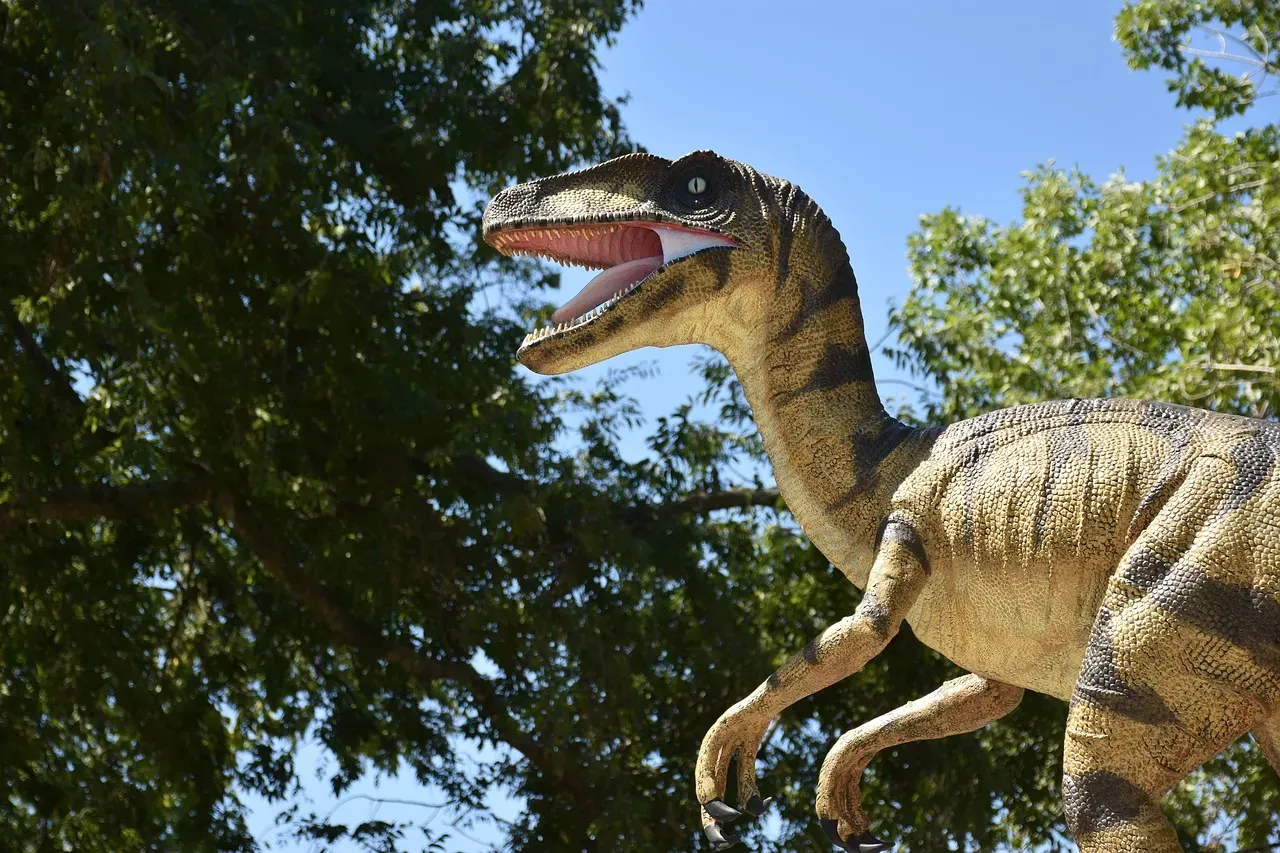
All of this might sound like nitpicking, but nonstop exposure to the wrong image genuinely shapes how people think about the past. When kids grow up convinced that velociraptors were tall, scaly door-crashers, it reinforces the idea that dinosaurs were just giant reptiles, totally separate from birds. That makes it harder to appreciate the genuinely wild fact that birds are, in a very real sense, living dinosaurs – they’re not just “related,” they are the surviving branch of the same family tree.
It also feeds the myth that science is dry and that reality is always less interesting than fiction. The true picture – sleek, feathered hunters, complex behaviors, and an evolutionary bridge right into the pigeons on city sidewalks – is actually far more mind-bending than a simple monster movie. When movies refuse to update, they teach people that facts are optional decoration instead of the backbone of a story. That, in the long run, does more damage than one wrong-sized dinosaur ever could.
The Velociraptor You Should Picture From Now On
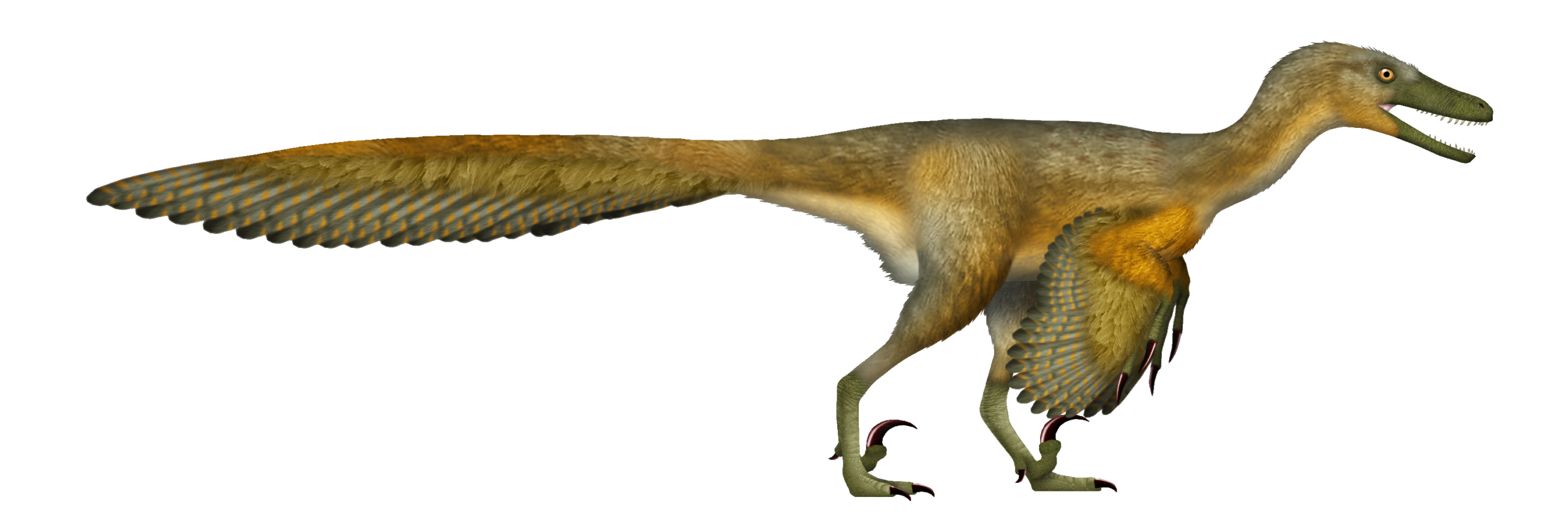
So if the movie image is wrong, what should live in your head when you hear the word “velociraptor”? Picture a lean, feathered predator about the size of a large turkey, tail stretched out for balance, moving quickly and confidently across a dusty landscape. Its sickle-shaped claw is not some oversized cartoon blade, but a precise weapon used in specific ways against smaller prey. Its eyes are sharp, not because it wants to glare menacingly at a door handle, but because it has to hunt in a complex, competitive ecosystem.
To me, that version is actually cooler. It feels believable, grounded, and connected to the animals we see around us now. Next time you watch a crow solve a problem, or a hawk lock onto something from far away, imagine scaling that intensity back through deep time. That is the spirit of velociraptor: clever, efficient, and terrifying at the right scale, no movie magic required. Once you get that in your head, the scaly giant on screen starts to look almost childish by comparison.
Conclusion: Why Hollywood Owes Us More Than Just an Apology
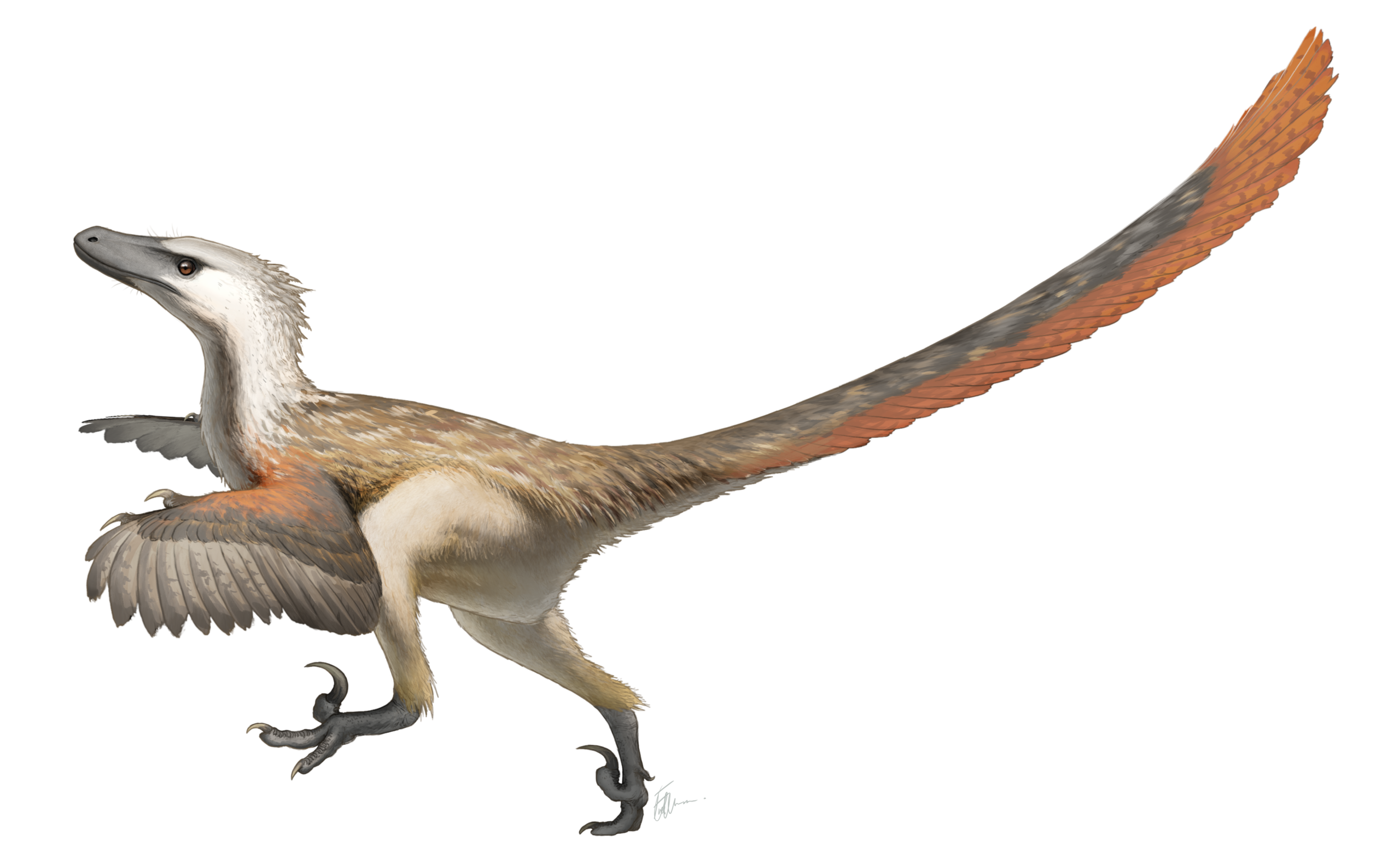
When you stack the real velociraptor against the movie version, it is hard not to feel a little ripped off. We traded a deeply strange, feathered, turkey-sized predator that rewrites our idea of what dinosaurs were for a generic, oversized movie monster. That is not just a missed detail; it is a missed opportunity to let the public fall in love with how weird and wonderful real science can be. Honestly, I think Hollywood took the easy way out, and viewers deserved better.
An apology at this point would be symbolic, but a course correction would actually matter. Imagine a major film that finally leans all the way into accurate, feathered dinosaurs and trusts audiences to handle the truth. That would do more for public understanding of evolution and paleontology than a hundred dry documentaries. Until then, every time I see a turkey strutting or a hawk circling, I quietly replace the movie raptor in my head with the real one – and I wonder: if reality is already this wild, why did we ever decide we needed to fake it?