Picture this: you’re standing in the middle of a sun-scorched desert in Montana, and just a few meters beneath your feet lies the skeleton of a creature that ruled the Earth more than 70 million years ago. It’s not a coincidence that you’re here, of all places. Dinosaur fossils don’t scatter themselves randomly across the globe. They cluster. They pile up in certain corners of the world with astonishing density, while vast stretches of land remain almost completely silent.
So why did some regions become prehistoric treasure troves, packed with dinosaur remains, while others gave up almost nothing? The answer is part geology, part climate, part geography, and yes, part sheer luck of preservation. Get ready, because the story behind these ancient hotspots is far more fascinating than you might expect. Let’s dive in.
The Mesozoic World Was Nothing Like You Imagine
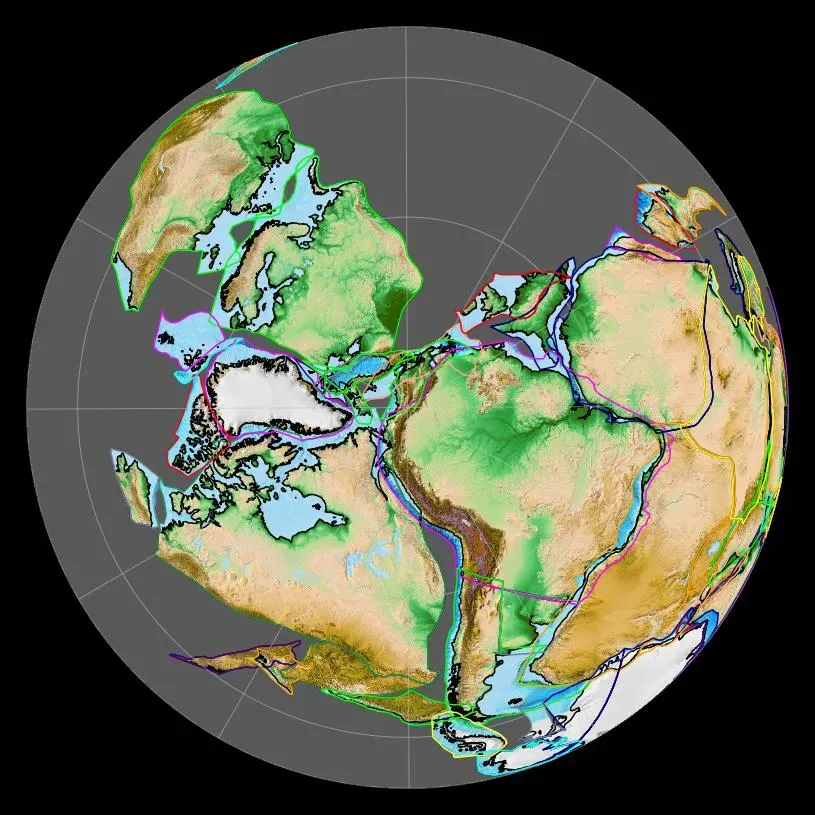
Before you can understand why dinosaurs concentrated in certain regions, you need to wipe your mental map clean. The Earth of the Mesozoic Era looked almost nothing like it does today. The Mesozoic Era lasted from about 252 to 66 million years ago, and it was characterized by the dominance of dinosaurs, a hot greenhouse climate, and the tectonic break-up of the supercontinent Pangaea. Think of that for a moment. One giant landmass, slowly cracking apart like a piece of dry bread.
Earth’s climate during the Mesozoic Era was generally warm, and there was far less difference in temperature between equatorial and polar latitudes than there is today. This meant that enormous swaths of land that are today frozen, barren, or temperate were once warm and lush, providing the kind of environment where large animals could thrive in extraordinary numbers. The Mesozoic climate fluctuated between greenhouse conditions with high global temperatures and cooler periods, and as Pangaea fragmented, new climate zones emerged, shaped by shifting oceanic circulation.
Pangaea’s Break-Up Created Isolated Evolutionary Playgrounds
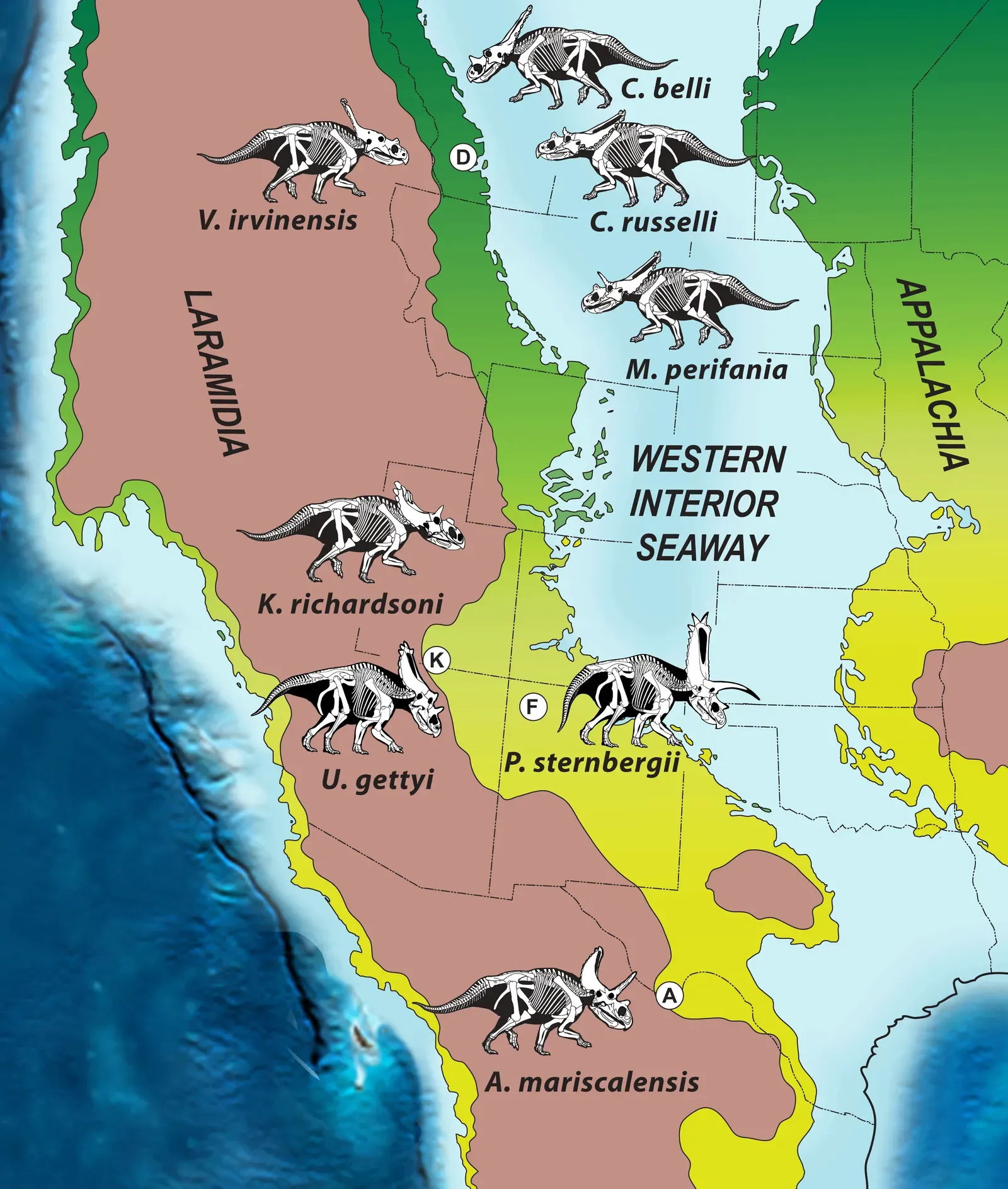
Here’s where things get really interesting. As Pangaea slowly pulled apart, it didn’t just create new oceans. It created isolated landmasses that functioned like giant, natural laboratories for dinosaur evolution. Dinosaur communities were separated by both time and geography, and the “Age of Dinosaurs” included three consecutive geologic time periods during which different dinosaur species lived. Isolation, as any biologist will tell you, is evolution’s best friend.
During the Cretaceous, the Western Interior Seaway split North America into two “island continents” called Laramidia and Appalachia, and at this point in time, dinosaurs were trapped on their respective mini-continents, isolated and free to evolve differently. Laramidia, covering what is now the American West, became one of the most spectacularly dinosaur-dense regions in history. The split created separate ecosystems, separate evolutionary pressures, and ultimately, separate explosions of species diversity.
The Morrison Formation: North America’s Dinosaur Goldmine
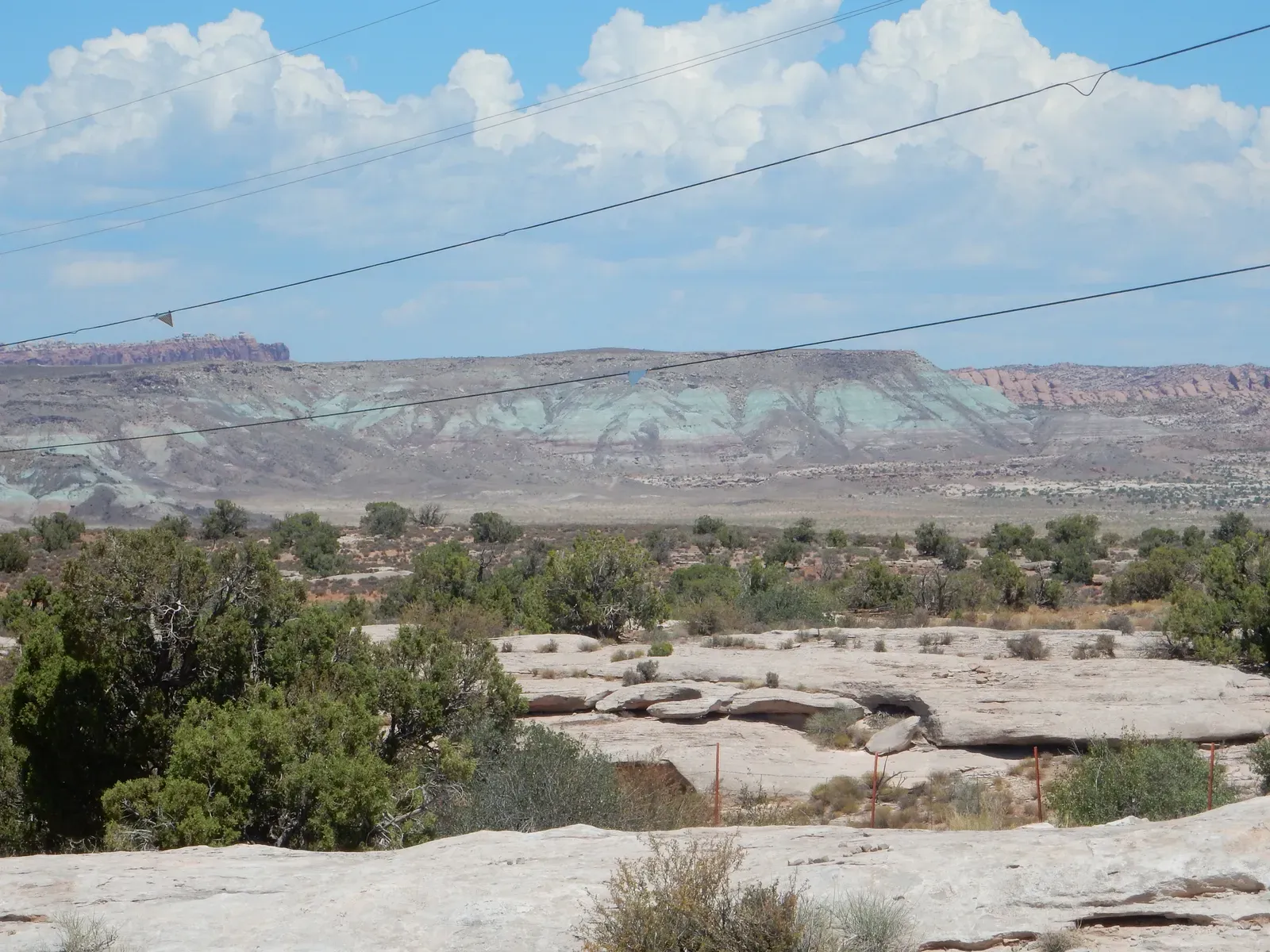
If you’ve ever heard of Stegosaurus, Brontosaurus, or Allosaurus, you have the Morrison Formation to thank. The Morrison Formation is a distinctive sequence of Upper Jurassic sedimentary rock found in the western United States, which has been the most fertile source of dinosaur fossils in North America. It stretches across a jaw-dropping area, and the sheer variety of species it has yielded is staggering. Scientists have uncovered fossils belonging to roughly 37 different genera of dinosaurs in the Morrison Formation.
Why so many? The conditions were almost perfect for creating and preserving fossils. The Morrison Formation was deposited during the Late Jurassic, between approximately 157 and 150 million years ago, across rivers, floodplains, lakes, and other environments, at a time when North America was farther south and the Rocky Mountains did not yet exist. Many of the areas near the formation were floodplains and rivers, and as many dinosaurs died around bodies of water, their bodies sank into mud or were otherwise covered by sediment, removing scavengers from the equation and introducing the right sorts of sediment needed to form fossils over time. It’s like nature accidentally designed the perfect burial system.
The Gobi Desert: The World’s Largest Dinosaur Reservoir
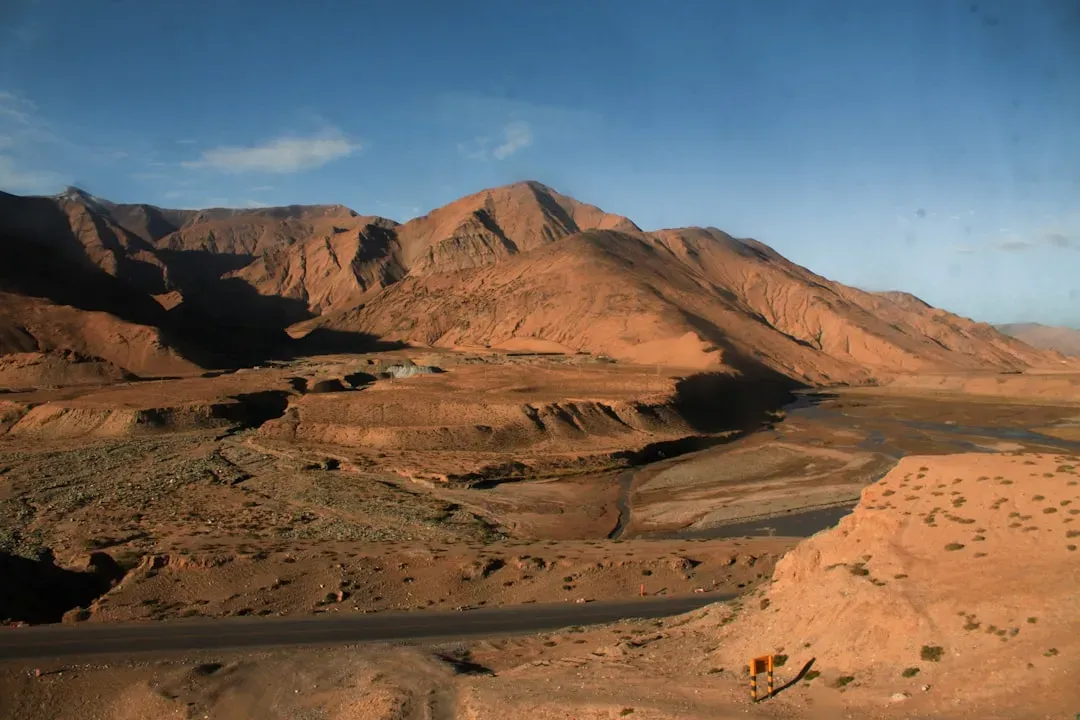
If the Morrison Formation is North America’s crown jewel of paleontology, then the Mongolian Gobi Desert is its global equivalent. The Mongolian Gobi Desert is considered the largest and most significant dinosaur fossil reservoir in the world, with its vast sedimentary basins having preserved a nearly continuous record of dinosaur evolution, especially from the Late Cretaceous period. When paleontologists first ventured there in the 1920s, they couldn’t believe what they were looking at.
Paleontologists continue to discover fossils proving that the Gobi Desert had a very different climate and environment before 120 to 70 million years ago during the Cretaceous period, when the vast desert basins contained freshwater rivers and lakes, and the prevailing humid climate was paradise for plants and animals, including dinosaurs. Remarkably, nearly one fifth of the over 400 dinosaur genera known to science are found in the Mongolian Gobi Desert. That is a statistic that genuinely floored me when I first read it.
Desert Conditions: Nature’s Unlikely Fossil Factories
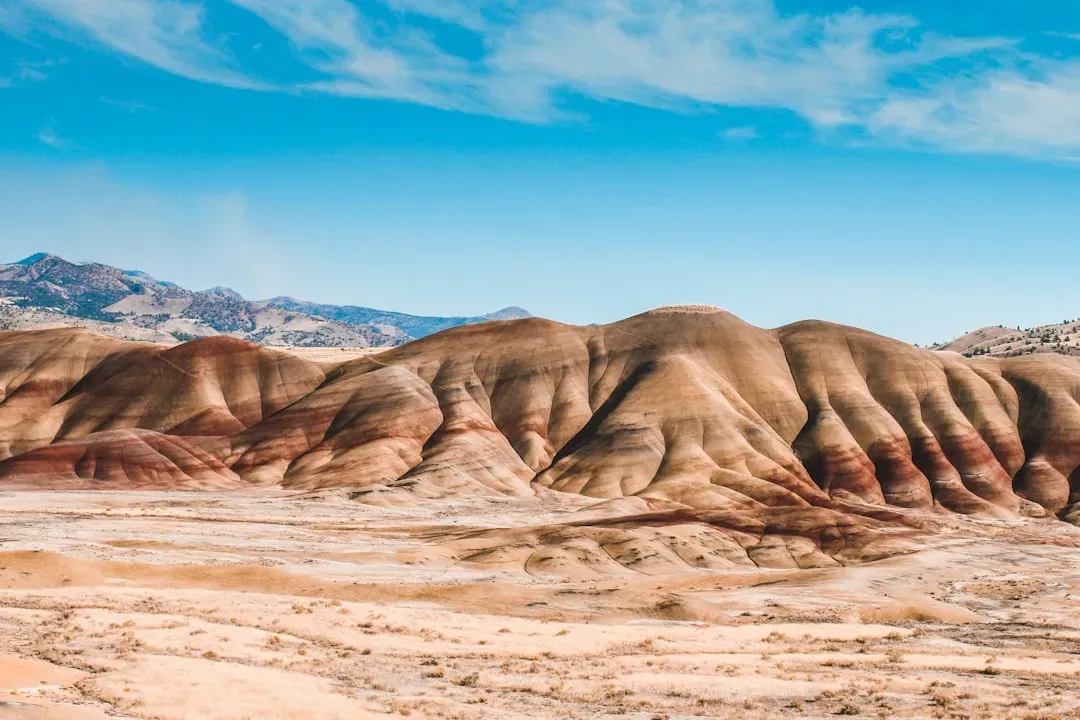
I know it sounds counterintuitive, but some of the best places to find dinosaur fossils today are deserts, and there’s a very good reason for that. The most dinosaur fossils and the greatest variety of species have been found in the deserts and badlands of North America, China, and Argentina, because desert environments keep fossils from being covered by plant matter, and without trees and soil, sand and rock are all that stand between a scientist and a million-year-old mineralized dinosaur.
Argentina and the surrounding deserts have a very rich fossil bank, almost comparable to North America, mainly because the desert-type environment shields fossils, preventing them from being covered by plant matter. In lush, forested environments, organic matter breaks down bones before they can mineralize. Think of it like this: a forest is nature’s shredder, while a desert is nature’s archive. A good dinosaur fossil site also requires an area of sedimentary rocks, which are formed from compressed layers of silt and clay laid down over time.
Climate and Latitude Determined Where Dinosaurs Could Live
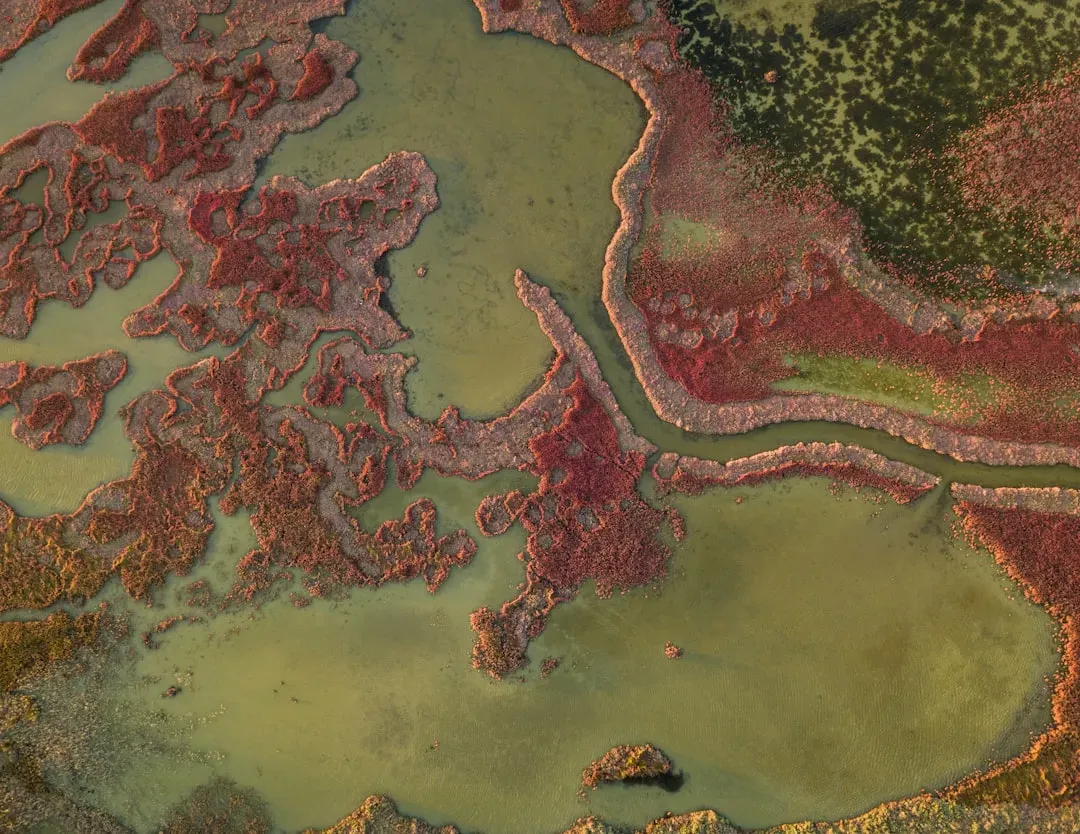
Not all dinosaurs could live everywhere, either. Different groups had very specific climate preferences that shaped their geographic ranges in profound ways. While dinosaurs dominated Mesozoic terrestrial ecosystems globally, a pole-to-pole geographic distribution characterized ornithischians and theropods, but sauropods were restricted to lower latitudes. You could almost map their ranges the same way you’d map the range of modern tropical megafauna today.
Uniquely among dinosaurs, sauropods occupied climatic niches characterized by high temperatures and were strongly bounded by minimum cold temperatures, constraining their distribution to tropical areas and excluding them from latitudinal extremes, while the greater availability of suitable habitat in the southern continents may be key to explaining the high diversity of sauropods there relative to northern landmasses. Meanwhile, some dinosaurs still inhabited polar forests year round, such as Leaellynasaura and Muttaburrasaurus. Life, as always, found a way.
Geological Erosion: Why Some Regions Reveal Their Secrets
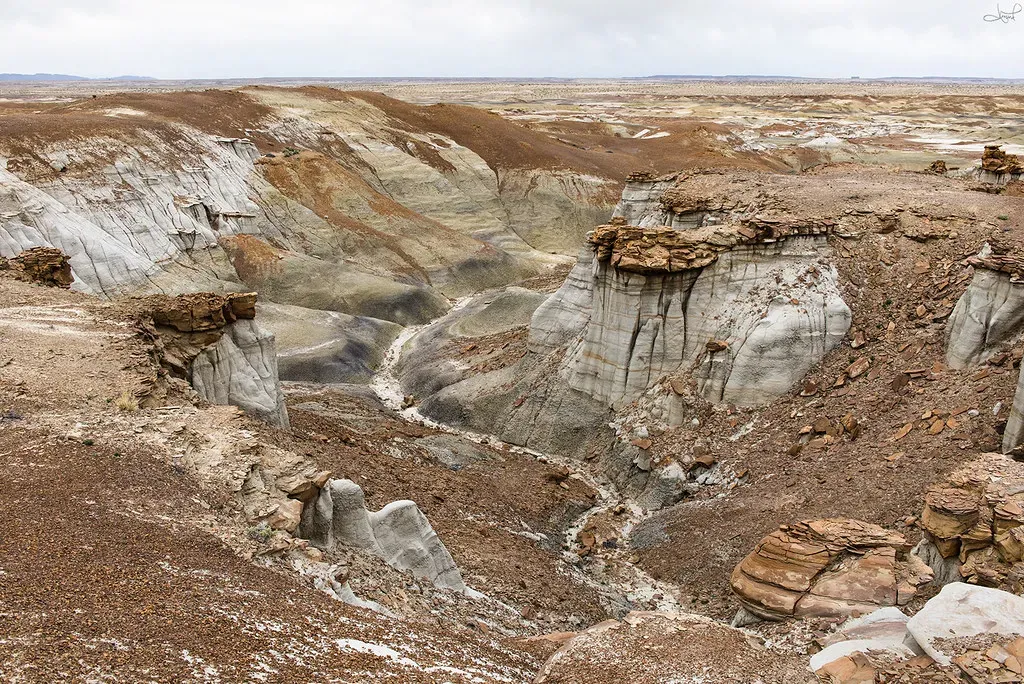
Here’s the thing people often miss. It’s not just about where dinosaurs lived. It’s also about which regions have had their fossil-bearing rocks exposed by millions of years of erosion. You could have the richest dinosaur graveyard in history buried under a city or an ocean, and it would mean nothing to science. Dinosaurs are rare in the eastern half of North America because that area was generally eroding instead of being a place of deposition when dinosaurs were around.
The badlands of the American West, by contrast, have been eroding in a way that slowly but steadily reveals ancient rock layers to the surface. To make things worse in erosion-poor regions, vegetation and soil layers continue building up, so fossil-bearing rock units are not eroding, and the main areas where fossil-bearing units turn up are road cuts, mines, and riverbanks, which are tiny compared to the thousands of miles of badlands in the West. Scale matters enormously in this equation.
China’s Fossil Explosion: A Hidden World Revealed
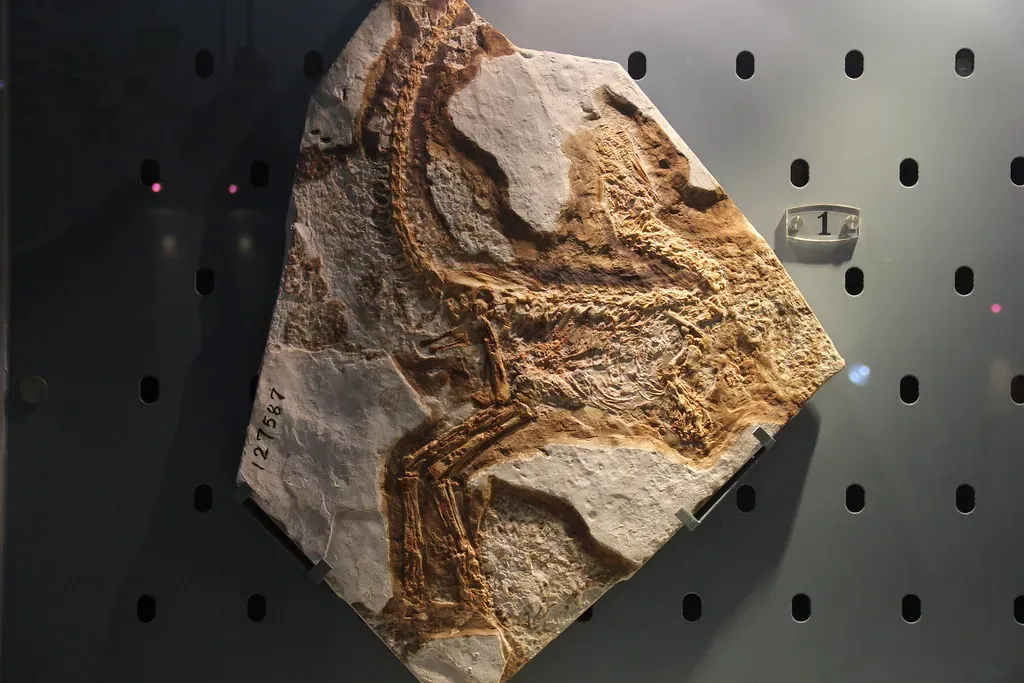
For decades, China flew somewhat under the paleontological radar. That changed dramatically in recent decades, and honestly, the discoveries have been nothing short of revolutionary. A huge amount of fossils have been unearthed in China, especially in recent decades, with a rock formation in the Liaoning province northwest of Beijing identified as a particularly notable dinosaur hotspot that has hosted 20 million years of early Cretaceous fossils, including amazingly detailed fossils of feathered dinosaurs like the Sinosauropteryx, spurring a scientific re-evaluation of the relationship between dinosaurs and birds.
Thirty or more dinosaur species have been named from twelve countries, including China and the United States, which are the top two with more than 320 species apiece, because they are both large countries with varied geology and two of the most complete rock records of the Mesozoic. China’s diversity of ancient geological formations, combined with its enormous landmass, makes it an almost inexhaustible source of new species. Paleontologists working in Liaoning have described it as looking through a window into a world that was otherwise invisible to science. The feathered dinosaur discoveries there essentially rewrote the story of bird evolution entirely.
Conclusion
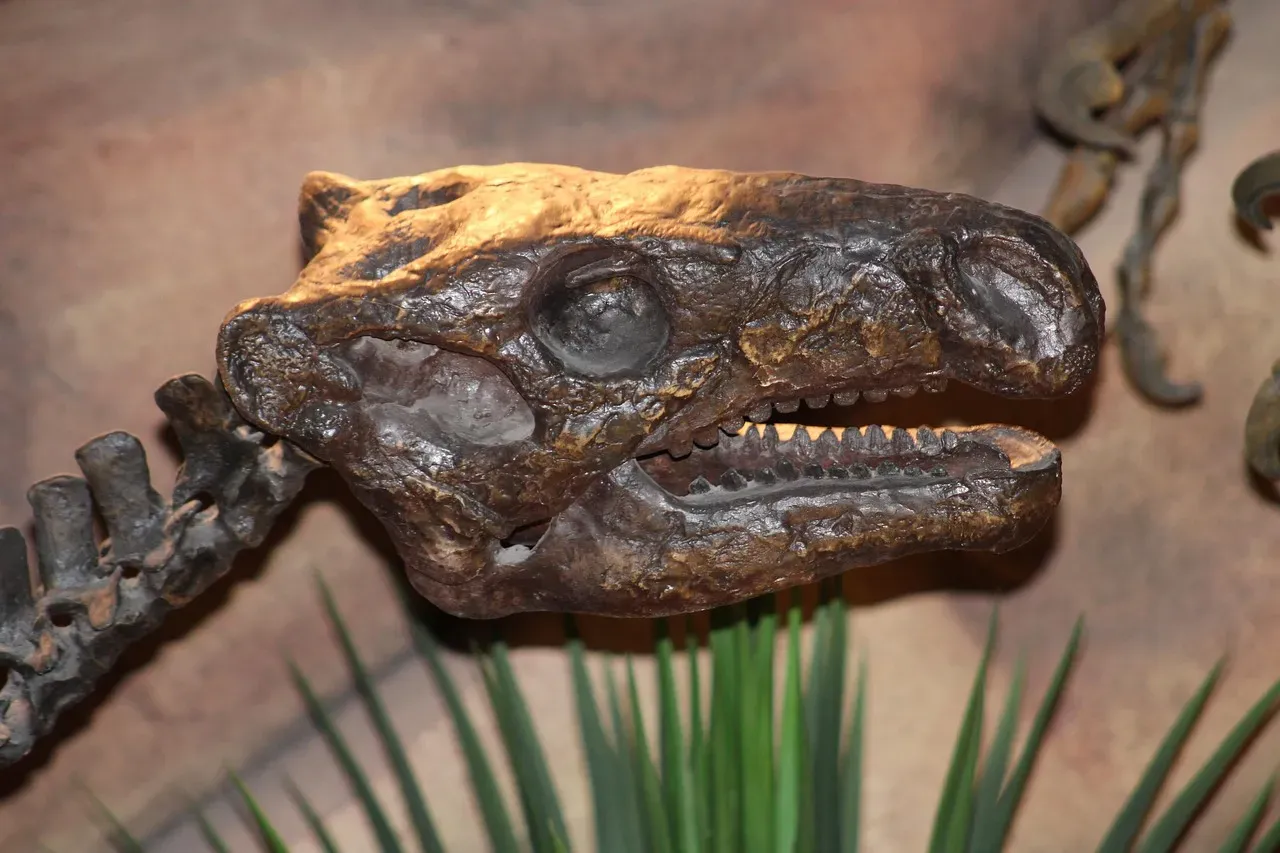
The reason certain regions became dinosaur hotspots is rarely just one thing. It’s a powerful combination of ancient geography, prehistoric climate, ideal sediment conditions, tectonic forces, and the sheer luck of erosion revealing what was hidden for millions of years. Regions like the American West, the Mongolian Gobi, and China’s Liaoning province didn’t just randomly attract more dinosaurs. They preserved them better, exposed them more efficiently, and provided the right ecological conditions for extraordinary diversity to flourish in the first place.
Honestly, the deeper you look into this subject, the more you realize how fragile the fossil record really is. For every skeleton that makes it into a museum display, countless others dissolved back into the earth without a trace. The regions we’ve come to know as dinosaur hotspots may represent only a fraction of where these animals actually lived. Makes you wonder how much we’re still missing, doesn’t it? What part of the world do you think might be hiding the next great dinosaur discovery? Drop your thoughts in the comments below.