You’re about to make an important decision. Maybe it’s choosing between two job offers, evaluating whether someone you’ve just met can be trusted, or deciding which path to take during an uncertain moment. Suddenly, something stirs inside you. It’s not quite a thought, more like a sensation. A whisper from somewhere deep within that tells you what to do.
This is your intuition speaking. For centuries, people dismissed it as irrational, mystical, even dangerous. Yet here’s the thing: far more sophisticated than you might think. They’re not random hunches or wishful thinking. They’re the product of your brain processing vast amounts of information at lightning speed, information you’re not even consciously aware of.
So let’s dive into why your intuition deserves more credit than it gets, and why trusting that inner voice might be one of the smartest moves you’ll ever make.
Your Brain Is a Pattern Recognition Machine
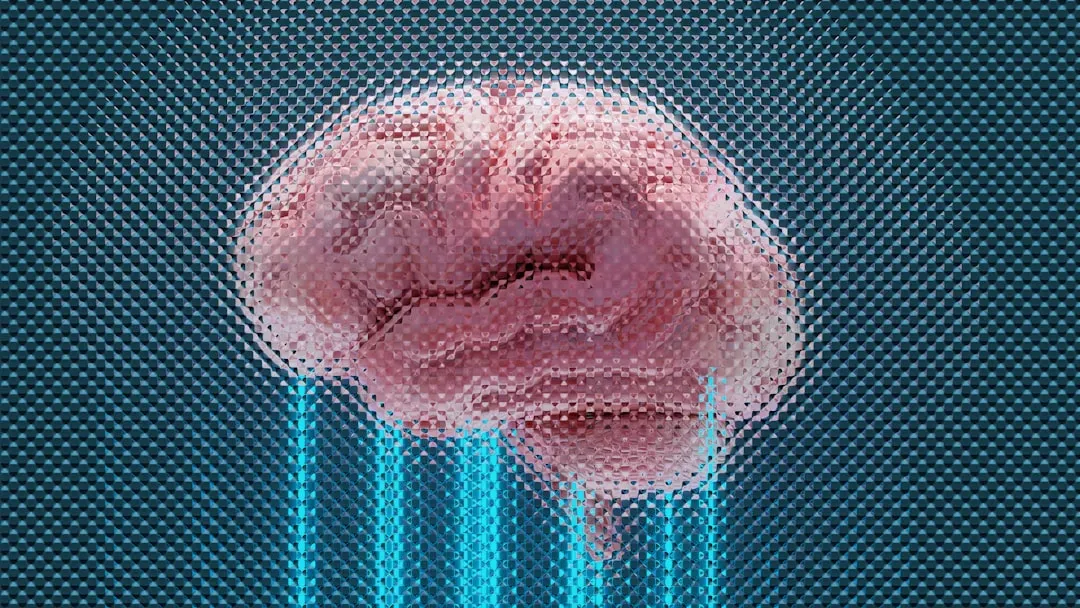
Think about the last time you walked into a room and instantly sensed the mood was off. Nobody said anything, yet you just knew. That’s your brain doing what it does best: recognizing patterns based on countless experiences stored in your memory.
Your intuition is the brain drawing on past experiences and external cues to make a decision, one that happens so fast the reaction is at a non-conscious level. Every interaction you’ve ever had, every face you’ve seen, every situation you’ve navigated gets filed away. When similar circumstances arise, your brain rapidly scans this internal database and delivers a verdict before you even realize what’s happening.
Your brain constantly collects and stores sensory data, even when you’re not consciously aware of it, and when you experience a situation similar to one you’ve encountered before, your brain draws upon stored experiences to generate a response. It’s like having an expert consultant living inside your head, one who never sleeps and is always working on your behalf.
The Surprising Accuracy of Gut Decisions

Here’s something that might blow your mind. When forced to choose between two options based on instinct alone, participants made the right call up to 90 percent of the time. That’s not a typo. Nearly perfect accuracy from what most people would dismiss as just a hunch.
Researchers put this to the test in fascinating ways. Participants could process large amounts of data accurately, and their accuracy increased in relation to the amount of data presented, choosing correctly 65 percent of the time with six pairs of numbers but about 90 percent with 24 pairs. The more information thrown at them, the better their intuition performed. Your unconscious mind is incredibly good at synthesizing complex data and arriving at sound conclusions.
This challenges everything we’ve been taught about decision-making. We’re told to make lists, weigh pros and cons, analyze every angle. Sometimes that’s exactly what you need. Other times, though, your gut already knows the answer.
The Neuroscience Behind Your Inner Wisdom
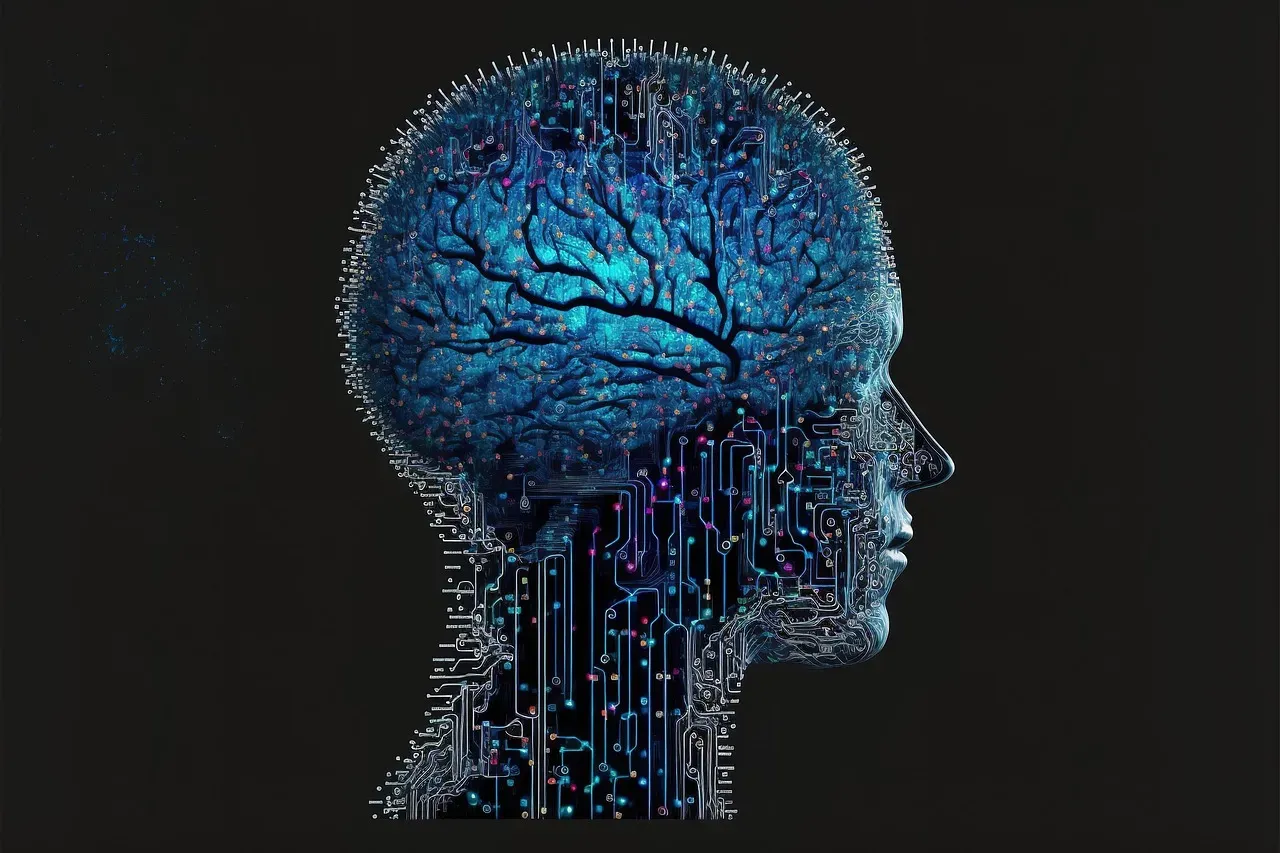
Let’s get into the fascinating biology of intuition. It turns out there are specific regions in your brain that light up when you’re having a gut feeling. Research revealed the median orbitofrontal cortex, the lateral portion of the amygdala, anterior insula, and ventral occipito-temporal regions to be activated during intuitive judgments. These aren’t random areas either. They’re deeply connected to emotion, memory, and rapid information processing.
This elegant finding links intuition with the caudate nucleus, part of the basal ganglia responsible for learning, executing habits and automatic behaviors. Essentially, your brain has special-purpose hardware designed specifically for intuitive thinking. It’s like having a high-speed processor dedicated solely to making quick, accurate assessments without bogging down your conscious mind.
Sequential representations only form if predictor cues really predict rewards, and these representations are structurally designed to lead to intuitions that are accurate. Your brain isn’t guessing randomly. It’s building reliable models based on real patterns in your environment.
The Gut-Brain Connection Is Real

Ever wonder why we call them gut feelings? There’s actual science behind that phrase. Research shows that gastric activity increases in response to emotions, and relationships between gut feelings and intuitive hunches may share a common perceptive origin. Your digestive system and your brain are in constant communication, sending signals back and forth through what scientists call the gut-brain axis.
Emerging research suggests that the gut microbiome may modulate intuitive behavior by affecting neurotransmitter systems and brain function, offering a biological basis for why we physically feel intuition in our digestive system. When you get butterflies before a big presentation or that sinking feeling when something’s wrong, you’re literally feeling your intuition in your body.
The brain’s main job is to interpret signals from the body, and every cognitive process originates in the body as a patchwork of sensory information with memory applied. You’re not just a brain floating in a jar. Your entire body participates in intuitive knowing.
When Intuition Works Best

Not all situations are created equal when it comes to trusting your gut. Intuition typically emerges when people are under severe time pressure, in situations of information overload, or facing acute danger, where conscious analysis may be difficult or impossible. These are precisely the moments when overthinking can paralyze you.
Intuition in decision making is most accurate when experience has been acquired in a kind environment providing clear and immediate feedback, and once expertise has been established, inferential intuitions may be considered highly reliable. If you’ve been in your field for years, your intuition about work-related decisions is probably sharper than you realize.
Managers increasingly recognize this. Almost all managers stated they tapped gut feelings when making decisions in addition to rational analyses, with more upper-level managers tending toward intuition. The higher you climb, the more you realize that not everything can be reduced to spreadsheets and data points. Sometimes you just have to trust yourself.
The Limitations You Should Know About

Let’s be honest though. Intuition isn’t perfect. Feelings of intense emotion, such as anxiety or overwhelming happiness, can drown out the subtle unconscious cues that would otherwise guide intuition. If you’re panicked, exhausted, or extremely stressed, your gut feelings might be less reliable than usual.
Tapping into unconscious information requires evaluating situations from a neutral standpoint, and being calm is crucial to understand about intuition. Before making a big decision based on intuition, check in with yourself. Are you in a decent headspace? Or are your emotions running so hot that they’re drowning out your inner wisdom?
Bias is another factor. Your intuition reflects your accumulated experiences, which means it can also reflect learned prejudices or cultural conditioning. That uncomfortable feeling you get about someone might be legitimate intuition, or it might be unconscious bias. Knowing the difference requires honest self-reflection.
How to Strengthen Your Intuitive Abilities

The good news is that intuition isn’t fixed. You can develop it. People with good interoception can tap out their own heartbeats, and having an intimate sense of bodily triggers makes it more likely you’ll feel when intuition is nudging you, potentially leading to more accurate insights. Start paying attention to your physical sensations. Where do you feel things in your body when you’re nervous, excited, or uncertain?
Practice making small intuitive decisions and then notice what happens. Did your first instinct turn out to be right? The more you tune into your intuition and observe its accuracy, the more you’ll learn to distinguish between genuine intuitive wisdom and random noise. It’s like developing any other skill: it takes time, attention, and willingness to learn from mistakes.
Even when people were unaware of emotional images, they could use information from the images to make more confident and accurate decisions, suggesting we can use unconscious information to help guide us through life. Your unconscious mind is always processing information. The question is whether you’re listening.
Balancing Intuition with Analysis

Here’s the thing nobody tells you: it’s not an either-or situation. Intuition is neither irrational nor the opposite of logic, but rather a quicker and more automatic process that plumbs the deep resources of experience and knowledge gathered over the course of our lives. The smartest approach combines both intuitive and analytical thinking.
Use your gut feeling to flag potential problems or opportunities, then leverage data and careful analysis to validate or refine those instincts. Your intuition might tell you that a business opportunity feels wrong even though the numbers look great. That’s your cue to dig deeper, not to ignore either the feeling or the data. By understanding the limitations of intuition and supplementing it with analytical thinking, you can ultimately make better decisions.
Think of intuition and analysis as partners in a dance, each bringing different strengths to the table. When they work together, you get the best of both worlds: the speed and holistic understanding of intuition combined with the rigor and objectivity of conscious analysis.
Conclusion: Trusting the Voice Within

Intuition arises from the interplay of neural circuits, emotional signals, bodily sensations, and accumulated experience, representing an embodied intelligence shaped by evolution and refined by learning. It’s not magic or mysticism. It’s sophisticated cognitive processing that happens faster than conscious thought.
because they’re built on everything you’ve learned, experienced, and survived. They’re your brain’s way of protecting you, guiding you, and helping you navigate a complex world. The challenge isn’t whether to trust your intuition, but learning when and how to listen to it effectively.
Next time that inner voice speaks up, pause and pay attention. You might be surprised by how much wisdom lives within you, waiting to be heard. What decision have you been wrestling with lately? Maybe your gut already knows the answer. Have you been listening?