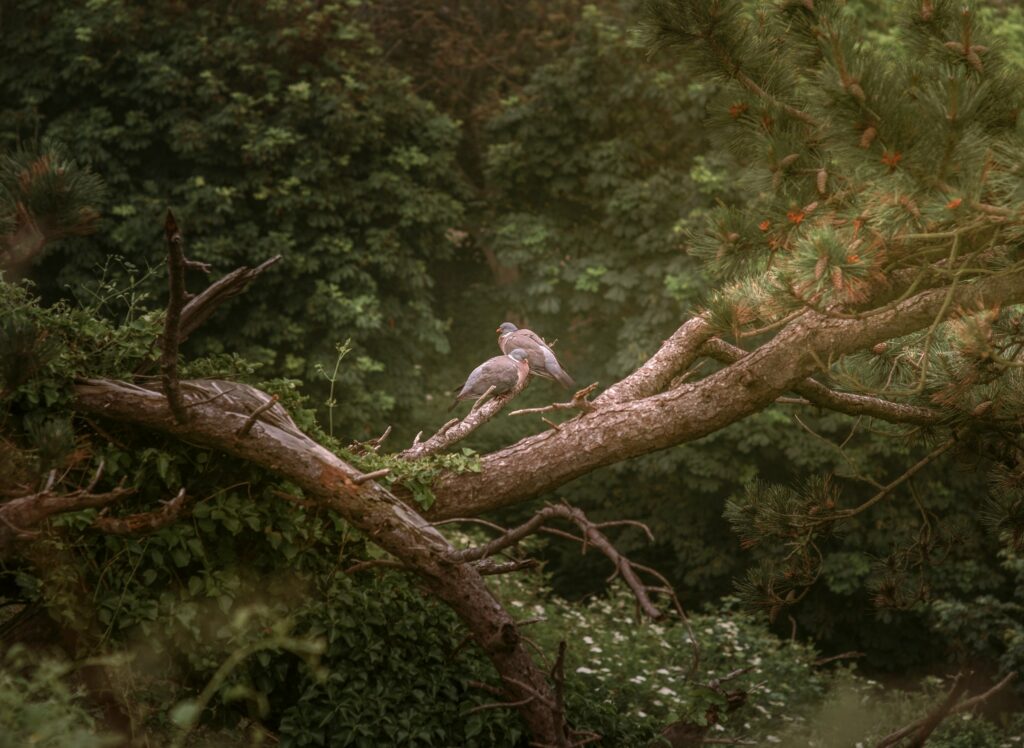
Walk into a truly ancient forest in America and something feels different, even before you know why. The air is cooler and damper, the light is softer, and the sounds above your head are layered and complex, like an orchestra tuning up. Hidden in those branches are bird species that, according to growing piles of field data, are clinging to these last old strongholds and almost nowhere else.
That simple fact carries a quiet punch: if we lose the remaining old‑growth and mature forests, we do not just lose tall trees, we risk erasing entire bird communities that never learned how to live anywhere else. In a country obsessed with growth and newness, the idea that the oldest living systems are the rarest and most irreplaceable can feel almost subversive. Yet wildlife biology keeps circling back to the same conclusion: when it comes to birds, age of the forest is not just a detail – it is destiny.
What Makes an “Old” Forest So Different, Really?
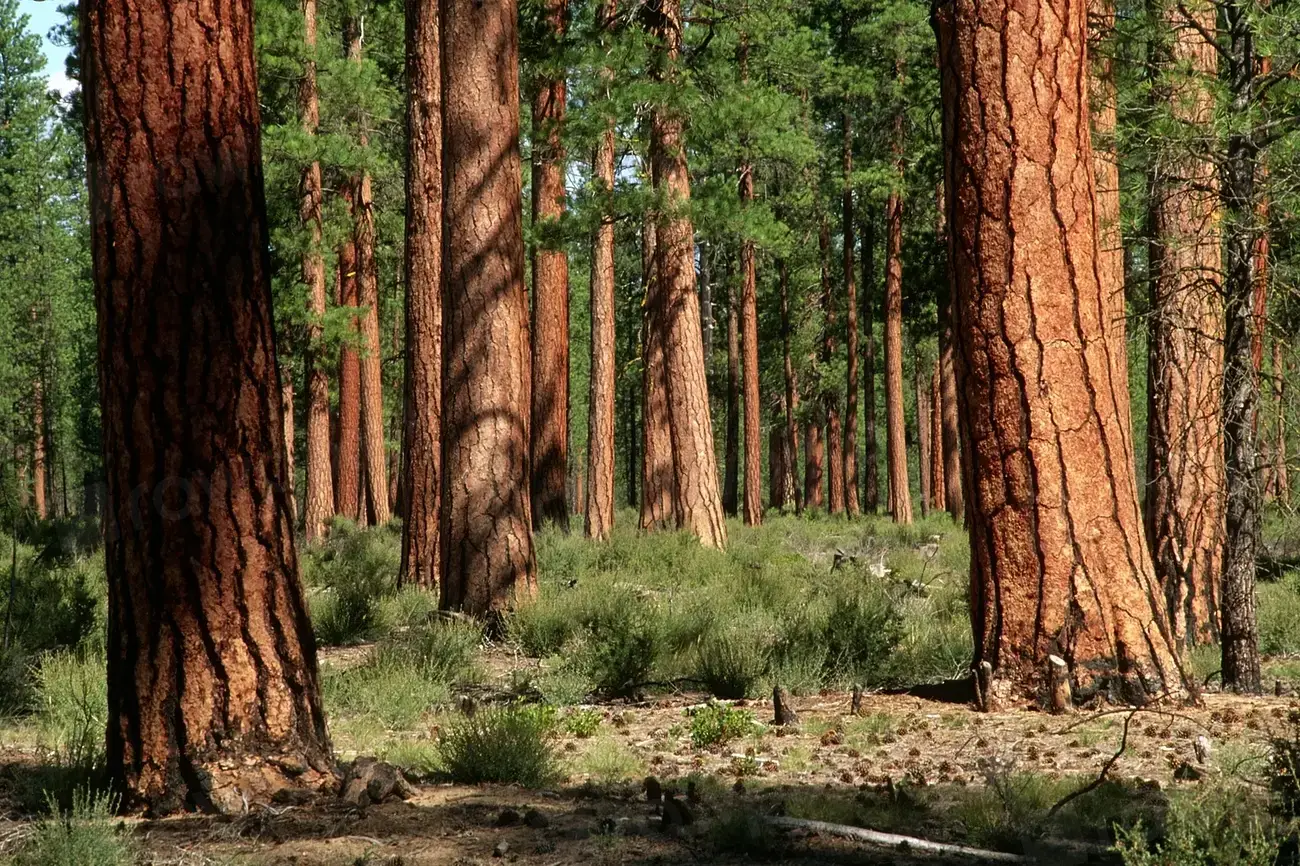
When biologists talk about old forests, they are not just romanticizing big trees; they mean ecosystems that have developed over centuries with minimal human interruption. These places have towering canopy trees, crooked middle layers, fallen logs, standing dead trunks, and a tangle of understory plants that looks downright messy to anyone used to a neatly managed woodlot. That structural chaos is exactly what birds need, because it creates thousands of micro‑habitats stacked from the soil to the treetops.
In younger forests, especially those that regrow after clear‑cutting, everything tends to be the same height and age, like a single‑grade classroom. Old forests are the opposite: they are mixed ages, mixed species, mixed everything. That variety means different nesting sites, food sources, and cover points, all jammed into a relatively small area. From a bird’s point of view, it is like living in a high‑rise apartment building with a grocery store, daycare, and rooftop garden all built in.
The Bird Specialists That Refuse to Compromise
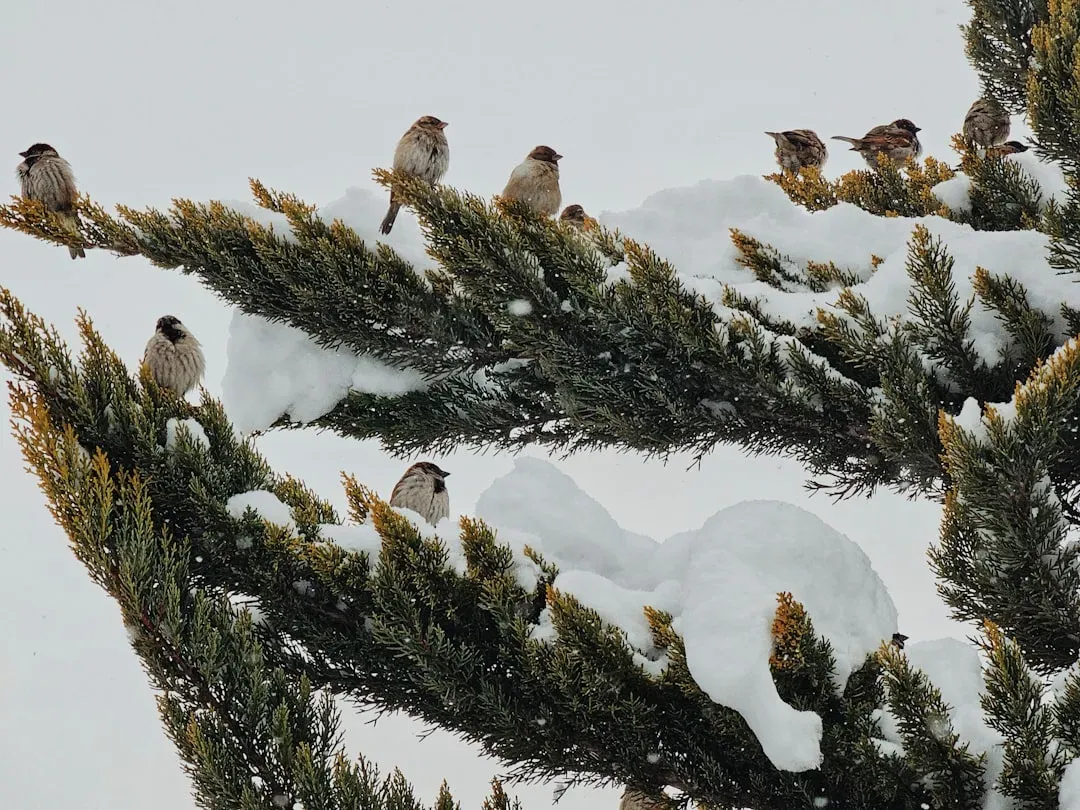
Some birds are generalists; they will nest in a city park, a backyard, or a scrappy young forest without complaining. Others are ruthless specialists that turn up their beaks at anything less than old‑growth. Species like the marbled murrelet in the Pacific Northwest, for example, nest only on wide, moss‑covered limbs high in ancient conifers. Without those deep, old canopies, they simply have nowhere to go, because no other structure in a younger forest can mimic what those centuries‑old trees provide.
Forest biologists have seen similar patterns with a number of warblers, woodpeckers, and thrushes that reach their highest densities in mature and old stands and drop off sharply outside of them. It is not that they are picky for the sake of it; evolution tuned them to exploit very specific niches that only appear once a forest has aged into complexity. Once you understand that, the phrase “found almost nowhere else” stops sounding dramatic and starts sounding like a plain description of their shrinking reality.
Layers of Life: Why Vertical Complexity Matters for Birds
One of the defining features of ancient forests is vertical layering, from mossy ground to dense mid‑story to broken, irregular canopy. Birds partition those layers like different neighborhoods in a city. Ground nesters forage in leaf litter and rotting logs, shrub‑level species weave their homes in thickets, while canopy specialists hawk insects out of sunlit gaps or glean food from high foliage. When all these layers are present in the same place, you can stack multiple bird communities on top of one another in just a few acres.
Young forests usually lack that vertical richness, because it takes decades to grow big trees and build fallen woody debris that does more than just lie there. Old forests, by contrast, are like a skyscraper with dozens of floors, emergency stairwells, and hidden storage rooms. Birds use every corner: cavities in dead snags, moss pads on high branches, dense ferns at ground level. The more three‑dimensional the forest becomes, the more ways birds can carve out safe territory, find food, and avoid predators, which is exactly why so many of the rarest species concentrate there.
Dead Wood, Living Cities: Snags, Logs, and Hidden Nest Sites
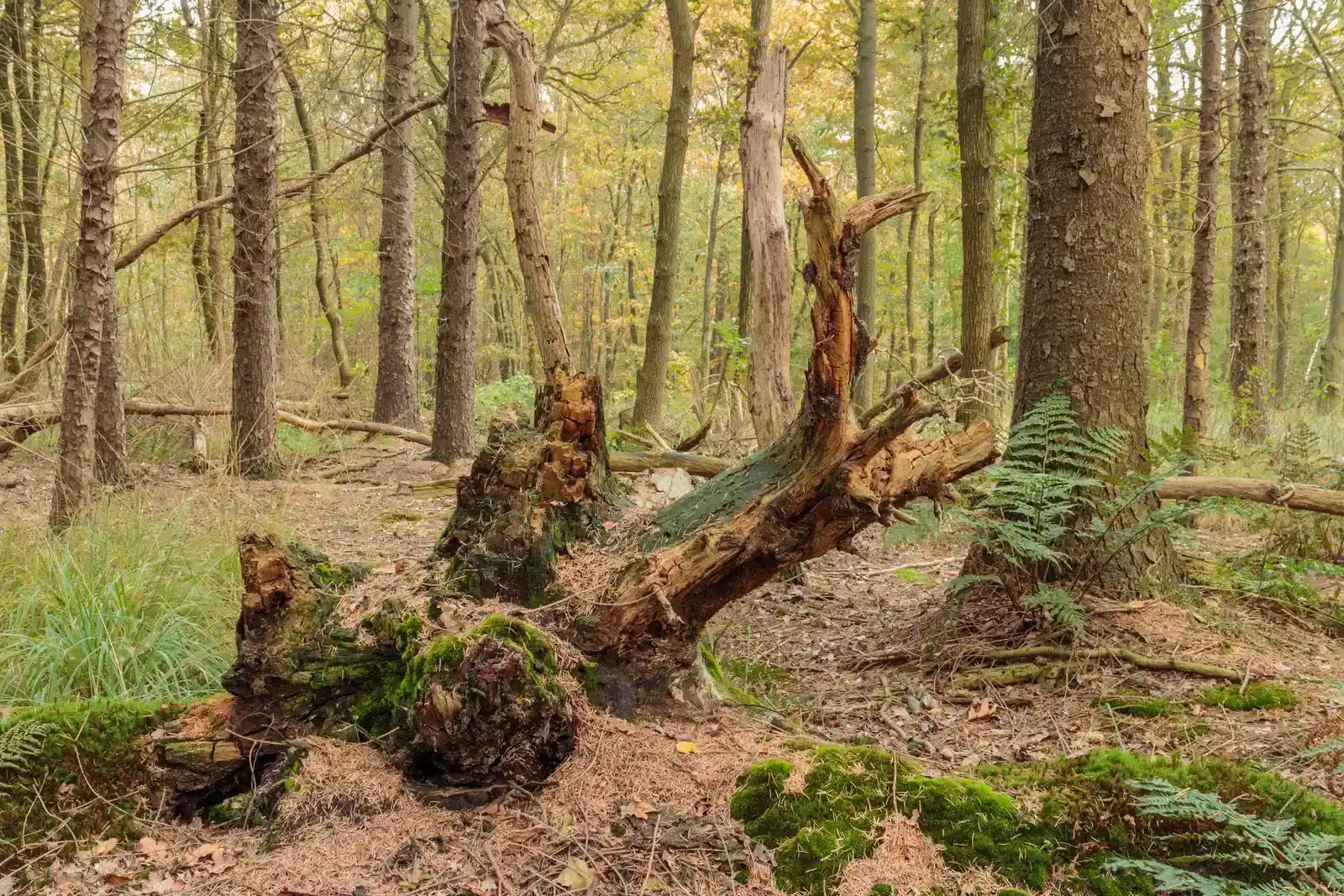
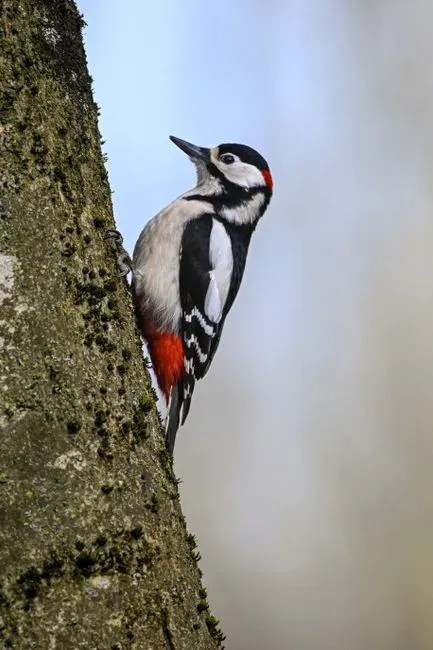
To a casual hiker, a dead tree might just look like a hazard waiting to fall; to a forest bird, it is prime real estate. Old forests contain far more standing dead trees, known as snags, and large fallen logs than younger stands. Woodpeckers drill cavities into those snags to nest and roost, and later, other birds such as bluebirds, chickadees, and small owls move into the old holes once the original tenants have left. This hand‑me‑down housing market barely exists in intensely managed forests where dead trees are routinely removed.
Down on the forest floor, big rotting logs create cool, damp micro‑climates that support fungi, insects, and other invertebrates that birds love to eat. You can picture each log as a slow‑motion buffet line that runs for decades, feeding everything from tiny wrens to larger thrushes that flip through leaf litter. When forestry practices strip out dead wood for “cleanliness” or safety, they are unknowingly bulldozing the foundation of that underground city of life, and with it, the feeding grounds that sustain specialized forest birds.
Old Forests as Climate Refuges in a Heating World
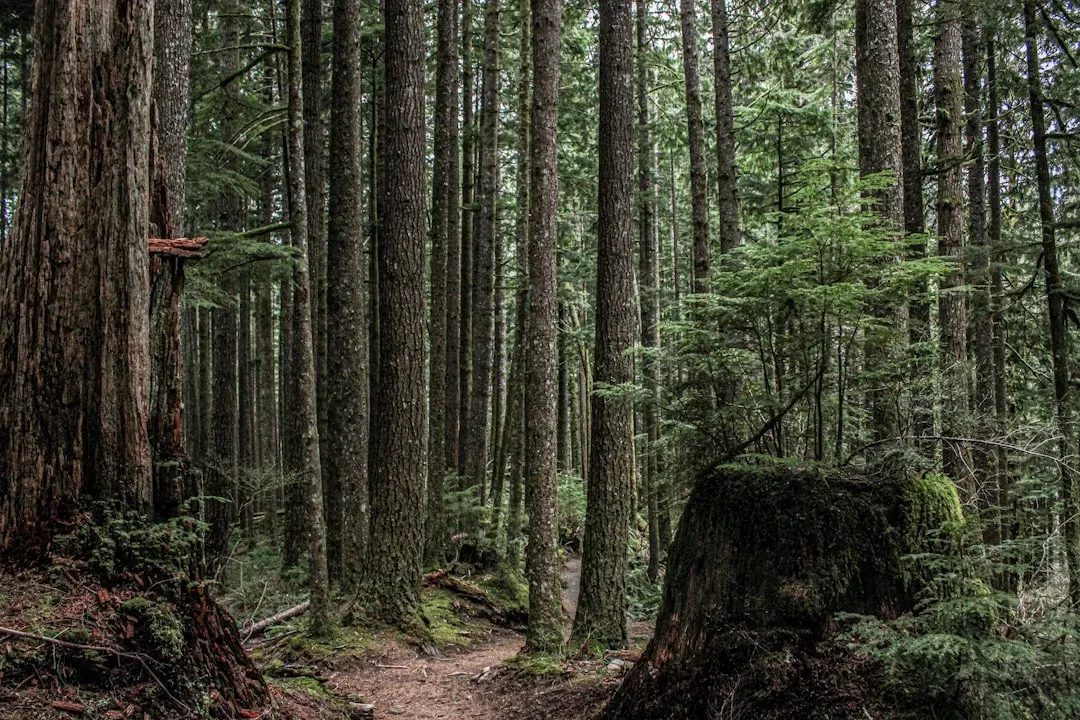
There is another increasingly uncomfortable truth: as the climate warms, old forests are turning into crucial refuges for birds pushed to their limits by heat and drought. Their dense canopies block harsh sunlight, and deep leaf litter and logs retain moisture, creating pockets of cooler, more stable conditions compared with younger stands or open landscapes. For birds that evolved in cool, shaded habitats, those micro‑refuges can mean the difference between successfully nesting and abandoning a site altogether.
Studies tracking bird ranges over time are already documenting species moving upslope and northward, searching for climate conditions that feel familiar. Ancient forests often act as stepping stones in that journey, providing the last remaining intact habitats where sensitive species can ride out extreme events like heat waves or late‑season storms. Ignoring the climate‑buffer role of old forests while planning conservation strategies is like ignoring the existence of basements while preparing for a tornado: technically possible, but deeply unwise.
Fragmented Islands: Why Tiny Old “Patches” Are Not Enough
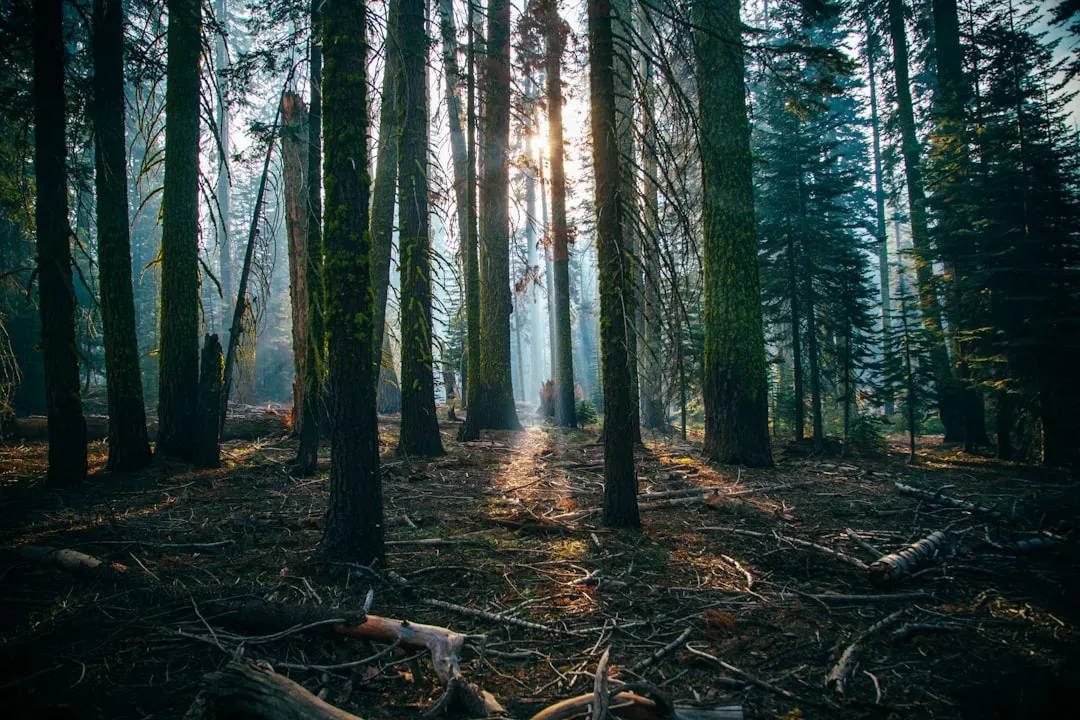
In many regions of the United States, what remains of old‑growth and mature forest is chopped up into fragments surrounded by clear‑cuts, young plantations, suburbs, or farmland. To a bird that needs large, continuous territories, these fragments might as well be small islands in a dangerous sea. Edge effects – more predators, more invasive plants, more human disturbance – creep far into the remaining core, eating away at the safety these forests once provided.
Bigger birds that need wide territories, and shy interior‑forest species that avoid edges, are especially hard‑hit by this break‑up. It is not enough to save a few scattered patches and pat ourselves on the back; from a wildlife biology perspective, the shape, size, and connectivity of old forests matter almost as much as their existence. Without serious efforts to link fragments with mature‑forest corridors and reduce surrounding pressures, many of the birds that “depend” on old forests will end up living in habitats that are technically present on a map but no longer function as they evolved to.
Human Management: Helping or Hurting Ancient Forest Birds?
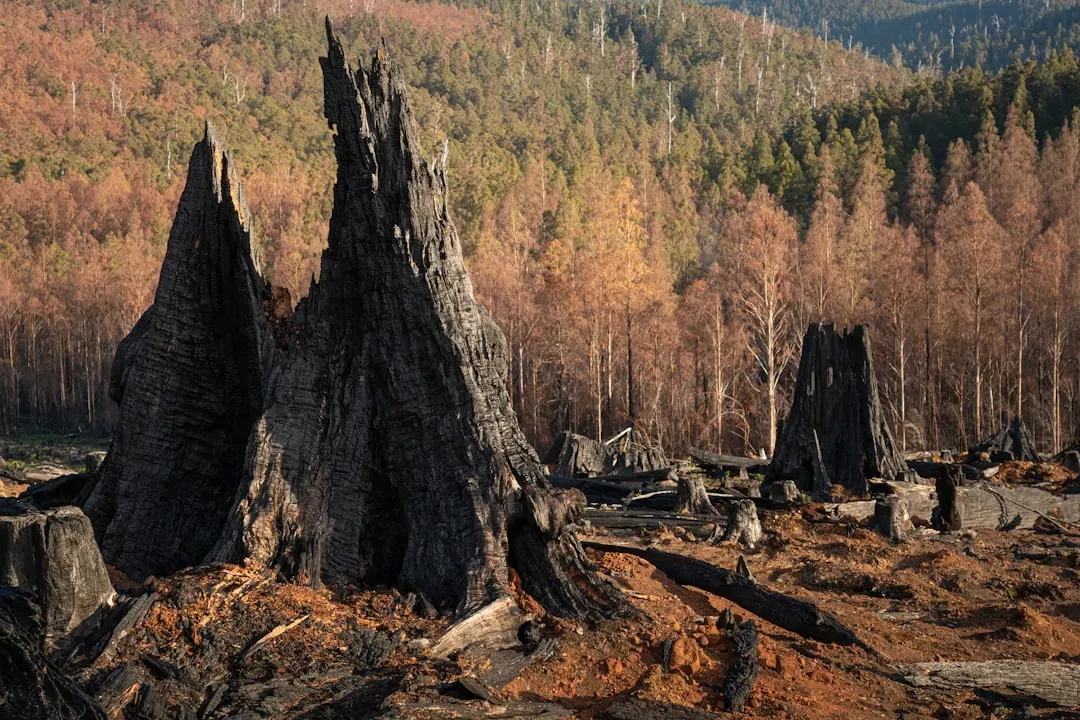
Here is where the conversation gets uncomfortable: logging and heavy‑handed forest management have been among the biggest reasons old forests vanished across much of the country. For decades, cutting older stands and replacing them with fast‑growing, even‑aged trees was treated as the efficient, modern way to run forests. On paper it looked tidy. On the ground, it erased the very features wildlife biologists now recognize as non‑negotiable for many bird species, from large snags to patchy canopy gaps formed by natural disturbance rather than chainsaws.
That does not mean every human intervention is automatically bad. Some practices, like selectively retaining old trees and snags during harvests, expanding buffer zones along streams, or deliberately letting parts of forests age without interference, can soften the blow. Still, too much of our forest policy remains locked in a short‑term mindset focused on timber yield and fire suppression more than on ecological integrity. Until management decisions start treating birds and other wildlife as core priorities rather than afterthoughts, ancient‑forest specialists will remain in a precarious position.
Why Saving Old Forests Is Ultimately About Values, Not Just Data
Wildlife biology provides the measurements: species counts, breeding success, survival rates in old versus young stands. Those numbers show, again and again, that many of America’s rarest forest birds lean heavily on the last remaining old and mature forests. But science can only carry the conversation so far. At some point, the real question becomes whether we are willing to leave places alone long enough for them to grow old again, even if that means slower profits or fewer board‑feet on a spreadsheet.
Personally, the first time I stood in a truly ancient grove, I remember thinking it felt more like entering a cathedral than a “resource.” The idea that we might trade away those living cathedrals, along with the birds that define their soundscape, for one more cycle of short‑rotation timber should make us uneasy. Protecting old forests is not just about preventing extinctions; it is about choosing the kind of country we want to live in – one where age, complexity, and wildness still have a place. If these are the last refuges for birds found almost nowhere else, the honest question is: are we willing to be the generation that lets them disappear, or the one that finally decides they have already been cut close enough to the bone?