You probably know about the woolly mammoth. Its curved tusks and shaggy frame have been splashed across documentaries and museum displays for decades. Yet there was another horned giant that stalked the Ice Age landscape, one that rarely gets the same fanfare. Picture a massive creature built like a living tank, cloaked in thick fur, with two enormous horns jutting from its snout like ancient daggers. That’s the woolly rhinoceros, a spectacular beast that once dominated northern Eurasia but has somehow faded from popular memory. Why don’t we talk more about these animals? Maybe it’s because their story is more complex, more mysterious, and honestly, way more dramatic than you’d expect. Let’s dig into what made these rhinos so remarkable.
A Beast Built for the Bitter Cold
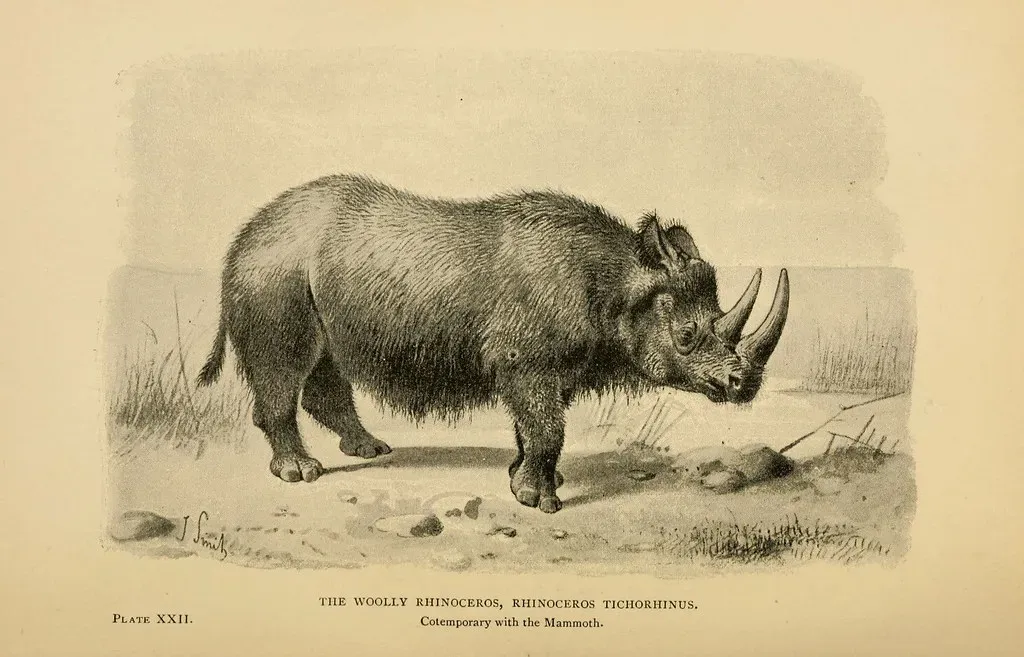
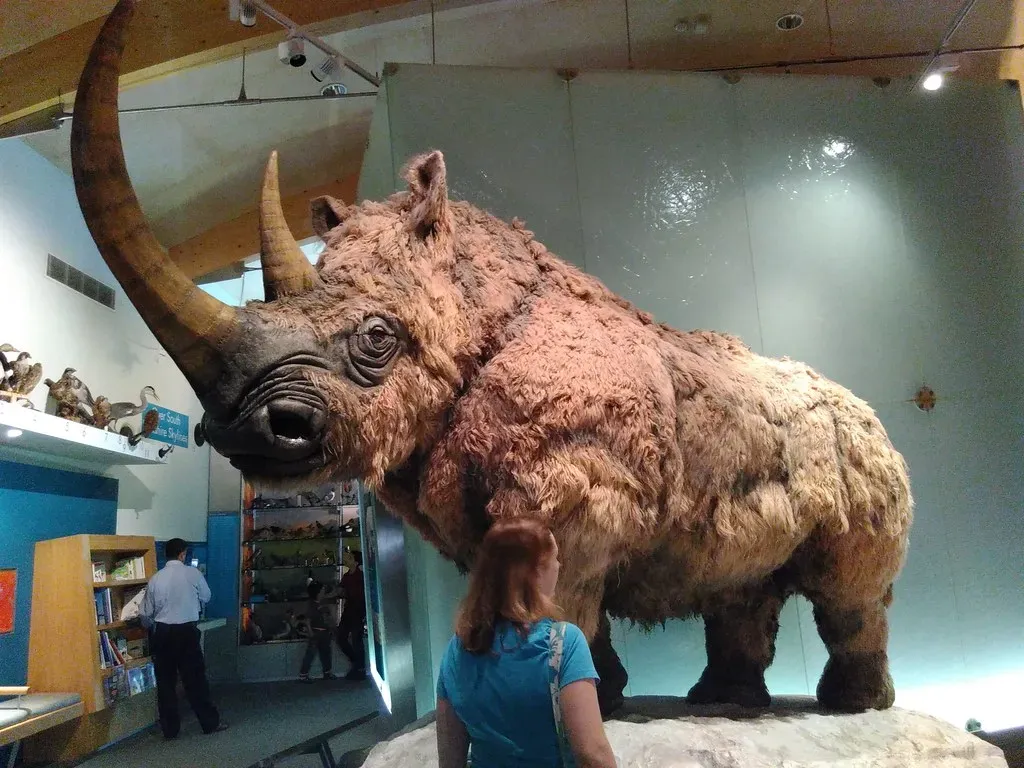
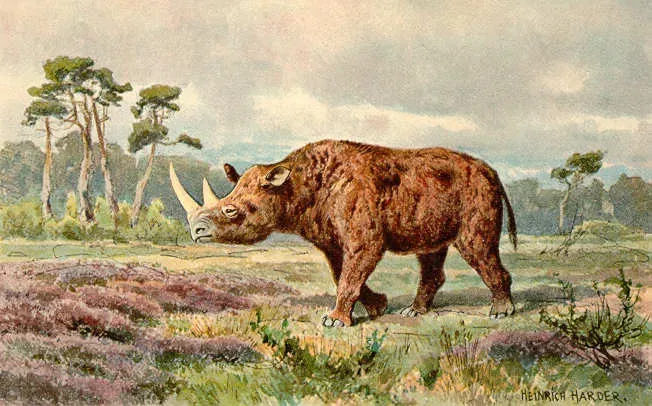
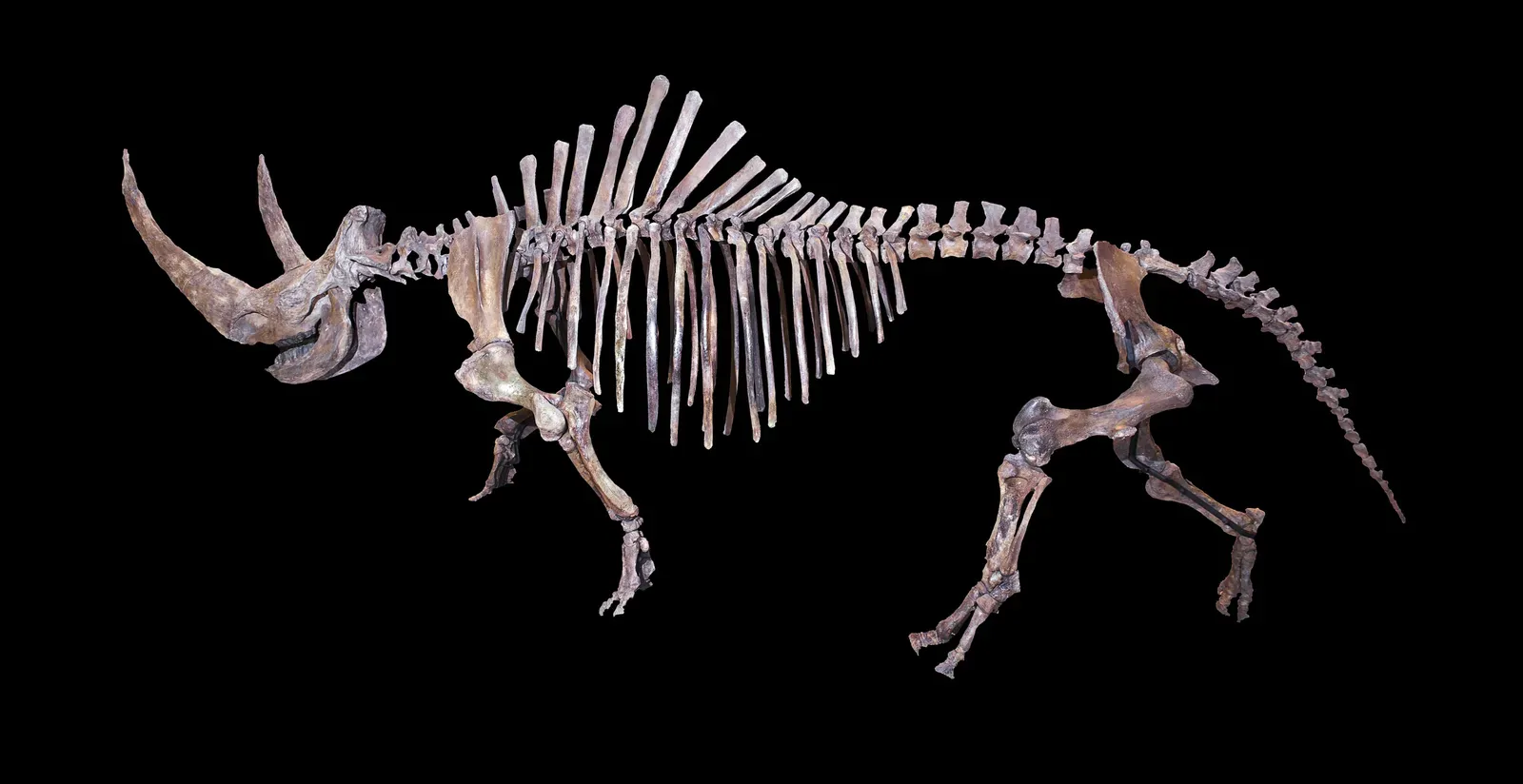
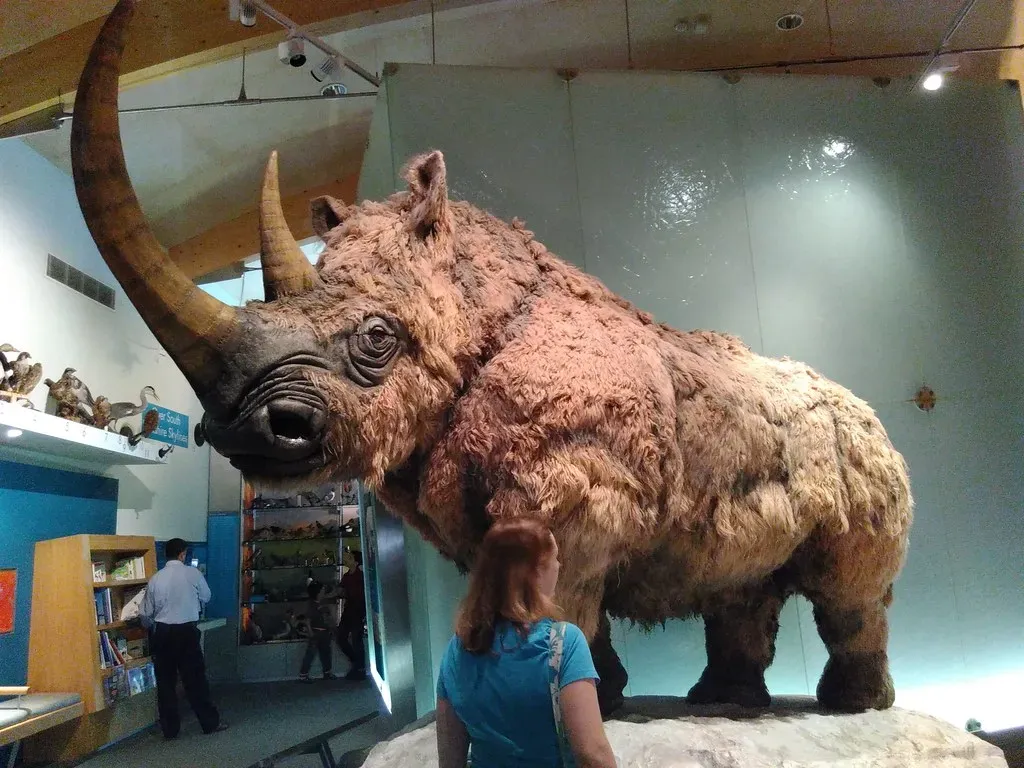
The woolly rhinoceros was comparable in size to the white rhinoceros, covered with long, thick hair that allowed it to survive in the extremely cold, harsh mammoth steppe. Think about it: this wasn’t some small, scrappy survivor. These animals could reach lengths of roughly ten to twelve feet and tip the scales at somewhere between four thousand and six thousand pounds. They had a massive hump reaching from their shoulder that contained substantial fat reserves, likely serving for thermoregulation and as energy storage during cold months.
Here’s the thing that makes them fascinating. Their bodies were well-adapted to extremely cold habitats, with significantly reduced surface areas on certain body parts to minimize heat loss, including ears that didn’t exceed 24 centimeters, plus shorter legs and tails. The coat itself was a two-layer system: a dense, insulating undercoat beneath long, shaggy outer hair. Honestly, they were evolutionary masterpieces for surviving the frozen steppes.
That Iconic Hump and Dual Horns
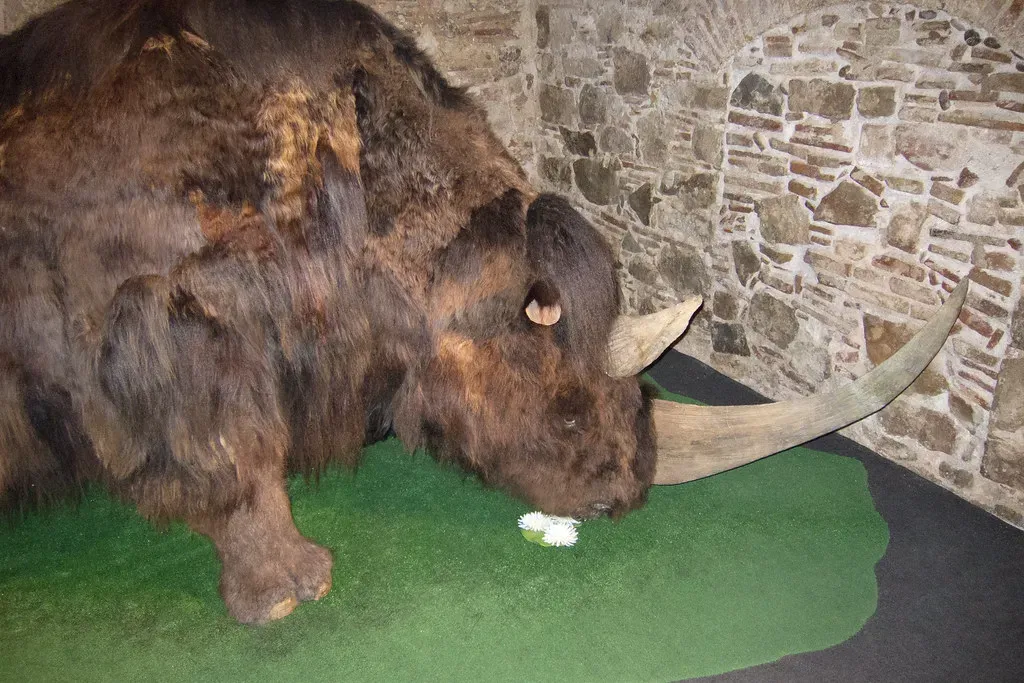
Cave art images consistently show a massively deep, hugely convex shoulder hump that extends all the way forward to the back of the head. Recent discoveries have confirmed what ancient artists captured thousands of years ago was accurate. Researchers discovered mummified remains of a woolly rhinoceros with a hump, confirming the accuracy of ancient cave paintings. It’s wild to think Stone Age artists got it right when modern scientists were still debating the feature’s existence.
The horns deserve their own spotlight. The horn had a flattened cross section, not a conical one like modern rhinos, and that flattened profile allowed the horn to be used to sweep snow from the ground and uncover low-growing vegetation. The front horn could stretch nearly three feet long, while the rear horn between the eyes was typically shorter. Woolly rhinos may have used their horns for combat, including intraspecific combat as recorded in cave paintings, as well as for moving snow to uncover vegetation and to attract mates. Picture these beasts scraping away ice and snow to reach frozen grasses beneath. Quite the image, right?
Where Did These Giants Roam?
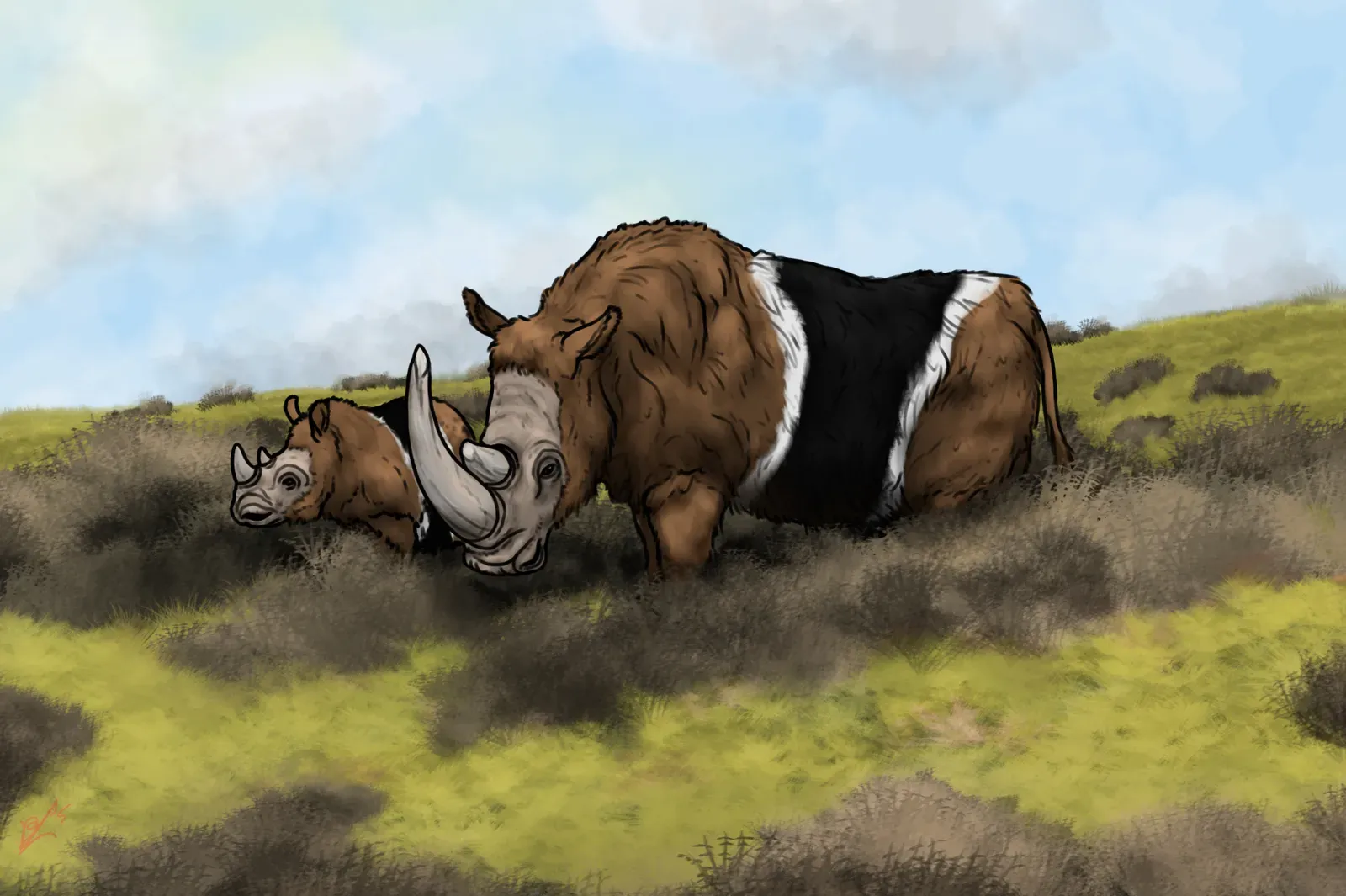
By the end of the Riss glaciation about 130,000 years ago, the woolly rhinoceros lived throughout northern Eurasia, spanning most of Europe, the Russian Plain, Siberia, and the Mongolian Plateau. That’s an absolutely enormous range. It had the widest range of any rhinoceros species. From Scotland to South Korea, from Spain to the frozen edges of Siberia, these creatures spread across a vast swath of the northern hemisphere.
Their primary home was the mammoth steppe, a massive open grassland ecosystem that no longer exists in the same form today. The rhino’s main habitat was the mammoth steppe, a large, open landscape covered with wide ranges of grass and bushes, where the woolly rhinoceros lived alongside other large herbivores such as the woolly mammoth, giant deer, reindeer, saiga antelope and bison. Interestingly, they never made it across the Bering land bridge to North America, likely because the environment there didn’t suit their needs.
A Grazer’s Life on the Frozen Plains
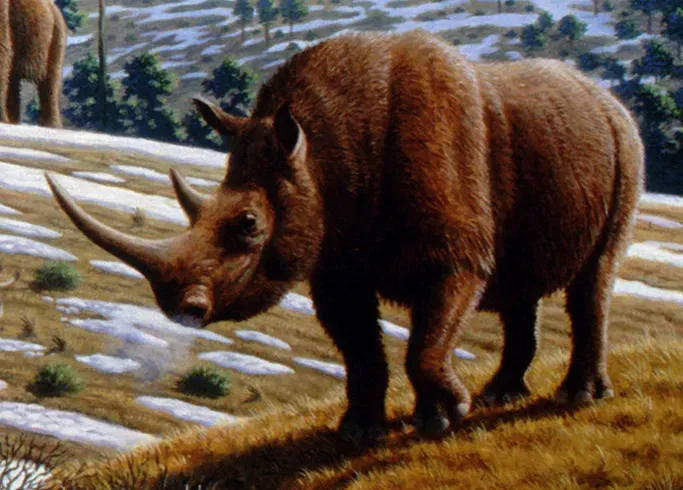
The woolly rhinoceros ate mostly grasses and also grazed on small plants, trees, lichens, and mosses. Their diet was all about finding vegetation in one of the harshest environments imaginable. The woolly rhinoceros was a hindgut fermentor with a single stomach, consuming cellulose-rich, protein-poor fodder, and had to consume a heavy amount of food to account for the low nutritive content of its diet.
What’s particularly interesting is their feeding flexibility. They could switch from grazers to browsers depending on the season, primarily grazers in the summer and turning to browsers when winter came. Talk about adaptation. These rhinos weren’t picky; they were survivors, constantly adjusting their feeding strategies to match what the frigid landscape offered. I think that kind of behavioral flexibility is what kept them thriving for so long.
Face to Face with Ancient Humans
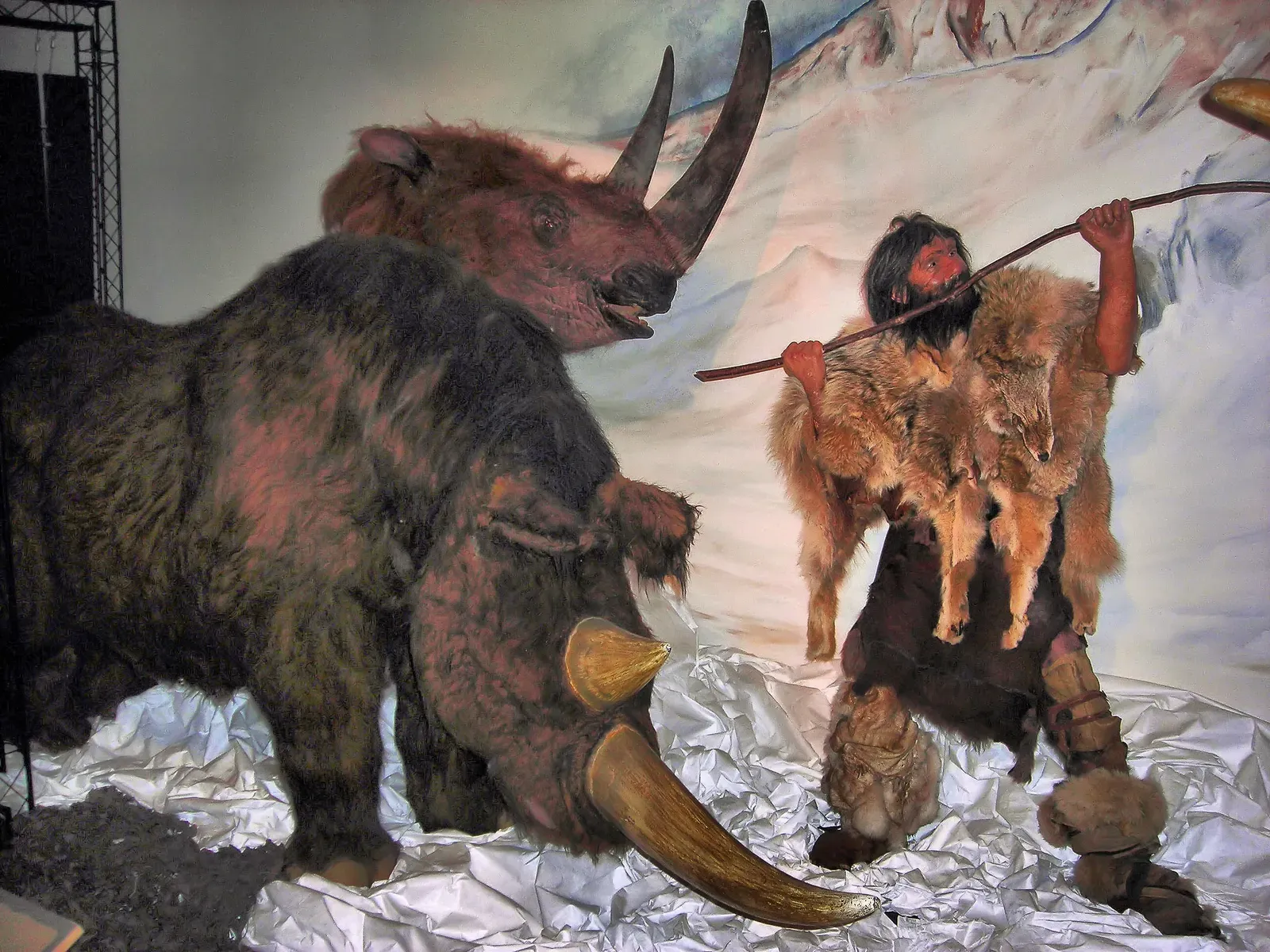
Images of woolly rhinoceroses are found among cave paintings in Europe and Asia, and evidence has been found suggesting that the species was hunted by humans. The relationship between woolly rhinos and our ancestors is fascinating and complicated. Their representations, some of which are very accurate, are known from several localities including Chauvet–Pont d’Arc in France, whose woolly rhinoceros illustrations date to between 33,000 and 30,000 years ago.
Yet direct evidence of interaction is surprisingly rare. While woolly rhinoceroses shared the same habitat with humans, direct evidence of interaction between the two species is relatively rare, with only 11 percent of the known sites of prehistoric Siberian tribes having remains or images of the animal. Both horns and bones of the rhinoceros were used as raw materials for tools and weapons, including half-meter spear throwers made from woolly rhinoceros horn about 27,000 years ago from the Yana Rhinoceros Horn Site, and a 13,300-year-old spear found on Bolshoy Lyakhovsky Island with a tip made of rhinoceros horn. So yes, humans hunted them, but perhaps not as intensively as we once thought.
The Mystery of Their Origins
Here’s where things get really interesting. The oldest known species of Coelodonta, Coelodonta thibetana, is known from the Pliocene of Tibet dating to approximately 3.7 million years ago. That’s way before the Ice Ages even started. When the ice ages came along and harsh conditions spread to lower altitudes, C. thibetana and its descendants were evolutionarily primed to take advantage and expand across northern Eurasia.
Think about that for a moment. While the world was still relatively warm, these creatures were already evolving their cold-weather adaptations on the frigid Tibetan Plateau. Despite the warmth of the era, the Tibetan Plateau was about as cold and snowy as it is today, with an average temperature around 0°C and wintertime extremes sometimes dropping below -10°C. They were basically pre-adapted for a global climate shift that wouldn’t happen for millions of years. Evolution at its most fascinating.
The End Came Swiftly
The species disappeared from Europe between 17 and 15,000 years ago, with its youngest confirmed reliable records from the Urals dating to 14,200 years ago and northeast Siberia dating to around 14,000 years ago, coinciding with the onset of the Bølling–Allerød warming which began around 14,700 years ago. Recent genetic analysis revealed something shocking. These comparisons revealed no signs of genetic deterioration as the species approached extinction 14,000 years ago, instead suggesting woolly rhinoceroses maintained a stable and relatively large population until a sudden collapse just prior to their disappearance.
That changes everything we thought we knew. The extinction appears to have occurred relatively quickly, probably caused by global warming at the end of the Ice Age, with results showing that the woolly rhinos had a viable population for 15,000 years after the first humans arrived in northeastern Siberia, suggesting climate warming rather than human hunting caused the extinction. The warming likely resulted in increased precipitation including snowfall, which transformed the woolly rhinoceros’ preferred low-growing grass and herb habitat into one dominated by shrubs and trees. Their world literally changed beneath their feet, and with their short, stubby legs unable to move efficiently through deep snow, they simply couldn’t adapt fast enough.
Lessons from a Lost Giant
The woolly rhinoceros teaches us something crucial about extinction and survival. Population reconstructions indicate that a combination of climate-driven habitat fragmentation and low but persistent levels of hunting by humans weakened metapopulation processes and caused their extinction. It wasn’t just one thing that doomed them. Climate change created the trap, habitat loss tightened it, and human presence added just enough pressure to push them over the edge.
There were 61 species of large terrestrial herbivores weighing more than one ton alive in the late Pleistocene, and only eight of these exist today, with five of those surviving species being rhinoceroses. That puts our modern conservation challenges into stark perspective. The woolly rhino thrived for millions of years, survived multiple climate shifts, and coexisted with our ancestors for millennia. Yet when rapid environmental change hit, they vanished within a few hundred years. If such a successful species could disappear so quickly, what does that tell us about the fragility of Earth’s remaining megafauna?
These forgotten giants of the frozen tundra deserve to be remembered not just as fossils, but as a warning and a wonder. Their story reminds us that survival isn’t guaranteed, no matter how well adapted you are, and that rapid environmental change can topple even the mightiest beasts. What do you think their extinction tells us about the challenges facing wildlife today?