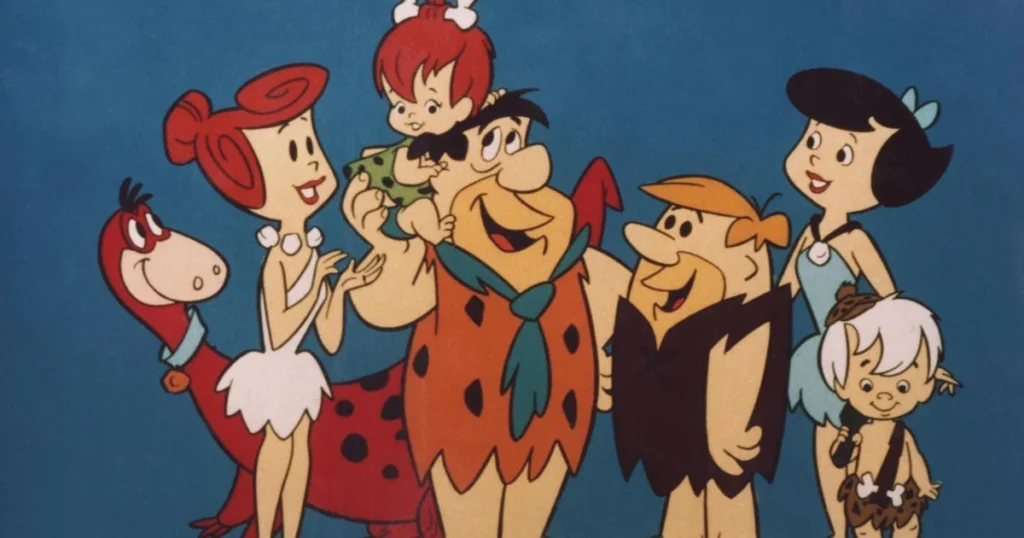
On paper, The Flintstones is a Stone Age sitcom. In reality, it is a 1960s suburban comedy wearing a fake sabertooth-tiger coat. Bedrock looks prehistoric on the outside, but the moment you see a dinosaur being used as a dishwasher, you know history has officially left the building. What is fascinating is not just how wrong it all is, but how happily viewers accepted a Stone Age where traffic jams exist, everyone lives in single-family homes, and work is just a quarry version of the modern nine-to-five.
From a historical and scientific point of view, the real Stone Age was messy, uncertain, and brutally inventive. There were no neckties, bowling leagues, or drive-in movie theaters, and certainly no instant messages from a stone-age “telephone.” Yet generations of people have taken Bedrock’s bizarre mash-up of bones and Buicks completely in stride. Let’s dig into eight big ways Bedrock absolutely did not resemble the real Stone Age – and why, somehow, nobody really minded.
1. Humans and dinosaurs living side by side
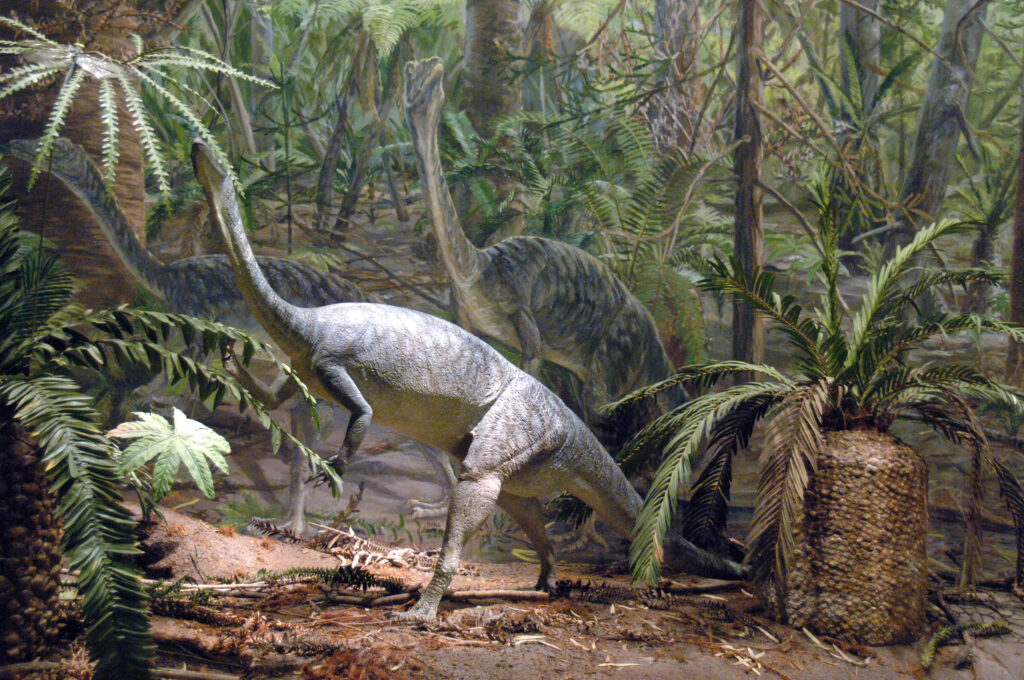
The most obvious and wildly inaccurate thing about Bedrock hits you immediately: humans and dinosaurs hanging out like slightly disgruntled neighbors. In reality, non-avian dinosaurs went extinct tens of millions of years before the first Homo sapiens appeared. There was no point in history where a family could keep a small dinosaur as a garbage disposal, however adorable that mental image might be. The distance in time between a T. rex and a modern human is larger than the distance between a T. rex and some earlier dinosaurs, which is almost impossible to fully wrap your head around.
The show collapses that unimaginable timeline into one comedic neighborhood, where a brontosaurus is a crane and a bird is a camera. It is a visual punchline, not a science lesson, and audiences intuitively understood that. As a kid, I remember vaguely knowing that “this isn’t really how it was,” but also not caring in the slightest, because watching a dinosaur operate like a grumpy office worker was just too funny. Bedrock is less a window into prehistory and more like a kid’s doodle where every cool old creature gets invited to the same party.
2. Suburban nuclear families instead of small, mobile bands
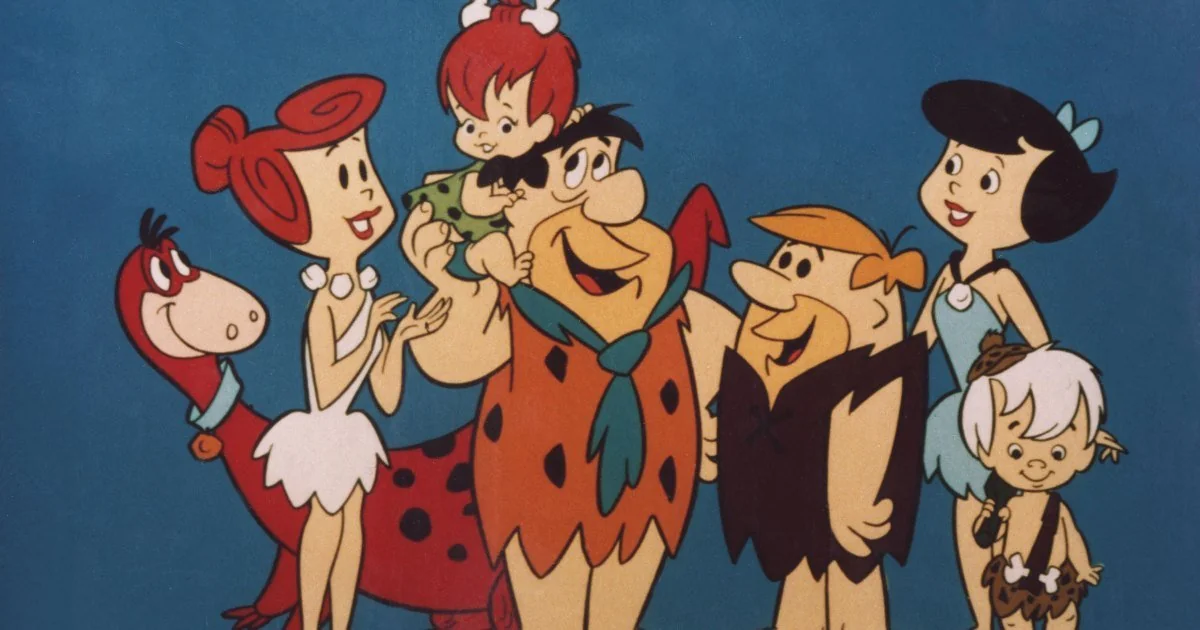
Real Stone Age societies, especially during the Paleolithic, were typically small, mobile groups of hunter-gatherers. People moved with the seasons, followed animal migrations, and lived in temporary shelters or modest dwellings. In Bedrock, by contrast, you get a perfect snapshot of mid-twentieth-century suburbia: two-parent households, a couple of kids, a pet, and a cozy stone bungalow you apparently pay off with a quarry job and a bad boss. It reflects the social ideals of the time the show was made far more than any archaeological evidence.
Anthropologists studying hunter-gatherer groups emphasize flexible family structures, shared parenting responsibilities, and communal resources, not fenced-in single-family plots with stone mailboxes. Yet viewers happily watched Fred stomp home from work, argue with Wilma about money, and then head out to the lodge with Barney, because that looked familiar. Nobody tuned in expecting a nuanced portrait of kinship networks, food sharing, or seasonal movement; Bedrock felt comforting precisely because it looked like the audience’s own neighborhood, just with more rocks and fewer mortgages.
3. Stone-age consumer culture and endless gadgets
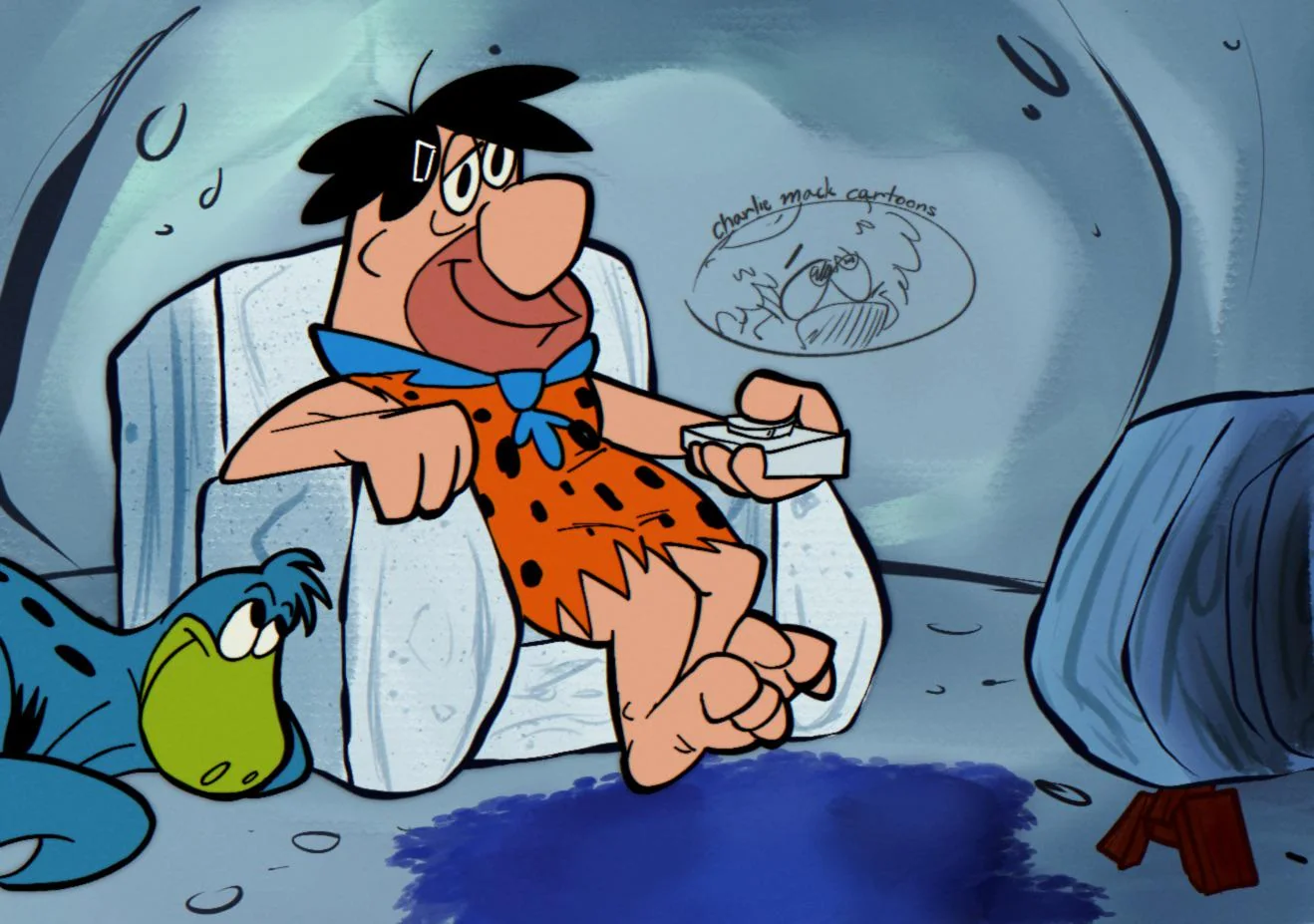
Bedrock is bursting with gadgets: record players with birds, dishwashers that are actually small dinosaurs, mammoths functioning as vacuum cleaners, and more. The real Stone Age did have technology – stone tools, fire, clothing, shelters, early art – but it was based on survival, not convenience. The idea of a “consumer gadget” you buy to shave two minutes off your daily routine is very modern. Prehistoric people invested time and skill into making tools because their lives depended on them, not because they wanted the latest version of a rock-powered blender.
The show turns every modern appliance into a sight gag, swapping metal and plastic for bone and beak. This is clever comedy, but terrible prehistory. It tells you exactly what people in the 1960s were obsessed with: labor-saving devices, clever home technology, and the thrill of new stuff. No one complained that Bedrock’s citizens basically lived in a prehistoric department store, because the point was to laugh at ourselves through a stone mirror. The gadgets were a parody of modern consumer culture, not a claim about how early humans actually lived.
4. Nine-to-five jobs and a cash economy
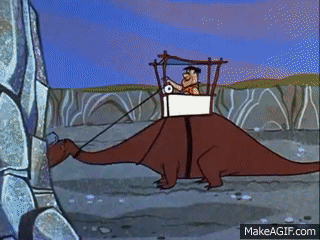
Fred’s life revolves around his job at the quarry: a boss, a time clock, coworkers, and the classic routine of coming home exhausted and dreaming of retirement or a raise. But the Stone Age did not have time clocks, wage labor, or a structured cash economy. People’s “work” was intertwined with life itself – hunting, gathering, crafting, caring for children, and maintaining social ties. Tasks were often shared, seasonal, and deeply connected to the environment rather than dictated by a boss at a factory-like workplace.
Modern viewers, though, saw their own reality proudly carved into stone. The idea of a paycheck, a commute, and a hierarchy of supervisors is so familiar that putting it into any setting, even prehistoric, makes the story instantly understandable. Bedrock’s economy looks like a rock-flavored version of twentieth-century capitalism, complete with advertising and shopping. Instead of asking whether people in 10,000 BCE had careers, audiences used Bedrock as a funny workplace mirror, nodding along to the grind even when the vehicles were powered by feet instead of fuel.
5. Cars, roads, and traffic jams
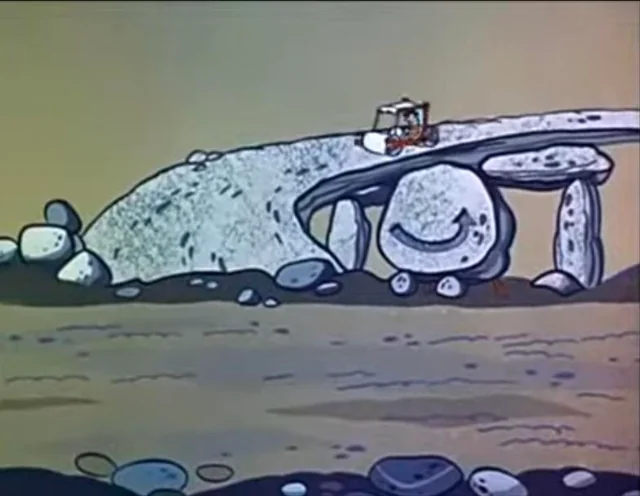
One of the most iconic details in Bedrock is the car: a stone-age convertible that Fred powers with his own feet. There are streets, stoplights, parking spaces, gas-station equivalents, and the occasional traffic jam. Historically, there were no cars, no rubber wheels, and certainly no suburban road networks in the Stone Age. Long-distance movement happened on foot or, in later periods, sometimes by simple watercraft; the idea of individual private vehicles and paved traffic systems is firmly anchored in modern industrial life.
The car in Bedrock works like a visual shorthand for modern freedom, status, and frustration. You immediately understand who is “successful” by their vehicle, because that is how many people still think today. The comedy comes from the absurdity of a car that is simultaneously so advanced and so primitive. Audiences did not push back on this nonsense because the car was never meant to educate them on transportation history; it was a playful poke at their own stop-and-go existence. You laugh not because you believe Stone Age cars existed, but because you recognize the feeling of being stuck in traffic, even if that traffic is made of rocks.
6. Fashion, grooming, and surprisingly clean stone-age style
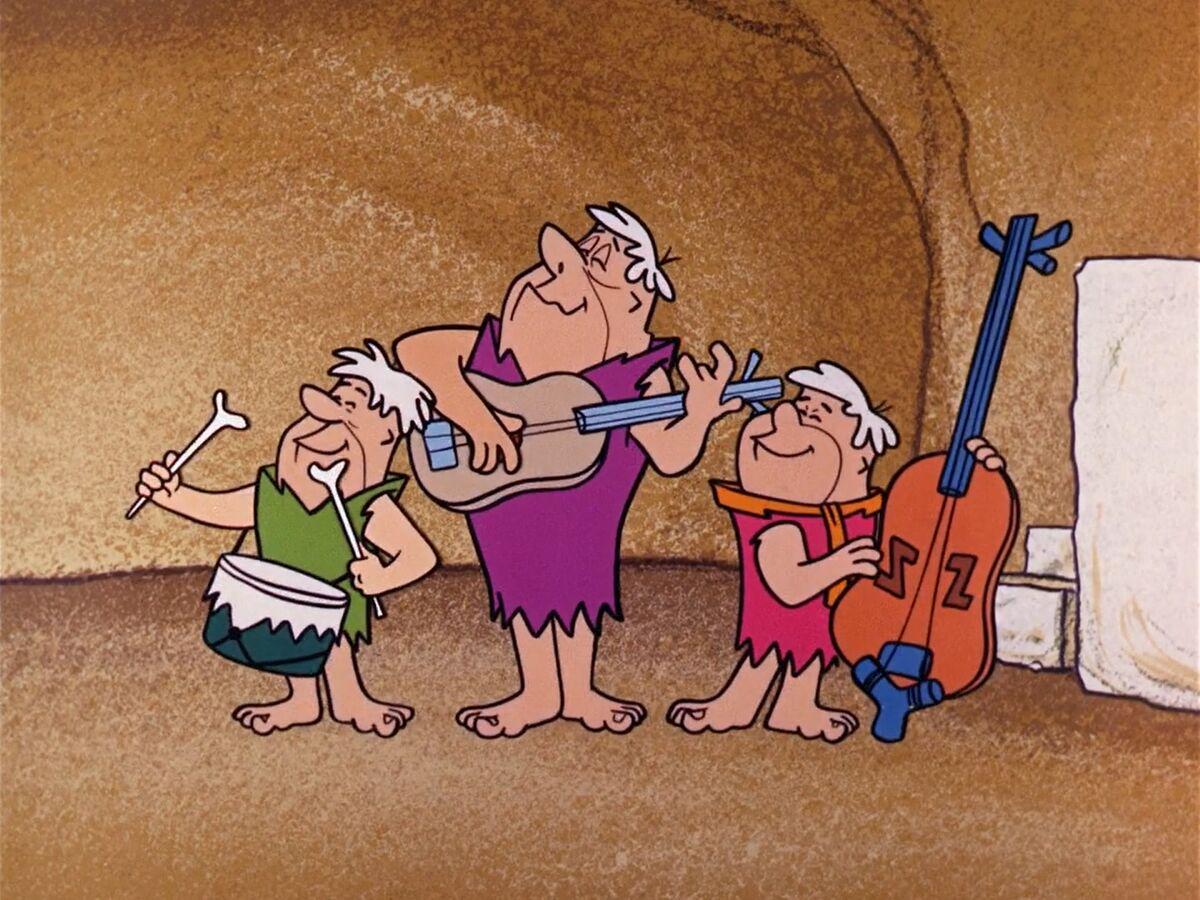
Everyone in Bedrock looks oddly put together. Wilma and Betty wear neatly cut dresses, hair styled perfectly; Fred and Barney have distinct outfits, ties, and even accessories. In reality, Stone Age clothing was functional, made from animal hides, plant fibers, and whatever resources were locally available. Styles would have varied by region, climate, and era, and grooming standards were limited by the realities of life without modern plumbing or cosmetics. You would not expect every person to look like they just stepped out of a cartoon salon.
The tidy style of Bedrock is basically a dress code borrowed from mid-century TV, just with a prehistoric print added for flavor. It reassures viewers that, despite the rocks and dinos, these people are “just like us” – they care about appearance, identity, and a certain level of polish. I still remember noticing how unbelievably clean everything looked for a so-called Stone Age town. But that cleanliness is the point: the more visually pleasant Bedrock is, the easier it is to settle in with your snack and enjoy the story. Accuracy bows out so comfort and familiarity can take center stage.
7. Safety, medicine, and the lack of constant mortal danger
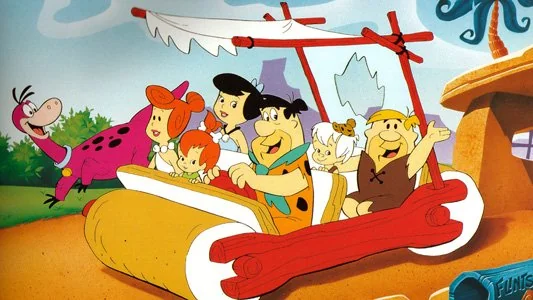
The real Stone Age was dangerous. High infant mortality, serious injuries, infections, wild animals, and food scarcity were regular concerns. While people were remarkably resilient and developed impressive survival strategies, life expectancy was far shorter on average than in modern industrial societies. In Bedrock, however, danger is almost always slapstick: a fall from a dinosaur’s back, a minor accident at work, or a comedic misfire of some homemade gadget. There is no real sense of constant risk or long-term health crisis.
Medicine in the Stone Age would have relied on knowledge of plants, basic surgery, and communal care, with very real limits on what could be treated effectively. Bedrock, by contrast, waves away major injuries and makes life feel essentially safe and predictable. Viewers do not worry that Fred’s job at the quarry might genuinely cripple him or that a minor infection could be deadly. They accept the softened, sanitized version because it lets them enjoy the jokes. The Stone Age becomes a playground, not a survival course, and nobody protests because, deep down, they know the stakes are deliberately low.
8. Language, culture, and the absence of deep time
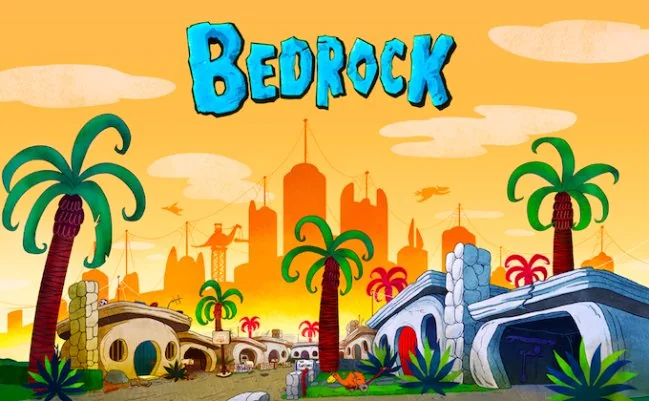
Perhaps the subtlest inaccuracy is one most people never consciously think about: language and culture in Bedrock feel fully modern. Characters talk like mid-twentieth-century Americans, complete with slang, jokes, and social references that fit the era the show was made, not the era it supposedly depicts. Real Stone Age cultures were incredibly diverse, with evolving languages, mythologies, rituals, and ways of understanding the world that we can only glimpse through archaeology and comparisons with more recent traditional societies. None of that complexity really makes it into Bedrock.
Instead, time gets flattened into a single, cozy now. The past becomes a theme, not a reality – more like a costume party than a reconstruction. That flattening explains why nobody cared that Bedrock was nothing like the actual Stone Age: the show never pretended to take deep time seriously. It used stone clubs and dino-cranes as decorations on a very contemporary cake. Maybe that is why the show still feels weirdly timeless. It is not about then at all; it is about us, seen through a deliberately ridiculous lens of rocks, bones, and yabba-dabba catchphrases.
Conclusion: Why the wrongness never really mattered
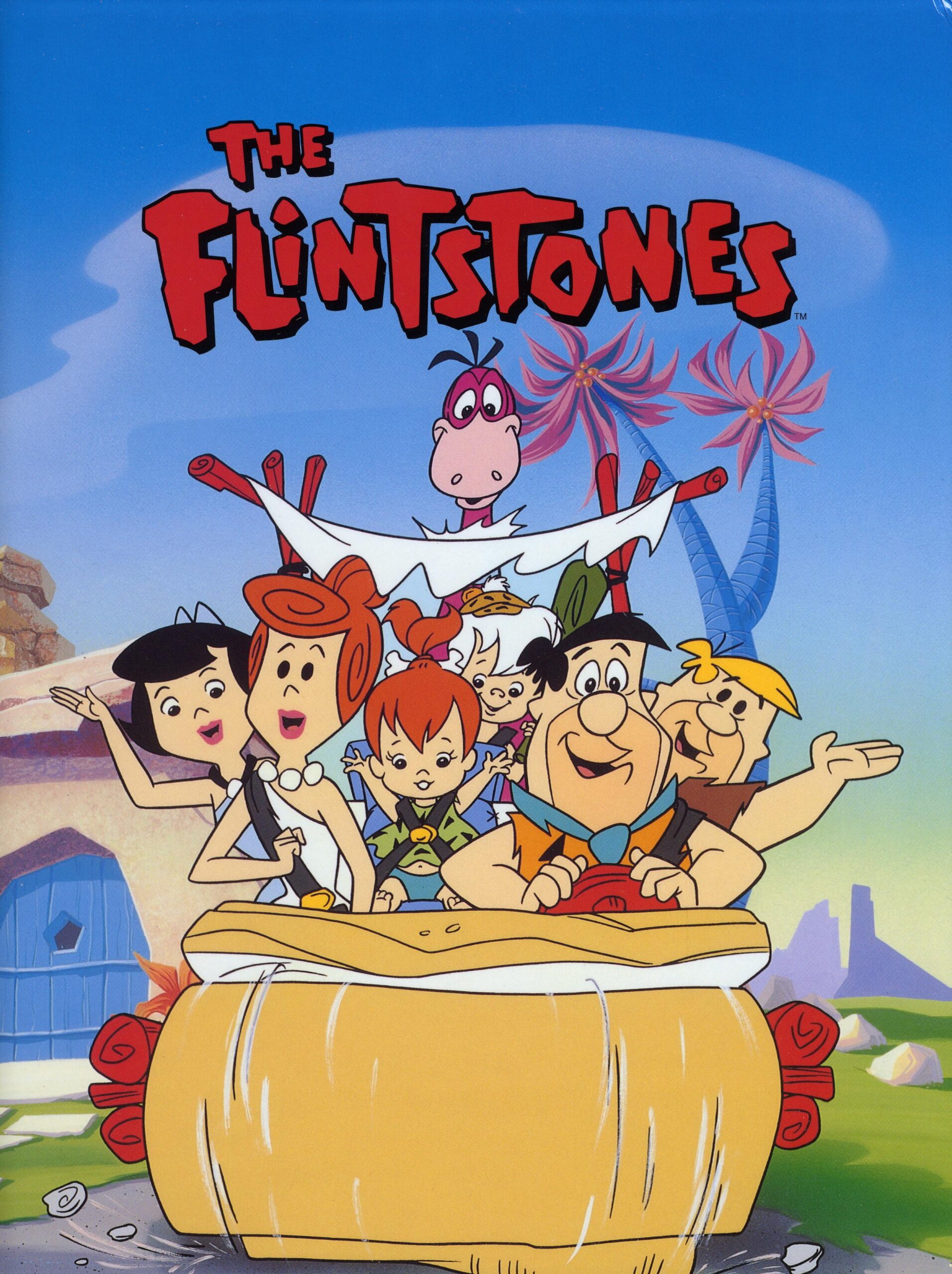
When you line Bedrock up next to what archaeologists know about the Stone Age, the contrast is almost comical in itself. Humans lounging in suburban stone houses, chatting in modern slang, driving foot-powered cars past cheerful dinosaurs – it is a fantasy stacked on top of another fantasy. Yet the cultural impact of The Flintstones was massive, and hardly anyone was bothered by the scientific nonsense. People instinctively treated it as satire, not documentary, a playful parody of their own world wrapped in a prehistoric skin.
Personally, I find that tension kind of delightful. The show is a reminder that our stories about the past often say more about our present than about history itself. As long as we know where the line between fiction and fact sits – and admit that Bedrock leaped over it and kept running – there is room to enjoy the absurdity and still respect real prehistory. Maybe the better question is not how wrong Bedrock was, but what our own era’s “stone-age” comedies will reveal about us in fifty years’ time. When future viewers look back, will they be as forgiving of our inaccuracies as we were of Bedrock’s?