You walk through broken stone streets, trace your fingers across weathered carvings, and realize something unsettling: the people who built all this are gone. Not just conquered or absorbed, but faded so completely that only walls, bones, and half-remembered stories remain. That eerie silence you feel in ruined cities is not just emptiness; it is a question nobody has fully answered.
When you look at these vanished civilizations, you are not just peeking into the past; you are staring straight at the limits of what you can know. You see irrigation canals but not the arguments that once took place beside them, temples but not the fears that filled them. The ruins are like a jigsaw puzzle with most of the pieces missing, forcing you to connect climate, war, disease, trade, and human stubbornness into your best guess about what really happened.
The Indus Valley Civilization: The Silent Cities of Harappa and Mohenjo-daro
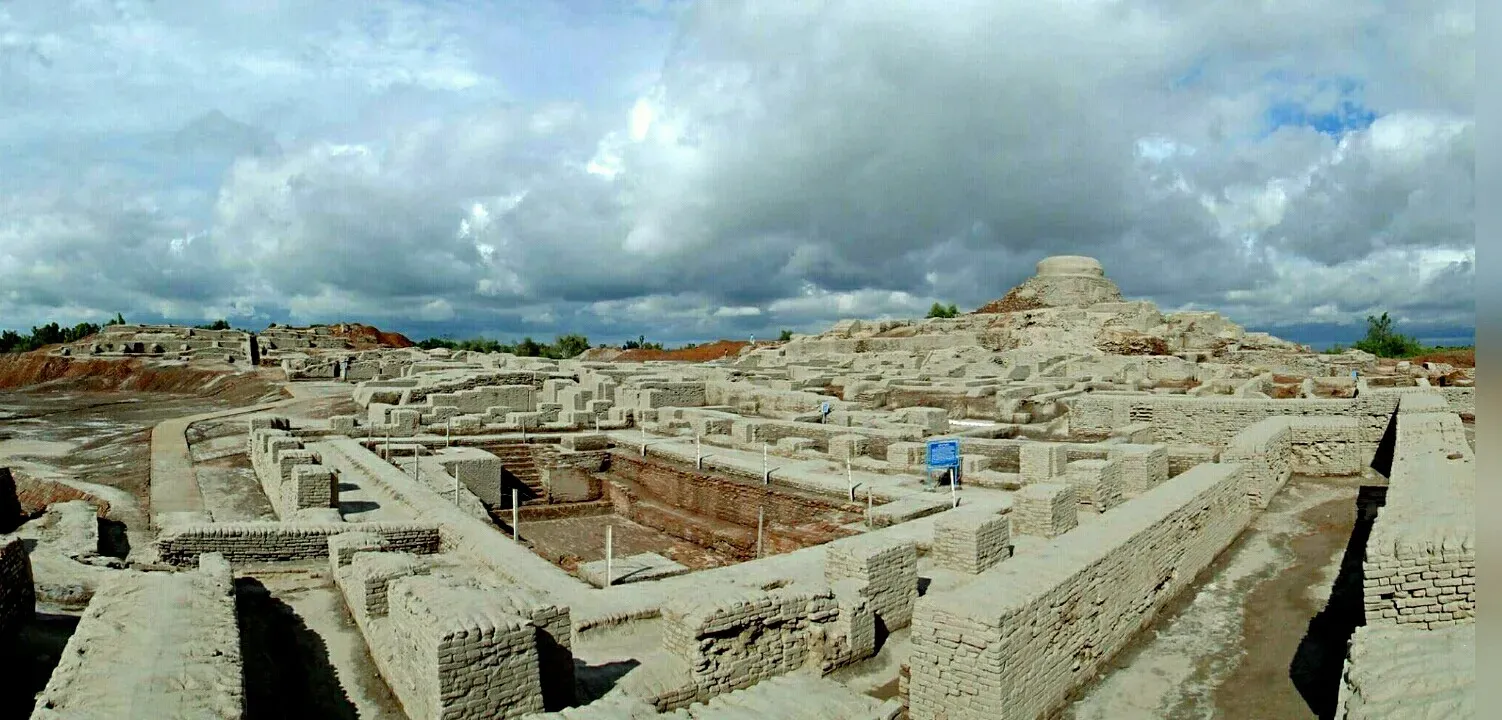
If you ever visit the ruins of Harappa or Mohenjo-daro, the first thing that hits you is how organized everything feels. You see straight streets in a neat grid, standardized baked bricks, advanced drainage systems, and what looks like careful city planning that would put some modern towns to shame. Yet you have no idea what these people called themselves, what language they spoke, or what they believed, because their script still refuses to be read with certainty.
Archaeologists suggest that shifting rivers, changing monsoons, and gradual environmental stress might have pushed these cities into decline, nudging people to abandon urban life for scattered rural settlements. You can imagine residents watching a mighty river slowly change course, wells drying, crops failing more often, and trade routes breaking down. There is no clear evidence of a huge war or a dramatic final day, just a long, quiet fading. In a strange way, you are left with the unnerving idea that even a sophisticated, well-planned urban world can simply unravel without a single spectacular disaster.
The Maya Collapse in the Southern Lowlands
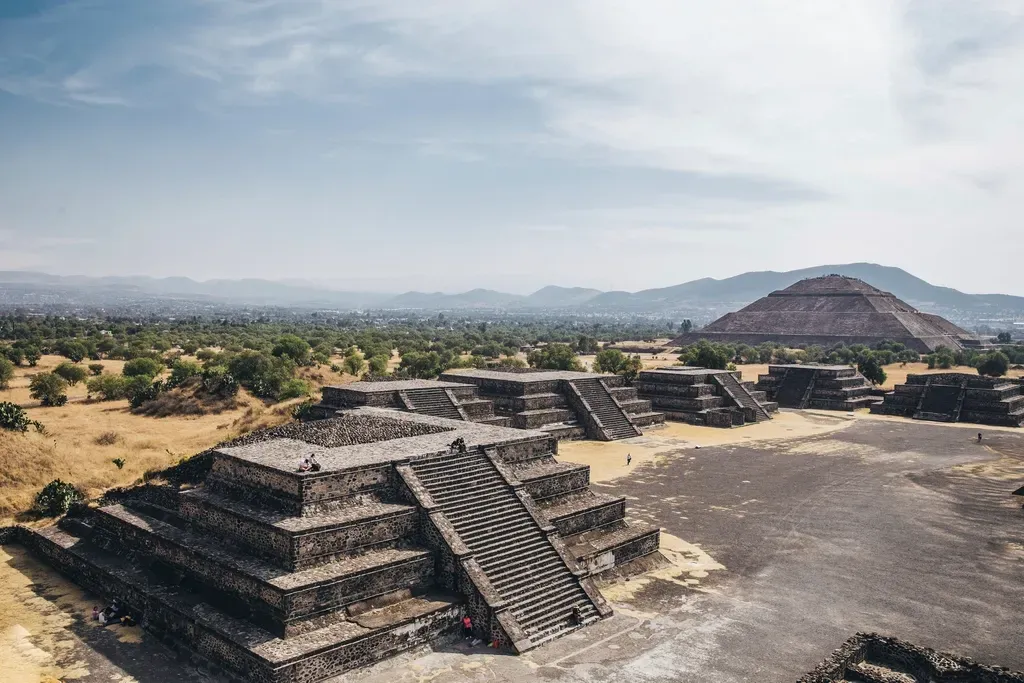
When you think of the ancient Maya, you probably picture jungle-covered pyramids and intricate calendars, but the real shock comes when you learn how suddenly many of their great southern cities were abandoned. Places like Tikal, Copán, and Palenque went from bustling centers with towering temples to overgrown ruins within just a few generations. You see carved stone stelae that once recorded royal victories and rituals, then suddenly, they stop, as if someone turned off history mid-sentence.
Researchers tie this decline to a mix of brutal droughts, overused land, political infighting, and possibly rebellion by common people who were tired of elite demands. You can imagine fields yielding less food year after year while rulers still demanded massive monuments and bloody ceremonies to plead with the gods. As water grew scarce and rival kingdoms clashed, cities became fragile, and people likely drifted away to find better conditions. When you stand under the shadow of a Maya pyramid today, you are looking at the remains of a system that pushed its environment and its people just a bit too far.
Çatalhöyük: The Vanishing of a Neolithic Megasettlement
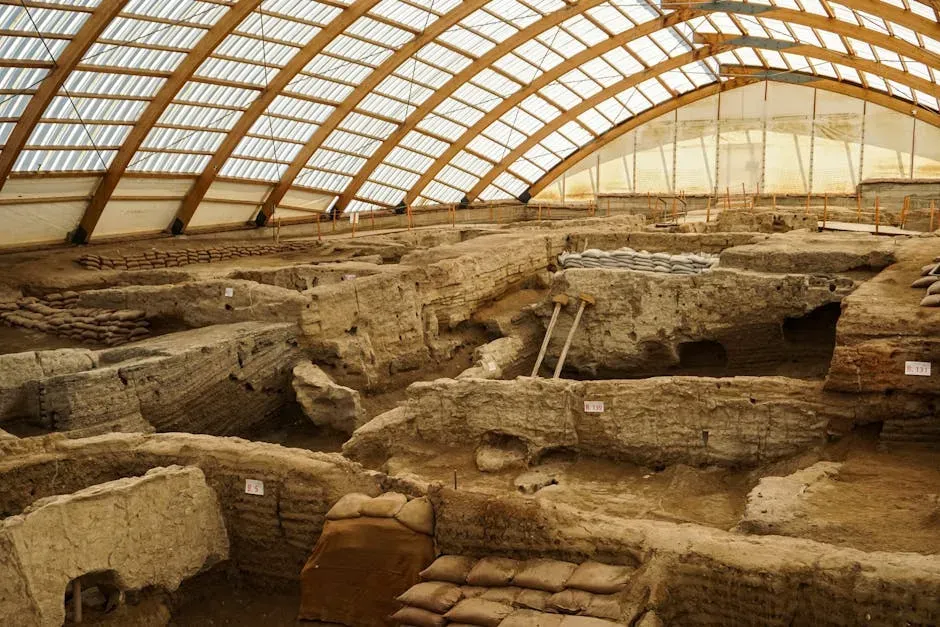
Long before the famous cities of Mesopotamia, you would have found a strange, crowded settlement at Çatalhöyük in what is now Turkey. Here, houses were packed so tightly together that people probably walked across rooftops instead of streets, and most homes seem to have been entered from above. Inside, you see painted walls, plastered skulls, and carefully arranged burials, suggesting a deep ritual life woven into everyday living spaces. It feels intimate and intense, as if the entire town was one huge, shared neighborhood.
Yet after many centuries, this large settlement thinned out and was ultimately abandoned, and you still do not have a single, clear reason why. Scholars point to shifts in environment, changing trade networks, new agricultural practices, or social tensions as possible drivers. You can picture younger generations deciding that such dense, smoky, cramped living was no longer worth it and drifting off to smaller, more scattered communities. When you look at those packed mudbrick rooms today, you are reminded that even experiments in early urban life can be temporary, like a social idea that seemed good for a while, then quietly lost its appeal.
Nabateans of Petra: Masters of Desert Water Who Faded Away
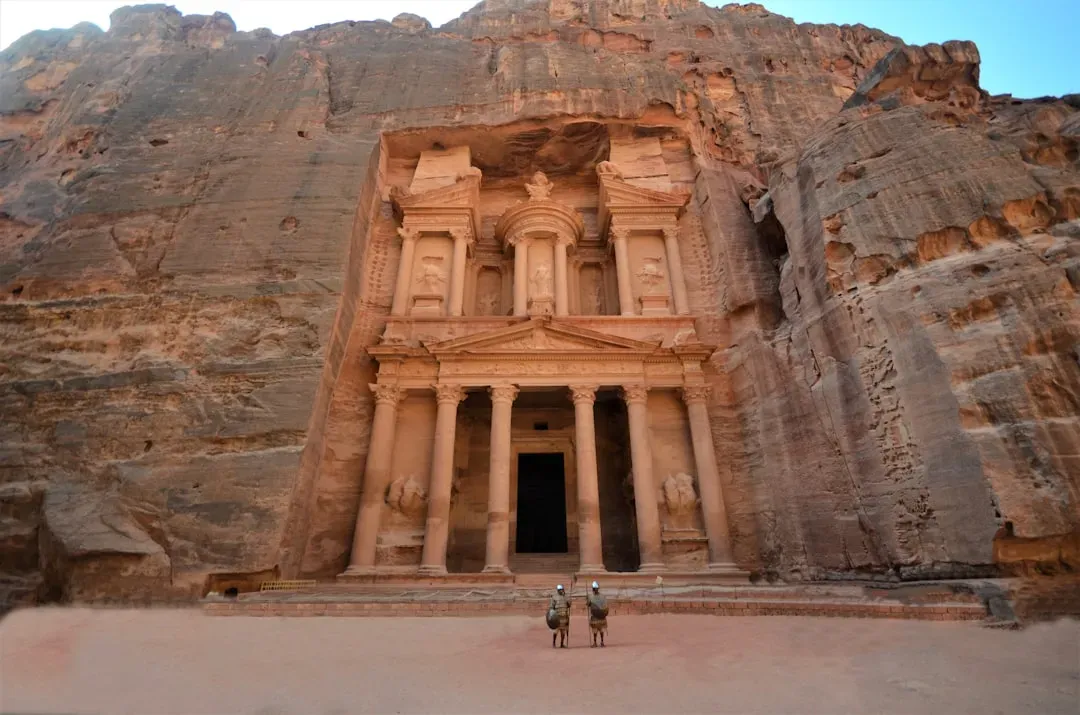
When you walk through the narrow canyon into Petra and see its famous rock-cut facades, you feel like you are stepping onto the set of a fantasy film. The Nabateans carved elaborate tombs and temples straight into sandstone cliffs and, even more impressively, learned how to trap, store, and move precious desert water with canals, cisterns, and hidden channels. They grew rich by controlling caravan trade across the Arabian deserts, turning a harsh landscape into a thriving crossroads.
But trade routes are fragile, and over time, maritime shipping began to replace many of those long overland journeys. As Roman power expanded and political geography shifted, Petra lost its strategic edge, and devastating earthquakes did the city no favors. You can imagine merchants choosing faster sea routes, leaving the once-busy caravan stops to crumble under the sun. The Nabatean culture did not vanish overnight, but Petra slipped from bustling hub to haunting ruin, a reminder that even brilliant engineering and wealth cannot protect a city once the world around it changes course.
The Minoans of Crete: A Bronze Age Power Lost in Waves and Ash
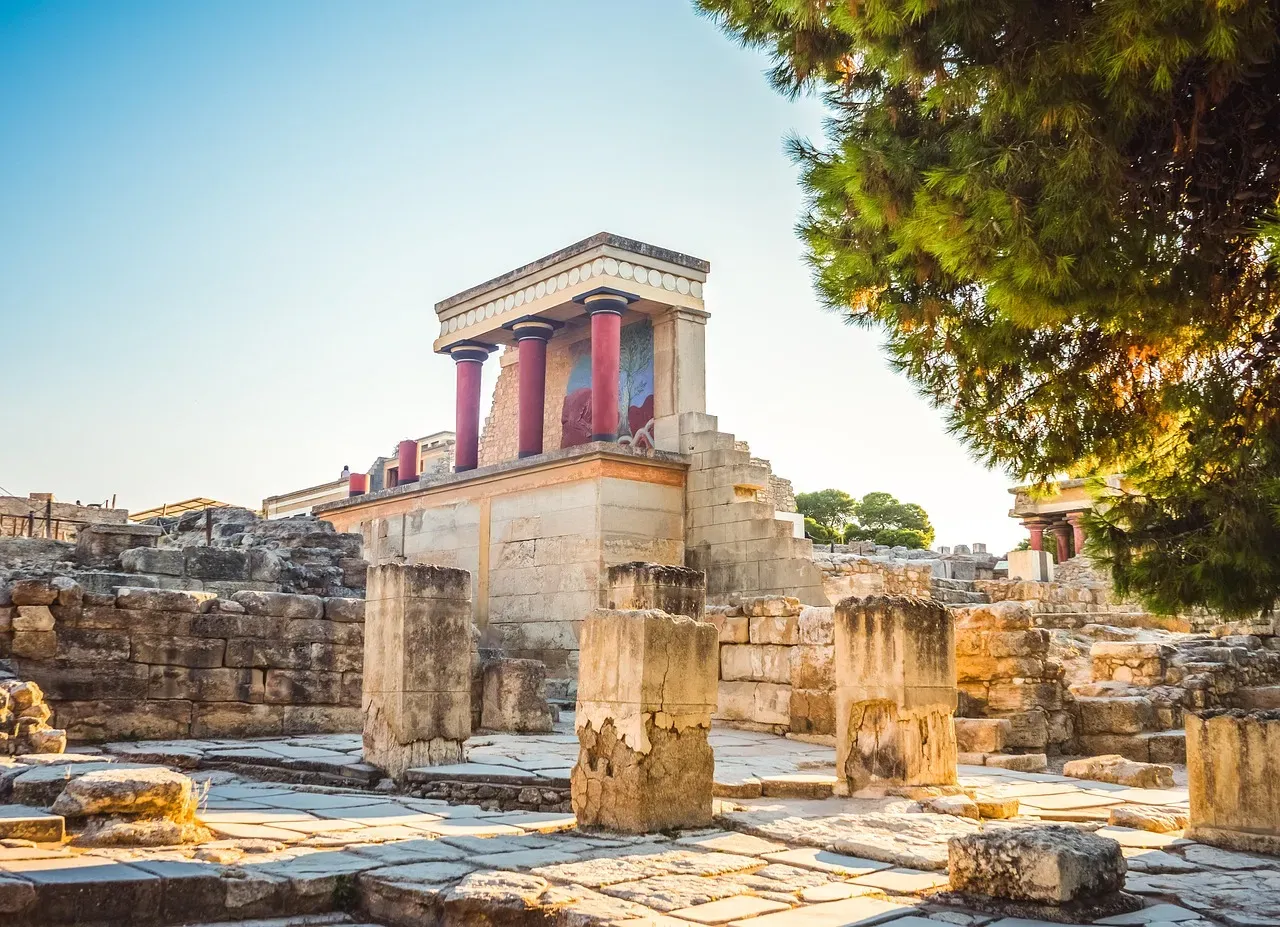
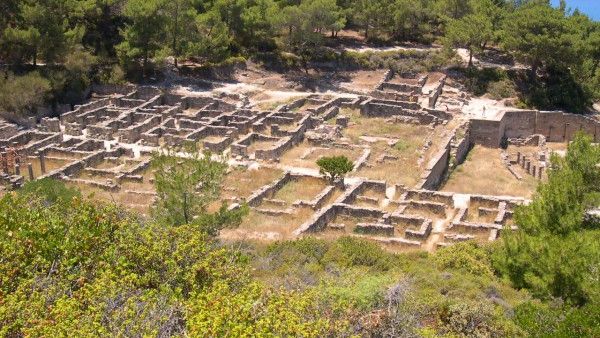
If you picture the island of Crete in the Bronze Age, you see colorful palaces like Knossos, elaborate frescoes of sea life, and storerooms filled with jars of oil and grain. The Minoans were skilled sailors, traders, and artists, and their culture spread across the Aegean like a web of influence. For a long time, people imagined them as a peaceful, almost utopian society, though the reality was likely more complicated and human.
At some point, that world faltered. A colossal volcanic eruption on the nearby island of Thera, followed by tsunamis and climate disruptions, likely slammed into Minoan trade and agriculture. Add to that possible invasions or dominance by Mycenaean Greeks from the mainland, and you get a slow-motion collapse. You are left with palaces rebuilt, then destroyed again, like someone trying to restart a failed system that never quite recovers. When you stand among the ruins today, you are looking at the remains of a maritime power that lost its balance between earth, sea, and sky.
Ancestral Puebloans of Mesa Verde and Chaco: Stone Cities in the Cliffs and Canyons
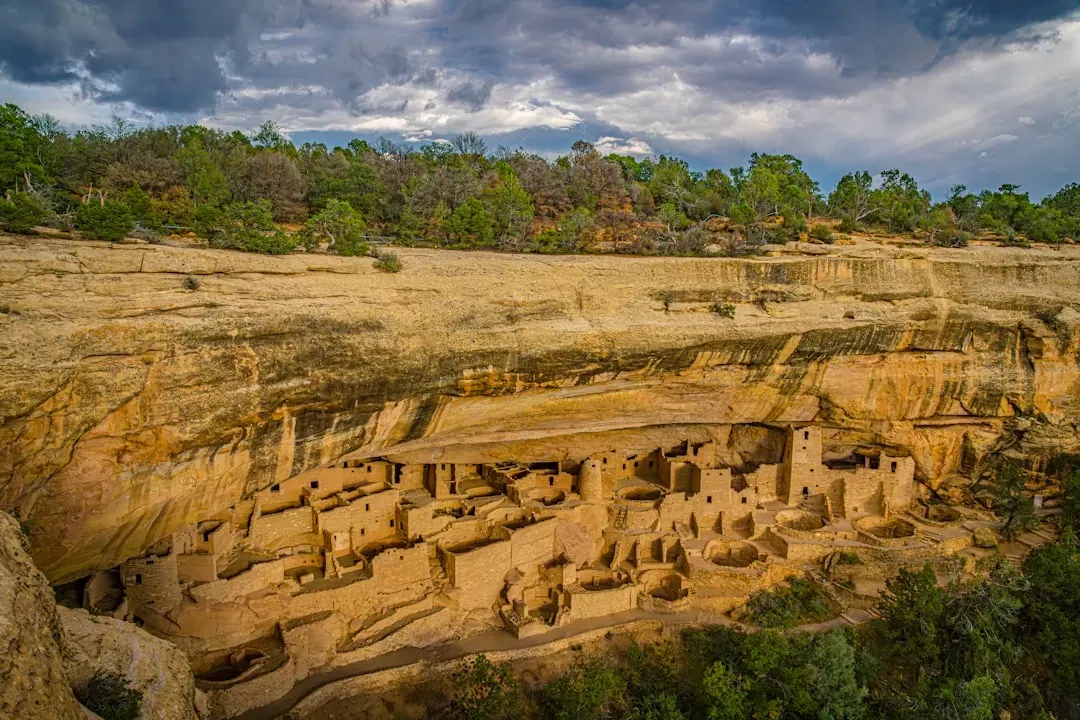
In the American Southwest, you can hike up to cliff dwellings tucked under sandstone overhangs and feel a strange closeness to the people who once lived there. The Ancestral Puebloans (often called the Anasazi in older writings) built multi-story stone complexes, intricate kivas for ceremonies, and straight roads linking great houses across the desert. Places like Chaco Canyon and Mesa Verde show careful planning, astronomical alignments, and a deep ability to adapt to arid landscapes.
Yet by around the late thirteenth century, many of these monumental sites were abandoned. Environmental pressures, including prolonged droughts, soil depletion, and resource stress, likely made life increasingly precarious. Social tensions, conflict, or the pull of better lands farther south probably added to the decision to move on. You can stand in a silent kiva and imagine families debating whether to stay or to leave, finally choosing migration over stubbornness. Their descendants live on among modern Pueblo peoples, but the great stone cities themselves remain as eerie, half-lit memories in the rock.
The Olmec Heartland: The Colossal Heads and Quiet Disappearance
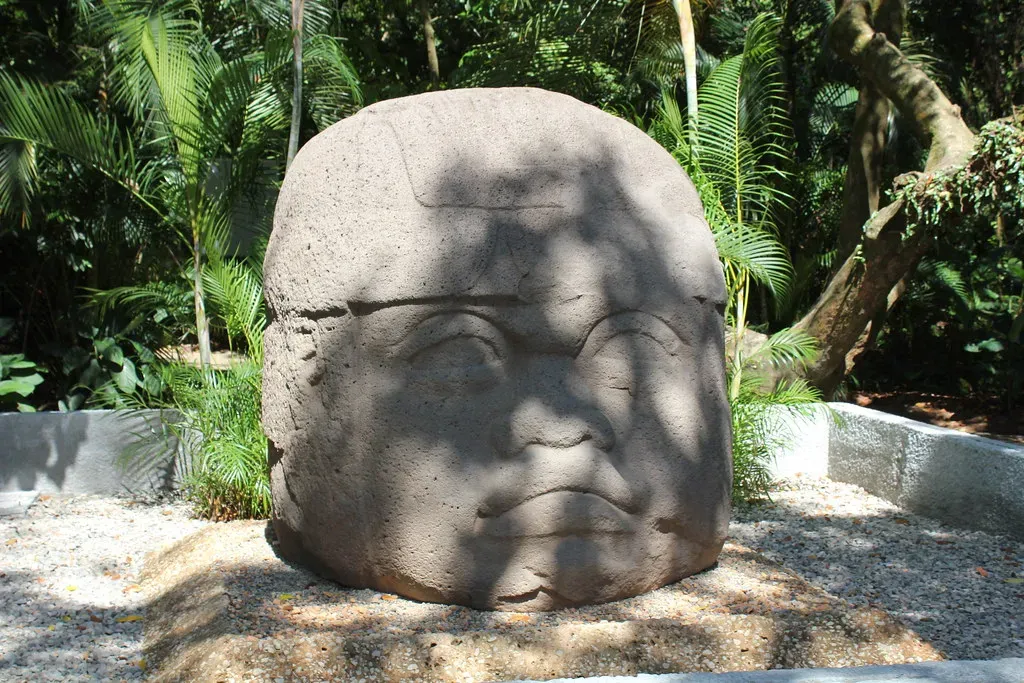
Before the Maya or the Aztec, you find the Olmec in the humid lowlands of what is now southern Mexico, often called a kind of mother culture of Mesoamerica. You recognize them instantly by their colossal stone heads with helmet-like headdresses, carved with a precision that feels almost intimate. They built ceremonial centers, traded widely in jade and obsidian, and developed symbolic imagery that later cultures would adapt in their own ways.
Then, over several centuries, their major centers declined and were left behind, and you still do not know the full story. Environmental changes such as river shifts, flooding, or soil exhaustion, combined with political upheaval, seem likely suspects. Instead of a single catastrophic ending, you are probably looking at a slow fragmentation, with populations moving on, traditions morphing into new forms elsewhere. When you look at those giant stone faces now, half buried in grass, you are staring at a civilization that stepped off the stage without leaving a clear script of its final act.
The Kingdom of Aksum: A Forgotten African Empire in the Highlands
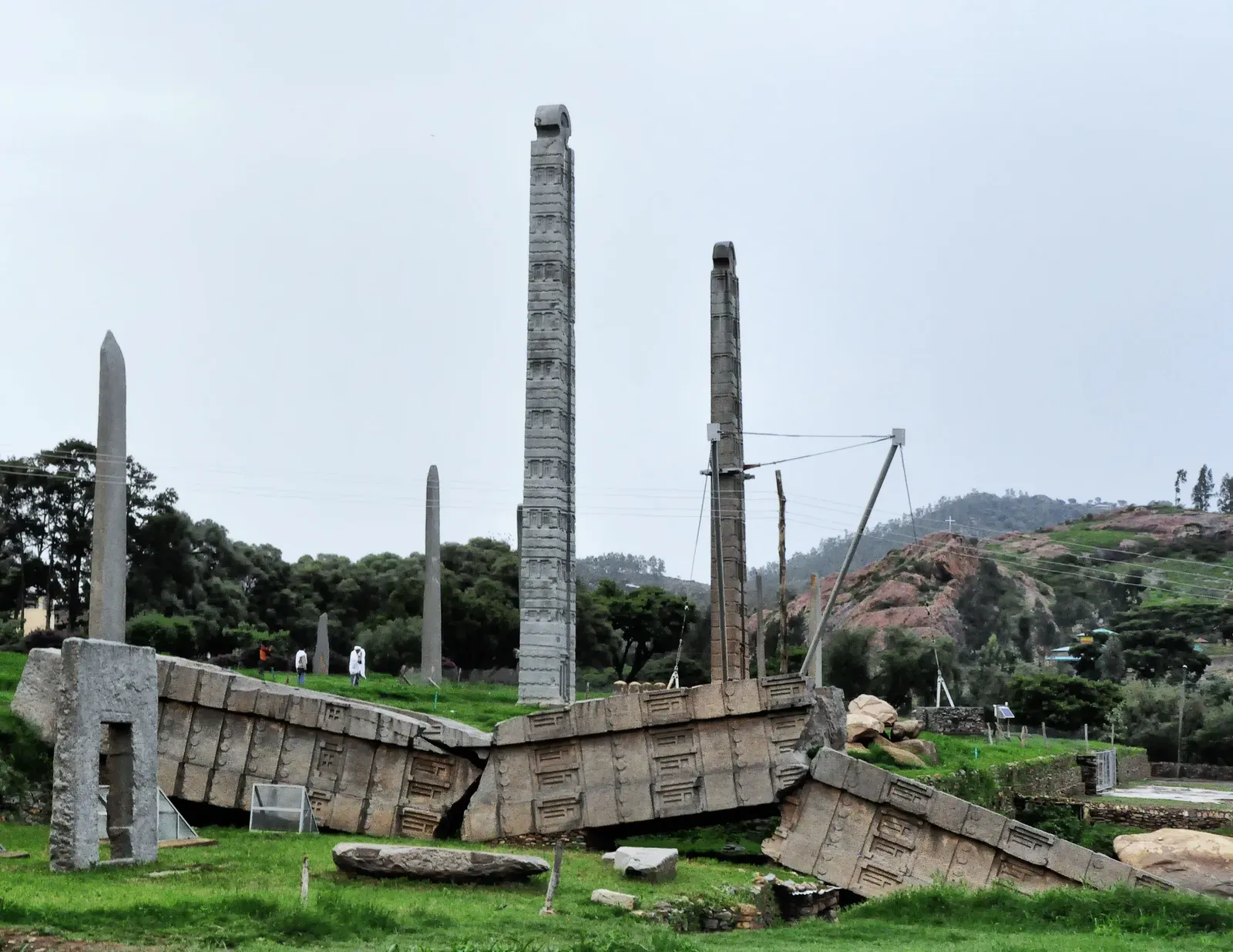
In the highlands of what is now Ethiopia and Eritrea, you find the ghost of a once-powerful kingdom: Aksum. This was a major trading empire, minting its own coins, interacting with Rome, Byzantium, and South Arabia, and building towering stone stelae that still pierce the sky. Early Christian traditions took root here, and for a time Aksum was an influential player around the Red Sea and Indian Ocean trade routes.
Over time, though, shifting trade patterns, climate changes, and religious and political realignments chipped away at its power. As Islamic states gained control of key coastal routes and ports, inland Aksum grew more isolated. Environmental stress may have further undermined its agriculture, pushing elites and populations toward other centers. You can walk among its fallen stelae and imagine the weight of a kingdom that watched its world shrink until the name Aksum faded from most maps, even while later Ethiopian states carried on parts of its legacy.
The Khmer Empire at Angkor: The Jungle-Swallowed Metropolis
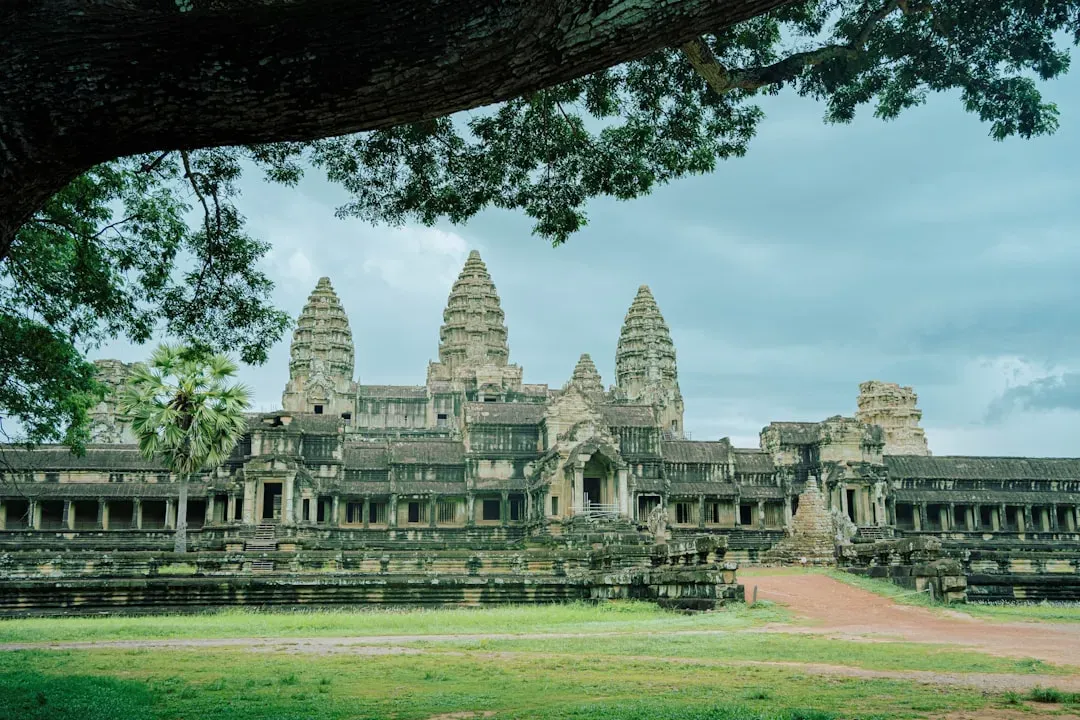
Angkor, in present-day Cambodia, is one of those places where you feel small the moment you arrive. You see temple complexes like Angkor Wat and Angkor Thom, intricate bas-reliefs, and an enormous network of reservoirs and canals that once supported a vast population. The Khmer Empire engineered water on a scale that turned monsoon chaos into productive rice fields and booming urban life. It was a city so large that some researchers compare it to a kind of medieval megacity spread across the landscape.
Yet over the centuries, Angkor declined and was eventually abandoned as a political capital. Repeated droughts and floods, combined with over-engineered water systems that became fragile when stressed, likely made the urban core harder and harder to sustain. Political instability, external pressures, and shifts in trade and religious focus added more strain. You can imagine years when the canals silted up, reservoirs failed, and royal power weakened, prompting people to drift toward more promising regions. Walking through tree-root-wrapped towers today, you are witnessing what happens when an extremely complex human system meets centuries of environmental pushback.
The Rapa Nui of Easter Island: Statues Without a Clear Ending
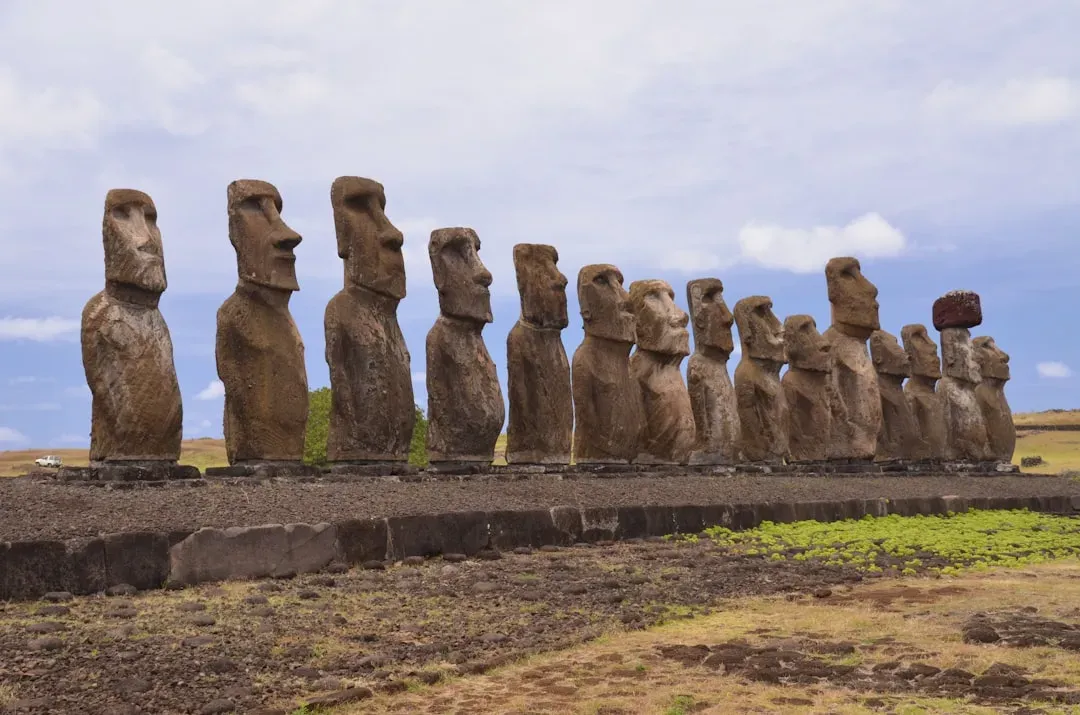
On a tiny island in the middle of the Pacific, you see rows of massive stone figures, the moai of Rapa Nui, staring inland with an expression you can never quite pin down. The people who carved and raised them turned limited volcanic resources into a landscape filled with spiritual and political symbols. For a long time, popular stories claimed they triggered their own downfall through reckless deforestation and warfare, turning the island into a simple cautionary tale about environmental collapse.
Modern research paints a more complicated and, in some ways, more human picture. You see evidence that the islanders adapted creatively to their changing environment, developing new farming strategies and managing resources under tough conditions. European contact brought disease, violence, and slave raids, which devastated the population at a time when they were already under pressure. When you look at the toppled moai and the quiet slopes today, you are not just seeing a self-inflicted collapse; you are seeing how outside forces and local struggles intertwined to bring a vibrant culture to the edge.
Conclusion: What Vanished Civilizations Really Tell You About Your Own
As you move from one vanished civilization to another, a pattern slowly emerges: very few of them simply disappeared in a single, dramatic moment. Instead, they frayed, adapted, shrank, migrated, and transformed, often leaving descendants and cultural echoes even when the great cities fell silent. Climate shifts, damaged ecosystems, shifting trade routes, new diseases, stubborn elites, and bold migrations all weave together into endings that are rarely neat. You are left with the unsettling sense that complexity itself can become a weakness when the world around it changes too fast.
The real shock comes when you realize how familiar many of their problems sound in your own century: environmental strain, political polarization, overreliance on fragile systems, and a deep belief that your way of life will somehow keep going forever. Standing in the ruins of Harappa, Angkor, or Petra, you are not just sightseeing; you are looking at possible futures, warnings carved in stone and mudbrick. Maybe the most important question these lost civilizations leave you with is not how they vanished, but how you plan to respond when your own systems start to creak and groan. When you picture someone walking through the silent ruins of your world one day, what story do you want them to tell?