
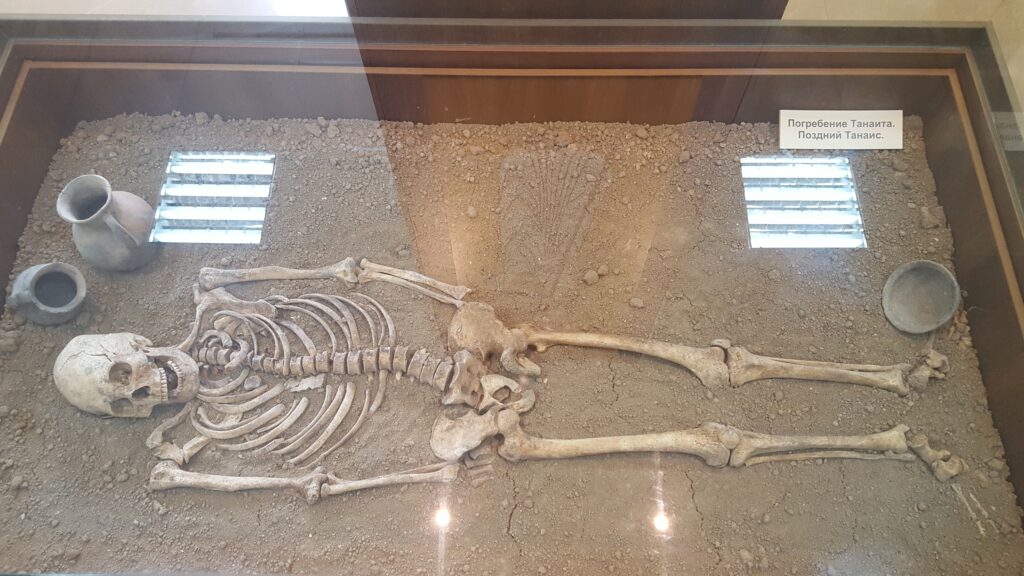
When you picture “ancient humans,” it’s easy to imagine a blur of anonymous hunters, gatherers, and cave painters slowly stumbling toward civilization. But our past is not just a faceless crowd. Again and again, a few individuals – or very small groups – pushed the boundaries of what humans could do, think, and create, and the ripple effects are still running through our lives today.
The twist is that we rarely know their names. Instead, we know them through broken bones that healed, carefully buried bodies, pigments on cave walls, and tools worn smooth by hands that vanished tens of thousands of years ago. This is a tour through 10 such game‑changers: real ancient people whose lives, as far as the evidence allows, genuinely reshaped the human story.
The Shaman of Shanidar: Compassion in a Harsh Ice Age
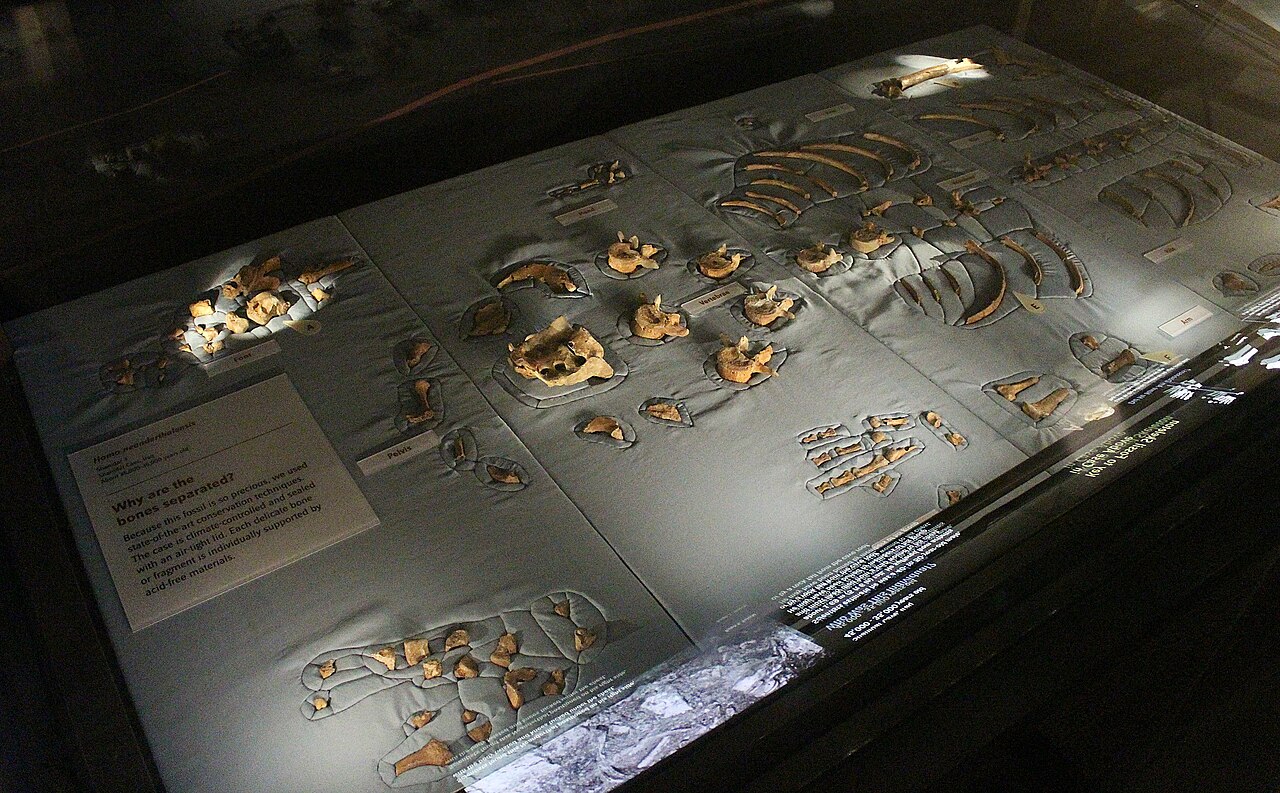
Deep in Shanidar Cave in Iraqi Kurdistan, archaeologists found the remains of a Neanderthal adult with a shattered skull, a withered arm, and major disabilities that would have made survival alone nearly impossible. Yet bone healing patterns show this person lived for years after those injuries, meaning others must have fed, protected, and cared for them. In other words, our “brutish caveman” stereotype collides head‑on with evidence of long‑term caregiving and social bonds.
Nearby burials in the same cave hint that these Neanderthals may have arranged their dead with care, possibly sprinkling flowers or plants, and placing bodies deliberately rather than abandoning them. Whether or not you label that behavior as religion, ritual, or just deep affection, it tells us something profound: empathy and social responsibility are not uniquely modern or even uniquely Homo sapiens traits. An injured Neanderthal who was not left behind changes the story from “survival of the fittest” to “survival of those who had someone who cared.”
The Lapedo Child: A Hybrid Face in Portugal
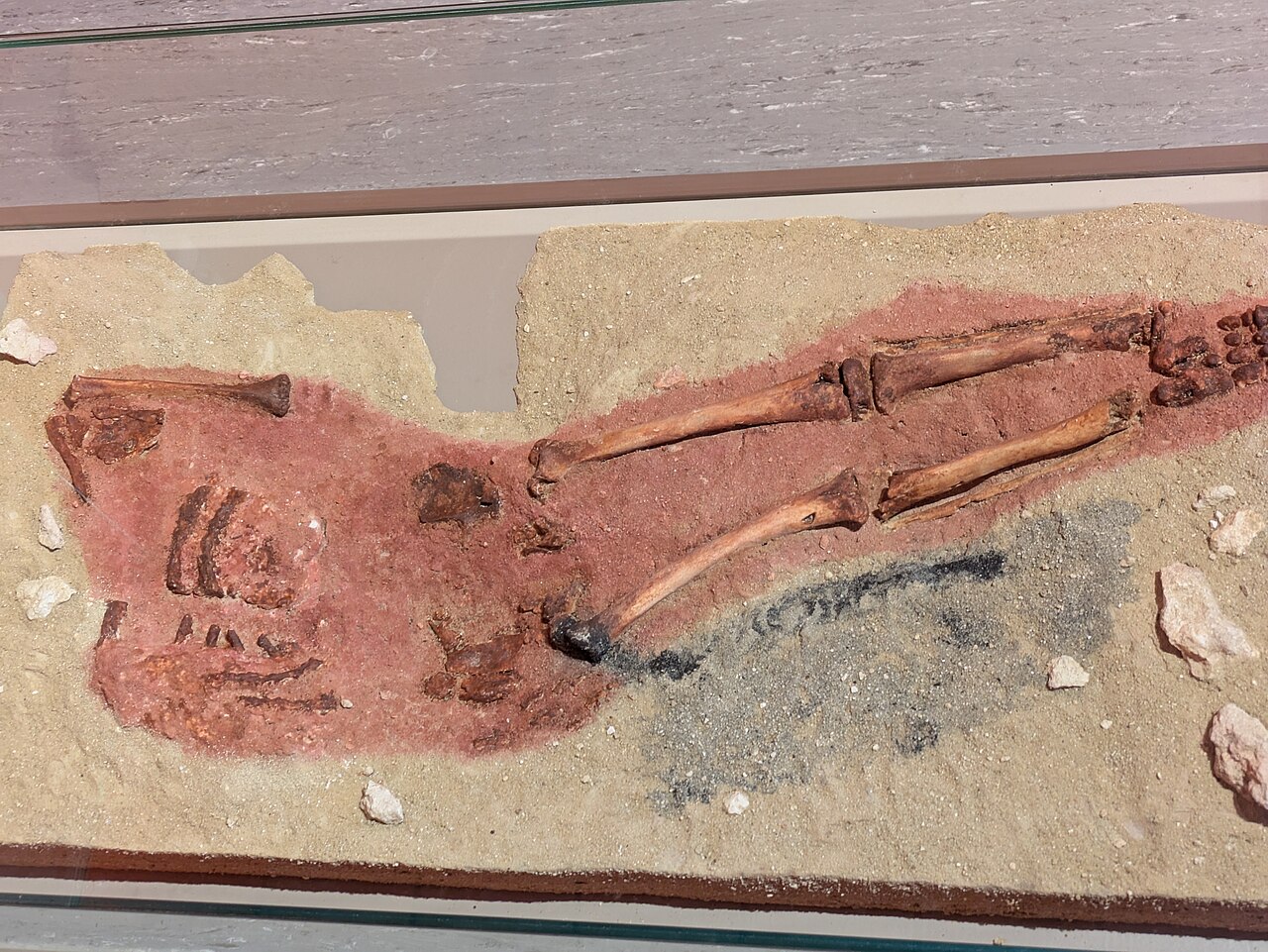
In a rock shelter in Portugal’s Lapedo Valley, archaeologists uncovered the remains of a four‑year‑old child from roughly the end of the last Ice Age. The skeleton seemed to blend traits usually linked with Neanderthals and those linked with modern humans, sparking debate over whether this was evidence of interbreeding. The child’s skull shape and proportions did not neatly fit into a single box, and that messy reality shook the simplistic narrative of a clean replacement of Neanderthals by modern humans.
What makes the Lapedo child especially striking is the careful burial: the body laid in a shallow grave, coated in red ochre pigment, possibly wrapped in an animal skin, and accompanied by items like pierced deer teeth. This was not casual disposal; it was a community marking the loss of someone they clearly valued. Combining hints of genetic mixing with a meaningful child’s burial, this single grave reminds us that ancient human groups met, lived together, loved, had children, and grieved in ways that blur the tidy species lines we once drew.
The Sediba Woman: A Missing Link With a Twisting Spine
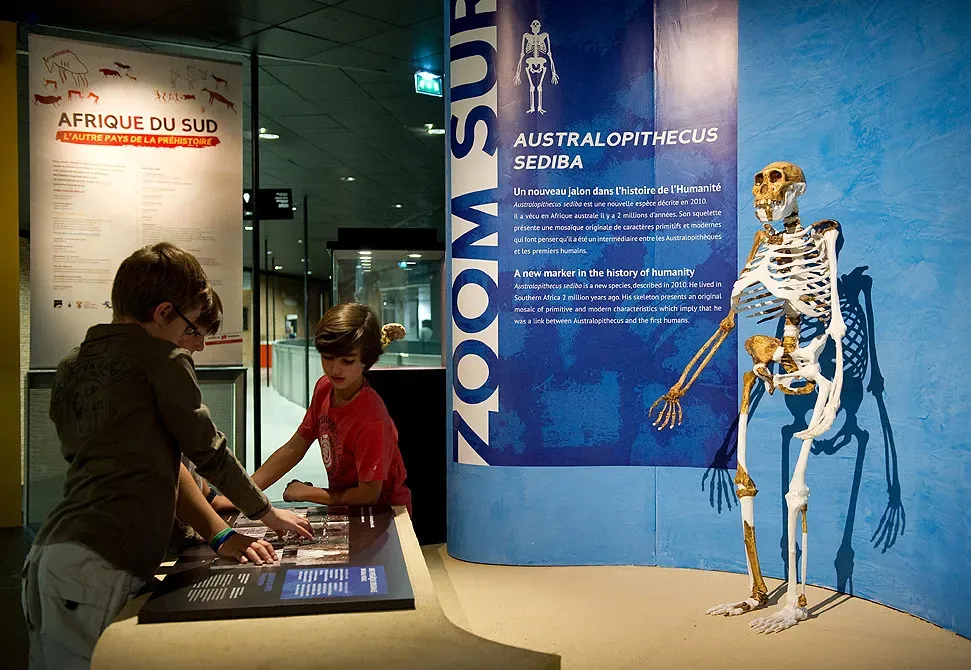
At Malapa in South Africa, the skeleton known as MH 2 – often called “Mrs. Ples of the twenty‑first century” in popular comparisons, although they’re different fossils – is part of the species Australopithecus sediba. She lived around two million years ago and shows a mosaic of features: a small brain and ape‑like arms but hands, hips, and a pelvis trending toward the modern human pattern. Her ankle and foot anatomy suggest both tree‑climbing and bipedal walking, an awkward but revealing bridge between worlds.
What really shakes things up is how A. sediba forces paleoanthropologists to rethink the traditional straight‑line evolution chart. Instead of a neat ladder from ape to human, we see branching twigs and overlapping species, with MH 2 sitting in a messy middle zone. Her skeleton whispers that walking upright, using tools, and having more human‑like bodies did not arrive in a single moment or a single species, but in a drawn‑out experiment where evolution tried multiple variations at once.
The Herto Child: A Face from the Dawn of Our Species
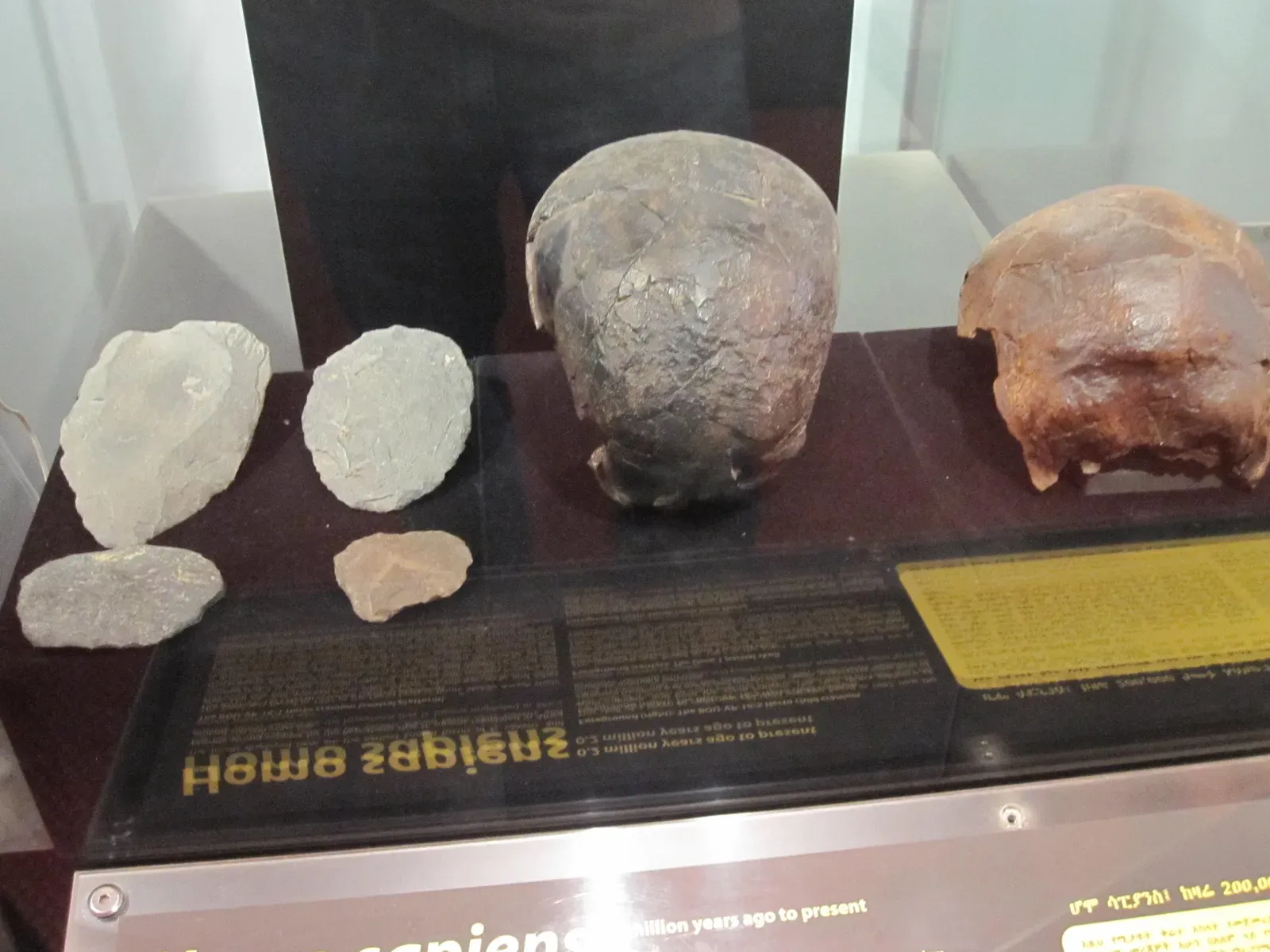
In Herto, Ethiopia, fossils of early Homo sapiens dating to roughly two hundred thousand years ago show people who already look strikingly like us. Among them is a child’s skull that bears cut marks believed to have been made after death, possibly as part of mortuary rituals rather than violence. The combination of modern anatomy with symbolic treatment of the dead pushes back the timeline for when “we” appeared, both physically and culturally.
The Herto child challenges the idea that early Homo sapiens were biologically modern but mentally primitive. If people this early were already manipulating skulls and bodies in patterned ways, they were likely thinking symbolically about death, identity, or the afterlife. That means our emotional and cognitive “software” – the storytelling mind that obsesses over meaning – is older and more deeply rooted than many of us grow up imagining.
The Jebel Irhoud Hunters: Earlier Origins in North Africa
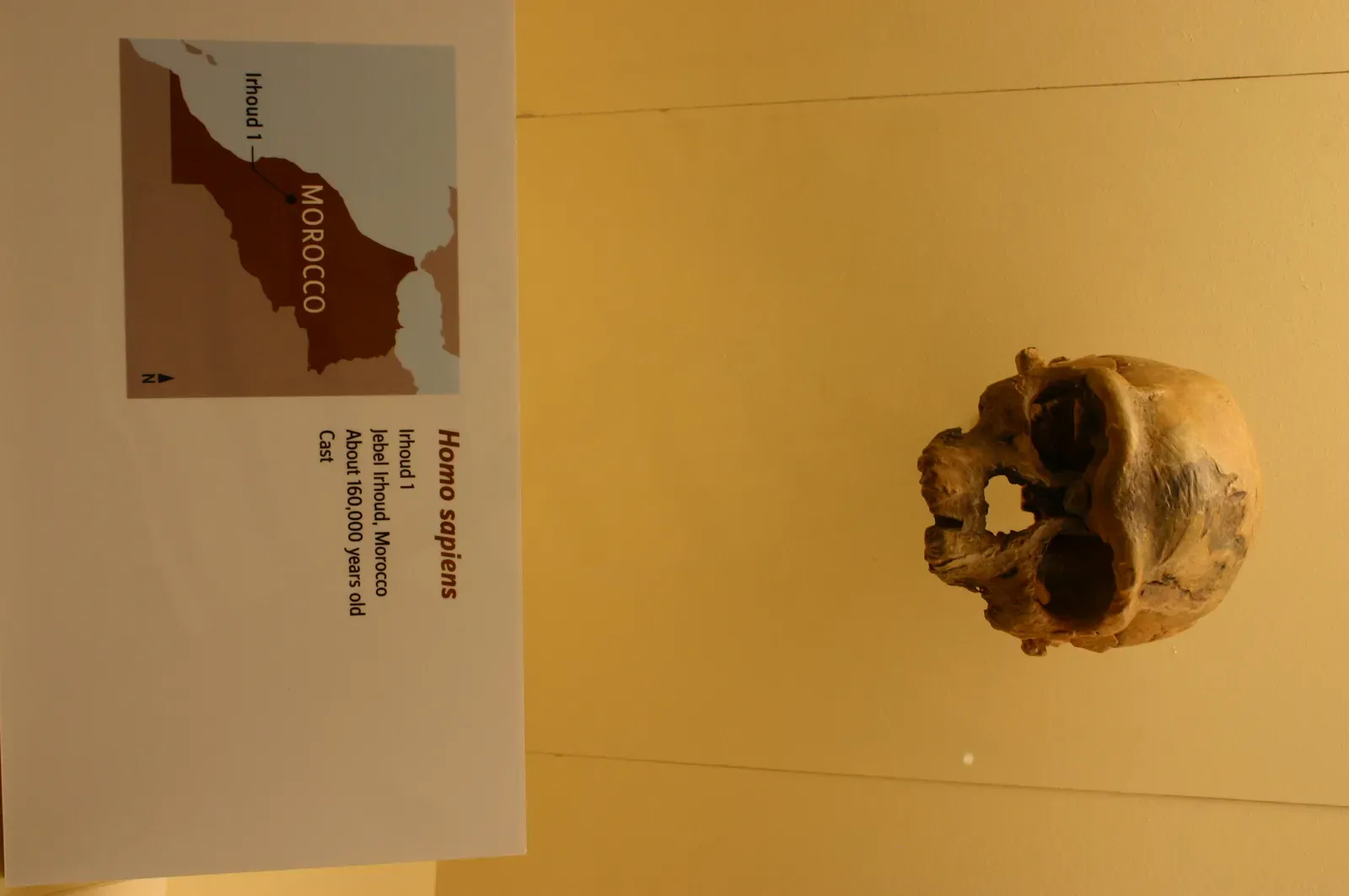
In Morocco’s Jebel Irhoud site, fossils of early Homo sapiens pushed the estimated origin of our species further back in time and across a wider region of Africa than previously thought. These individuals had faces that would not look dramatically out of place today, paired with somewhat more archaic braincase shapes. They lived in a landscape full of gazelles and other game, using sophisticated stone tools that show planning and skill.
These people are not a single famous skeleton but rather a small group that collectively rewrote the timeline of what it means to be human. Their existence suggests that Homo sapiens did not emerge from a single “Garden of Eden”–style population in one corner of East Africa. Instead, our species may have been shaped by a network of populations spread across the continent, exchanging genes and ideas in a slow, continent‑wide dance.
The Rising Star Women: Underground Explorers of Homo naledi
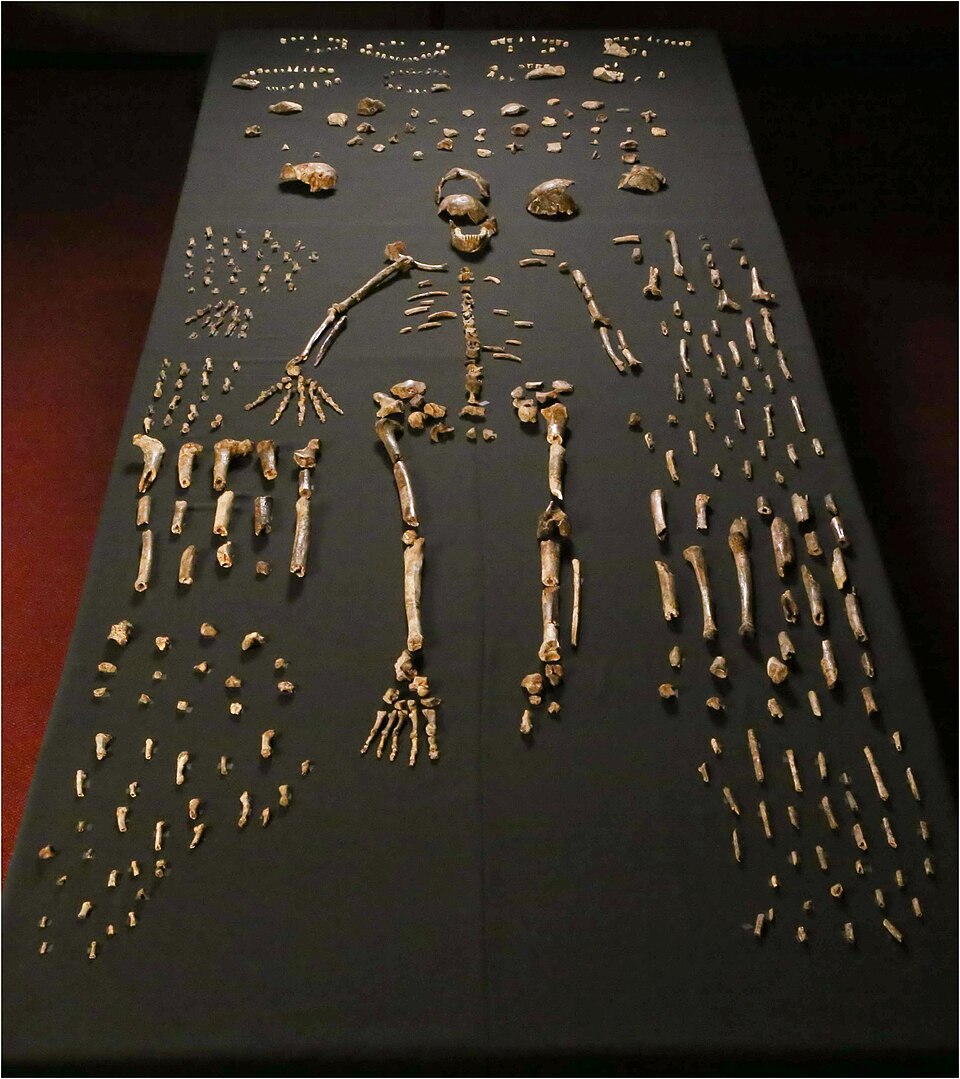
The cave system called Rising Star in South Africa revealed a new species, Homo naledi, with small brains but surprisingly human‑like hands, feet, and complex behaviors. The initial excavation team that crawled through those tight, twisting passages was deliberately selected for their small size and caving skills, and many of them were women. Their success in retrieving delicate bones from nearly inaccessible chambers turned a speculative hint into one of the most discussed fossil discoveries of this century.
The people of Homo naledi themselves may have intentionally placed their dead deep in the cave, which, if confirmed, would mean ritual‑like behavior in a species with a brain closer in size to earlier Homo than to us. That possibility stirs up uncomfortable questions: maybe big brains are not the only route to complex culture. The Rising Star skeletons, and the modern explorers who risked claustrophobic darkness to bring them to light, jointly force us to rethink the link between brain volume, intelligence, and what counts as “human.”
The Denisova Girl: A Finger Bone That Redrew Our Family Tree
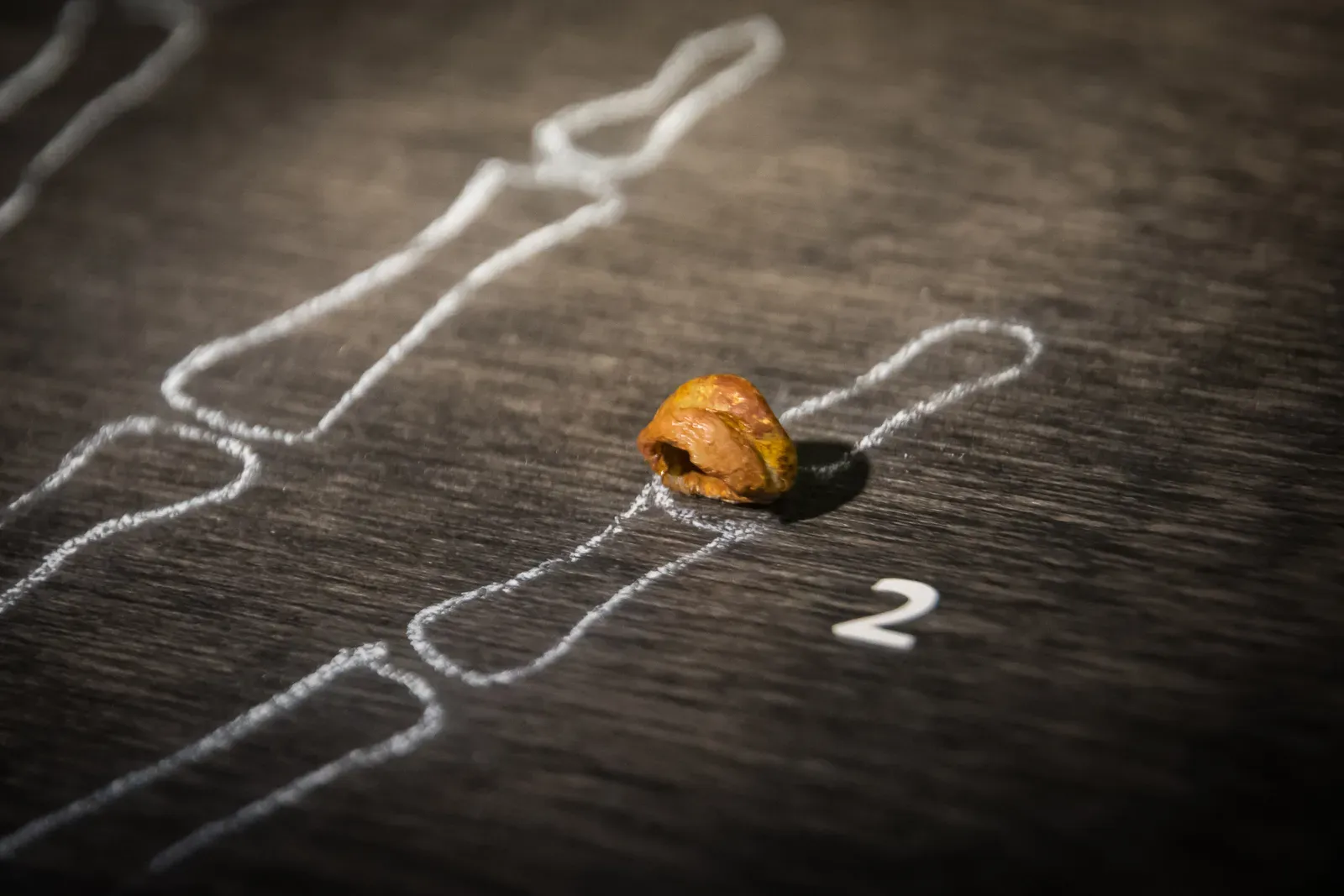
In Siberia’s Denisova Cave, a tiny fragment of a girl’s finger bone and a few teeth led to the discovery of an entire previously unknown group of ancient humans: the Denisovans. Genetic analysis showed that they were distinct from both Neanderthals and modern humans, yet they contributed DNA to living populations in parts of Asia and Oceania. One sliver of bone was enough to reveal that our family tree has more hidden branches than anyone expected.
Even more striking, some Denisovan genetic variants seem to help present‑day people cope with high altitudes and other environmental stresses. That means this little girl’s relatives did not just live alongside us; they equipped our lineage with useful traits we still rely on. The Denisova girl’s silent DNA argues that human evolution is less about one triumphant species replacing all others and more about overlapping waves of people, interbreeding, borrowing strengths, and leaving ghostly traces in our genomes.
The Flores “Hobbit”: Rethinking What Small Brains Can Do
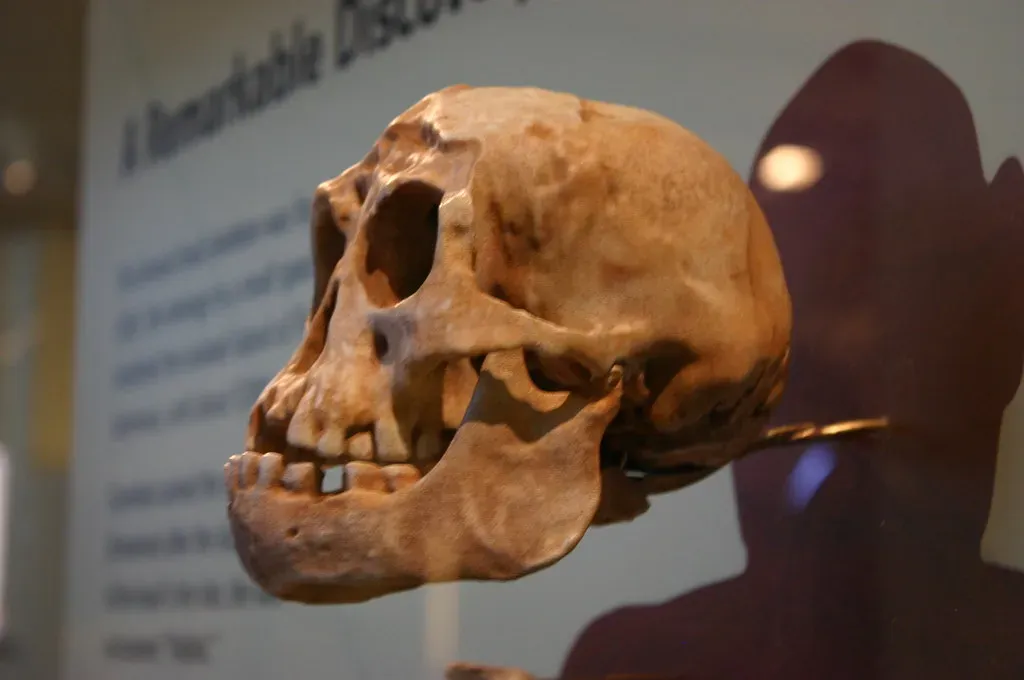
On the Indonesian island of Flores, archaeologists found the remains of tiny humans, Homo floresiensis, nicknamed “hobbits,” who stood roughly the height of a modern child but were fully grown adults. Their brains were much smaller than ours, yet they made and used stone tools and seems to have hunted or scavenged in challenging island environments full of giant lizards and other intimidating fauna. These individuals are not simply “deformed” modern humans, as some early critics argued; the weight of evidence supports them as a distinct branch of our genus.
What makes the Flores people story‑shattering is what it implies about intelligence and body size. They suggest that sophisticated behavior, tool use, and adaptation to tricky ecosystems do not require a big, modern‑sized brain. In other words, our habit of equating brain volume with worth, intelligence, or “advancement” may say more about our ego than about how evolution actually works. The hobbits of Flores show that small can be smart, capable, and surprisingly inventive.
The La Chapelle‑aux‑Saints Elder: Old Age in Neanderthal Europe
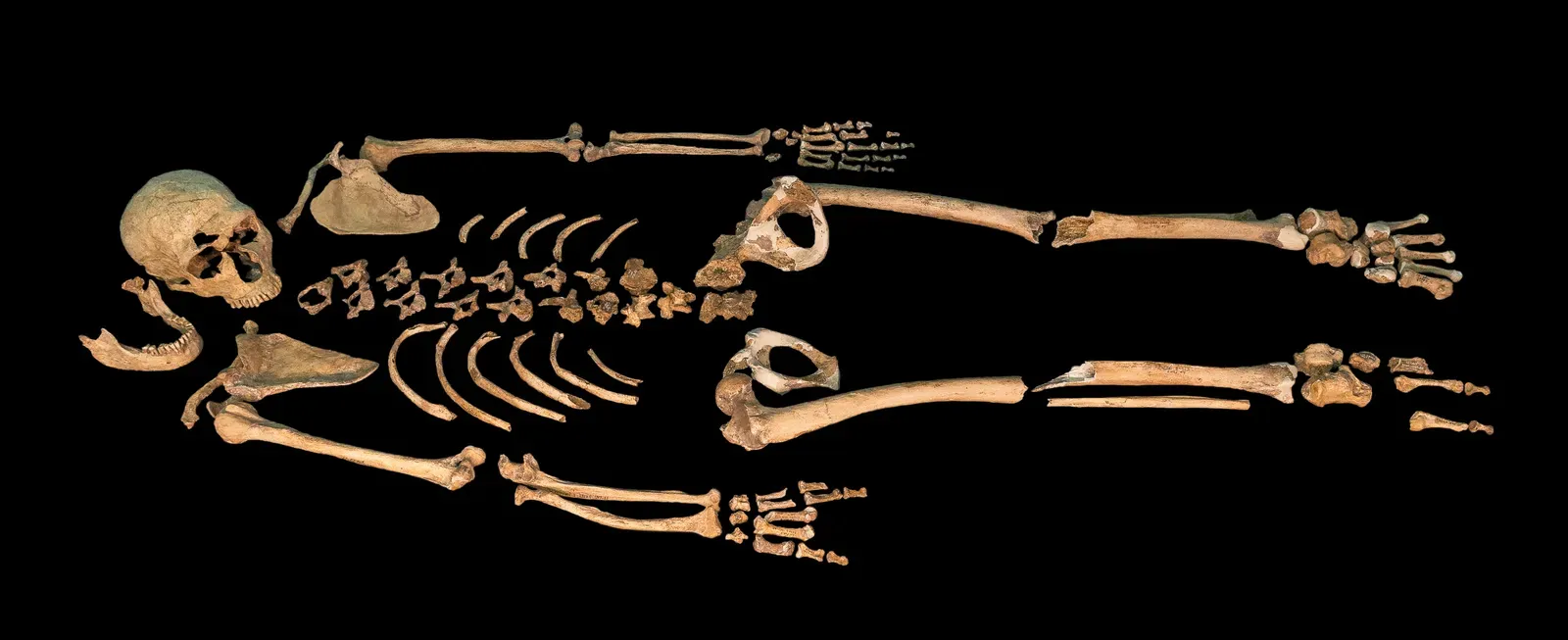
In France, the La Chapelle‑aux‑Saints Neanderthal skeleton was initially reconstructed as a hunched, primitive “cave man,” reinforcing stereotypes that Neanderthals were slow and dim. Later re‑analysis showed that many of the apparent “primitive” features were actually due to old age and arthritis. This was not a brutish beast but an elderly individual who had lived long enough to develop serious degenerative disease in a harsh Ice Age landscape.
The fact that this person reached such an advanced age tells us something powerful: their group must have supported and protected them long after they ceased to be physically strong. Food would have been shared; injuries and illnesses tolerated rather than punished. That image – a band of Ice Age people making room for grandparents – makes less about relentless competition and more about communities where the weak and old still mattered.
The Sungir Children: Lavish Burials on the Russian Plain
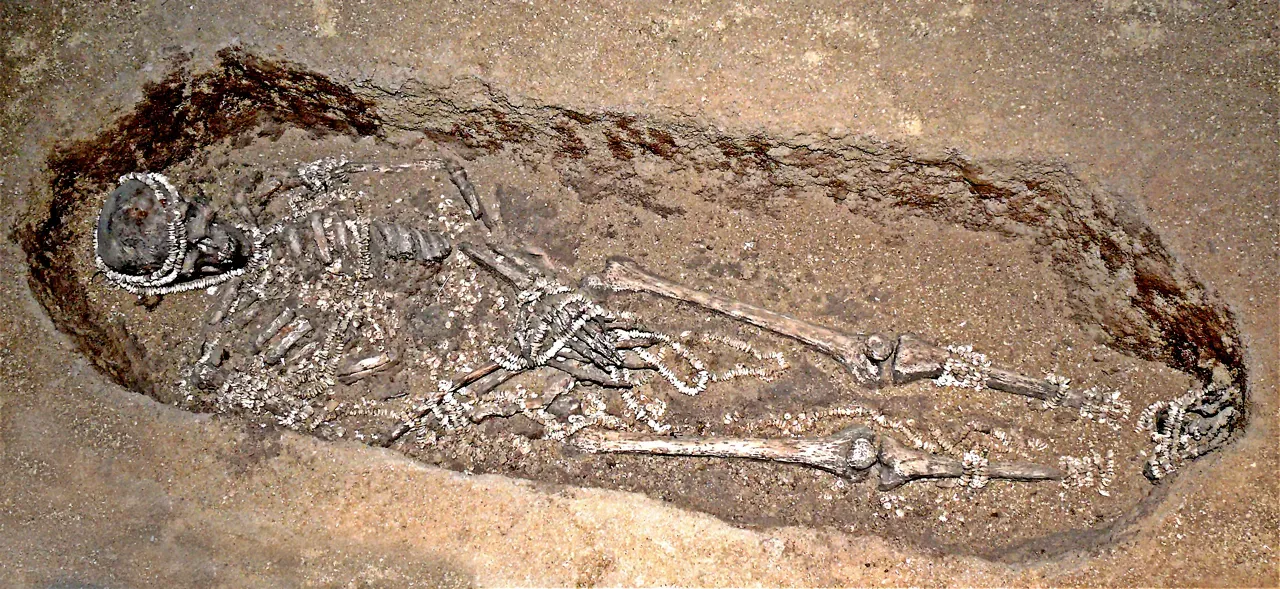
Near the village of Sungir in Russia, archaeologists uncovered the burials of two children and an adult man from the Upper Paleolithic, all lavishly adorned with thousands of ivory beads, spears, and ornaments. The children, in particular, were buried head to head, their small bodies surrounded by objects that would have taken enormous time and skill to make. This was not basic survival behavior; it was symbolic investment in individuals who had barely begun their lives.
These graves force us to admit that complex social status, wealth display, and perhaps inherited rank were part of human life much earlier than settled agriculture or cities. You cannot accidentally end up with thousands of painstakingly carved beads buried with children; that level of effort points to strong beliefs about identity, kinship, or spiritual significance. The Sungir kids, frozen in time, hint that our obsessions with status, ceremony, and showing who matters go back much deeper than royal crowns and modern designer brands.
Ötzi the Iceman: A Time Capsule from the Copper Age
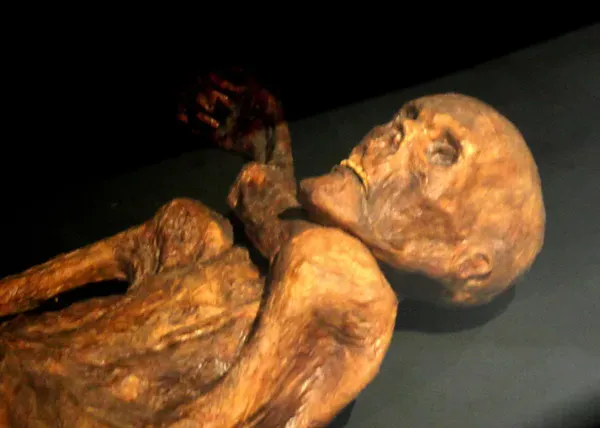
Discovered in the Alps between Austria and Italy, Ötzi the Iceman is a five‑thousand‑year‑old man whose frozen body, clothes, tools, and even last meals have been astonishingly well preserved. He carried a copper axe, a bow, arrows, a complex outfit stitched from multiple animal species, and evidence of tattoos on his skin. Analysis of his body shows healed injuries, health issues like joint wear and parasites, and a violent death by arrow wound, giving us an almost eerie level of detail about one individual life.
Ötzi is not “prehistoric” in the same way as Neanderthals or Homo naledi, but he sits at a turning point when metalworking, long‑distance trade, and emerging social inequalities were reshaping Europe. Because we can reconstruct his movement across the landscape, his diet, his ancestry, and even some of his daily choices, he turns a vague idea of “Stone Age people” into a sharply drawn human story. In a way, he is the first ancient individual many modern readers can see as a person with habits, problems, and maybe even grudges, not just as a skeleton in a museum case.
Conclusion: Our Past Is Crowded with Unexpected People
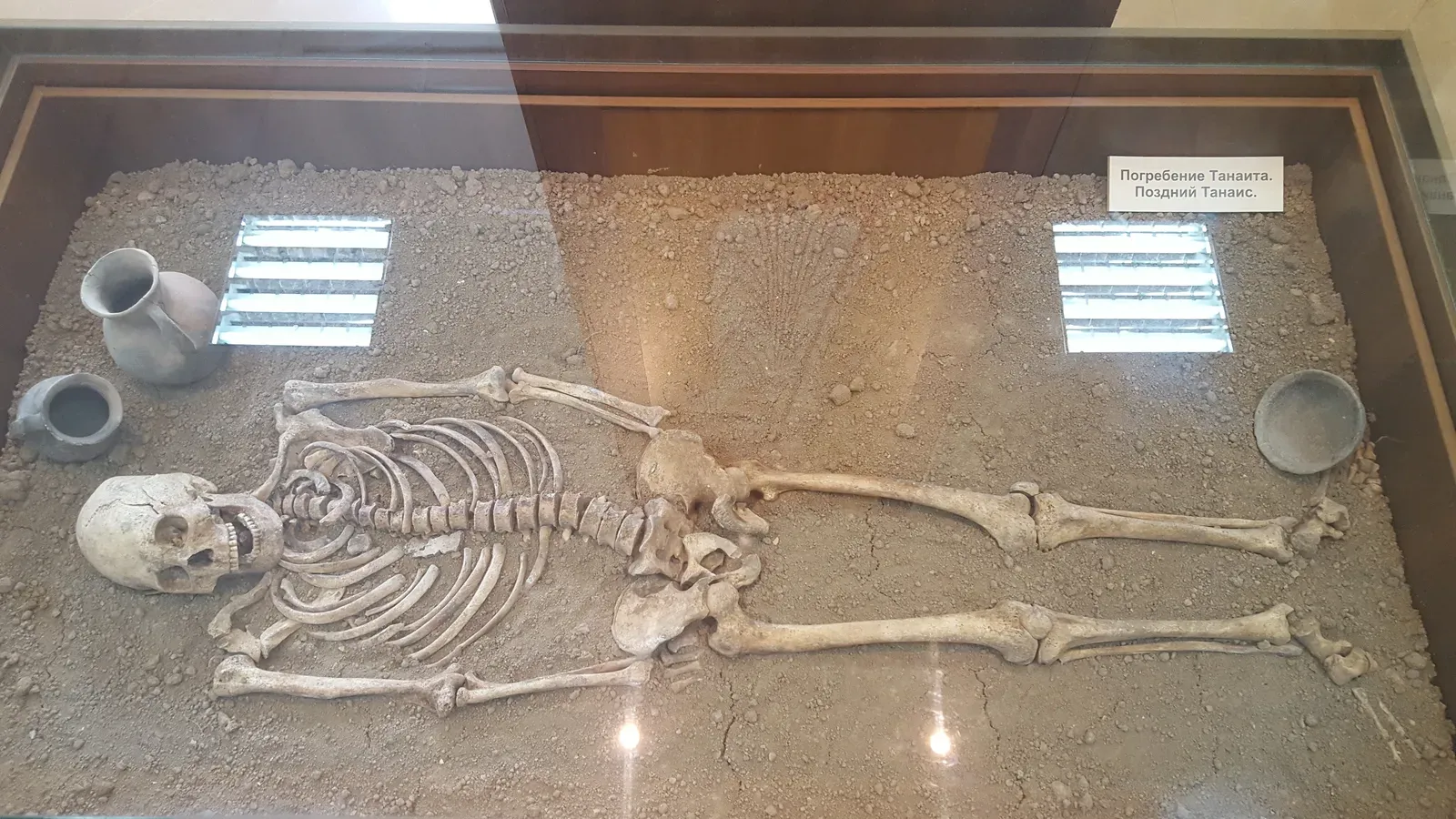
Looking at these ten ancient humans and small groups side by side, a pattern leaps out: every time we think we know what makes us special, a fossil or burial or strand of DNA quietly disagrees. Neanderthals care for the disabled and the elderly, small‑brained hominins navigate complex worlds, mysterious cousins like Denisovans leave genetic fingerprints in our blood, and early Homo sapiens are thinking symbolically long before cities or writing. Our deep past is not a straight climb from primitive to advanced; it is a tangled, creative, and sometimes startling experiment in being human.
My own take is that the more we learn, the less room there is for smugness about modern life. If Ice Age people grieved children with elaborate burials and tiny island “hobbits” built tools that worked, then empathy, ingenuity, and meaning‑making are not upgrades we recently downloaded; they are the default settings. Maybe the real question is not when humans became “fully human,” but whether we are living up to the emotional and moral capacities our ancestors were already exploring tens of thousands of years ago. When you think about them now, which ancient human feels closest to you?