
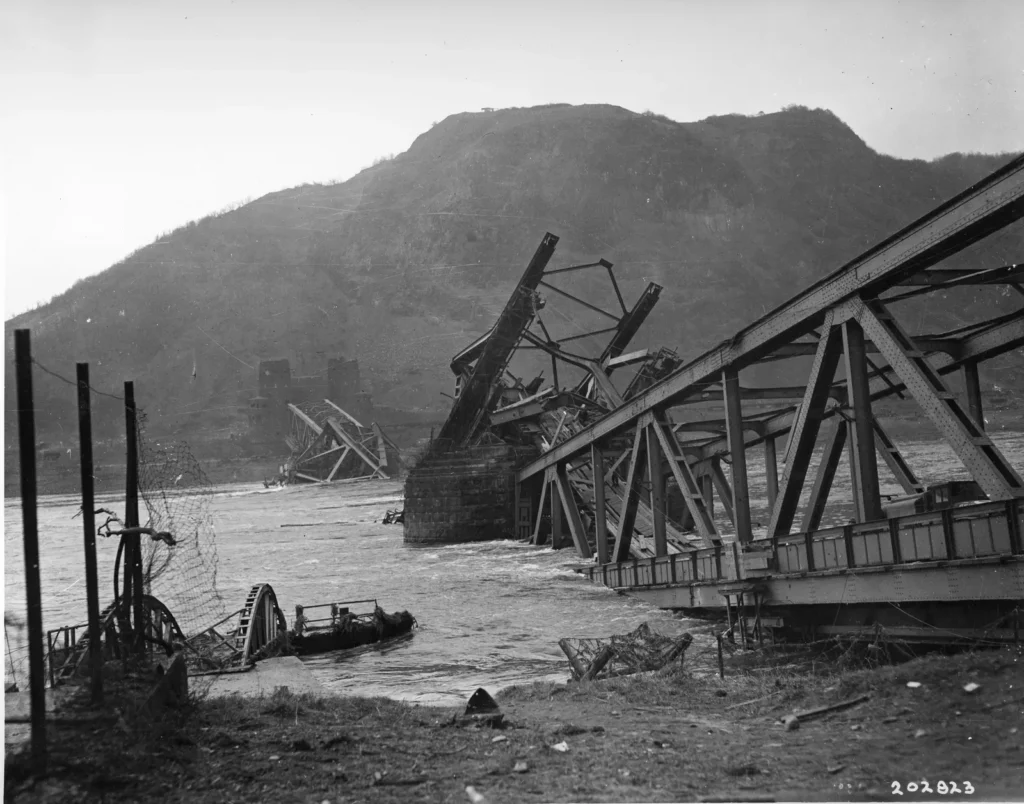
Most people think bridges just “fall down” when they get old, worn out, rusted through after decades of neglect. That’s not what killed 46 people on a Friday evening in December 1967. The Silver Bridge didn’t crumble from age – it snapped from a single microscopic crack nobody could see, in under a minute, at rush hour, over the Ohio River.
For 40 years it carried Christmas shoppers and semi-trucks without a hint of trouble. Then, on December 15, 1967, it simply vanished into the icy water – towers, cables, cars, and all. What investigators found afterward rewired how America builds, inspects, and trusts its infrastructure forever. Here’s what engineers and federal safety investigators actually learned from the wreckage.
#1 – It Collapsed in Under a Minute, With Zero Warning
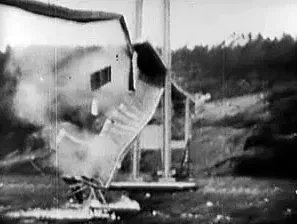
There was no slow sagging, no cracking sound days before, no chance to close the bridge. At the height of the 5:00 traffic rush, there was a loud cracking noise described later like a gunshot or sonic boom, and the bridge instantly folded in on itself, plunging its 1,460-foot main span into 43-degree water within 20 seconds.
Witnesses on the Ohio shore described the sound as unmistakable. Observers stated the sound of the collapse was like that of a shotgun, and the bridge just keeled over, starting slowly on the Ohio side and then folding like a deck of cards toward the West Virginia side.
Fast Facts
- Date of collapse: December 15, 1967
- Time: roughly 5:00 p.m., peak holiday rush hour
- Main span length: 1,460 feet
- Water temperature at impact: 43°F
- Time from crack to full collapse: under 20 seconds
That’s the terrifying lesson: catastrophic structural failure doesn’t always look like slow decay. Sometimes it looks like a normal Friday commute one second, and a national tragedy the next. This single fact reshaped how engineers think about “sudden” versus “progressive” failure modes in every suspension structure built afterward.
#2 – 46 People Died Because of One Broken Eyebar
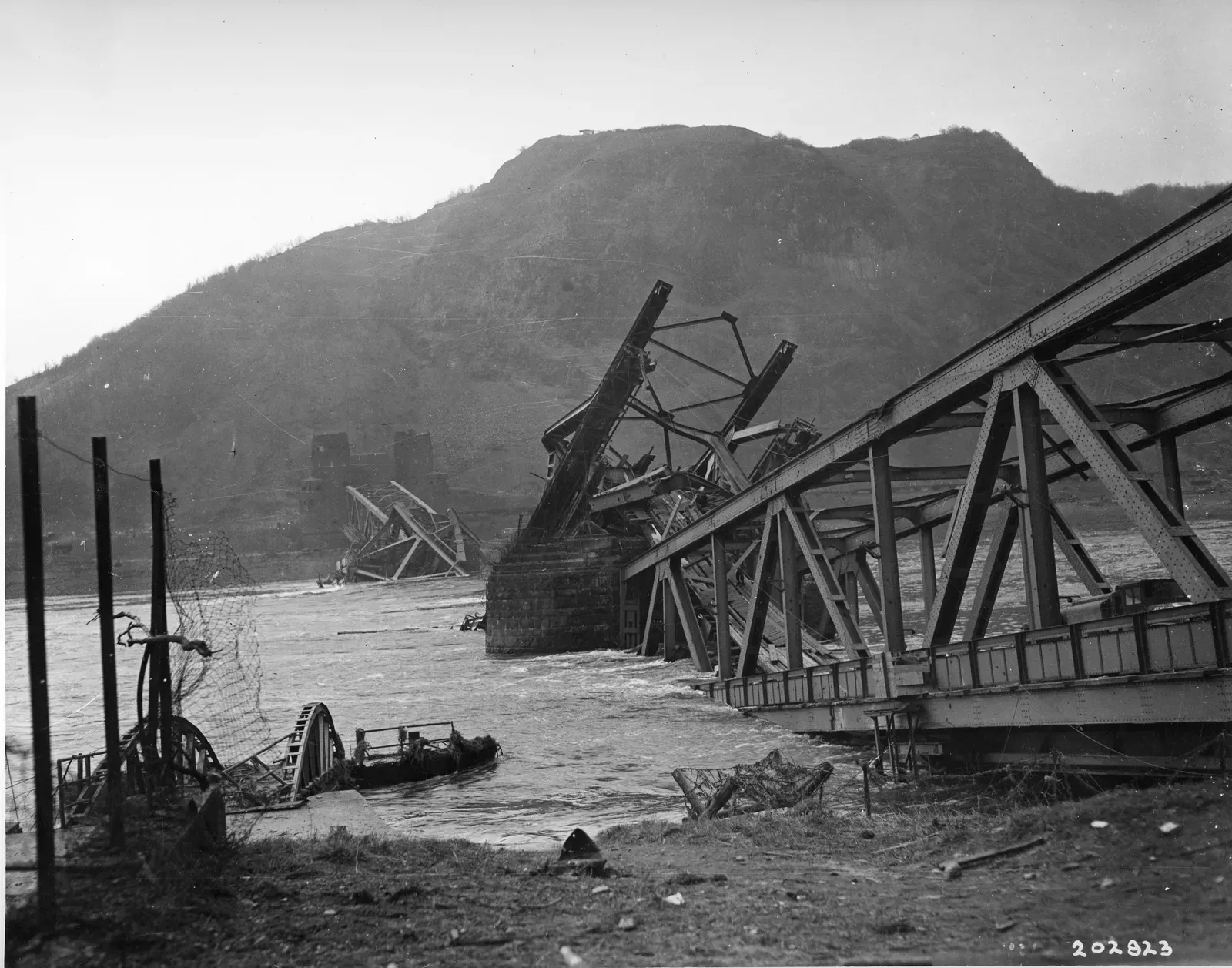
The entire disaster traced back to one component smaller than a car door. A thorough investigation revealed that the collapse of the bridge was caused by the failure of the north eyebar of the north chain at the first panel point west of the Ohio tower, and the eyebar had developed a cleavage failure at the lower position of its head.
Federal investigators eventually pinpointed the exact part with forensic precision. On April 6, 1971, the Safety Board finally issued its determination of the cause of the collapse – a cleavage fracture in the lower limb of the eye of eyebar 330 at joint C13N of the north eyebar suspension chain in the Ohio side span.
Think about that: one bar, out of thousands of structural components, failed – and the entire 1,460-foot span went down with it. No secondary structure caught the load. No backup system existed. It’s a sobering reminder that in engineering, “one point of failure” isn’t a cliche – it’s a body count.
#3 – The Crack Grew for Nearly 40 Years, Invisibly
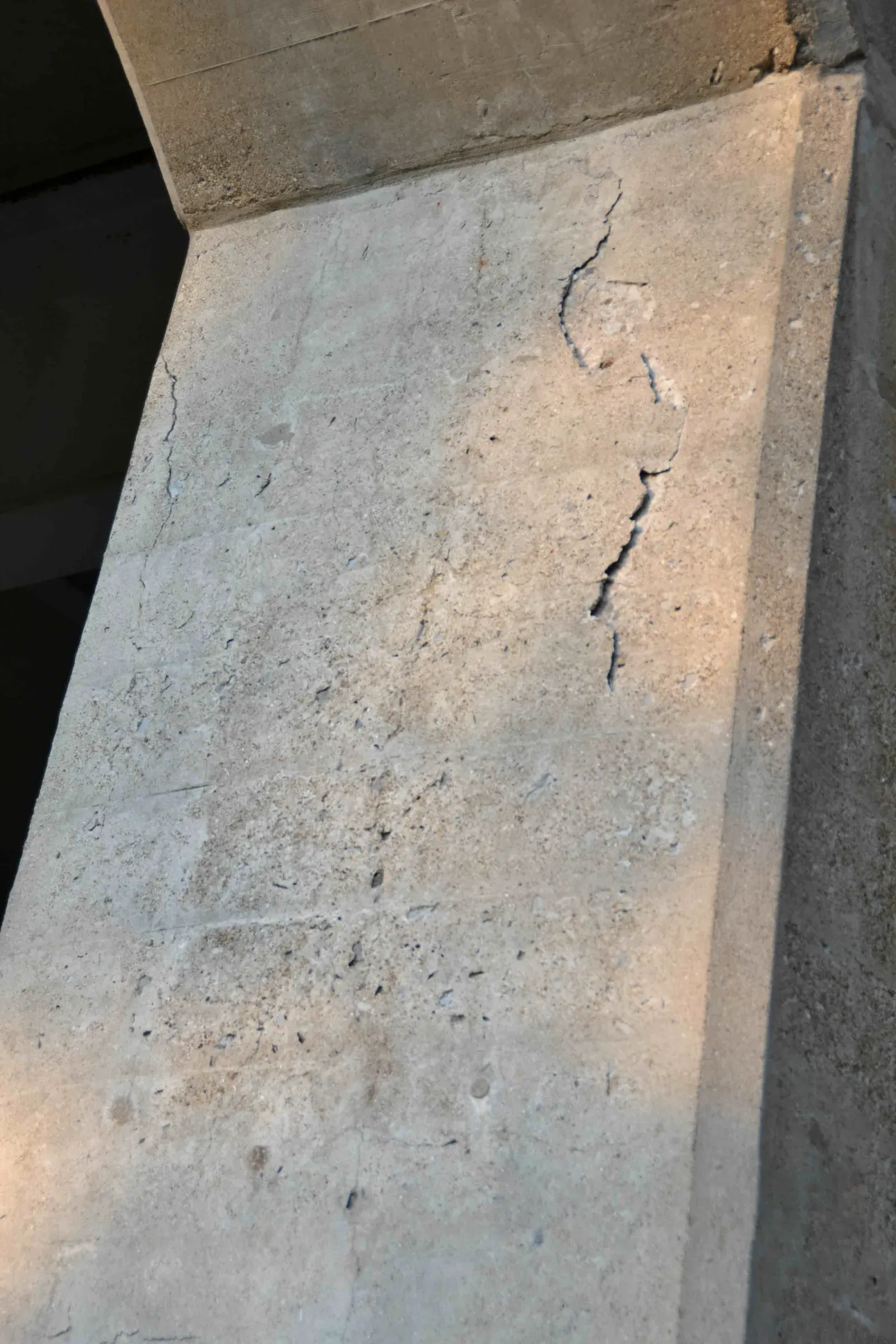
This wasn’t a sudden defect. It was a slow-motion time bomb hidden inside solid steel since the day the bridge opened. Eyebar 330 was defective because it had particularly high levels of residual stress left after its manufacture, and the design of the eyebar assembly meant that water could pool at the bottom of the eye-hole, causing a stress corrosion crack that grew slowly, over 39 years, until it was about 3 millimeters long.
Federal reports later confirmed the exact mechanism. It was determined that a microscopic pit in the surface of a single eyebar installed near the Ohio shore had grown into a pair of 4 millimeter cracks as the result of the joint action of stress corrosion and corrosion fatigue.
A crack smaller than a fingernail, invisible from the outside, sat quietly for four decades before ending 46 lives. Most people don’t realize that structural failure can incubate for generations before it ever shows a symptom.
#4 – The Bridge Had Zero Redundancy – By Design
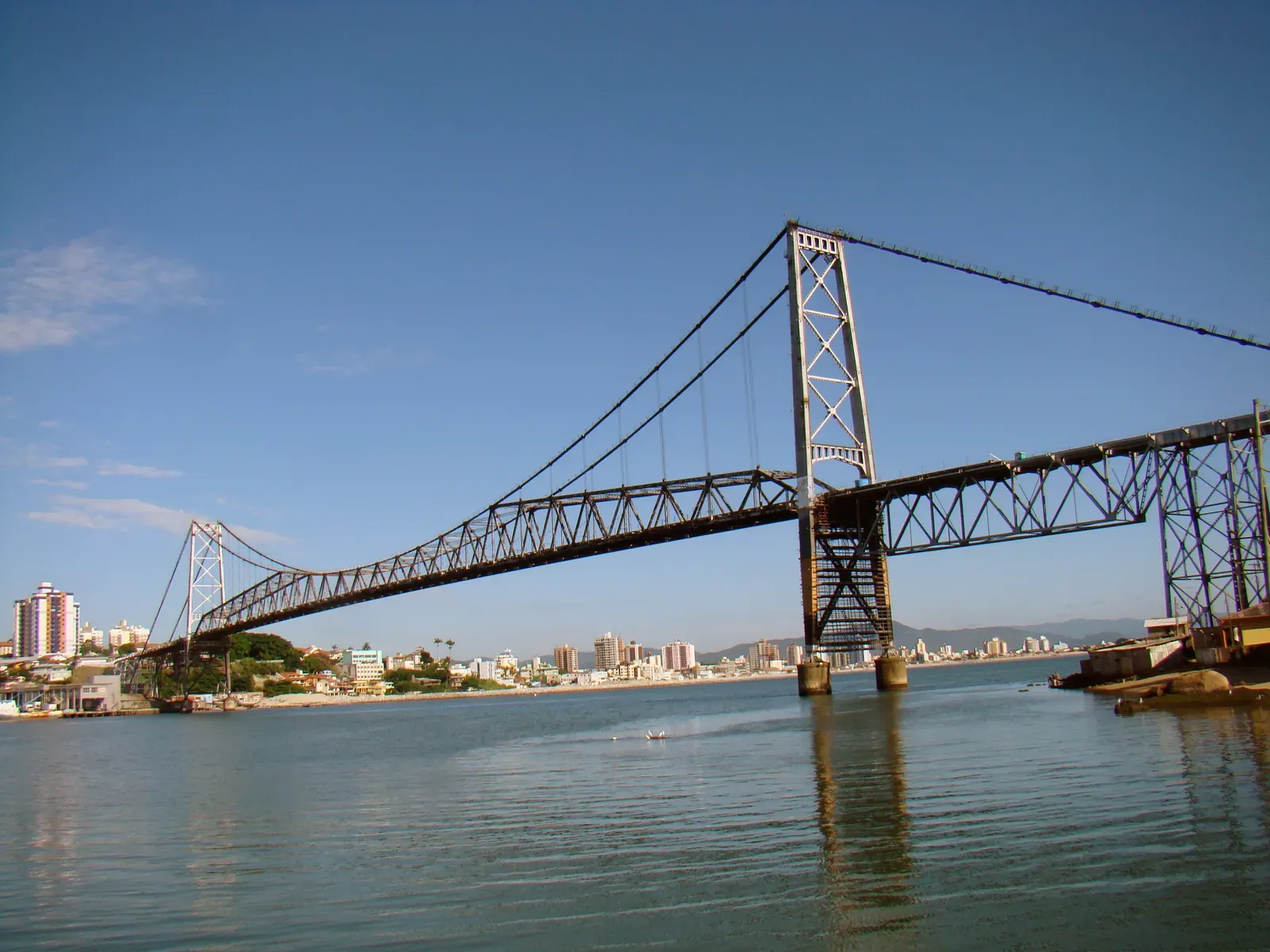
Modern suspension bridges use bundles of dozens or hundreds of wires, so losing a few strands barely matters. The Silver Bridge wasn’t built that way. It was a suspension bridge, but unlike most large spans, it did not use redundant cable bundles – instead, it relied on a chain of steel eyebars, each pair linked pin to pin.
That design choice turned one crack into a guaranteed catastrophe. The use of only two eyebars per link in the chain made the total failure of the chain inevitable once the fracture occurred in eyebar No. 330 – had there been three or more eyebars per link, there would have been the possibility that the failure of one bar would not have led to disaster.
Engineers now call this a “fracture critical” design – a structure where a single component failure means total collapse. Turns out, the entire bridge’s fate rested on two steel bars, not two hundred. This flaw alone is why redundancy became gospel in American bridge design.
#5 – The Flaw Was Physically Impossible to Detect
This is the detail that haunts engineers most. It wasn’t negligence – inspectors literally could not have found the crack with 1960s technology. The location of the flaw in the eyebar could not have been found via visual inspection, and the flaw could not have been discovered by any inspection methods available at the time without disassembling the entire eyebar joint.
Federal investigators confirmed this wasn’t a case of missed maintenance. The report noted that in 1927, stress corrosion and corrosion fatigue were not known to occur in the bridge materials used under conditions of exposure normally encountered in rural areas, and the location of the minute crack was inaccessible to visual inspection.
This is a controversial point among engineers even today: should a design ever be approved if a critical flaw is physically impossible to inspect? Many now argue any structure with an undetectable failure point is inherently unsafe, no matter how strong the math looks on paper.
#6 – Cars Got Four Times Heavier Than the Bridge Was Designed For
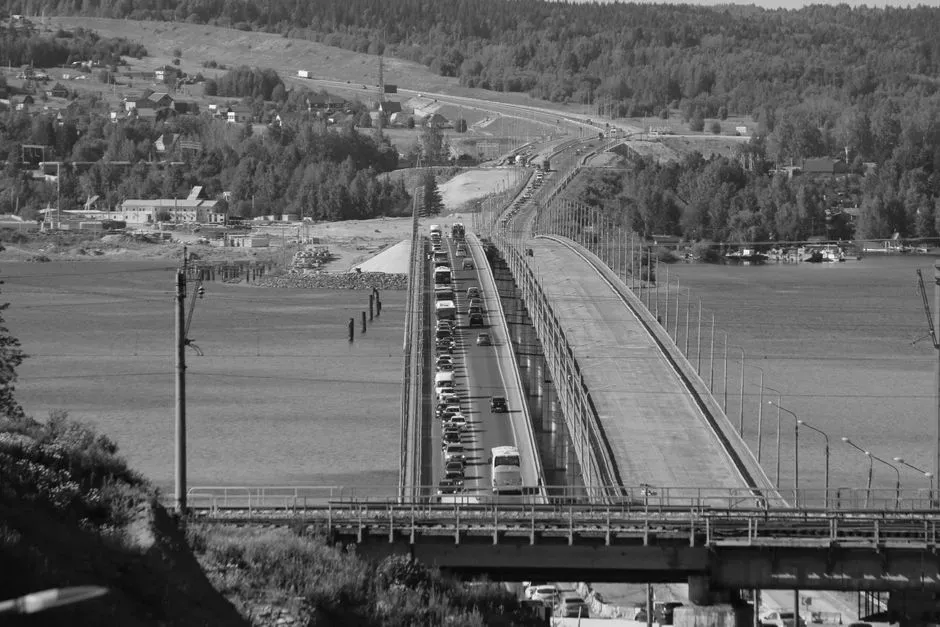
Nobody in 1928 imagined the traffic that would eventually cross the Silver Bridge. The design assumptions became dangerously outdated. When the bridge was designed, the reference vehicle was the Model T Ford, which weighed less than 1,500 pounds. By 1967, the average family car weighed 4,000 pounds or more.
Legal weight limits exploded even faster than average car weight. In 1928, West Virginia law prohibited the operation of any vehicle whose gross weight was more than 20,000 pounds. By 1967, the weight limit had nearly tripled to 60,800 pounds gross, and up to 70,000 with special permits.
Quick Compare: 1928 vs. 1967
- Reference vehicle: Model T Ford, under 1,500 lbs vs. average family car, 4,000+ lbs
- Legal truck weight limit: 20,000 lbs vs. 60,800 lbs (up to 70,000 lbs with special permits)
- Traffic assumption at design: light 1920s road use vs. heavy postwar interstate-era trucking
That’s not a small oversight – that’s a nearly 350% jump in legal truck weight on a 40-year-old bridge. The lesson stuck hard: infrastructure needs periodic reassessment against modern loads, not just a one-time approval stamp from decades earlier.
#7 – It Sparked America’s First Major Highway Accident Investigation
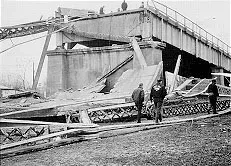
The Silver Bridge disaster happened at a pivotal moment for federal transportation oversight, making it a historic first. It was the first significant highway accident investigation in NTSB history, drawing in experts from the Federal Highway Administration, the states of West Virginia and Ohio, and leading engineering consulting firms.
The scale of the forensic effort was massive for its time. One of the first steps was to remove the wreckage from the river and lay it out in a large nearby field for analysis, where investigators found that the eye of one link had fractured, setting off a chain reaction that led to the failure.
This wasn’t a quick judgment call – it took years. An interim report arrived on October 4, 1968, but the full, definitive ruling didn’t land until April 1971 – more than three years after the tragedy. That’s how complex forensic bridge engineering actually is, and it set the investigative template every major infrastructure disaster since has followed.
#8 – Its Twin Bridge Was Shut Down Immediately
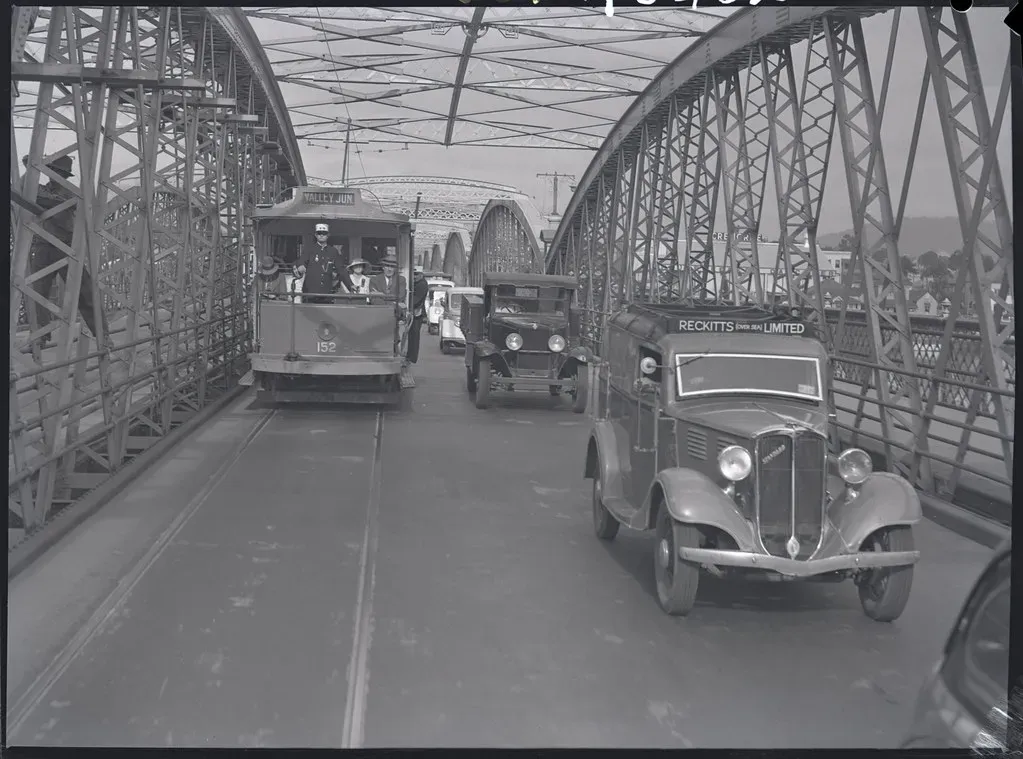
Point Pleasant wasn’t the only town with this exact design. A nearly identical bridge existed just up the river, and officials weren’t taking chances. The NTSB began an investigation immediately, alongside a temporary closure of the Silver Bridge’s twin at St. Marys.
Think about the logic here: if one eyebar bridge failed from an undetectable, decades-old flaw, there was no way to rule out the same hidden crack existing in its sister structure. Officials couldn’t inspect their way to confidence, so they closed the bridge outright rather than risk a second disaster.
This is the part most retellings skip – the disaster didn’t just claim one bridge, it effectively ended the era of eyebar-chain suspension bridges in America overnight. Engineers essentially blacklisted an entire structural category because of what happened at Point Pleasant.
#9 – It Directly Created the National Bridge Inspection Standards
This is arguably the single biggest legacy of the disaster. Before 1967, there was no unified federal standard requiring regular bridge inspections nationwide. That changed with the 1968 Federal-aid Highway Act, from which the National Bridge Inspection Standards (NBIS) were adopted by the Federal Highway Administration on April 27, 1971 – requiring that all public bridges with spans over 20 feet be examined every two years, and more frequently if considered higher risk.
Other federal summaries confirm the direct chain of cause and effect: the collapse resulted in the passage of national bridge inspection standards in 1968.
Worth Knowing
- NBIS inspections apply to all public bridges spanning more than 20 feet
- Standard inspection cycle: every 2 years, sooner for higher-risk structures
- The National Bridge Inventory today tracks more than 624,000 bridges across the country
- Formal adoption date of NBIS: April 27, 1971
Every two-year bridge inspection cycle in America today exists because 46 people died in the Ohio River in 1967. That’s not an exaggeration – it’s a direct, traceable regulatory response. Few pieces of federal infrastructure law have such a clear, tragic origin story.
#10 – A Sitting President Personally Signed the Response
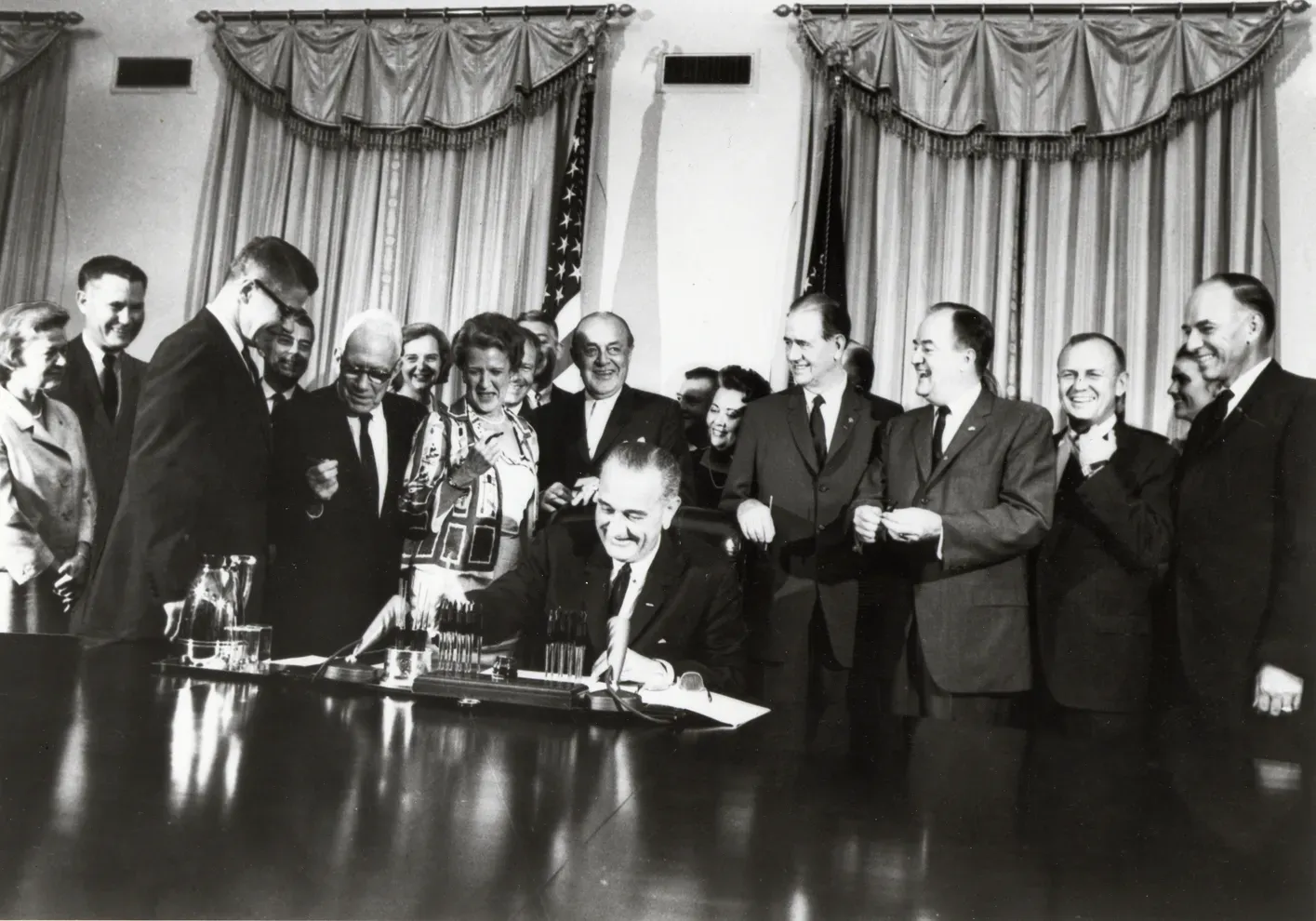
This disaster reached all the way to the Oval Office within months. President Lyndon B. Johnson signed the Federal-Aid Highway Act of 1968, which, thanks to the Silver Bridge collapse, included a dedicated section on bridge inspection.
The political urgency was real, and it wasn’t just symbolic paperwork. The Presidential Task Force on Bridge Safety also examined the collapse and conducted a national survey on bridge safety, analyzing the procedures and standards used to protect other bridges throughout the country.
Here’s the controversial opinion worth sitting with: it took a body count of 46 to force federal action on something engineers had quietly worried about for years. Many infrastructure experts today argue this same pattern – react only after disaster, not before – still defines American bridge policy.
#11 – Investigators Ruled Out the Supernatural, on the Record

Because Point Pleasant had its own famous cryptid legend, investigators actually had to formally address it. According to accounts from Point Pleasant locals, Mothman was seen on or near the bridge prior to its collapse, with sightings ceasing once the bridge was gone. Whether Mothman was a villain or a hero trying to warn the community, the legend persists.
Decades later, the NTSB itself weighed in directly, wanting the science on record. No evidence was ever found connecting the Mothman to the failure – one investigator noted trusting the laws of physics, materials science, and the findings of the NTSB investigation, which proved the Mothman wasn’t to blame.
Turns out the real monster was a 3-millimeter crack, not a winged cryptid. But the myth stuck around anyway – Point Pleasant still hosts an annual festival built entirely around it.
#12 – Even Chief Cornstalk’s Curse Got a Formal Investigation
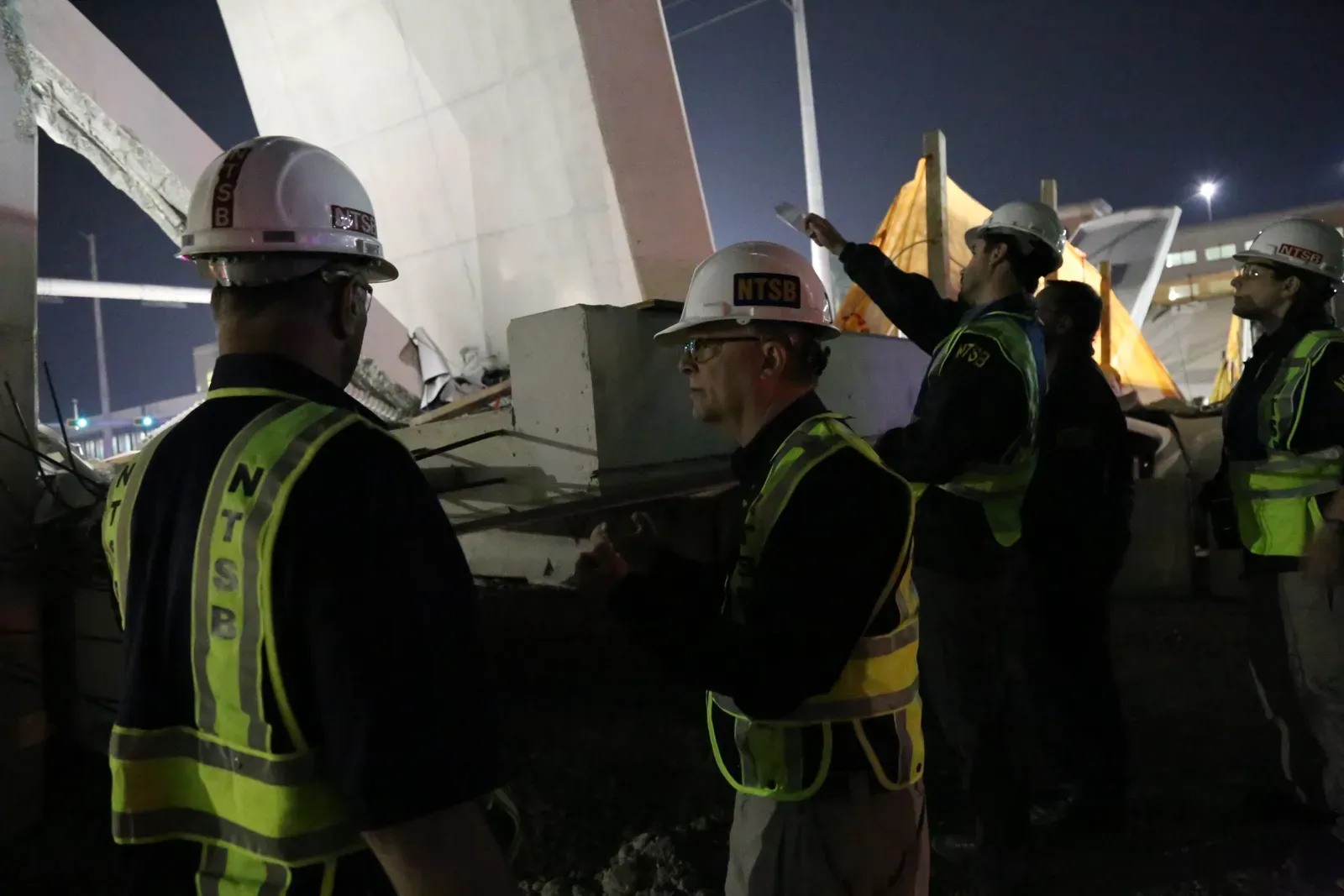
The Mothman wasn’t the only folklore explanation locals floated. An 18th-century legend got dragged into the forensic conversation too. Legend holds that in his dying words, Chief Cornstalk placed a curse of death and destruction upon the entire Point Pleasant area. After thorough investigation of the bridge’s collapsed structure, “The Curse of Cornstalk” was formally ruled out as a contributing factor.
Investigators even had to rule out a physics-based rumor circulating at the time. If a sonic boom had occurred over a residential community, the overpressure would have caused extensive damage to homes and other structures in Point Pleasant – meaning that theory didn’t hold up under scrutiny either.
This might be the most underrated lesson of all: a modern federal safety investigation had to formally rule out a 200-year-old curse. It shows how disasters without immediate, visible causes breed myth fast – and how rigorous forensic engineering is often the only thing that can cut through it.
#13 – It Was Actually the First Eyebar Suspension Bridge in America – And That Innovation Killed It
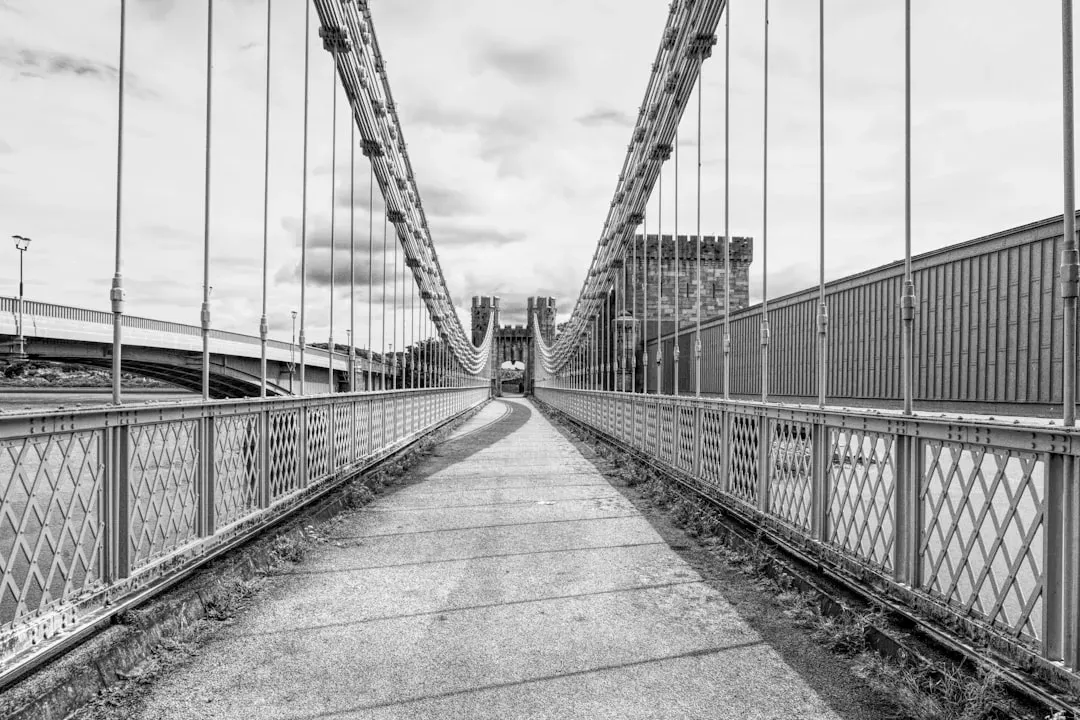
This is the most ironic lesson of the entire disaster. The very feature that made the Silver Bridge historically significant is what doomed it. Spanning the Ohio River between Point Pleasant and Gallipolis, the bridge was designed and built during 1927-28 as the first eyebar suspension bridge in the United States, drawing widespread attention for making engineering history.
It wasn’t a small or cheap project either – this was a serious feat of 1920s engineering ambition. The West Virginia Ohio River Company built the structure in 1928 for $1.2 million. The design used the eyebar chains not just as cables but as structural chord elements: each cable was made of a set of eyebars instead of the traditional wire strands, the eyebar chains formed the top chord of the stiffening truss over a portion of each span, and each tower base had a rocker to allow it to rotate if the load became unbalanced.
At a Glance
- Built: 1927-1928
- Construction cost: $1.2 million
- Connected: Point Pleasant, WV and Gallipolis, OH
- Claim to fame: first eyebar-chain suspension bridge in the U.S.
Here’s the controversial engineering opinion this disaster left behind: many experts now argue that untested structural innovation – no matter how celebrated at launch – should never be adopted at scale without decades of redundant fail-safes built in from day one. The Silver Bridge was praised as revolutionary in 1928. By 1967, that same revolutionary design was the exact reason 46 people never came home.
The Bottom Line
The Silver Bridge didn’t fail because of bad luck, a monster, or a curse – it failed because one undetectable 3-millimeter crack sat inside a non-redundant design for 39 years until modern traffic loads finally broke it. What followed changed America permanently: presidential task forces, the Federal-Aid Highway Act of 1968, and the National Bridge Inspection Standards that still govern every bridge inspection in the country today.
The most uncomfortable truth is this – it took 46 deaths to force inspections that arguably should have existed decades earlier. We like to believe engineering only moves forward through foresight. The Silver Bridge is proof that, more often, it moves forward through funerals. Somewhere in America right now, a bridge just as old is carrying traffic it was never designed to hold – and the only real question is whether anyone’s watching closely enough to catch the next hidden crack before it finishes growing.