
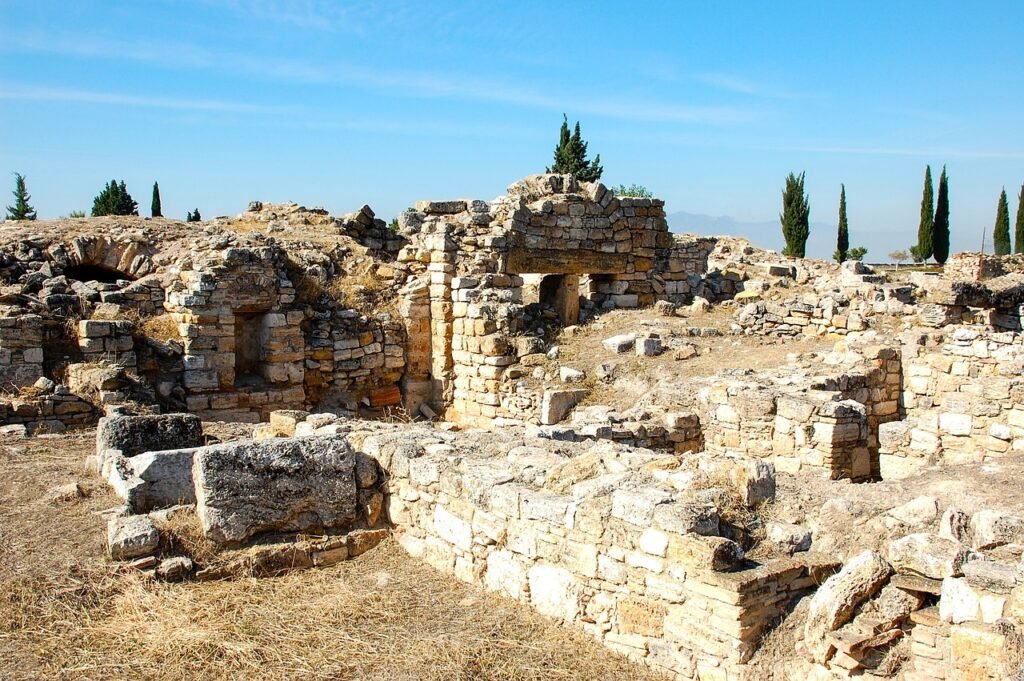
Most people assume “lost cities” vanished because nobody knew what happened to them. That’s actually backwards. In nearly every case on this list, ancient chroniclers, oral historians, and local legends already had a rough idea – earthquakes, floods, the wrath of gods. What was missing wasn’t a theory. It was proof.
That’s finally changing. Satellite radar, sediment cores, fossilized human waste, and even three-century-old tree rings have spent the last two decades quietly confirming – or completely upending – stories humanity has repeated for generations. Some of these cities died exactly the way legend said they would. Others died for reasons nobody guessed, and the real explanation turns out to be stranger than the myth. Here’s what the data actually say.
#1 – Skara Brae: The Village a Storm Nearly Erased Twice
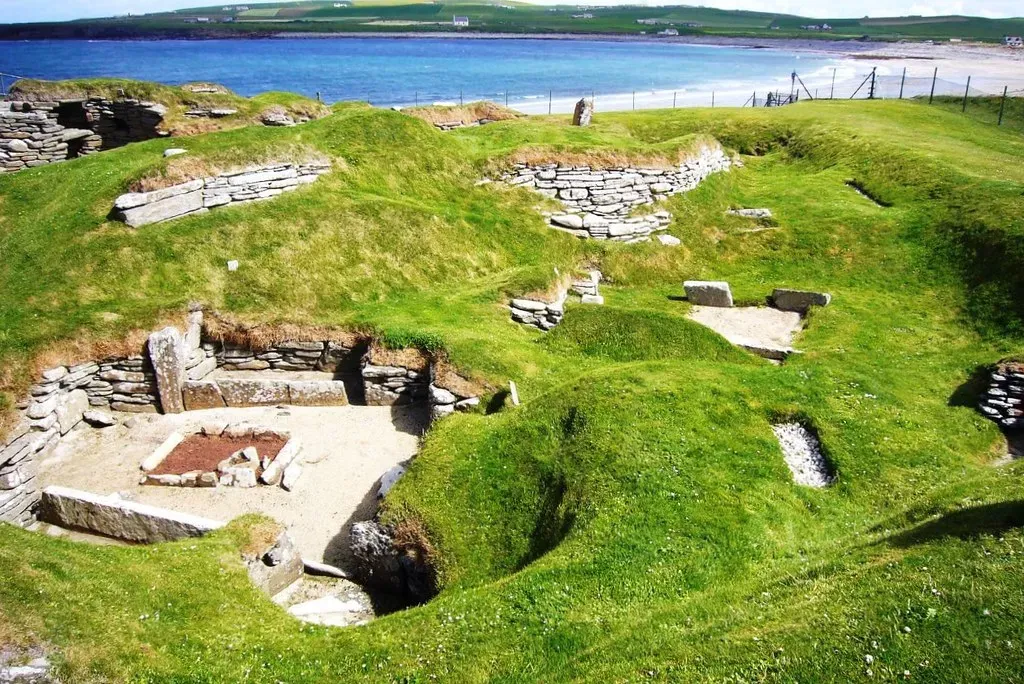
Tucked into the windswept coast of Orkney, Scotland, Skara Brae is Europe’s best-preserved Neolithic village – and for thousands of years, nobody knew it existed.
The settlement was built around 3200 BCE and occupied for roughly 600 years, featuring stone furniture, indoor drainage, and covered passageways that shielded residents from brutal North Atlantic winds. What finally “found” Skara Brae wasn’t archaeology at first – it was another storm. A violent gale in 1850 ripped the grass-covered dune away and exposed the ruins to a local laird, who began digging almost immediately.
The real mystery was always why the village emptied out, and the leading explanation now points to environmental stress: worsening storms, encroaching sand, and shifting agricultural conditions likely made the site increasingly unlivable, pushing residents to relocate rather than face a slow-motion burial under drifting dunes.
The site’s abandonment wasn’t sudden collapse – it was environmental attrition, the same slow squeeze that quietly ends more ancient settlements than any war ever did. Port Royal took the opposite approach. It didn’t fade. It dropped like a stone.
#2 – Port Royal: The City That Liquefied Beneath Its Own Streets
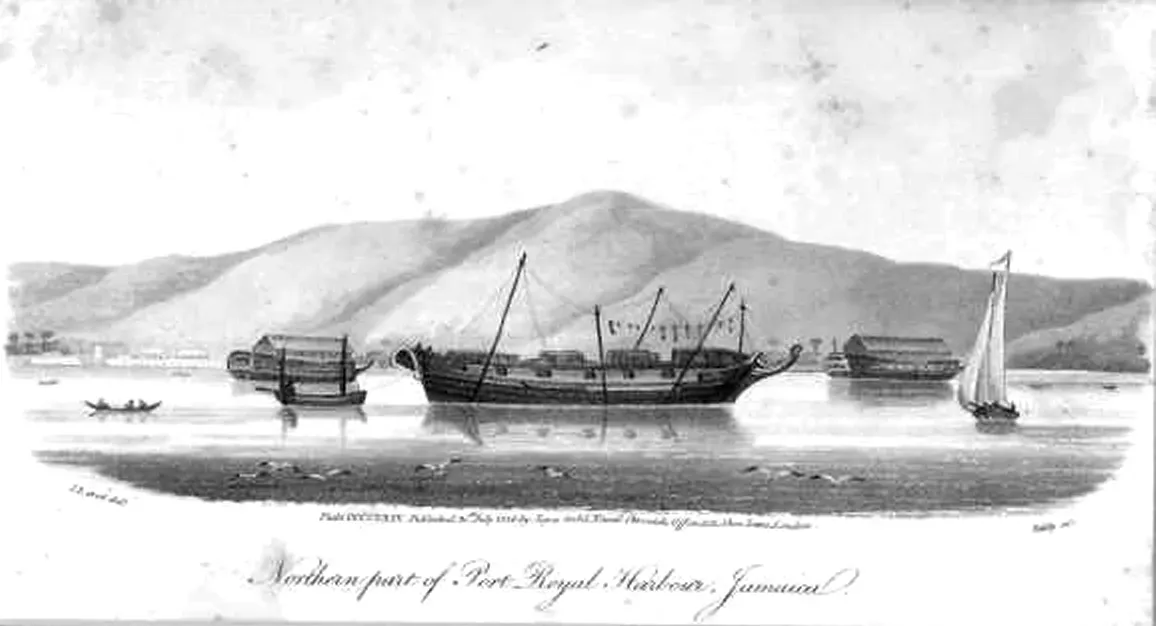
Port Royal, Jamaica, was once dubbed the wickedest city on Earth – a pirate haven so wealthy it rivaled major European ports. Then, in a matter of minutes, two-thirds of it vanished.
On June 7, 1692, a massive earthquake struck the harbor town, and eyewitness accounts describe streets opening up and swallowing entire buildings whole. For centuries this sounded like exaggeration. It wasn’t. Geologists have since confirmed the mechanism: soil liquefaction. Port Royal was built on loose, sandy, waterlogged sediment, and the shaking caused that ground to behave temporarily like liquid, sinking structures wholesale into the harbor.
Underwater archaeology conducted decades later recovered entire building foundations, still upright, sitting on the seafloor exactly as they sank – a literal underwater time capsule frozen mid-collapse. Divers even found a pocket watch stopped at the precise moment of disaster.
Fast Facts
- A stopped pocket watch found in the harbour during a 1959 excavation indicated that it occurred around 11:43 AM local time, pinpointing the disaster almost to the minute
- The quake measured an estimated magnitude between 7.5 and 7.7, powerful enough to shatter the city’s foundations
- About 2,000 people died as a result of the earthquake and the following tsunami, and another 3,000 people died in the following days due to injuries and disease
- Immediately after the main shock, a further two thirds of the city slipped into the sea and within two minutes, the city was covered with water
This wasn’t myth-making by dramatic survivors. It was one of the first scientifically documented cases of a phenomenon engineers now study every time they approve construction on unstable coastal ground. Troy’s undoing needed no earthquake at all – just centuries of retelling.
#3 – Troy: The “Myth” That Was Actually Nine Cities Deep
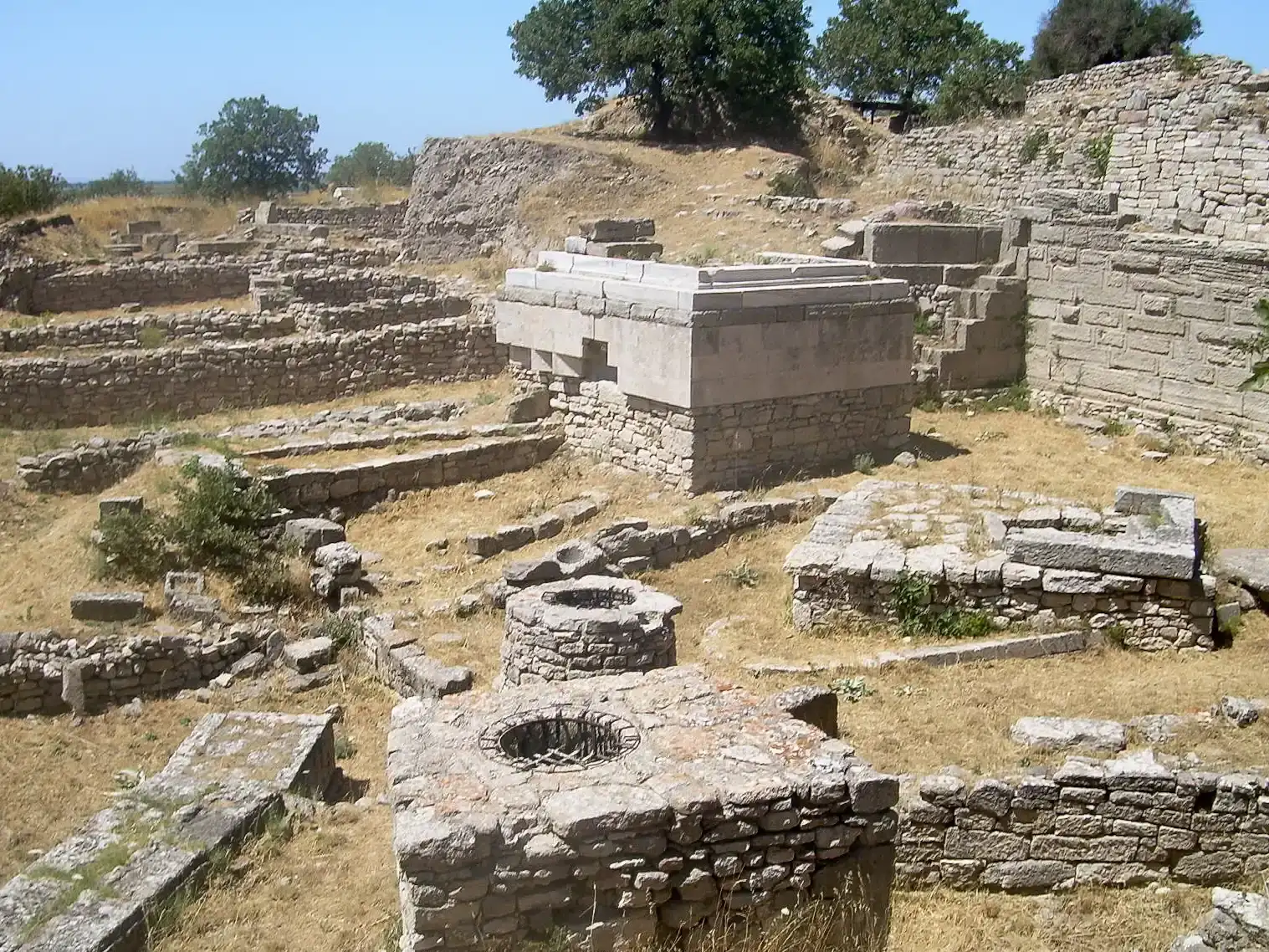
For over two thousand years, most scholars treated Troy as pure fiction – a poetic backdrop for Homer’s imagination, not an actual place.
That assumption collapsed in the 1870s when excavator Heinrich Schliemann dug into a mound in northwestern Turkey called Hisarlik and found not one city, but layers upon layers of them – nine distinct settlements stacked on top of each other across thousands of years. Troy wasn’t a single vanished city. It was nine cities that each vanished in turn.
Later, more careful excavation revealed that one particular layer, referred to by archaeologists as Troy VIh, shows clear signs of violent destruction consistent with warfare, alongside evidence some layers were separately destroyed by earthquakes. This matters because it means the “Trojan War” legend may be a compressed folk memory of multiple real disasters layered into one dramatic story.
What finally explained Troy wasn’t a single discovery – it was recognizing that ancient oral tradition frequently blends centuries of real catastrophes into one unforgettable narrative. Ani didn’t need a single dramatic villain. It needed three quiet ones, arriving together.
#4 – Ani: The Metropolis That Died from a Thousand Cuts
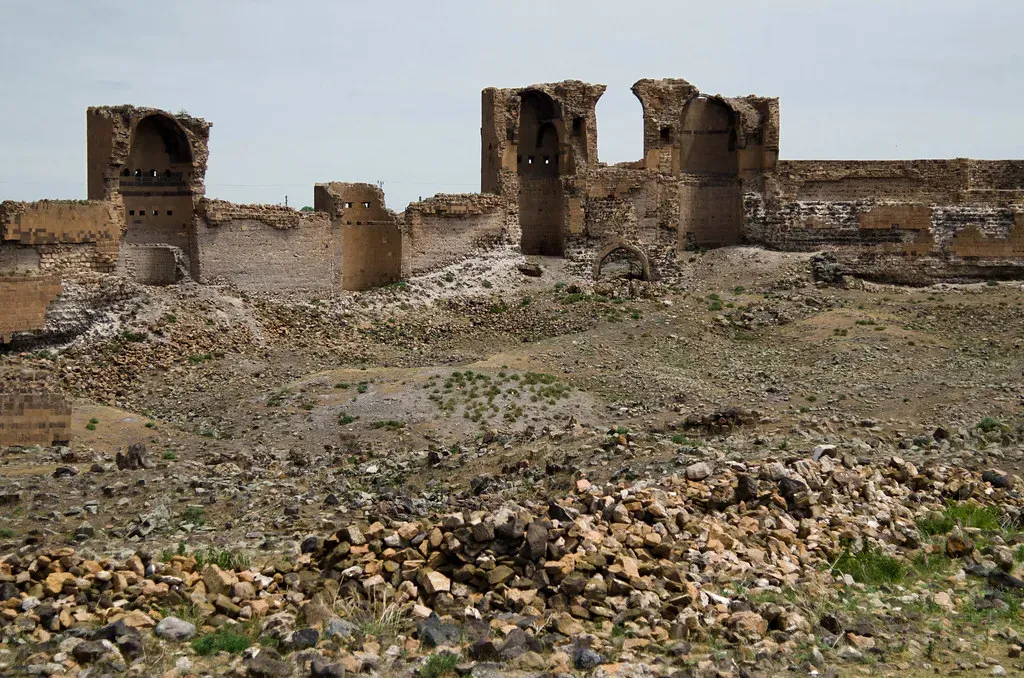
At its peak, Ani in modern-day Turkey was a bustling medieval capital sometimes called the “City of 1,001 Churches,” rivaling Constantinople and Baghdad in size and wealth along the Silk Road.
Unlike single-disaster cities, Ani’s disappearance came from stacked misfortune, not one dramatic event. A major earthquake in 1319 devastated its infrastructure. Around the same period, Silk Road trade routes shifted southward, cutting off the commercial lifeblood that had made the city rich in the first place. Mongol invasions decades earlier had already weakened its political stability and drained its population.
By the time these pressures compounded, Ani wasn’t destroyed in a single night – it simply stopped making economic sense to inhabit. Residents drifted away gradually rather than fleeing in panic, leaving behind hauntingly intact cathedrals and palace walls that still stand in a now-empty border zone between Turkey and Armenia.
Ani’s story is a reminder that most “vanished” cities aren’t victims of single catastrophes – they’re victims of cascading systems failure, where geology, economics, and politics all fail at once. Great Zimbabwe’s ending was just as tangled – but its real scandal happened centuries after the city emptied.
#5 – Great Zimbabwe: The City European Explorers Refused to Believe Africans Built
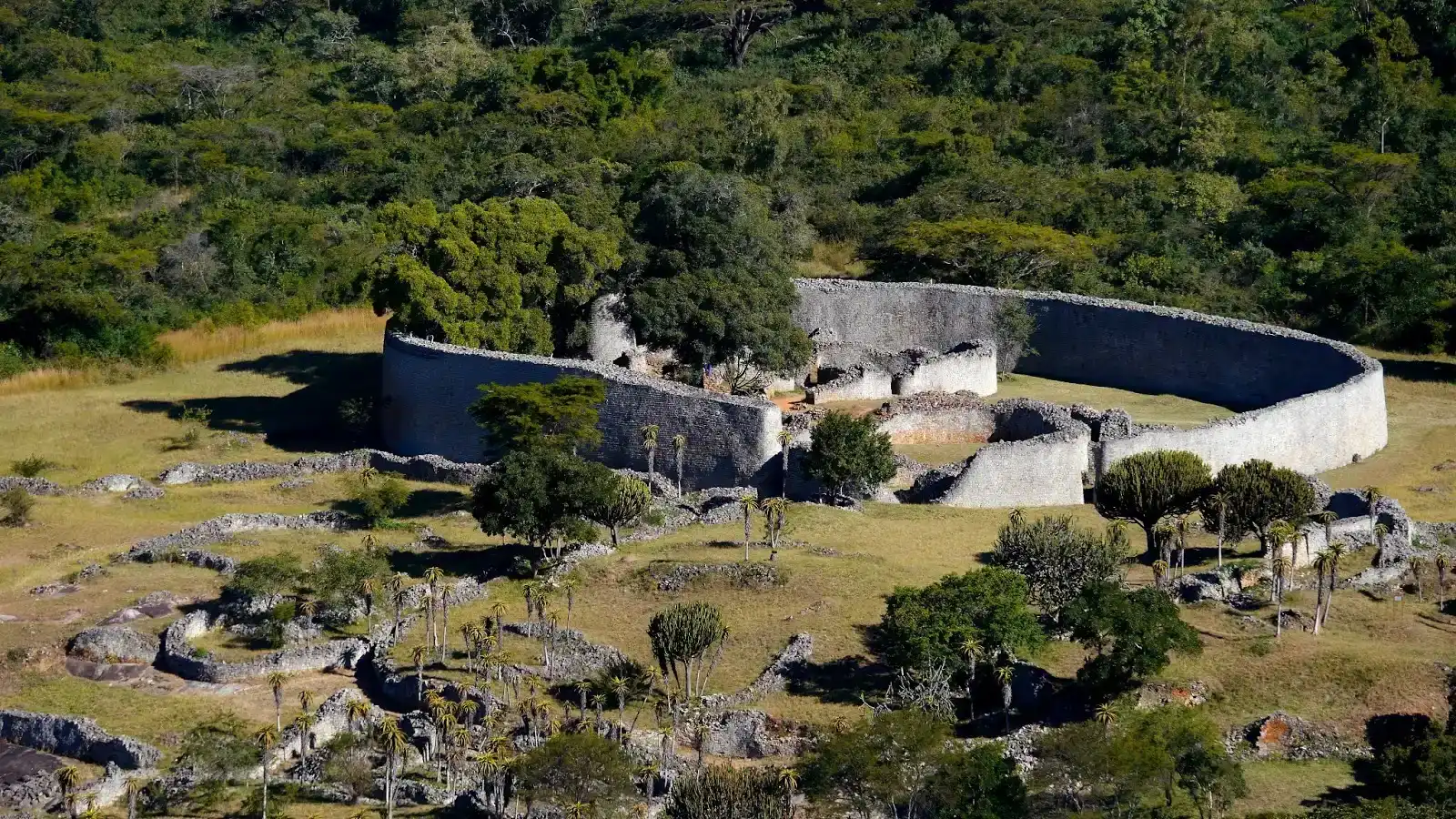
Great Zimbabwe’s stone ruins were so architecturally sophisticated that 19th-century European colonizers insisted, without evidence, that the site must have been built by outsiders – Phoenicians, Arabs, anyone but the local Shona people.
That racist theory has been thoroughly dismantled. Archaeological consensus now firmly credits the Shona civilization with constructing the massive dry-stone walls – built without mortar – between roughly the 11th and 15th centuries, at the height of a trading empire connected to Indian Ocean gold and ivory routes.
Worth Knowing
- The dry-stone walls used zero mortar, yet many sections have survived for over 600 years
- Construction peaked between the 11th and 15th centuries, tied directly to an Indian Ocean gold and ivory trade boom
- Modern Zimbabwe took its name from these ruins after independence, a symbolic reclaiming of the site’s true origins
- Colonial-era institutions kept promoting the outsider-built theory for decades after evidence had already disproven it
The city’s decline is now attributed to a familiar combination: overgrazing and soil depletion around the capital reduced its agricultural capacity, while the region’s lucrative gold trade routes gradually shifted away from Great Zimbabwe toward newer trading centers. Population pressure on a fixed, granite-based water supply likely compounded the strain during drier climate cycles.
The most controversial detail here isn’t about the collapse – it’s about the cover-up. For decades, colonial authorities actively suppressed the Shona-origin theory because it undermined justifications for occupation. Today it stands as one of archaeology’s clearest examples of political bias distorting scientific fact. Petra’s collapse, by contrast, came down to simple economics: it got out-competed.
#6 – Petra: The Rose City That Traded Water for Extinction
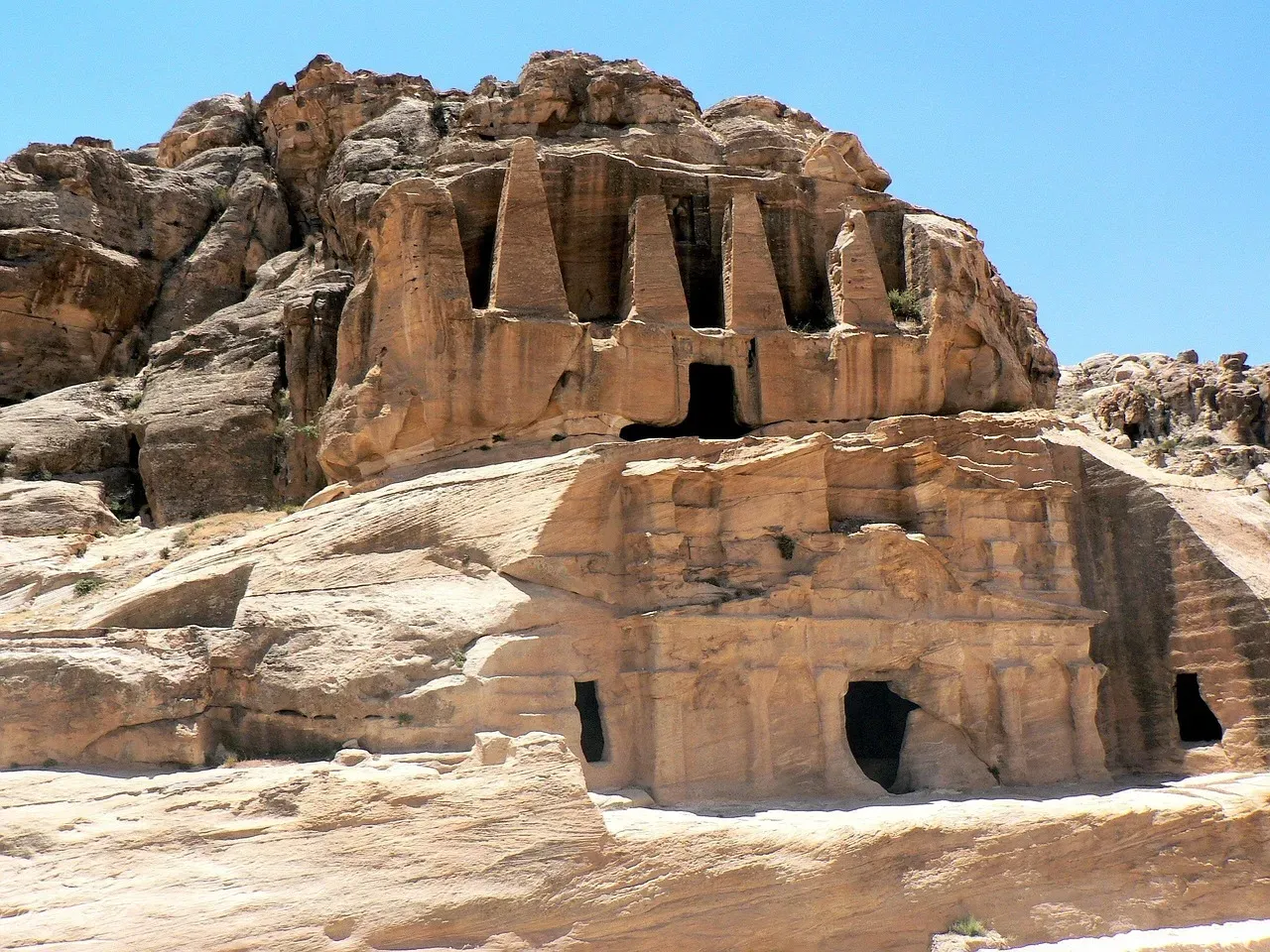
Carved directly into rose-colored sandstone cliffs, Petra was the capital of the Nabataean Kingdom and one of the ancient world’s most ingenious desert cities, thriving because of a genuinely remarkable engineering feat: an intricate network of dams, cisterns, and channels that captured and stored scarce rainfall.
Petra’s downfall is now understood as a mix of natural disaster and economic obsolescence. A powerful earthquake in 363 CE severely damaged much of the city’s infrastructure, including that crucial water system the entire population depended on. Around the same period, Roman-controlled maritime trade routes began outcompeting the overland caravan paths that had made Petra fabulously wealthy as a trading hub.
Without steady trade income to fund repairs, and without a reliable water system, Petra’s population dwindled rather than collapsing overnight. The city wasn’t conquered. It was simply out-competed by boats.
Petra remained inhabited in reduced form for centuries afterward, which contradicts the popular myth of instant abandonment – the truth is a slow financial and infrastructural bleed-out. Chan Chan’s enemy showed up on a schedule, and it never stopped coming back.
#7 – Chan Chan: The Adobe Capital El Niño Kept Attacking
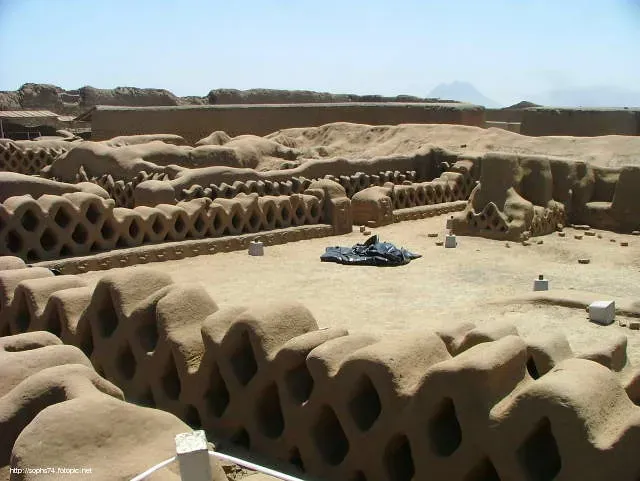
Chan Chan, the sprawling capital of the Chimú civilization on Peru’s northern coast, was once the largest adobe (mud-brick) city in the pre-Columbian Americas, home to tens of thousands of people organized in walled compounds.
Its story is inseparable from one of nature’s most disruptive cycles: El Niño. Periodic El Niño events bring catastrophic flooding and rainfall to a coastline normally defined by extreme aridity, and archaeological sediment layers throughout the Chan Chan region show repeated evidence of massive flood damage interspersed with long drought periods. A city built entirely from sun-dried mud brick is spectacularly vulnerable to sudden torrential rain – something engineers today would never risk without serious weatherproofing.
The Chimú repeatedly rebuilt canals and city walls after these flood events, showing remarkable resilience for generations. Ultimately, though, it was the Inca conquest in the 1470s that delivered the final blow, absorbing Chimú territory and diverting resources and population away from the capital entirely.
Chan Chan is proof that climate disaster alone doesn’t erase a civilization – it took climate stress plus political conquest working together to finally end centuries of resilience. Mohenjo-daro’s killer was slower still, and it took decades of climate science to even name it.
#8 – Mohenjo-daro: The Sewage-Engineering Marvel That Outran Its Rivers
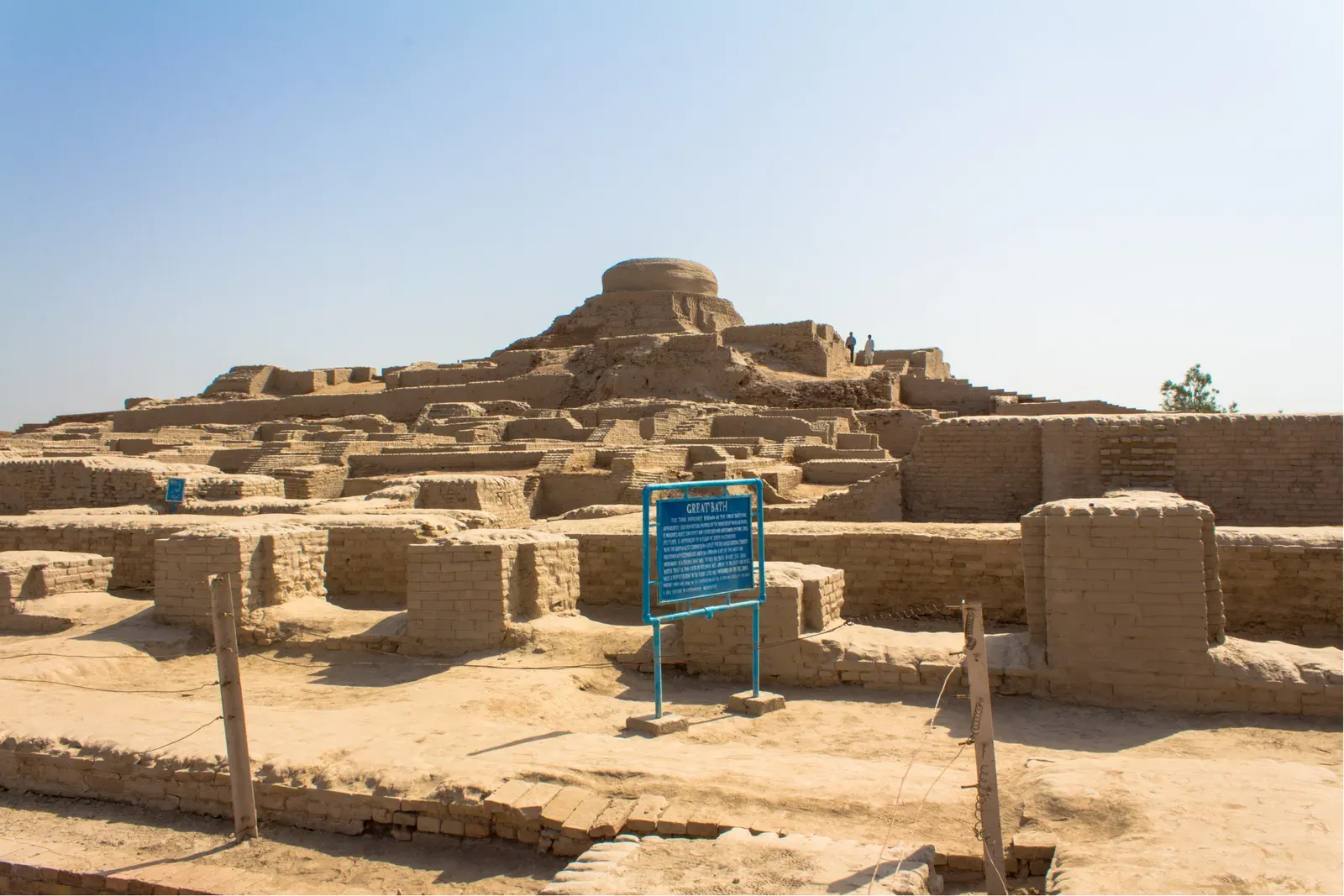
Mohenjo-daro, built around 2600 BCE in what’s now Pakistan, had sewage systems and urban planning so advanced they predated ancient Rome’s infrastructure by millennia – and yet it was completely abandoned by around 1900 BCE.
For decades, the leading theory blamed a violent Aryan invasion, based partly on unburied skeletons found in the city’s upper layers. That theory has since been debunked: other scholars dismissed it by explaining that the skeletons were not victims of invasion massacres, but rather the remains of hasty burials.
At a Glance
- Built: around 2600 BCE
- Abandoned: around 1900 BCE, after roughly 700 years of continuous habitation
- Peak population: estimated in the tens of thousands
- River discharge decline: flow in some waterways fell by more than 12 percent during the basin-wide drying trend
The real culprit, according to increasingly detailed climate reconstructions, was water. New findings point toward a prolonged, basin-wide collapse in water availability, combining several lines of evidence to recreate ancient climate and river conditions throughout the Indus region. Hydrological modeling of rainfall records indicated a steep decline in river discharge, with flow in some waterways falling by over 12 percent – enough to devastate farming, water supply, and food storage across the entire civilization. This wasn’t a single drought. It was a centuries-long basin-wide dehydration event.
As conditions worsened, communities began to shift away from the traditional urban core toward areas with more reliable water sources, such as the Ganges plains and coastal regions. Cahokia’s answer came from an even stranger source: fossilized poop.
#9 – Cahokia: The American Metropolis Undone by Its Own Floodplain
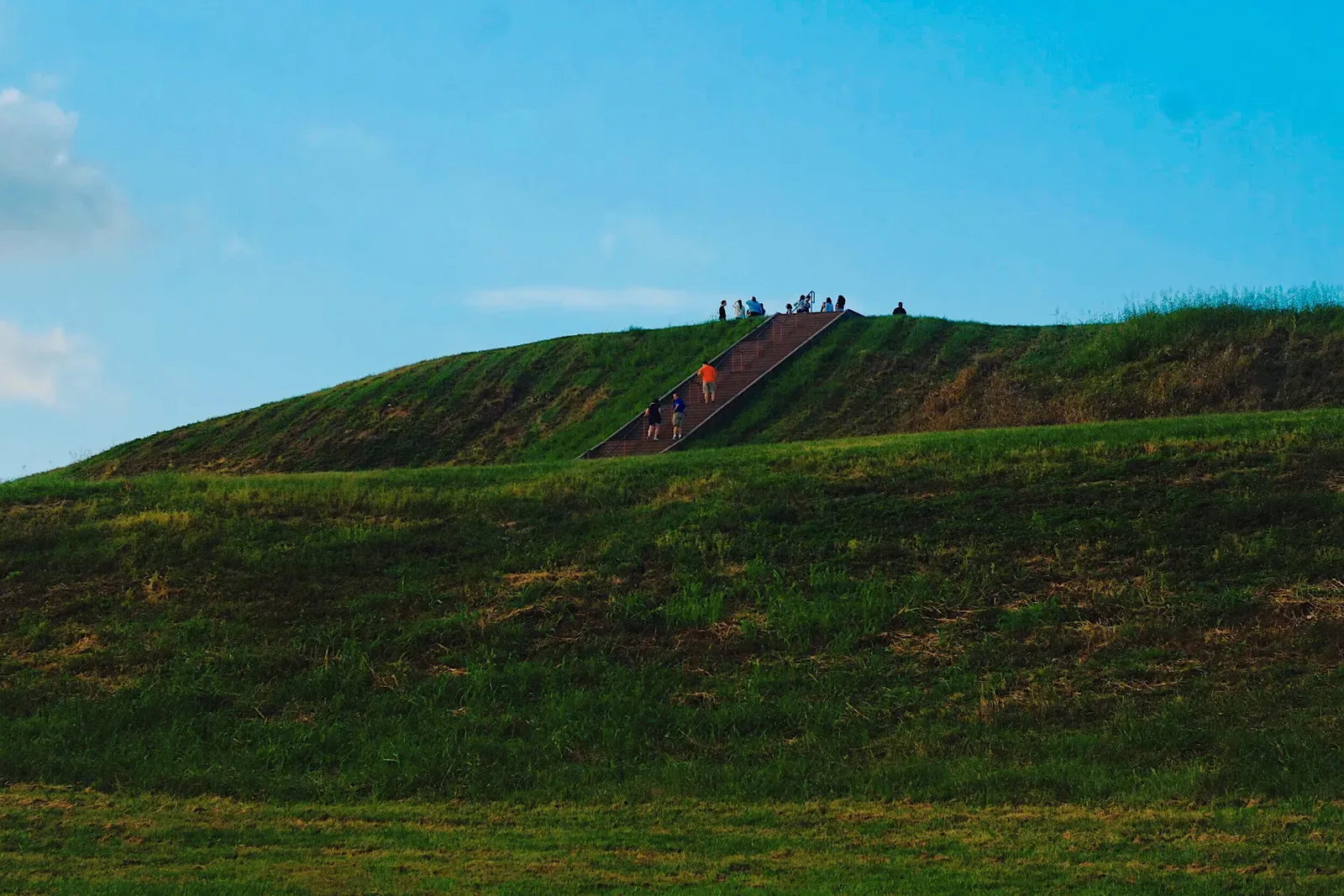
Most Americans have never heard of Cahokia, yet at its peak around 1100 CE it was larger than London, home to an estimated 20,000 people just outside modern St. Louis, complete with massive earthen pyramids and a sophisticated urban plan.
For years, historians blamed deforestation, disease, or vague “social collapse.” A 2019 study finally cracked the case using an unlikely source: ancient human feces preserved in nearby lake sediment. Researchers measured the relative amount of fecal stanols from humans present in sediment layers and compared these to stanol levels known to come from bacteria in the soil, while examining the lake cores for evidence of flooding and climate indicators showing whether conditions were relatively wet or dry.
Why It Stands Out
- At its peak around 1100 CE, Cahokia was larger than London at the time
- Population is estimated at roughly 20,000 residents just outside modern St. Louis
- Its decline was diagnosed using fossilized fecal stanols pulled from lake-bottom sediment cores
- Flooding and drought struck the region in the same era, squeezing the city from two directions at once
The results were striking: Mississippi River flooding and warm-season droughts detrimental to agriculture occurred around 1150 CE and possibly generated significant stress for Cahokia’s inhabitants. The city was squeezed from both directions at once – not enough summer rain to grow maize, then catastrophic river flooding when rain finally did arrive. This stress was then compounded during the shift from a period of warming, known as the Medieval Climatic Anomaly, to the Little Ice Age, which began around 1300.
Not every researcher agrees flooding tells the whole story – newer vegetation studies suggest that although there was drought in the Midwest, it did not appear to have a significant impact on the kinds of vegetation growing in Cahokia’s urban core, proving this mystery still has active debate left in it. Angkor’s downfall came with a twist nobody saw coming.
#10 – Angkor: The Hydraulic City Drowned by Its Own Engineering
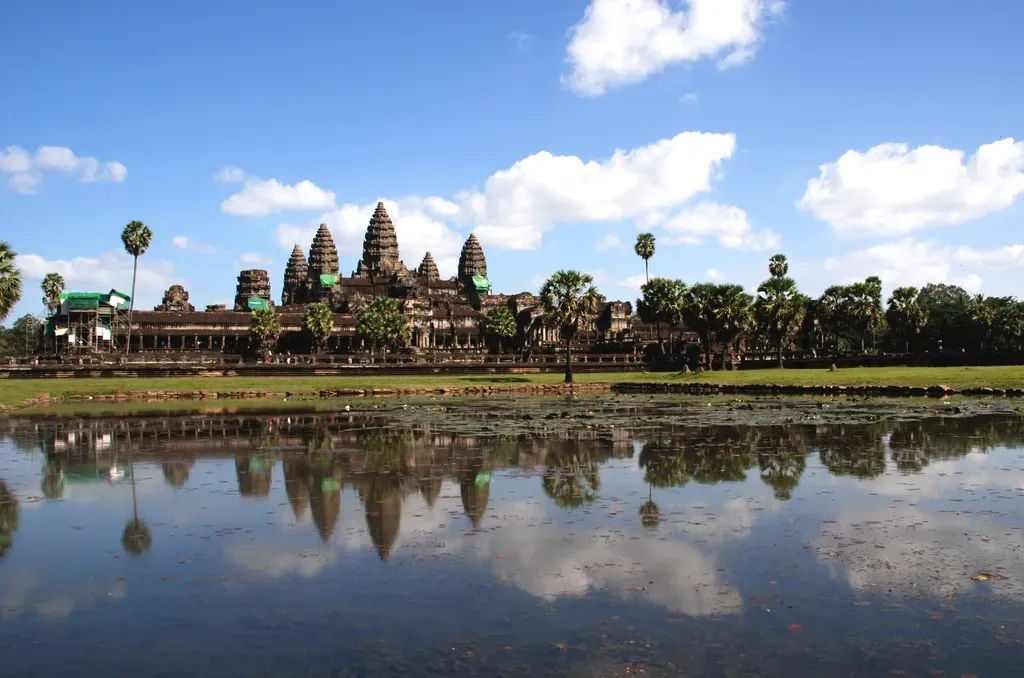
Angkor was arguably the largest pre-industrial city on Earth, its Khmer Empire builders constructing a jaw-dropping “hydraulic city” of canals, dikes, and reservoirs sprawling across more than a thousand square kilometers of tropical forest.
For decades, historians debated Angkor’s collapse using vague theories about deforestation or rival kingdom conflicts. Then Columbia University tree-ring specialists cracked it wide open using an unlikely tool: 750 years of cypress tree growth rings. Researchers reconstructed 759 years of past climate this way, revealing evidence of a mega-drought lasting three decades from the 1330s to 1360s, followed by a more severe but shorter drought from the 1400s to 1420s, right before the empire’s collapse.
Here’s the counterintuitive twist experts didn’t expect: it wasn’t only the droughts that broke the city – it was what came after them. Researchers also found evidence of intense rainy seasons that likely damaged Angkor’s hydraulic system. During a normal monsoon, the vast network of canals could have handled heavy downpours, but after extended droughts, the system was likely vulnerable to clogging. A city engineered brilliantly for water became a death trap the moment water patterns changed direction.
Angkor at that time faced a number of problems – social, political and cultural. Environmental change pushed the ancient Khmers to the limit and they weren’t able to adapt… I wouldn’t say climate caused the collapse, but a 30-year drought had to have had an impact.
Brendan Buckley
Helike’s story flips the script entirely, because for once, the ancient myth turned out to be almost literally true.
#11 – Helike: The City Poseidon Actually Did Sink
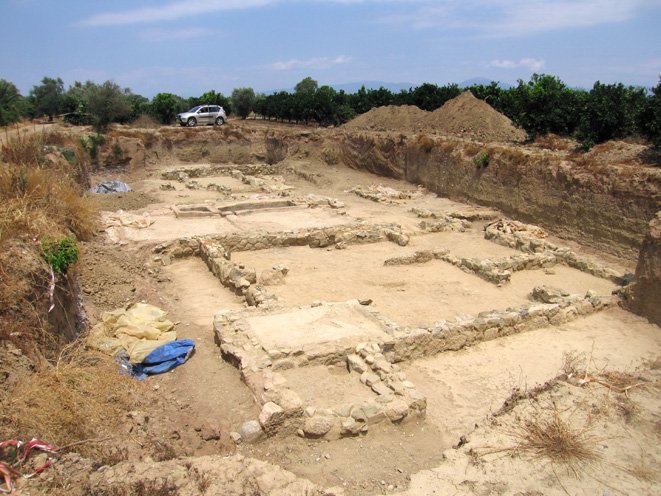
Ancient Greeks believed Helike was destroyed by the wrath of Poseidon himself – and for once, the myth is remarkably close to a scientific explanation.
The most famous disaster occurred in 373 BCE, when a violent earthquake followed by a tsunami submerged the city beneath the waters, an event so impactful it was recorded in numerous ancient texts. For over two thousand years, that was considered legend. Then, in 2001, researchers finally located physical proof – not only the lost classical city buried under lagoon deposits, but also a nearby entire Early Bronze Age town dating from 2400 BC.
The breakthrough came from rethinking the location entirely: a Greek archaeologist raised the possibility that the ancient sea reference didn’t mean the open sea, but an inland lagoon that would have been silted up over the millennia by river sediment. This single reinterpretation solved a 2,000-year-old mystery that decades of offshore diving expeditions had completely missed.
Even more remarkable, ongoing research shows Helike suffered at least six major earthquakes since its Bronze Age founding, approximately one every 300 years, and each time the city shifted – never far, but always to slightly safer ground, with survivors moving westward and rebuilding after the catastrophic tsunami of 373 BCE. Pompeii saves the cruelest irony for last.
#12 – Pompeii: The City Vesuvius Preserved by Destroying It
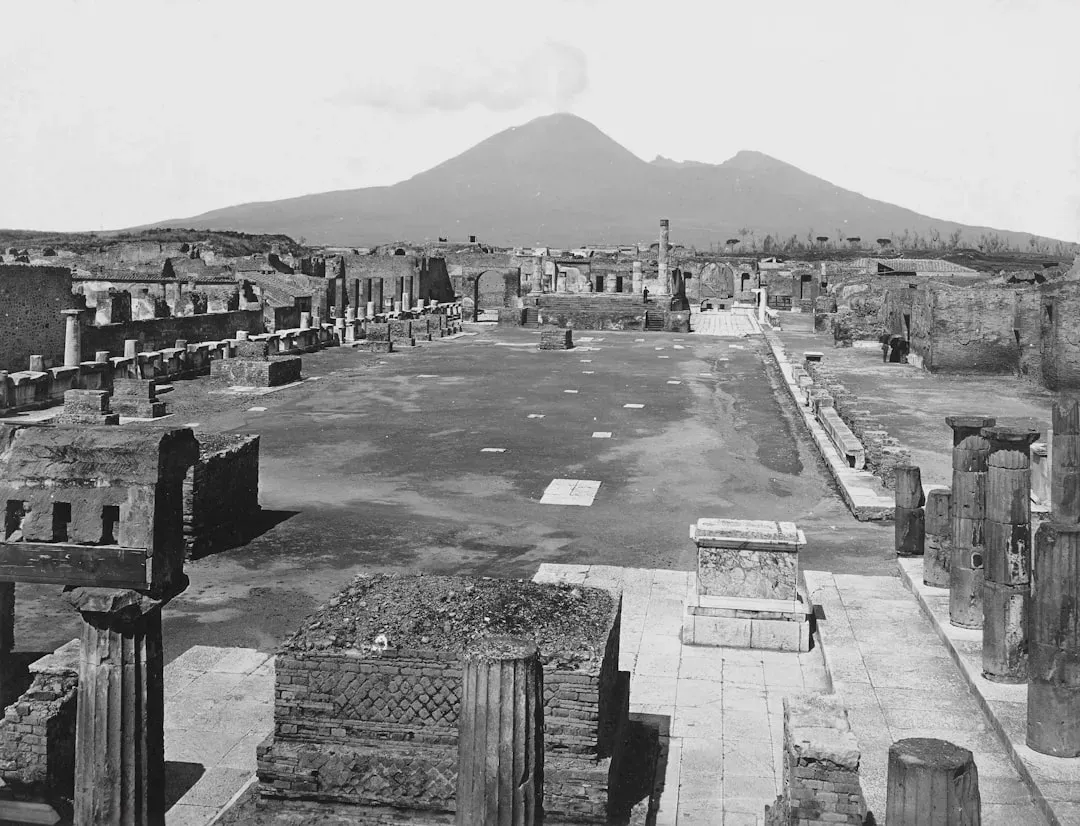
No vanished city carries more macabre irony than Pompeii – a place erased so violently and so instantly that the destruction itself became the greatest act of preservation in archaeological history.
When Mount Vesuvius erupted in 79 CE, the initial ashfall was survivable for many residents, which is exactly what makes the disaster so haunting. The real killer wasn’t falling ash – it was a pyroclastic surge, a superheated wall of gas and volcanic debris moving at devastating speed that overtook the city within minutes, killing instantly through thermal shock rather than slow suffocation as long assumed.
Quick Compare
- Old assumption: Victims slowly suffocated under falling ash
- What the evidence shows: exposure to at least 250°C hot surges at a distance of 10 kilometres from the vent was sufficient to cause instant death, even if people were sheltered within buildings
- Old assumption: The eruption struck completely without warning
- What the evidence shows: A major earthquake in 62 AD, now understood as a precursor to the eruption, had caused severe damage seventeen years earlier
That single scientific correction, confirmed through detailed analysis of skeletal remains and ash deposition patterns, changed how historians understood the final moments of thousands of victims. Bodies weren’t caught mid-flight from panic – many were killed almost instantaneously, frozen in place before the ash even had time to bury them completely.
Pompeii’s tragedy created something no deliberate excavation ever could: a perfectly sealed time capsule of daily Roman life, untouched for over 1,600 years until rediscovery in the 16th century. The most unsettling fact remains this – had Vesuvius erupted just slightly differently, with more warning ash and less deadly gas, Pompeii might have simply been abandoned and forgotten like so many other Roman towns, and we’d have lost the single richest archaeological snapshot of ancient life ever recovered.
The Bottom Line
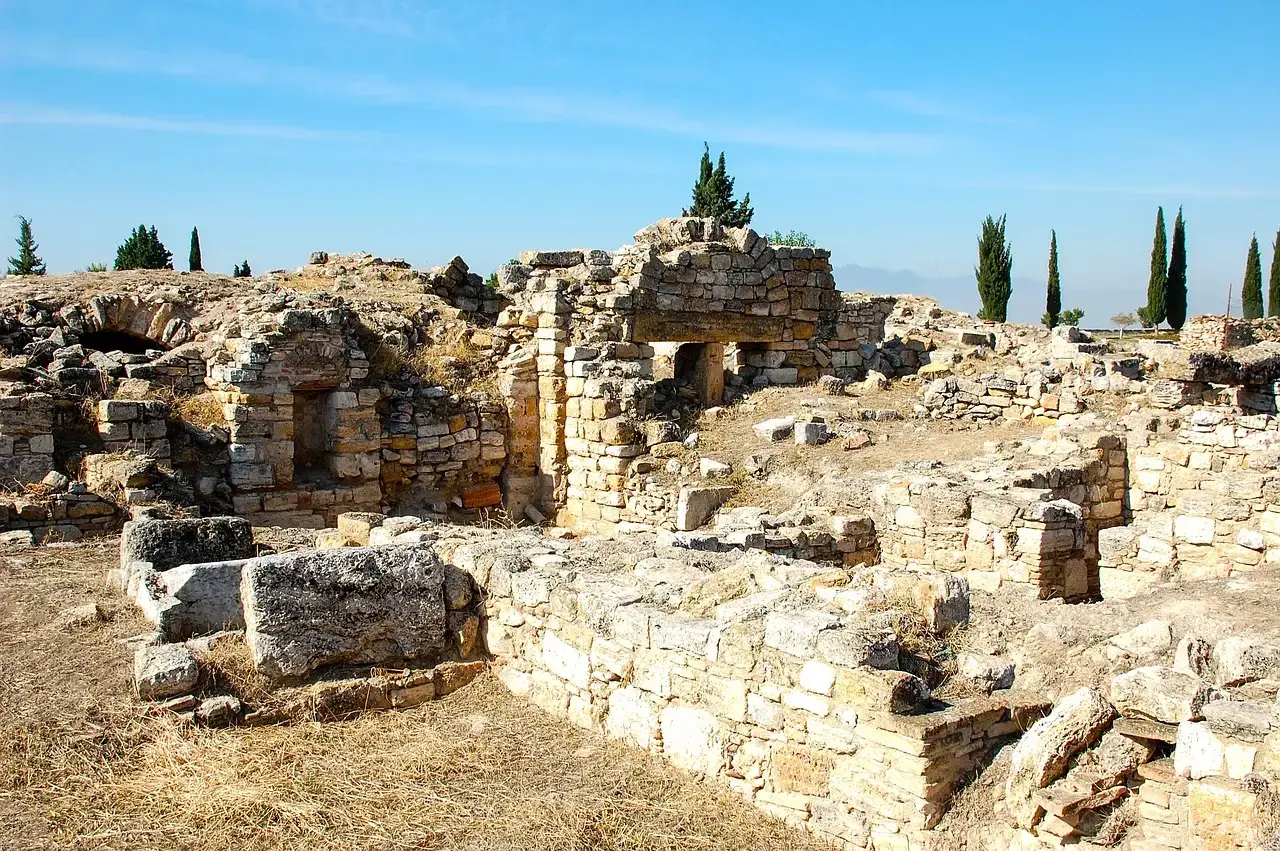
Every city on this list vanished for a reason ancient people usually already suspected – earthquakes, floods, drought, invasion – but couldn’t scientifically prove until modern tools caught up. Tree rings, lake sediments, fecal stanols, and satellite radar have turned centuries-old legends into hard data.
The real pattern here isn’t natural disaster alone. It’s how climate stress, bad infrastructure, and political collapse almost always arrive together, finishing off civilizations that any single crisis alone might not have killed. If there’s an uncomfortable lesson buried under all that sediment and ash, it’s this: the ground has never been as permanent as we like to pretend, and neither is any city built on the assumption that the water, the trade routes, or the weather will simply stay the same.