
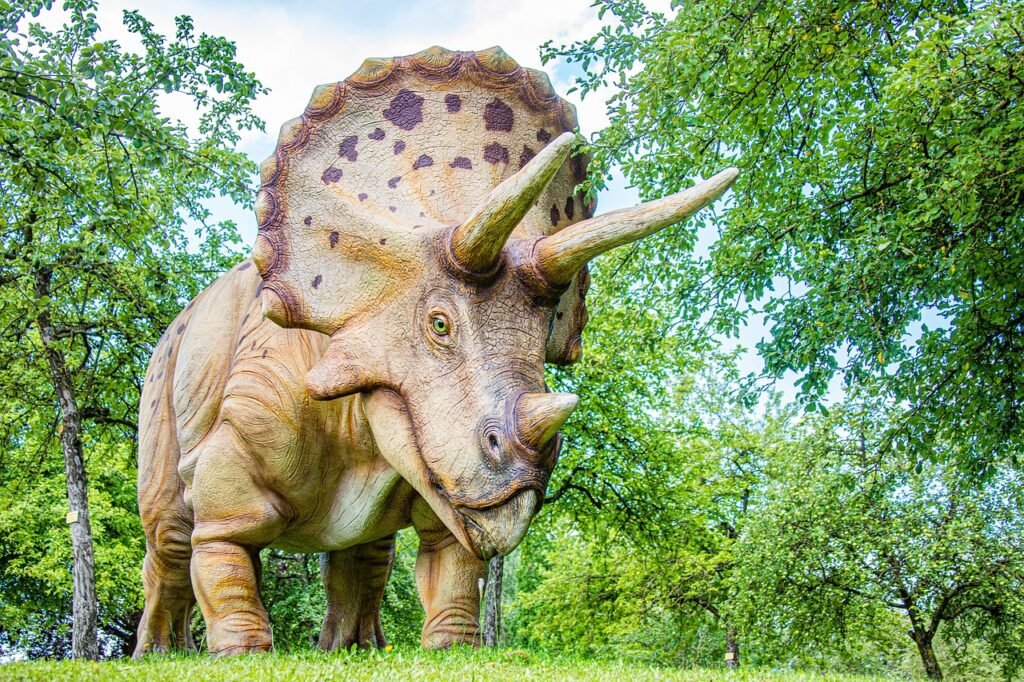
Picture the Triceratops from your childhood dinosaur book: gray skin, solid frill, three horns, case closed. Now picture a version of that same animal that may have flashed color like a bird, healed its own wounds like a living creature, and possibly spent decades of scientific history disguised as an entirely different dinosaur. That’s not a movie reboot – that’s what two decades of fossil evidence actually suggests.
Paleontologists keep finding cracks in the textbook version of Triceratops, and every crack reveals something stranger than the last. Twelve of those discoveries stand out as the strangest, and by the end, you may never look at a museum skeleton the same way again.
#1 – Originally Filed Away As An Extinct Bison
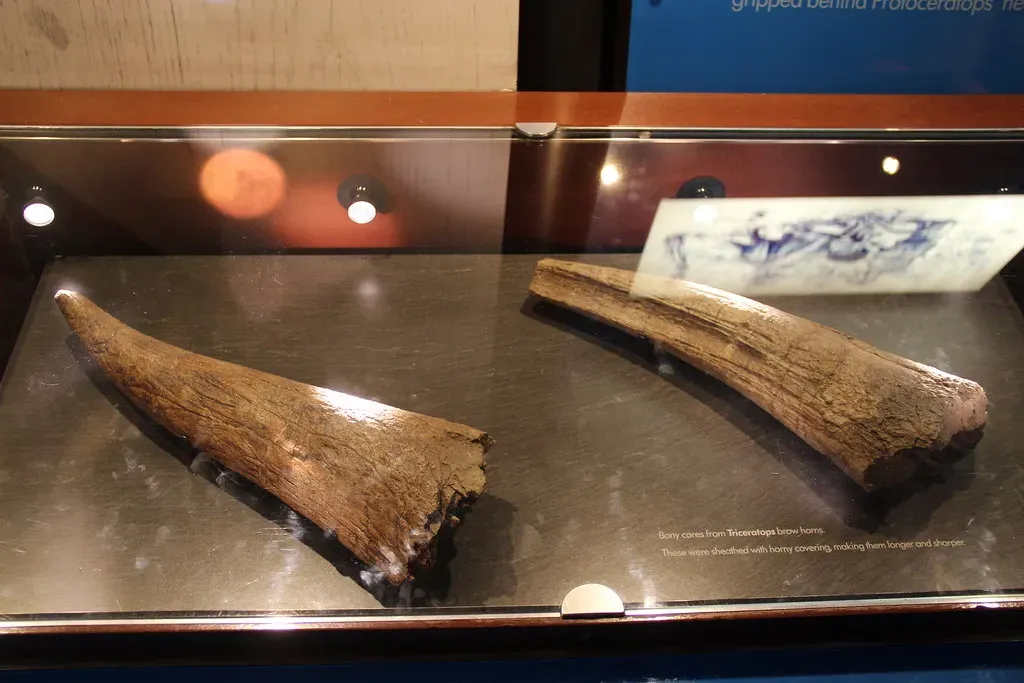
In 1887, paleontologist Othniel Charles Marsh received a package containing nothing but two massive horn cores. No skull, no jaw, no context – just two chunks of bone that looked like they belonged to something enormous.
Working from that scrap alone, Marsh made the most reasonable guess available at the time. He assumed the horns belonged to some kind of giant prehistoric buffalo, and he named the creature Bison alticornis – literally, “high-horned bison.” It wasn’t a wild swing; horn cores from unrelated species really can look eerily similar when you’re missing 90 percent of the skeleton.
The mistake didn’t survive long. More digging turned up more bone, and a fuller picture finally emerged: these weren’t bison horns at all, but the brow horns of a three-horned face unlike anything on record. Marsh renamed his find Triceratops.
Fast Facts
- 1887: A pair of brow horns and a skull-roof fragment turned up near Denver, Colorado, and landed on Marsh’s desk at Yale.
- Marsh initially believed the bones came from a Pliocene-age giant bison, hence the name Bison alticornis.
- 1889: A more complete skull changed his mind entirely, and the genus was renamed Triceratops, with T. horridus as the type species.
- By the height of the naming frenzy that followed, seventeen separate “species” of Triceratops existed on paper.
It’s a humbling footnote buried inside dinosaur history. One of the most recognizable dinosaur names on Earth started life as a filing error, built on two lonely bones and an educated guess.
#2 – A Genus That Was Secretly A Dozen “Species”
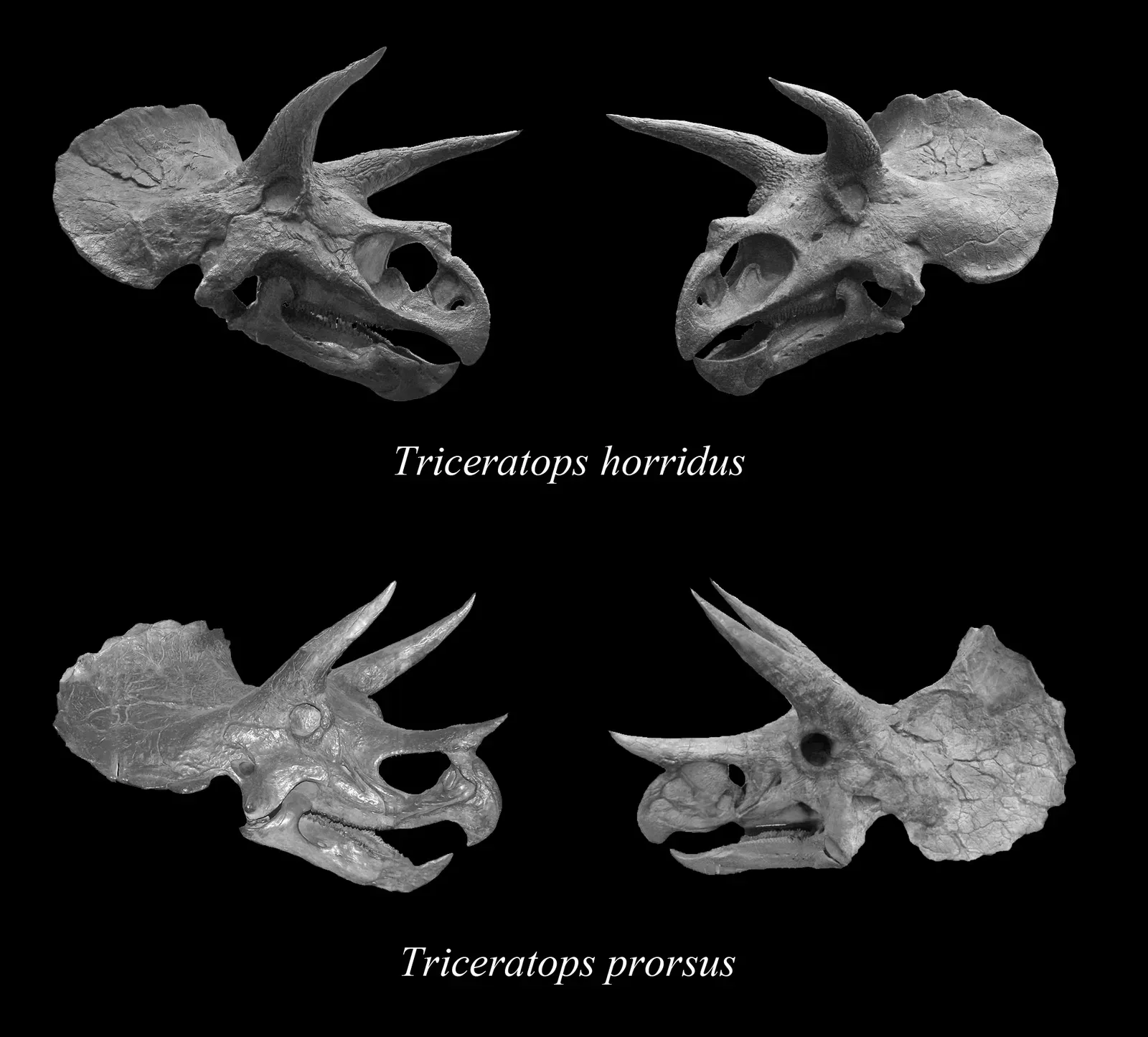
For decades after Marsh’s correction, Triceratops didn’t behave like one dinosaur in the scientific literature. It behaved like a crowd.
Every time a slightly different skull turned up, someone slapped a new species name on it. Horn curvature, frill shape, brow-ridge size – almost any variation got treated as proof of a brand-new taxon, rather than ordinary biological variety.
More than a dozen separate species names piled up before researchers, including paleontologist John Scannella, made the case that most of them were the same animal at different ages, sizes, or sexes – and argued that even Torosaurus might belong folded into the same genus. That’s a staggering amount of taxonomic inflation for one dinosaur.
- Individual variation in horn length and frill texture was routinely mistaken for separate species.
- Growth stage, sex, and even how a skull happened to get crushed during fossilization all fed the confusion.
The lesson paleontologists eventually took from this mess is blunt: skull shape alone is a terrible way to define a dinosaur species.
#3 – A Body That Rewrote Itself With Every Birthday
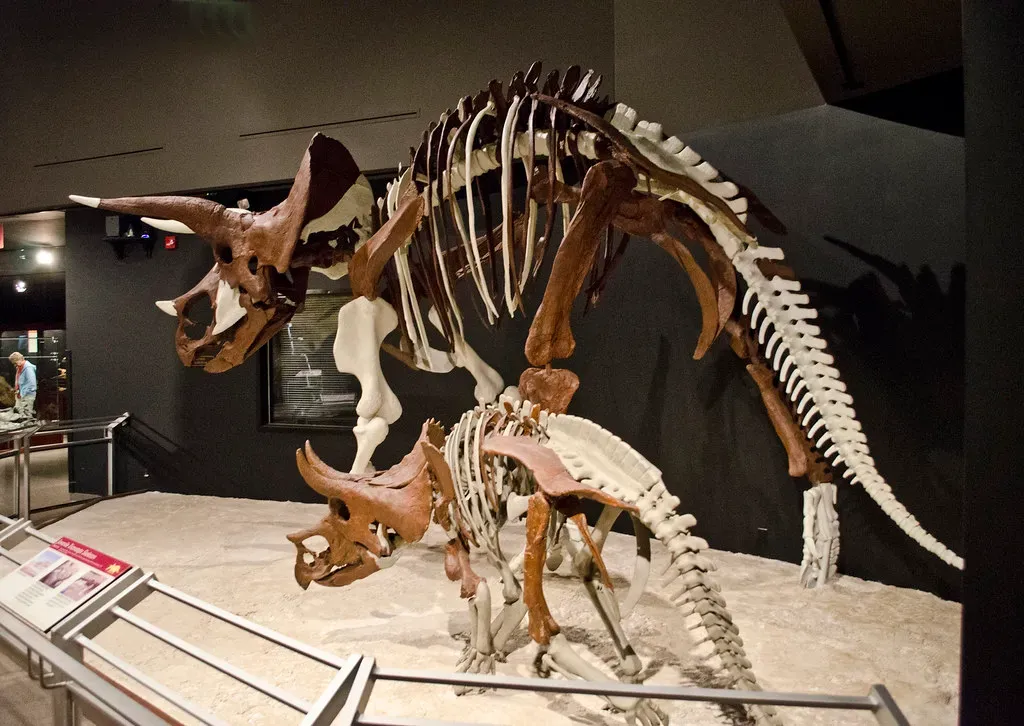
A baby Triceratops and an adult Triceratops barely look like the same animal, and that is not an exaggeration.
The discovery of a tiny “yearling” skull – missing only its nose and beak – gave researchers their first real window into just how dramatically this dinosaur transformed as it grew. Once assembled, the skull and jaw fit perfectly into a broader study tracking Triceratops growth patterns stage by stage.
The brow horns alone are almost unrecognizable between life stages. In the baby, they started out straight and short, barely an inch long. In the adult, they curved forward dramatically, while the nose horn ballooned into something closer to a rhino’s.
- Baby frills had scalloped, wavy edges that smoothed out with age.
- Those wavy edges eventually gave way to triangular scales along the adult frill, likely a marker of sexual maturity.
Line up a hatchling skull next to a fully grown one with no context, and you’d probably assume they were two different species. That’s exactly the mistake early paleontologists made.
#4 – A Wrestler, Not Just A Battering Ram
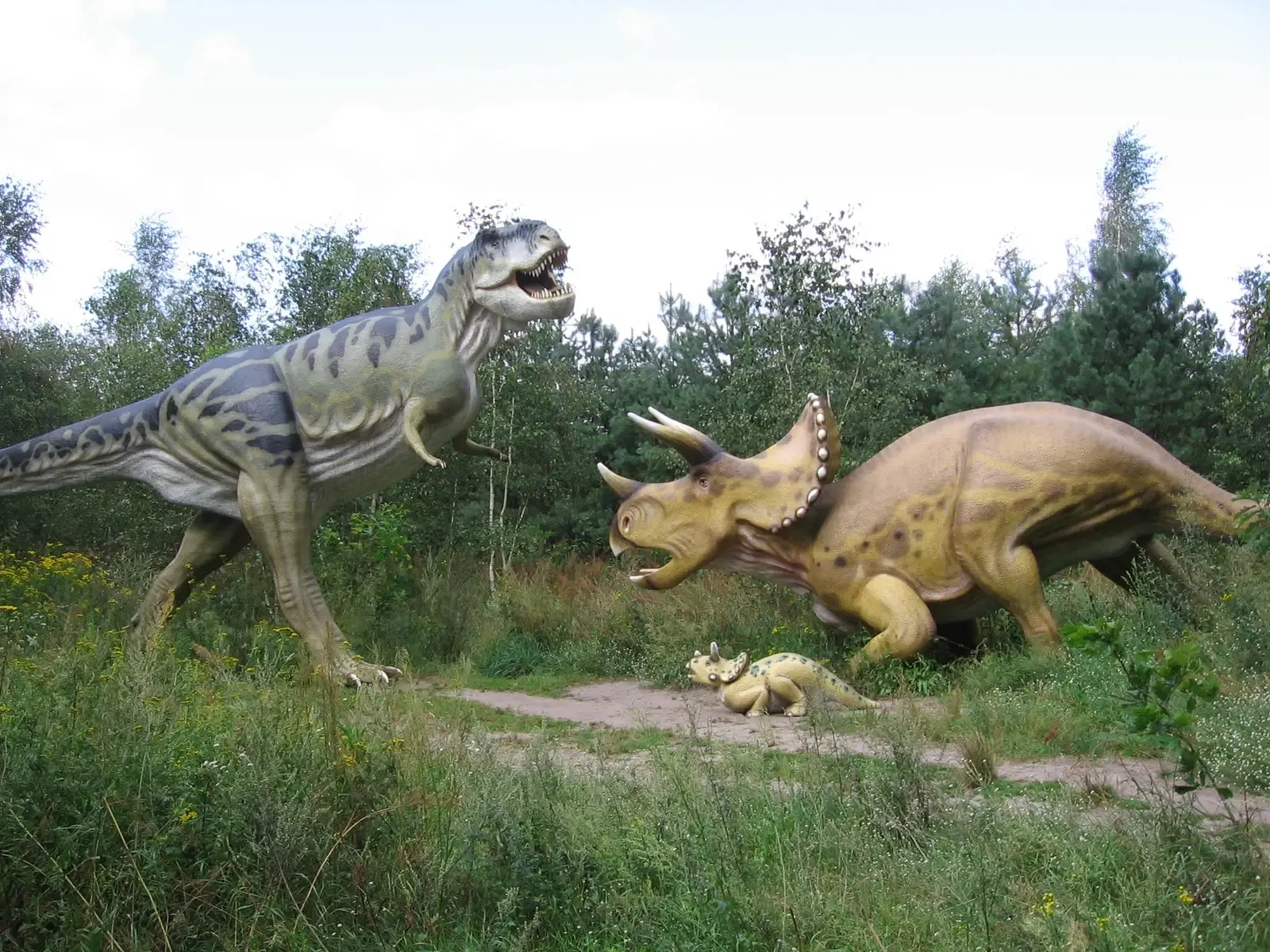
Every kids’ documentary shows Triceratops charging head-on like a runaway freight train. The fossil evidence tells a stranger story.
Damage patterns on skulls suggest these animals weren’t smashing skulls together at full speed. Fossil puncture wounds and healed injuries point instead to horn-locking, pushing, and twisting – closer to a wrestling match than a collision, and closer in spirit to how modern moose or cattle spar.
Males appear to have inflicted most of these documented injuries on each other, not on predators. Puncture marks on fossil frills line up with rival males fighting, most likely to impress females, which reframes the horns as courtship weapons first and defensive weapons second.
- The solid frill acted like reinforced armor plating during these headlock-style contests.
- Injuries healed over time, meaning combat wasn’t usually a fight to the death.
That shifts the whole mental image from monster-versus-monster to something closer to two bighorn sheep butting heads over mating rights.
#5 – Built With Its Own Repair Kit
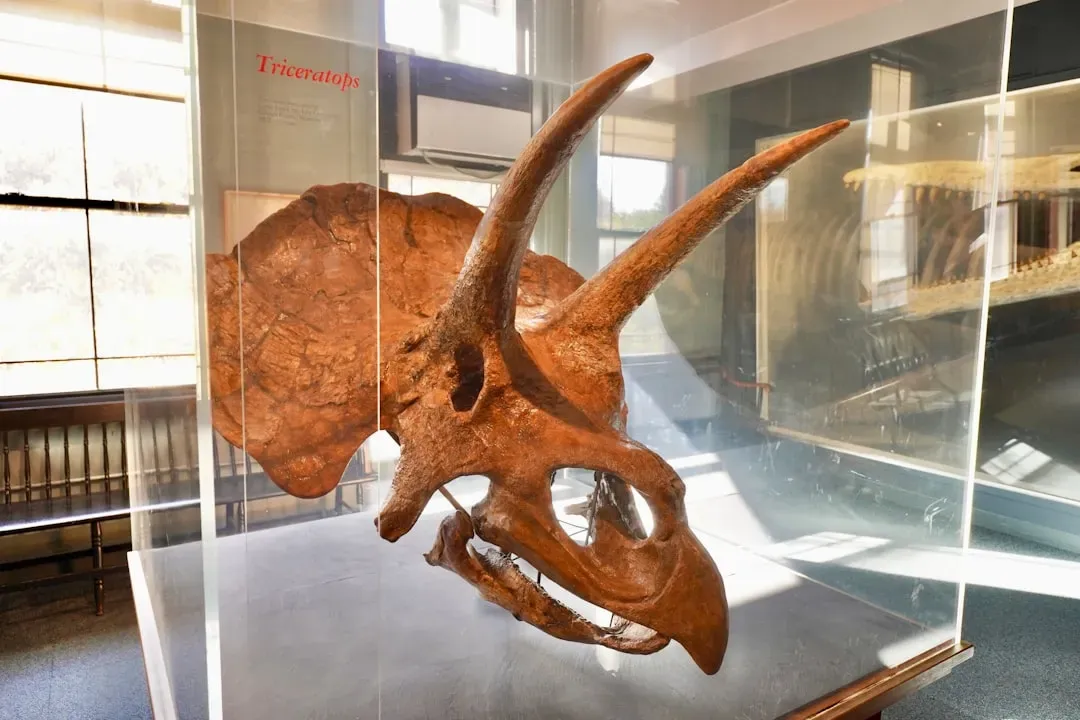
Triceratops horns weren’t just weapons. They were living, self-healing structures wrapped around dead bone.
The bony horn cores preserved in museum fossils were never the whole story. In life, they were sheathed in keratin, the same tough protein found in human fingernails, just like the horns of living horned animals today.
That keratin layer came with its own built-in repair system. If the exterior was gouged by a rival’s horn, blood vessels running through the keratin could heal the wound, meaning surface damage wasn’t necessarily permanent.
Worth Knowing
- Keratin sheaths likely extended the visible length and shape of the horns well beyond the bony core underneath.
- A dense network of blood vessels fed that keratin layer, which is exactly what allows healing in living horned animals today.
- Surface scuffs and gouges could mend over time, but the bone itself had no such second chance.
- That distinction means the fossil record actually preserves two different kinds of damage: forgivable and permanent.
There was a hard limit to that healing power, though. If the bone underneath actually broke or was removed, it could never grow back – so a scratched horn was recoverable, but a shattered one was permanent, and it shows up that way in the fossil record decades later.
#6 – A Billboard Painted In Color
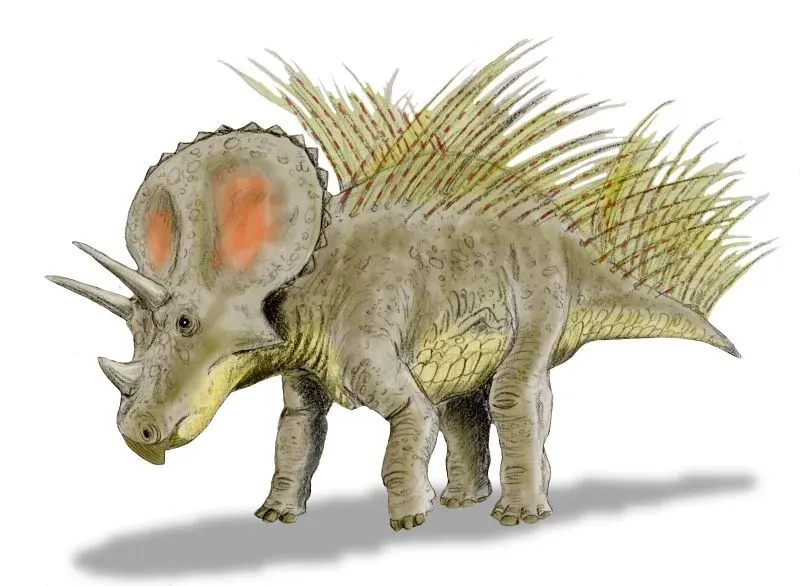
Strip away the gray museum-diorama look, and Triceratops may have been one of the most visually loud animals of the Cretaceous.
Grooves found on fossil skulls reveal where blood vessels once ran beneath the keratin covering, nourishing a fingernail-hard layer over the bone. That same tissue type is often brightly colored in living animals, which changes everything about how we should picture this dinosaur.
Bird plumage offers the closest living comparison, since horny coverings in birds – direct dinosaur descendants – are frequently vivid and eye-catching. Some researchers point specifically to the frill as a canvas for this kind of display, possibly used in courtship much like the plumage of modern birds.
- Blood vessel density on the frill supports a display function beyond simple armor.
- Coloration theories draw a direct comparison to modern bird plumage, not reptile scales.
The flat gray-and-brown Triceratops of old museum paintings might be one of the biggest visual myths in dinosaur history.
#7 – A Walking Radiator, Maybe
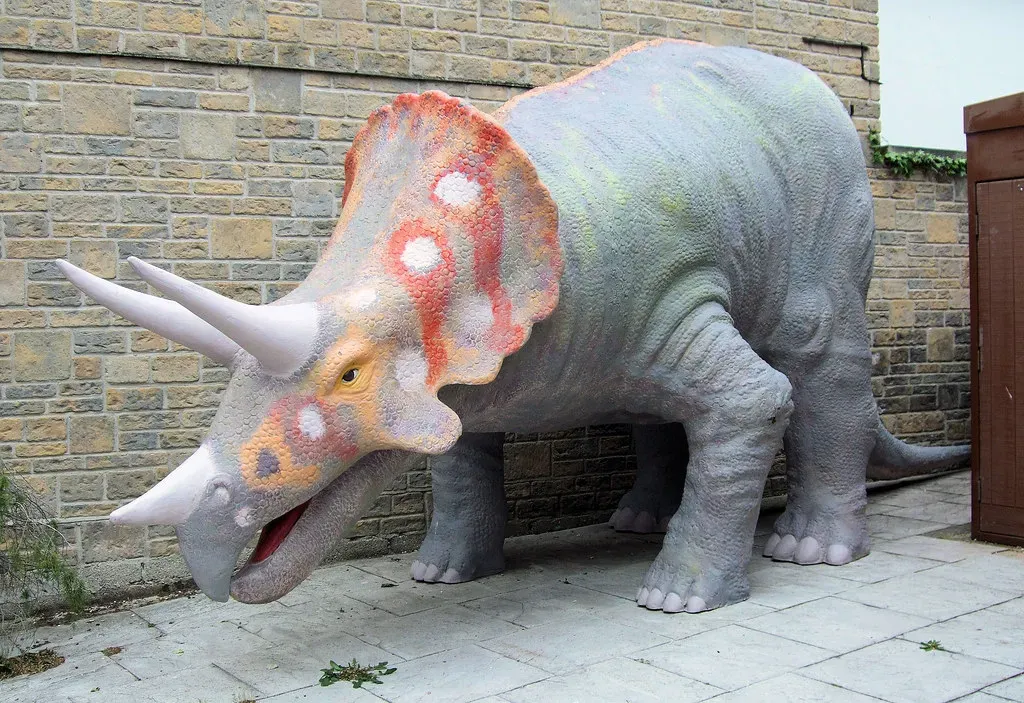
For years, one leading theory held that Triceratops used its enormous frill as a built-in air conditioner.
Oxygen isotope studies on fossilized bone offered surprisingly specific support for the idea. Heat-flow signatures suggested the parietal frill ran a few degrees cooler than the body core, with the horn cores possibly playing a role in stabilizing brain temperature during extreme heat.
Here’s the friction point, though: newer analyses push back hard on this. Many current researchers now argue that courtship display explains the frill’s size and shape far better than cooling ever did.
- Supporting camp: isotope heat-flow data pulled from real fossil bone.
- Opposing camp: modern structural and behavioral analysis favoring display over biological air-conditioning.
Nobody has fully closed this debate, which is exactly why it keeps resurfacing in paleontology journals.
#8 – A Missing Link Hiding In Plain Sight
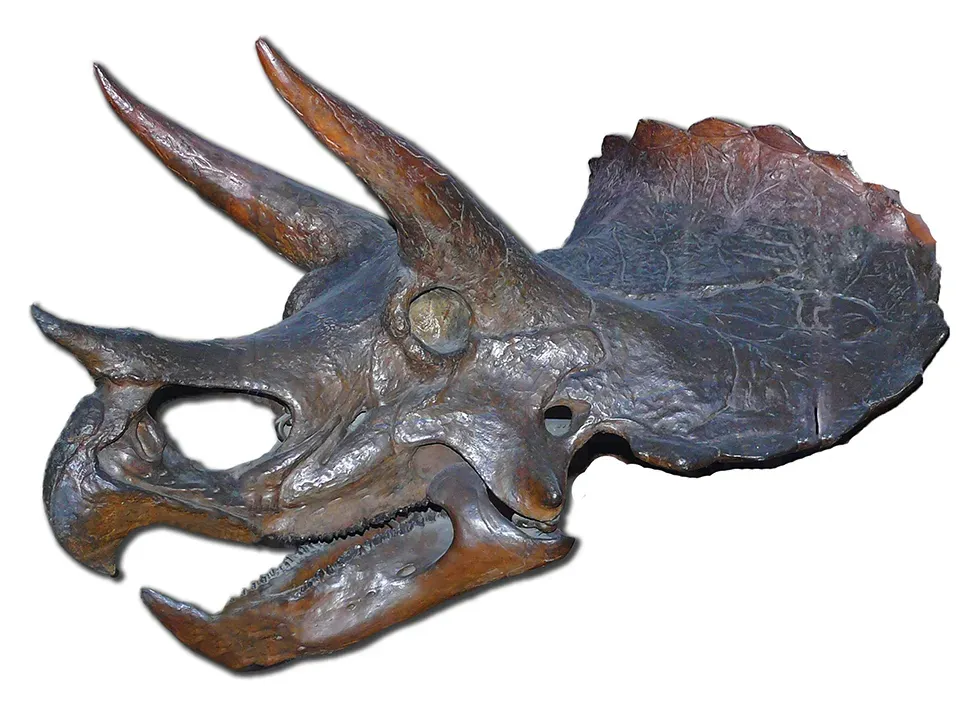
One single, oddball skull may be quietly proving that Triceratops was mid-transformation into something else entirely.
This specimen sits in an anatomical no-man’s-land between classic Triceratops and its more elaborately frilled relatives. The debate has centered on whether it represents an in-between growth stage rather than a distinct genus of its own.
Every supposedly unique feature of this “weird” skull turns out to already exist in normal Triceratops specimens elsewhere. That matters – it means the skull isn’t a separate species at all, just an awkward stage caught mid-growth.
- The specimen shows an early, incomplete version of a hole seen fully formed in more mature-looking relatives.
- Its anatomy sits precisely between two much more famous, much more debated dinosaur names.
This single skull may be the strongest physical evidence yet that Triceratops kept changing shape long after most people assume dinosaurs stopped growing.
#9 – Not Simply T. rex’s Arch-Nemesis
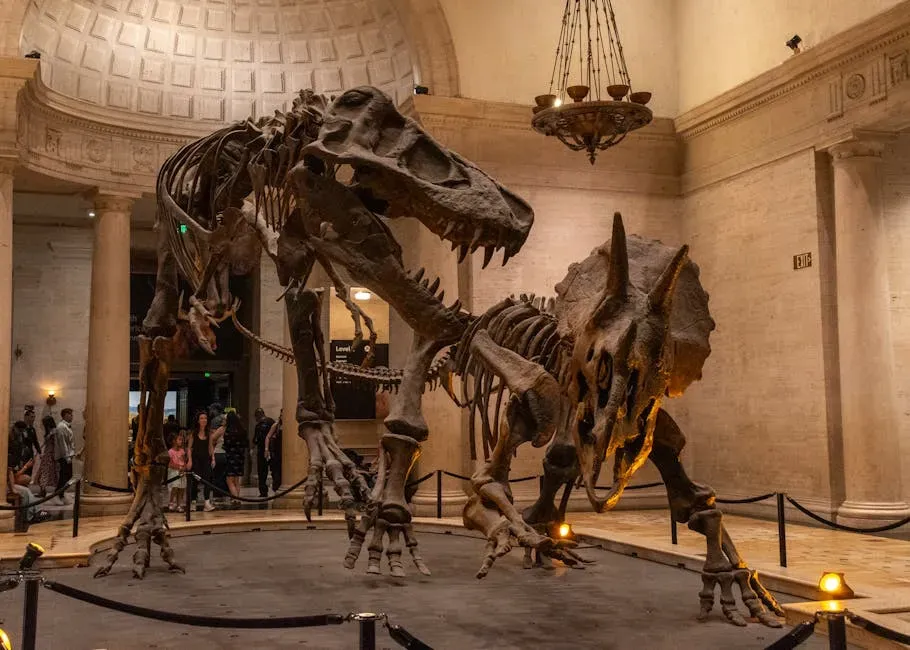
Pop culture loves the image of Triceratops and Tyrannosaurus locked in constant, personal warfare. The fossil record is messier than that.
What we do know for certain is that these two animals interacted violently at some point. Tyrannosaurus bite marks on Triceratops frills are real, physical, and preserved in bone – not myth.
What’s still genuinely unresolved is whether those bites happened mid-hunt or during a scavenging session on an already-dead animal. Even the frill’s shape complicates the simple “shield against predators” story, since it appears too large and metabolically costly to be explained by defense alone.
- Confirmed: bite marks exist on fossilized frills.
- Unresolved: whether most encounters were active hunts or scavenging on carcasses.
The rivalry wasn’t fictional. It just wasn’t the tidy, constant grudge match the movies suggest.
#10 – One Of The Most Common Dinosaurs Ever Found
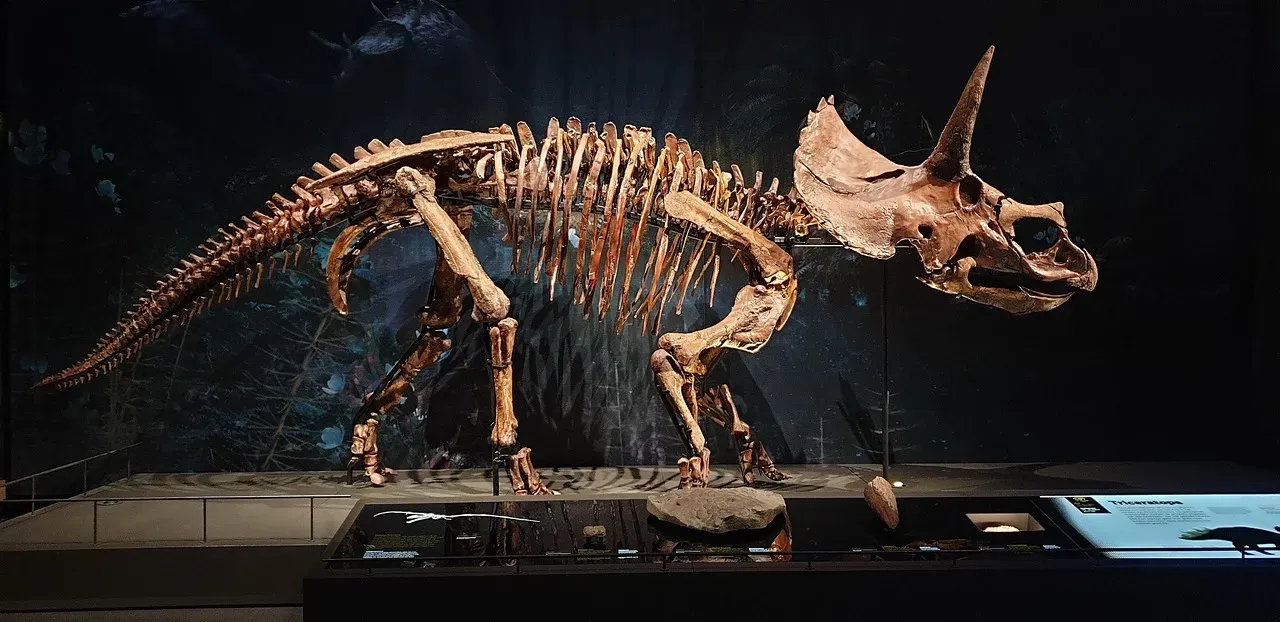
Triceratops isn’t just famous. It’s genuinely one of the most abundant large dinosaurs ever pulled out of the ground.
Researchers have documented over 50 total specimens, an enormous number for a large-bodied Cretaceous animal compared to most other giants from the same era.
Despite that abundance, almost every single one of those specimens was found completely alone. That’s bizarre, because closely related horned dinosaurs regularly show up in massive multi-individual bonebeds, and for decades Triceratops refused to show any sign of that same pattern.
- High individual fossil count across multiple U.S. states and Canadian provinces.
- Near-total absence of multi-individual death sites, unlike closely related horned dinosaurs.
That contradiction between “everywhere” and “always alone” set up one of the more interesting behavioral mysteries in ceratopsian research – until one specific discovery changed the picture entirely.
#11 – A Teenager That Ran With The Pack
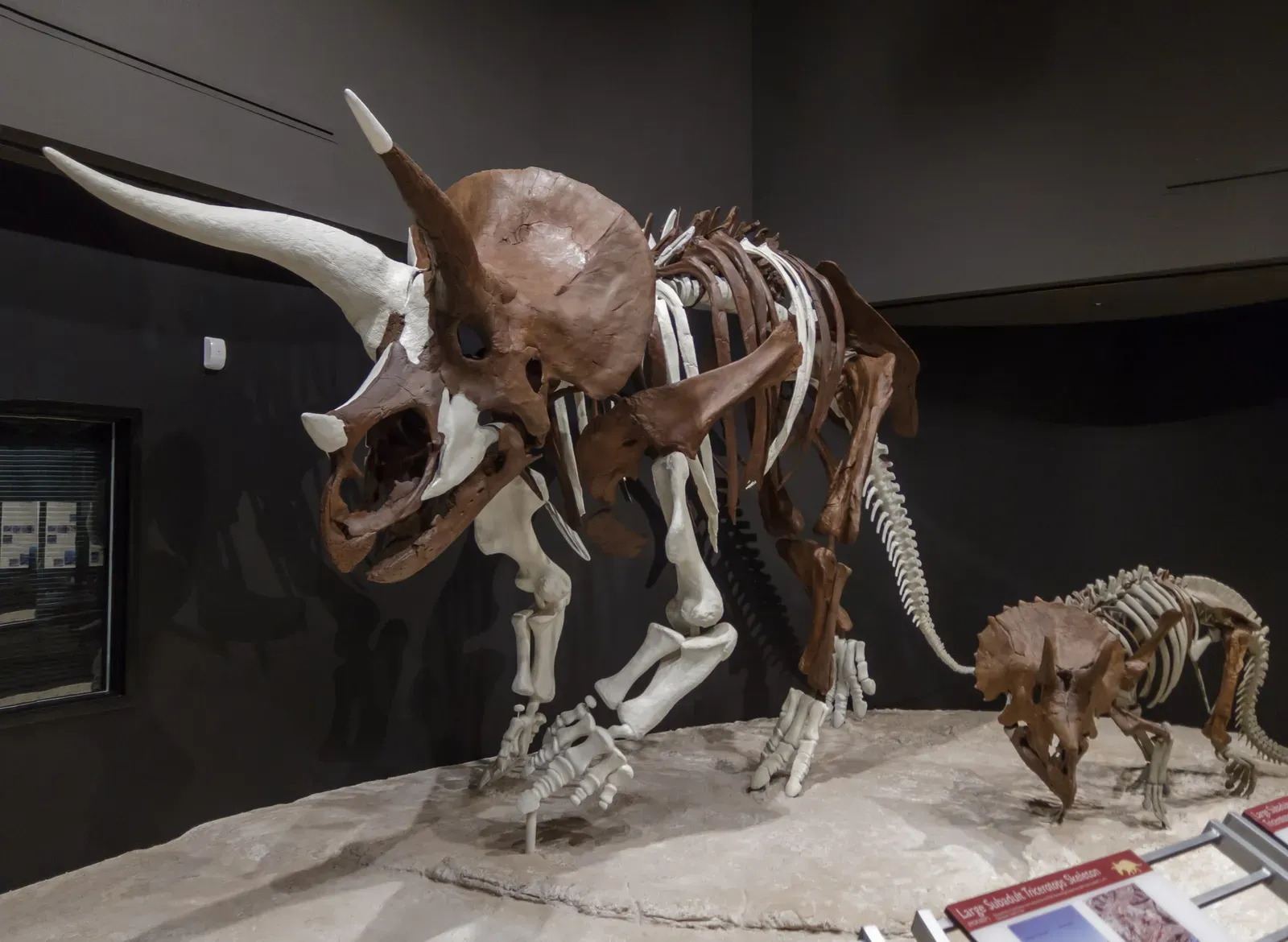
The lone-wolf reputation Triceratops carried for over a century got shattered by a single muddy Montana discovery.
In 2005, a volunteer at the Burpee Museum stumbled onto a jumbled cluster of bones that would upend decades of assumptions. It turned out to be at least three juveniles buried together, hinting that young Triceratops may have moved in small groups.
Geological clues pointed to these young dinosaurs dying together, not just being buried together by coincidence. The evidence suggests a localized flood deposited all three at the same time, meaning they were probably living together when disaster struck.
Adults, though, tell a completely different story, with almost no adult group burials ever found. It’s too early to know for sure, but perhaps juvenile Triceratops lived in loose herds and grew more solitary as they matured.
- Juvenile bonebed evidence: multiple young individuals dying together in a single flood event.
- Adult fossil pattern: still overwhelmingly solitary, with almost no adult group burials found.
That leaves a genuinely open question: did Triceratops age out of social living, or did adults simply have separate reasons to avoid each other?
#12 – Two Dinosaurs Wearing One Skin – Or One Growing Into Another
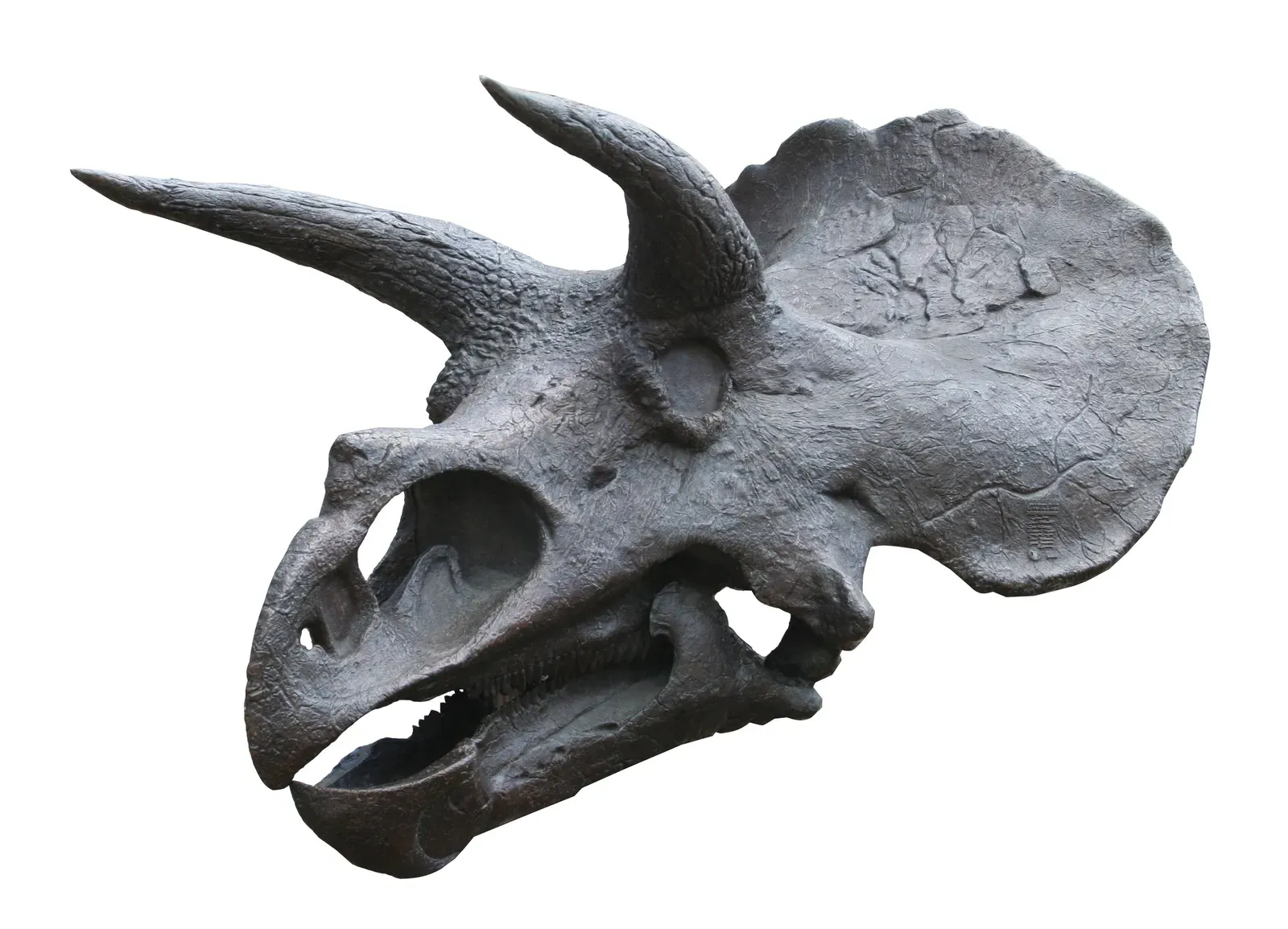
This is the debate that could rewrite dinosaur textbooks, and paleontologists still can’t fully agree on the answer.
For over a century, Triceratops and a larger, more elaborately frilled relative called Torosaurus were treated as completely separate genera. Triceratops had a three-horned skull with a short, solid frill, while Torosaurus had a much bigger frill punched through with two large holes.
Then came the theory that turned the paleontology world upside down: they might be the exact same animal at different life stages. A large-scale project found that roughly 40 percent of collected specimens were Triceratops at varying growth stages, ranging from football-sized juvenile skulls up to skulls the size of a small car – and microscopic bone analysis showed Torosaurus tissue was even more heavily remodeled than the largest known Triceratops, exactly what you’d expect from an older individual.
But the counter-evidence is just as compelling. Physically mature adult Triceratops specimens appear to coexist alongside relatively immature juvenile Torosaurus specimens – which shouldn’t be possible if Torosaurus were simply a grown-up Triceratops.
- Growth-stage camp: no juvenile Torosaurus specimens have ever been found, exactly as you’d expect if it were just “grown-up Triceratops.”
- Separate-species camp: mature Triceratops and immature Torosaurus supposedly coexist in the fossil record, which shouldn’t happen if one simply becomes the other.
This isn’t a settled fight. It’s an active, ongoing argument between credentialed paleontologists using the same bones to reach opposite conclusions, which says a lot about how much we still don’t know about the most “famous” dinosaur on Earth.
The Bottom Line
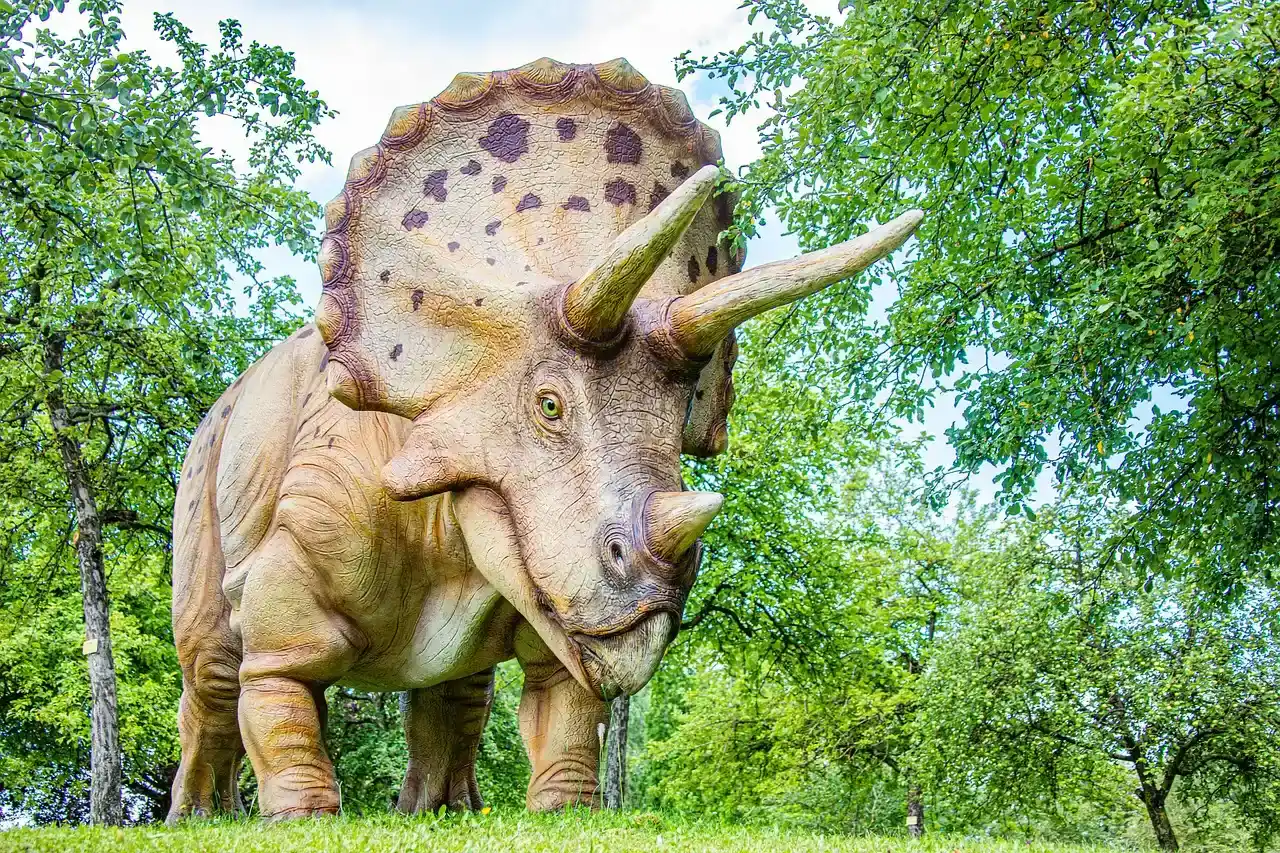
Triceratops has been misfiled as a bison, split into a dozen fake species, painted the wrong color, given the wrong fighting style, and possibly merged with – or torn apart from – an entirely different dinosaur genus. The frill alone has been called armor, air conditioner, and billboard, sometimes in the same research paper.
Even its social life remains split down the middle: gregarious teenager, solitary adult. If one of the best-studied dinosaurs on the planet is still this contested, that’s not a failure of paleontology – it’s proof the field is still very much alive.
At a Glance: Triceratops, Then vs. Now
- Then: one static species. Now: a single genus that absorbed more than a dozen “phantom” names.
- Then: dull gray hide. Now: possibly bright, keratin-covered horns and frill built for display.
- Then: a head-on battering ram. Now: wrestling-style horn-lock combat, mostly among rival males.
- Then: a guaranteed loner. Now: possibly a social juvenile that turned solitary with age.
“Settled science” in dinosaur research is often just the current best guess wearing a confident face. Which reinterpretation surprised you the most – the bison mix-up, the Torosaurus debate, or something else? Drop your take in the comments.