
There’s something oddly thrilling about realizing that, for all our satellites, particle accelerators, and AI, the ancient world is still hiding things from us. I remember standing in front of a battered museum artifact once, reading three different labels that each gave a different theory about what it was, and thinking: we really don’t know as much as we pretend we do. That tension between confidence and confusion is exactly where ancient mysteries live.
The cases below are not fantasy stories or campfire legends – they’re puzzles that serious researchers still argue about. In some, we have a handful of hard facts buried under layers of speculation. In others, new technologies like DNA analysis or satellite imaging have sharpened the questions rather than answered them. And that’s what makes them so addictive: each mystery is a reminder that history is not a finished book, but a draft with pages still missing.
The Great Pyramid’s Impossible Precision
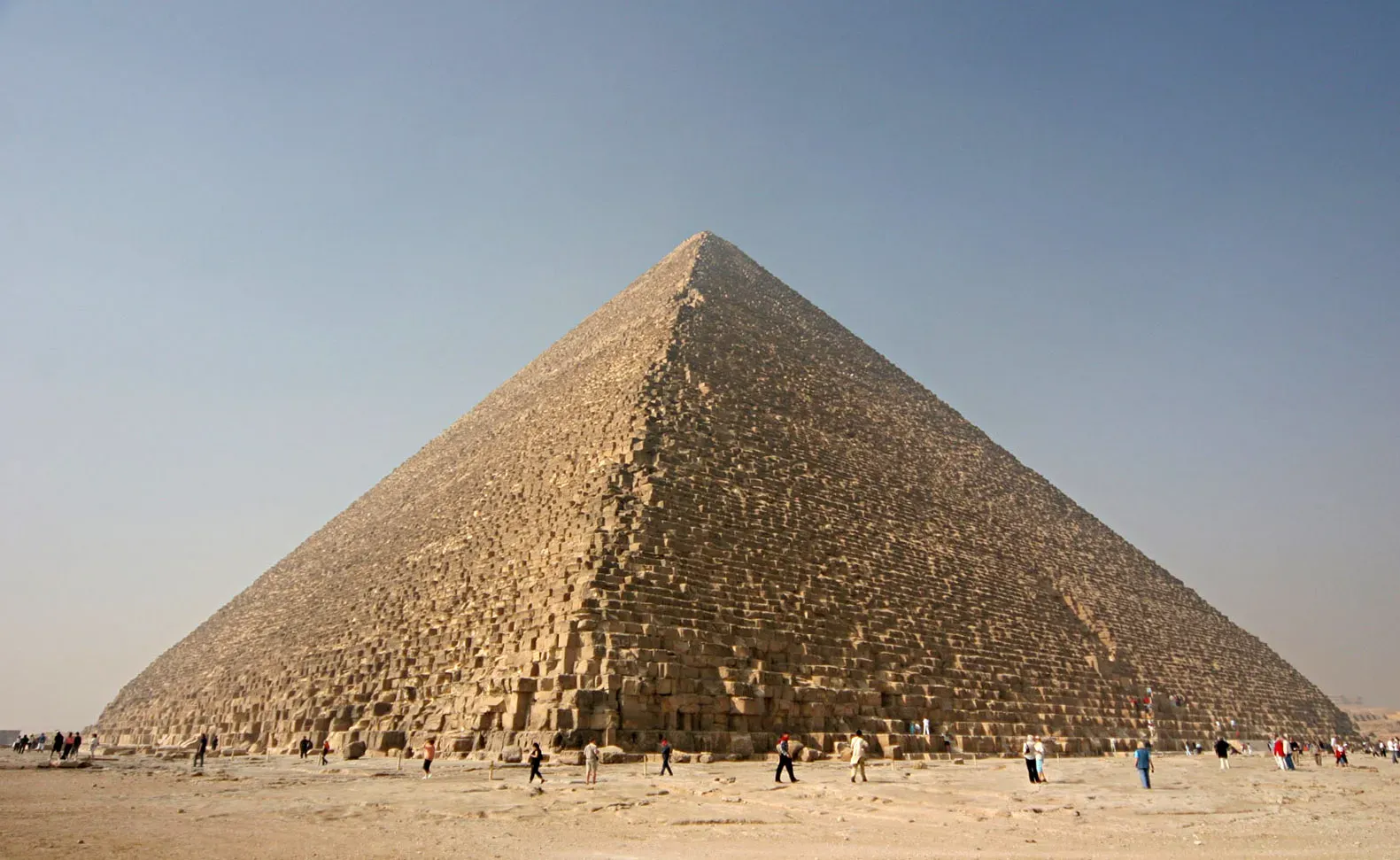
It sounds exaggerated until you look at the numbers: the Great Pyramid of Giza is aligned to true north with a precision that puts many modern structures to shame. Its base covers several acres, yet the four sides are astonishingly close in length, and the deviation from true north is tiny. This is all the more baffling because the builders had no steel tools, no GPS, and no modern surveying equipment, just the sky and some very clever geometry.
Scientists and engineers still debate how such accuracy was achieved in practice. Ideas range from using fixed stars as reference points, to ingenious shadow-measuring tools, to water-filled trenches acting as giant levels. There’s no widely accepted, fully detailed construction manual, only partial reconstructions and computer simulations. The mystery here isn’t whether humans could do it – clearly they did – but how exactly they organized tens of thousands of workers and simple tools into a project with error margins that would impress a contemporary architect.
The Nazca Lines: Messages, Maps, or Something Else?
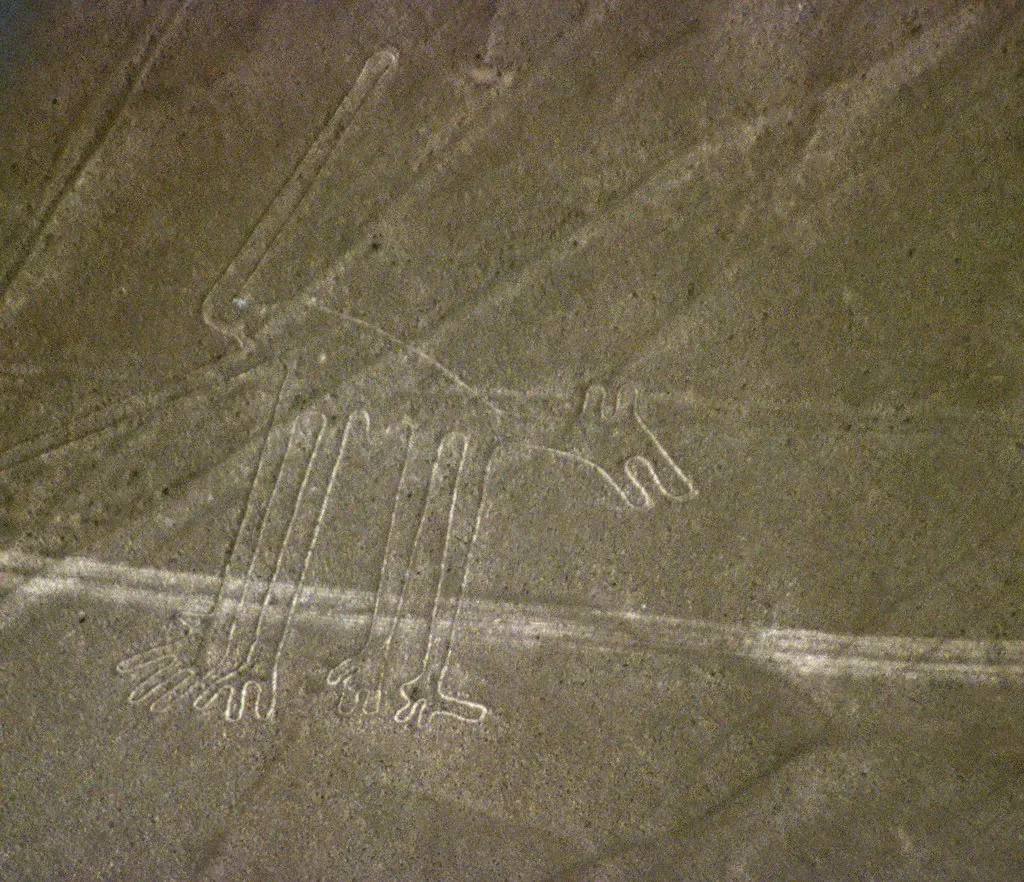
From the ground, the Nazca Lines in Peru look like random lines scraped into the desert. From the air, they transform into massive geoglyphs: hummingbirds, monkeys, spiders, straight lines stretching over kilometers. They were created roughly two thousand years ago by removing dark, oxidized stones to reveal lighter soil beneath. The puzzle is why a pre-industrial culture with no planes or drones would go to the trouble of making artwork that only really makes sense from above.
Researchers have floated ideas that the lines were ritual pathways walked in processions, symbolic offerings to deities linked to water and fertility, or huge astronomical markers tied to solstices and star positions. Others suggest they functioned as a kind of sacred landscape, mapping social or religious relationships rather than physical geography. What fascinates scientists is that the lines clearly obey patterns and planning, but we lack the Nazca people’s own explanations. It’s like inheriting a beautifully drawn schematic with all the labels in a language no one speaks anymore.
Göbekli Tepe and the Birth of Civilization
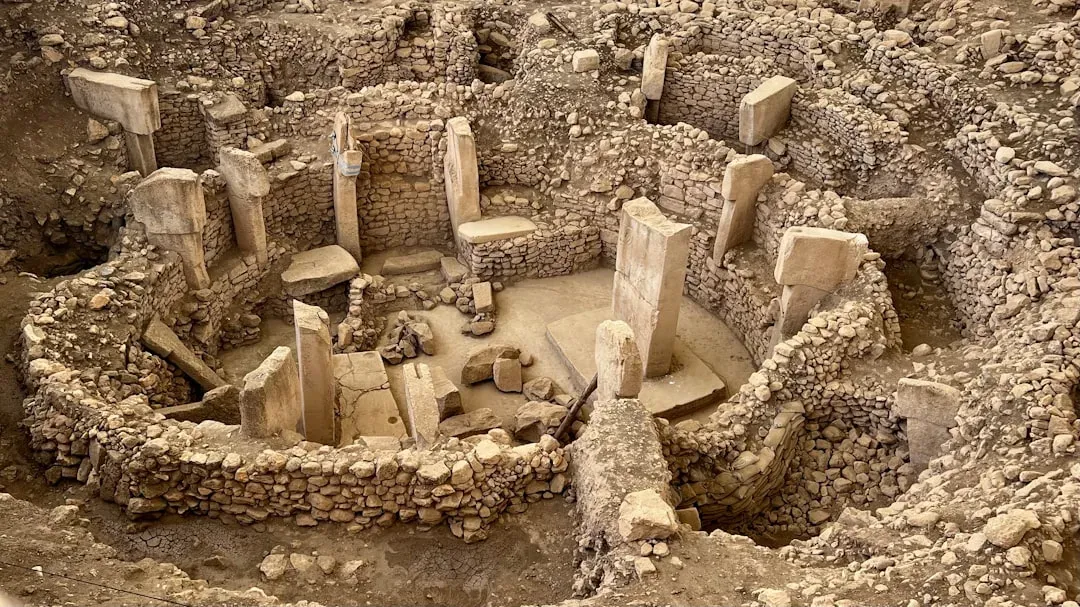
For a long time, the story of civilization seemed straightforward: first people farmed, then came permanent settlements, religion, and monumental architecture. Göbekli Tepe in southeastern Turkey smashed that timeline. This site, with its towering stone pillars carved with animals and abstract symbols, dates to a time long before widespread agriculture. Yet it looks like a planned ritual complex, not a temporary campsite for wandering hunter-gatherers.
This flips the script in a way scientists are still struggling to digest. Maybe the desire to gather for rituals or shared stories came first, and agriculture evolved partly to feed people who kept coming back to such sites. Or perhaps the people there practiced early, small-scale cultivation we have not fully detected yet. The carvings themselves are another layer of mystery: rich with meaning, clearly deliberate, but without any surviving key to decode them. Göbekli Tepe forces us to ask whether our neat categories of “hunter-gatherer” and “farmer” actually match the messy reality of deep prehistory.
The Indus Script That No One Can Read
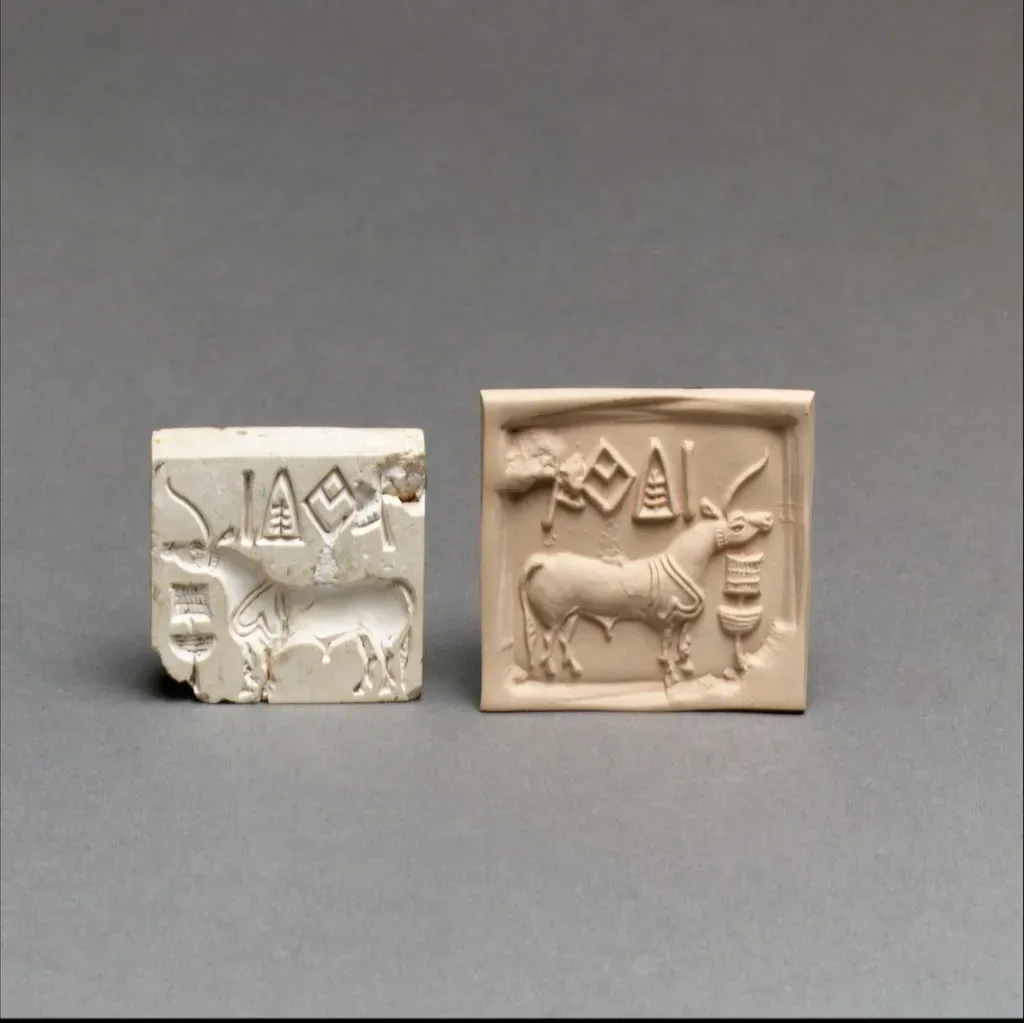
The Indus Valley Civilization built well-planned cities with sewage systems, standardized weights, and long-distance trade links. Yet unlike ancient Egypt or Mesopotamia, we still cannot read their writing. Small seals and tablets show repeated signs that look like a script, but they appear only in short sequences. That makes it incredibly hard to decide whether we’re looking at full language, something like labels and logos, or a symbolic system we do not have a modern analogy for.
Computer scientists and linguists have applied statistical methods to these signs, comparing patterns with known writing systems. Some results suggest language-like structure, while others argue the samples are too short to be sure. No bilingual inscription, no “Rosetta Stone” for the Indus world, has turned up so far. This leaves scientists in a strange limbo: we know this civilization was sophisticated, we have their cities and objects, but we lack their voices. It is as if we can see the stage, the props, and the costumes, but the script for the play is missing.
The Disappearance of the Maya Cities
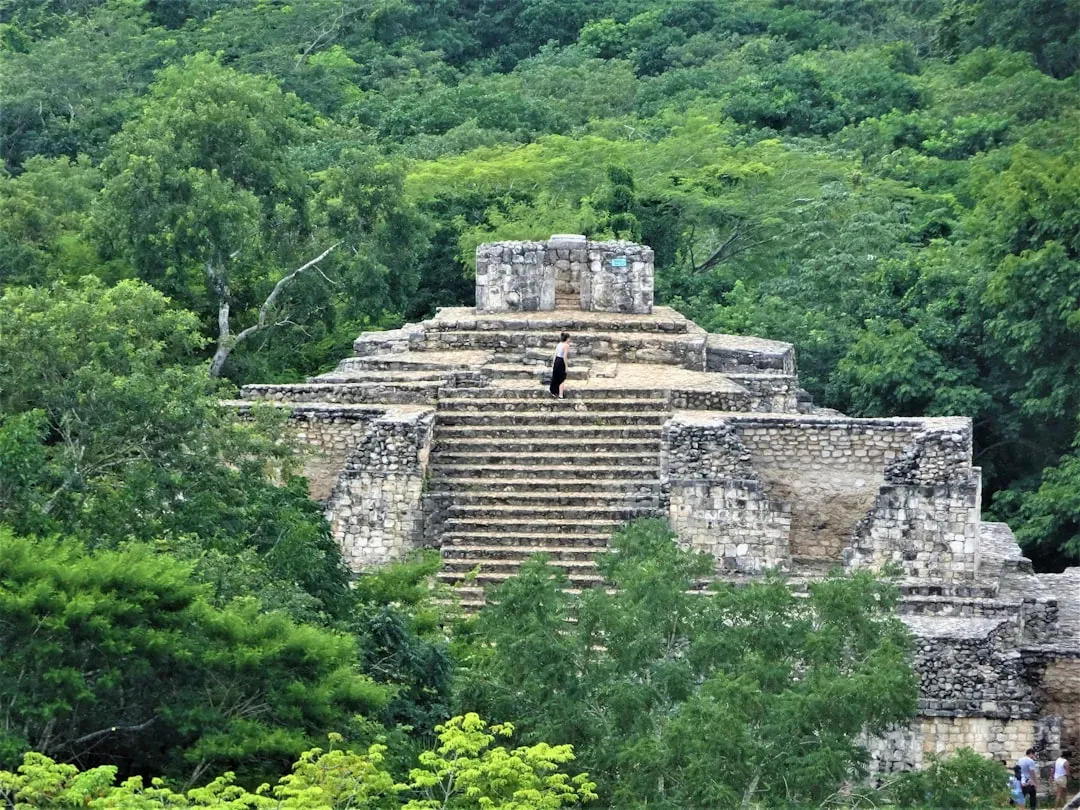
When people talk casually about the “mystery of the Maya,” they often imagine a civilization that simply vanished. That’s not quite right; millions of Maya people and cultures still exist today. What remains mysterious is why many of the great Classic-period cities in the lowlands were abandoned between roughly the eighth and tenth centuries, after centuries of impressive building and cultural development.
Evidence points to a tangled mix of factors: severe droughts, environmental strain from intensive agriculture, internal conflict, and political fragmentation. Rather than a sudden collapse, researchers see a slow unraveling, with some regions declining while others held on or shifted their centers. What fascinates scientists is how this story echoes modern worries about climate stress and resource limits. Yet we only see fragments: pollen grains in lake sediments, broken monuments with halted inscriptions, signs of hastily built fortifications. The gaps between those clues still leave room for debate about what tipping points pushed certain cities past recovery.
The Antikythera Mechanism’s Lost Knowledge
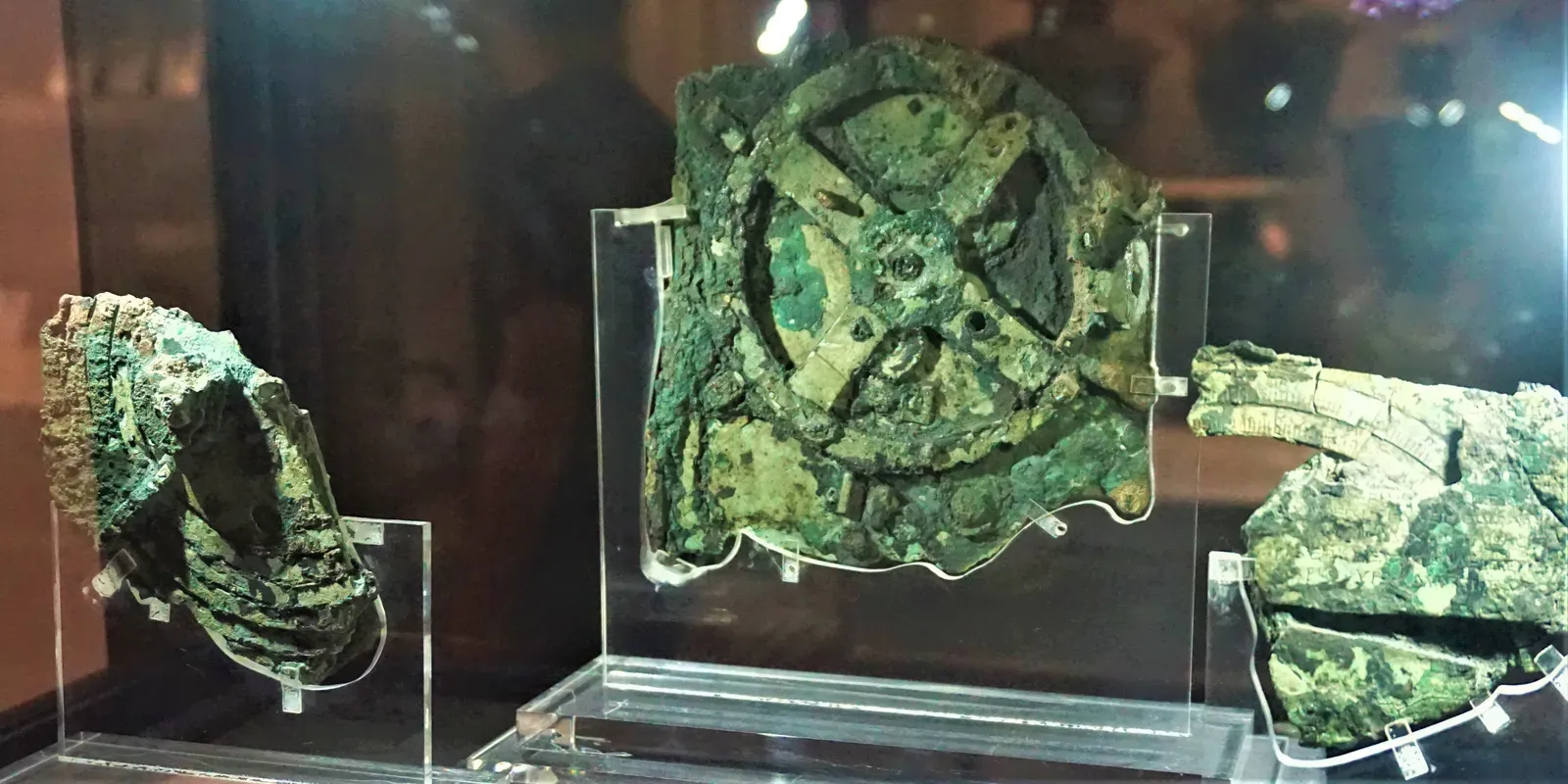
When divers pulled a corroded lump of bronze from a Roman-era shipwreck near the Greek island of Antikythera, they had no idea they were holding what many call the first known analog computer. X‑rays and 3D scans later revealed a dense maze of interlocking gears designed to model the movements of the sun, moon, and possibly planets. This device could predict eclipses and track complex astronomical cycles using hand-cranked dials and inscriptions.
The real mystery is not just how it worked, which researchers have now partly reconstructed, but why we have found only this one complex example from that period. It implies a level of mechanical engineering much more advanced than the scattered evidence we usually see from the ancient Mediterranean. Did more such devices exist, quietly rusted away or lost in shipwrecks? Was this a one-off masterpiece from a tiny circle of specialists? The Antikythera Mechanism hints at a lineage of knowledge we can glimpse for a moment before it disappears back into the deep.
The Origins of the Sea Peoples
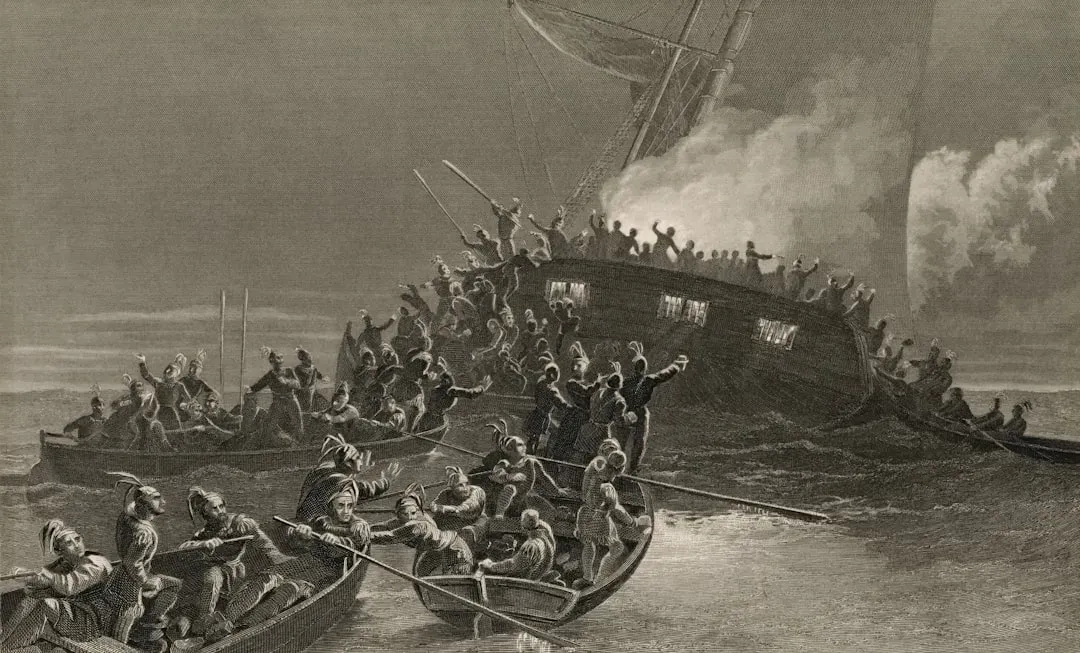
Around the late Bronze Age, several powerful civilizations in the eastern Mediterranean suffered sudden shocks: cities burned, trade routes faltered, palaces were destroyed. Egyptian inscriptions describe encounters with mysterious outsiders often grouped under the label “Sea Peoples.” These groups are depicted as seafaring warriors arriving in waves, yet their precise origins remain unknown, fueling debate among archaeologists and historians.
Some theories connect them to displaced populations from the Aegean, Anatolia, or even further west, pushed into motion by famine, climate shifts, or political upheaval. Others suggest a loose confederation of peoples, opportunistically raiding and migrating as the old palace economies weakened. The frustrating part for scientists is that we mostly see them through the eyes of their enemies, especially Egyptian records, which naturally tell a biased story. With each new excavation, researchers hope for clearer traces – distinctive pottery, DNA, or inscriptions – that could anchor these shadowy groups to more specific homelands.
The Voyages of the Ancient Polynesians

Imagine setting out into the open Pacific in a double-hulled canoe, with no modern compass or GPS, and somehow finding tiny islands scattered across a vast ocean. That is essentially what ancient Polynesian navigators achieved. Long before Europeans crossed those waters, they had explored and settled islands thousands of kilometers apart, from Hawaii in the north to Rapa Nui (Easter Island) in the east and Aotearoa (New Zealand) in the south.
Scientists are still piecing together how they did it with such reliability and over what exact timelines. Oral traditions and experimental voyages suggest a sophisticated system of wayfinding that read stars, swells, winds, birds, and even the color of the water as cues. Genetic studies and archaeology trace migration routes, but questions remain about the pace and pattern of expansion, and whether contact occurred between distant island groups more often than our evidence currently shows. The deeper researchers dig, the clearer it becomes that this was not lucky drifting, but a rational, tested science of navigation – one that modern people are only starting to fully appreciate again.
The Real Purpose of Stonehenge
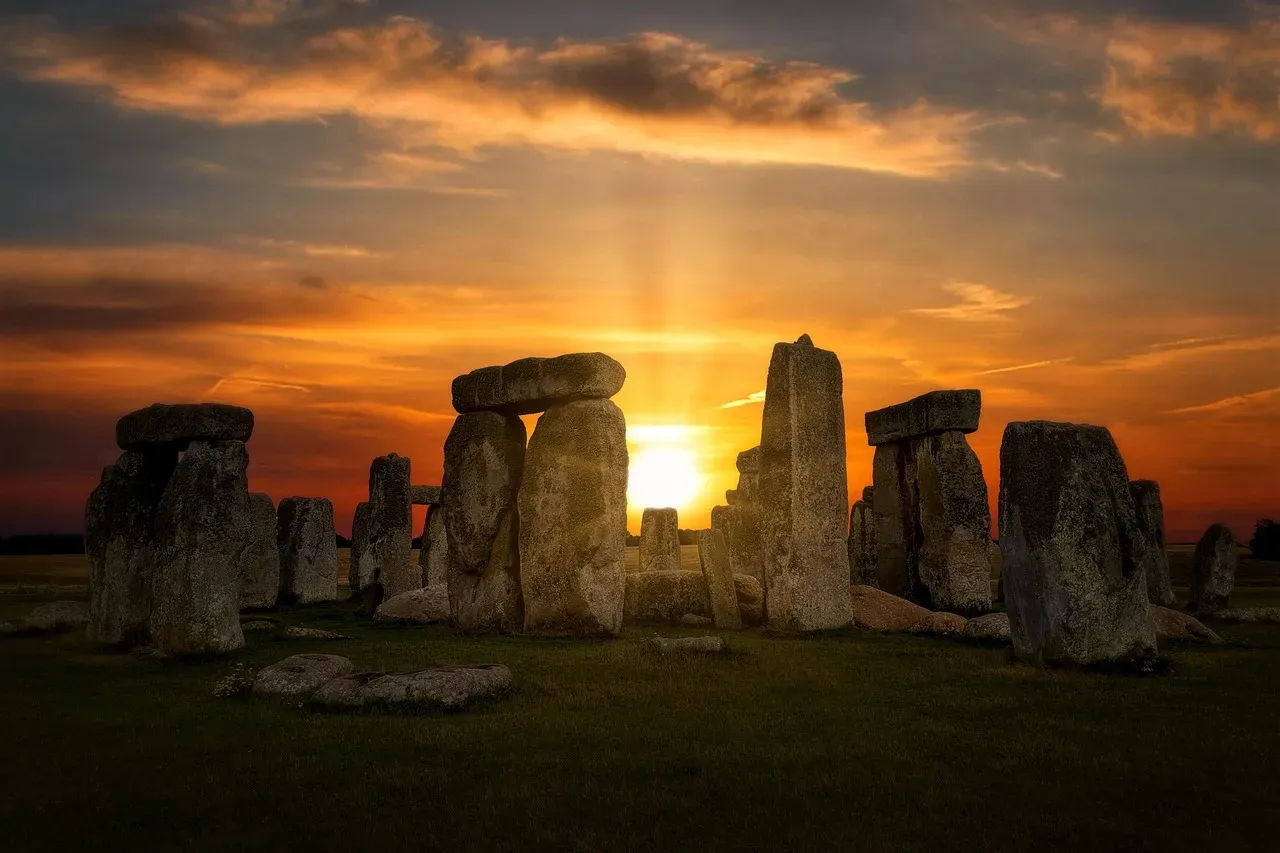
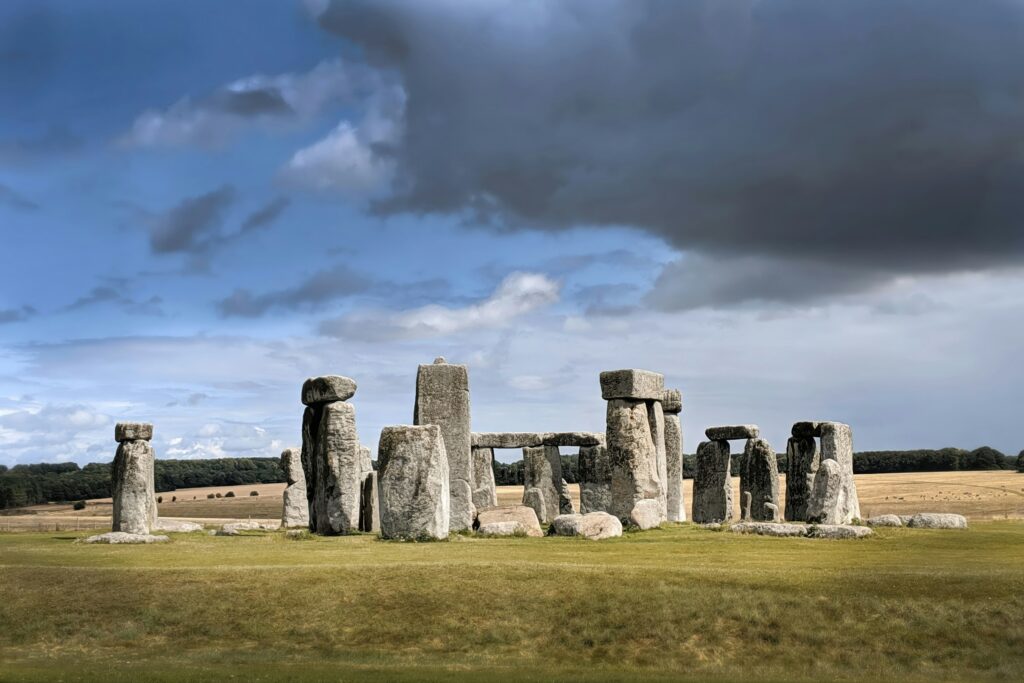
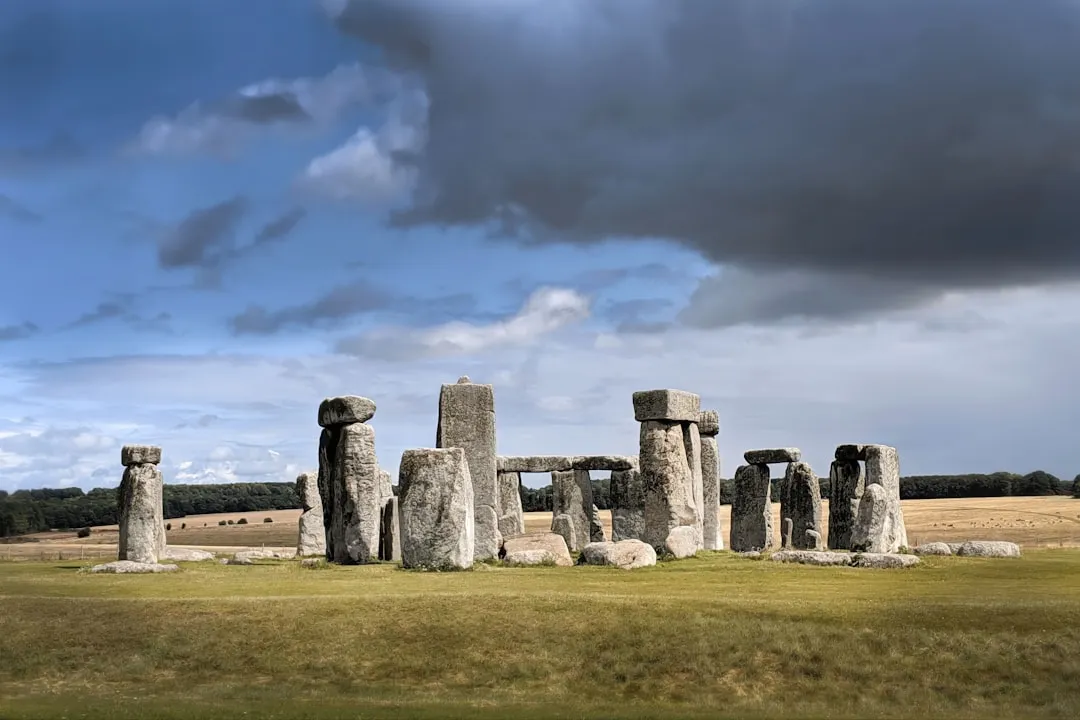
Few sites are as instantly recognizable as Stonehenge, and few are as persistently misunderstood. The iconic stone circle on England’s Salisbury Plain is only the most visible part of a much larger prehistoric landscape of earthworks, burial mounds, and lesser-known monuments. We know that parts of the structure align with solstices, and that people transported some of the stones from distant quarries, which was a major feat for the time.
What scientists still argue about is the main function and meaning of the site over its long history. Was it primarily a ceremonial center, an ancestral monument, a healing place, an astronomical observatory, or some shifting combination of all these? Excavations have uncovered human remains that suggest feasting, pilgrimage, and possibly complex rituals tied to seasonal gatherings. My own opinion is that expecting a single, simple “purpose” misses the point; like a cathedral or a major city square, Stonehenge probably meant different things to different people across many generations. That layered meaning is exactly what keeps it from being neatly solved.
The Genetic Puzzle of the First Americans

For decades, schoolbook stories in the United States described the first Americans as a single wave of hunters crossing a land bridge from Siberia at the end of the last Ice Age. Modern genetics, archaeology, and climate research have complicated that picture almost beyond recognition. We now see hints of multiple waves, coastal routes by boat, and ancient populations that later disappeared or blended in ways we’re only starting to map.
DNA from ancient remains suggests that the peopling of the Americas involved branching lineages, back-migrations, and perhaps early coastal settlements that were later drowned by rising seas. But the evidence is patchy, with only a small number of well-preserved ancient genomes and many contested archaeological sites. Scientists are cautious, since new finds can overturn models that seemed solid just a few years earlier. The mystery here is not whether people came from Asia – that part is well supported – but how many journeys, pauses, and lost branches lie within that broad statement. It is a slow-motion detective story written in fragments of bone and sediment.
Conclusion: Why Unsanswered Questions Matter More Than Neat Stories
There’s a real temptation to demand tidy answers from history, to insist that every puzzle has a clean solution waiting just around the next excavation. Personally, I think that mindset does more harm than good. These ancient mysteries matter not because they will someday deliver a single cinematic twist, but because they keep exposing the limits of what we know and the biases in how we interpret the past. The Great Pyramid’s precision, the unread Indus seals, the lost engineers behind the Antikythera Mechanism – they all whisper the same uncomfortable message: people long ago were at least as clever, complex, and conflicted as we are now.
In a world that often worships certainty and instant answers, there’s something quietly radical about accepting that some questions may stay partially open, even as our tools improve. To me, the responsible stance is to enjoy the speculation but stay loyal to the evidence, to let wonder drive curiosity rather than conspiracy. Maybe the greatest mystery is why we find these old puzzles so emotionally sticky in the first place; they tug at our need for belonging in a story that started long before us. When you look at an undeciphered symbol or a perfectly placed standing stone, are you really just looking at the past – or are you also seeing the outline of what you still hope to understand about yourself?