Prehistory is the longest chapter of the human story, and yet it is also the quietest. No written records, no eyewitnesses, just scattered bones, stone tools, and faint chemical traces in ancient dirt. That silence leaves a lot of room for one of the most powerful tools we have: the simple, slightly dangerous question, “What if…?”
When you start asking those questions about the deep past, the present suddenly looks a lot less inevitable. Our cities, our languages, even the way we think and love and fight all sit on foundations poured hundreds of thousands of years ago. So let’s walk back into that foggy world together and poke at seven big “what ifs” that might not only change how you see the past, but also how you see yourself.
1. What if another human species had survived alongside us?
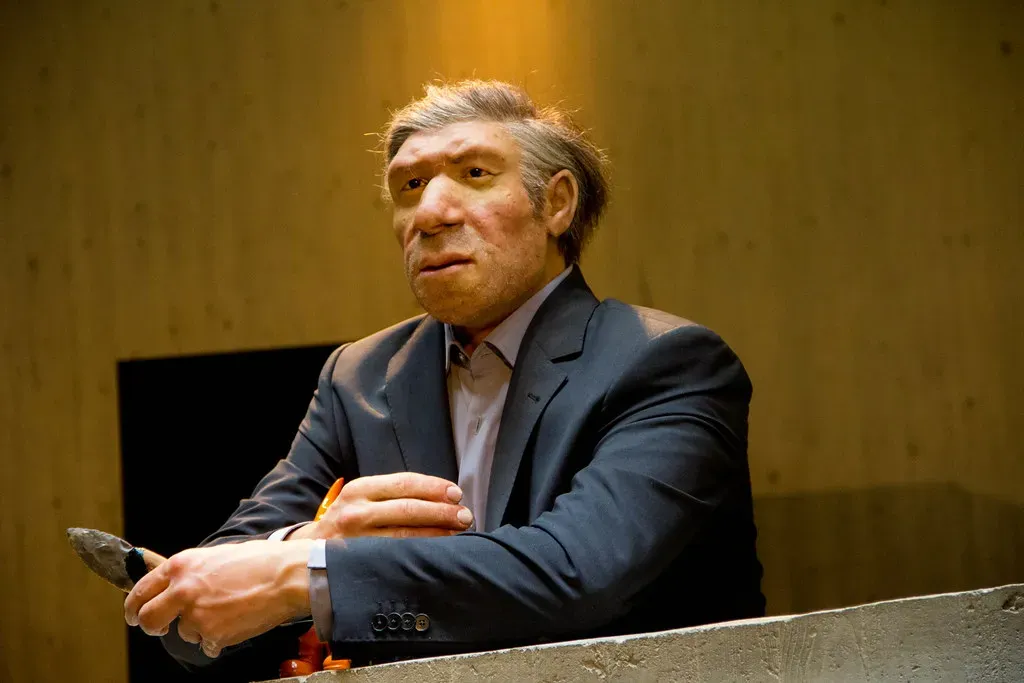
Just imagine walking into a modern city where Homo sapiens are not the only humans on the subway. For most of prehistory, we were not alone: Neanderthals in Europe and western Asia, Denisovans somewhere in Asia, and several other hominin species lived and sometimes overlapped with us. The world only became a “one human species” planet fairly recently, in the last tens of thousands of years, which is a blink in evolutionary time.
If, say, Neanderthals had survived, our entire concept of what it means to be human would be different. Laws, rights, and identity might revolve around multi-species citizenship, not just ethnicity, nationality, or culture. I often wonder if seeing another intelligent, clearly related species in person would have humbled us a bit, or if we’d just find a new excuse for discrimination. Either way, our science, art, and technology would probably be richer from having another perspective shaped by a slightly different brain and body.
2. What if the last Ice Age had never ended?
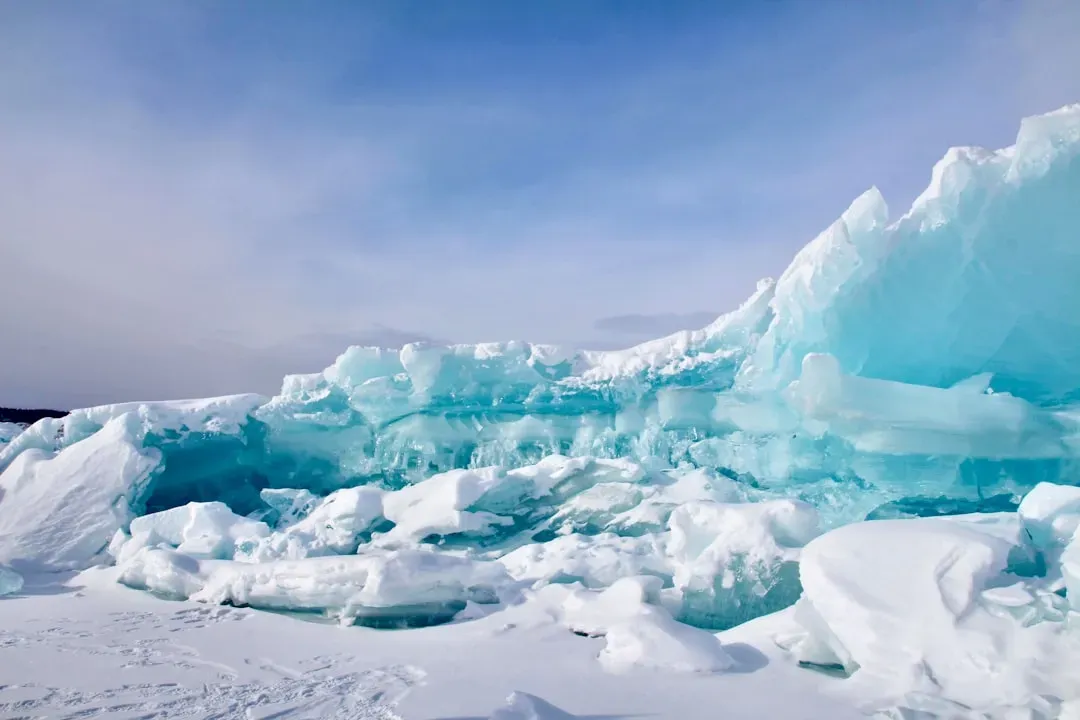
At the end of the last Ice Age, global temperatures rose, glaciers retreated, and sea levels climbed dramatically. That shift carved coastlines, opened valleys, and turned harsh environments into fertile ground for grasses and, eventually, farming. Agriculture, permanent villages, and later cities flourished under these more stable and warmer conditions. Without that thaw, the planet might still be locked in a colder, harsher climate with massive ice sheets covering huge stretches of the northern continents.
In that colder world, humans would probably still be living as mobile hunter-gatherers, following herds and seasonal resources instead of building giant urban centers. Technology would not necessarily stand still; you can imagine incredibly sophisticated cold-weather tools, clothing, and social systems. But the scale of our societies would almost certainly be smaller and more scattered. I sometimes think our psychological baseline would be different too: more tuned to constant movement and adaptation, less to ownership and fixed borders. No massive coastal megacities, no flooded ancient shorelines full of lost sites, just a planet where survival meant endless flexibility.
3. What if fire had never been mastered?
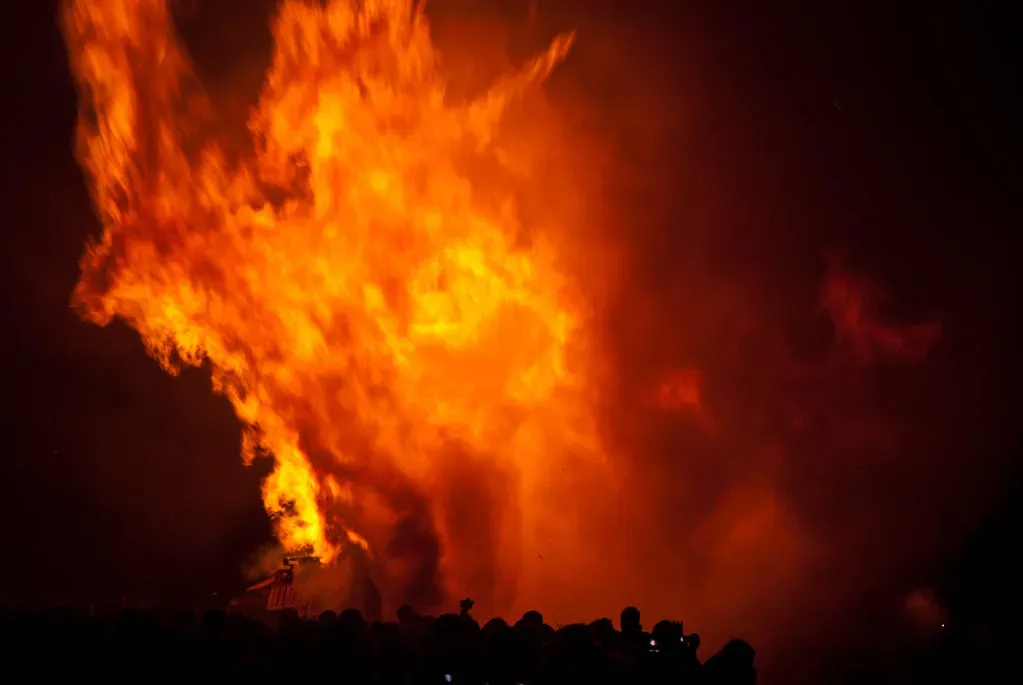
Fire is one of those things that seems obvious only because we grew up with it. But at some point in prehistory, our ancestors figured out not just how to use naturally occurring fires, but how to control and maintain them. That changed almost everything: cooking made food safer and easier to digest, warmth allowed survival in colder regions, and light extended usable hours far beyond sunset. There is good evidence that controlling fire goes back hundreds of thousands of years, and some researchers argue that cooked food even helped shape our smaller guts and bigger brains.
Without fire, our ancestors probably would’ve remained more limited in range, tied closely to warmer climates and raw diets. You can picture human-like primates never quite leaving the equatorial belt, evolving in a different direction because their energy budgets were constrained by what raw food could offer. Art might still appear, language might still evolve, but that leap into extreme environments, into metallurgy, pottery, and eventually electronics, all rests on fire as a starting point. It’s wild to think that every glowing screen in your life is basically a very complicated echo of someone, long ago, learning how to keep a small flame alive through a cold night.
4. What if language never became as complex as it is today?
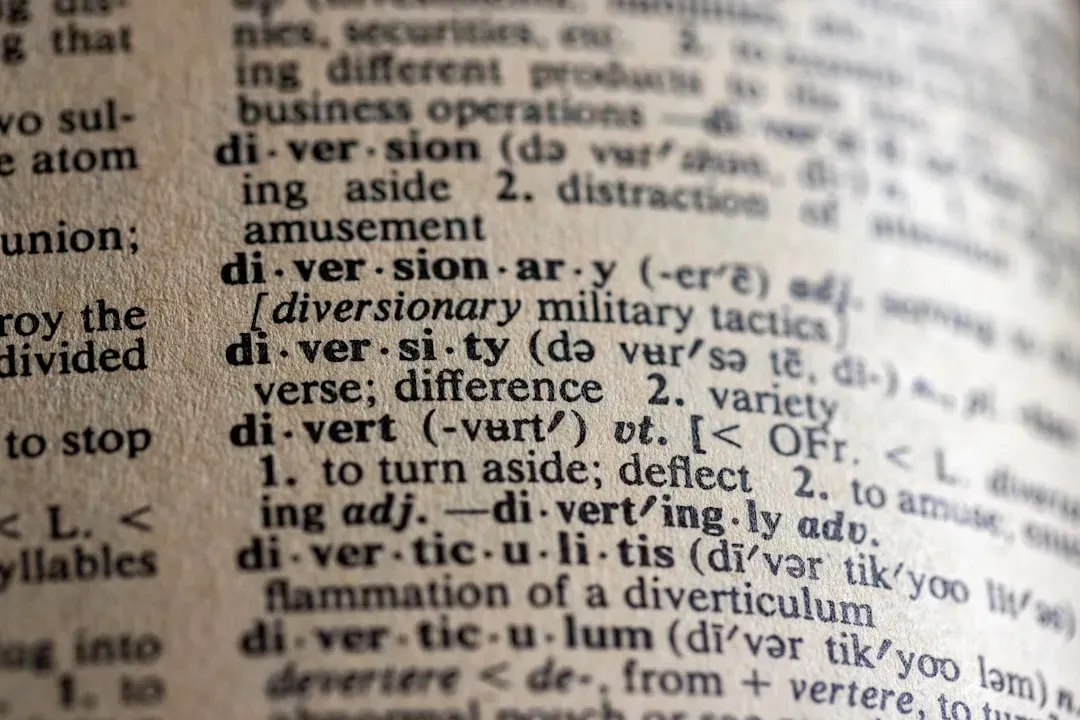
Modern language feels automatic, but it is one of the strangest abilities we have. At some point, a bunch of primates started stringing sounds and gestures together into more and more complex systems: grammar, stories, metaphors. That complexity let us share knowledge across generations instead of starting from scratch every time. You can almost hear the first distant echoes of bedtime stories and campfire gossip in those early vocalizations and signs.
If language had stayed simple, more like a basic call system, human societies would probably be small and relatively shallow in cultural depth. Without the ability to tell long, detailed stories or teach advanced techniques verbally, sophisticated tools, planning, and social rules would be much harder to maintain. In a way, our entire technological world is built on the back of gossip: the ability to say who did what, why, and what happened next. I sometimes think that if you took away complex language right now, you’d erase not just books and laws, but most of what makes our mental lives feel rich and connected.
5. What if agriculture had started in completely different places?
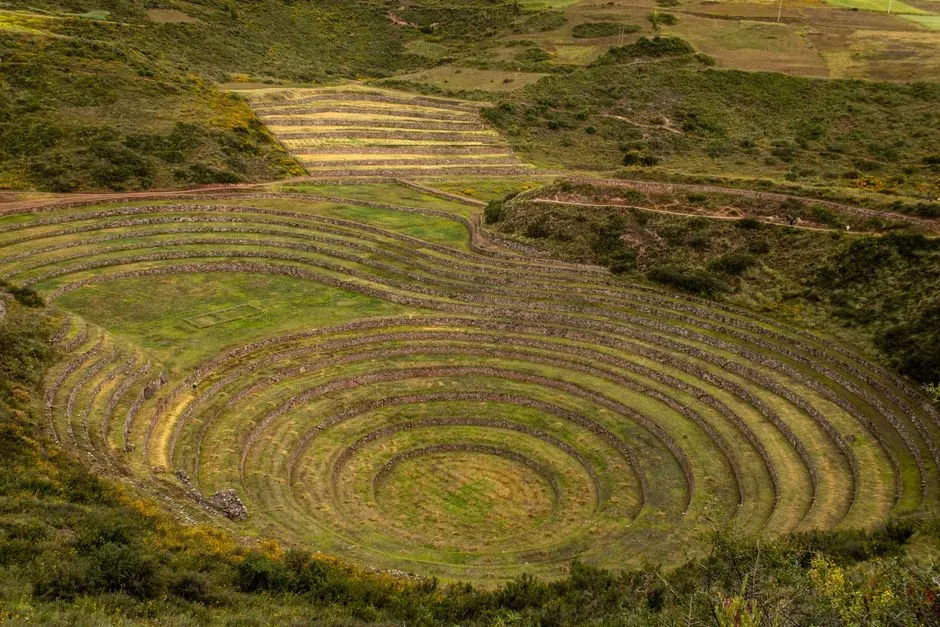
Agriculture did not appear everywhere at once; it began independently in several regions where wild plants and animals were suitable for domestication. Places with highly domesticable grains and herd animals had a huge head start in building larger, denser populations. Those early farmers could store surplus food, specialize in different jobs, and eventually support rulers, artisans, and soldiers. Over thousands of years, those advantages compounded and shaped the broad strokes of global history.
Now imagine a world where those early domesticable species were clustered in totally different regions. Perhaps the most powerful early agricultural centers could have emerged in parts of sub-Saharan Africa that, in our history, developed differently, or on continents where suitable plants were rarer in reality. The distribution of power, languages, and major religions today might be almost unrecognizable. When I think about this, it makes current geopolitical borders feel a bit like the outcome of a weird, ancient lottery based on which wild grasses happened to be nutritious and cooperative enough to be farmed.
6. What if there had been an earlier technological civilization we have not found?
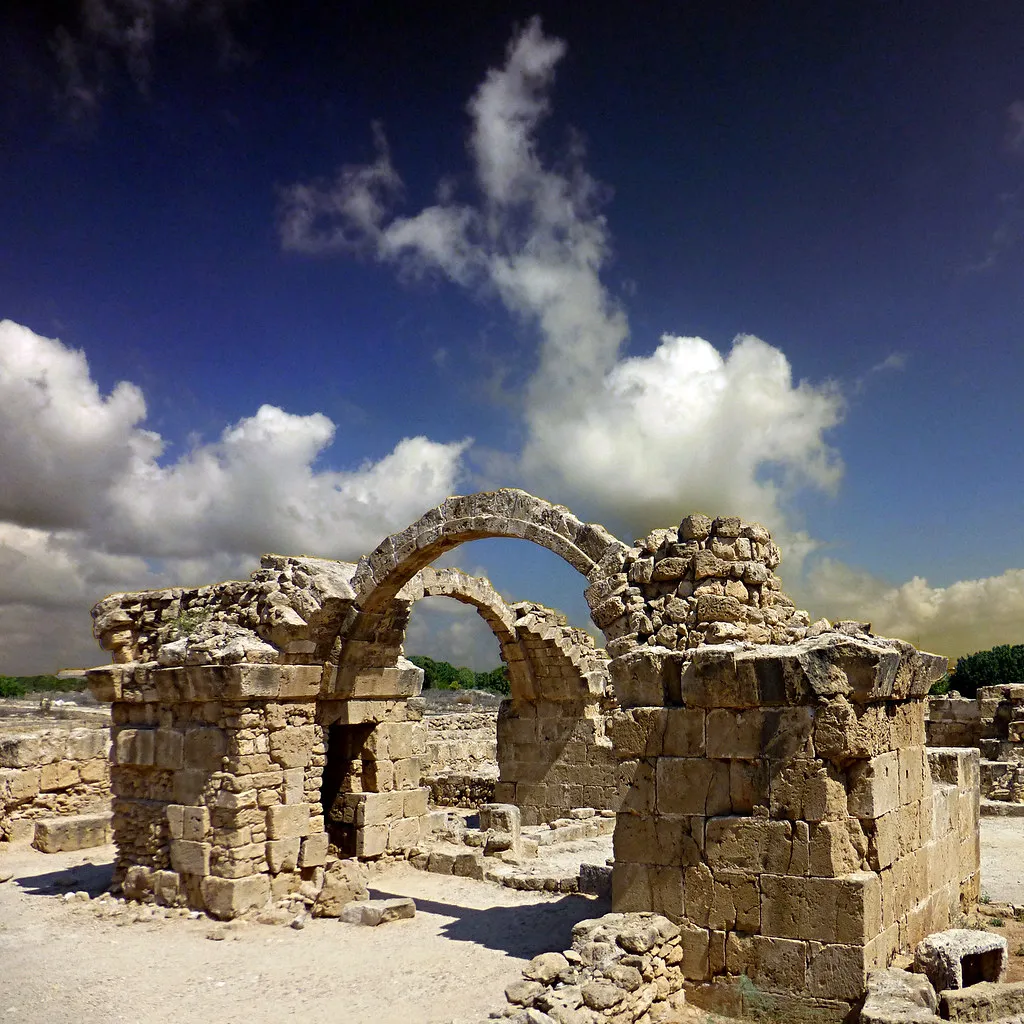
This might sound like science fiction, but it is a question serious scientists occasionally entertain in a very cautious way: could there have been a technological civilization long before us, now almost completely erased by time? Geological processes are ruthless. Over millions of years, erosion, plate tectonics, and sedimentation chew up and recycle nearly everything on the surface. If a civilization rose and fell tens of millions of years ago, the obvious traces – cities, roads, metal structures – might be long gone.
Most evidence suggests there was nothing like that, at least nothing even remotely close to what we call civilization. But the idea forces us to think about how fragile our own archaeological footprint really is. Even if we leave behind a noticeable layer of plastics, industrial chemicals, and weird isotope ratios, that signal blurs over deep time. Personally, I find this “what if” less useful as a literal possibility and more as a mirror: it reminds us that our version of “advanced” is incredibly brief and precarious, riding on a thin skin of rock and a very patient planet.
7. What if most of what shaped us happened in places now underwater?
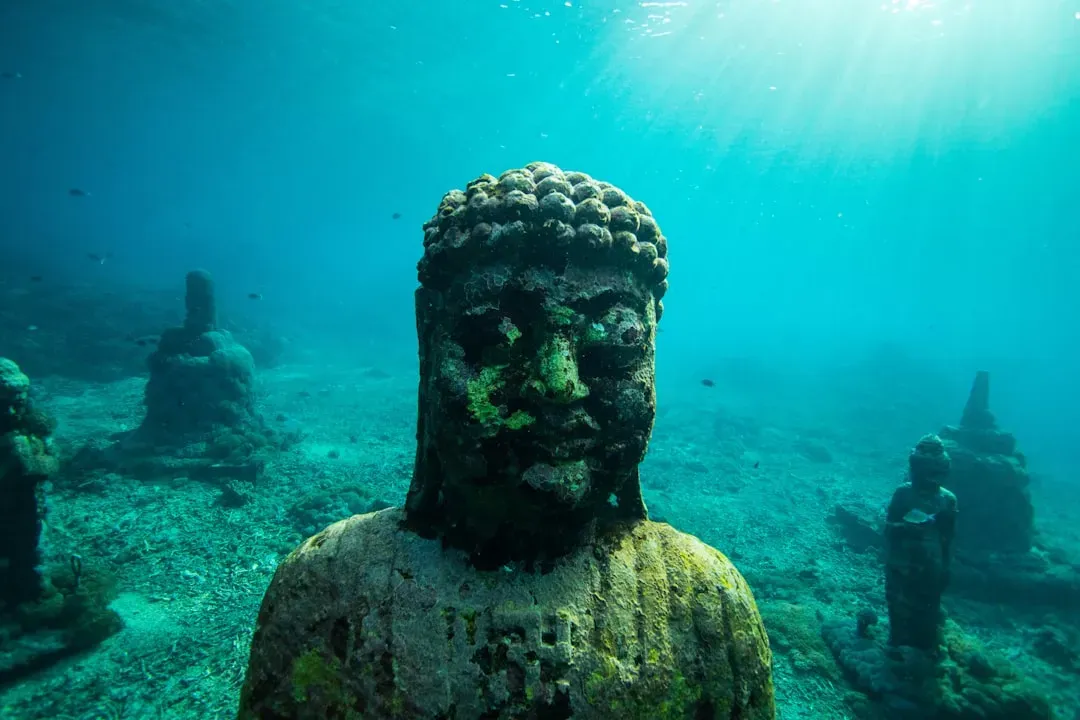
During the last Ice Age, sea levels were far lower, exposing huge stretches of land that are now continental shelves under the ocean. Many archaeologists think that some key stages of human migration and culture could have happened on those now-drowned coastlines. Coastal environments offered rich resources: fish, shellfish, plants, and easy travel along the shore. As the ice melted and seas rose, entire worlds of camps and early settlements may have disappeared under the waves.
That means our current picture of prehistory is probably skewed toward inland sites that just happened to survive. It is a bit like trying to reconstruct a novel when every fifth page is missing, and most of the missing ones are the dramatic chapters. Submerged archaeology is still in its early stages, and technology to explore those areas is improving. I can’t shake the idea that some of the most important “aha” moments in our evolution might be lying quietly under the water, waiting for a curious robot or a determined diver to brush away the silt.
Conclusion: Why these “what ifs” actually matter
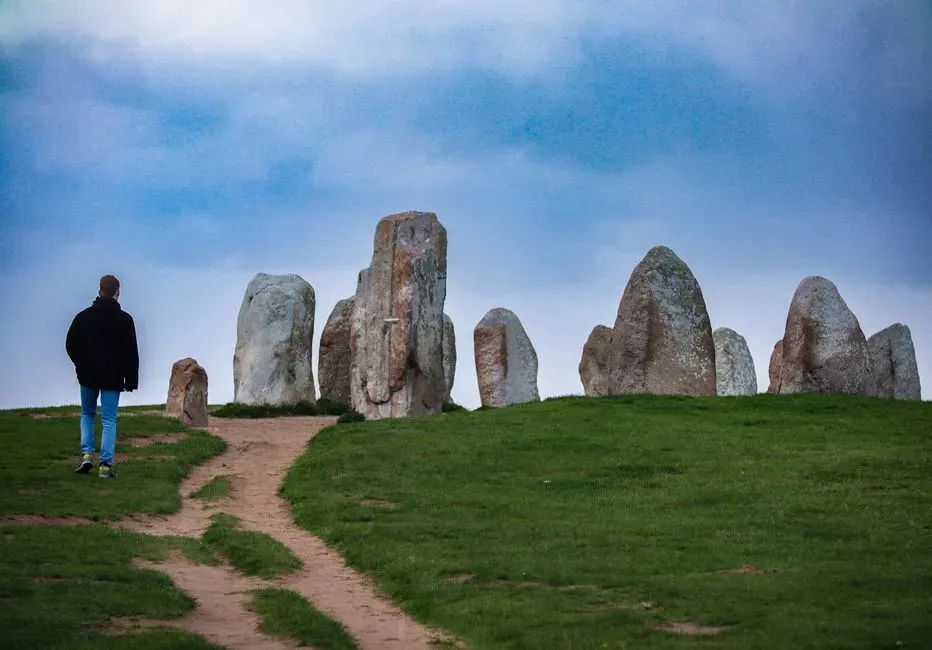
It is tempting to treat these prehistoric “what if” questions as harmless daydreams, but they quietly punch holes in the myth that our present world was somehow destined. When you see how easily the story could have forked – different climate, different crops, different neighbors, or even different kinds of humans – you start to realize how much of our reality is built on accidents that happened long before written history. For me, that makes the present feel less like a fixed endpoint and more like a fragile, ongoing experiment.
At the same time, staying grounded in evidence keeps these questions honest. We do not need wild fantasies to see that our past was more complex, more crowded with possibilities, than the neat timelines we learned in school. If prehistory teaches anything, it is that small shifts – one more ice sheet, one less domesticated plant, one missing spark of fire – can change everything downstream. So when you look around at your life, your city, your phone lighting up in your hand, it is worth asking: how many invisible prehistoric coin flips had to land just right to make this moment possible?