
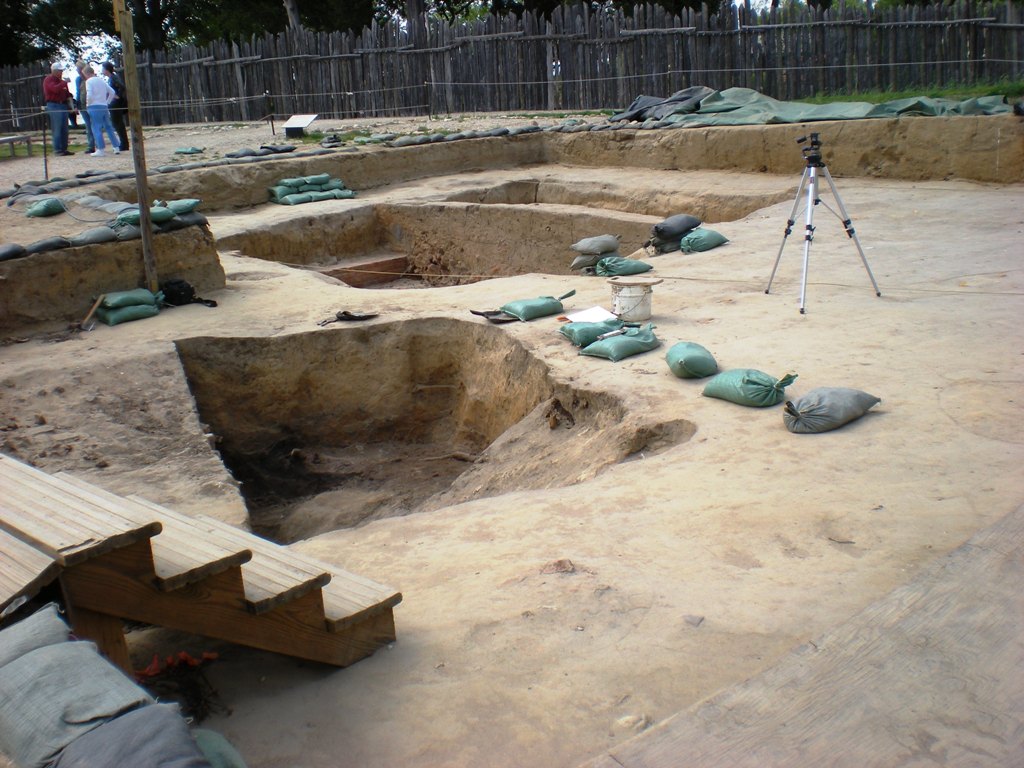
Every now and then, archaeology drops a bombshell that quietly rewrites the story we thought we knew about humanity. Over roughly the last ten years, a wave of digs, DNA tests, and chance finds have turned dusty footnotes into front-page revelations, forcing scientists and the rest of us to ask: what else have we gotten wrong about the past?
What follows are ten discoveries from about 2016 onward that did more than fill museum cases; they rattled timelines, challenged old theories, and, in some cases, made the world argue about what it even means to be human. Some of them are deeply technical, others sound like the plot of a movie, but together they show something simple and exhilarating: our story is far from finished, and the ground under our feet is still full of surprises.
The Dragon Man Skull and a New Branch of Humanity
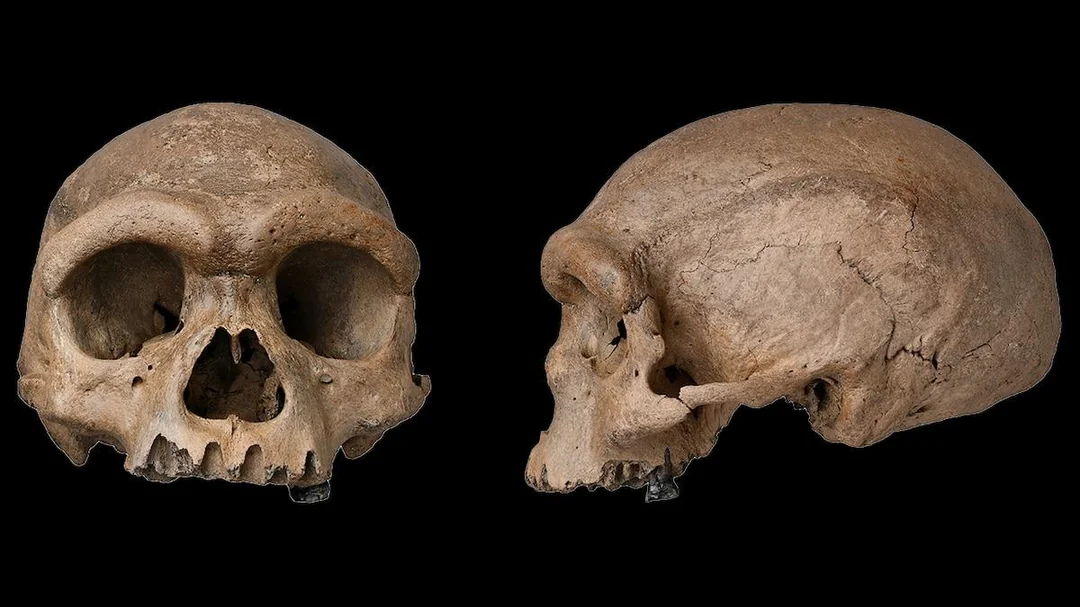
Imagine thinking you had a fairly tidy family tree, only to find out there’s a mysterious branch you completely missed. That’s essentially what happened when researchers formally described the “Dragon Man” skull from Harbin in northeast China in the early 2020s. The massive, well-preserved fossil, probably more than a hundred thousand years old, showed a human-like face paired with a huge braincase and a mix of traits that did not fit neatly into Neanderthal, Homo sapiens, or any previously accepted group.
Instead, many scientists argued that this skull belongs to a new species called Homo longi, potentially our closest extinct relatives. If that proves right, then the story of modern humans and our cousins is more like a tangled forest than a single tree trunk with a few branches. Personally, I love how Dragon Man forces experts to be humble: just when textbooks start to sound confident, a single skull shows up and quietly says, “You still do not know the full cast of characters.”
Ancient DNA Rewrites the Peopling of the Americas
For decades, schoolbook maps showed the first Americans trudging over a land bridge from Siberia into Alaska roughly twelve to thirteen thousand years ago, then fanning southward. Over the last decade, ancient DNA has shredded that simple picture. Genetic samples from ancient remains in North and South America, as well as from Siberia and the Arctic, revealed multiple waves of migration, early splits among populations, and even faint traces of ancestry with deep links to groups in Asia and the Pacific.
Some ancient skeletons once thought to belong to one “culture” turned out, in genetic terms, to be more complex mixtures than anyone expected. Instead of a single founding population marching in one direction, the Americas now look like a dynamic experiment in human movement, isolation, and reunion across thousands of years. That shift matters because it reminds us that people in deep time were mobile, strategic, and interconnected, not static figures stuck in one place on a map.
Gobekli Tepe and the Deep Roots of Monumental Religion
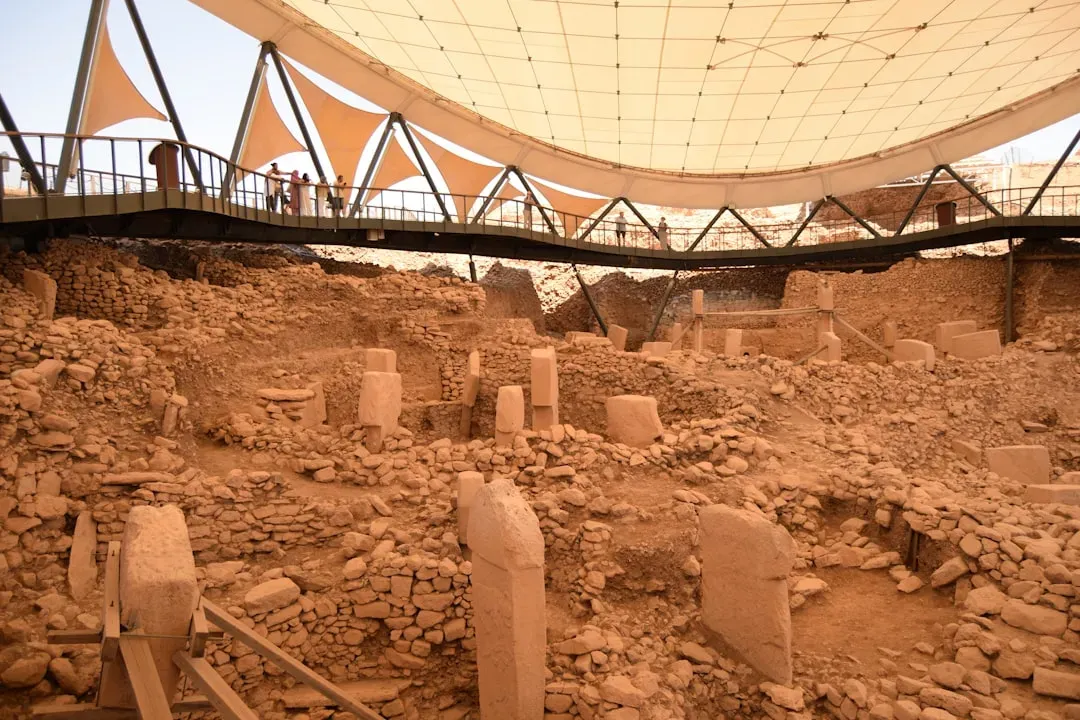
Gobekli Tepe in southeastern Turkey was already famous before the last decade, but continued excavations and analysis since around 2016 have pushed its impact into another league. The site, with its towering T-shaped stone pillars carved with animals, is more than ten thousand years old, older than pottery in many regions and far older than the pyramids. Over the past years, better dating and broader surveys have strengthened the argument that this was a major ritual center built by hunter-gatherers, not settled farmers.
That flips a long‑held assumption that large, organized religion and monumental architecture only emerged after agriculture and permanent villages. Here, it looks like the spiritual impulse and the need for communal gathering may have come first, with farming following later as people needed a stable way to feed those who met at the site. To me, Gobekli Tepe is like a stone‑carved reminder that beliefs, myths, and shared stories are not a luxury of stable societies; they might actually be one of the engines that create them.
Submerged Cities in the Mediterranean and Beyond
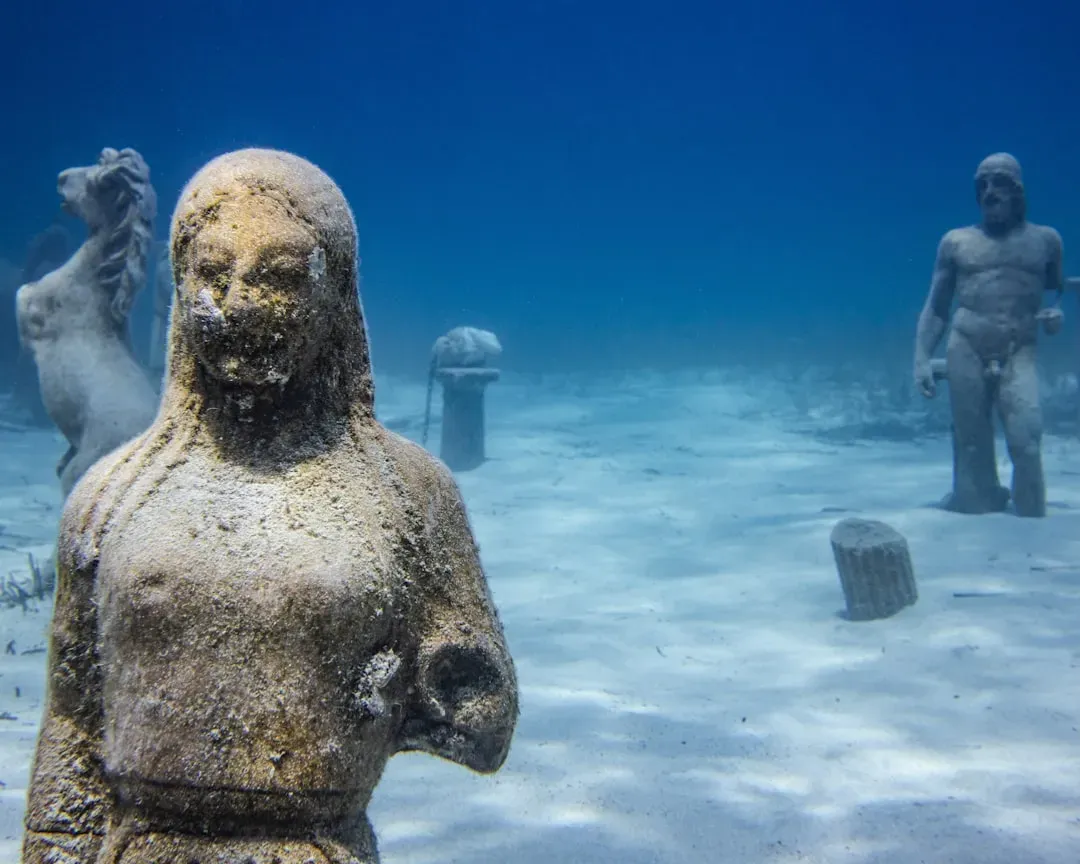
When you picture ancient cities, you probably think of sun‑baked ruins, not entire neighborhoods lying underwater like a lost world. Over the past decade, advances in underwater archaeology and remote sensing have brought several submerged settlements into focus, especially off the coasts of Egypt, Greece, and other Mediterranean shores. Places that were once half‑mythical, like the sunken port city near modern Alexandria, have been mapped in increasing detail, revealing streets, temples, shipwrecks, and statues on the seafloor.
These findings do more than satisfy our Atlantis‑style curiosity. They show how rising seas, earthquakes, and shifting deltas repeatedly erased coastal communities, reminding us that climate and landscape change are not just modern problems. The more archaeologists map these drowned cities, the clearer it becomes that ancient people were constantly adapting, relocating, and rebuilding in the face of environmental upheaval – something we are wrestling with on a much larger scale today.
The Oldest Known Homo sapiens in Africa Are Even Older
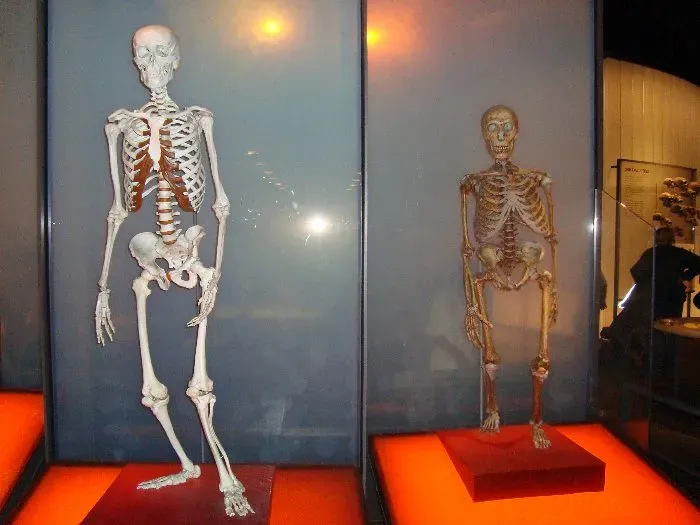
In the last ten years, new fossil finds and improved dating techniques have steadily pushed back the age of our own species. Reanalyses of sites in Morocco and East Africa suggested that bones once thought to be “almost modern” or transitional were, in fact, early members of Homo sapiens living far earlier than the classic figure of roughly two hundred thousand years ago. Some sites, after being dated again with better methods, appeared to show modern human traits emerging in a patchwork across the continent.
This has led many researchers to swap the neat idea of a single “Garden of Eden” for a more complex picture of multiple populations across Africa, mixing and sharing innovations over long spans of time. It is a slower, messier birth of our species, more like a mosaic gradually coming into focus than a light switch flipping on. I find that oddly comforting: instead of a single miraculous moment, humanity’s origin story becomes a long, shared journey in many regions at once.
Denisovans Step Out of the Shadows
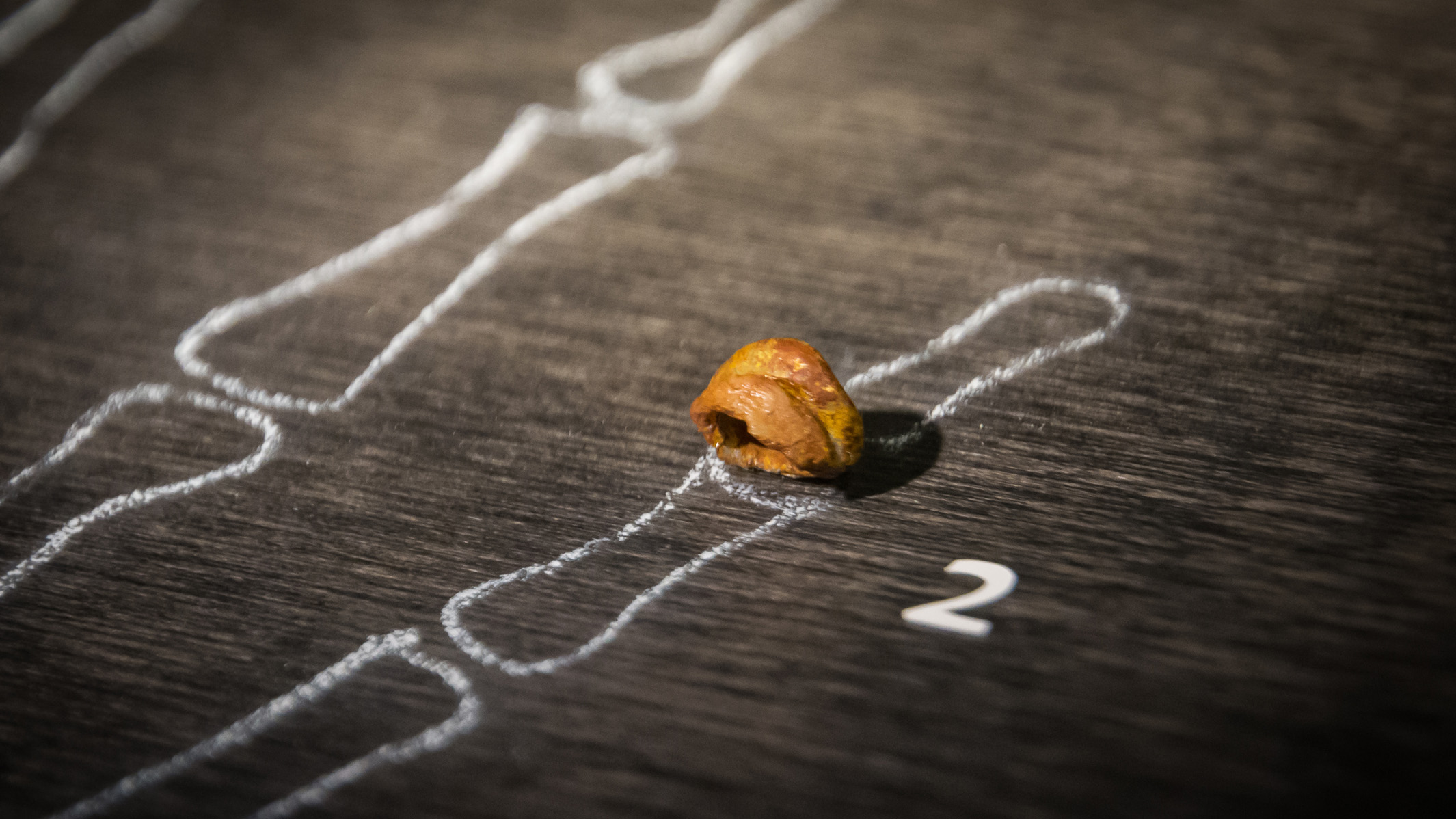
When Denisovans were first identified from a single finger bone and a few teeth, they felt almost like ghosts: real, but invisible. Over the last decade, that ghost has slowly gained a face and a history. New fossils from the Tibetan Plateau and other parts of Asia, along with stunning work extracting ancient DNA from cave sediments, have shown that Denisovans were widespread, high‑altitude capable hominins who lived for a long time alongside Neanderthals and early modern humans.
Genetic studies of present‑day populations in parts of Asia and Oceania revealed that many people today still carry Denisovan DNA, including variants that help with life at high altitudes and immune responses. So this is not just a story about some extinct cousins; it is about how pieces of their biology live on in us. I like to think of Denisovans as the long‑lost relatives we only recently realized had been quietly shaping our bodies all along.
Mass Graves, Plagues, and the Archaeology of Pandemic
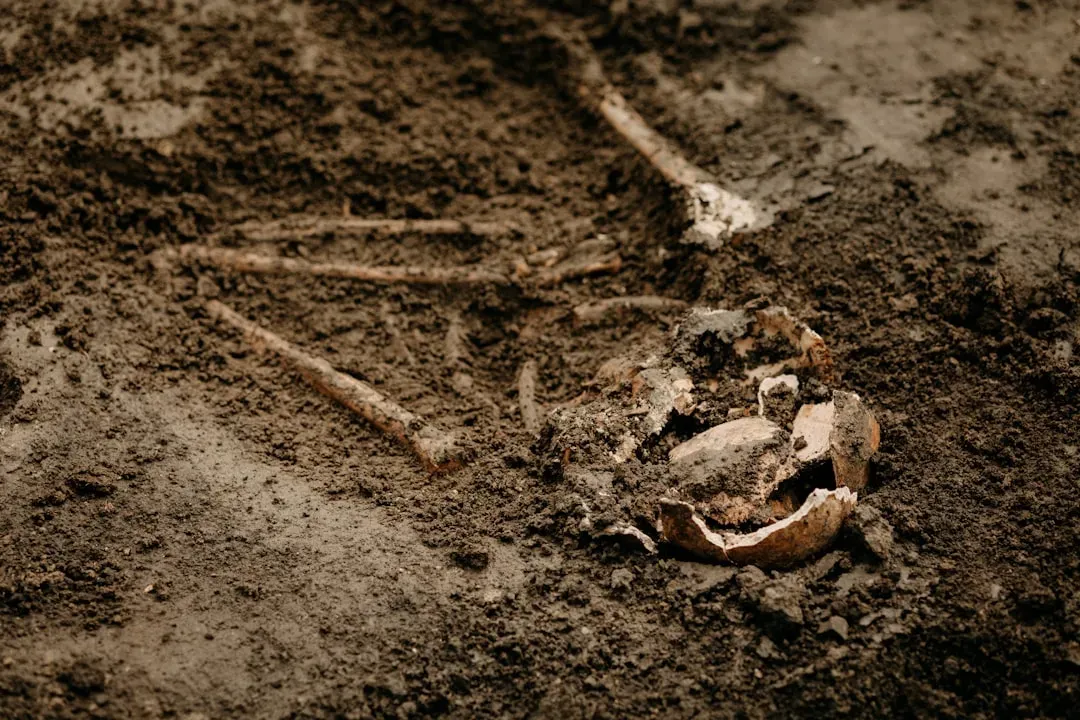
The last decade has seen a surge of interest in ancient disease, and it has changed how we think about past societies and, honestly, about our own. By analyzing DNA from teeth and bones in medieval and prehistoric mass graves, scientists have traced the history of pathogens like the plague bacterium and other deadly microbes. Some burials that were once vaguely labeled as victims of “famine” or “war” turned out, on closer testing, to be people cut down by outbreaks that swept across regions again and again.
This kind of work exploded in relevance once the world faced a modern pandemic. Suddenly, archaeological evidence of earlier plagues felt less like distant tragedy and more like a hard‑won data set on how societies react under biological siege. The unsettling lesson is that pandemics are not rare freak events; they are recurring features of human history, and the bones in those ancient graves quietly warn us what happens when we underestimate them.
Viking Women and Rethinking Warrior Graves
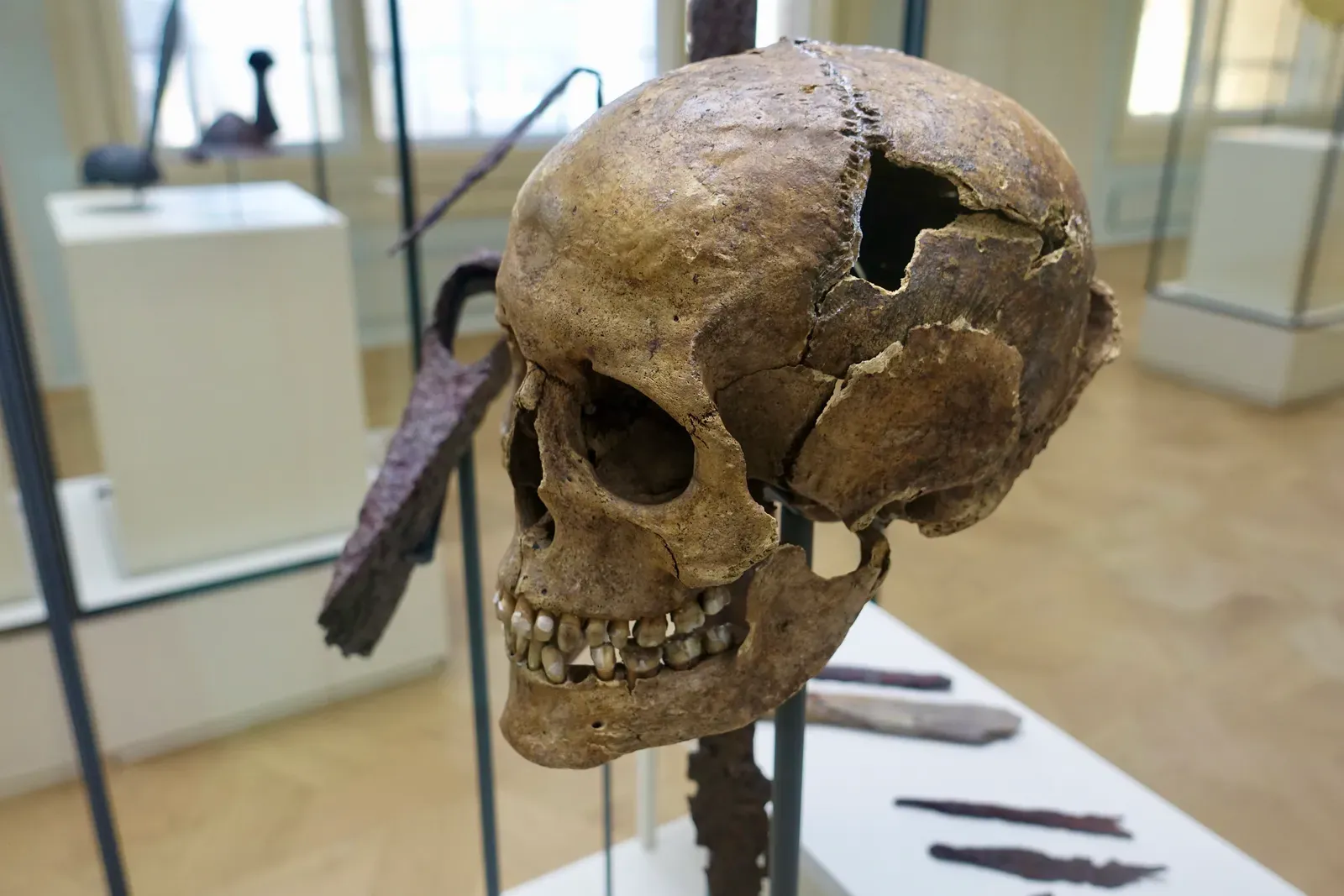
One of the most quietly explosive stories in recent archaeology has been the re‑examination of supposedly “male” warrior burials, especially in Viking contexts. In the last decade, DNA tests on skeletons found in richly furnished graves with weapons and battle gear showed that at least some of these high‑status warriors were biologically female. For more than a century, those graves had been assumed to belong to men simply because grave goods fit a stereotype of warriors as male.
These results did not suddenly prove that all Viking women were warriors, but they did force a very public reckoning with how much gender bias shapes archaeological interpretation. When I first read about this, it felt like someone had walked into a museum, gently taken the labels off the glass cases, and said, “Let’s actually check who these people were.” It is a powerful reminder that bones and DNA do not lie – but our assumptions very easily can.
New Insights from the Nazca Lines and Other Giant Geoglyphs
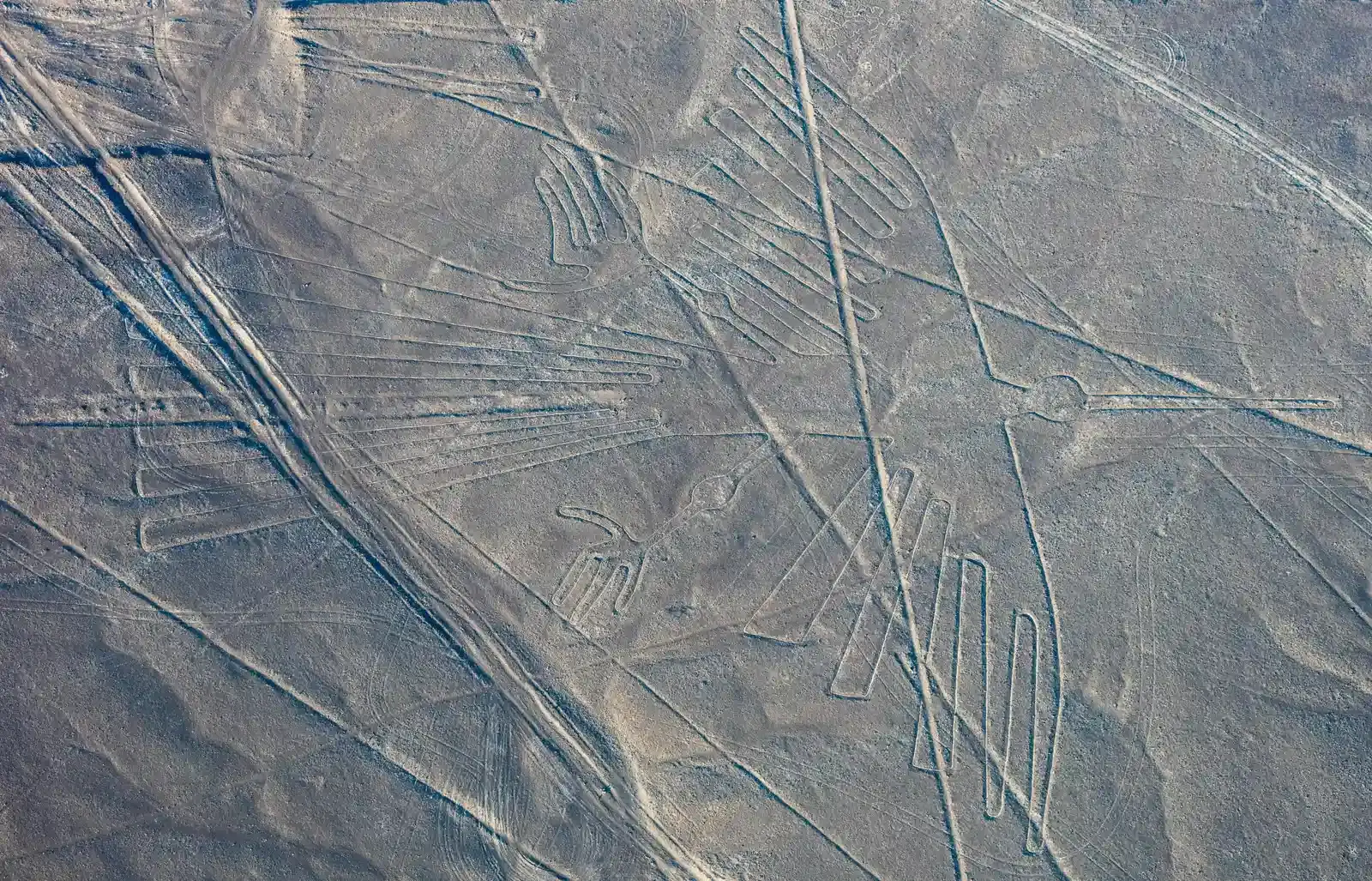
The Nazca Lines in Peru – vast drawings of animals and shapes carved into the desert – have fascinated people for decades, but the last ten years have added a surprising twist. High‑resolution satellite imagery, drones, and machine learning have revealed many more, often faint or eroded geoglyphs in the surrounding desert that were previously missed. Some figures are cruder and older; others show different styles, suggesting that multiple groups and generations contributed to this landscape‑scale art gallery.
At the same time, researchers have been drawing stronger links between the geoglyphs, ritual pathways, and water sources, building the case that these were not random oddities but part of complex religious and ecological systems. Instead of imagining bored priests doodling animals in the sand, we start to see whole communities using the land itself as a canvas for communication with their gods and with each other. It is hard not to feel a little awe at the idea of people walking those lines centuries ago, trusting that the sky – or the spirits in it – were looking down.
Ancient Genomes and the Surprising Mobility of Bronze Age People
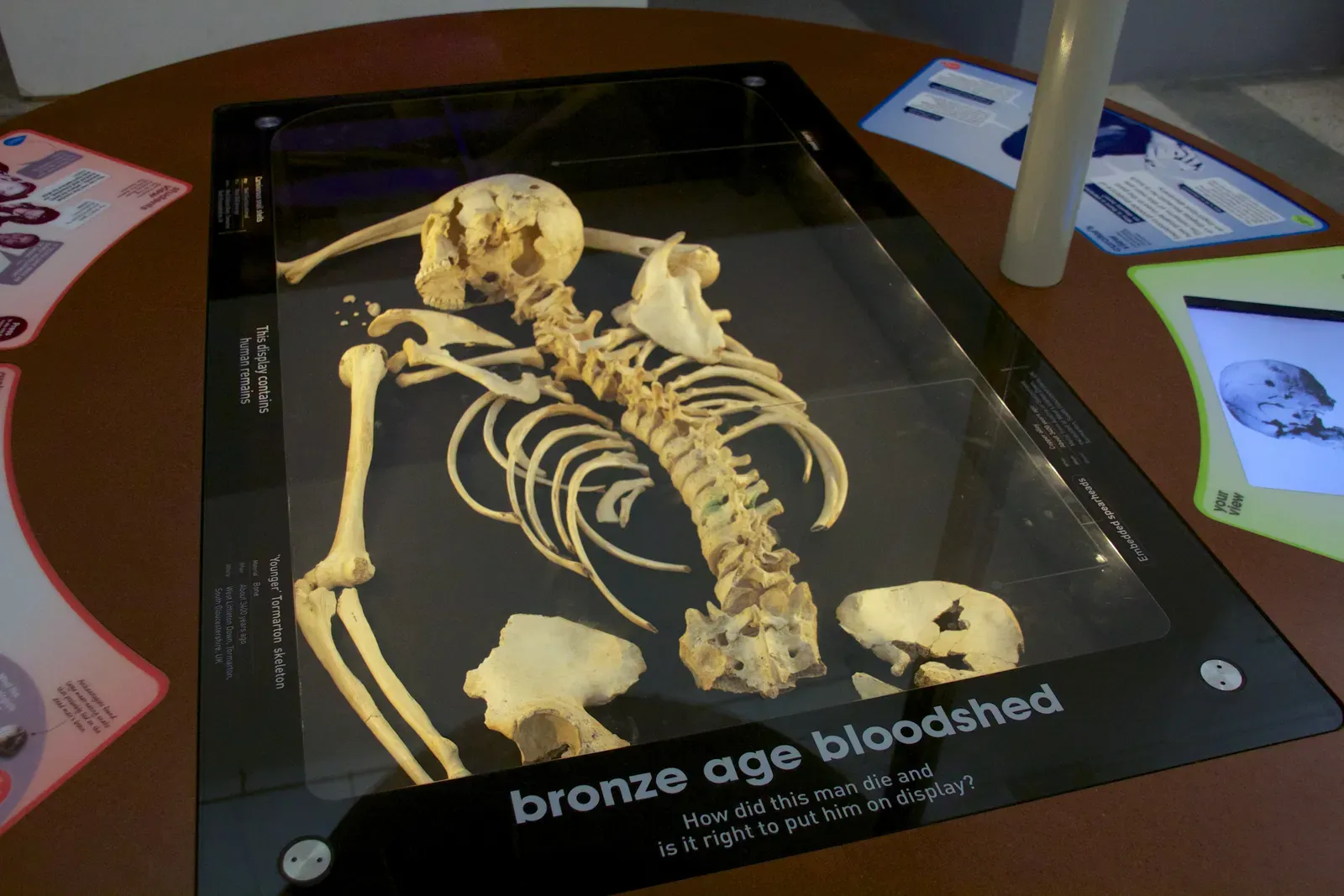
Over the last decade, massive ancient DNA projects have turned the Bronze Age into a kind of genetic detective story. By sequencing genomes from thousands of skeletons across Europe and western Asia, scientists have uncovered large‑scale population movements that left deep marks on today’s gene pools. In some regions, the genetic turnover from incoming groups was so strong that it rewrote previous assumptions built mostly on pottery styles and burial shapes.
All of this reveals that people three or four thousand years ago were far more mobile and interconnected than many of us imagined from school diagrams. Trade, marriage, migration, and possibly conflict all played roles in spreading both genes and ideas across huge distances. To me, this is one of the most unsettling and exciting shifts of the last decade: the comforting idea of isolated “ancient cultures” is giving way to a more realistic picture of restless, mixing populations in constant motion.
Conclusion: The Past Is Less Settled Than We Like to Think
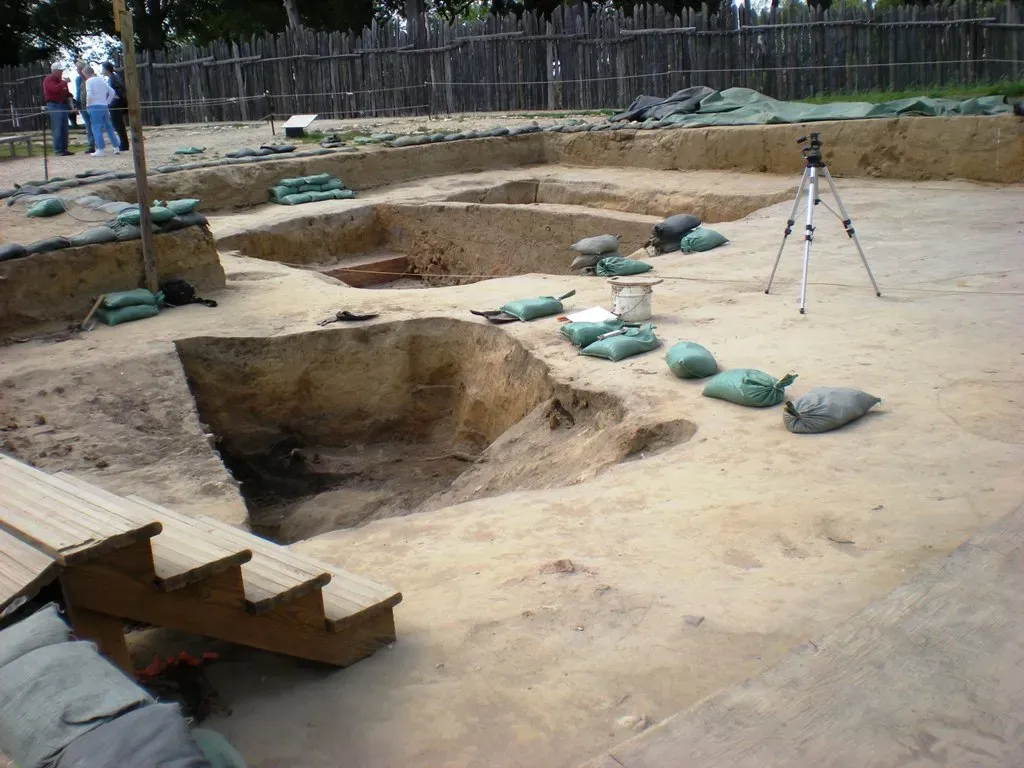
Looking back over these discoveries, a pattern jumps out: almost every time we thought we had a tidy story, the evidence complicated it. New species such as Dragon Man and clearer portraits of Denisovans messed with our family tree. Ancient genomes redrew maps of migration. Underwater cities, re‑dated fossils, and fresh looks at old graves all pushed us to accept that the past was more fluid, diverse, and surprising than the simplified versions we prefer.
In my view, that is the real shock delivered by archaeology in the last decade: not a single treasure or headline, but the slow demolition of our confidence that history is neatly known. The ground is literally still shifting under our theories, and that is a good thing. It keeps scientists honest, keeps the rest of us curious, and hints that some of the most dramatic chapters of our story might still be buried. When the next shovel hits something unexpected, will it confirm what you believed – or force you to rewrite it all over again?