
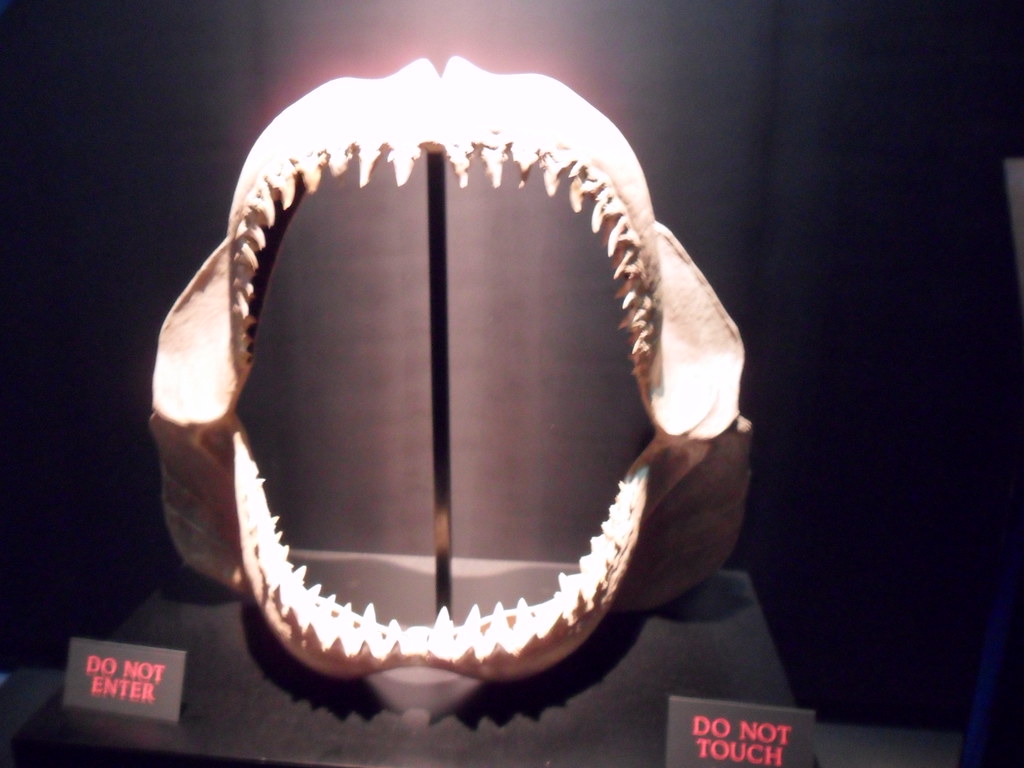
Imagine an ocean ruled by a shark the length of a city bus, with jaws powerful enough to crush bone like dry twigs. For a long time, the story of why this giant vanished has sounded simple: competition, bad luck, or just the natural ebb and flow of evolution. But recent research is quietly rewriting that story, pointing to something far bigger and more unsettling – a climate-driven crisis that reshaped the entire marine world.
What makes this so fascinating is that scientists are now using tiny chemical clues locked inside massive fossil teeth to reconstruct the life and death of one of the most terrifying predators to ever exist. The emerging picture is not a sudden catastrophe, but a slow, escalating environmental squeeze. And in that story, there are uncomfortable parallels with what our own oceans are experiencing today.
A super‑predator built for warm, stable oceans
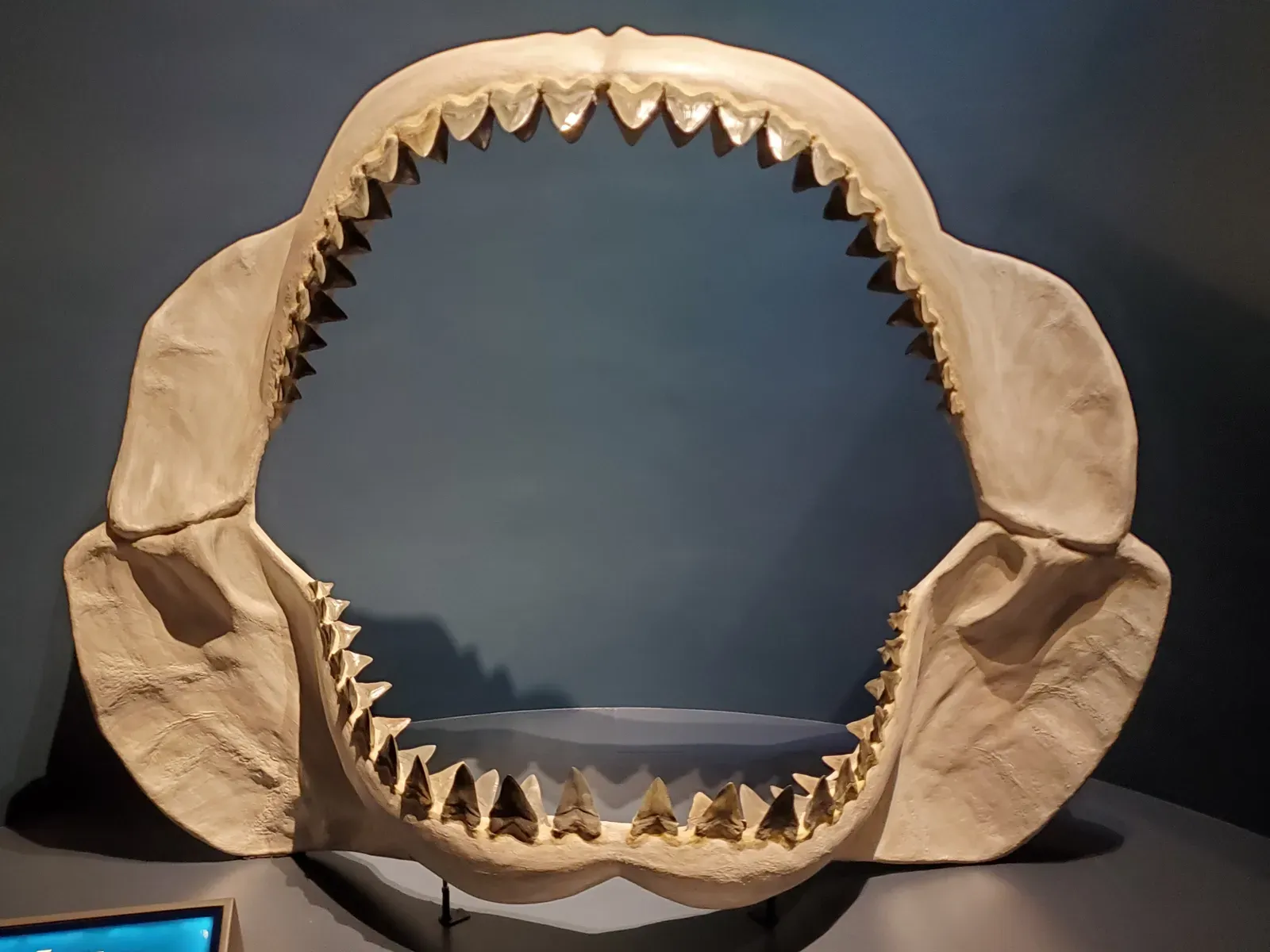
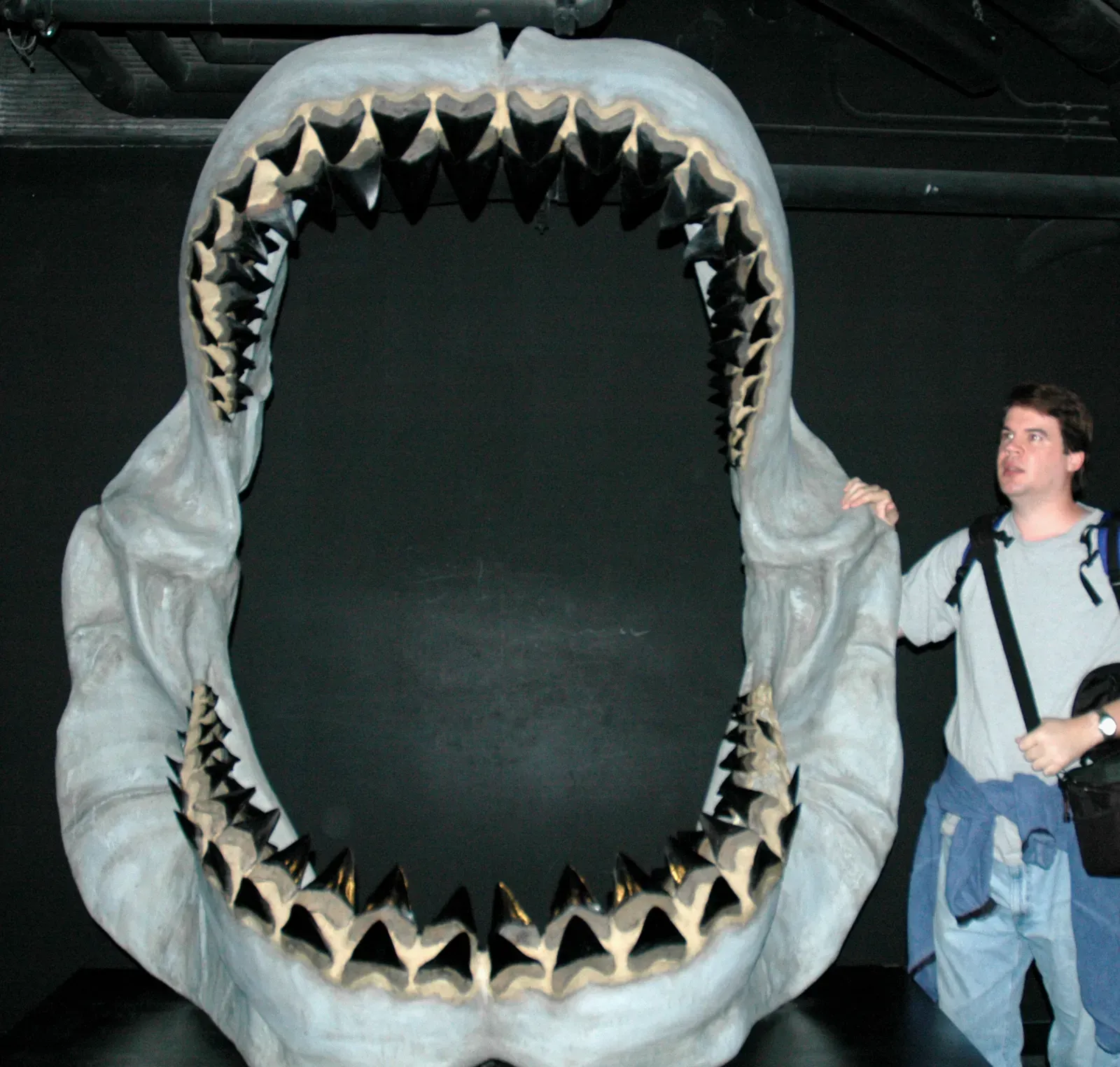
Megalodon was not just another big shark; it was the apex of apex predators, dominating oceans from roughly the early Miocene to the Pliocene. Based on tooth and vertebral evidence, it likely reached body lengths comparable to a large bus and preyed on whales, large fish, and other marine mammals. Everything about its design suggests a warm-blooded or at least partially warm-adapted giant that thrived in relatively stable, productive seas.
Its enormous size came with serious energy demands. A creature that big needs a huge and steady supply of calorie-dense prey, which in turn relies on healthy food webs, reliable upwelling, and stable climatic conditions. In other words, Megalodon was the kind of specialist that does extremely well when the environment cooperates – and becomes frighteningly vulnerable when it does not.
Tooth chemistry: tiny fossils, huge climate clues
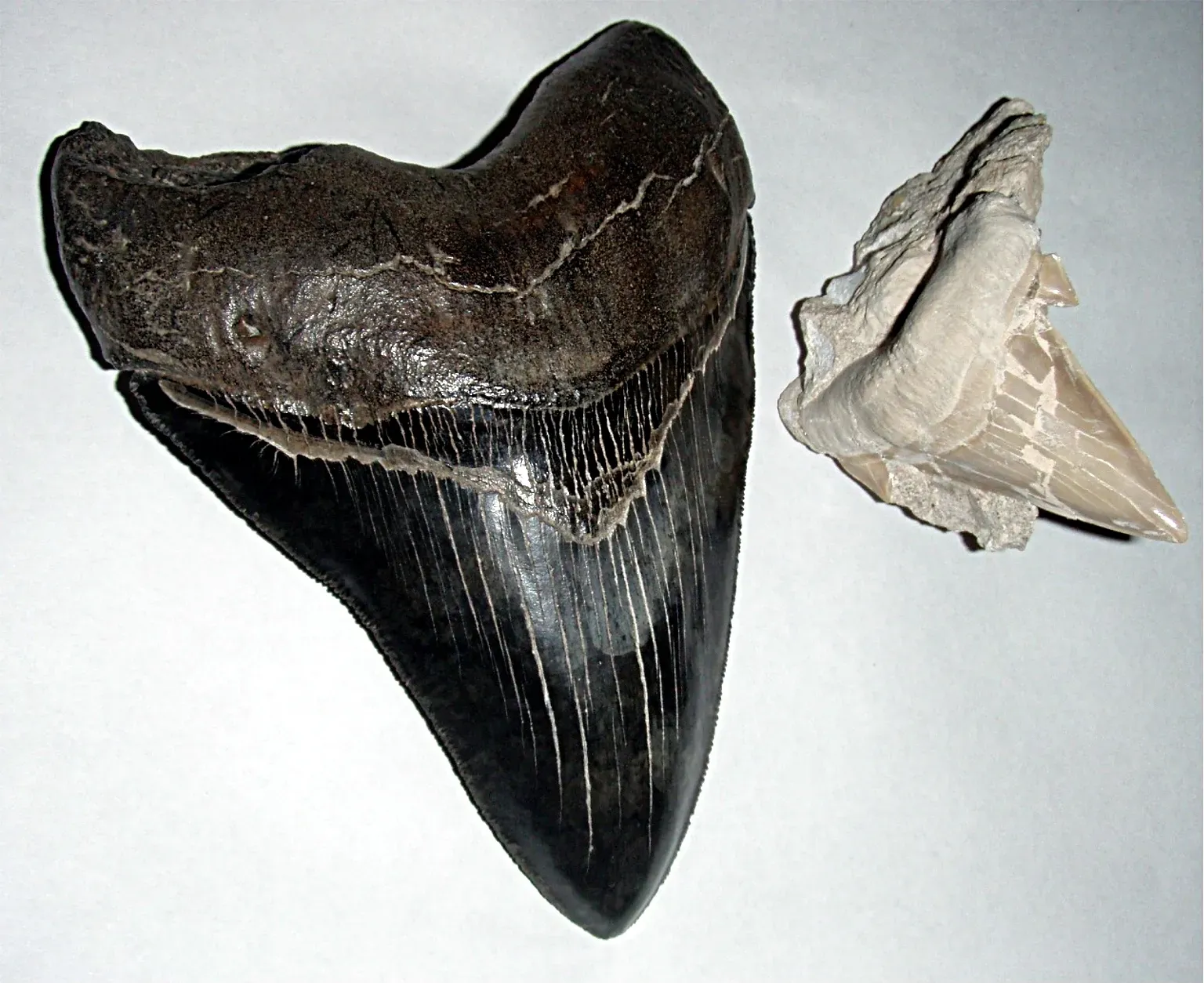
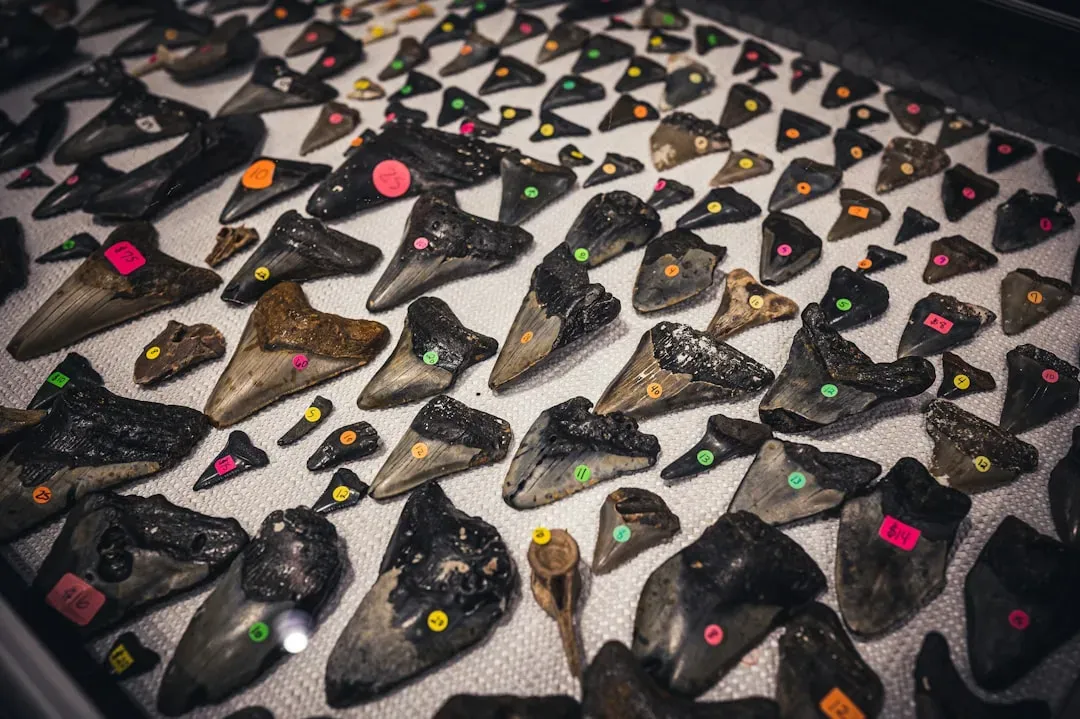
The main breakthroughs in recent years have come from studying the chemistry of Megalodon teeth rather than just their size and shape. Scientists analyze isotopes of elements like oxygen and carbon locked inside the enamel to estimate water temperatures and aspects of Megalodon’s diet and habitat use. These teeth, scattered across ancient coastlines, act like time-stamped thermometers and travel diaries.
When you compare these chemical signatures across different regions and time periods, patterns start to emerge. Megalodon teeth indicate a preference for relatively warm waters and suggest a high position in the food chain, feeding on large prey near the top. As global oceans cooled and productivity patterns shifted, the chemistry in later teeth hints at a predator being nudged into less ideal conditions – a warning sign that the climate system was moving against it.
Global cooling and shrinking tropical “safe zones”
The late Miocene and Pliocene were times of significant global cooling, with ice sheets expanding and temperature gradients between the poles and the equator intensifying. For a warm-adapted giant like Megalodon, this likely meant its favorite habitats – warm coastal and offshore waters rich in marine mammals – began to shrink and fragment. The tropical and subtropical zones that once formed continuous, comfortable hunting grounds became more patchy and limited.
As cooler waters spread and temperature contrasts sharpened, the distribution of prey shifted too. Whale populations moved, breeding grounds relocated, and migratory routes were altered. A top predator that relied on following large marine mammals would have been forced to adjust, travel farther, or accept less optimal conditions. Over time, that kind of chronic environmental stress adds up, especially for a species that matures slowly and invests heavily in each offspring.
Food chain instability: when prey collapses, predators follow
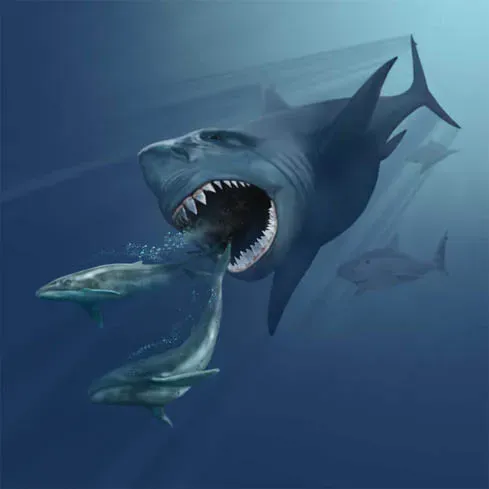
Climate change does not just move temperature lines on a map; it rearranges entire food webs from plankton all the way up to apex predators. Cooling trends and changing ocean circulation patterns affected primary productivity in many regions, meaning the basic “fuel” for marine life became more uneven in both time and space. Areas that were once lush, plankton-rich feeding zones for small fish and krill could become less reliable or shift location.
If the base of the food chain becomes unstable, everything above it starts to wobble. Large marine mammals that Megalodon depended on would have felt the effects first, through reduced food availability, changing migration patterns, or altered reproduction. A giant shark at the very top has no fallback; it cannot simply switch to small fish or scavenging and expect to survive at that size. In that sense, Megalodon’s own evolutionary success – its size and specialization – may have become a trap once the climate began to reshape the oceans.
Competition from up‑and‑coming predators in a changing ocean
While climate-driven changes appear central, they did not operate in isolation. As oceans cooled and reorganized, other large predators, particularly ancestors of modern great white sharks and marine mammals like early orcas, were emerging or expanding. These species were better suited to cooler waters or more flexible in their feeding strategies, giving them a competitive edge as conditions shifted. In a stressed ecosystem, even relatively small competitive disadvantages can become lethal.
Instead of imagining a dramatic “shark versus shark” showdown, it is more realistic to picture a gradual reshuffling of ecological roles. As prey moved into cooler or more variable regions, newer predators could track them more effectively, while Megalodon was increasingly confined to shrinking warm-water refuges. The climate crisis did not need to kill Megalodon directly; it only had to tilt the playing field enough for other species to outlast and eventually replace it.
The myth of instant extinction versus slow ecological strangling
Pop culture loves the idea of sudden extinction events: a comet, a mega-eruption, a single catastrophic day when everything changes. But the story emerging around Megalodon looks much more like a slow ecological strangling stretched over hundreds of thousands of years. The fossil record suggests a gradual decline in distribution and abundance rather than a sharp, single cutoff. That kind of drawn-out disappearance is less cinematic, but far more in line with how climate pressure typically reshapes life.
In practical terms, this means there was likely no one dramatic moment when the last Megalodon died in a storm or a battle. Instead, fewer juveniles survived to adulthood, hunting grounds became less productive, and breeding populations became isolated and fragile. From a distance, it might have even looked “normal” to the rest of the ecosystem – just another predator slowly fading away as conditions tipped against it. That quiet extinction is, frankly, more haunting than any monster-movie ending.
Lessons for today’s oceans: the past is a warning label
The most unsettling part of this story is how familiar it sounds in the age of human-driven climate change. We are once again heating and rearranging the oceans, altering currents, temperature gradients, and food webs at a pace that rivals or exceeds many ancient shifts. Today’s top marine predators – sharks, tuna, whales, seabirds – depend on stable prey networks just as Megalodon did. When those networks start to fracture, it is always the big, slow-reproducing specialists that pay the price first.
The fossil record of Megalodon is like a cautionary note written in enamel and bone: even the most powerful predators are powerless if the environment that supports them unravels. The difference now is that the driver is not slow tectonic drift or natural CO₂ cycles, but human industry and consumption. If a giant like Megalodon could not outrun a climate-driven crisis, there is no reason to think modern species will fare better unless we treat ocean stability as something to fiercely protect rather than casually exploit.
Why this extinction story feels uncomfortably personal
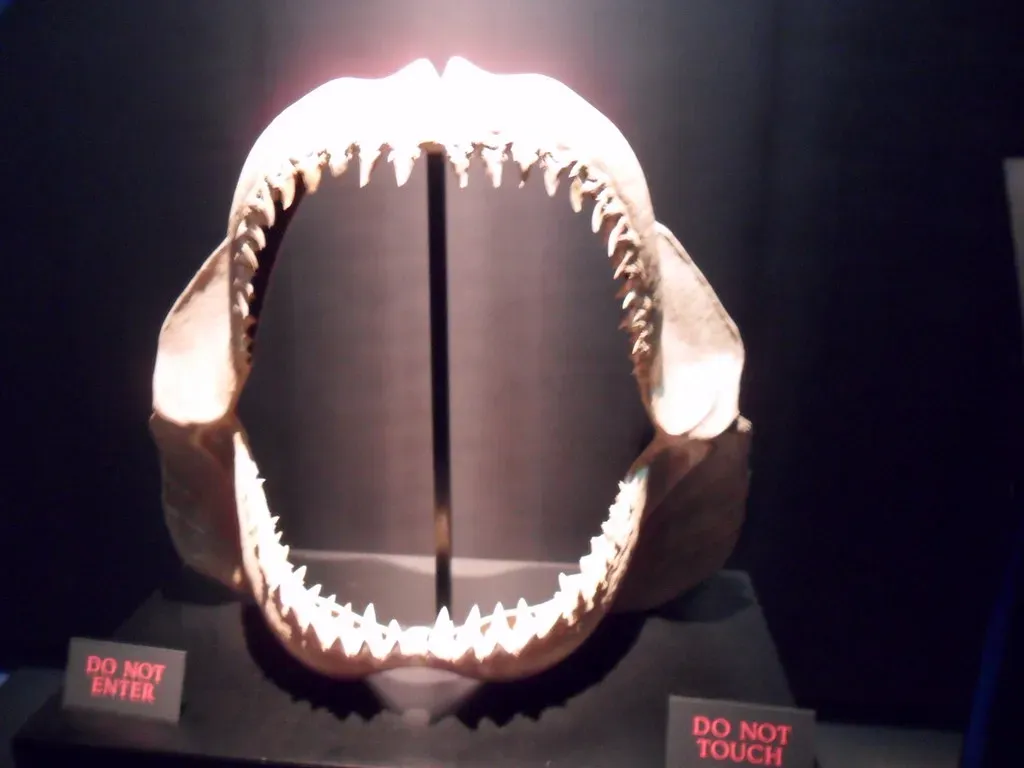
What makes Megalodon’s climate-driven decline hit so hard is that it contradicts our usual fantasy that strength alone guarantees survival. There is something painfully familiar about a dominant creature undone not by direct confrontation, but by background changes it could never control. To me, it feels like watching a seemingly unstoppable athlete slowly lose ground because the rules of the game keep shifting beneath their feet.
It is tempting to treat prehistoric extinctions as distant, almost fictional events, but this one feels more like a mirror. We are now the dominant force reshaping the climate, and yet we are just as dependent on stable ecological systems as any giant shark once was. If the ocean could quietly retire its most fearsome predator simply by changing the temperature dial and shuffling food webs, what makes us think we are immune to similar long-term consequences?
Conclusion: a giant undone by the water it ruled
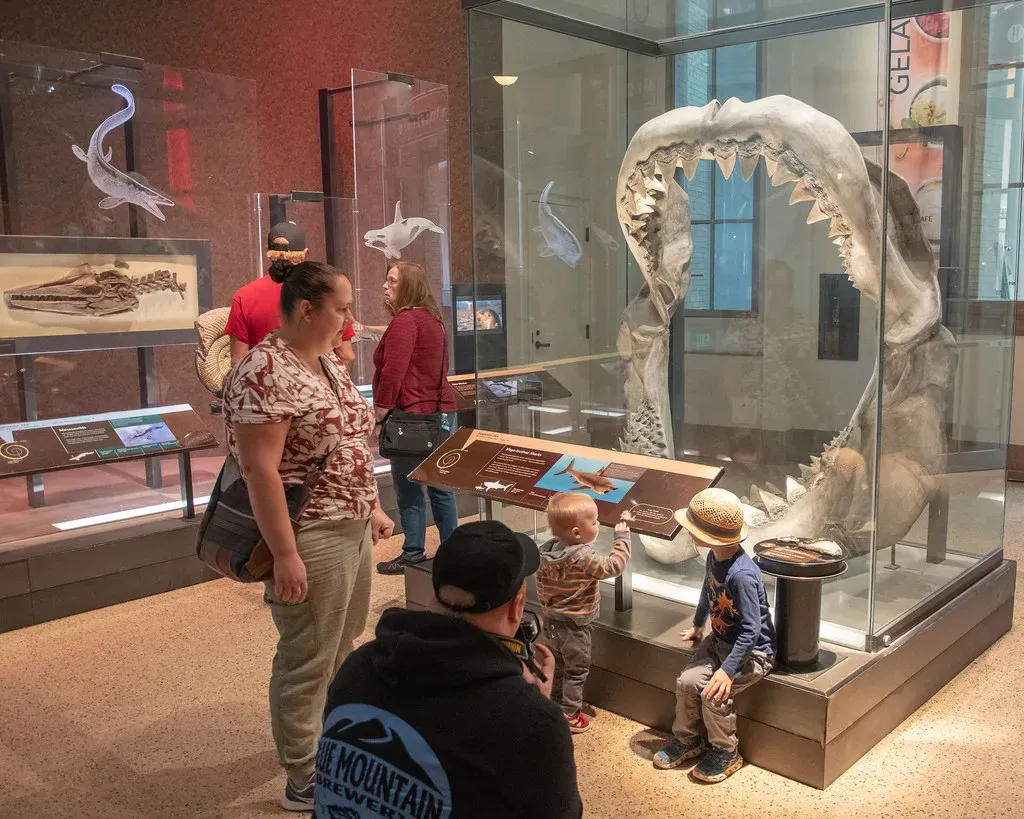
The emerging evidence paints Megalodon’s extinction not as a random accident or a one-off clash, but as the slow, inevitable outcome of a climate that stopped playing by its old rules. Global cooling, shifting prey, growing competition, and food web instability created a perfect storm that a massive, warm-adapted super-predator simply could not weather. In my view, that makes Megalodon less a fallen monster and more a victim of a planet calmly reconfiguring itself, indifferent to even its greatest hunters.
If there is a lesson here, it is uncomfortably clear: no amount of power, size, or evolutionary success can compensate for a habitat that becomes hostile from the bottom up. We are living through our own version of a rapid oceanic reset, only this time the cause is us and the stakes include our own future. When you think about Megalodon fading from the seas it once ruled, it is hard not to wonder – are we any better prepared for a climate-driven crisis than that giant shark ever was?