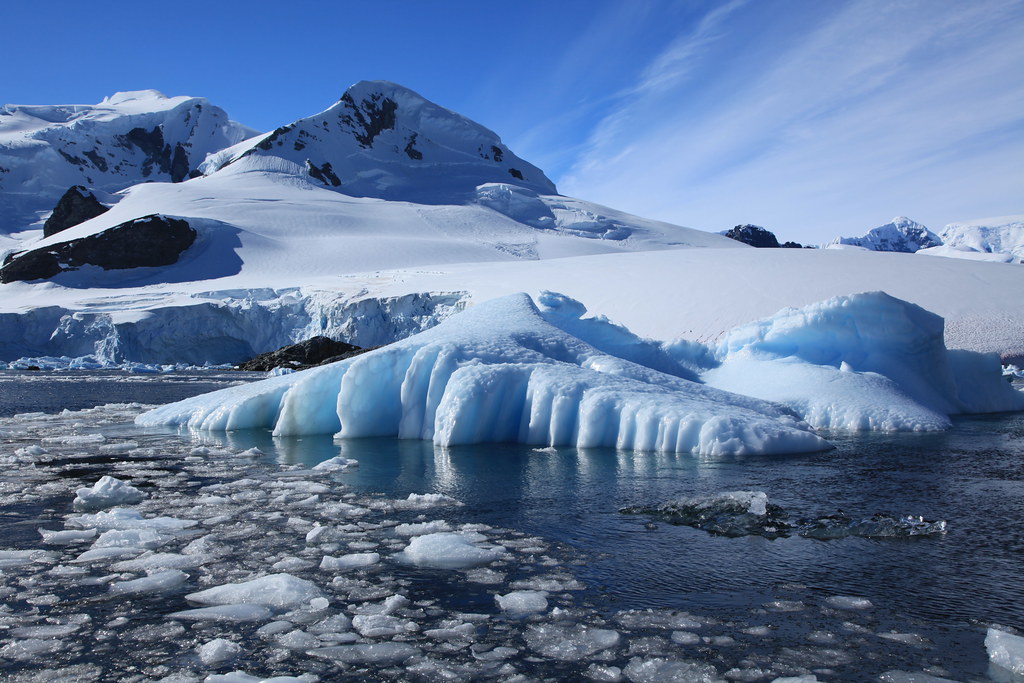
Antarctica feels like another planet that just happens to share our sky. For most of us, it’s a blank white shape on a map, a place of endless ice and not much else. But as the glaciers retreat and the ice thins, scientists are discovering that this “nothingness” is hiding one of the most complex, alien, and frankly unsettling environments on Earth.
That doesn’t mean there’s some cinematic lost world suddenly blooming under the ice. The truth is weirder, slower, and in many ways more profound. Beneath the melting glaciers is a dark, hidden network of lakes, rivers, mountains, life forms, and ancient archives of our planet’s past. And as we uncover this new world, we’re also forced to confront a harsh reality: we’re changing it faster than we can understand it.
The Hidden Rivers and Lakes Flowing in Total Darkness
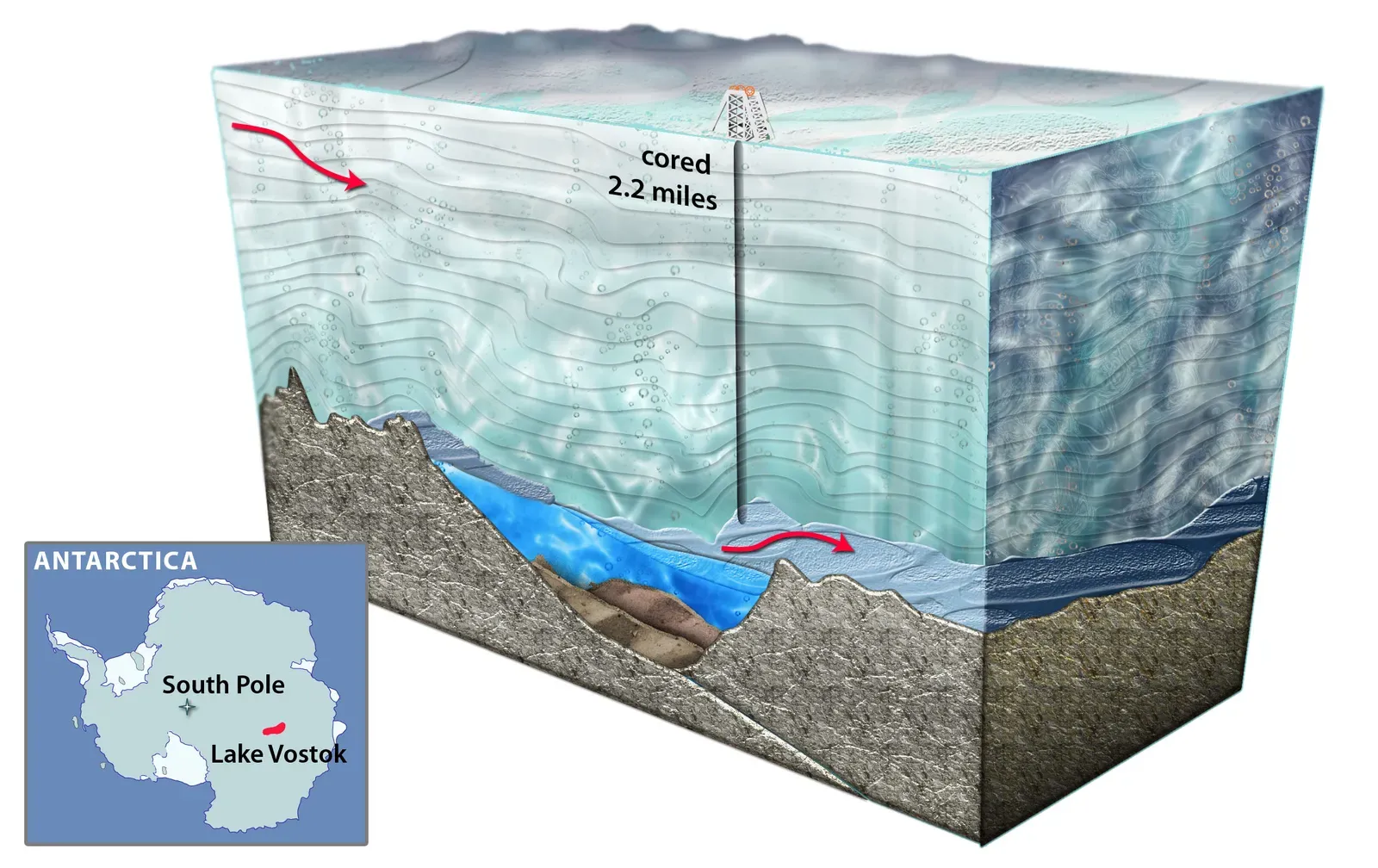
Here’s the first surprising twist: Antarctica is not just a solid block of frozen water. Beneath the massive ice sheet there is a sprawling, interconnected plumbing system of subglacial rivers and lakes, some the size of large cities, others as big as small countries. These liquid water systems are kept from freezing solid by a mix of pressure from the overlying ice and heat slowly rising from Earth’s interior. In other words, while the surface looks like deep freeze, the basement is quietly running on a trickle of geothermal energy.
These rivers and lakes are not static pools; they fill, drain, and surge in slow-motion pulses that can shift the speed of the ice above them. When a buried lake suddenly releases water into a downstream channel, the overlying glacier can lurch forward, like a car briefly rolling over a patch of black ice. Scientists are now tracking these hidden flows with satellites that measure tiny changes in the ice surface, revealing a secret hydrological network that reshapes how we think about “frozen” landscapes.
Alien-Like Microbes Thriving Where Sunlight Never Reaches
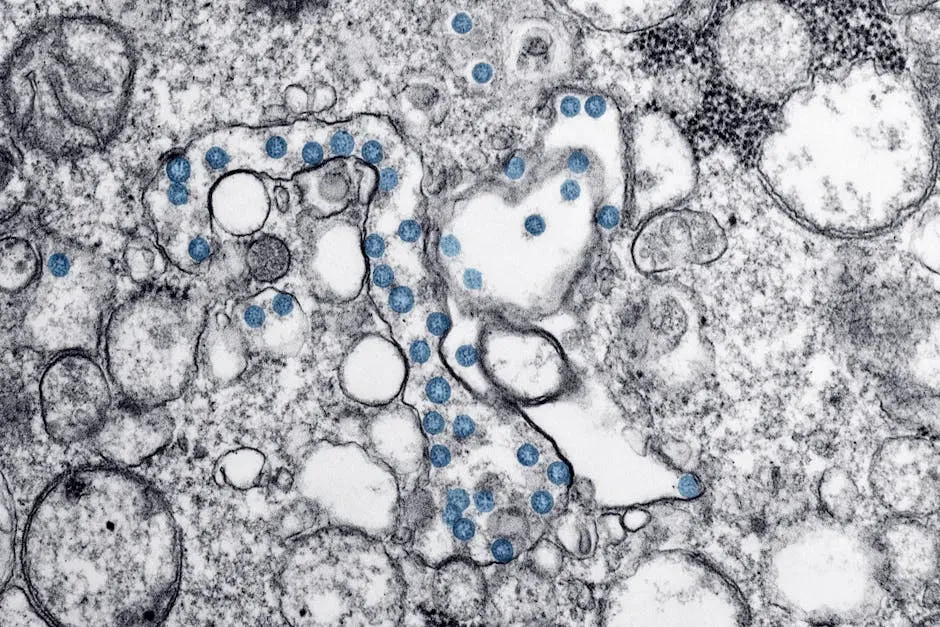
In these dark, pressurized, oxygen-poor lakes, life has found a way. Researchers who’ve painstakingly drilled through more than a kilometer of ice into places like Lake Whillans and Lake Mercer have found communities of microbes living off chemical energy rather than sunlight. They feed on minerals, dissolved gases, and traces of organic matter carried in by ice and water, running on metabolisms that feel more like something we’d expect on an icy moon of Jupiter than on our own planet.
To me, this is where it starts to feel truly unsettling and inspiring at the same time. If life can persist for hundreds of thousands of years in pitch-black Antarctic lakes under crushing pressure and sub-zero water, then our old assumptions about where life can exist are way too narrow. These microbes turn Antarctica into a real-world testbed for astrobiology: what we learn here about survival in extreme conditions directly shapes how seriously we take the possibility of life in the icy crusts of Europa or Enceladus.
Mountains, Rifts, and Ancient Landscapes Frozen in Time
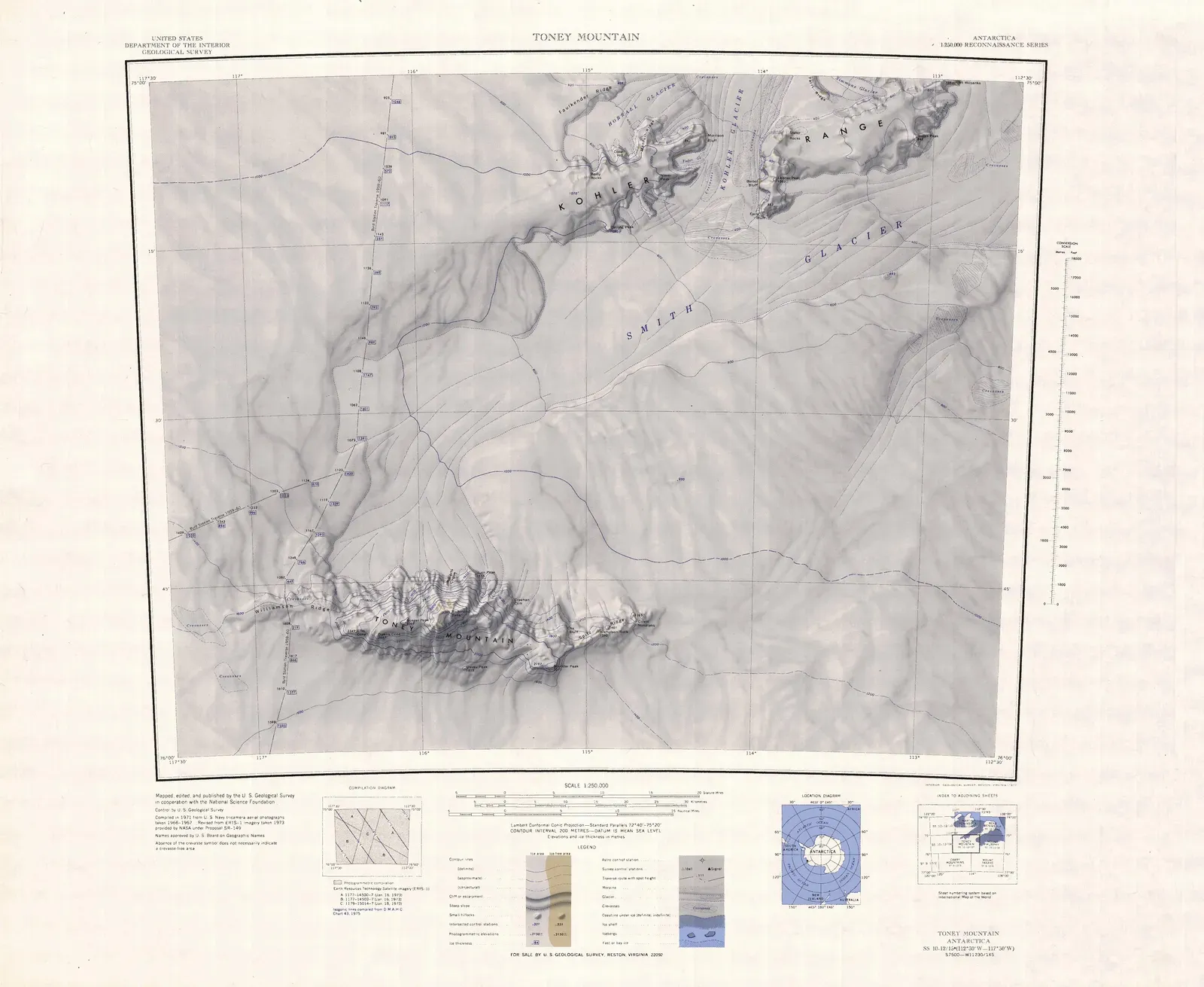
Strip away the ice in your mind and Antarctica stops being a flat white desert and turns into a bizarre hidden continent. There are rugged mountain ranges like the Gamburtsev Mountains completely buried beneath the ice, older than many ranges we can see in the open. There are vast rift valleys and sediment-filled basins that rival the great geological scars of Africa or North America. Radar and seismic imaging give us ghostly outlines of these features, like an X-ray of a skeleton we may never fully expose.
What’s wild is that some of these buried landscapes appear to have been preserved for tens of millions of years, shielded from erosion by the overlying ice. It’s like finding a sealed time capsule of Earth’s geography from a different era. As the ice melts at the edges and thins in some interior regions, parts of this landscape are slowly “rejoining” the modern climate system, with meltwater carving new routes through valleys that have not seen liquid water in human history.
Ancient Climate Secrets Locked in Layers of Ice
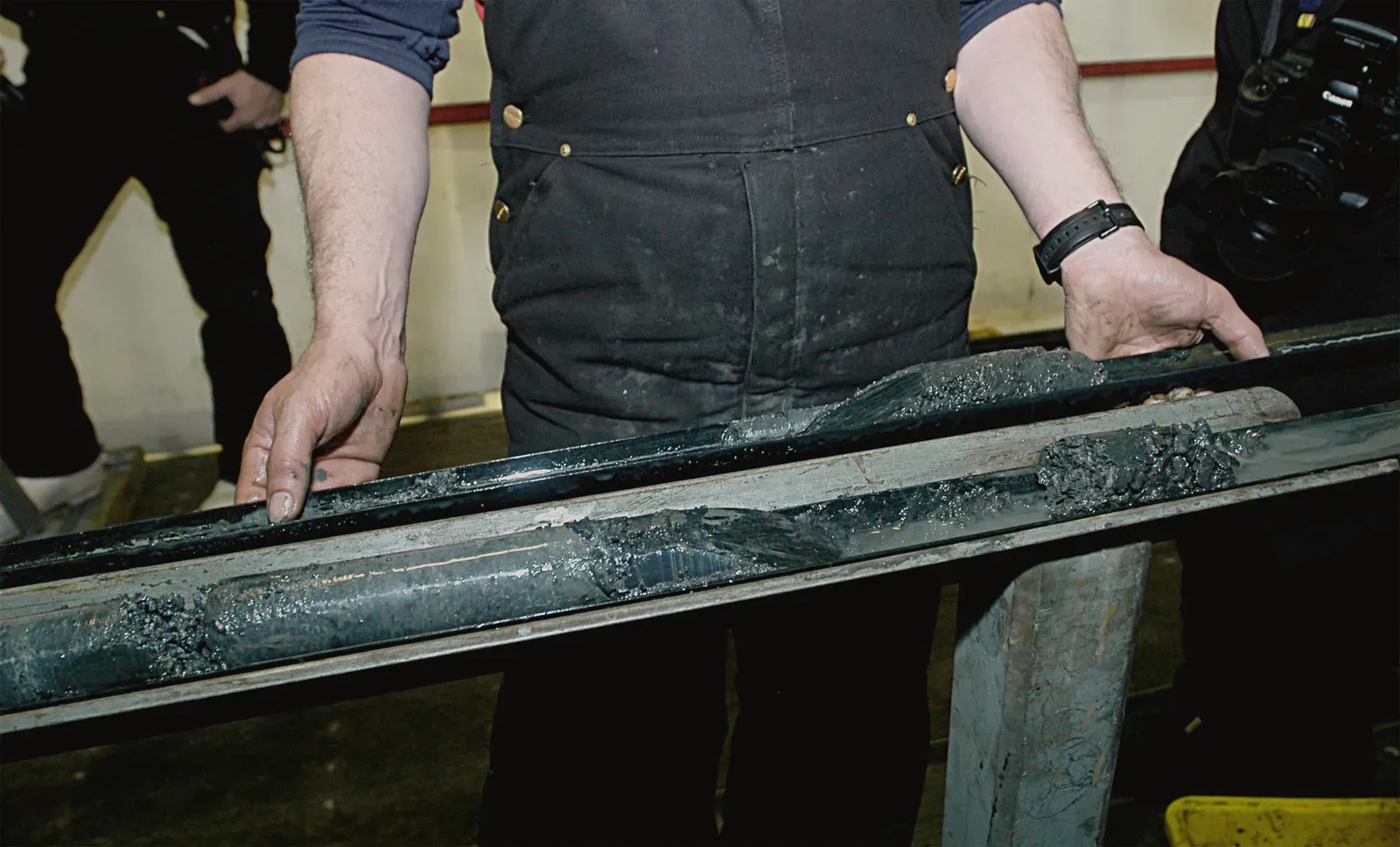
Every meter of Antarctic ice is a page of Earth’s climate diary. Snow that fell hundreds of thousands of years ago is still trapped there, compressed into clear, blueish ice laced with tiny bubbles of ancient air. By drilling ice cores and sampling these layers, scientists reconstruct temperature swings, atmospheric carbon dioxide levels, volcanic eruptions, and even traces of wildfires from eras no human ever witnessed. Some cores already reach back more than three quarters of a million years into the past.
Now, projects are pushing toward something even more audacious: ice that could preserve climate signals from more than a million years ago, a time when natural carbon dioxide levels and global warmth looked very different from today. The bitter irony is that while this record helps us understand how sensitive Earth’s climate is to greenhouse gases, modern warming driven by human activity is also accelerating the melting that threatens to distort or destroy parts of this archive. We’re racing to read the diary while the ink is literally starting to run.
Melting Glaciers, Rising Seas, and Global Cities at Risk
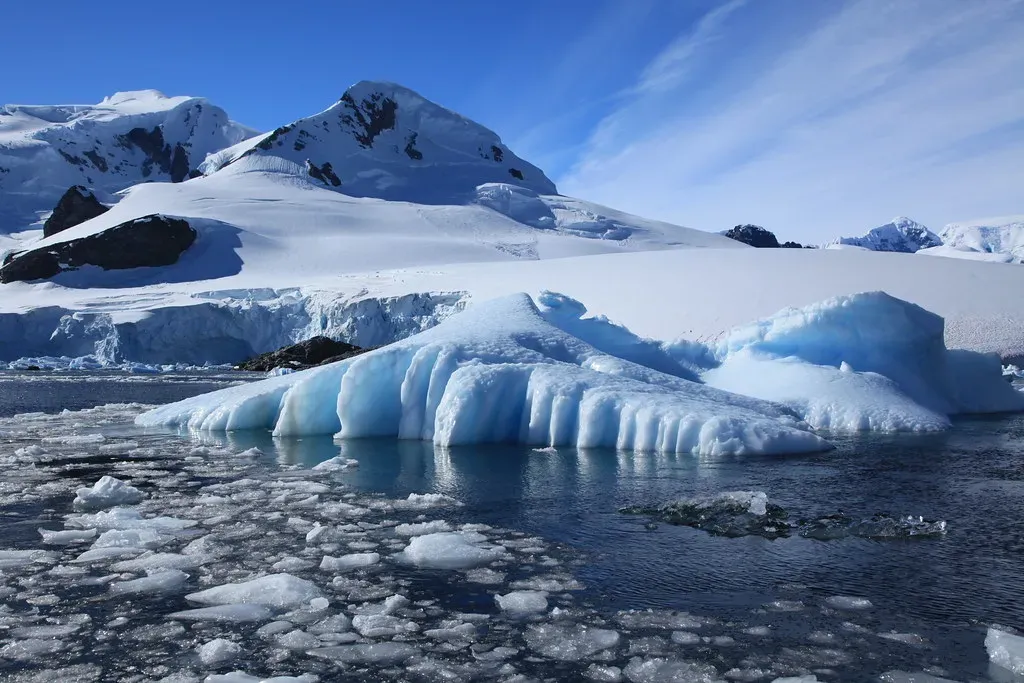
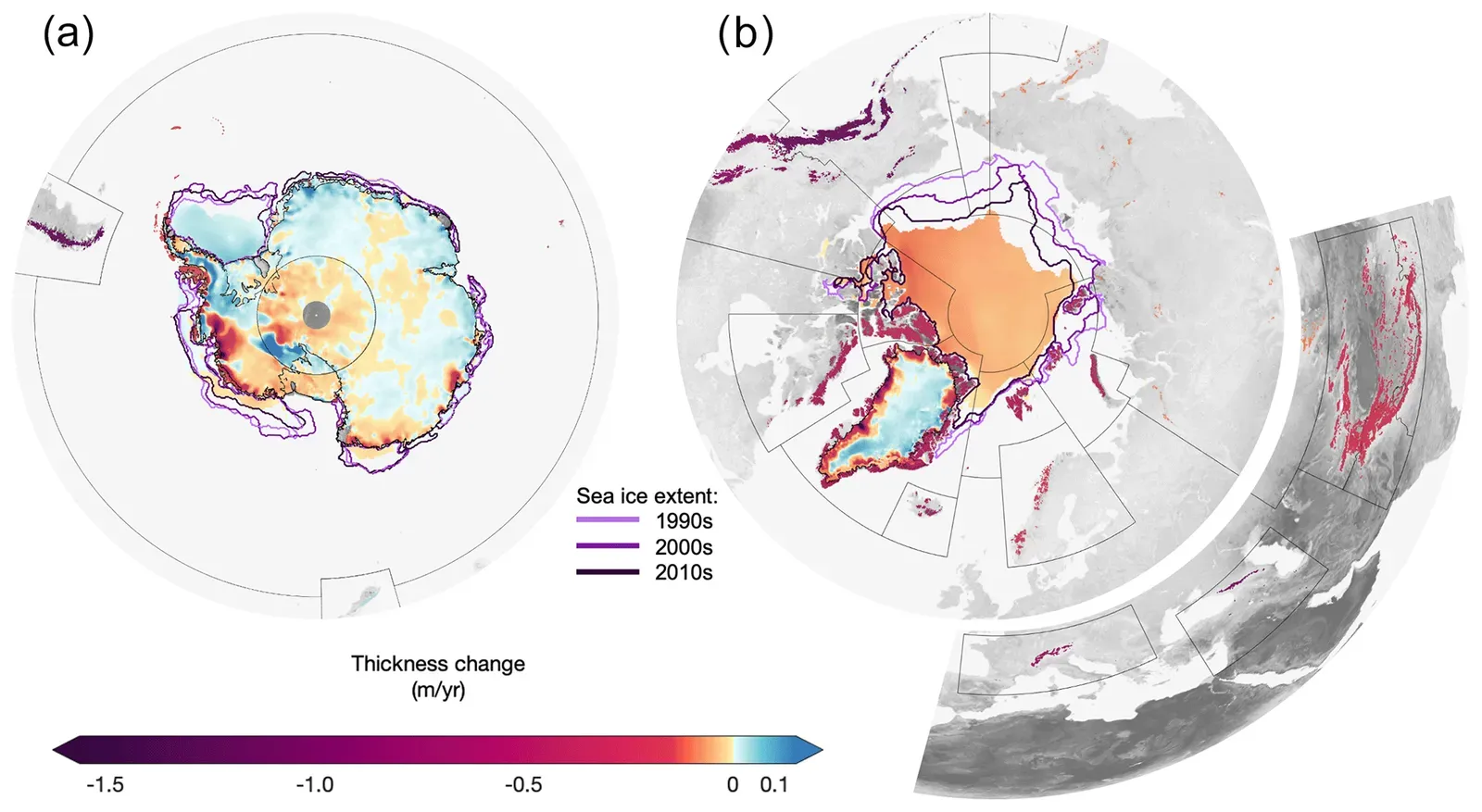
When you gaze at satellite imagery of Antarctica, it’s tempting to think of its glaciers as safely distant, like scenery at the edge of the world. But what happens there does not stay there. The ice sheet locks up enough frozen water to raise global sea levels by many dozens of meters if it fully melted, and even a small fraction of that would be catastrophic. The most vulnerable parts, including West Antarctica’s marine-based ice sheet, rest on bedrock below sea level, making them especially sensitive to warm ocean water slipping underneath.
This is where the “new world emerging” turns from scientific curiosity into a hard-edged political and ethical issue. As buttressing ice shelves thin and break, the glaciers behind them can accelerate, feeding more ice into the ocean. That extra meltwater does not just mean a bit more water at the beach; it translates directly into higher tides creeping into coastal neighborhoods, saltwater pushing into freshwater systems, and some of the world’s great cities facing chronic flooding within the lifetime of today’s younger adults. The hidden shifts beneath Antarctic glaciers are already writing the future real estate maps of New York, Mumbai, Lagos, and countless other coastal hubs.
Changing Oceans, Shifting Ecosystems, and Global Weather Ripples
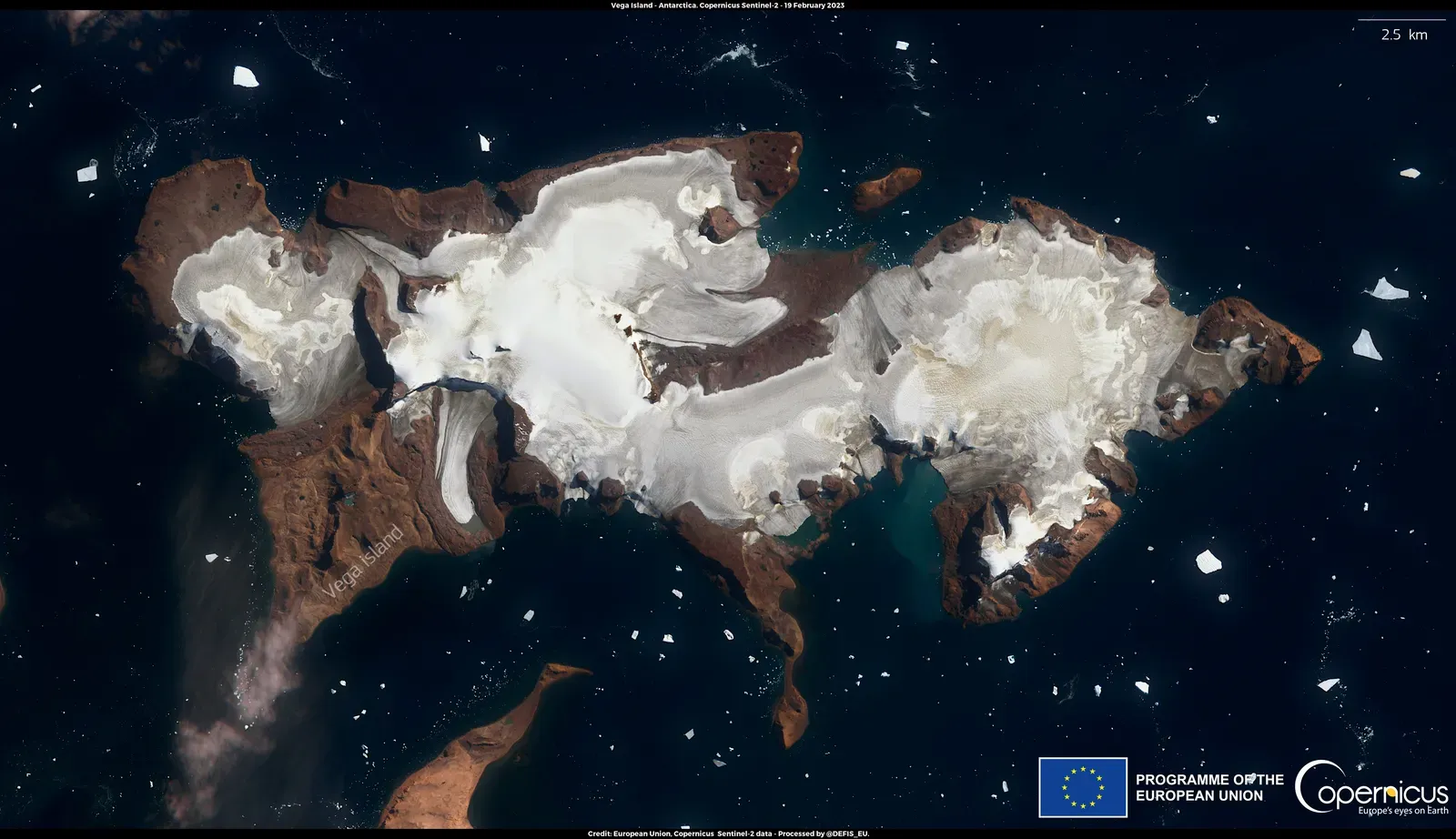
The story does not stop with shorelines. As more freshwater from melting glaciers flows into the Southern Ocean, it can disrupt delicate layers of temperature and salinity that help drive global ocean circulation. That circulation, sometimes called Earth’s great conveyor belt, moves heat and nutrients around the globe. If you weaken or reroute parts of it, you do not just change Antarctica; you subtly rewrite weather and climate patterns from the tropics to the poles.
On top of that, altered sea ice and ocean conditions around Antarctica can reshape marine ecosystems that depend on the seasonal pulse of freezing and thawing. Tiny organisms like phytoplankton and krill, which form the foundation of Southern Ocean food webs, respond to changes in light, nutrients, and ice cover. That cascades up to penguins, seals, and whales, and, by extension, to global fisheries and carbon uptake by the oceans. A shift in the hidden plumbing of Antarctic ice might sound remote, but it reverberates through the atmosphere and ocean like a faint note that eventually swells into a whole new song.
New Frontiers in Science, Technology, and International Cooperation
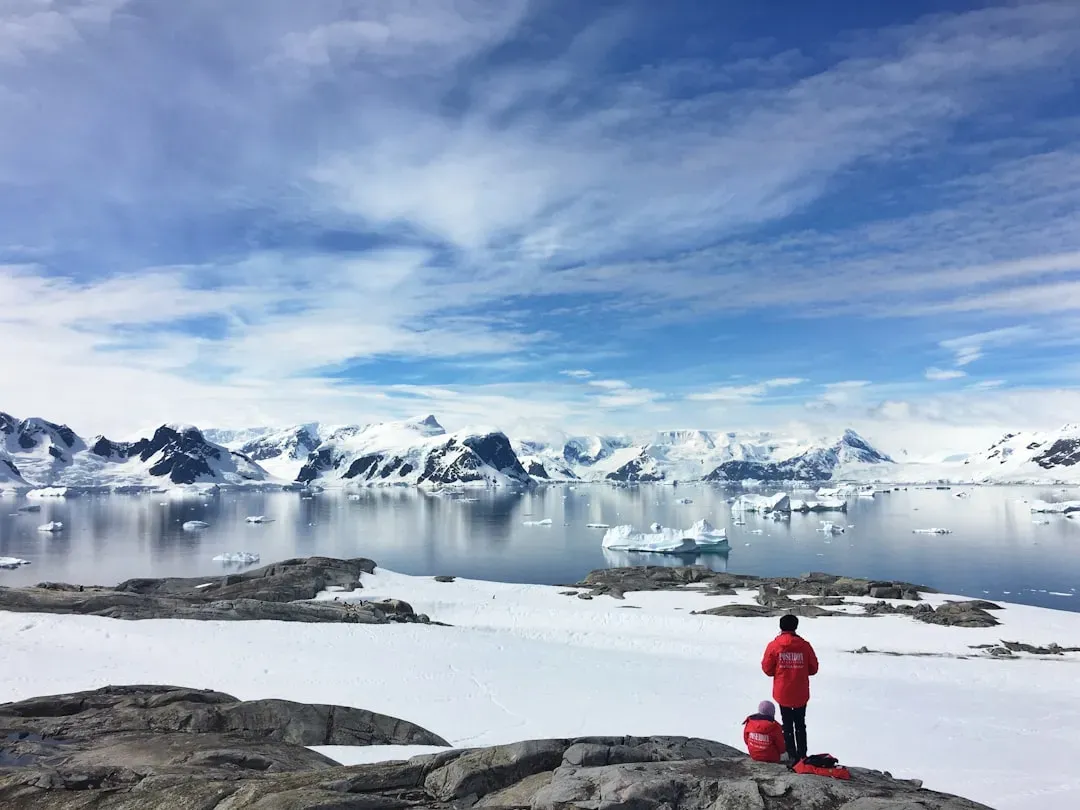
To even glimpse what lies beneath the glaciers, scientists have had to invent new ways of seeing and drilling without ruining what they’re trying to study. They use aircraft and satellites to send radar pulses through kilometers of ice, map gravity variations, and track tiny changes in elevation from orbit. They design clean hot-water drills that can melt a narrow shaft through ice while carefully avoiding contamination of pristine subglacial lakes. The technology developed for this work feels like something between deep-sea exploration and spaceflight, because in many ways that’s exactly what it is.
Antarctica is also, at least on paper, one of the last places on Earth governed mainly by cooperation rather than competition. The Antarctic Treaty system keeps it demilitarized and devoted to peaceful science, and that framework has allowed dozens of countries to share data, logistics, and ideas in a way that is rare elsewhere. Still, as melting ice exposes potential new routes, mineral deposits, and fisheries, the tension between exploration and exploitation is only going to grow. Whether we treat this emerging world as a shared scientific sanctuary or a resource frontier will say a lot about who we are as a species.
Ethical Questions: How Much of This World Should We Touch?
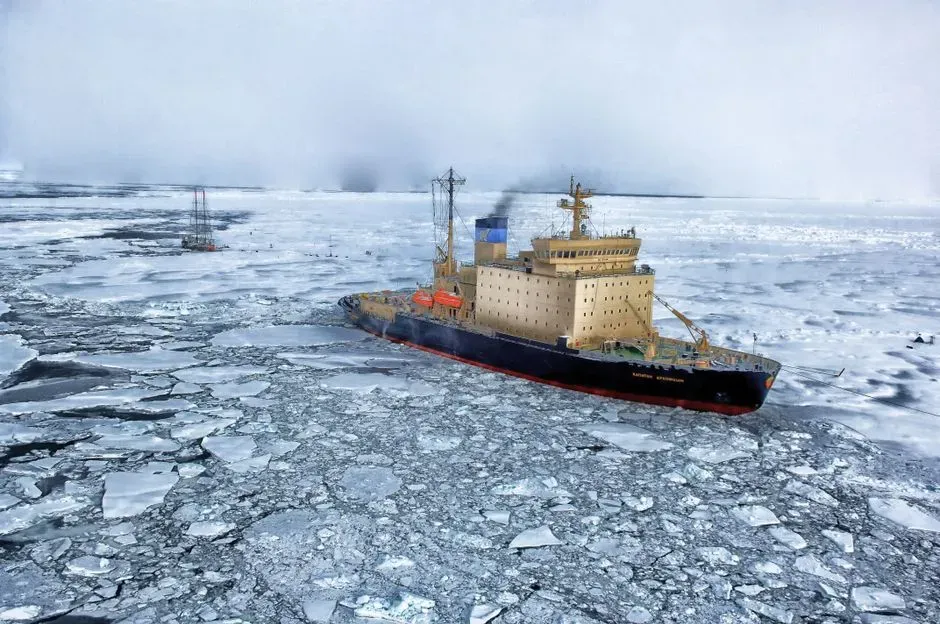
There is a quiet moral question running through all of this: just because we can reach into these hidden systems, does it mean we should? Drilling into subglacial lakes or sampling deep-buried ecosystems carries a real risk of introducing modern microbes into places that have evolved in isolation for hundreds of thousands of years. It’s the polar version of the classic sci‑fi worry about contaminating another planet, except here it is not fiction and it is not someone else’s world. It is ours, and we have a track record of underestimating our impact.
At the same time, turning away entirely is not realistic or responsible. Understanding how Antarctic glaciers behave is essential for predicting sea-level rise and preparing communities that cannot just pack up and move inland. The ethical sweet spot is incredibly narrow: learn enough, move carefully, minimize harm, and admit upfront that we will not always get it right. In my view, if we treat Antarctica like a lab bench instead of a living, connected part of Earth, we have already failed the test.
Conclusion: A New World Emerging, Whether We’re Ready or Not
The world beneath Antarctica’s melting glaciers is not a fantasy landscape waiting to rescue us from our problems; it is a mirror reflecting them back at us in slow motion. In that darkness we find strange rivers, buried mountains, ancient climates, and tough little microbes that refuse to die, all quietly reminding us that Earth is far more complex and resilient than we usually give it credit for. And yet, at the same time, this hidden world is now being forced to change by the heat we have added to the system, with consequences that will play out along every vulnerable coast and in every shaken weather pattern.
If anything, the new world emerging from beneath the ice is a test of our maturity. We can either treat it as a warning flare, take the science seriously, cut emissions, and protect what can still be preserved, or we can shrug it off until the water is literally at our doors. Personally, I think the most honest stance is a mix of awe and urgency: awe at what we are finally uncovering, urgency because our window to act wisely is shrinking. When you picture that vast white continent now, do you still see empty ice, or do you see the restless, hidden world underneath starting to push its way into our future?