Imagine walking out of your village thousands of years ago and seeing an elephant-sized sloth lumbering across the grassland, or a lion twice the size of the biggest big cat alive today stalking the same plains as you. For most of human prehistory, we did not live on a quiet, modest planet. We shared it with giants. Many of these creatures vanished just as our own species was learning to farm, build cities, and write down its stories, leaving us with myths, bones, and a lot of unanswered questions. That overlap between their last days and our first steps toward civilization is where the story gets both eerie and strangely personal.
When you start digging into the science, a clear pattern pops out: as humans spread, especially over the last fifty thousand years or so, many large animals disappeared. Climate shifts played a role, but so did our hunting, burning of landscapes, and later, domestic animals and agriculture. In other words, as we slowly “rose,” the world around us got quieter, emptier, and a bit less wild. The creatures below are not just fossils; they are reminders that our path to cities and smartphones was paved over the ghosts of other species. Some of them vanished just before recorded history, close enough that you can almost imagine your distant ancestors catching a final glimpse.
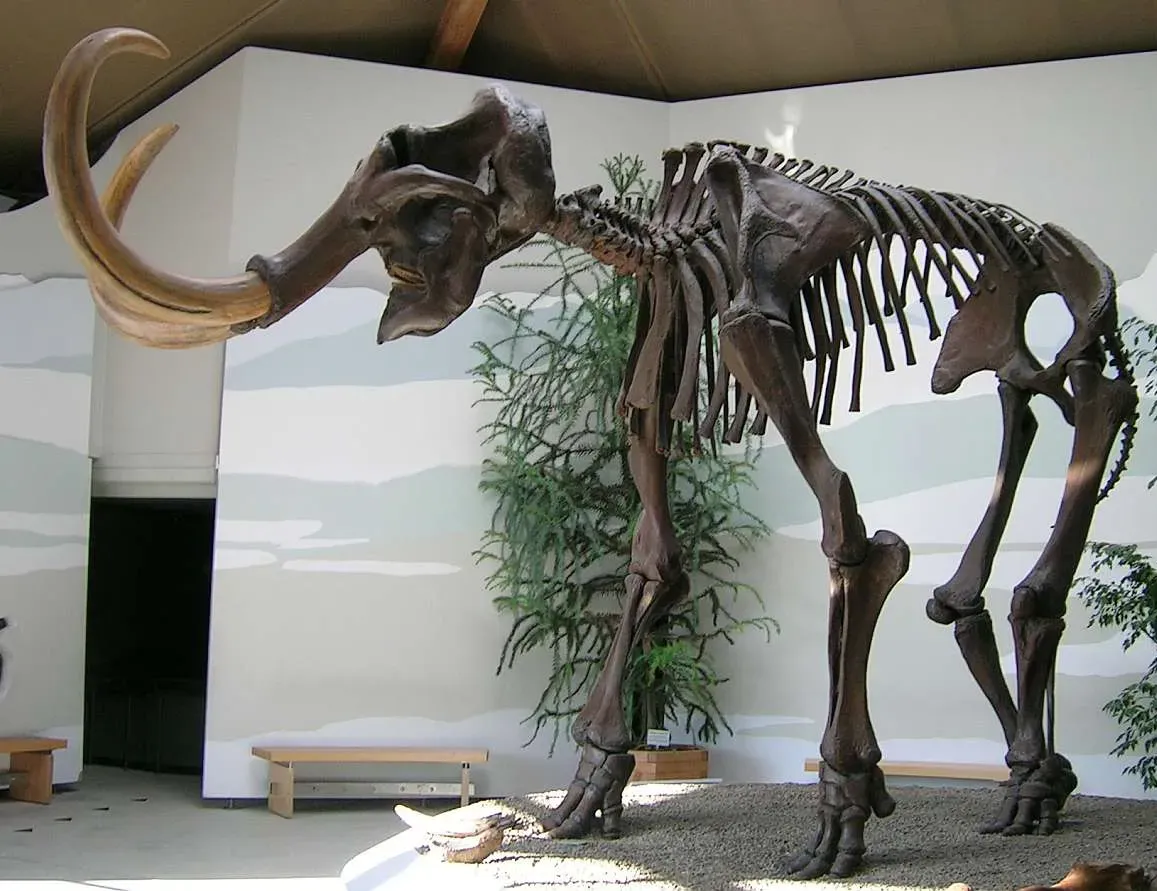
Woolly Mammoth – The Fading Icon of the Ice Age
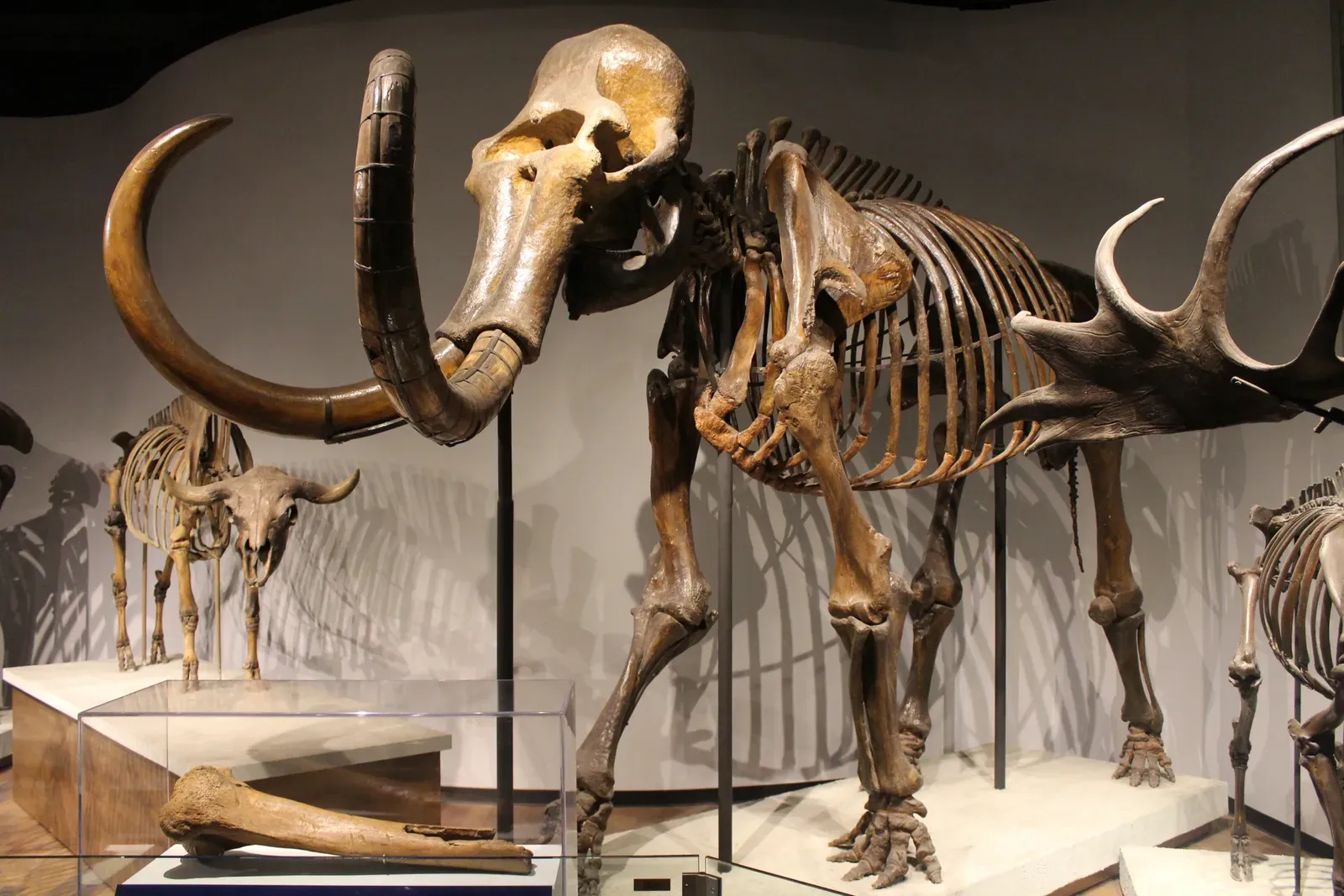
The woolly mammoth feels almost familiar, probably because it looks like a shaggy, cold-adapted elephant and shows up in museum dioramas, cartoons, and even de‑extinction headlines. But behind the pop culture image is a surprisingly tragic story: these animals survived massive climatic swings, expanding and contracting across ice age tundras, only to disappear just as humans were getting good at organized hunting and permanent settlements. In many parts of Eurasia and North America, the mammoth vanishes from the record roughly as human populations become denser and more technologically capable with better tools and coordinated group hunts.
What makes mammoths especially haunting is that a small, isolated population survived on Wrangel Island in the Arctic into the age of early civilizations, while cities were rising in Mesopotamia and Egypt. That means that when humans were carving cuneiform into wet clay, the last mammoths were still trudging through snow on a lonely island, genetically bottlenecked and struggling. Their extinction is likely a messy mix of warming climates reducing their preferred steppe habitat, plus human hunting pressure and possibly even disease. When people today talk about bringing mammoths back with ancient DNA, I always feel a strange tension: it’s a way of admitting that our species might carry some responsibility, while also trying to rewrite a tiny piece of that loss.
Woolly Rhinoceros – Armored Giant of the Frozen Steppes
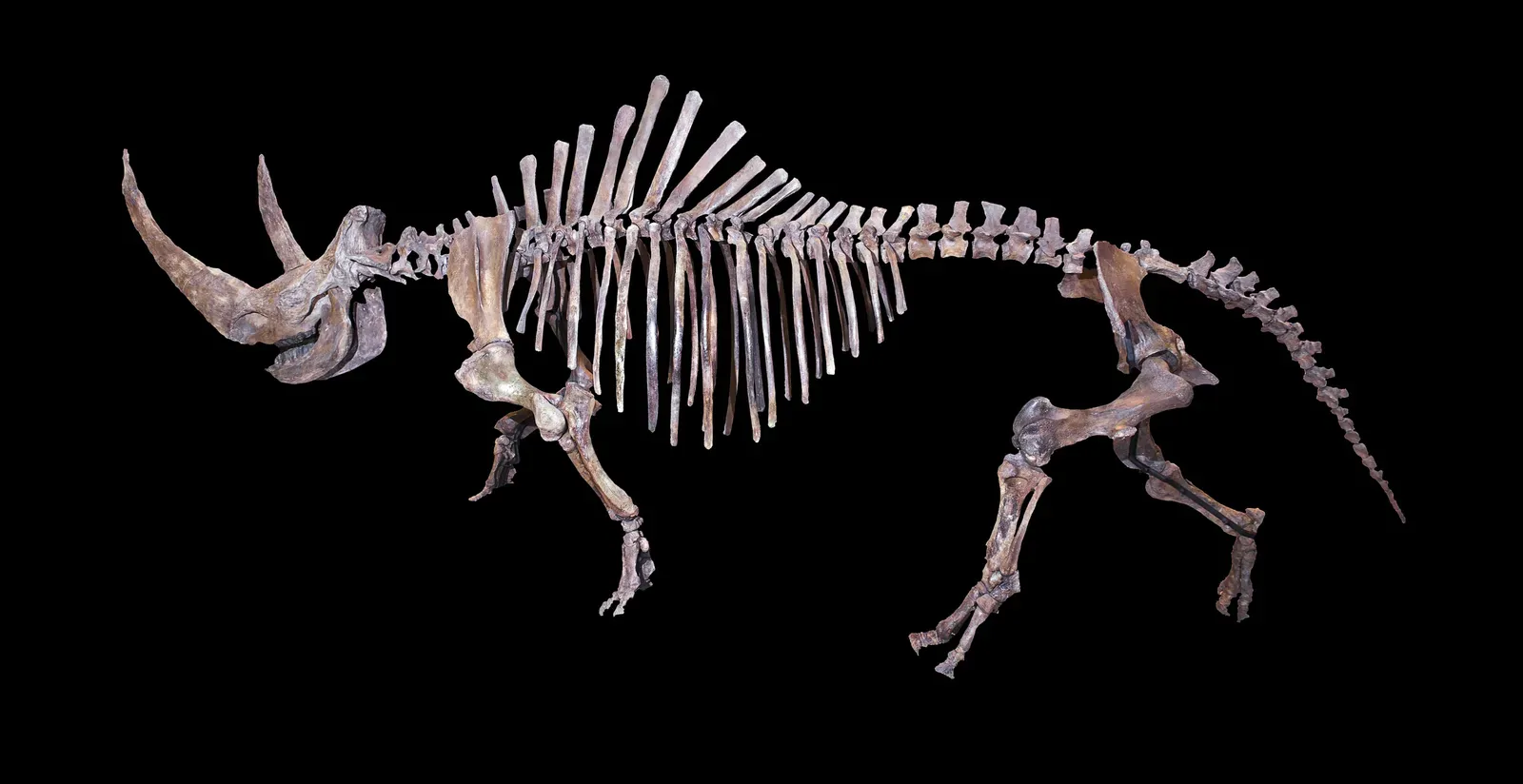
The woolly rhinoceros is like the mammoth’s grumpier, heavily armed neighbor, built for a brutally cold world of grass, snow, and dangerous predators. With a thick coat, massive horns, and a bulky frame, it was perfectly tuned to Ice Age steppe ecosystems stretching across what is now Europe and Asia. As Homo sapiens moved into those same landscapes, we left paintings of these animals on cave walls, which is a surreal reminder that they were not abstract “prehistoric beasts” to our ancestors – they were everyday reality. The last populations seem to have faded out around the time that climates shifted and human presence intensified, a familiar one-two punch.
Unlike mammoths, woolly rhinos did not hang on into the era of cities, but they disappeared during the long, messy run‑up to settled agriculture. As temperatures rose after the peak of the last glacial period, their open, treeless grasslands shrank and fragmented, giving way to forest and more varied vegetation. Humans, armed with increasingly efficient weapons and growing numbers, almost certainly hunted them as well. To me, their story illustrates a harsh truth: evolution can craft incredibly specialized, powerful animals, but if the climate moves too fast and a clever primate shows up with spears, even a tank on legs does not stand much of a chance.
Giant Ground Sloths – Gentle Titans of the Americas
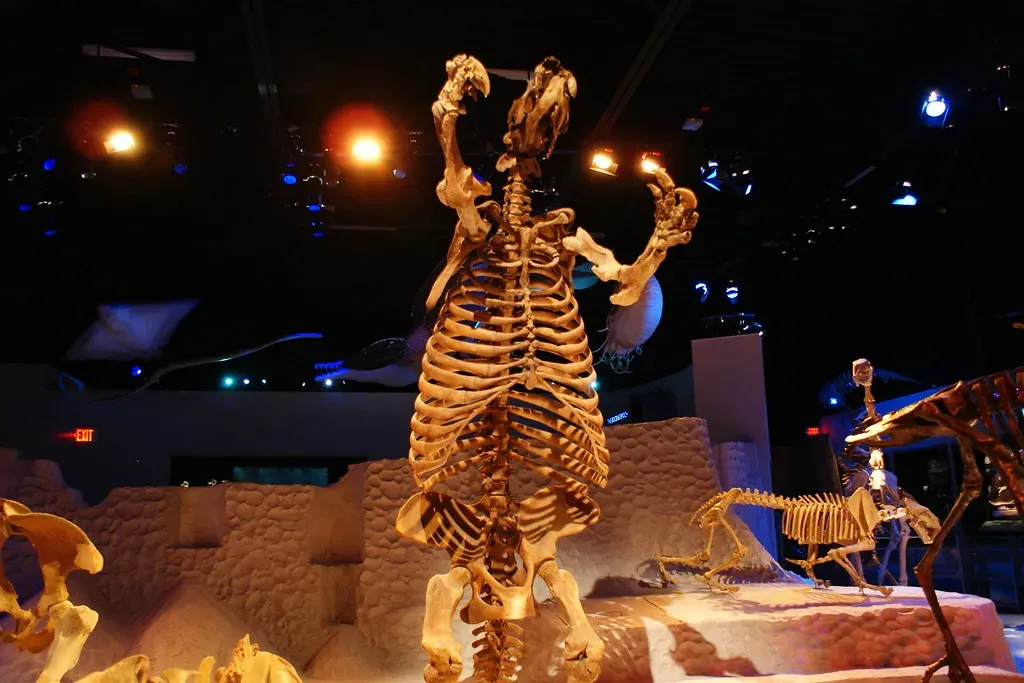
Giant ground sloths are the kind of creature that sounds like a joke until you see their skeletons: enormous, bear‑sized or bigger, with huge claws and a lumbering build that probably made them surprisingly formidable despite their herbivorous diet. Multiple species roamed both North and South America, some towering over a human. Archaeological finds show clear evidence that early people hunted and butchered them, which means our ancestors did not just coexist with these titans; they actively contributed to their decline. When humans arrived in the Americas and quickly spread, many of the largest animals, including these sloths, disappeared in a relatively short window.
What makes these sloths so fascinating is how late some of them persisted, especially in South America and the Caribbean, overlapping with periods when humans were beginning to form more complex societies. Imagine early farming communities in parts of the Americas while, not all that far away, the final populations of ground sloths were clinging on in patchy habitats. Their disappearance underscores how vulnerable large, slow‑breeding animals are when faced with a predator that can coordinate hunts and alter landscapes with fire. Whenever I see a modern tree sloth, slow and almost comically relaxed, I can’t help but think of their lost giant cousins and how utterly different our picture of the Americas would be if they were still browsing alongside our highways.
Irish Elk (Giant Deer) – Antlers Like Living Crowns
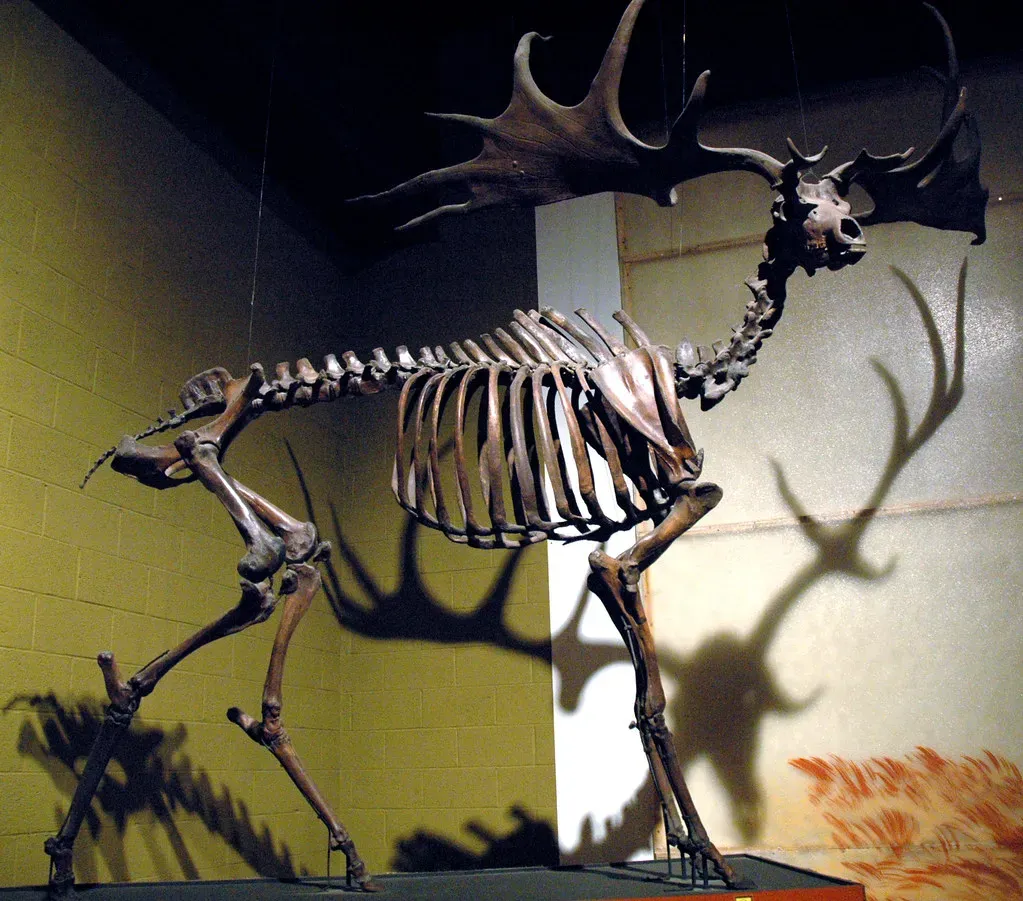
The so‑called Irish elk, more accurately a giant deer, is one of those species that looks almost unreal: a big, elegant deer with antlers so wide and expansive they resemble living crowns. They roamed across Europe and parts of Asia, not just Ireland, through the late Pleistocene and into the early Holocene, the same broad time frame in which humans were experimenting with settled life and eventually agriculture. These deer show up in lake sediments and peat bogs in regions that were soon populated by farming communities, which means they were part of the environment our early European ancestors were stepping into and transforming.
There has been a long‑running debate about what killed them off – whether it was changing vegetation that could not support their large antlers and body size, or human hunting, or some combination. The timing suggests that as forests expanded after the ice retreated and humans intensified their use of landscapes, the open habitats giant deer preferred became rarer. People would have seen them as a huge source of meat, hide, and perhaps bone, especially during harsh winters. In my view, their extinction feels like a quiet casualty of the shift from mobile hunting bands to more permanent villages: as we enclosed more land and cut down the wild edges, the space for a creature that required vast, open ranges simply vanished.
American Cheetah – Ghost Predator of the New World
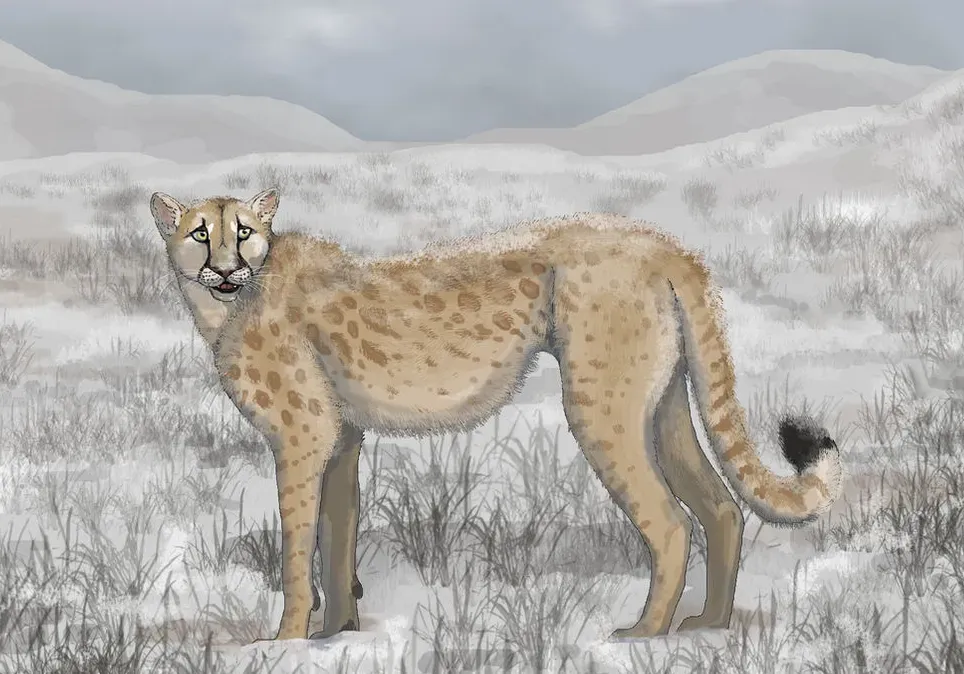
The American cheetah is one of those animals that scrambles our mental map of the past, because most of us associate cheetahs strictly with African savannas. Yet, during the late Ice Age, North America had its own cheetah‑like cats, built for speed and likely preying on fleet‑footed herbivores. Many scientists think the incredible speed of modern pronghorns – much faster than any living North American predator – may be an evolutionary echo of escaping these American cheetahs. By the time humans were establishing early cultures and starting to reshape the continent, these cats were on their way out, disappearing alongside other large mammals.
They are a powerful example of how different the American landscape was before people settled into long‑term agricultural societies. Instead of just wolves and cougars, there were multiple large carnivores, each filling slightly different roles. As human hunters spread, using more sophisticated tools and likely targeting both prey species and the predators that competed with them, the ecological web began to unravel. Climate change at the end of the last glacial period added further stress, shifting habitats north and transforming open, game‑rich plains into new ecosystems. When I think about the American cheetah, it feels like a missing thread in the tapestry of North American history, one that quietly snapped as our ancestors moved in and rewrote the rules.
Steppe Bison – Powerhouse of Prehistoric Grasslands
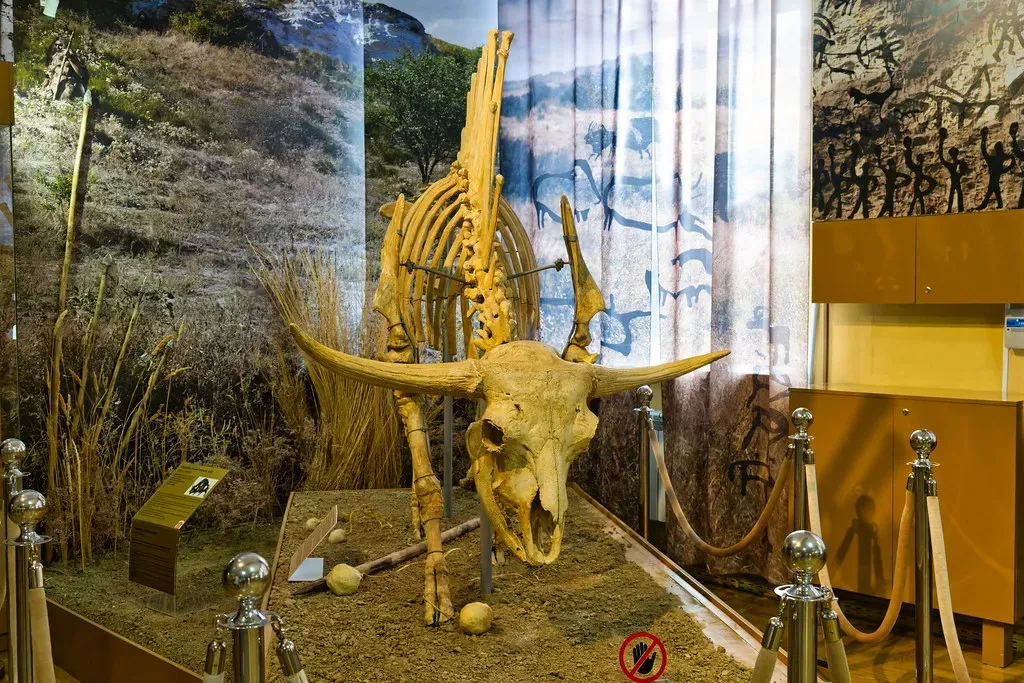
Steppe bison were larger, more rugged relatives of the bison that still roam parts of North America today, and they dominated northern grasslands for much of the late Pleistocene. These animals show up in cave art across Europe, drawn with a level of care that suggests they were both a crucial food source and a powerful symbol to the people who hunted them. As human communities shifted from purely mobile hunting to more settled ways of life, the line between “wild landscape” and “managed land” began to appear, and large grazing herds became both targets and competitors for emerging livestock.
Over time, steppe bison declined and gave way to other forms, including the ancestors of modern bison, but their disappearance tracks the same period in which humans were clearing land, burning vegetation, and eventually fencing and plowing fields. They were robust and adaptable, yet still vulnerable to repeated hunting and fragmentation of their ranges. To me, their story has a bittersweet twist: a slender version of their lineage survives in today’s bison, but the original Ice Age powerhouse is gone. It is a reminder that even when a family of animals technically persists, the particular shapes and behaviors that evolved for an older, wilder world can still be lost forever.
Dire Wolf – More Than a Fantasy Monster
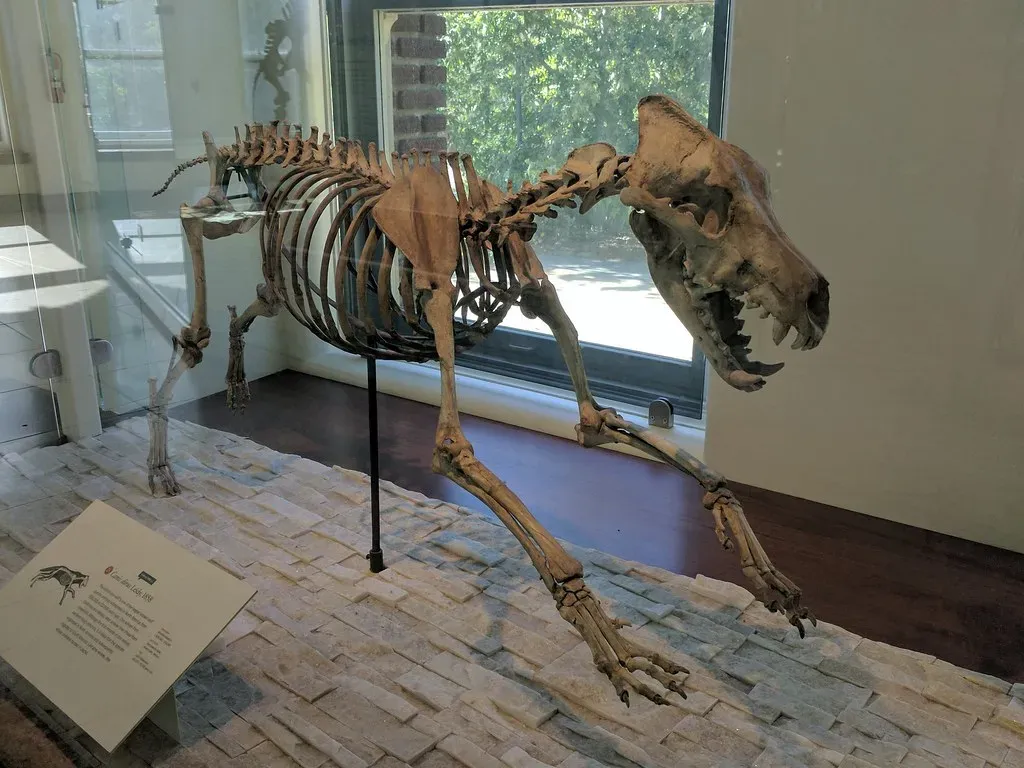
The dire wolf has been dragged into modern pop culture as a kind of fantasy symbol, but the real animal was a very grounded, very formidable predator that lived alongside early humans in the Americas. Heavier‑built than today’s gray wolves, dire wolves likely specialized in tackling large prey like horses, giant sloths, and young mammoths. Their bones are famously common in places like the La Brea Tar Pits, where they appear in huge numbers, evidence of a rich, competitive carnivore community. As humans arrived, bringing new hunting strategies and eventually altering prey populations, the balance among predators shifted dramatically.
Dire wolves disappeared around the same time many of their main prey species vanished, which strongly suggests a cascading collapse: once the big herbivores went, the big predators that depended on them could not easily switch to smaller game. Humans, meanwhile, were increasingly able to manage their own food sources, first through cooperative hunts and later through domesticated animals and crops. Gray wolves, which are more flexible in diet and behavior, survived and even adapted to human presence, unlike their bulkier cousins. I find it telling that the predator that thrived in a world of wild megafauna lost out, while the more adaptable, generalist wolf persisted – a pattern that echoes our own success as a species.
Aurochs – The Wild Ancestor of Modern Cattle
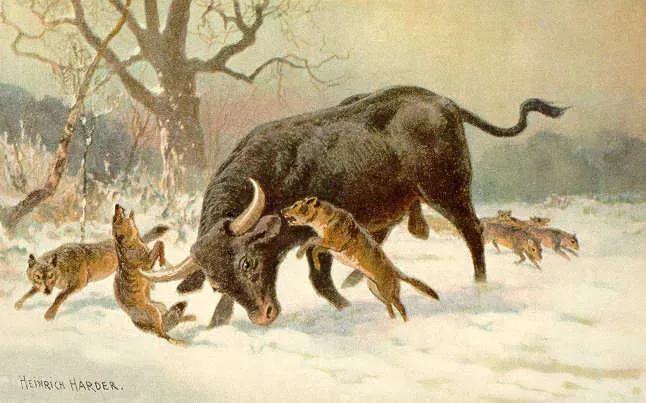
Aurochs were large, powerful wild cattle that once roamed across much of Europe, Asia, and North Africa, and they overlapped extensively with early farming cultures. When humans began domesticating cattle, they were essentially taming and reshaping aurochs into smaller, more manageable forms. For a long time, wild aurochs and domestic cattle coexisted, sometimes even interbreeding, which blurs the line between “wild” and “human‑made” in an interesting way. Over centuries, as agriculture intensified and forests were cleared, wild aurochs lost ground to their own domesticated descendants.
The last known aurochs died in the early seventeenth century in what is now Poland, long after empires had risen and fallen, but the process that pushed them to extinction began much earlier, during the gradual spread of farming and city‑building. Hunting pressure, loss of habitat, and competition with domestic herds all played roles. Whenever I see cattle grazing in a pasture, I think of them as living shadows of a vanished beast that once shaped and was shaped by our ancestors. In a very direct sense, civilization grew up on the backs of aurochs, and the price was the disappearance of the truly wild version of that animal.
Moa – Giant Birds That Fell to Human Expansion
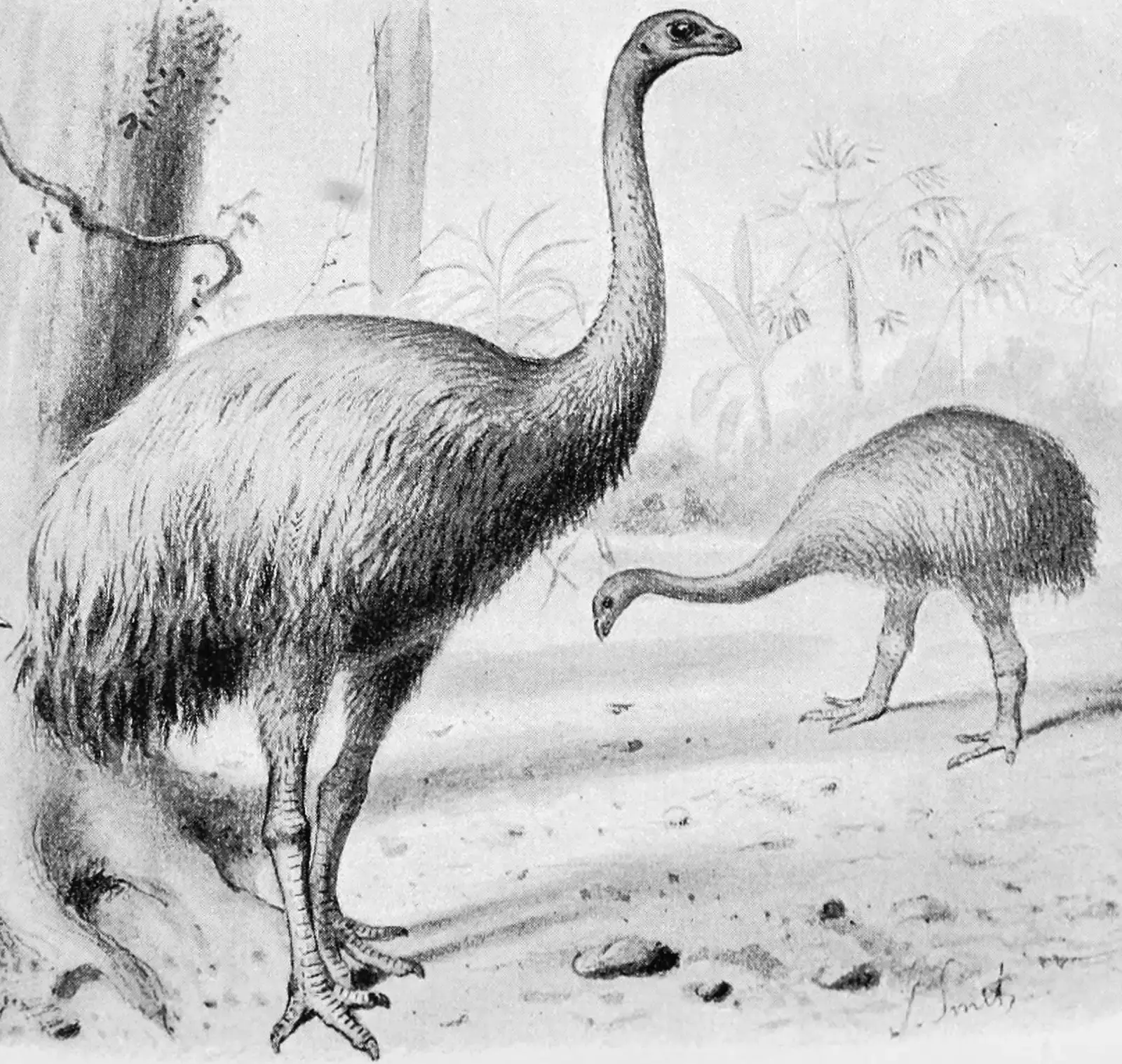
The moa of New Zealand are a textbook case of how rapidly things can go wrong when humans reach an isolated ecosystem. These huge, flightless birds occupied roles that large mammals usually fill elsewhere, browsing vegetation and supporting entire food webs, including the enormous Haast’s eagle that preyed on them. For thousands of years they lived in a world almost untouched by humans. Then Polynesian settlers arrived, bringing new hunting pressure, fire, and habitat changes. Within a few centuries – an eyeblink in geological time – the moa were gone.
What makes the moa especially relevant to the story of civilization is the timing: their extinction unfolded while complex societies and trade networks were already well established elsewhere on the planet. This was not some distant, mysterious prehuman era. It was part of the same broad age in which written records, organized religions, and early states were shaping human destinies. In my opinion, the moa’s fate is a stark demonstration that whenever humans reach a new land with powerful tools and little initial restraint, large, naive animals pay the price. Their disappearance is not an ancient anomaly; it is part of the same mindset of expansion and exploitation that underpinned many early civilizations.
Dodo – A Modern Symbol of Irreversible Loss
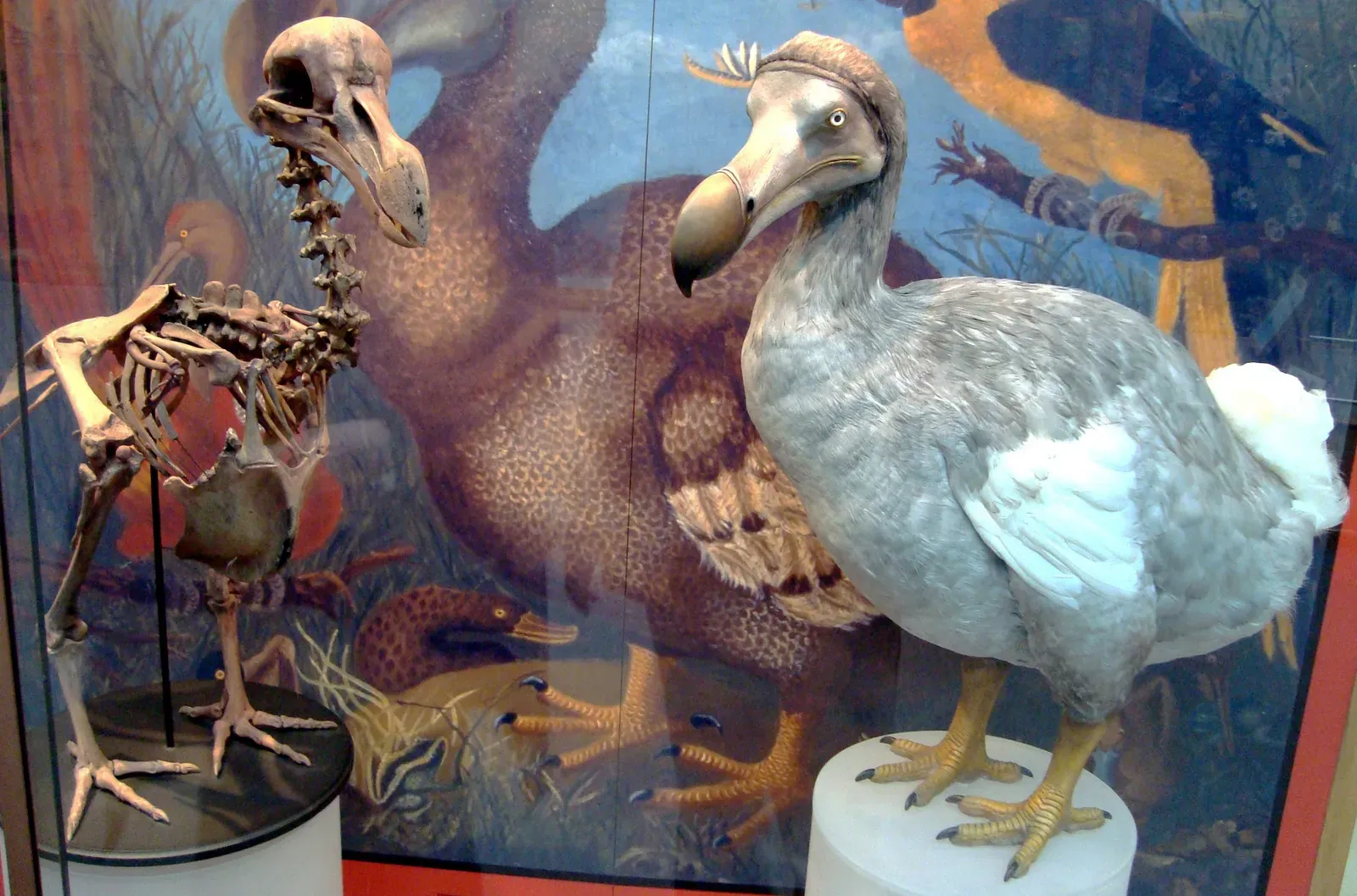
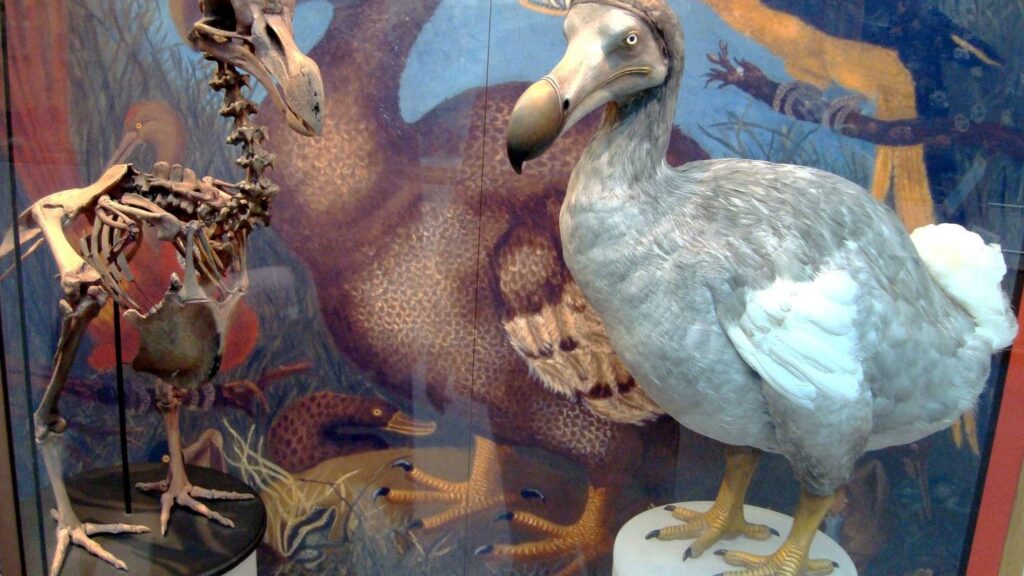
The dodo might be the most famous extinct creature tied to human activity, and for good reason. This flightless bird lived on the island of Mauritius in the Indian Ocean, far from the centers of early civilization, but it was doomed the moment intensive seafaring and global trade brought sailors to its shores. With no natural fear of humans and no strong defenses against the rats, pigs, and other animals the ships carried, the dodo collapsed quickly. Its extinction was recorded within historical memory, making it less a prehistoric mystery and more a cautionary footnote to the age of exploration.
Even though the dodo vanished long after the first cities and kingdoms were established, its story is deeply linked to the same forces: expanding trade, resource extraction, and the assumption that nature was there to be used without limit. To me, the dodo stands as an uncomfortable mirror held up to the entire arc of human civilization. From the first hunters chasing mammoths across frozen plains to sailors casually wiping out island species in a few decades, the pattern is consistent. We spread, we build, and unless we consciously choose otherwise, the creatures that cannot adapt fast enough simply disappear. The dodo just happens to be one we remember by name.
Conclusion: Civilization’s Shadow on the Wild World
Looking across these ten creatures, a theme emerges that is hard to ignore: our rise to civilization did not happen on an empty stage. It unfolded in parallel with a dramatic thinning of the planet’s big, spectacular animals. Some, like mammoths and giant ground sloths, vanished at the very dawn of agriculture; others, like aurochs and dodos, disappeared after cities and empires were already in full swing. Climate change and natural shifts mattered, but human expansion, hunting, and habitat transformation consistently nudged vulnerable species over the edge. In my view, it is dishonest to treat these extinctions as mere background noise to human progress – they are part of the cost.
At the same time, recognizing that cost does not have to paralyze us; it can sharpen our sense of responsibility. We cannot bring back dire wolves or moa to their former glory, but we can decide not to repeat the same pattern with today’s elephants, rhinos, big cats, and countless less‑famous species. Civilization, at its best, is about learning from our past mistakes instead of doubling down on them. When you picture a mammoth trudging through snow while early farmers sow seeds in a distant valley, it becomes impossible to pretend our story is separate from theirs. The real question now is simple and uncomfortable: as we push further into the future, will we finally let other creatures rise alongside us, or will we keep leaving empty footprints where giants once stood?