If you have ever glanced at a dinosaur book and wondered whether the names were the result of a serious scientific process or a cat walking across a laptop, you are not alone. Paleontology is full of astonishing discoveries, but it is also full of tongue-twisters that look like lost Wi‑Fi passwords. Some of these names are beautiful once you know what they mean; others just look like someone mashed consonants together and hoped for the best.
When I first tried reading dinosaur names out loud as a kid, I remember confidently saying “trih‑cer‑a‑tops” and then completely crashing and burning on anything with more than four syllables. The funny part is, most of these wild-looking names are actually carefully constructed from Greek or Latin roots that describe something very specific. So let’s dig into ten dinosaurs whose names look hilariously made up at first glance, and then unpack the surprisingly logical stories hiding underneath all those letters.
Micropachycephalosaurus
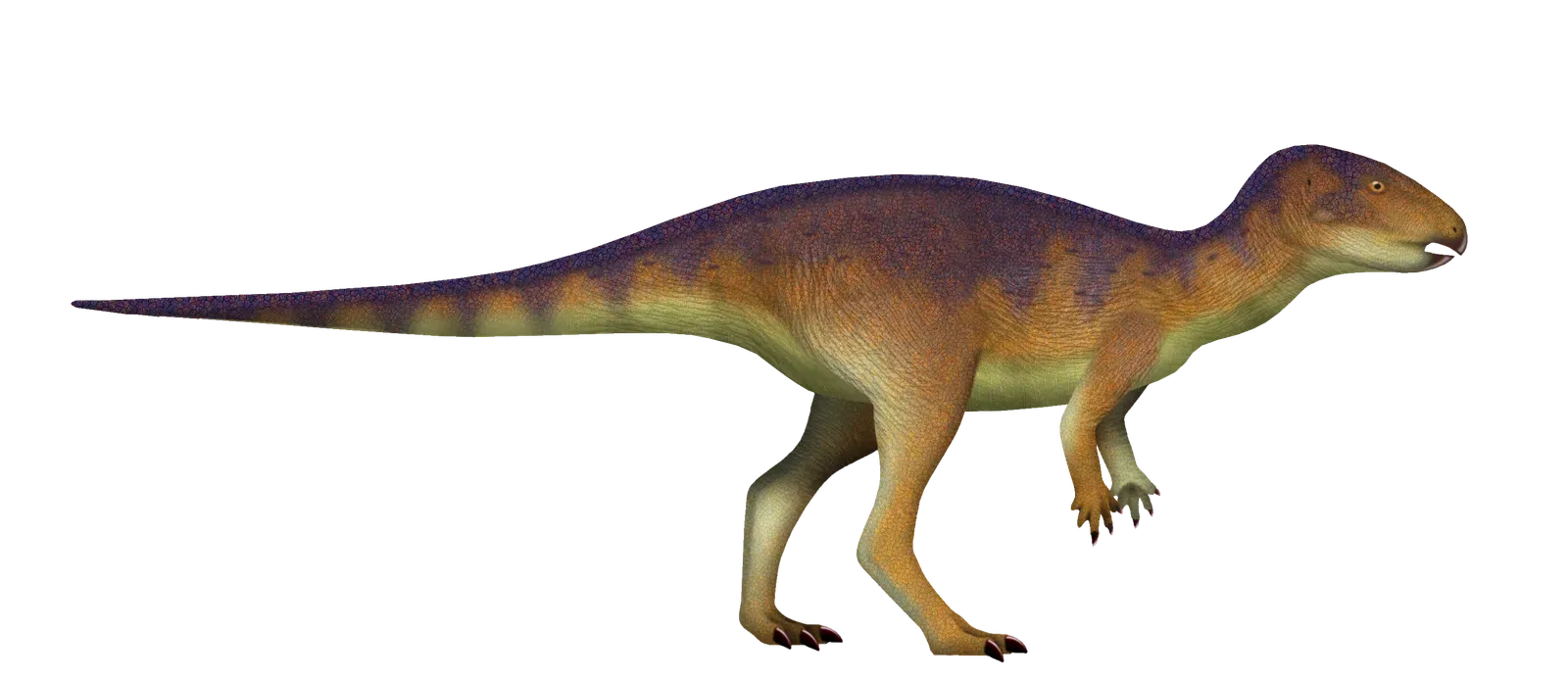
Here it is: the heavyweight champion of what-on-earth-did-I-just-read dinosaur names. Micropachycephalosaurus looks like someone typed “micro pachi cephalo” and then just panicked and kept going. It clocks in at a frankly ridiculous number of letters and is often cited as one of the longest dinosaur genus names ever formally published. Say it out loud and it feels less like a word and more like you are trying to cast a spell in a fantasy novel.
Underneath the chaos, though, the name is surprisingly straightforward. “Micro” means small, “pachy” refers to thickness, and “cephalo” means head, all coming together as “small thick-headed lizard.” It belonged to a small, bipedal herbivorous dinosaur discovered in China, originally thought to be a tiny dome-headed pachycephalosaur. Later research has nudged its position on the dinosaur family tree, but the name stuck, like an embarrassing username you picked in your teens and can never live down.
Parasaurolophus
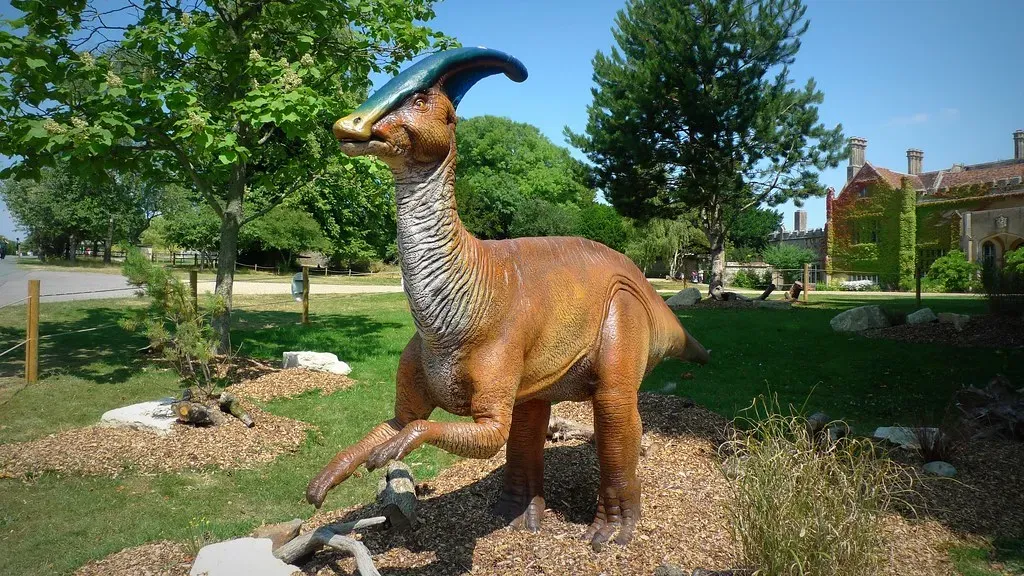
Parasaurolophus is one of those dinosaurs that looks elegant in a museum display but whose name reads like a typo. At first glance, your brain might try to auto-correct it to “parasaur-loaf-us” or something equally unhelpful. It is long, full of vowels, and just odd enough that many people hesitate right in the middle when saying it for the first time. Add the fact that it has a huge hollow crest on its head, and the whole package feels deliciously over the top.
Meaning-wise, though, Parasaurolophus is much more grounded: the name roughly translates to “near crested lizard” or “similar to Saurolophus,” another crested dinosaur. This hadrosaur, known from North America, was a large, plant‑eating dinosaur that probably used its dramatic head crest for visual display and possibly low, resonant calls. So while the name might look like someone sneezed near the keyboard while typing “saur,” it actually encodes a subtle reference to its evolutionary cousin and its iconic crest.
Pachycephalosaurus
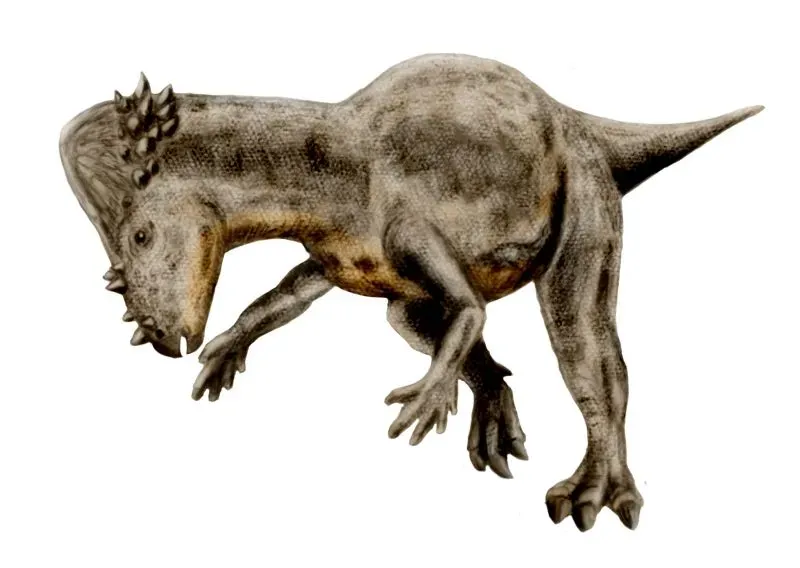
Pachycephalosaurus is one of those names that looks like you could rearrange the letters and still get another believable dinosaur. To the untrained eye, it is just a mountain of consonants with a “saurus” stapled onto the end for good measure. Reading it, you can almost feel your tongue giving up around the fourth syllable. It has the exact kind of chaotic structure that makes people think scientists are just making this up as they go along.
In reality, the name captures the dinosaur’s most famous feature in a very literal way. “Pachy” means thick, “cephalo” means head, and “saurus” means lizard, so Pachycephalosaurus is simply the “thick-headed lizard.” This Late Cretaceous herbivore, known from North America, had a domed skull roof that could be more than several centimeters thick. There is still debate over whether they actually rammed heads like bighorn sheep or mostly used their skull domes for display, but either way, the name fits so well that the tangled spelling almost feels deserved.
Carcharodontosaurus
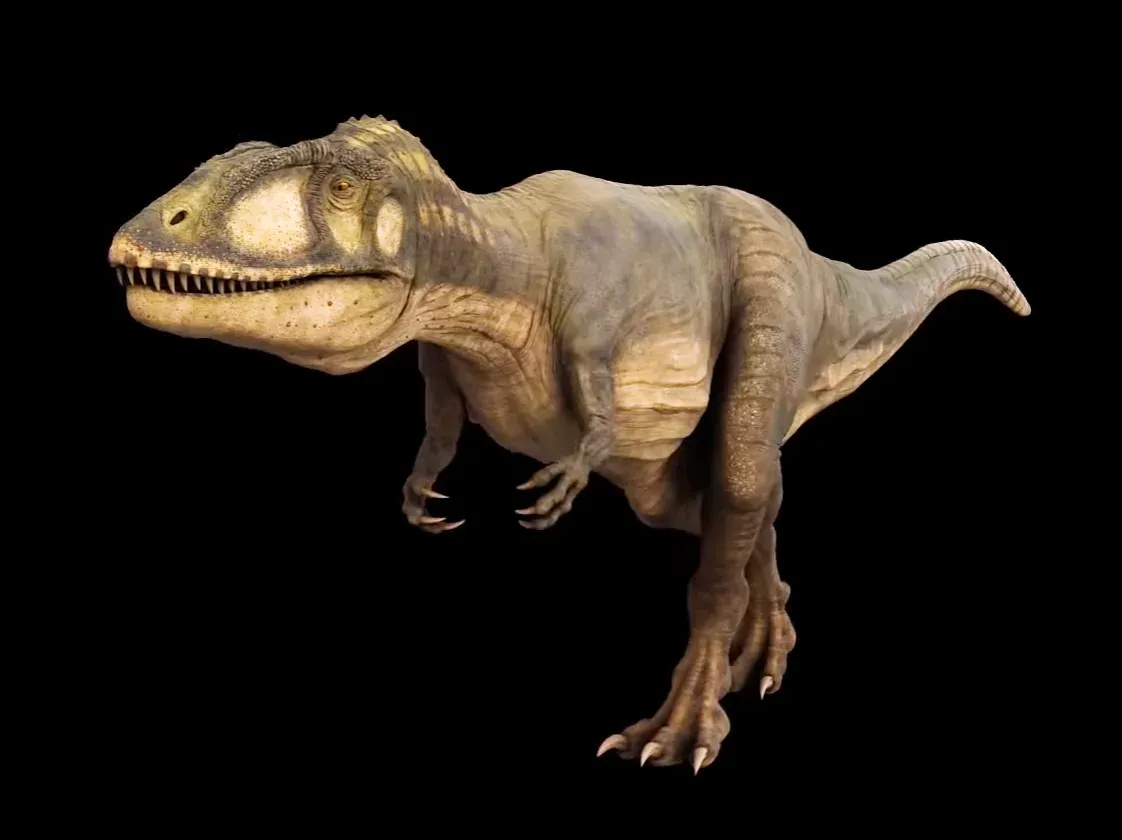
Carcharodontosaurus is one of those names that looks like the result of a tired scientist trying to spell “cardio dentist lizard” from memory. There are too many syllables, too many hard consonants, and absolutely no mercy for anyone trying to pronounce it on the fly. It reads like an ancient curse you would find carved into a tomb wall, and honestly, for a giant carnivorous dinosaur, that kind of energy is not entirely wrong.
Strip away the chaos and the meaning becomes sharp and surprisingly vivid. The name was inspired by the modern great white shark, Carcharodon, because the dinosaur’s teeth resembled those of that infamous predator. Put together, Carcharodontosaurus essentially means “shark-toothed lizard,” which is both terrifying and weirdly poetic. This massive theropod from northern Africa rivaled Tyrannosaurus in size, and its jagged teeth and robust skull made the fearful, shark-themed name more than justified, even if it still looks like three words collided in a hallway.
Archaeornithomimus
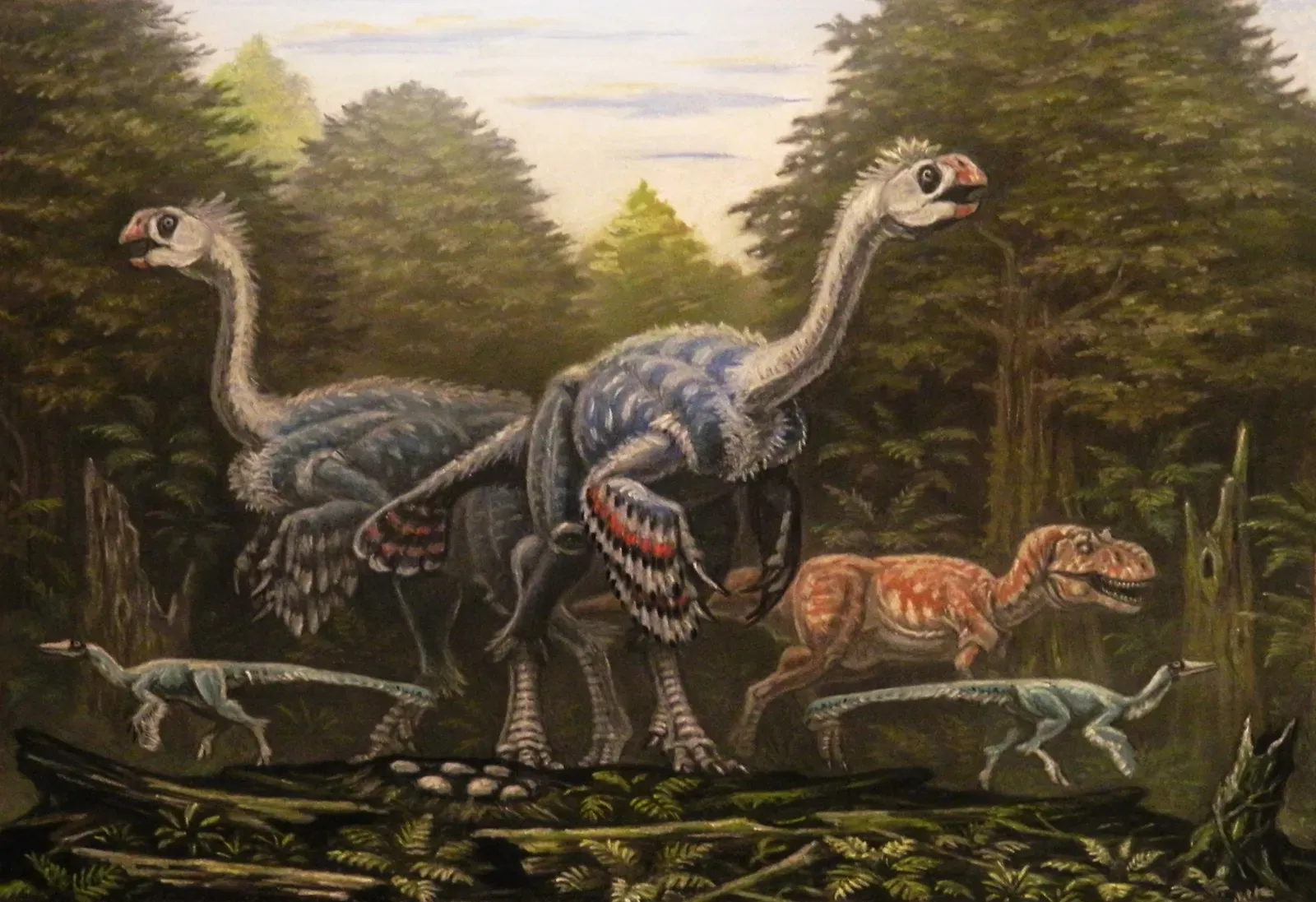
Archaeornithomimus is the verbal equivalent of stepping on Lego – long, spiky, and unexpectedly painful. When you first see it, your eyes might catch “ornitho” and relax, then immediately tense up again as the rest barrels in. It is the sort of name that makes even dinosaur fans pause and mentally break it into little chunks just to survive saying it. In written form, it is so gangly that it looks almost unstable, like it might tip over if you add one more letter.
Yet like many intimidating dinosaur names, it is just a neat stack of Greek roots. “Archaeo” refers to something ancient or primitive, “ornitho” means bird, and “mimus” means mimic. Archaeornithomimus, then, is the “ancient bird mimic,” a nod to its membership in the ornithomimid group, which were fast, lightly built theropods that resemble oversized ostriches. Fossils from Asia suggest a speedy, agile animal, and the slightly clumsy name fits that transitional, in‑between feel – like it is still practicing being a bird but has not quite nailed it yet.
Therizinosaurus
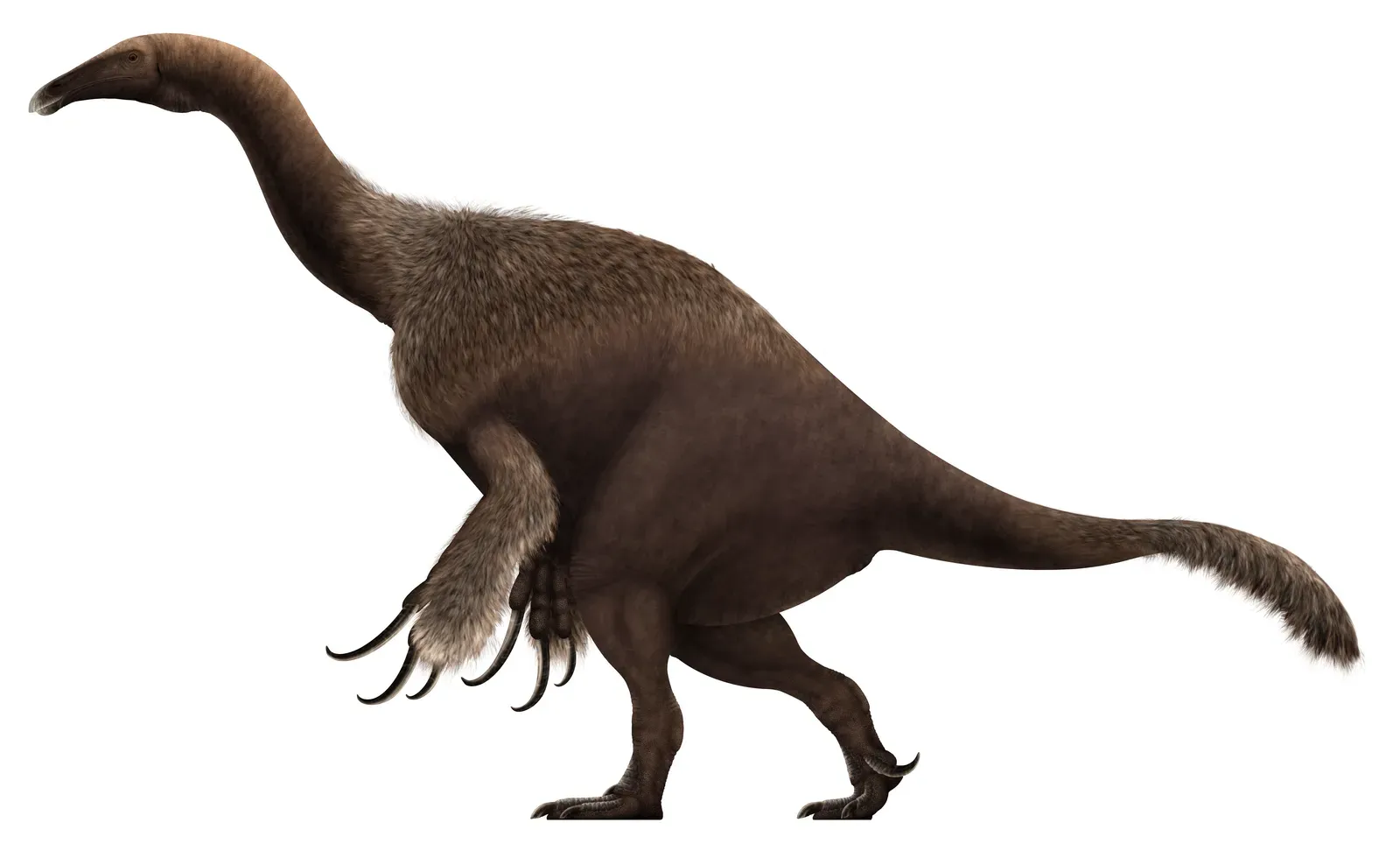
Therizinosaurus looks like a word that got autocorrected three times in a row and nobody had the courage to change it back. The “theri-zino” mashup is oddly musical but not at all intuitive, and it tends to leave people guessing at where to put the emphasis. Even once you learn to say it, it still has that uncanny, almost sci‑fi flavor, like the name of a villain in a low‑budget space movie.
The meaning, though, is razor-sharp. The name translates to “scythe lizard,” thanks to its absurdly long, curved hand claws that could reach lengths rivals associate with swords. This bizarre theropod from Asia had a pot‑bellied body, long neck, and huge claws, and was probably primarily herbivorous despite looking like a nightmare monster. The name feels just alien enough to match its Frankenstein mix of traits – part sloth, part ostrich, part gardening tool from your worst dream.
Coelophysis
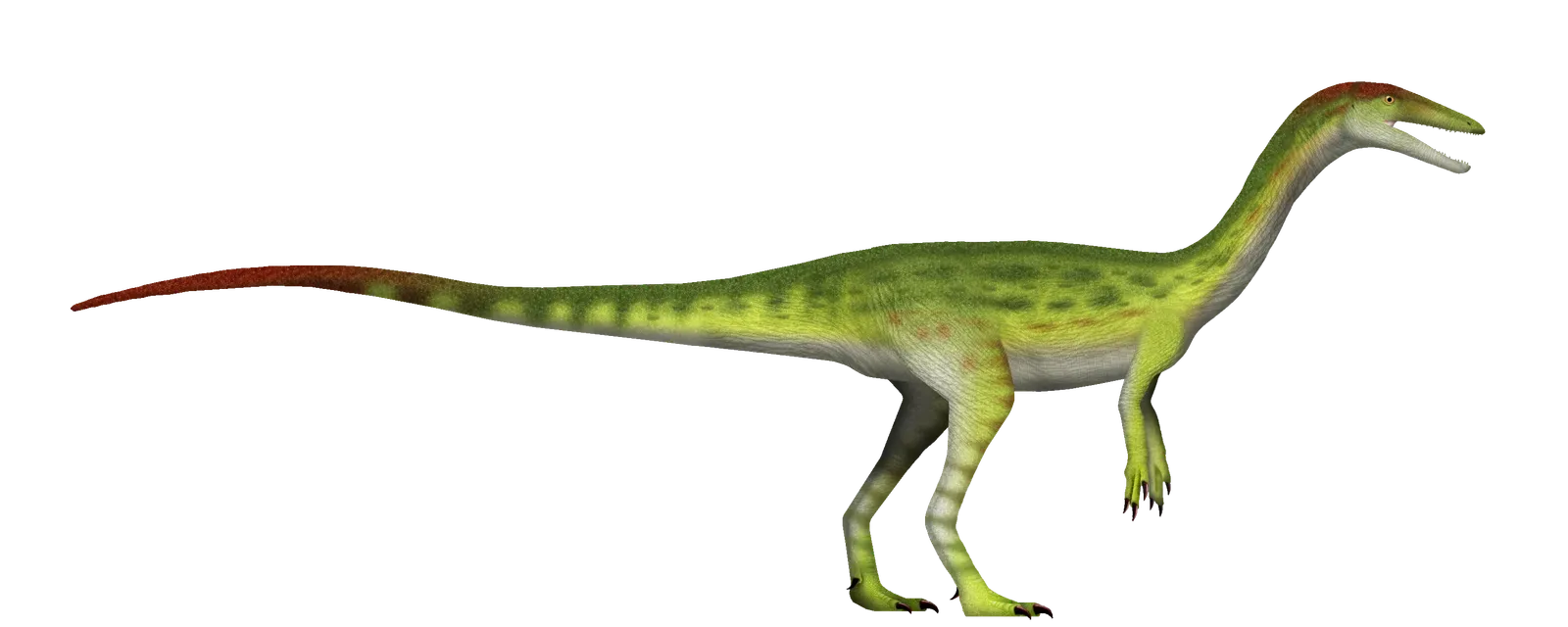
Coelophysis is one of those deceptively short names that still manages to look scrambled. The “coe-lo-phy-sis” syllable pattern is unintuitive for English speakers, and the spelling does it no favors. At a glance, it almost resembles a prescription drug or a rare medical condition, which feels wildly out of sync with the idea that this was once a living, breathing dinosaur sprinting around prehistoric landscapes.
Behind the visual weirdness, the name has a very practical meaning. “Coelo” or “koilos” refers to something hollow, while “physis” is related to form or nature, so Coelophysis is the “hollow form” dinosaur. This early theropod, best known from beautifully preserved fossils in the American Southwest, had delicate, hollow bones that made it lightweight and agile. Once you know that detail, the oddball name suddenly tightens into something specific and elegant, like discovering that the messy handwriting on a note actually hides a very precise message.
Tsintaosaurus
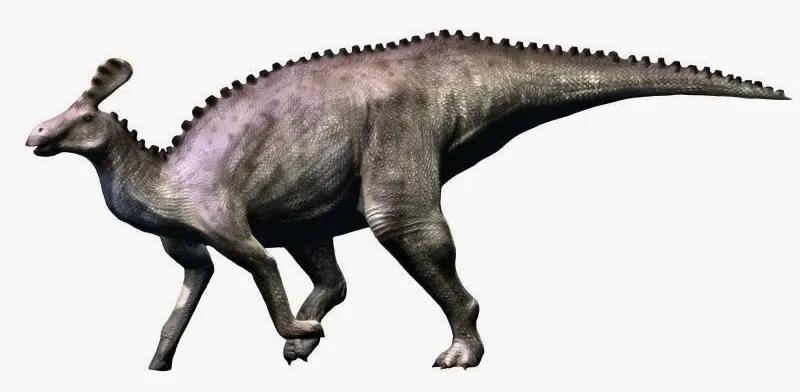
Tsintaosaurus is one of those names that instantly makes you suspect a typo. That opening “Tsin” looks like someone missed the “Q” on “Qingdao,” and that is not far off from reality, since the name references the Chinese city once spelled “Tsingtao” in older Romanization systems. For non‑Chinese speakers, the whole thing is a minefield of mispronunciation, and the silent letters and unfamiliar patterns make it feel almost randomly generated.
Even so, Tsintaosaurus has a clear logic: its name simply means “lizard from Tsintao,” tying it firmly to its place of discovery. It belonged to the hadrosaur group, the duck‑billed plant‑eaters known for their elaborate head crests. For years, reconstructions of Tsintaosaurus showed it with a vertical, unicorn-like spike on its forehead, which only made the strange name feel even stranger. Later work has suggested a more complex crest structure, but the unicorn reputation lingers, which suits a dinosaur whose name already sounds half mythical.
Styracosaurus
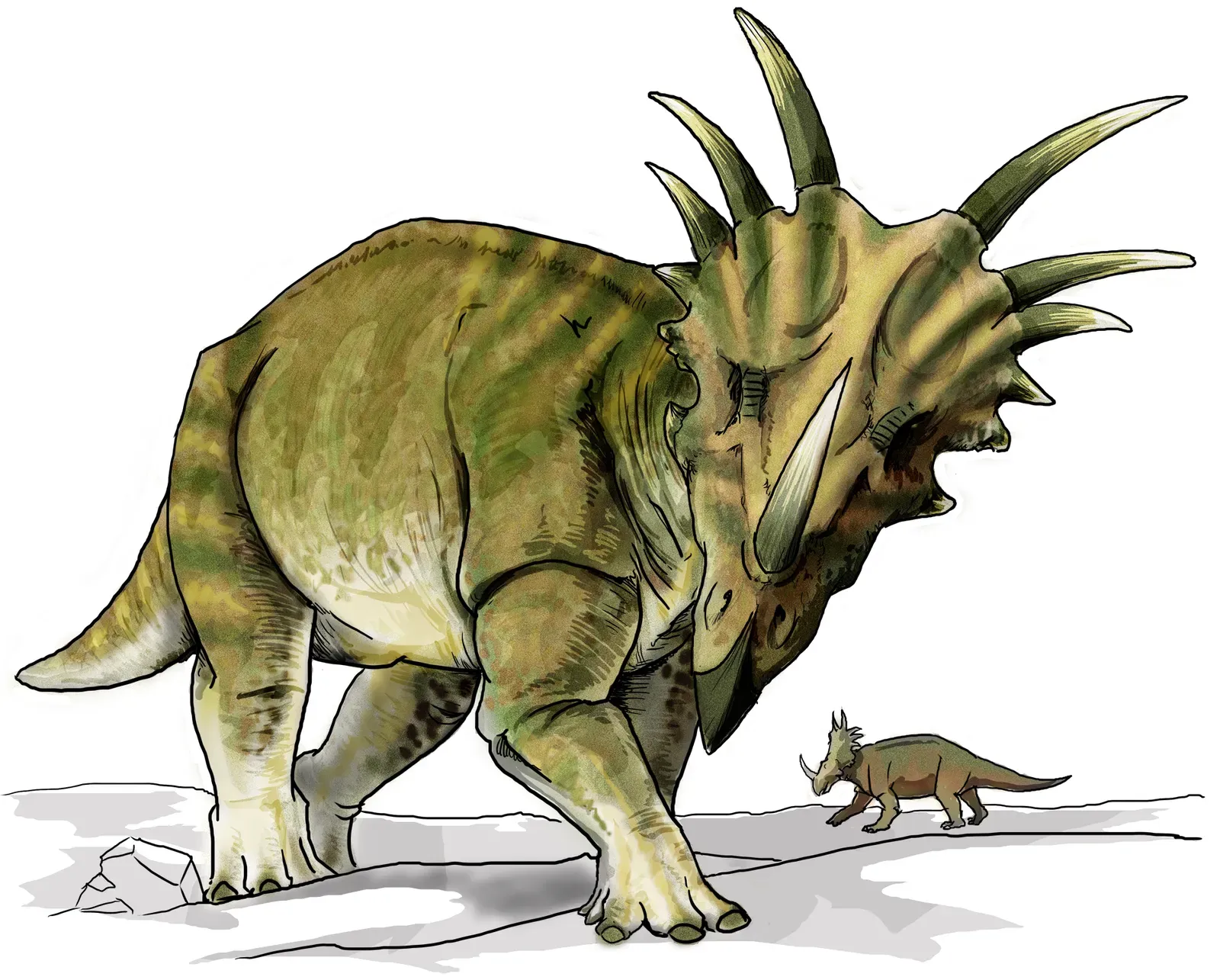
Styracosaurus is one of those names that sounds fierce but looks oddly cramped on the page. The cluster of consonants in “Styrac” feels like it should belong to a heavy metal band, not an ancient reptile. When kids first encounter this name, they often compress it into something like “styro-saurus,” which, to be fair, is what it looks like if you are reading too fast. It has that offbeat, slightly jagged shape that really sells the idea that these names were created in a hurry.
Far from random, though, the name references its spectacular headgear. It essentially means “spiked lizard,” reflecting the dramatic horns and long spikes radiating from the frill of this ceratopsian dinosaur. Styracosaurus lived in what is now North America and was close in time and relation to the much more famous Triceratops, but its wheel of frill spikes arguably makes it even more visually striking. In that sense, the compact, bristling name captures the same energy as the animal itself: sharp, intense, and just a bit over the top.
Euoplocephalus
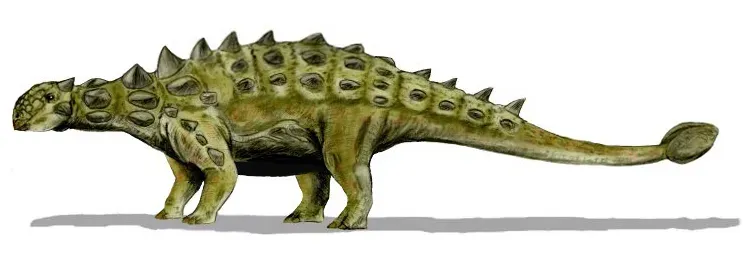
Euoplocephalus is a name that looks like the result of someone mashing “eu,” “plop,” and “cephalus” together and calling it a day. The spelling is so counterintuitive that many people default to saying something like “you‑oh‑plo‑sef‑alus” and hoping nobody corrects them. On the page, with that “ploc” chunk in the middle, it almost feels comical, like the noise a cartoon character makes when falling into a pond.
Beneath the slapstick impression, the name has a precise, descriptive meaning. It roughly translates to “well‑armored head,” in reference to the dense bony plates that protected the skull of this ankylosaur. Euoplocephalus roamed Late Cretaceous North America as a low‑slung, heavily armored herbivore, complete with a tail club that could deal serious damage to predators. Once you picture that squat, tank‑like body and shielded skull, the awkward name starts to feel just right – a chunky, clunky word for a chunky, armored animal.
Conclusion: The Beauty Hiding Inside the Chaos
Looking at this list, it is tempting to joke that dinosaur names were generated by rolling a handful of Greek and Latin dice across the table. Many of them are long, oddly stitched together, and downright hostile to anyone seeing them for the first time. But there is a real charm in that chaos, because almost every tangled name conceals a tiny, carefully chosen story about the animal’s shape, behavior, or discovery. The more you learn to decode those stories, the less random the names feel, and the more they turn into little windows back into deep time.
Personally, I think the fact that Micropachycephalosaurus and its tongue‑twisting friends even exist is part of what makes dinosaurs so fun to fall in love with. These are not sleek, market‑tested brand names; they are messy, earnest attempts to describe creatures that were stranger than anything alive today. If you stumble over the syllables, that is almost part of the point – it means you are brushing up against something huge, ancient, and a little bit beyond ordinary language. Next time you trip over a dinosaur name that looks like a keyboard sneeze, will you roll your eyes, or will you pause and wonder what hidden meaning it is trying to cram into all those letters?