When most people picture dinosaurs, they imagine sharp teeth, roaring battles, and giant lizards stomping through ferns. What almost nobody imagines is a parent quietly arranging eggs, guarding a nest, or even tending to helpless young. Yet that softer side of the Mesozoic is exactly what fossils have been revealing over the past few decades, and it completely reshapes how we think about these animals.
In reality, dinosaur parenting was not one-size-fits-all. Some species almost certainly laid their eggs and walked away. Others built careful nests, brooded their eggs like birds, and may even have lived in social groups structured around raising young. The story is far from fully written, but the clues we do have are surprisingly intimate. Once you see dinosaurs not only as predators and plant‑eaters, but as parents, the entire prehistoric world feels different.
The First Big Clue: Nests, Eggs, And Tiny Bones
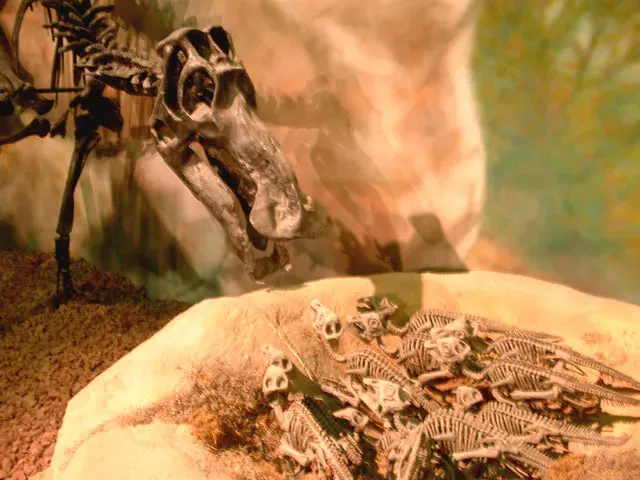
One of the most startling moments in dinosaur science came when paleontologists started finding not just skeletons, but entire nesting grounds. Picture a fossil bed with circular nests laid out in repeating patterns, each holding eggs and the remains of very young dinosaurs. That sort of find is a powerful hint that at least some species did not just scatter eggs randomly and forget about them, but chose nest sites and returned to them, season after season.
Even more telling are hatchlings found still inside nests, sometimes at different growth stages. When you see tiny bones that show signs of having grown a bit before leaving the nest, it suggests the young stayed put for a while instead of running off independently on day one. In modern animals, that kind of pattern usually points to some level of parental care, whether it is guarding, feeding, or at least protecting the nest area from danger.
The “Good Mother Lizard” And The Reputation Makeover
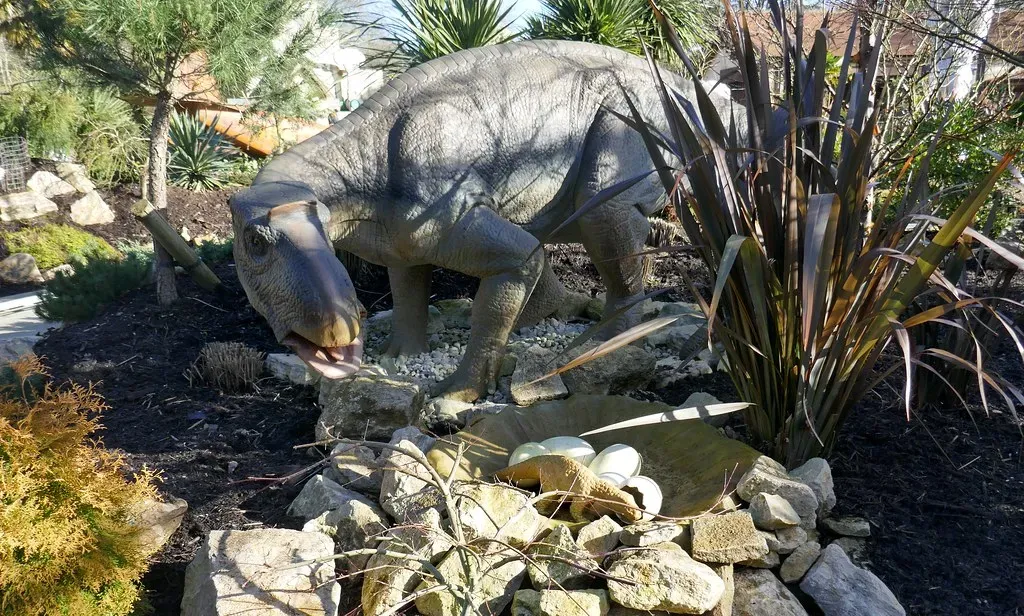
For a long time, one small‑to‑medium dinosaur from Mongolia was literally labeled a thief. It was nicknamed the egg stealer because the first fossils showed it crouched over a nest of eggs that seemed to belong to another species. The story was simple and dramatic: this dinosaur died while raiding someone else’s nest. But later, more complete discoveries showed those eggs actually matched the supposed thief itself.
That flipped the script completely. Instead of a nest robber, this animal was likely a brooding parent, frozen in time while it sat over its own clutch. The name stuck in the history books, but the reputation did not. Suddenly, the image of small, feathered dinosaurs became less about sneaky predators and more about bird‑like parents, using their bodies to warm and protect eggs just like many modern birds do today. It was one of those moments where a single fossil pose changed everything.
Dinosaur Daycare: Evidence For Herds And Family Groups
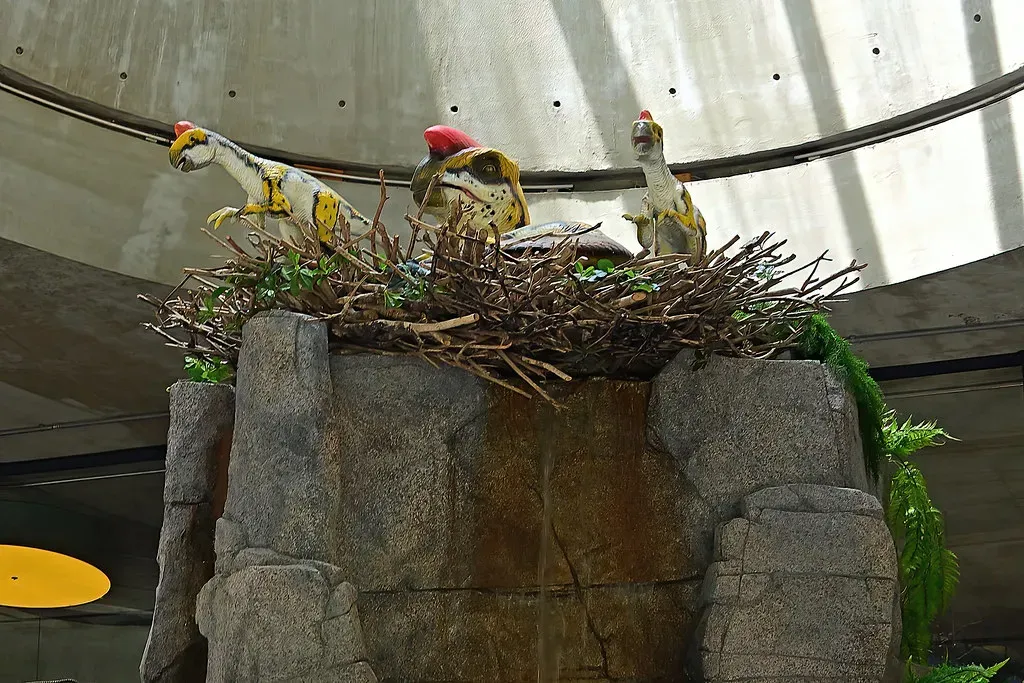
Some of the strongest hints of devoted parenting come from large plant‑eating dinosaurs that probably lived in herds. In a few famous sites, paleontologists have uncovered nesting grounds with many nests clustered together, each with multiple eggs and, in some cases, remains of very young individuals. That kind of colony nesting looks a lot like what we see in some modern birds, where safety comes from numbers and shared vigilance.
There are also fossil bonebeds where juveniles and adults are found together, and in some cases, different age groups appear to have lived in the same general area. When you consistently find older and younger individuals of the same species preserved together, it supports the idea of at least loose family structure, or at minimum, mixed‑age herds where young were not left to fend completely on their own. It suggests dinosaur landscapes might have been noisy, busy places full of calls, movement, and constant negotiation over how to keep the smallest members of the herd alive.
Helpless Hatchlings Or Mini Adults? Why It Matters
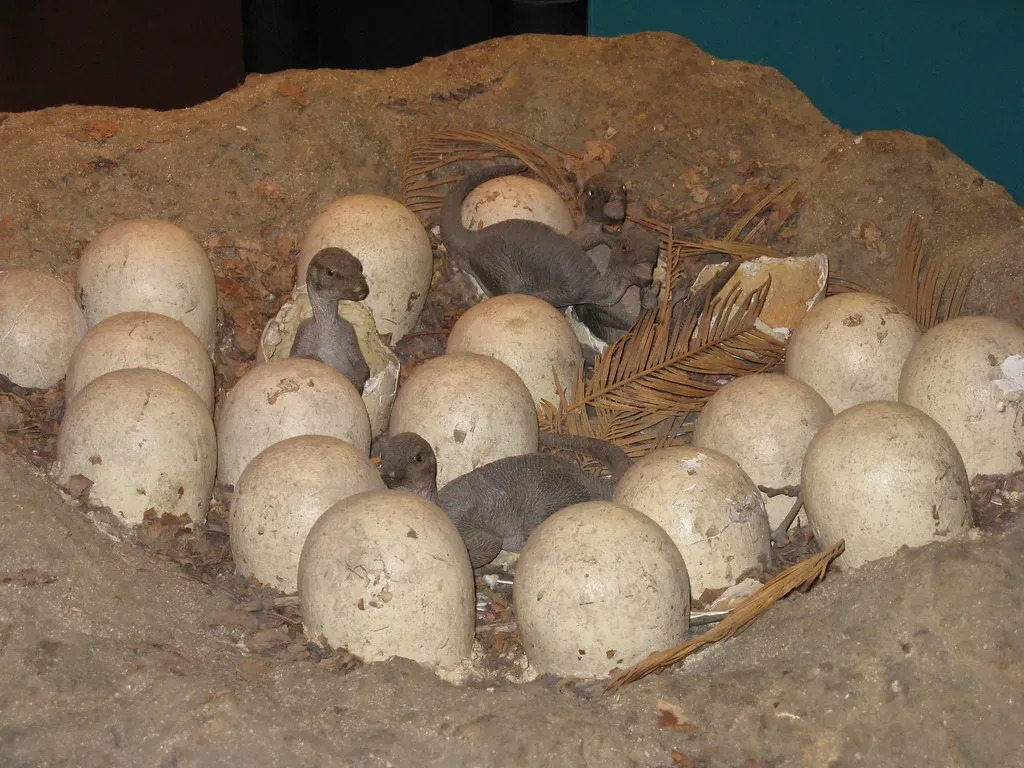
A big question in dinosaur parenting is whether the babies were born ready to run, or whether they were more like fragile newborn birds that need time and care. Scientists look closely at the bones of very young dinosaurs to answer this. If leg bones are not fully developed, joints are weak, and limb proportions look awkward, that suggests the hatchlings were not sprinting away from predators right after emerging from the egg.
Some species show exactly this pattern: underdeveloped limbs that hint the young stayed in or near the nest, probably relying on adults for protection and possibly food. In contrast, there are other dinosaur babies whose bones look far more sturdy and “ready to go,” implying they could move around quickly and might have followed adults like a mobile kindergarten. The mix of patterns points to a dinosaur world where some babies were more like precocious foals and others more like helpless chicks, and parenting strategies had to match those starting conditions.
Eggs, Nests, And The Art Of Building A Dinosaur Home
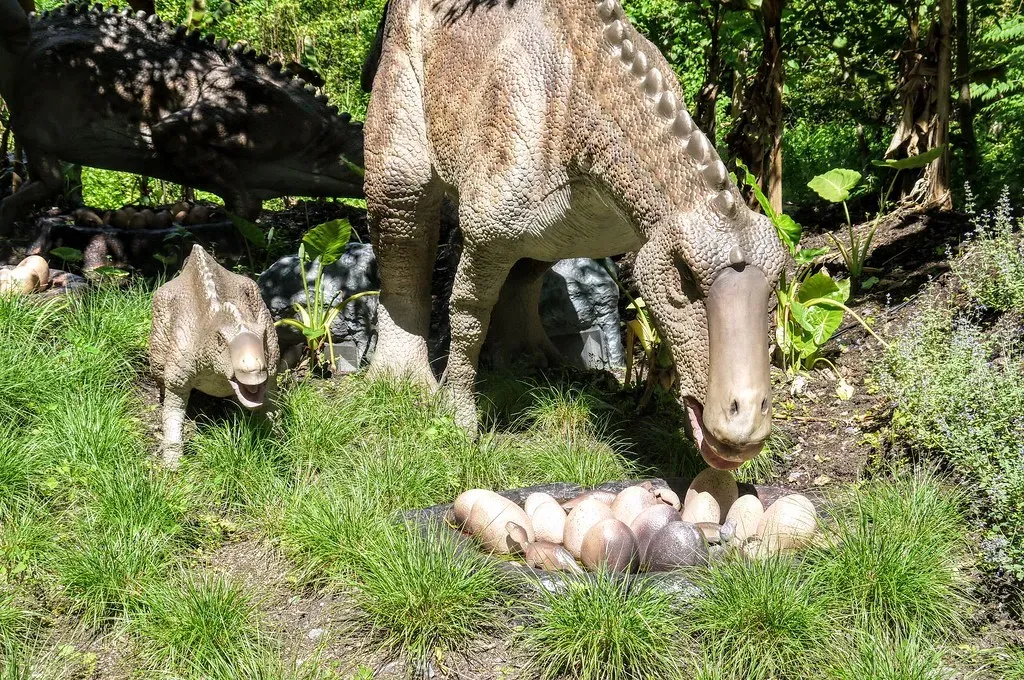
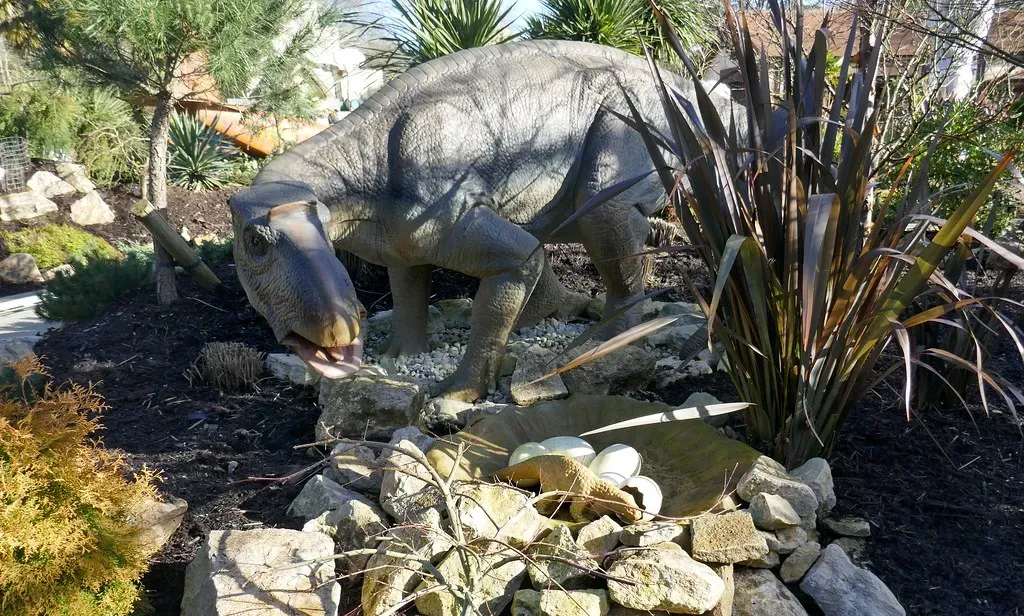
Dinosaur eggs were not just tossed on open ground. Many species arranged them in careful circular patterns, stacked them in layers, or partially buried them in sediment or vegetation. Some nests show clear rims or shallow bowls, suggesting the adults scraped or built structures rather than laying eggs randomly. The spacing between nests in some sites even hints at territory or spacing rules, like a prehistoric version of “respect the neighbor’s fence.”
The shells themselves also tell a story. Eggshell thickness, surface texture, and tiny pores control how gas and moisture move in and out, which in turn suggests whether eggs were mostly buried or left exposed. In some cases, the structure of the eggs points to a need for warmth from above in addition to environmental heat, supporting the idea of brooding adults hovering or sitting on nests. When you add all of that up, dinosaur nesting looks less like a reptile simply dumping eggs in sand and walking off, and more like a spectrum ranging from simple burial to elaborate, bird‑like nest care.
Not All Dinosaurs Were Loving Parents
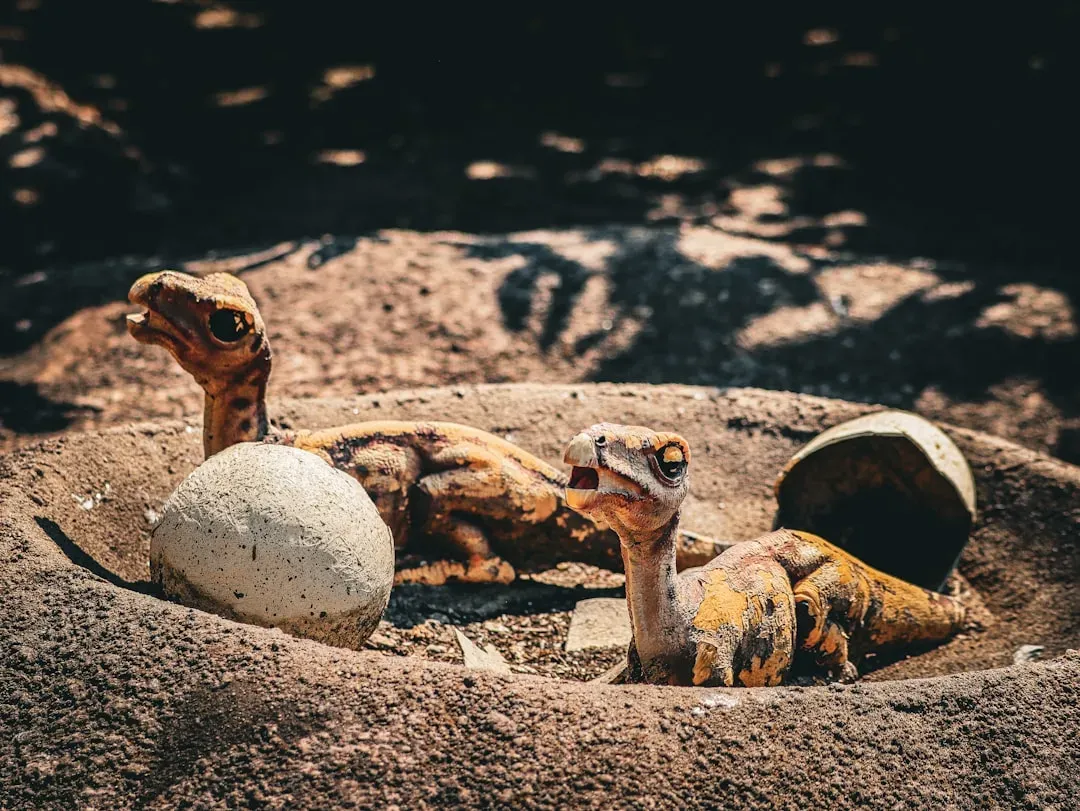
It is tempting to imagine every dinosaur dutifully watching over its babies, but the reality was almost certainly more mixed. Many modern reptiles lay eggs and never come back, and there is no good reason to think dinosaurs avoided that strategy entirely. Some fossil eggs and nests are found alone, without clear signs of repeated use or nearby adults, which could point to more hands‑off approaches in at least part of the dinosaur family tree.
There is also a cold truth in nature: high egg numbers often go hand‑in‑hand with low parental investment. Clutches with large numbers of eggs might mean the strategy was to produce many offspring and let probability do the rest. On top of that, some dinosaurs were simply too large or too heavily built to sit directly on delicate eggs without crushing them, so if they cared at all, they likely did so from the edges, guarding rather than cuddling. The more we learn, the more it looks like dinosaur parenting ranged from completely indifferent to genuinely attentive, depending on the species.
From Dinosaurs To Birds: A Parenting Legacy
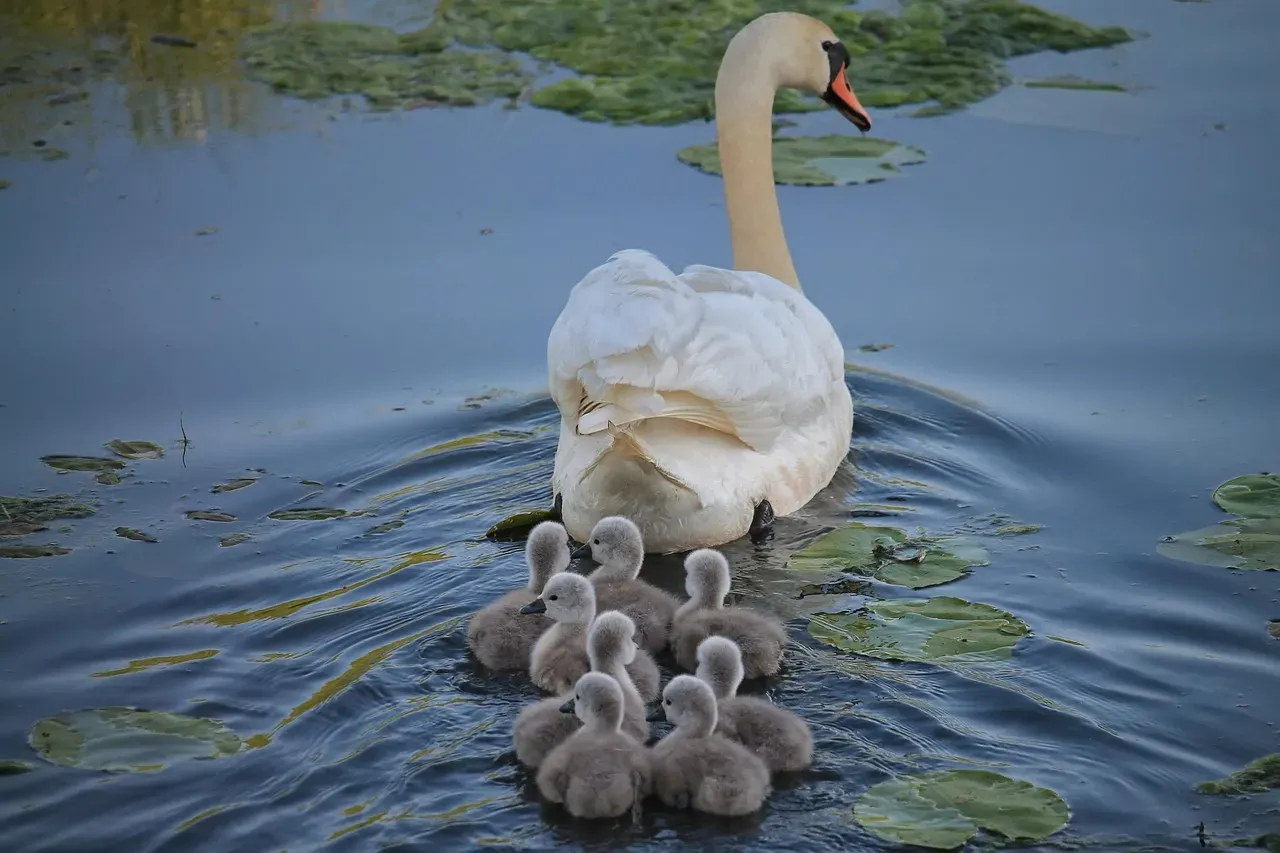
Modern birds are living dinosaurs in a technical, evolutionary sense, and their intense focus on parenting is probably not a coincidence. Things like brooding eggs, building carefully structured nests, and feeding chicks are common bird behaviors that echo what we see hinted at in the fossil record of their dinosaur ancestors. Feathers, warm bodies, and long periods of juvenile care seem to have evolved together as a powerful package.
When you watch a bird fiercely defend its nest or tirelessly shuttle food to demanding chicks, you are, in a way, watching an ancient survival strategy in action. I still remember the first time I saw a tiny bird dive‑bomb a hawk that had come too close to its nest; it was absurdly brave, but it worked. Imagining small, feathered dinosaurs doing something similar does not feel far‑fetched at all. It feels like a line that never really broke, just shifted shapes and shrank in size.
Why Dinosaur Parenting Changes How We See Them Today
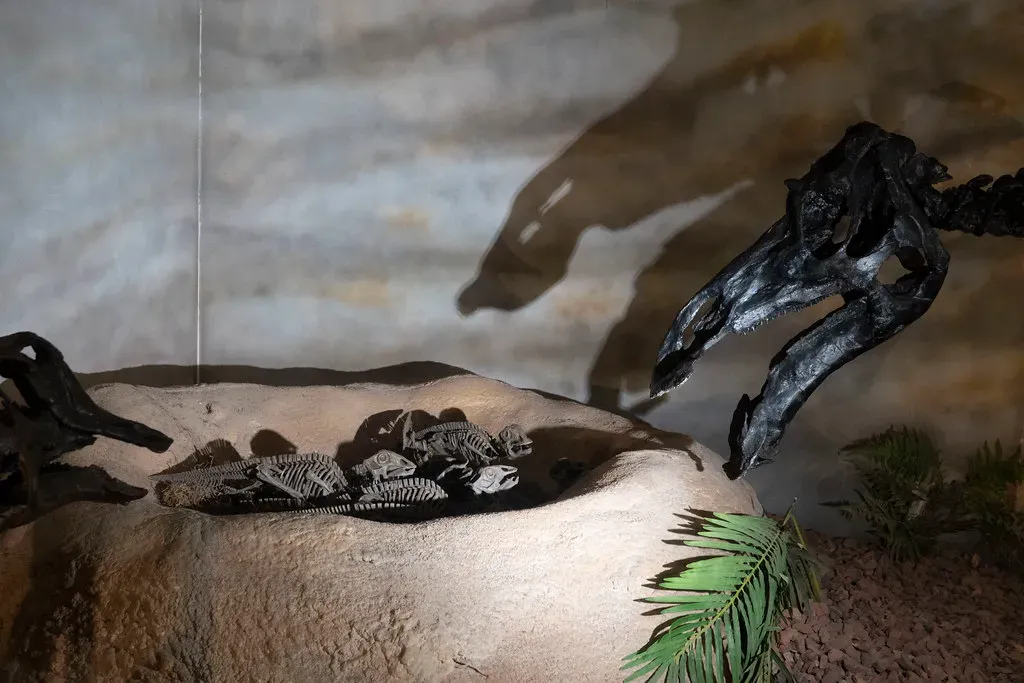
To me, the most powerful thing about all this evidence is how it forces us to retire the old stereotype of dinosaurs as mindless, cold, reptilian monsters. Once you picture a nesting colony, or a parent carefully arranging eggs with its claws, you can not go back to thinking of them as simple movie villains. They become animals with complex life cycles, competing priorities, and emotional stakes, even if we will never fully know what they felt.
My personal take is that some dinosaurs were probably as fiercely devoted as any bird or mammal we see now, while others treated offspring as a numbers game and moved on. That messy, varied reality actually makes them feel more real, not less. We are never going to see a dinosaur gently nudge a hatchling into line, but the fossils get us close enough to imagine it with a straight face. In the end, the idea that at least some of the most intimidating creatures in Earth’s history also cared deeply about their young is a reminder that even in the age of giants, survival depended not just on teeth and claws, but on families. Did you expect dinosaur parenting to sound this familiar?