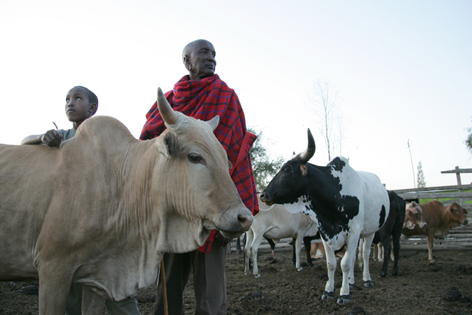
The idea that one animal can sit at the center of a whole culture sounds exaggerated until you meet the Maasai. For them, cattle are more than food or wealth; they are identity, history, and even a way of talking to the divine. Spend just a little time listening to Maasai people describe their cows, and you realize you are not just hearing about livestock, you are hearing about a worldview. I remember the first time I learned that some Maasai elders still say all cattle were given to them by God, and I honestly thought it was a myth told for tourists. The more I read and listened, though, the more it felt like a serious, living belief that shapes how people walk, trade, marry, and pray. If that sounds surprising, keep reading – these ten facts will change how you think about both culture and cattle.
1. Cattle Are Considered a Sacred Gift and Central to Maasai Identity
For the Maasai, cattle are not just owned; they are believed to be entrusted by a higher power. According to long-held traditions, a supreme deity gave cattle specifically to the Maasai, which is why cows, bulls, and calves are treated with deep spiritual respect rather than as simple farm stock. This belief explains why losing cattle is felt almost like losing part of oneself, not merely money or property. Because of this sacred framing, being Maasai has historically meant being a cattle keeper. Even when some families now live in towns, the question that still really matters in many conversations is how many cattle your household has. It is a bit like asking about a job, a savings account, and a family legacy all wrapped into one living, breathing symbol.
2. Wealth, Status, and Power Have Traditionally Been Measured in Cows
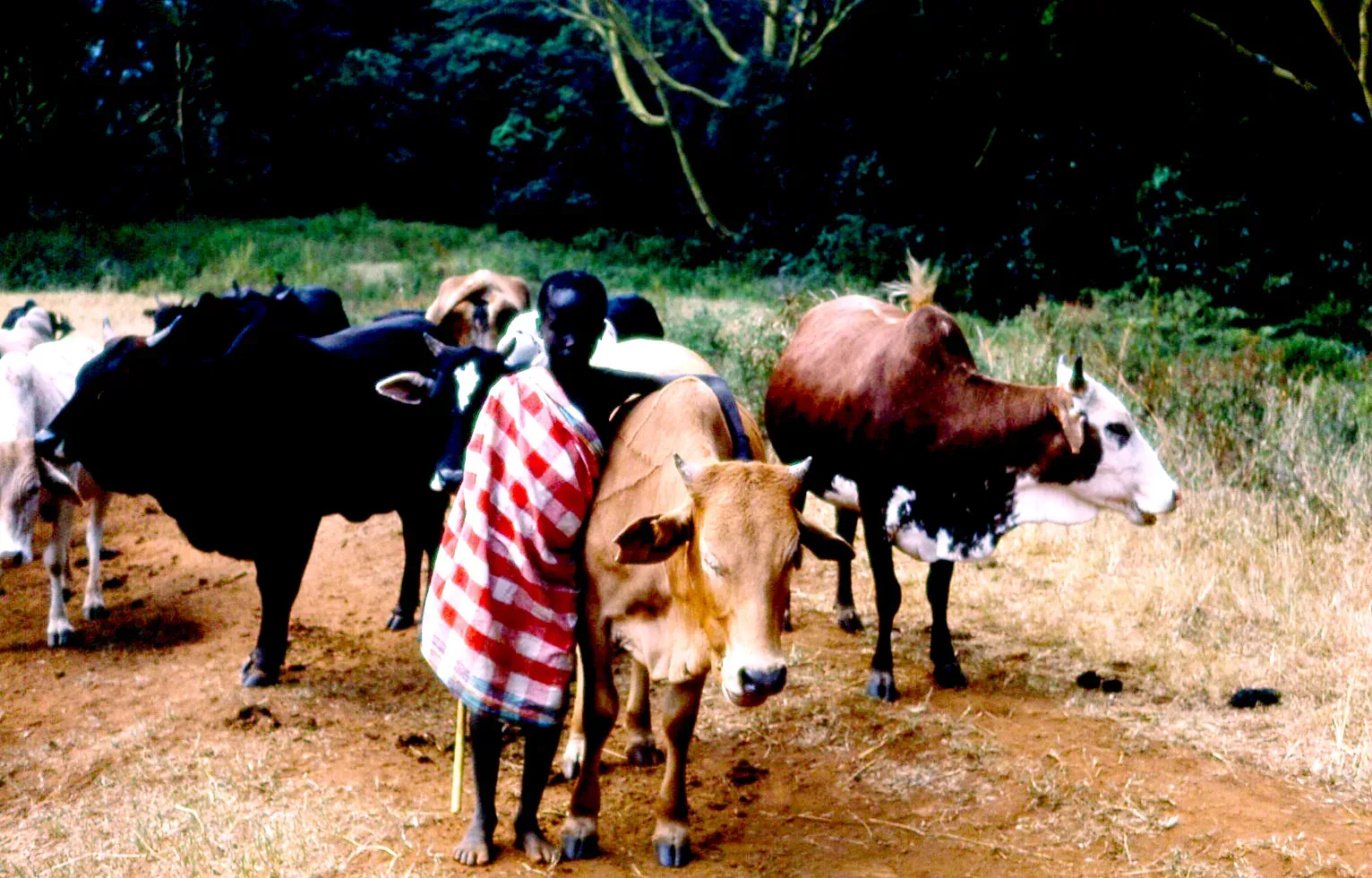
In many societies, people quietly compare salaries, houses, or cars. Among the Maasai, the classic measure of success has long been the size and health of one’s herd. A person with many strong cattle is seen as wealthy, influential, and often more marriageable, because their animals promise security and support for extended family. Cows function as mobile savings that can be sold, traded, or used in rituals when needed. This does not mean everyone is chasing giant herds in a greedy way. The ideal is a herd large enough to weather droughts and disease, while still being manageable on the available land. When elders talk about a “good life,” they often describe mornings watching cattle graze, hearing the bells and lowing, and knowing there is milk for the children – it’s a quieter, grounded version of success than the city skyscraper dream, but just as real.
3. Cattle Shape Maasai Diets Through Milk, Blood, and Meat
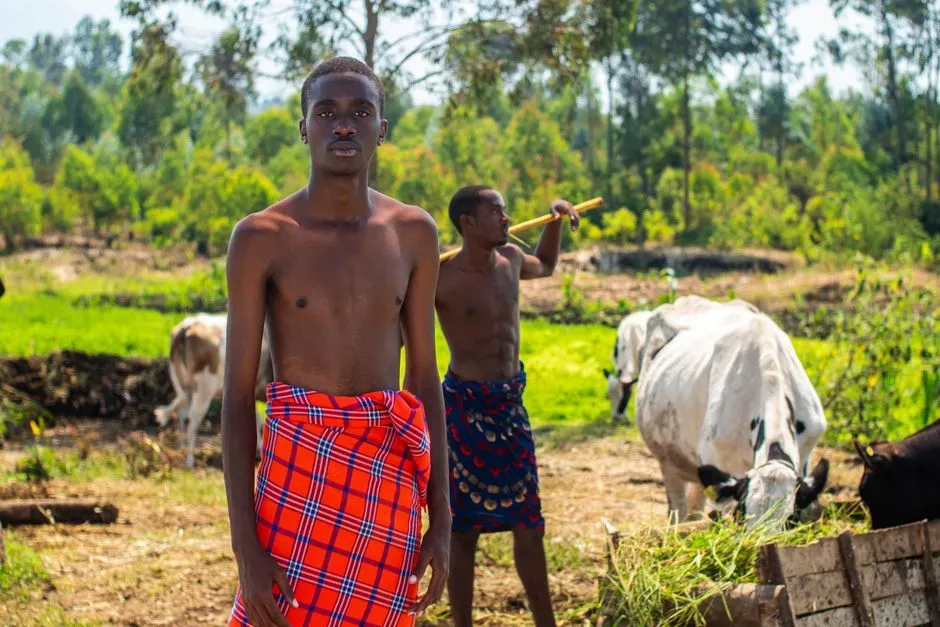
The Maasai are often described as pastoralists who live “with” their cattle, and nowhere is that more visible than in their diet. Traditionally, cows provide milk every day, sometimes mixed with tea or porridge, giving a rich source of fats and protein in a harsh environment where farming can be difficult. Meat is eaten more occasionally, often during ceremonies or special events, which makes slaughtering a cow a serious decision rather than a casual meal choice. Another striking practice is the careful drawing of cow blood without killing the animal, typically used in mixtures with milk. This can sound shocking to outsiders, yet for Maasai herders it is a precise, controlled technique developed over many generations in response to a landscape where every calorie and nutrient matters. Even as store-bought foods become more common, milk and cattle products still carry deep emotional weight, linking daily life to ancestry and tradition.
4. Herding Skills Are a Rite of Passage for Maasai Boys and Young Men
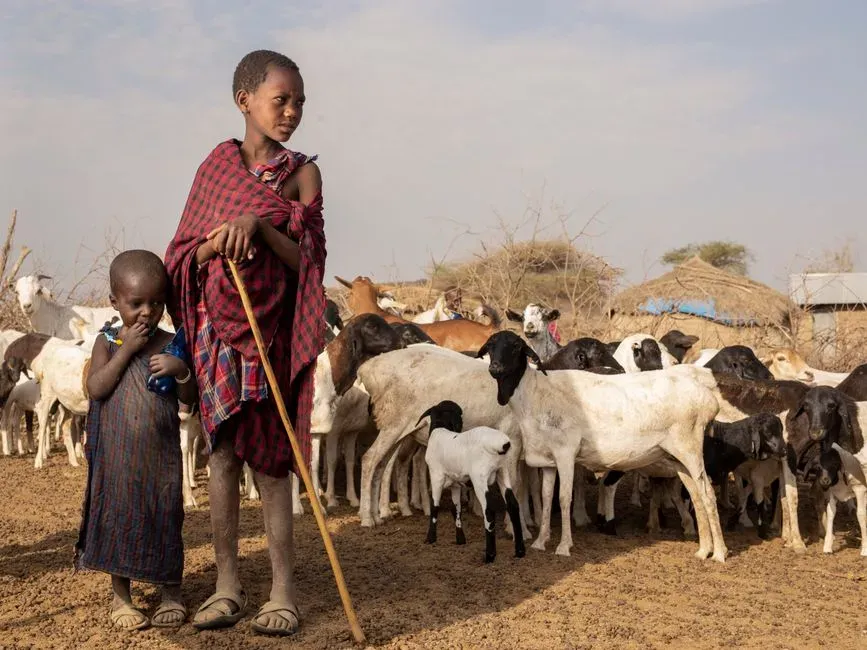
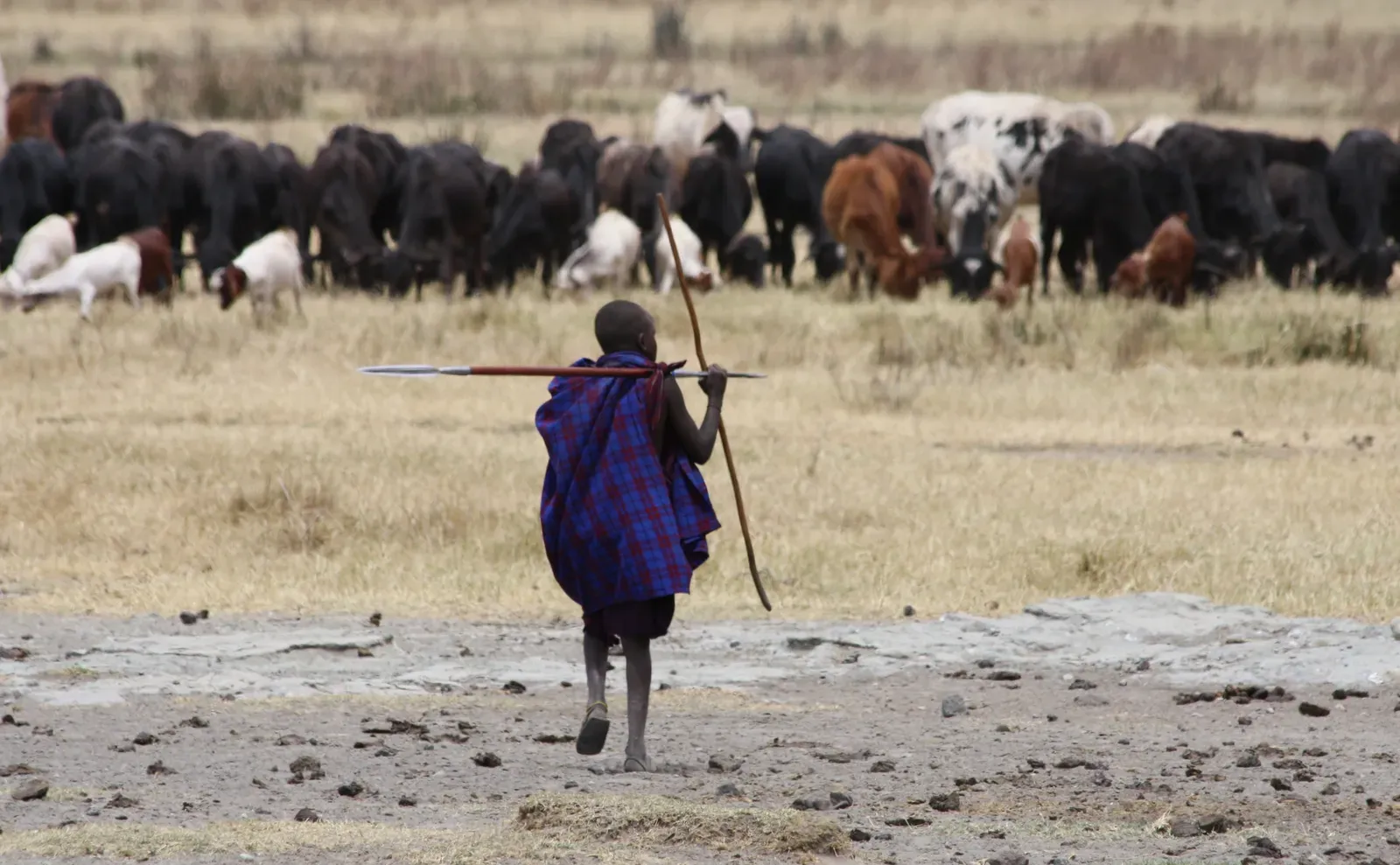
In many Maasai communities, boys learn to handle cattle long before they are allowed to make big decisions in the household. They are expected to lead animals to pasture, protect them from predators, and recognize signs of sickness or stress by sight and sound. These practical tasks become a living classroom where patience, courage, and quick thinking are tested every single day out on the plains. Becoming a skilled herder is not just about work, it is about proving readiness for adult responsibilities. Young men who show they can care for cattle demonstrate they can eventually care for a family too. This link between herding and adulthood means that a boy’s successes or failures with the animals are remembered as part of his personal story, almost like a résumé carved into memory instead of paper.
5. Bridewealth and Marriage Alliances Often Depend on Cattle
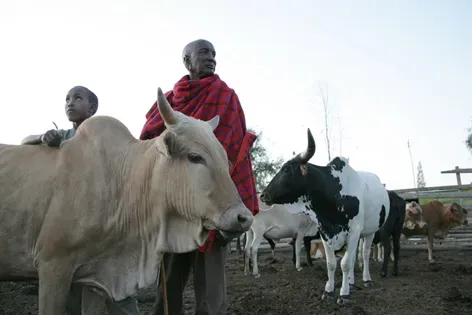
Marriages in Maasai society have long been more than romantic pairings; they are alliances between families and, at times, between whole sections of a community. Cattle sit at the center of these negotiations through bridewealth, where a groom’s family transfers cows to the bride’s family. These cattle symbolize respect, commitment, and the joining of two lineages, not a purchase of a person, despite how it may sound to outsiders. The number and quality of cattle offered can reflect how strongly the groom’s family values the new connection, and they can also help the bride’s family strengthen their own household security. In a way, every cow that changes hands at marriage carries stories from two homes at once. As economic conditions change, the exact details of bridewealth can vary, but the association between cattle and the social bonds of marriage remains remarkably resilient.
6. Maasai Cattle Are Bred for Survival in Harsh Environments
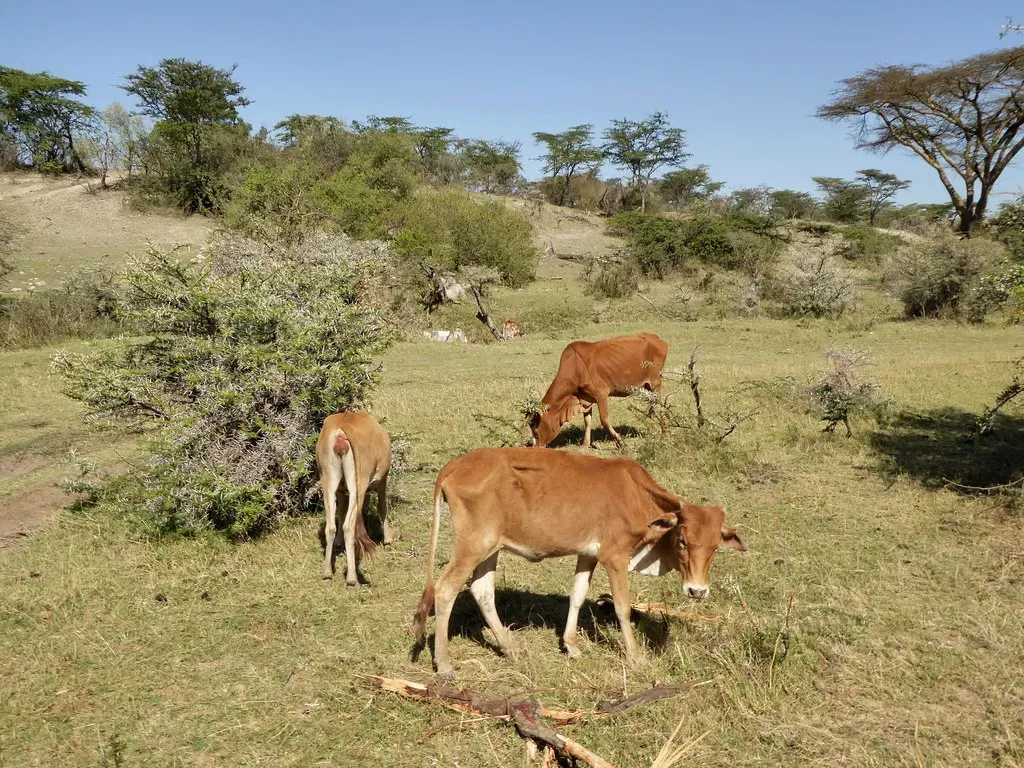
Maasai cattle are not random mixes; they are the result of generations of careful selection by herders who know their land intimately. These animals are typically hardy breeds that can handle long walks to water, scarce grazing, and the risk of diseases in semi-arid landscapes. Herders pay attention to traits like resilience, mothering ability, and resistance to parasites, often valuing these more than sheer body size. This kind of traditional breeding is a quiet science, shaped by observation rather than lab equipment. While outside development projects sometimes introduce new breeds promising more milk or meat, Maasai herders often weigh those promises against practical experience: a high-yield cow is not much help if it collapses in the first serious drought. In this way, the Maasai show a sharp, pragmatic sense of animal genetics that many formal programs are only now starting to take seriously.
7. Movement of Cattle Follows Seasonal Grazing and Water Patterns
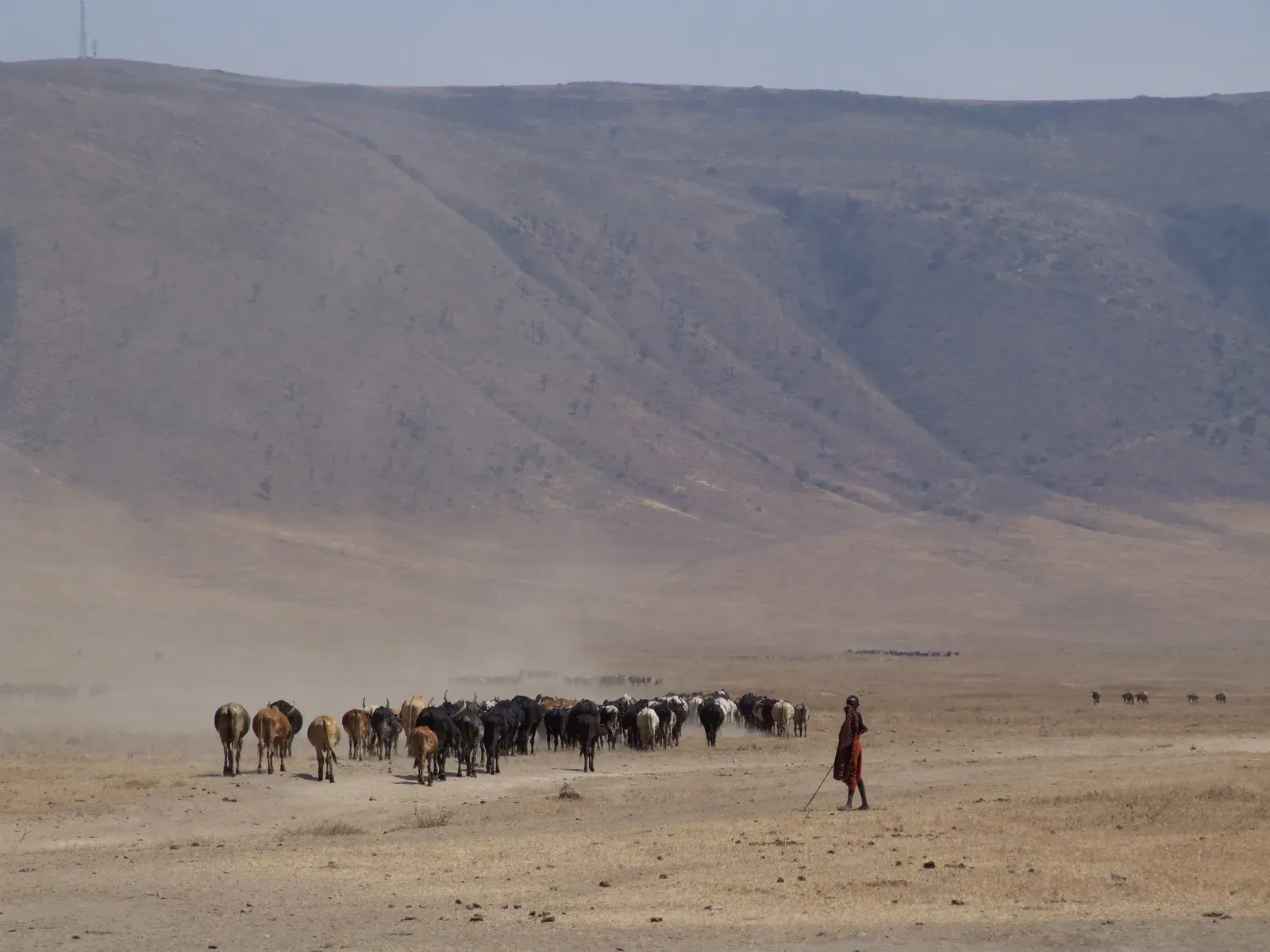
The Maasai have historically practiced a mobile or semi-mobile form of herding, shifting cattle across the landscape in tune with rainfall and grass growth. When pastures near a settlement become sparse, herders lead their animals to fresh grazing areas, sometimes traveling long distances and staying temporarily in cattle camps. This seasonal rhythm helps prevent overgrazing in one spot and takes advantage of scattered resources in a challenging climate. As land is increasingly fenced, farmed, or set aside for wildlife conservancies and parks, these traditional movements have become more complicated. Negotiating access to grazing and water can involve discussions with neighbors, local authorities, and conservation managers. Still, many Maasai see mobility as non-negotiable for cattle health and cultural continuity, and they keep inventing new ways to move within a landscape that is less open than it once was.
8. Cattle Play a Central Role in Rituals, Ceremonies, and Community Life
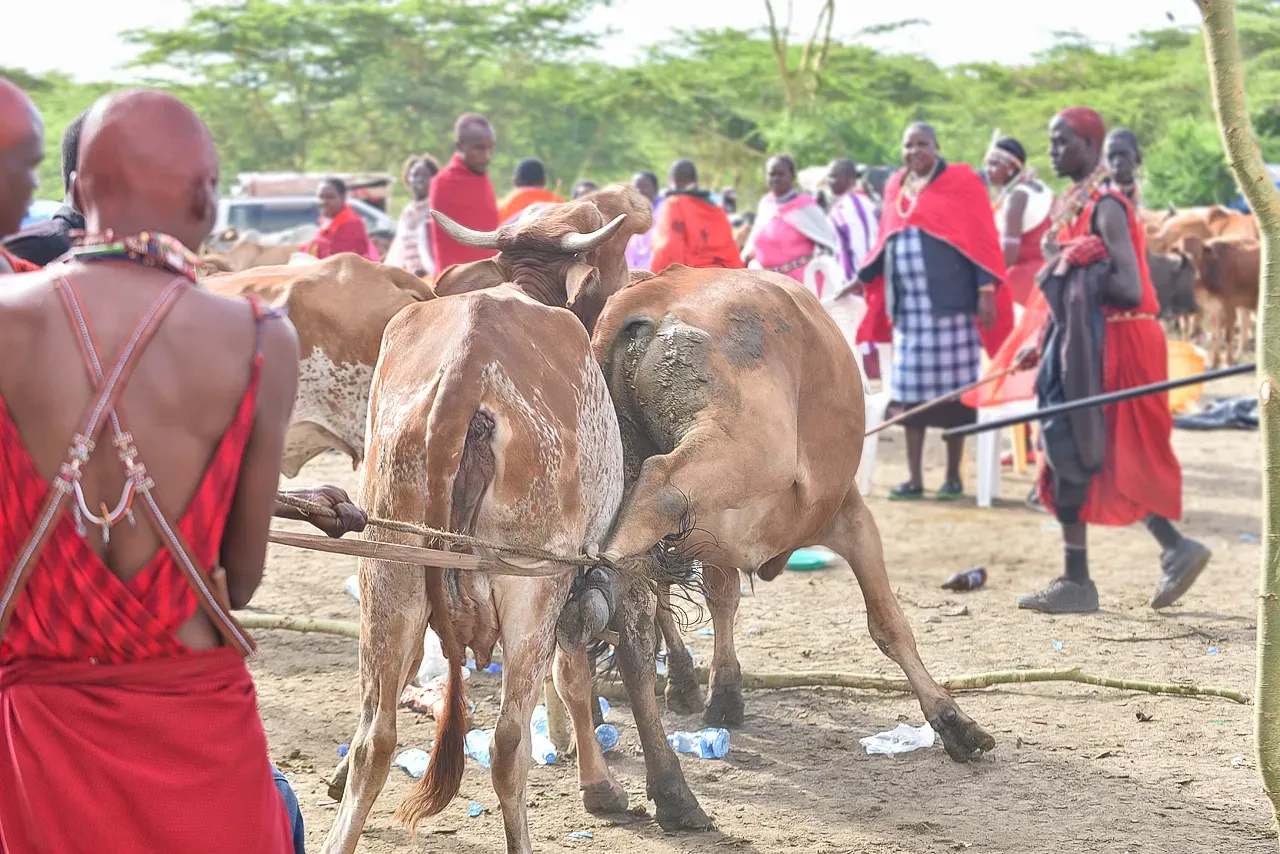
From naming ceremonies to age-set transitions and blessings, cattle often stand at the heart of Maasai ritual life. Sometimes this means the careful sacrifice of an animal whose meat is shared in a specific order, with elders or certain groups receiving particular parts. Other times, it might involve smearing cattle fat, using hides, or leading animals through ritual spaces as a way of marking time and change. Cattle also anchor everyday gatherings in more subtle ways. People meet at the edges of bomas, near kraals where cattle sleep, swapping news while checking on the animals. When there is a dispute, an agreement to give or share a cow can help restore peace. In this sense, cattle become more than sacred symbols or food sources; they are living participants in the social glue that holds communities together.
9. Modern Pressures Are Reshaping the Maasai–Cattle Relationship
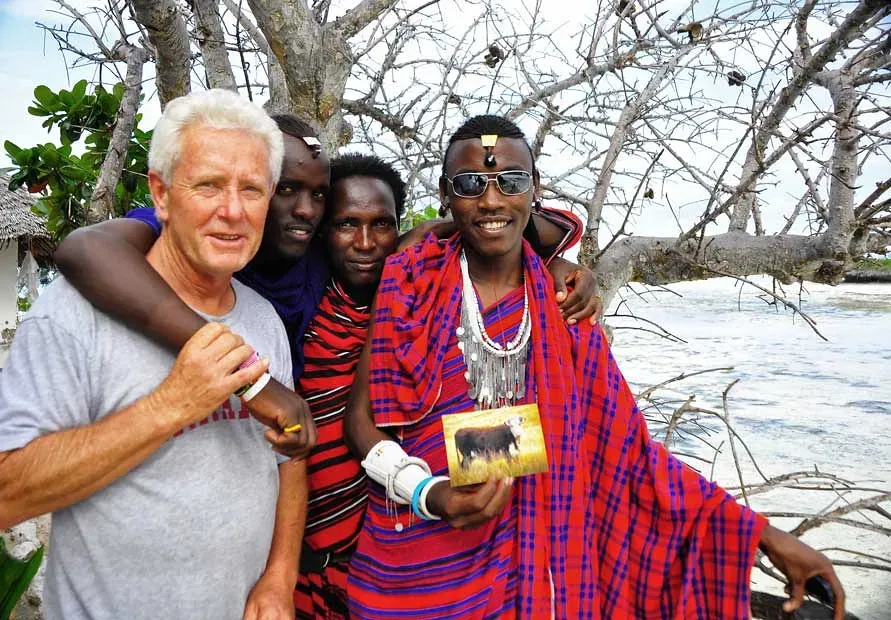
Over the last decades, climate change, land loss, and new economic expectations have started to put real strain on cattle-based livelihoods. Droughts have become more intense or unpredictable in some areas, putting herds at serious risk and forcing families to sell animals quickly or seek alternative income. Younger Maasai are increasingly involved in schooling, wage work, tourism, and small businesses, which can both support and compete with traditional herding. Yet, instead of simply abandoning cattle culture, many Maasai are adapting. Some invest in veterinary care or improved grazing management, others join grazing cooperatives or engage with wildlife conservancies that pay for controlled grazing access. I find it striking that even Maasai professionals working in cities often keep a herd back home; it suggests that cattle remain a powerful emotional anchor, even when the practical details of life are shifting fast.
10. Cattle Symbolize Continuity, but the Future Demands Difficult Choices
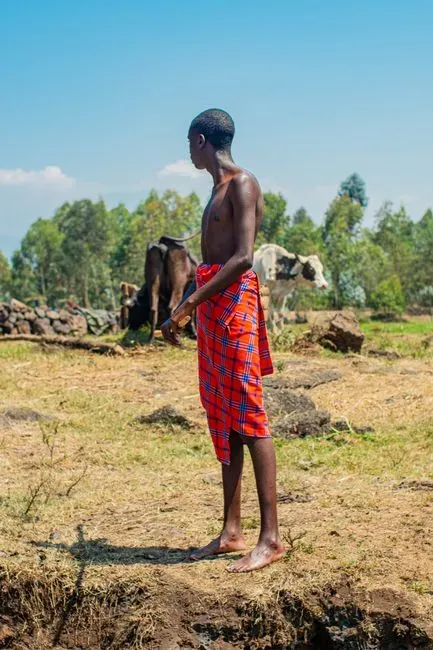
If you zoom out, the historic Maasai–cattle relationship looks like a long thread running through wars, colonial borders, independence, and the arrival of smartphones. Cattle have given structure to daily routines, rites of passage, and spiritual life in a way that is hard to overstate. To walk away from that entirely would mean more than changing an economic system; it would mean rewriting what it feels like to be Maasai. At the same time, hanging on to every traditional practice without flexibility would be just as risky. Growing populations, environmental stress, and competing land uses make it impossible to pretend that the old days can be perfectly recreated. My own view is that the most powerful future for Maasai communities lies in owning their choices: keeping the emotional and cultural core of the cattle relationship, while being bold about experimenting with new grazing schemes, markets, and education. In the end, the real question might be less about losing cattle and more about redefining what it means to live with them in a changing world – and that is a decision only the Maasai themselves can truly make.