There’s something almost unnervingly powerful about a campfire. You can be surrounded by phones, smartwatches, and satellite internet, but the second those flames start licking upward, conversation slows, shoulders drop, and everyone’s gaze is quietly pulled toward the light. It feels ancient and strangely familiar, as if some old part of your brain has been waiting for this exact moment.
Modern life explains almost everything with technology, schedules, and screens, yet this simple circle of heat and light still wins our attention without even trying. Why do people who could cook with a microwave, relax with Netflix, and stay warm with central heating still choose to sit in the dark and stare at burning wood? The reasons are not just sentimental; they are deeply wired into our biology, psychology, and social instincts.
1. Fire Was Survival, And Your Brain Still Remembers
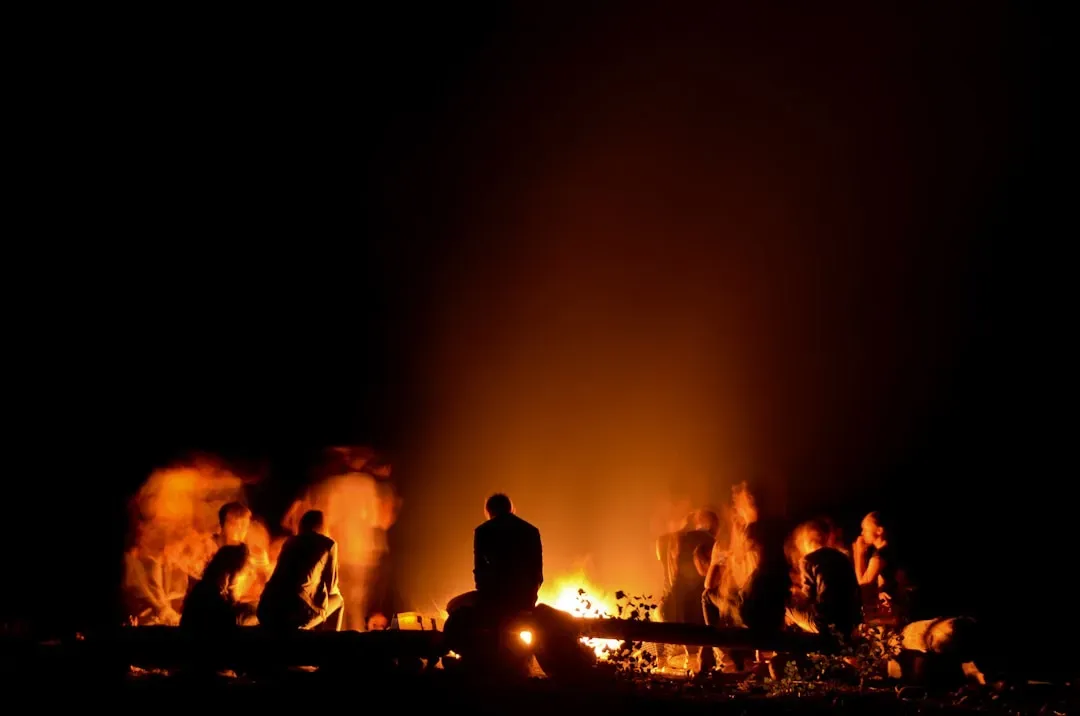
For most of human history, fire was not a luxury; it was the difference between life and death. It cooked food so our ancestors could extract more energy, kept predators at bay, extended waking hours into the night, and allowed people to survive in colder climates they otherwise could never inhabit. Over thousands of generations, those who mastered fire had a massive advantage in survival and reproduction.
Even though you probably do not need a campfire to stay alive today, your nervous system carries that long history like a hidden operating system. When you see flames, a very old pattern says: here is warmth, here is safety, here is food and protection. That quiet sense of reassurance you feel in front of a fire is not mystical; it is the echo of countless nights where fire meant your tribe would likely make it to morning.
2. The Flames Hijack Your Attention In A Gentle Way
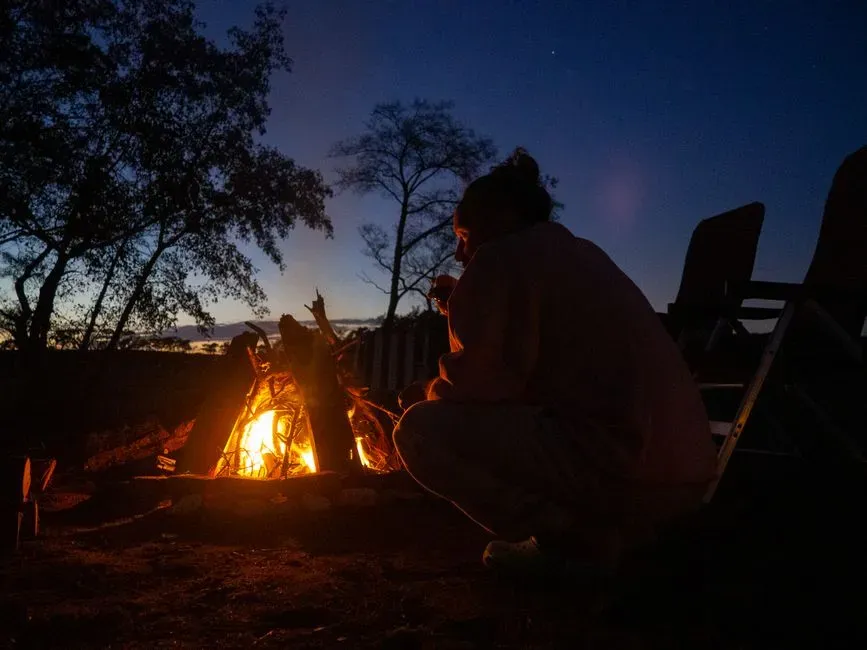
Watch a campfire for a few minutes and you might notice your thoughts loosening, like knots slowly being untied. The light flickers in a pattern that is never exactly the same yet never chaotic enough to be stressful. Psychologists sometimes describe this kind of stimulus as softly fascinating: it holds your attention without demanding effort or focus. It is the exact opposite of a frantic notification or a loud commercial.
This gentle grip on your attention gives your brain a break from the constant task of filtering and prioritizing modern sensory overload. Instead of swiping and scrolling, you simply gaze. The colors shift, sparks jump, embers collapse, and your mind drifts without needing to “keep up” with anything. It is a kind of natural meditation device, one that humans were using long before anyone ever used the word mindfulness.
3. Campfires Turn Strangers Into A Temporary Tribe
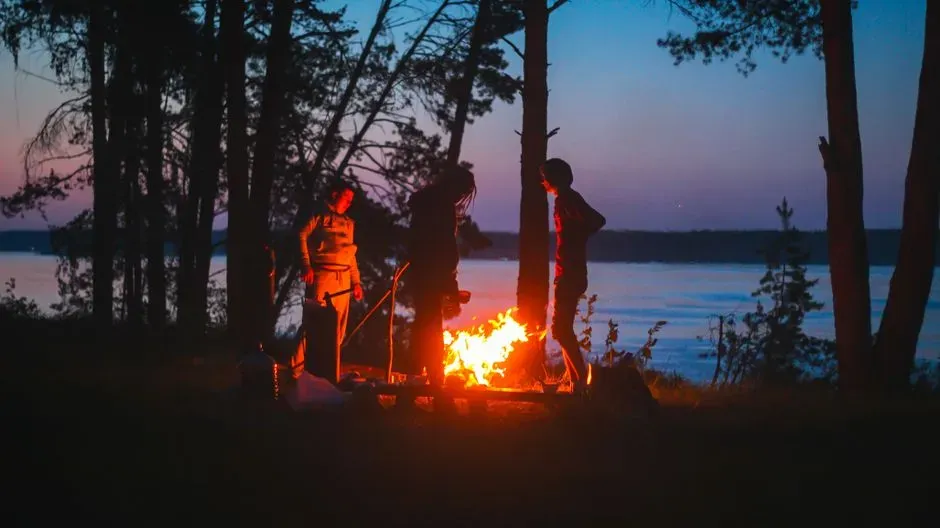
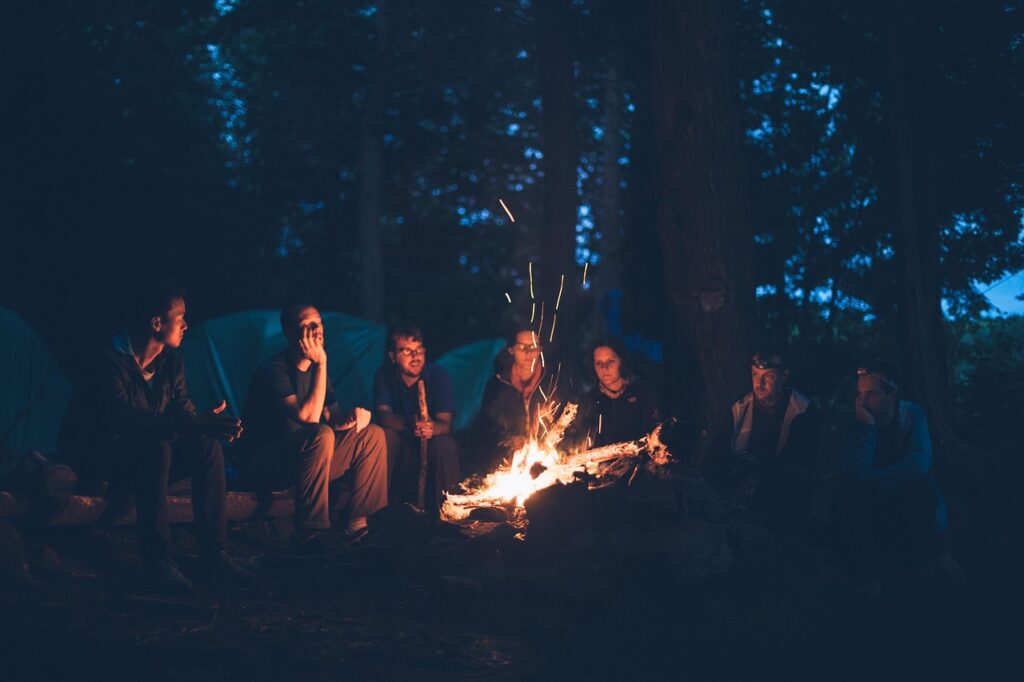
Think about the last time you sat around a campfire with people you barely knew. There is a good chance that, by the end of the night, you had shared stories you never expected to tell and laughed harder than you thought you would. The circle around the fire creates an instant social boundary: inside is us, outside is everything else. That simple shape makes people feel contained and, often, unexpectedly close.
Humans evolved in small groups that had to cooperate to survive, and night fires were one of the main hubs for social bonding. Even today, the warm light softens faces, the darkness around you creates a sense of privacy, and people naturally take turns speaking as the flames provide a shared focal point. It is no coincidence that campfires often produce confessions, deep talks, and goofy group jokes; the setting itself nudges us toward connection.
4. Firelight Calms The Body And Slows Down Time
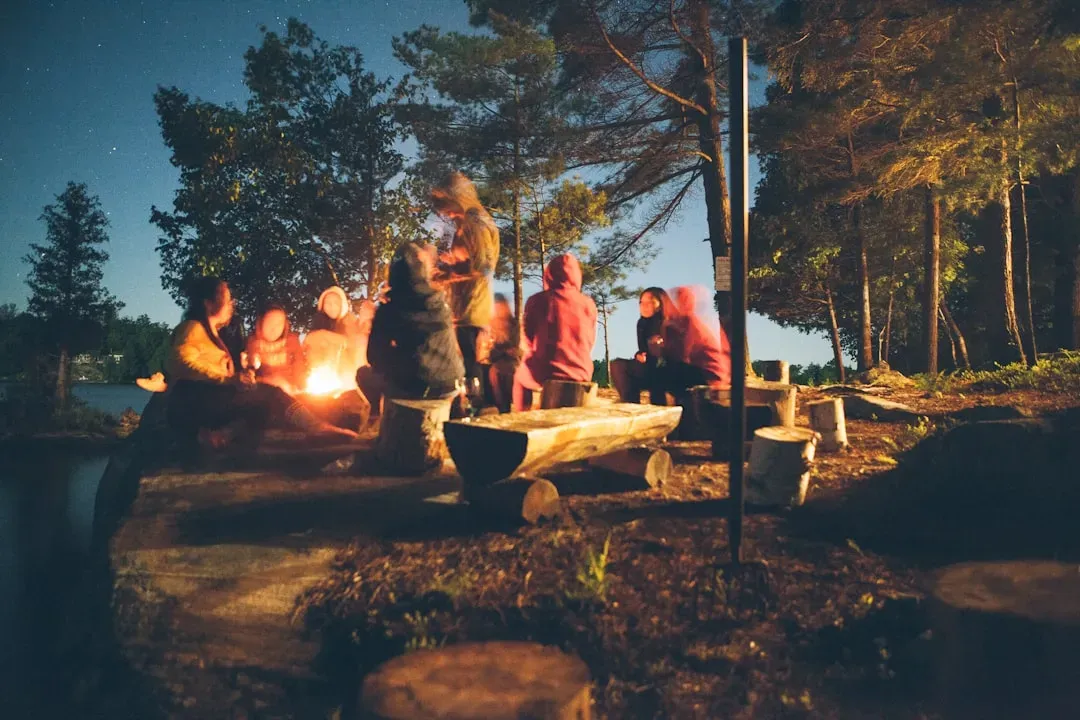
Artificial light, especially the cold blue glow of screens, tends to keep our brains alert and our sleep patterns scrambled. Firelight is different. Its spectrum and intensity resemble dusk more than daylight, sending signals to the body that it is time to wind down. Combine that with warmth on your skin, the repetitive crackle of wood, and the steady rhythm of flames, and your nervous system starts shifting out of fight‑or‑flight mode.
People often report that time feels slower around a campfire, almost like the night stretches a little longer. You stop checking the clock and start judging time by the wood pile: one more log, one more story, one more song. This slowing effect is not just poetic; your heart rate may drop, your muscles relax, and your mind finally gets a break from the constant sense of urgency that modern life sneaks into everything.
5. Watching Fire Sparks Creativity And Storytelling
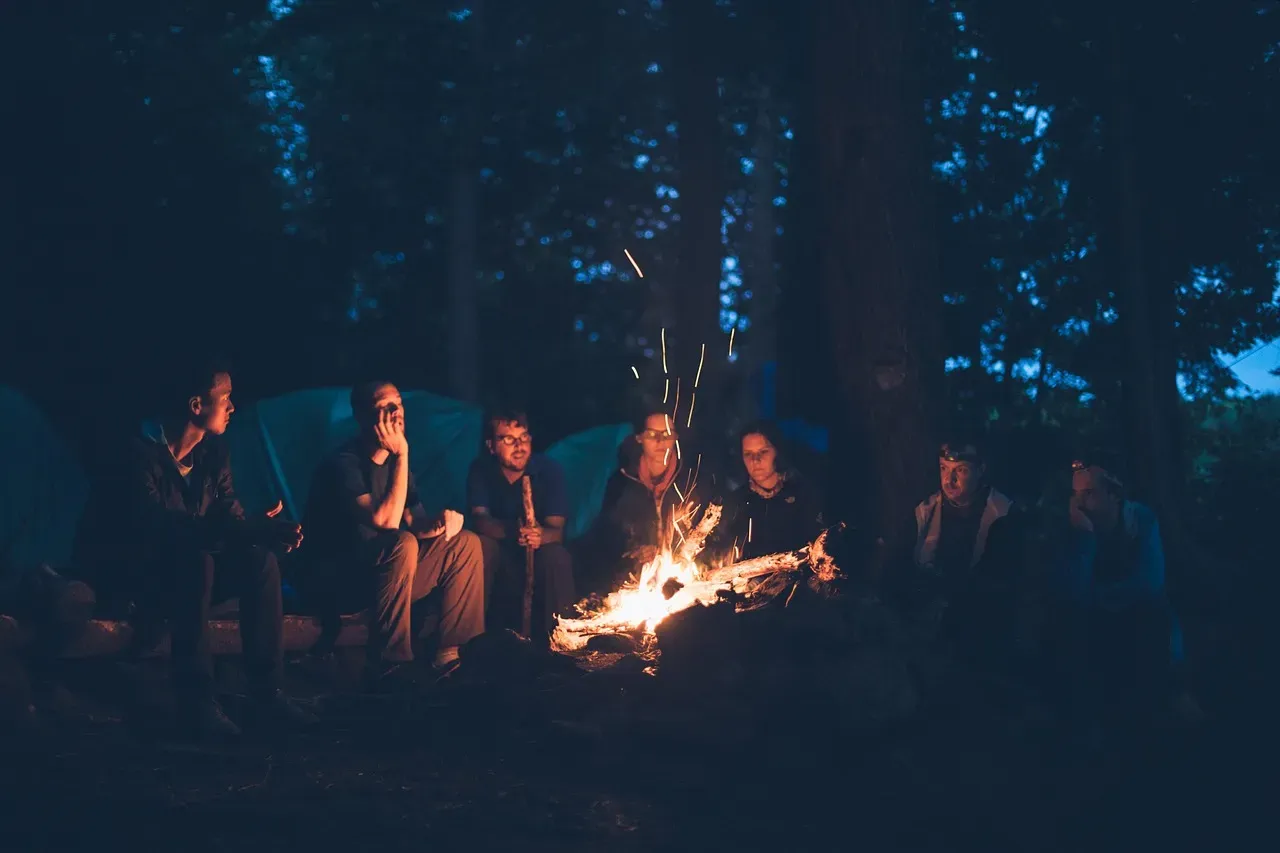
For thousands of years, evenings around the fire were the original theaters, classrooms, and therapy sessions. People told origin stories, shared hunting tips, argued about leaders, and passed down knowledge that would never be written. The fire became the stage and the soundtrack, giving the group something to anchor their attention while voices carried the meaning. That habit of storytelling around flames is still baked into our instincts today.
You can feel it when someone starts a sentence with something like “This reminds me of a time…” and everyone unconsciously leans in. The moving light makes faces dramatic, shadows dance, and ordinary tales feel a little more epic. Ideas start flowing more freely, and people who might be shy in a bright room suddenly find their voice. In a world of short clips and distracted listening, the campfire subtly invites the long, winding story back into the spotlight.
6. Fire Satisfies A Deep Urge To Control Nature (Safely)
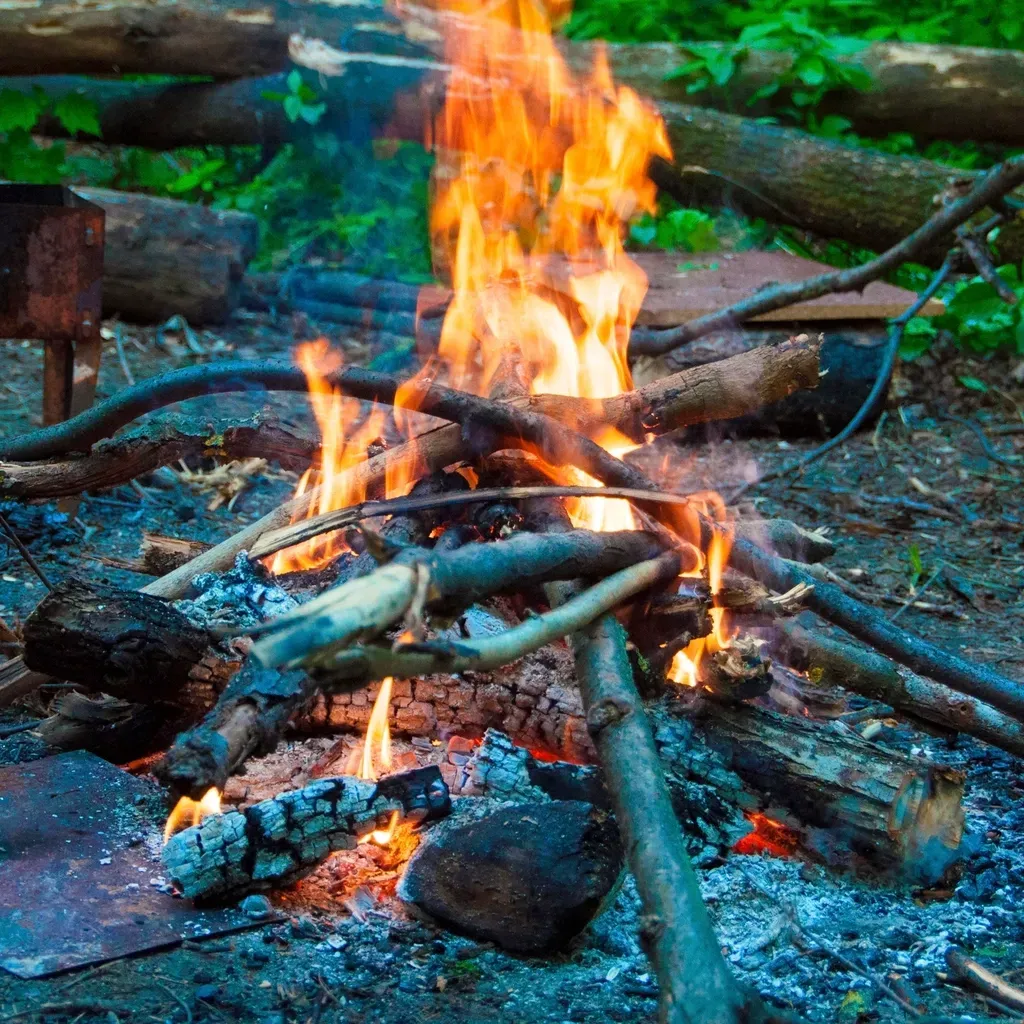
Humans have always tried to shape the environment: we build shelters, dig canals, plant crops, and pave roads. Fire was one of the first wild forces that we learned to tame. There is something oddly satisfying about gathering wood, arranging kindling, striking a spark, and slowly coaxing a flame into a steady blaze. It is like collaborating with nature, but with a sense of mastery that feels both powerful and responsible.
At the same time, fire is dangerous enough that it demands respect. You have to pay attention to where the sparks land, how big the flames get, and when the wind changes. That combination of risk and control makes tending a campfire more meaningful than, say, turning up a thermostat. It scratches an ancient itch: the desire to handle something elemental, to shape a raw force into warmth and light instead of chaos and destruction.
7. Campfires Offer An Escape From The Flattened Digital World
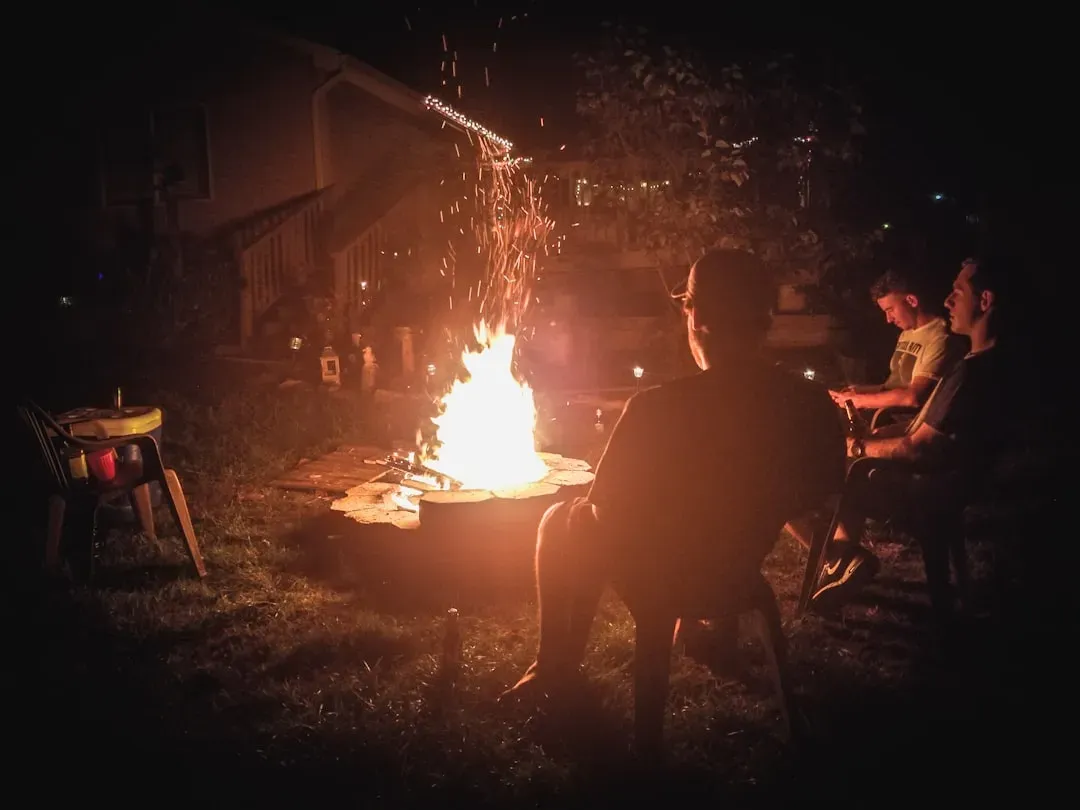
Much of modern life happens behind glass. We see friends as icons, landscapes as photos, and experiences as content to be captured. A campfire cuts straight across that flatness. It smells like smoke, sounds like cracking wood, throws heat in real time, and makes your clothes smell different the next morning. It is stubbornly physical in a world that keeps drifting toward the virtual.
When you sit by a fire, your phone usually gets used less, not because you suddenly gained superhuman willpower, but because the analog experience is finally intense enough to compete. The night sky, the cool air, the glowing coals, the shared blanket – these things are hard to scroll past in your own life. In a culture that runs on distraction, the campfire feels oddly radical: a simple, sensory, present‑tense moment that does not need to be optimized or posted to matter.
Conclusion: A Small Circle Of Light In A Loud, Bright World
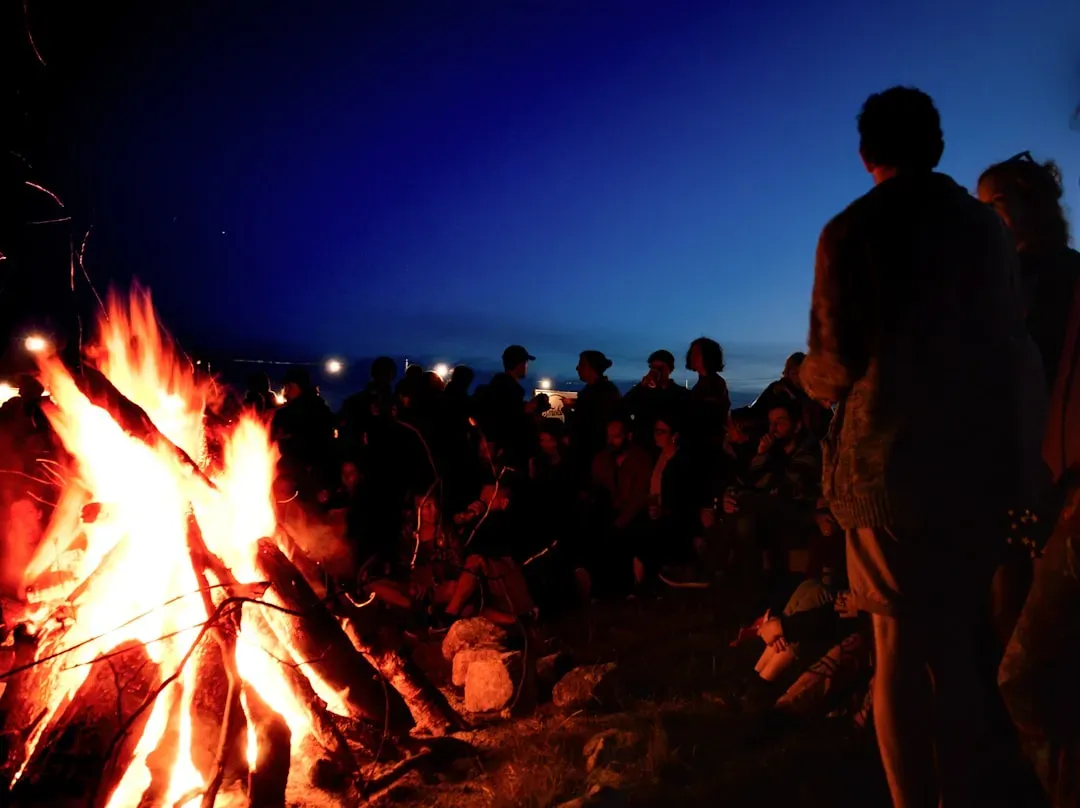
For me, the magic of a campfire shows up the moment people stop performing and start just being there. The jokes get dumber, the stories get more honest, and the silence stops feeling awkward. You can sense how deeply this ritual is etched into us, how the sight of flames and the sound of wood breaking apart still flip switches that no social media app has ever managed to reach.
In a world obsessed with the newest thing, campfires remind us that some of the most powerful human experiences are actually the oldest. They blend survival instincts, social bonding, nervous‑system calm, creative storytelling, and a tactile relationship with nature into one simple act: sitting around a controlled piece of the sun. The next time you feel strangely captivated by a ring of burning logs, maybe do not brush it off as nostalgia; it might be your most ancient self finally getting a moment at the center of your life again. When was the last time you let yourself stare into the flames long enough to feel that?