
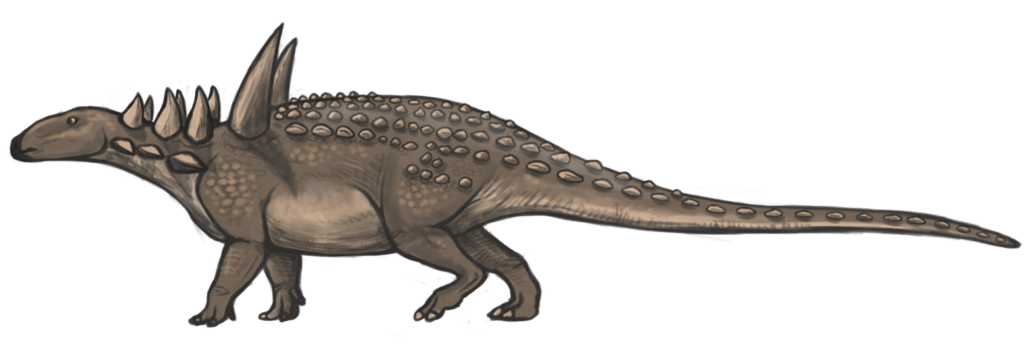
Sauropelta might not be as famous as T. rex or Velociraptor, but once you meet this low-slung tank of a dinosaur, it sticks in your mind. Imagine a living, breathing armored personnel carrier slowly trundling through a Jurassic landscape, every inch of its back bristling with spikes and bony plates. That is Sauropelta in a nutshell: not flashy, not fast, but almost absurdly well defended. What makes this creature really compelling is how much we can learn about its everyday life from the armor it left behind. Sauropelta lived in the Early Cretaceous, long before some of the more iconic armored dinosaurs showed up, yet its design looks like the result of millions of years of battlefield testing. The more paleontologists dig into it, the more Sauropelta stops feeling like just another fossil and starts feeling like a carefully engineered solution to staying alive in a world full of teeth.
1. Sauropelta Was Basically a Four-Legged Shield
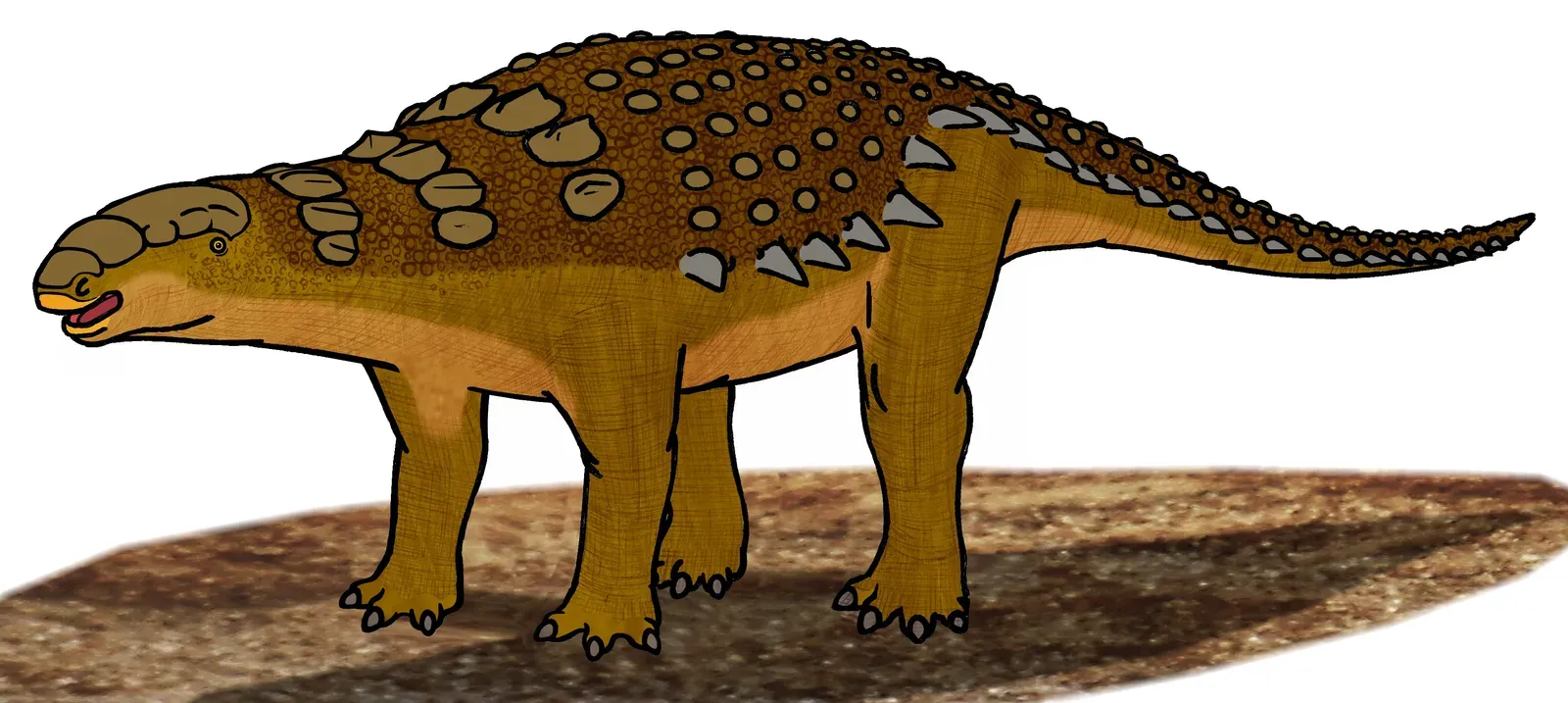
If you could see Sauropelta alive, the first thing you’d notice is how absurdly protected it was from the neck down. Its back and sides were covered in thick bony plates called osteoderms, embedded in the skin like natural armor plating. Add to that a heavy, muscular body riding close to the ground, and you’ve got an animal that looked less like a lizard and more like a living bunker slowly moving through the undergrowth. From above, it would have been a terrible target for any predator. Teeth would hit hard surfaces, slide off, or sink into armor backed by tough tissues instead of soft organs. It was the kind of creature that made you think twice about attacking, the same way a modern predator might hesitate before taking on a porcupine or a hedgehog. Sauropelta’s entire design sends one clear message: do not bother.
2. The Neck Spikes Were Its Most Terrifying Feature
![2. The Neck Spikes Were Its Most Terrifying Feature (By John.Conway [1], CC BY-SA 3.0)](https://nvmwebsites-budwg5g9avh3epea.z03.azurefd.net/dinoworld/f72e52098cb3f485a636c0556a084e0c.webp)
As if armor plates were not enough, Sauropelta went a step further and armed its neck with long, blade-like spikes that jutted out sideways. These spikes lined the sides of its neck and shoulders, forming a menacing collar of bone pointing straight at any would-be attacker. If a predator tried to bite down on that area, it risked puncturing its own face or jaws on the spikes. That is a serious deterrent when your life depends on the condition of your teeth. Visually, it would have been stunning. Picture a squat, heavily armored animal whose shoulders explode outward into dangerous-looking horns. It is easy to imagine a large theropod circling warily, looking for a weak point and realizing there really was none from the front or the side. In a way, Sauropelta weaponized the part of the body predators usually target first: the neck.
3. It Belonged to a Clan of Armor Specialists Called Nodosaurids
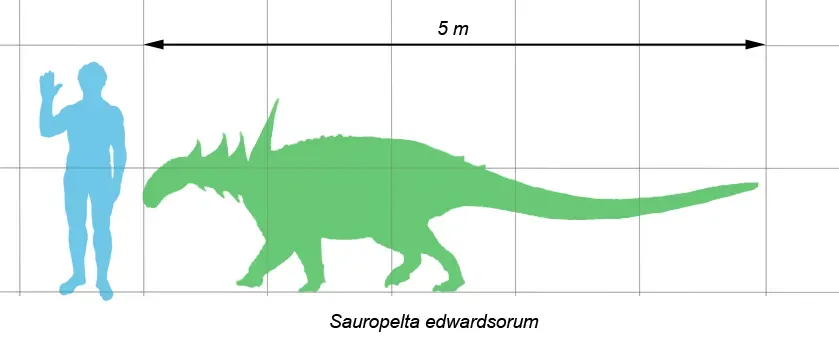
Sauropelta was not a one-off oddity; it was part of a wider family of armored dinosaurs called nodosaurids. These were the more understated cousins of the ankylosaurs, famous for their tail clubs. Nodosaurids skipped the club but doubled down on spikes and plates, focusing more on passive defense than a big offensive weapon. Sauropelta is one of the earlier and better-known examples of this style of dinosaur armor. Being a nodosaurid tells us a lot about its lifestyle. Like its relatives, Sauropelta was a plant-eater that moved on all fours and relied on low browsing rather than high-speed chases or dramatic fights. Its evolution suggests that staying alive in the Early Cretaceous often meant turning your whole body into a problem predators did not want to solve. If the ankylosaurs are the hammers of the armored dinosaur world, nodosaurids like Sauropelta are the shields.
4. It Lived in What Is Now Wyoming and Montana, Long Before T. rex
Fossils of Sauropelta come mainly from the Cloverly Formation in the western United States, particularly Wyoming and Montana. Back in the Early Cretaceous, roughly around one hundred and eight million years ago, this region was a warm, river-laced environment with floodplains, forests, and abundant vegetation. It was not the dry, open prairie we picture there today, but more like a patchwork of wetlands where dinosaurs foraged among ferns, cycads, and early flowering plants. Sauropelta shared these landscapes with a mix of other dinosaurs, including early relatives of the big carnivores that would dominate later. It never met T. rex, which appeared tens of millions of years afterward. That timing matters, because it tells us that the arms race between predators and armored herbivores was already well underway long before the “classic” Late Cretaceous cast arrived. Sauropelta was an early master of the defense game.
5. Its Name Means “Shield Lizard,” and That Is No Exaggeration
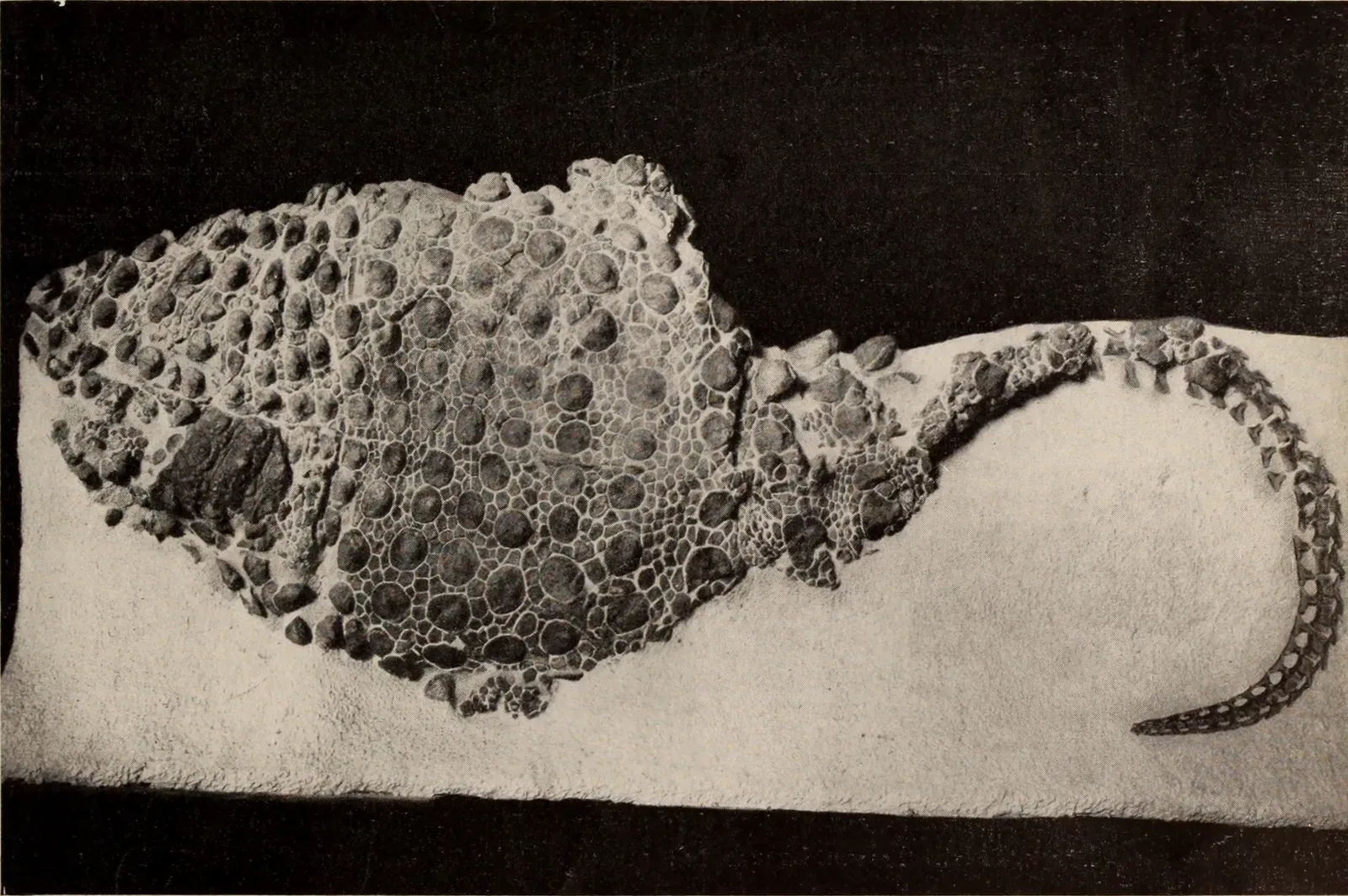
The name Sauropelta literally translates to “shield lizard,” and for once, a dinosaur name absolutely nails the vibe. The “shield” part refers to the extensive armor covering its back and sides, which functioned almost exactly as a medieval shield would: stopping, deflecting, and distributing the force of incoming blows. There is nothing subtle or poetic about it; this was an animal built around the concept of blocking attacks. You can think of Sauropelta as walking defensive technology, honed by natural selection instead of blacksmiths. Every osteoderm and spike had to earn its keep by making the animal just a bit harder to kill. Over generations, the individuals that wore the best “shield suits” survived to pass on their genes. The result was a dinosaur where the name feels less like flair and more like a straightforward product label.
6. Its Head Was Small, but Its Sense of Smell Was Probably Impressive
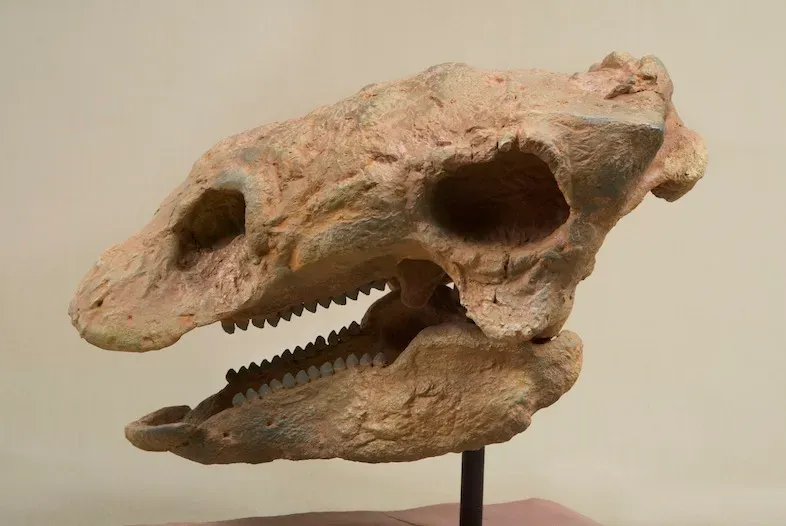
Compared to the hulking bulk of its body, Sauropelta’s head was relatively small and narrow, with a beak at the front for cropping plants. At first glance, it looks almost comically undersized, like someone stuck a modest herbivore skull onto a tank chassis. That small head did not mean it was simple or dull, though; inside the skull, there is evidence that its nasal passages were reasonably complex. Many armored dinosaurs seem to have relied heavily on scent, and Sauropelta was probably no different. A good sense of smell would help it find food, recognize other members of its kind, and stay alert to the approach of predators before they got too close. It reminds me a bit of how modern animals like tapirs or wild boar use their noses constantly even while keeping a low profile. Small head, big job.
7. Sauropelta Was a Ground-Hugging Browser, Not a Speed Demon
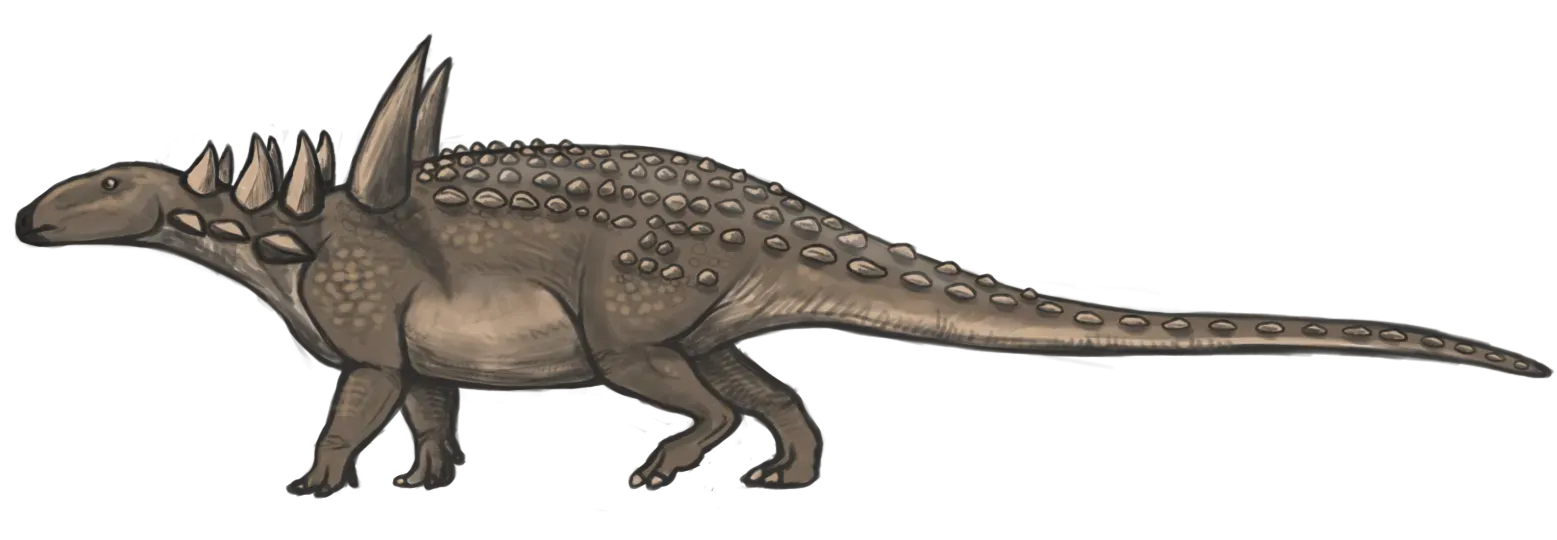
This was not a dinosaur built for running marathons or sprinting away from danger. Sauropelta had sturdy, pillar-like legs and a body held low to the ground, which is great for stability but terrible for speed. Its best strategy when threatened was almost certainly to hunker down, turn its most armored side toward the danger, and wait out the attack. If predators relied on quick kills, Sauropelta forced them into a miserable, risky struggle instead. As for feeding, its low posture and small head made it ideal for browsing near-ground plants: ferns, low shrubs, and early flowering plants that carpeted the forest floor. It probably spent much of the day slowly moving and grazing, like a living lawnmower wrapped in metal. There is something oddly peaceful about that image – until you remember that every peaceful step was backed by the option to become an unbreakable obstacle at a moment’s notice.
8. Its Armor Was Not Just One Piece, but a Complex Mosaic
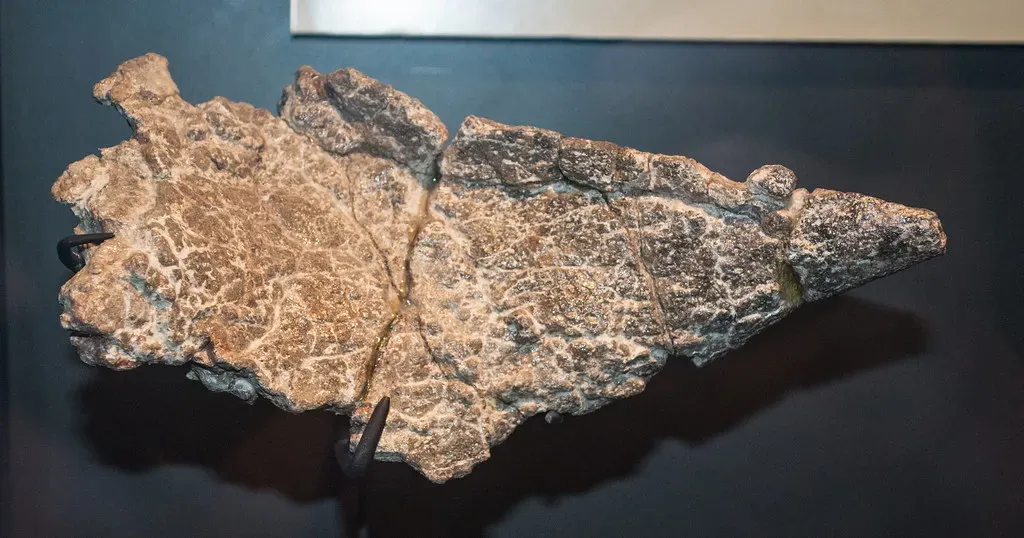
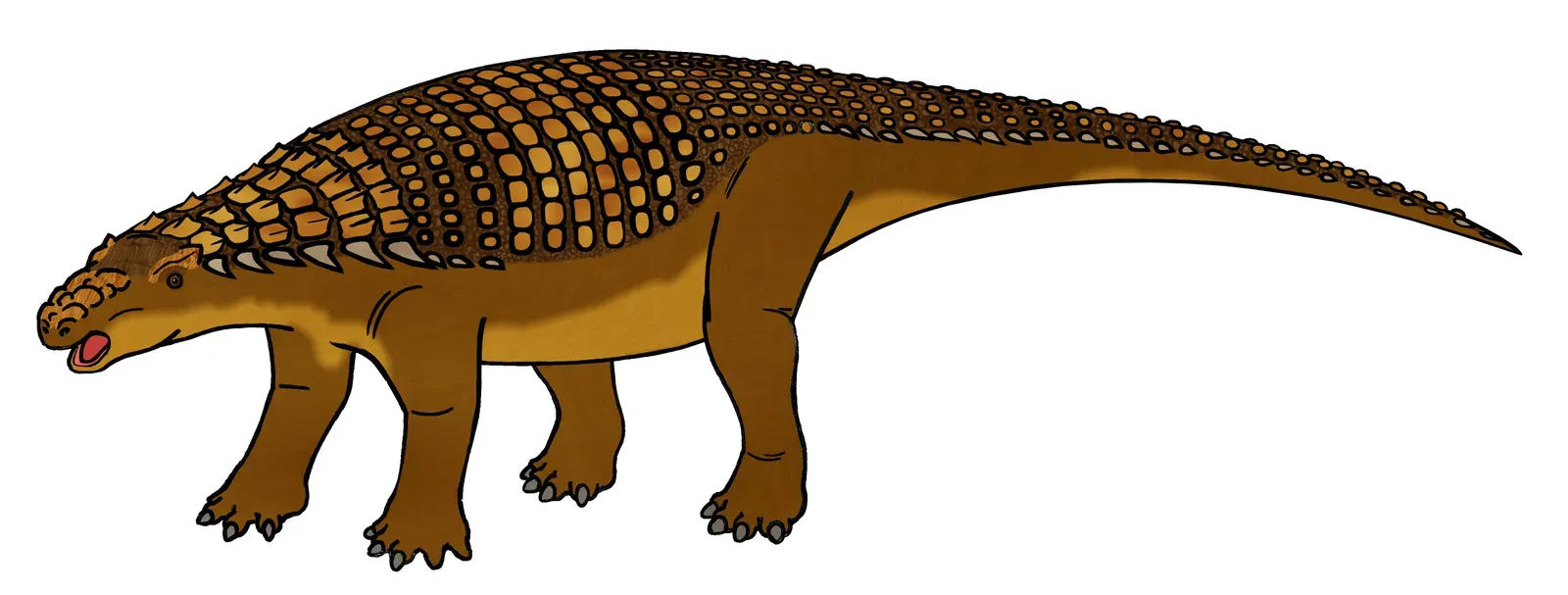
When we talk about Sauropelta’s armor, it is easy to imagine a single continuous shell, like a turtle’s. In reality, its protection was made up of many individual bony plates of different sizes and shapes, arranged in rows and patterns along its back and sides. These osteoderms were covered in skin in life, creating ridged, knobby textures rather than bare bone, almost like natural body armor stitched into the hide. This mosaic design had advantages. Multiple plates allowed some flexibility as the dinosaur moved, preventing the armor from cracking or locking the body into a rigid pose. It also meant different parts of the body could be reinforced more or less, depending on how vulnerable they were. The neck and shoulders got impressive spikes, while other areas focused on solid plating. It is very similar to how modern protective gear layers materials to balance strength and mobility.
9. It Shows That Evolution Sometimes Chooses “Hard to Kill” over “Impressive Hunter”
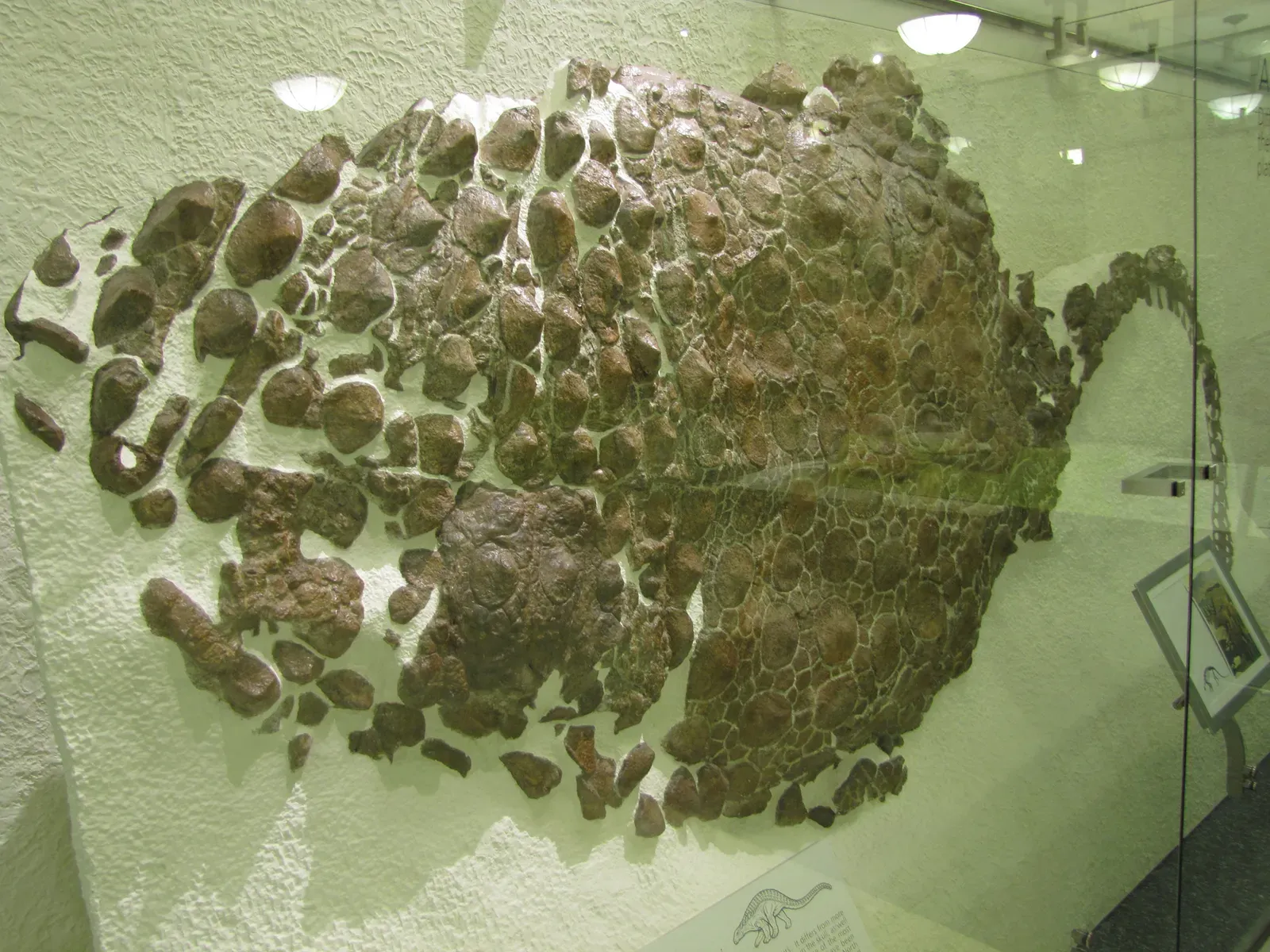
Predators tend to get all the glory in dinosaur documentaries, but Sauropelta is a perfect reminder that survival is not just about fangs and claws. Its entire existence makes a quiet, stubborn argument for another strategy: be so unpleasant to attack that most predators simply move on. There is something very modern about that logic, almost like cybersecurity – your goal is not total invincibility, just making yourself a worse target than everything else around. Personally, I find that more relatable than the sleek apex hunter stereotype. Sauropelta’s success did not require speed, agility, or high drama; it needed patience, toughness, and the ability to outlast. That is a kind of resilience we often overlook, even though you see it echoed in animals today, from armadillos to pangolins. In a world obsessed with flashy winners, Sauropelta quietly thrived by being the ultimate “do not mess with me” herbivore.
10. Its Fossils Are Helping Us Reconstruct Ancient Ecosystems, Not Just a Single Species
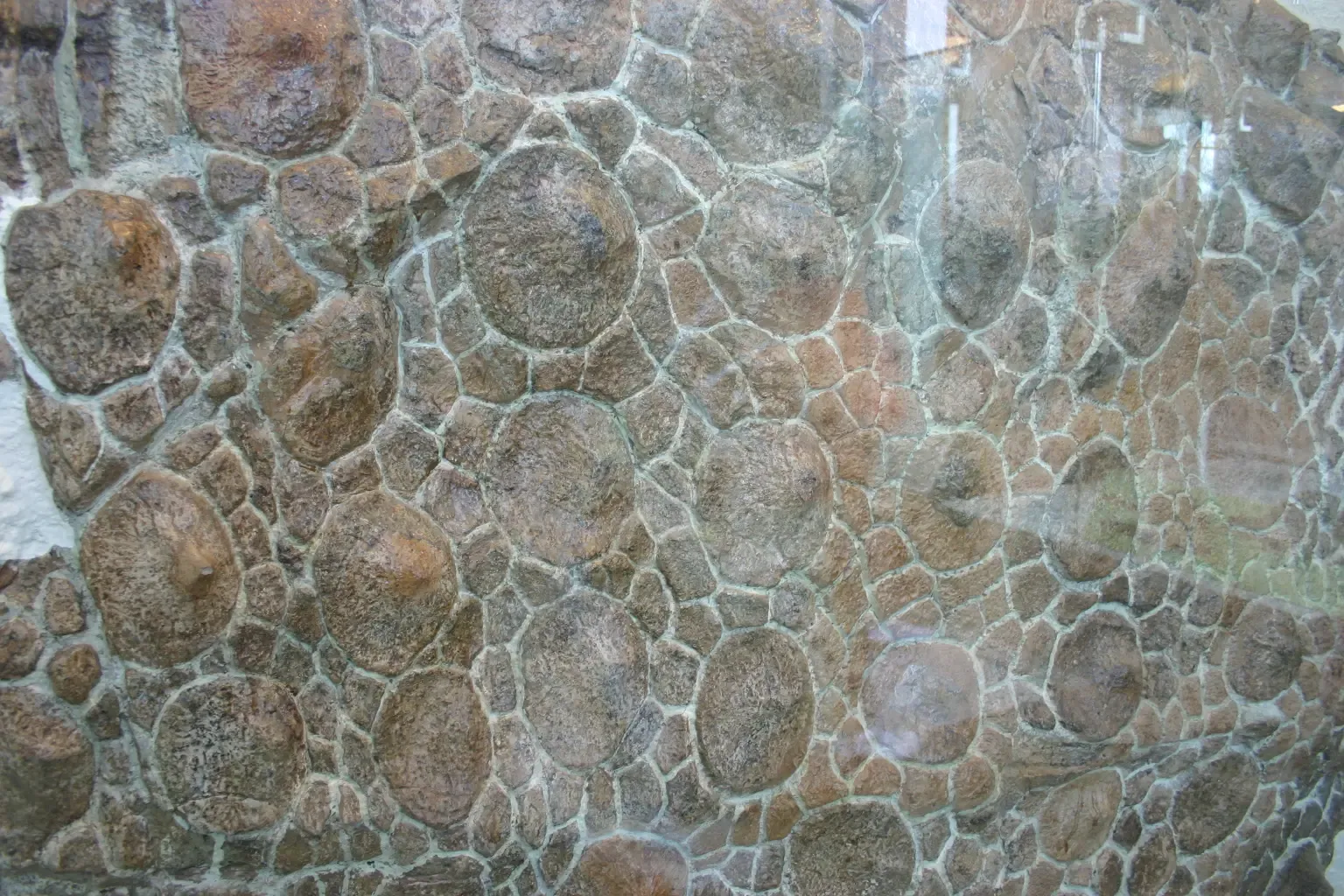
When paleontologists study Sauropelta fossils, they are not just ticking off another dinosaur species on a list. The rocks and bones come with clues about the broader environment: plant remains, other dinosaur fossils, traces of ancient rivers and soils. Sauropelta acts like an anchor point that helps scientists understand who lived with whom, what the food web looked like, and how defense-heavy herbivores fit into the Early Cretaceous puzzle. By comparing Sauropelta to other armored dinosaurs from different times and places, researchers can track how armor strategies changed as predators and climates shifted. It turns this “walking fortress” into a data point in a much bigger story about evolution under pressure. To me, that makes Sauropelta more than an odd, spiky curiosity – it becomes a key character in a long-running experiment about what works when your main job on Earth is to stay alive.
Conclusion: The Quiet Power of a Walking Fortress
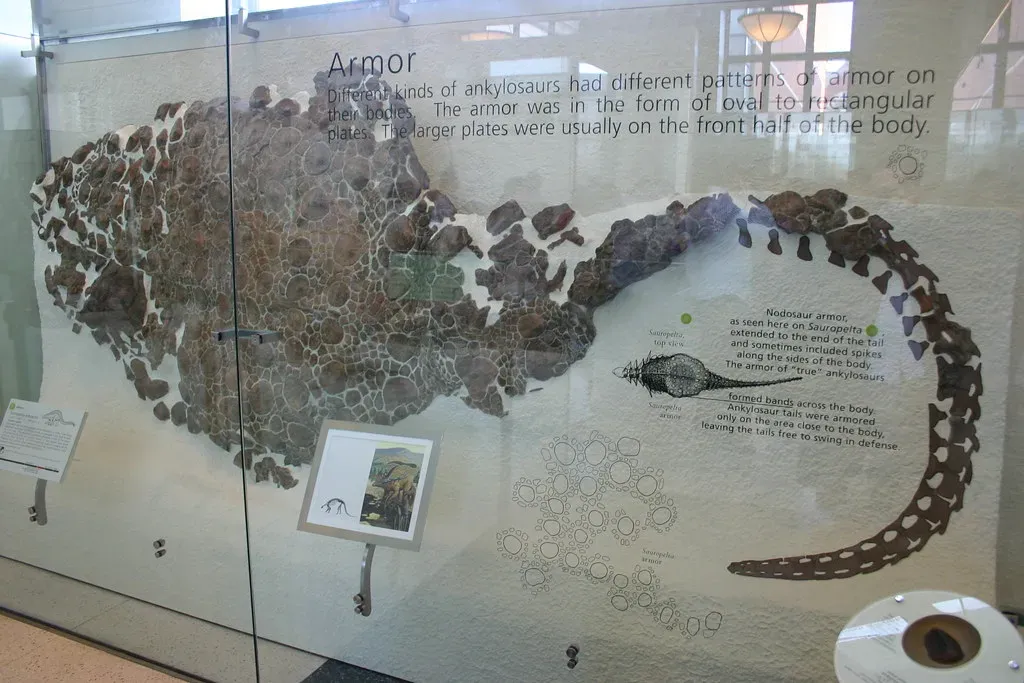
The more you look at Sauropelta, the more it feels like a quiet rebuke to our obsession with drama and speed. This dinosaur did not roar into the spotlight as a ferocious hunter; it shuffled through its world in heavy armor, betting everything on endurance and deterrence. In a landscape full of teeth, it won by being the one thing smart predators learned to avoid. That is not glamorous, but it is ruthlessly effective. In my view, Sauropelta deserves to be as iconic as any carnivore, precisely because it shows a different side of what “success” in nature can look like. It reminds us that survival is often about showing up day after day, unbroken, rather than starring in the most exciting chase scene. When you picture the age of dinosaurs next time, will you still think first of the hunters – or will this walking fortress quietly roll into your mental lineup too?