If you grew up thinking of Stegosaurus as the gentle, slightly dopey dinosaur with plates on its back and a tiny brain, you’re not alone. For years, it was the poster child of prehistoric derpiness in kids’ books and old documentaries. But the more scientists dig into the rocks and fossils, the clearer it becomes: Stegosaurus was far stranger, more complex, and more mysterious than that childhood cartoon. In some ways, we understand this animal less today than we thought we did decades ago.
What really blows my mind is that a dinosaur this famous can still defy experts who’ve spent entire careers studying it. Its armor, its posture, even how it used its tail are still being argued in labs and conferences. So let’s go past the plastic toy version and look at the real creature emerging from the evidence. These ten facts show why Stegosaurus still keeps paleontologists on their toes – and why it deserves way more respect than the old “big body, tiny brain” joke.
1. Stegosaurus Had a Brain the Size of a Lime, but a Body Like a Bus
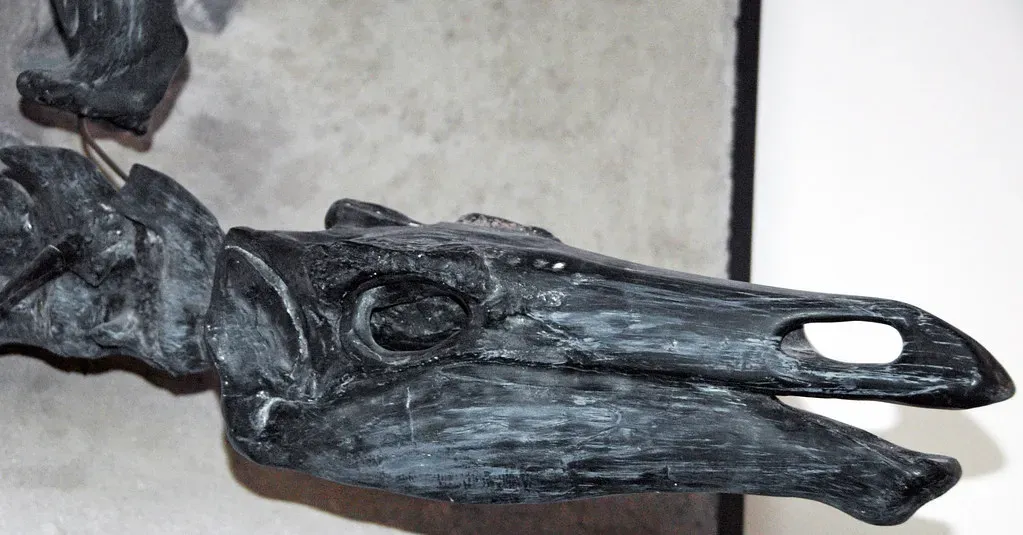
It sounds like a bad comedy sketch: a dinosaur as long as a bus with a brain that could fit in your hand. Yet that really is the rough scale we’re dealing with in Stegosaurus. Its skull housed a relatively small brain for such a massive body, and for decades that turned it into the punchline of dinosaur intelligence. Early depictions even suggested it was barely smart enough to walk and chew plants at the same time. That view, while catchy, massively oversimplifies what brain size actually means in living animals.
Modern paleontologists are far more cautious about equating brain volume directly with intelligence or behavior. Many large herbivores today, like cows or rhinos, have brains that are small compared to their body size, yet they navigate complex environments just fine. Stegosaurus did not need to solve math problems; it needed to find food, avoid predators, and communicate enough to survive and reproduce. Its brain might have been small, but it was likely well tuned to the demands of a slow-moving, heavily armored plant-eater. In that niche, “tiny brain” doesn’t equal “useless.”
2. The Old “Second Brain” Legend Has Basically Been Debunked
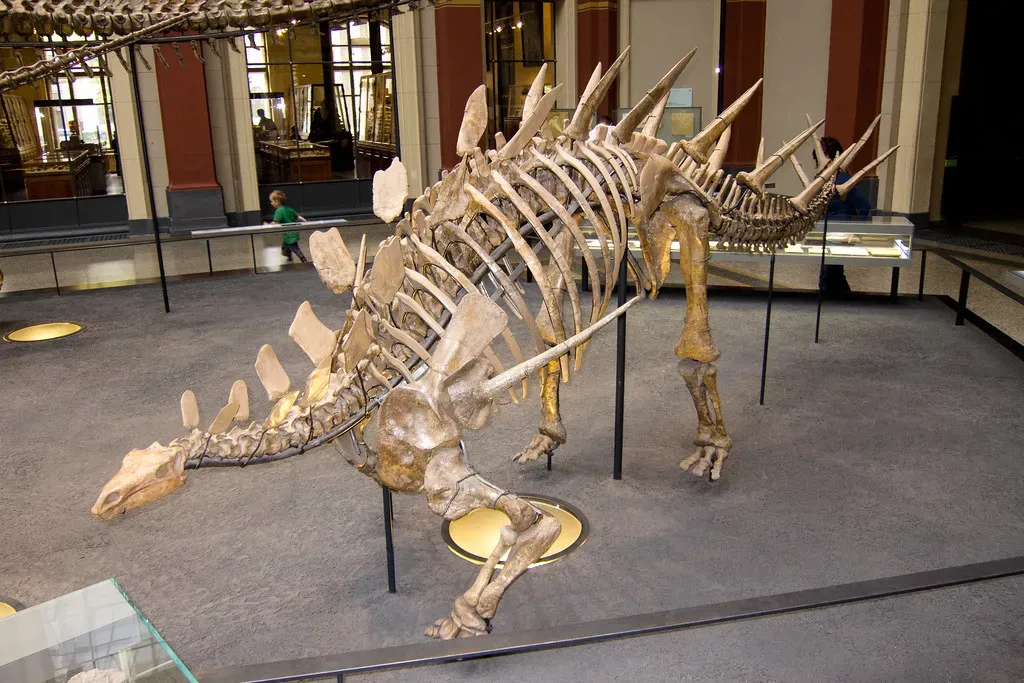
For a long time, you might have heard the story that Stegosaurus had a second brain in its hips to help control its back half. This idea came from a large cavity in the neural canal near the pelvis, which early researchers did not fully understand. It was easy and fun to imagine a “backup brain” that handled tail and leg movements like some kind of prehistoric autopilot. The story was so catchy it stuck in textbooks and popular science books for years, long after doubts began to creep in.
Today, that second-brain concept is considered outdated. That cavity is now thought to be associated with a glycogen body – something we see in modern birds – a structure that stores energy, not thoughts. Paleontologists now see the “two brain” trope as more myth than reality, a reminder of how tempting it is to fill gaps in our knowledge with dramatic stories. In my view, the fact that the legend lasted so long says less about Stegosaurus and more about how human brains love a neat, surprising explanation, even when the evidence just is not there.
3. Its Iconic Back Plates Were Likely Vascular Billboards, Not Just Armor
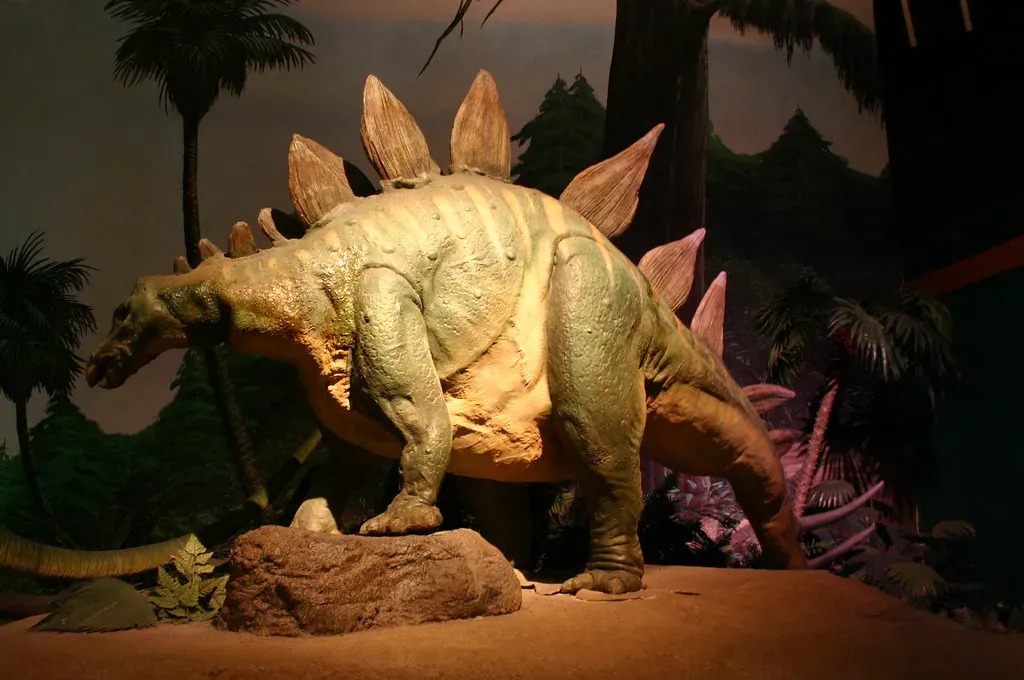
Those towering plates along Stegosaurus’s back are its signature look, and we still do not have a single, simple answer for what they did. The most convincing evidence points to them being highly vascularized, meaning they had a rich blood supply. That makes them look less like solid shields and more like living billboards. They could have helped with display – showing off to mates, intimidating rivals, or sending visual signals across a herd. Think of them as a mix between a peacock tail and a giant, slow-motion mood ring.
There is also a strong possibility the plates played some role in thermoregulation, helping the animal absorb or shed heat by circulating blood through that large surface area. However, many scientists think signaling and display were at least as important, if not more so, than temperature control. To me, the wild part is that an animal that once looked like a walking tank is now increasingly seen as a visual communicator. Those plates might have been as much about social life and style as about staying alive in a dangerous world.
4. The Plates Were Probably Offset in Two Rows – Not Straight Down the Spine
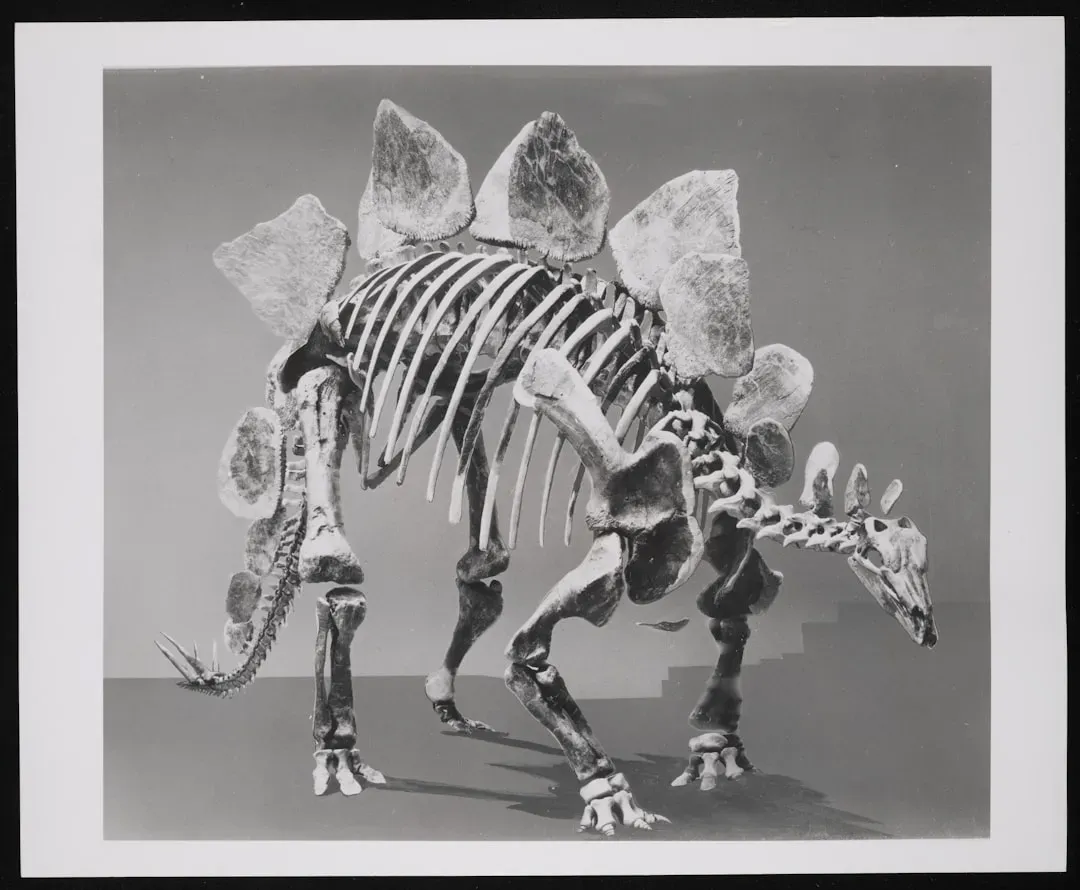
If you picture Stegosaurus with a single tidy row of plates lined up like a dragon’s spine, that image is likely out of date. Fossil evidence suggests the plates were arranged in two staggered rows that ran along the animal’s back. Instead of symmetry, you get a kind of zigzag pattern, with plates alternating from left to right. That asymmetry really bothered early reconstructions, because it looked messy and “wrong” by human standards. Nature, however, clearly did not mind at all.
This offset arrangement might actually have made the animal more visually striking from the side, where predators and other stegosaurs would most likely see it. It could also have reduced overlap between plates, allowing each to catch light and air better, whether for display or heat exchange. I find it oddly satisfying that one of the most famous dinosaurs stubbornly refuses to fit our desire for neat, mirror-image design. The real Stegosaurus was more irregular, more organic, and probably more dramatic than the old toy versions suggest.
5. The Tail Spikes (the “Thagomizer”) Were Serious Weapons, Not Decorative Spikes
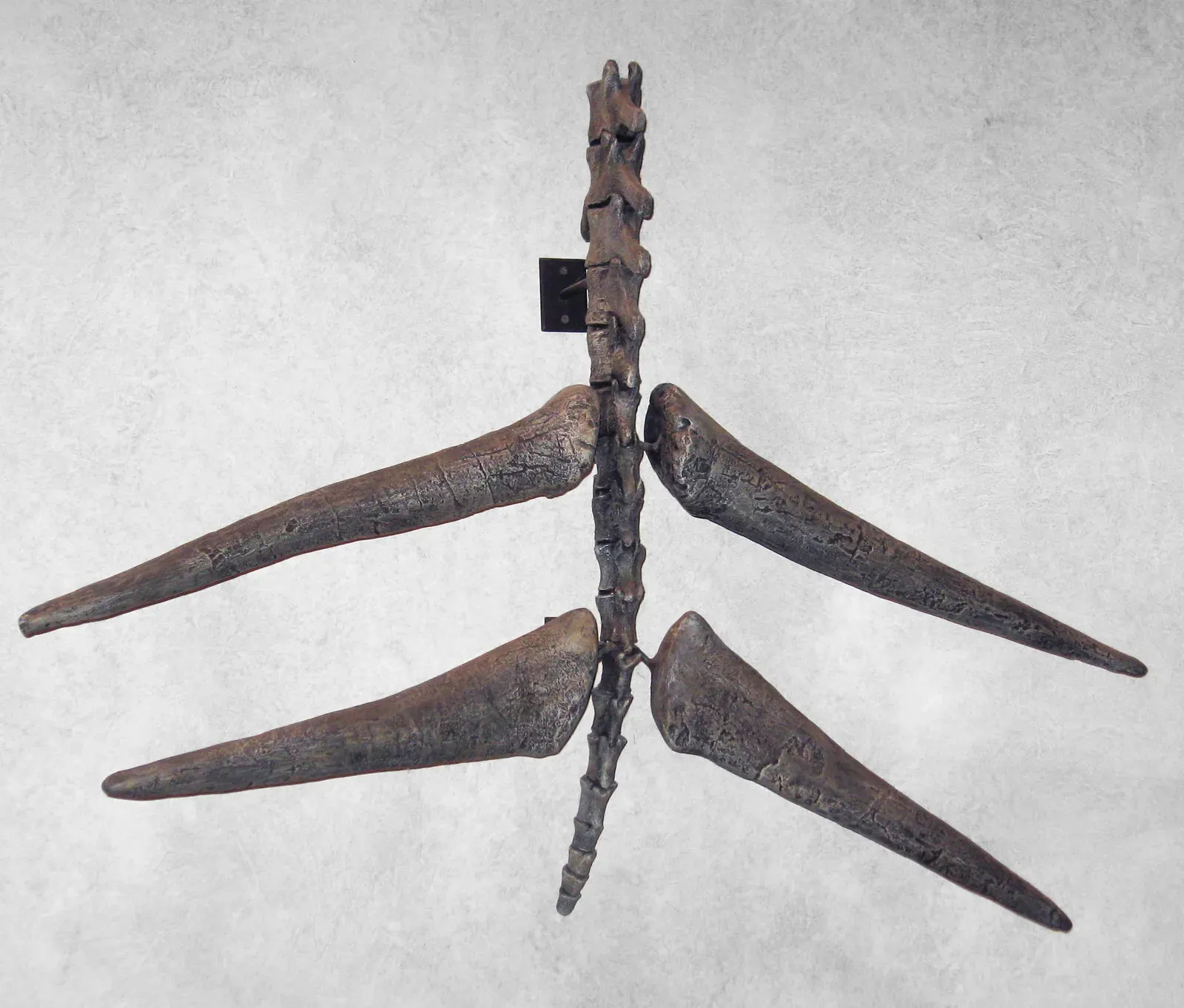
The four long spikes at the end of Stegosaurus’s tail look gnarly, and fossil evidence backs up the idea that they were not just for show. Some Stegosaurus tail spikes show signs of damage and healing, which many researchers interpret as the scars of combat or defense. There are even fossilized dinosaur bones from predators that appear to bear puncture wounds matching the size and shape you would expect from a stegosaur tail spike. In other words, that tail was not a passive ornament – it was a dangerous tool.
Biomechanical studies suggest Stegosaurus could swing its tail with surprising force, especially if it pivoted its hips and used the whole rear body as a lever. Even if it moved slowly while walking, a sideways whip of that tail could have been fast and brutal. I think the tail weapon is one of the most underrated aspects of this dinosaur. People fixate on the plates, but the true last line of defense was that living mace at the back, perfectly positioned to face down anything foolish enough to approach from behind.
6. Stegosaurus Likely Walked With a Strong Hip-High Posture, Not Dragging and Slouchy
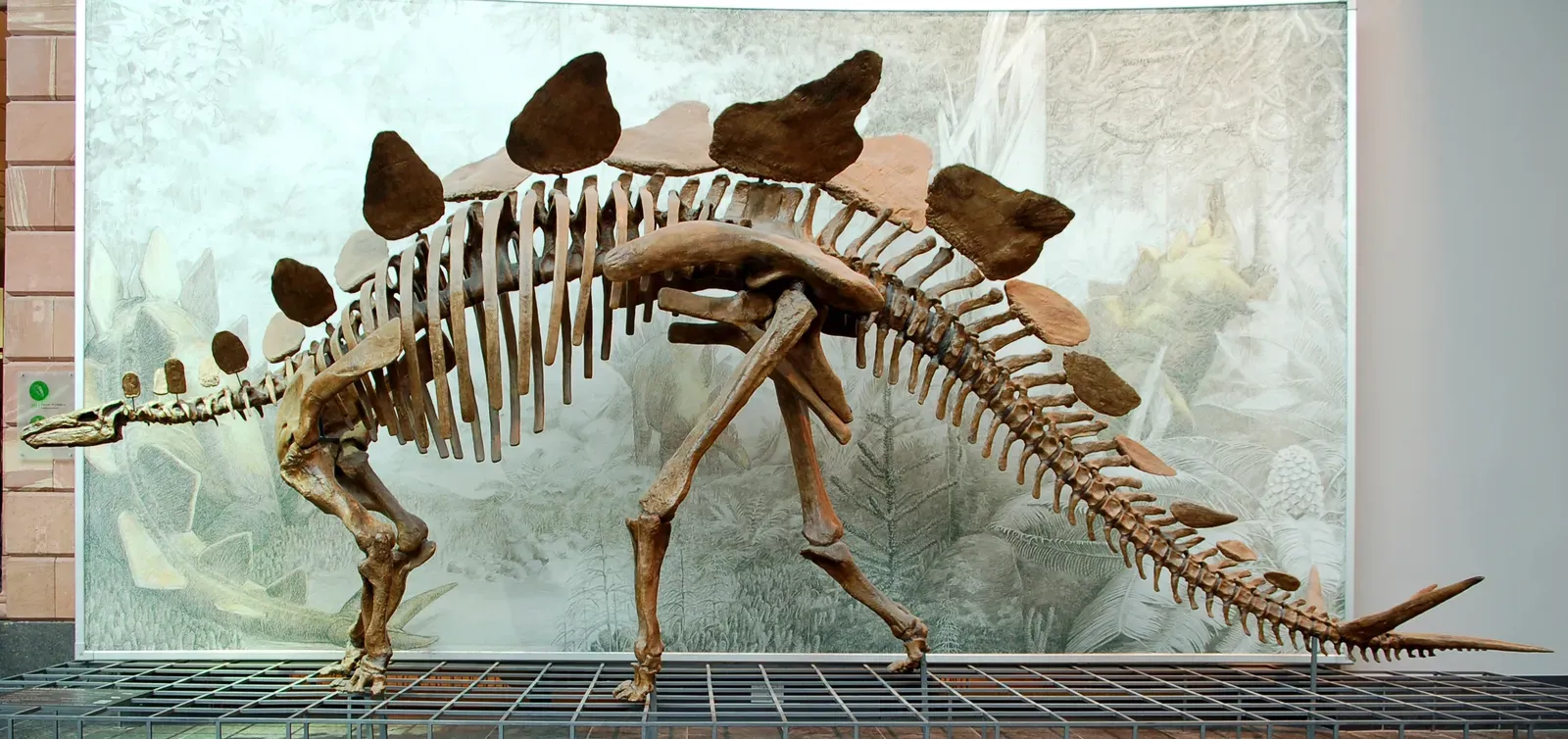
Old museum mounts used to show Stegosaurus in a very low, almost sagging pose, with its tail dragging along the ground like a heavy rope. Newer research on limb bones, joint mobility, and trackways has flipped that picture. The evidence now supports a more elevated stance, with the tail held off the ground and the hips relatively high compared to the shoulders. Instead of a droopy, tired-looking dinosaur, think of a slow but purposeful tank rolling forward, with the back arched and plates rising like a sail.
This posture matters because it changes how we imagine Stegosaurus moving and living. A lifted tail and more dynamic body position would have given it better balance and perhaps more agility than once thought, at least for short bursts. It also means those tail spikes were perfectly positioned to swing in a broad arc behind the animal, free of ground clutter. To me, this upgraded posture feels like Stegosaurus reclaiming a bit of dignity from decades of slouched, tail-dragging museum skeletons.
7. Its Mouth and Teeth Reveal a Surprisingly Selective Plant Diet
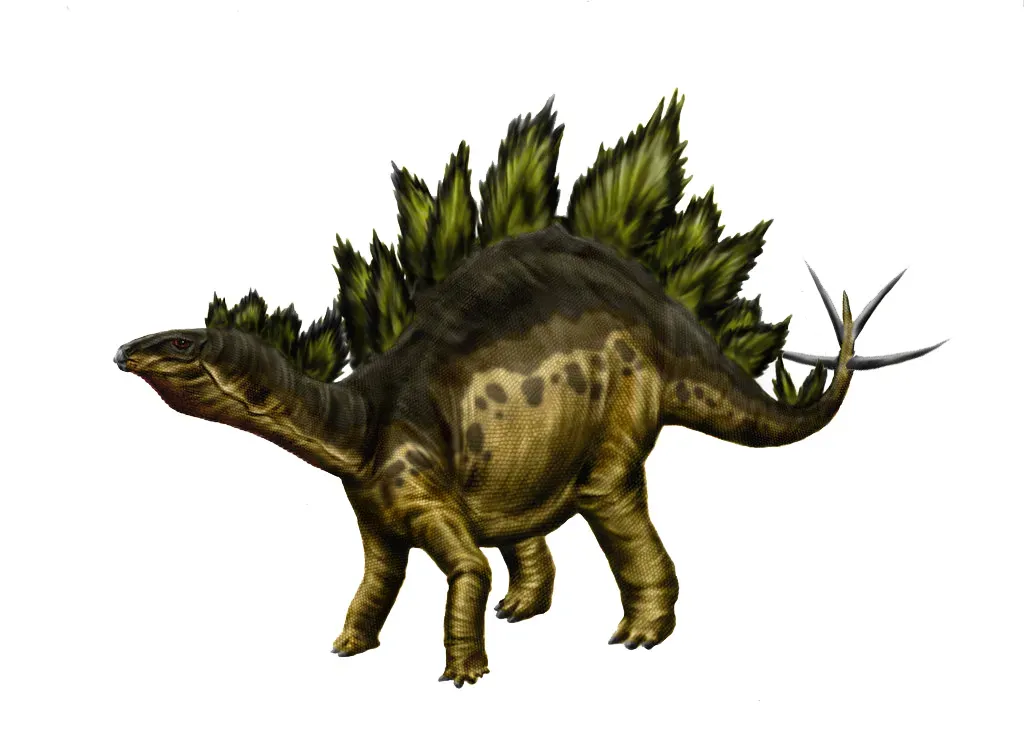
At a glance, Stegosaurus looks like the kind of dinosaur that would just bulldoze through vegetation and eat whatever it could reach. But when you zoom in on the skull and teeth, a more selective feeder appears. Its teeth were relatively small, leaf-shaped, and not great at heavy grinding. Combined with the shape of its snout and jaws, this suggests it was plucking and cropping softer plant material rather than chewing tough, woody branches into pulp. It was more of a careful browser than a living lawnmower.
Because it lacked the complex chewing surfaces of some later herbivores, Stegosaurus probably relied heavily on its gut to break down food. That might mean large fermentation chambers and a slow, steady digestion process, a bit like modern animals that live on high-fiber diets. I like to imagine it carefully choosing ferns, low shrubs, and tender plant parts instead of mindlessly stripping entire trees. It was not just a big, armored stomach on legs; it likely had at least some preferences about what counted as a good meal.
8. Juvenile Stegosaurs Were Not Just Mini Adults – their Armor Changed as They Grew
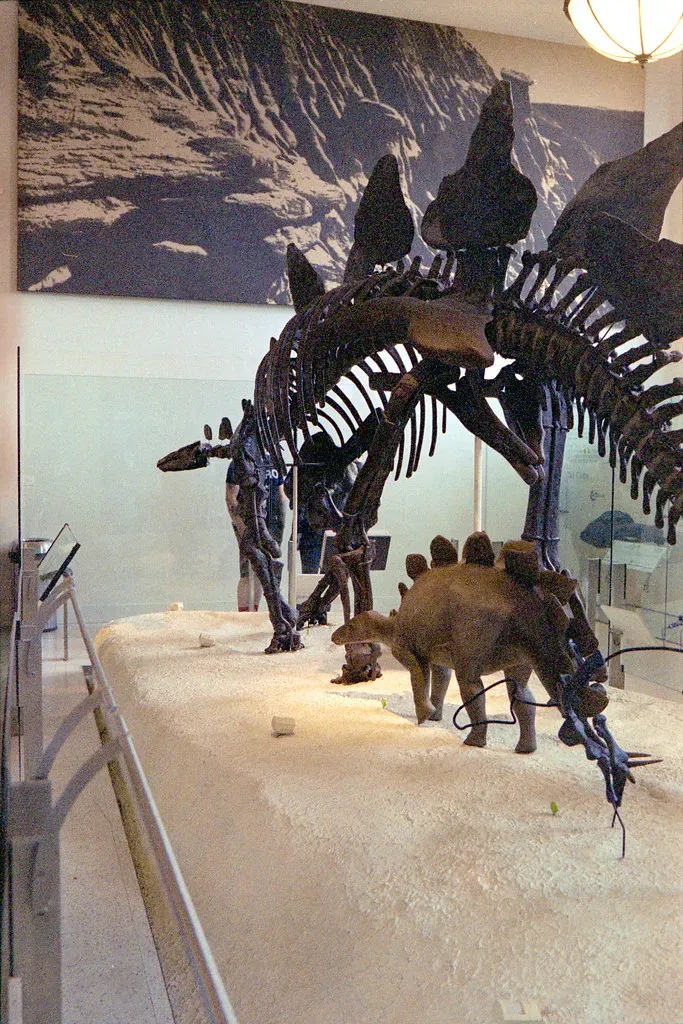
One of the coolest shifts in recent years is the focus on dinosaur growth and life stages, and Stegosaurus is no exception. Juvenile stegosaurs show differences in plate and spike shape compared to adults, hinting that their armor developed and transformed as they matured. Younger individuals may have had smaller, less dramatic plates that only later expanded and reshaped into the large, showy structures we associate with full-grown animals. That suggests the plates were not purely defensive; if they mattered most in adulthood, social or sexual display feels like a strong piece of the puzzle.
Growth changes also raise questions about how young stegosaurs behaved. If their armor was less impressive early on, they might have relied more on hiding, group protection, or staying close to larger adults. Some researchers suspect that dinosaurs like Stegosaurus went through distinct “lifestyle phases” across their lives, shifting from vulnerable juveniles to heavily armed, visually imposing adults. It makes the animal feel more real to me, less like a static statue and more like a creature whose body told a constantly changing story as it aged.
9. Stegosaurus Lived Alongside Huge Predators, but Its Fossils Are Surprisingly Rare
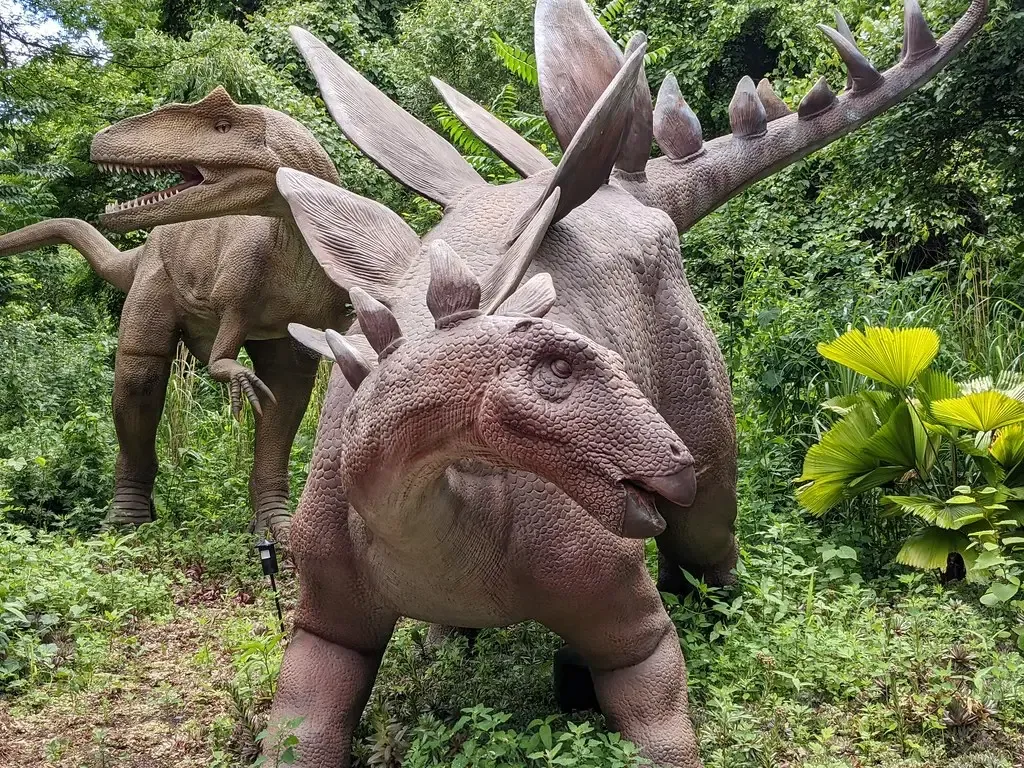
Stegosaurus roamed parts of what is now western North America during the Late Jurassic, sharing the landscape with some very serious meat-eaters, including massive theropods. Despite that dramatic cast of characters, Stegosaurus fossils themselves are not nearly as common as you might expect for such a famous dinosaur. In some rock formations, the bones of large carnivores and other herbivores show up more regularly, while stegosaurs remain scattered and patchy. That uneven record makes it harder to answer basic questions about their population size, social behavior, and exact habitat preferences.
The rarity of good skeletons is one reason why paleontologists still argue about details like plate arrangement, color, and subtle aspects of posture. Every new specimen has the potential to overturn some long-held assumption because the dataset is still small compared to other dinosaurs. Personally, I find that scarcity adds a bit of mystery to Stegosaurus. It is world-famous in art and media but genuinely underrepresented in the rocks, which means a single new discovery can still shake things up in ways that are honestly thrilling.
10. Despite All the Research, Stegosaurus Still Refuses to Fit in a Simple Box
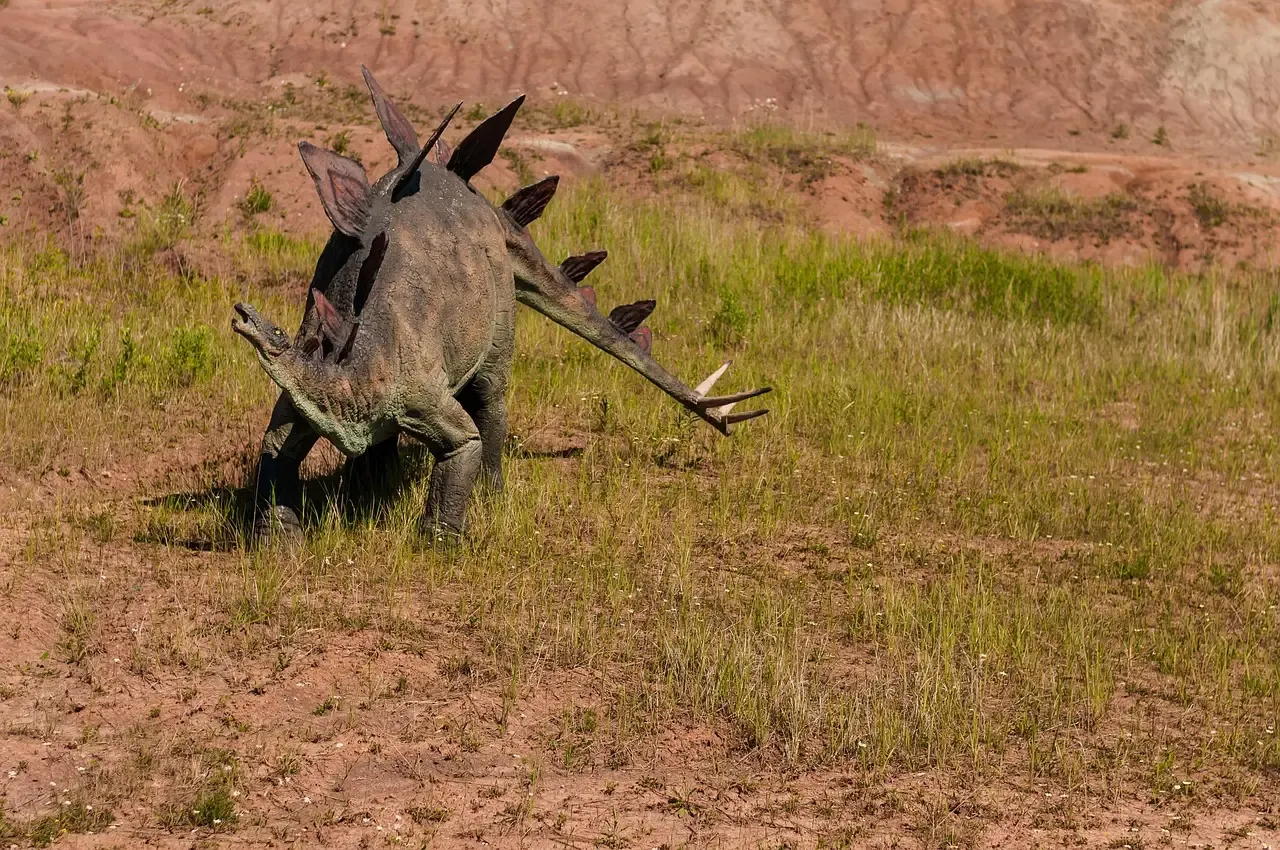
For an animal discovered in the nineteenth century and plastered across decades of dinosaur books, Stegosaurus remains surprisingly slippery when scientists try to sum it up. Was it primarily a walking billboard, flashing its plates at rivals and potential mates? A low-slung tank investing most of its evolutionary budget in tail weapons and armor? A slow but surprisingly nuanced browser shaping its environment in subtle ways? The truth is probably a messy blend of all these roles, and paleontologists are still sorting out the proportions.
What I love is how Stegosaurus quietly exposes our habit of wanting neat labels: dumb, armored, peaceful, slow. The more data scientists collect – from bone microstructure to digital reconstructions – the more complex and specific the story becomes, and the less those simple categories really work. To me, that is the real lesson hidden in this iconic dinosaur. Even the creatures we think we know best can surprise us if we are willing to admit what we do not know and let new evidence nudge us out of our comfort zones. When you picture Stegosaurus now, do you still see a plodding background extra, or something stranger and more impressive than you expected?