Imagine walking through a dense forest where every fallen tree since the dawn of that ecosystem is still lying there, perfectly preserved, stacked layer upon layer like a geological library of dead trunks. No fungi silently recycling the debris, no insects chewing through bark, no microbes turning timber into soil. For tens of millions of years in Earth’s deep past, that surreal scene was not science fiction; it was reality.
This strange chapter in planetary history reshaped the atmosphere, locked away unimaginable amounts of carbon, and literally built the coal seams that power (and now threaten) our modern world. When you trace the story of how life learned to eat wood, you end up with a tale that links fossil forests, global climate shifts, mass extinctions, and even the electricity running through your phone right now. Let’s walk through that alien forest and see what was really going on.
The Moment Wood Appeared: Plants Invent a Superpower
Here’s the wild twist: for a long time, there was no such thing as wood at all. Early land plants were small, simple, and low to the ground, more like mossy carpets than towering trees, lacking the rigid internal scaffolding to grow skyward. Then, during the Devonian Period, plants evolved lignin, the tough, complex polymer that stiffens their cell walls and turns flimsy stalks into fully fledged wood.
Lignin was basically a biological superpower. With it, plants could stretch taller, build trunks, and pump water and nutrients much higher off the ground, grabbing more sunlight than their shorter neighbors. That single evolutionary innovation unlocked the first true forests, with tree-like plants forming dense, shaded canopies. But there was a catch: while life had just figured out how to make wood, nothing yet knew how to unmake it.
Why Wood Was Almost Indestructible for Tens of Millions of Years
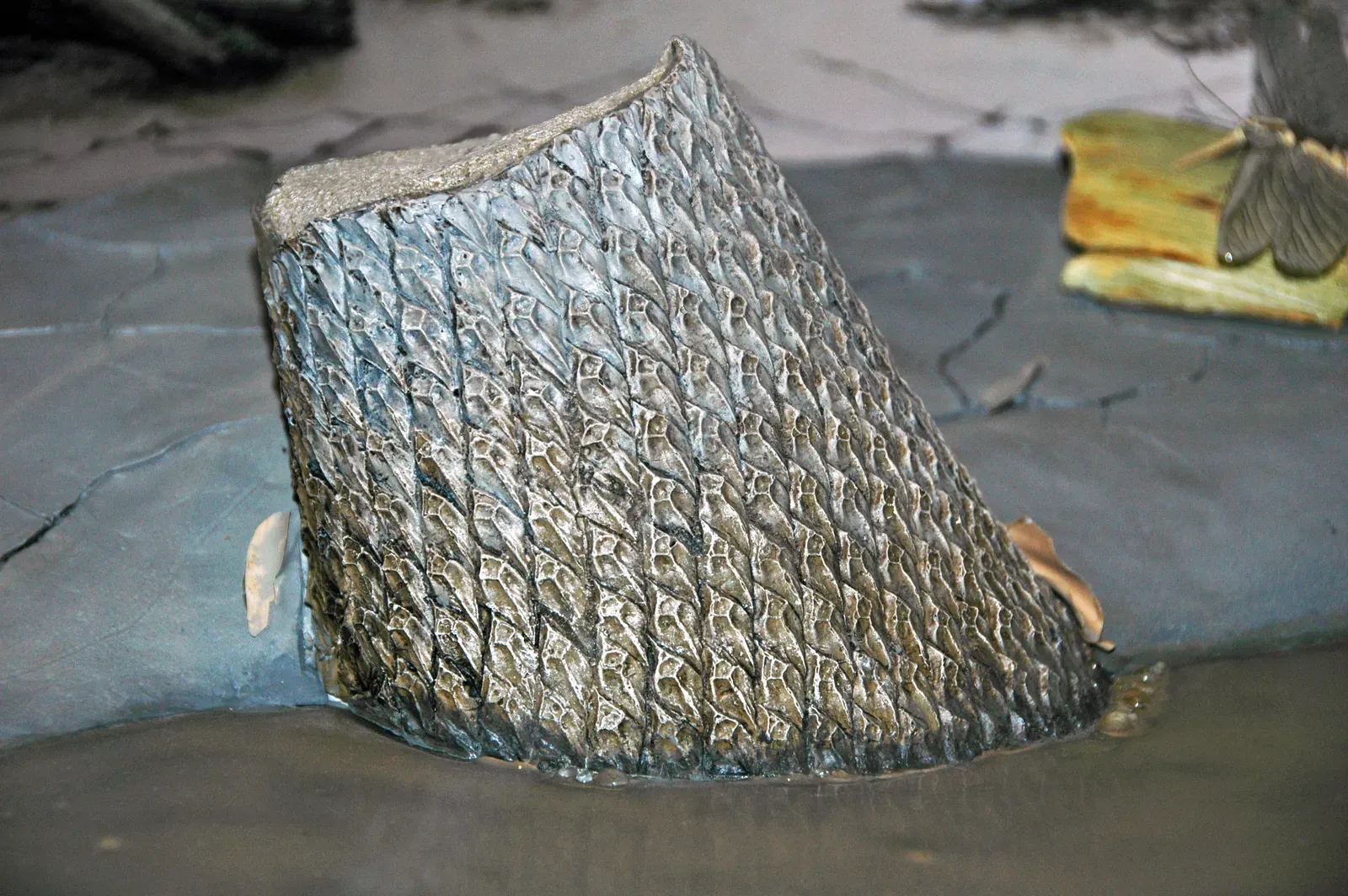
If you have ever tried to burn wet firewood or chop through a knotty old log, you already know wood is stubborn stuff. Lignin is one of the most chemically complex and resistant materials that living things produce; it is tangled, irregular, and hard for enzymes to grip and dismantle. In the early forests, that complexity made wood practically immortal on human timescales, because the biological toolkit to break it down simply did not exist yet.
For something to evolve the ability to digest wood, there needed to be generations of organisms trying and failing, slowly stumbling toward the right biochemical tricks. But evolution is not a design team working from a blueprint; it is more like countless blind tinkerers changing tiny things at random, keeping whatever works. For roughly about sixty million years, nothing hit on the right combination, so fallen trees stayed more or less intact instead of being recycled back into the carbon cycle.
Planet of the Dead Trees: How Forest Floors Turned into Log Jams
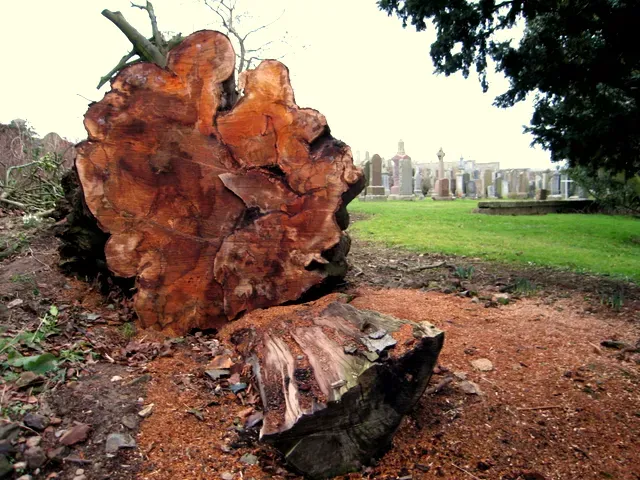
Now picture the forest floor under those early coal-age trees. Without fungi and other organisms able to chew through lignin, dead trunks did not rot in the way we think of rotting today. Instead, they accumulated. Trees toppled in storms, shed branches, and died of old age, but instead of vanishing into soil, they created tangled thickets of dead wood, sometimes burying earlier layers as new forests grew on top of old ones.
Over time, sediments such as mud and sand washed in between these layers of timber, and the weight of additional material compressed everything further. It is a bit like dropping books into a shallow pool for millions of years while more books and silt pile on top. The result was an astonishing buildup of organic material that had not been properly decomposed, setting the stage for something that would define an entire era: massive coal formation.
Coal Swamps and the Great Carbon Lock‑Up
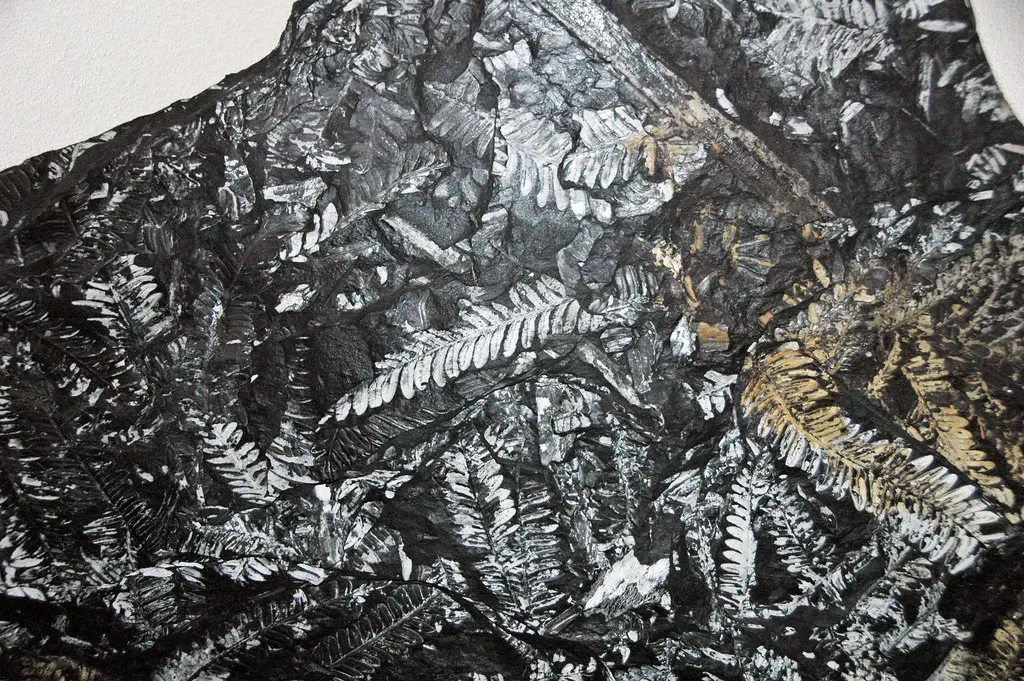
The late Paleozoic world, especially during the Carboniferous Period, was dominated by lush tropical wetlands often called coal swamps. These were vast low-lying regions where trees and giant fern-like plants grew densely in waterlogged conditions. When plants fell into these swamps, the lack of oxygen slowed microbial decay, and combined with the absence of true wood decomposers, a huge amount of plant matter ended up buried instead of recycled.
As more sediment piled up, pressure and heat transformed these enormous mats of dead wood and other plant material into coal seams, some of which extend for hundreds of kilometers and are tens of meters thick. In effect, Earth was taking carbon dioxide from the air via photosynthesis and then hiding that carbon underground in a vault of compressed forest. This long wood-locking phase helped draw down atmospheric carbon dioxide and likely influenced global climate, contributing to cooler conditions and even glaciations later on.
When Fungi Finally Cracked the Code of Wood
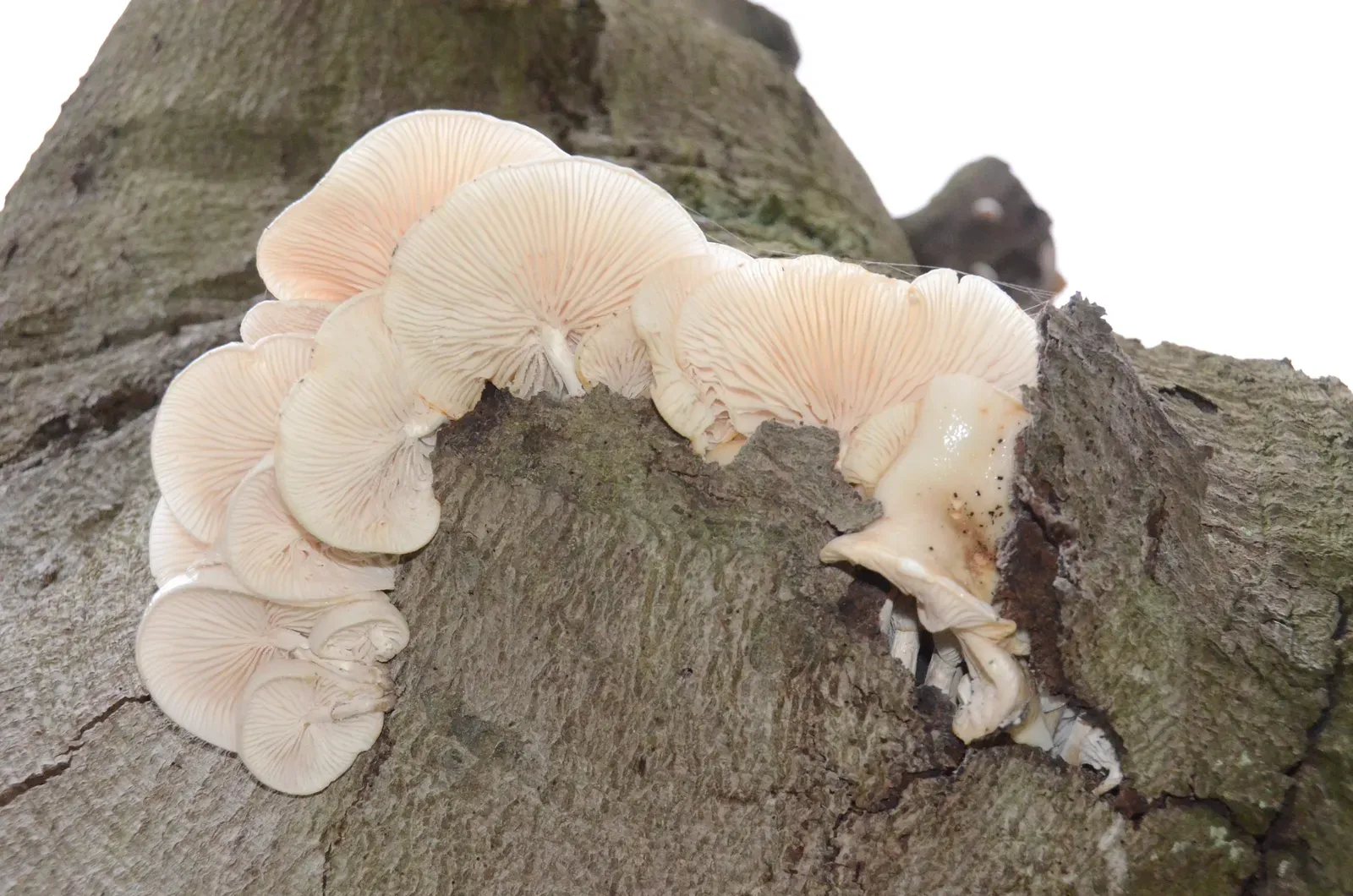
Eventually, evolution caught up. Sometime after those early coal-age forests had been piling up their dead for tens of millions of years, certain fungi – especially the ancestors of modern white-rot fungi – evolved enzymes capable of attacking lignin. These enzymes are incredibly powerful oxidative tools, able to slice apart the tangled, irregular bonds that make lignin such a nightmare to break down. Once fungi could do this, wood was no longer safe.
The rise of lignin-destroying fungi was like introducing a demolition crew into a city made entirely of concrete that had never been broken before. Fallen trees that would once have lasted almost indefinitely started to decay much more completely, releasing their stored carbon back into the atmosphere. From that point on, the balance shifted: instead of dead wood routinely being buried and turned into coal, a much greater share was recycled through decomposition, dramatically changing Earth’s long-term carbon and nutrient cycles.
I find this moment strangely humbling. A quiet, almost invisible organism – the kind of fungus you would barely notice on a hiking trail – ended up reshaping the planet’s energy budget in a way we still feel today. It is a reminder that the most world-changing innovations do not always belong to big, flashy creatures.
How This Ancient Wood Story Powers Our Modern World
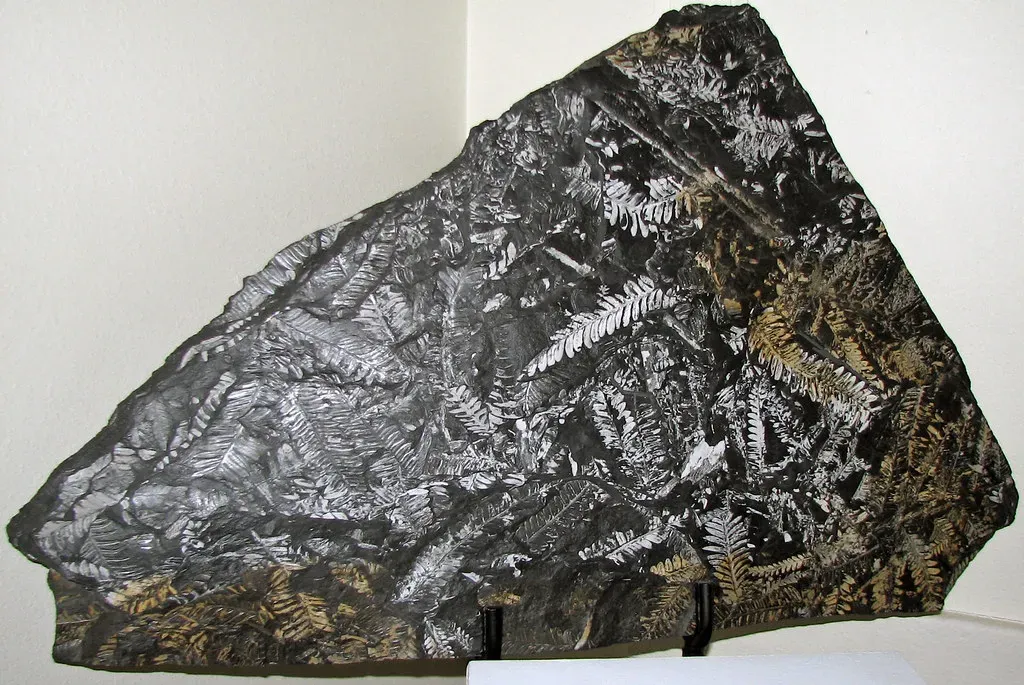
Fast-forward to the industrial age, and humanity begins mining those ancient buried forests at a furious pace. The coal that fueled steam engines, steel production, and early electricity grids is essentially the compressed memory of that time when no creature could properly digest wood. Every shovel of coal and every trainload burned is us tapping into a gigantic backlog of solar energy captured hundreds of millions of years ago and never returned to the air – until now.
That is where the story turns from fascinating to unsettling. By burning these prehistoric forests in just a few centuries, we are releasing carbon that was locked away over unimaginably long stretches of time, contributing to a rapid rise in atmospheric carbon dioxide and accelerating climate change. It is bizarre to realize that a sixty‑million‑year delay in the evolution of wood-decaying organisms helped create the fossil fuels that now threaten the stability of the climate that allowed our own civilization to flourish.
Rethinking “Waste”: What Dead Trees Teach Us About Recycling and Resilience
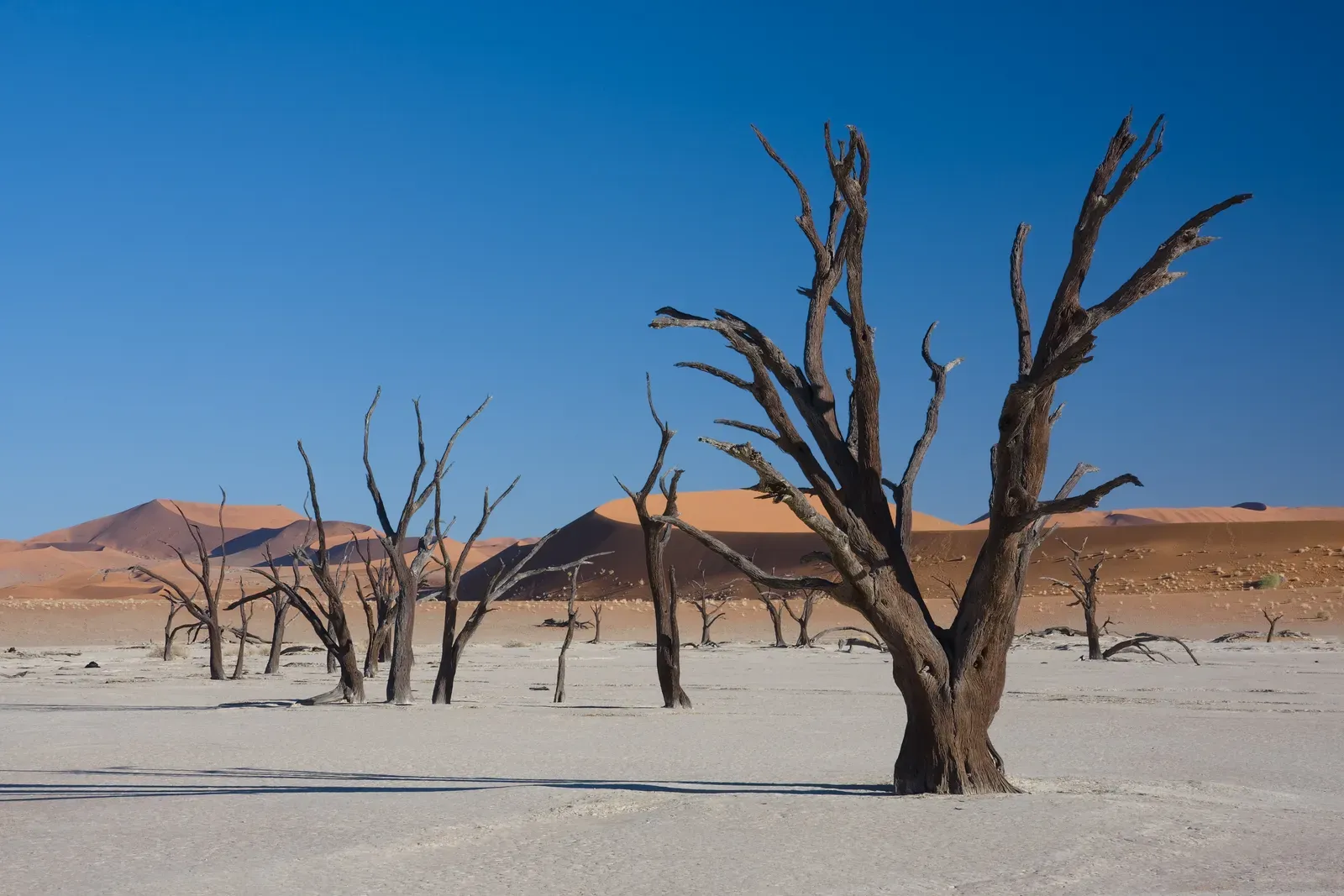
There is something almost poetic about those stacked prehistoric logs: they show what happens when an ecosystem invents a new material but not the recycling system to go with it. For tens of millions of years, wood was basically a one-way street – plants made it, forests stored it, and the planet had few ways to break it down. Only later did evolution bolt on the composting crew that could close the loop and keep materials moving.
In a way, our modern plastics, synthetic chemicals, and long-lived industrial materials are repeating the same pattern. We are very good at inventing new stuff, and much slower at inventing ways to safely decompose, reuse, or permanently store it. Looking at those coal swamps, I cannot help thinking that we are living through our own version of the “pre-fungus” era, and the real test is whether we can design our own equivalents of lignin-busting enzymes before the buildup of waste and carbon forces a much rougher reset.
Conclusion: A Planet Haunted by Its Own Forests
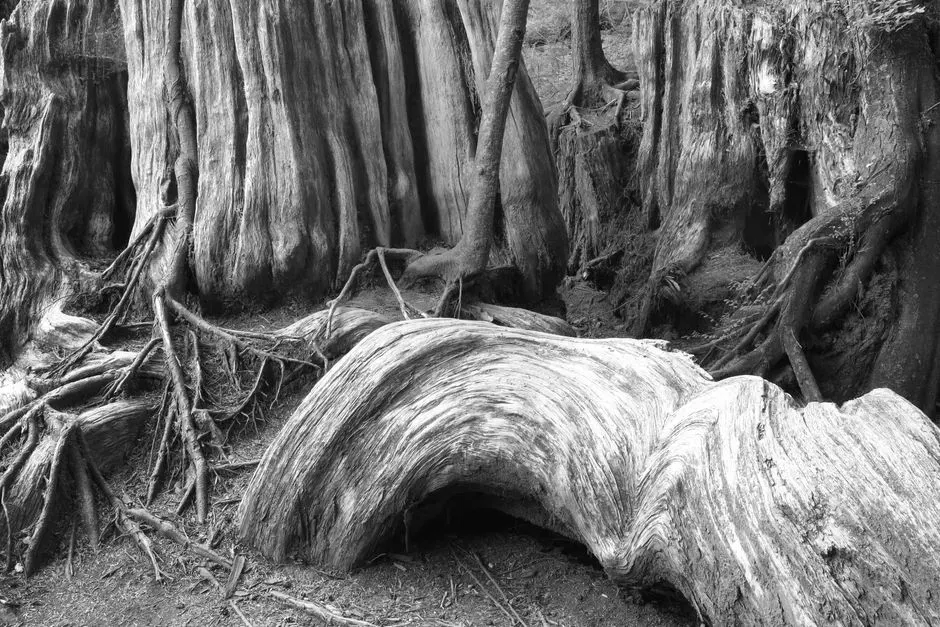
I think the most striking part of this story is how quietly it connects everything: ancient swamps, strange fungi, the coal in the ground, the smoke in the sky, and even the electricity humming through modern cities. For roughly about sixty million years, Earth was haunted by its own forests, unable to recycle what it had so triumphantly created. That haunting left behind an energy fortune we have been spending recklessly, with very little thought for the planetary bookkeeping.
In my view, the lesson is blunt: when life changes the rules of the game – by inventing wood, or by learning to break it down, or by digging up buried carbon – there are planetary consequences that echo for hundreds of millions of years. We are not separate from that story; we are the latest twist in it, and right now we are playing the part of the fungus that went too far. The real question is whether we can learn to live on current sunlight again, instead of raiding the savings account of ancient forests. When you look at a tree today, can you see it not just as a living thing, but as a reminder of how easily we can lose control of the cycles that keep our world stable?