Imagine walking through a swampy forest where dragonflies have wings as wide as your arms stretched out, where every step crushes knee‑high ferns, and where a single lightning strike can turn an entire landscape into a roaring inferno. That was Earth during the Carboniferous Period, roughly about three hundred and fifty to three hundred million years ago, when oxygen levels in the atmosphere were so high that life played by a very different set of rules. The world would have looked familiar in some ways – green, wet, full of plants – but the details would have felt completely alien.
This was the age when insects pushed the limits of size, forests built the coal that powers much of modern industry, and fire behaved in ways we would find terrifying. It is a deeply strange chapter of Earth’s history, and yet it quietly shapes our lives every time we flip a light switch or fuel a car. Let’s unpack how supercharged oxygen, giant bugs, and runaway fires turned the Carboniferous into one of the wildest periods our planet has ever seen.
Oxygen on Steroids: A Planet That Breathed Too Much
During the late Carboniferous, Earth’s atmosphere held far more oxygen than it does today – likely around one and a half times or even a bit more than modern levels. To put it simply, if today’s air is a normal‑strength coffee, Carboniferous air was the extra‑strong double shot that leaves your hands shaking. This oxygen boost changed nearly everything about how life worked, from how big creatures could grow to how easily things burned.
Why did oxygen spike so high? Vast swamp forests were sucking up carbon dioxide through photosynthesis and then burying it when plants died and got locked away as peat and, eventually, coal. With less carbon dioxide cycling back into the air and so much plant activity, oxygen kept building up. Over millions of years, this shifted Earth’s atmosphere into a state that would feel almost supercharged to any creature living today.
Giant Insects: When Bugs Pushed the Limits of Size
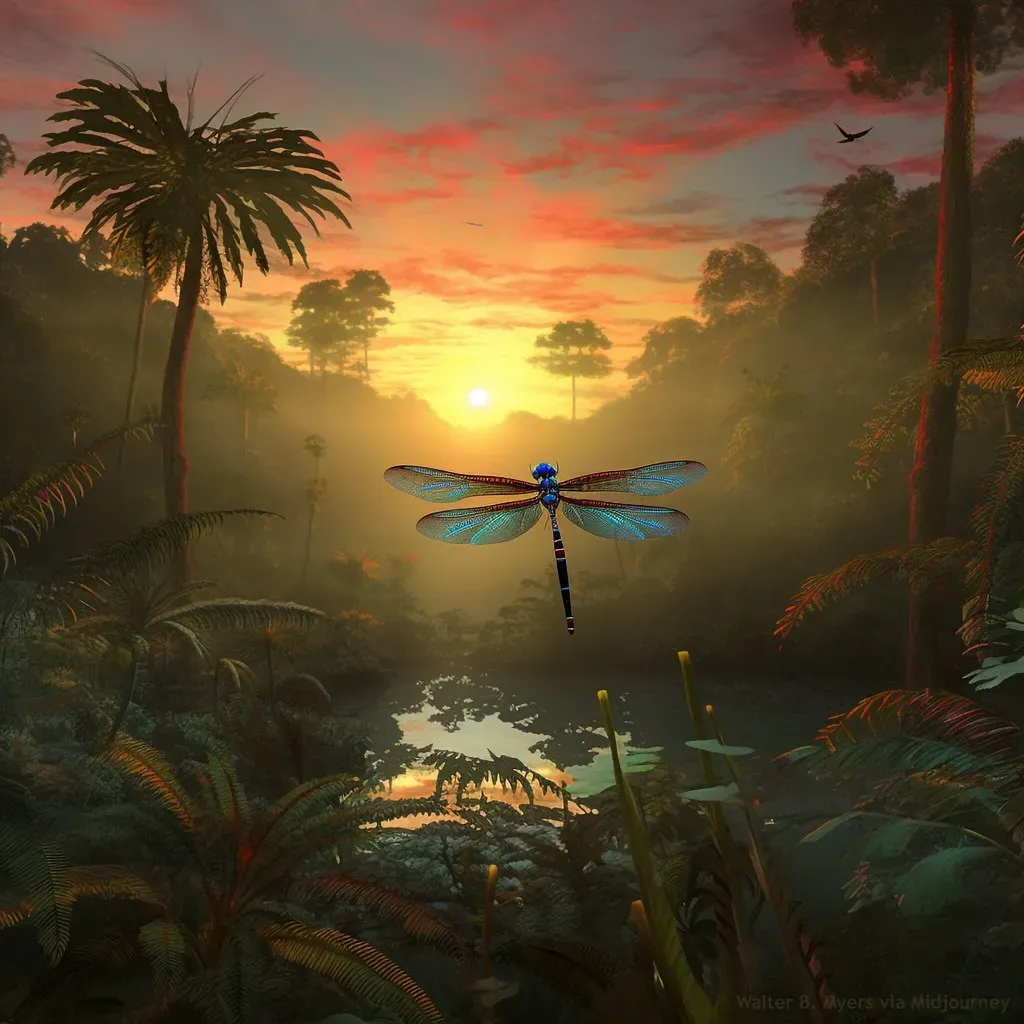
The star celebrities of Carboniferous weirdness are the giant insects. Think dragonflies like Meganeura with wingspans comparable to small birds of prey and millipede‑like arthropods longer than a person is tall. These were not just slightly oversized versions of modern insects; they were megafauna in their own right, dominating the air and undergrowth of ancient forests.
Insects breathe through a network of tiny tubes called tracheae, which rely on oxygen diffusing directly through their bodies rather than being pumped by lungs as in vertebrates. High atmospheric oxygen made that diffusion process far more efficient, allowing oxygen to reach deeper tissues in larger bodies. Once the air was loaded with oxygen, the normal size limits on insects relaxed, and evolution happily experimented with larger and larger designs. In my opinion, if you dislike mosquitoes now, you would absolutely hate the Carboniferous sky.
Fire in a Super‑Oxygen World: Forests That Wanted to Burn
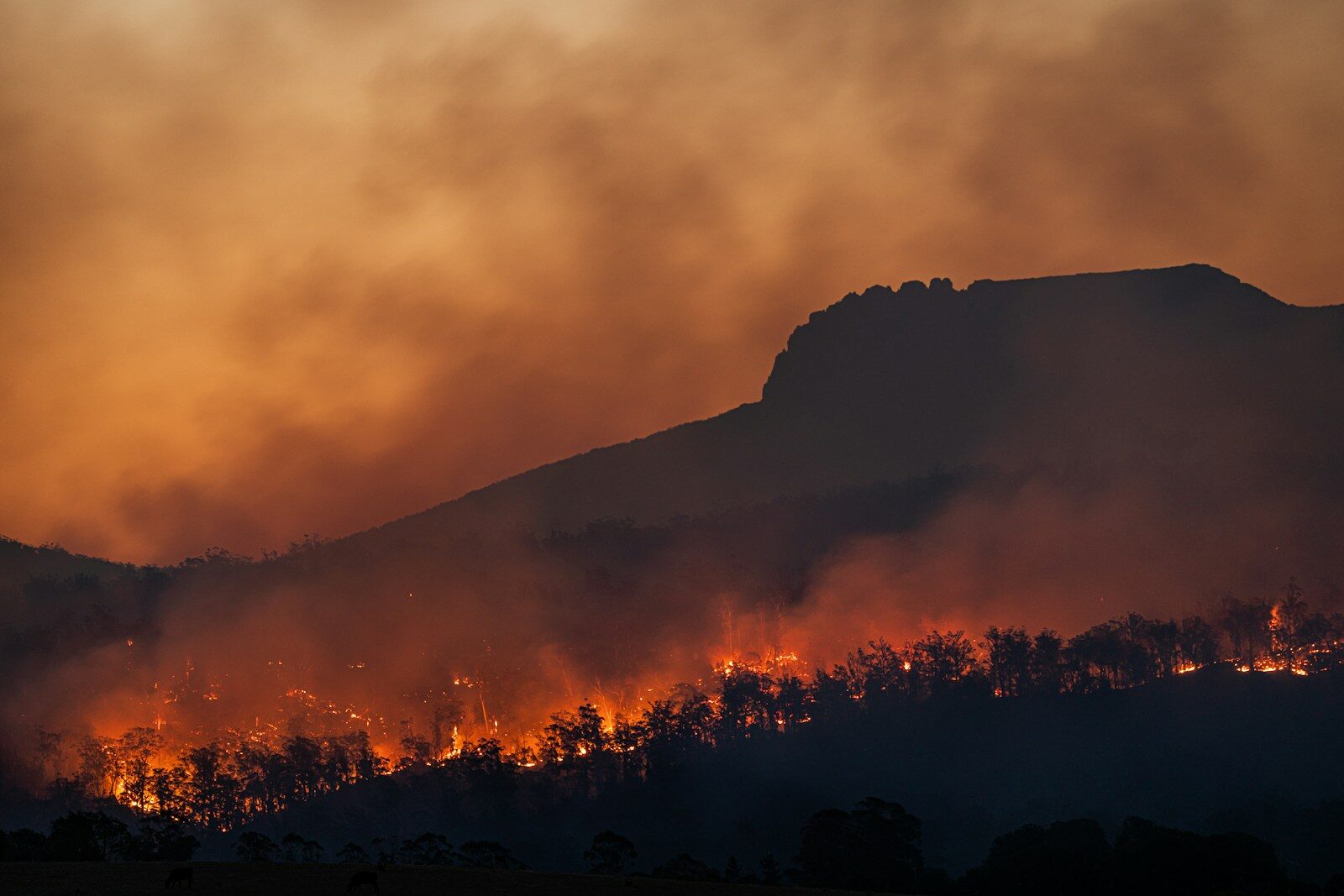
High oxygen does not just change how things breathe – it transforms how they burn. In a Carboniferous forest, dead plant matter piled up in thick, carbon‑rich layers, and the supercharged air meant that once a fire started, it could spread with frightening intensity. Even damp vegetation, which today might smolder or resist ignition, could sustain more energetic flames when the oxygen content of the air was pushed so high.
Wildfires likely behaved very differently from what we are used to seeing. Flames may have been taller, more energetic, and capable of leaping through the canopy with relative ease, more like a torch dipped in pure oxygen than a typical forest blaze today. The balance between lush growth and catastrophic burning formed a kind of natural feedback loop: fires cleared out biomass, influenced which plants dominated, and helped shape the patchwork of Carboniferous ecosystems across continents.
Coal Swamps: The Ancient Factories That Built Our Fossil Fuels
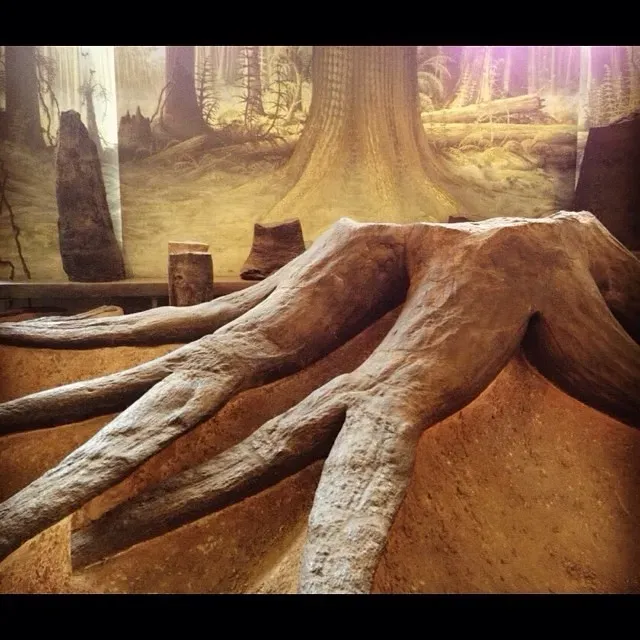
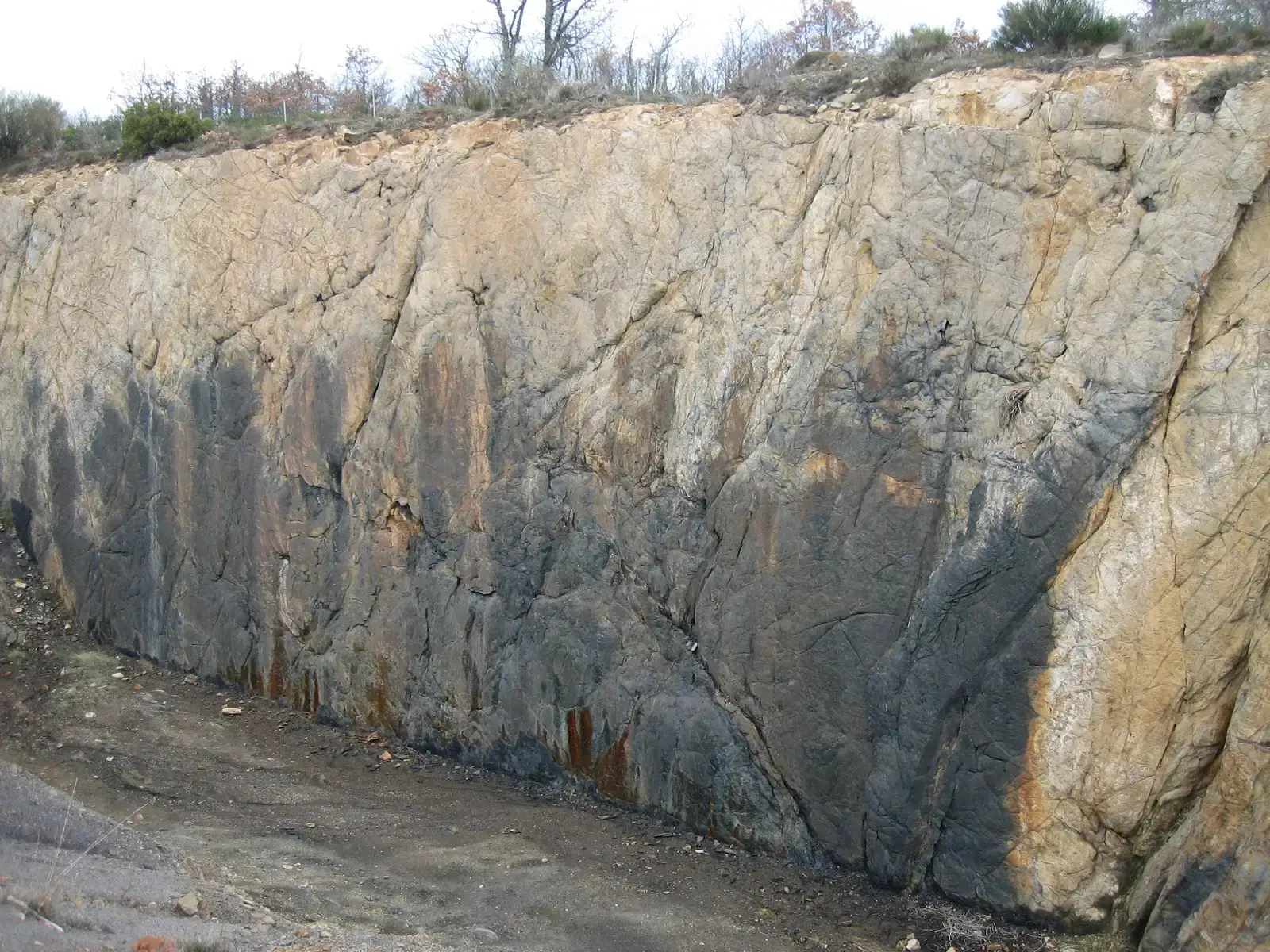
When you hear “Carboniferous,” think “carbon factory.” Gigantic, dense swamp forests covered large parts of the continents, filled with tree‑like lycophytes, horsetails, and early seed plants. When these plants died, they fell into waterlogged, low‑oxygen environments where decay was slow. Over millions of years, their remains were buried, compressed, and eventually transformed into the coal seams that humans began to mine on a large scale in the last few centuries.
This burial of carbon did not just create future fuel; it actively reshaped the atmosphere at the time. Locking away so much organic carbon helped drive up oxygen as plants continued to photosynthesize but less carbon dioxide was returned to the air. Ironically, the very processes that made oxygen levels soar and fueled giant insects also set the stage for modern industry and climate issues. Every time we burn coal, we are essentially unpacking a Carboniferous time capsule and putting that ancient carbon back into the sky.
Life Under a Strange Sky: Ecosystems on the Edge of the Possible
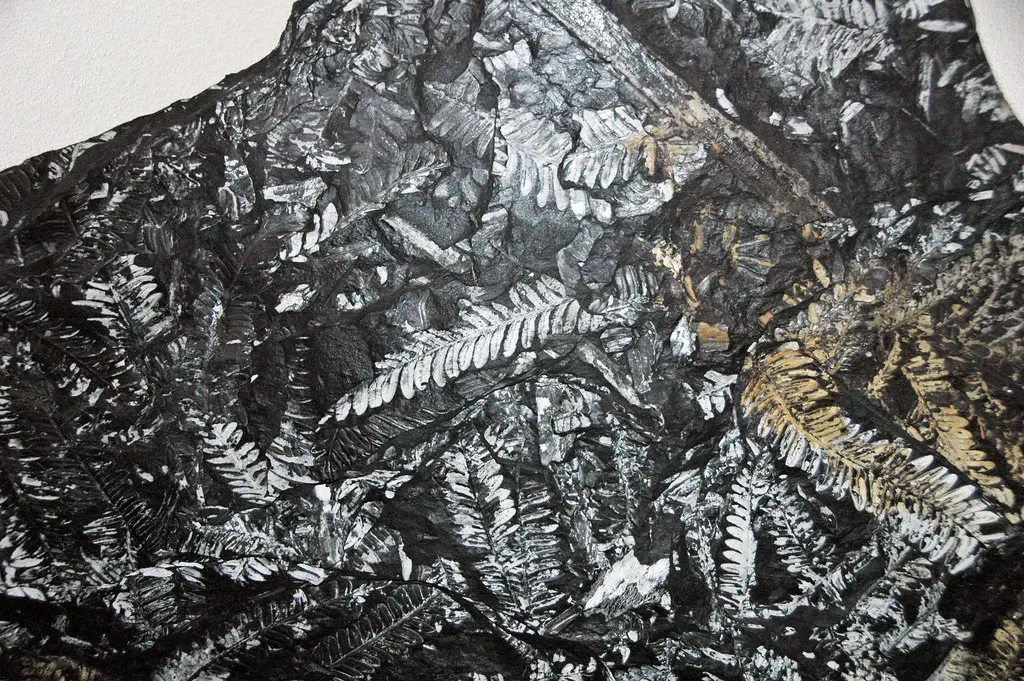
Under this oxygen‑rich sky, ecosystems operated in a way that might feel both lush and precarious. Forests were dense and towering, with strange, spiky trunks, broad fronds, and few flowers, since flowering plants had not yet evolved. The ground would have been spongy with plant matter, buzzing with arthropods of all sizes, and occasionally stalked by early amphibians and reptile‑like creatures that were just beginning to explore life fully on land.
At the same time, living in such an oxygen‑heavy world came with risks. High oxygen can increase metabolic rates and potentially make organisms more vulnerable to oxidative stress – essentially, chemical damage from too much reactive oxygen. While the details are still debated, it is likely that life in the Carboniferous constantly walked a tightrope between the advantages of abundant oxygen and its hidden costs. To me, that tension is part of what makes this period so fascinating: it shows evolution stretching to see how far it can go before the environment pushes back.
The Carboniferous Legacy: What This Alien Past Says About Our Future
The Carboniferous is not just a quirky episode with giant insects and strange fires; it is a warning and a mirror. Back then, the planet’s carbon cycle shifted dramatically as forests drew down carbon dioxide and buried it, changing climate and atmosphere on a huge scale. Today, we are doing the reverse in fast‑forward, pulling that locked‑away carbon back out and releasing it over just a few centuries instead of millions of years.
In my view, the most unsettling lesson from the Carboniferous is that Earth’s atmosphere is not fixed – it can swing into very different states when the carbon balance is pushed. Oxygen‑rich, fire‑prone worlds and greenhouse‑heavy, oxygen‑lower worlds are both possible outcomes of long‑term changes in how life and geology handle carbon. We might not see dragonflies the size of eagles or forests that combust like a match dipped in pure oxygen, but we are absolutely capable of reshaping the atmosphere in equally dramatic ways. The question is not whether the planet can change; it is whether we are ready to live with the consequences when it does.