You grew up thinking T. rex was just a giant, scaly movie monster that stomped around roaring at everything. But the real animal that walked the Earth about sixty‑six million years ago was weirder, more sophisticated, and in many ways more terrifying than the Hollywood version. When you look past the pop‑culture clichés, you find an apex predator fine‑tuned by evolution in ways your school textbooks barely hinted at.
As paleontologists keep reanalyzing old fossils with new technology, the T. rex you think you know keeps changing. Its bite, its skin, its senses, even how it grew up and interacted with others are being rewritten in real time. So if you still picture a lumbering, half‑blind lizard with an overhyped reputation, you’re in for some surprises.
1. You’re Dealing With the Strongest Bite of Any Known Land Animal
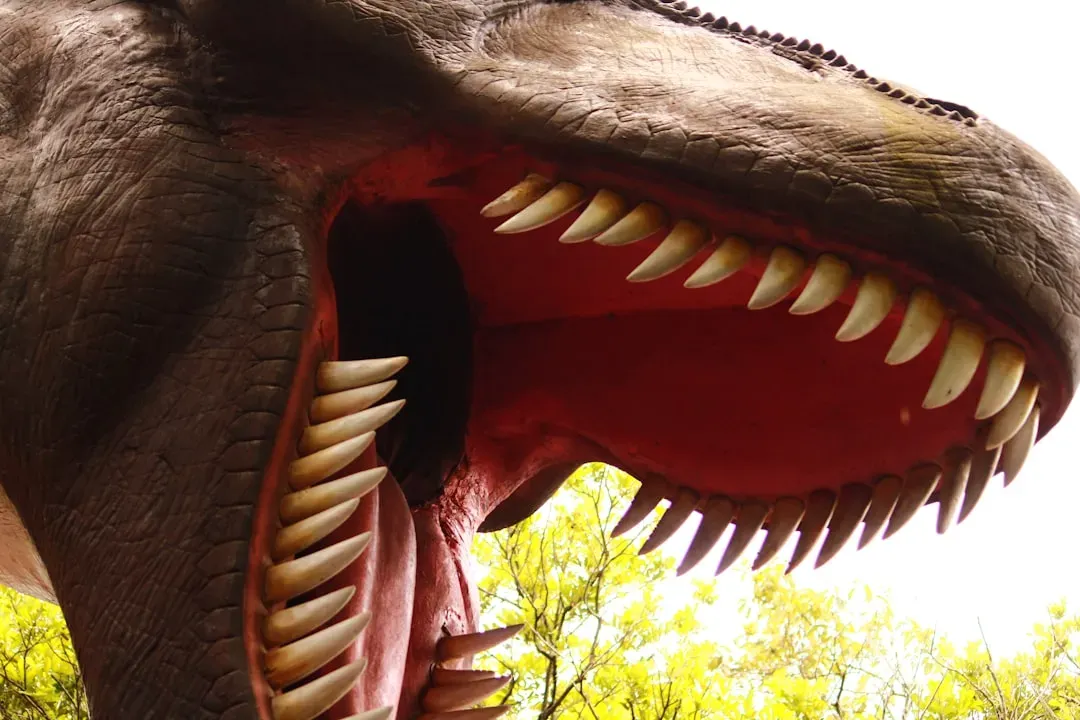
When you picture a T. rex bite, you probably imagine something strong, but your brain is almost certainly still underselling it. Studies that model the skull and jaw muscles suggest a mature T. rex could clamp down with several tons of force, enough to crush solid bone the way you might crack a peanut shell between your fingers. In comparisons with modern animals, you’re looking at a bite that outclasses lions, hyenas, and even crocodiles on land.
Researchers have found fossil bones from other dinosaurs that are not just marked but shattered and deeply punctured by T. rex teeth, and in some cases the tooth marks match known skulls closely. You are not just seeing a predator nibbling at soft tissue; you are looking at an animal literally engineered to pulverize its prey’s skeleton to get at the nutritious marrow inside. If you stood anywhere near that mouth, you would not just be ripped apart – you’d be processed like a living bone grinder.
2. You’re Looking at a Bone-Crusher, Not a Delicate Flesh-Slasher
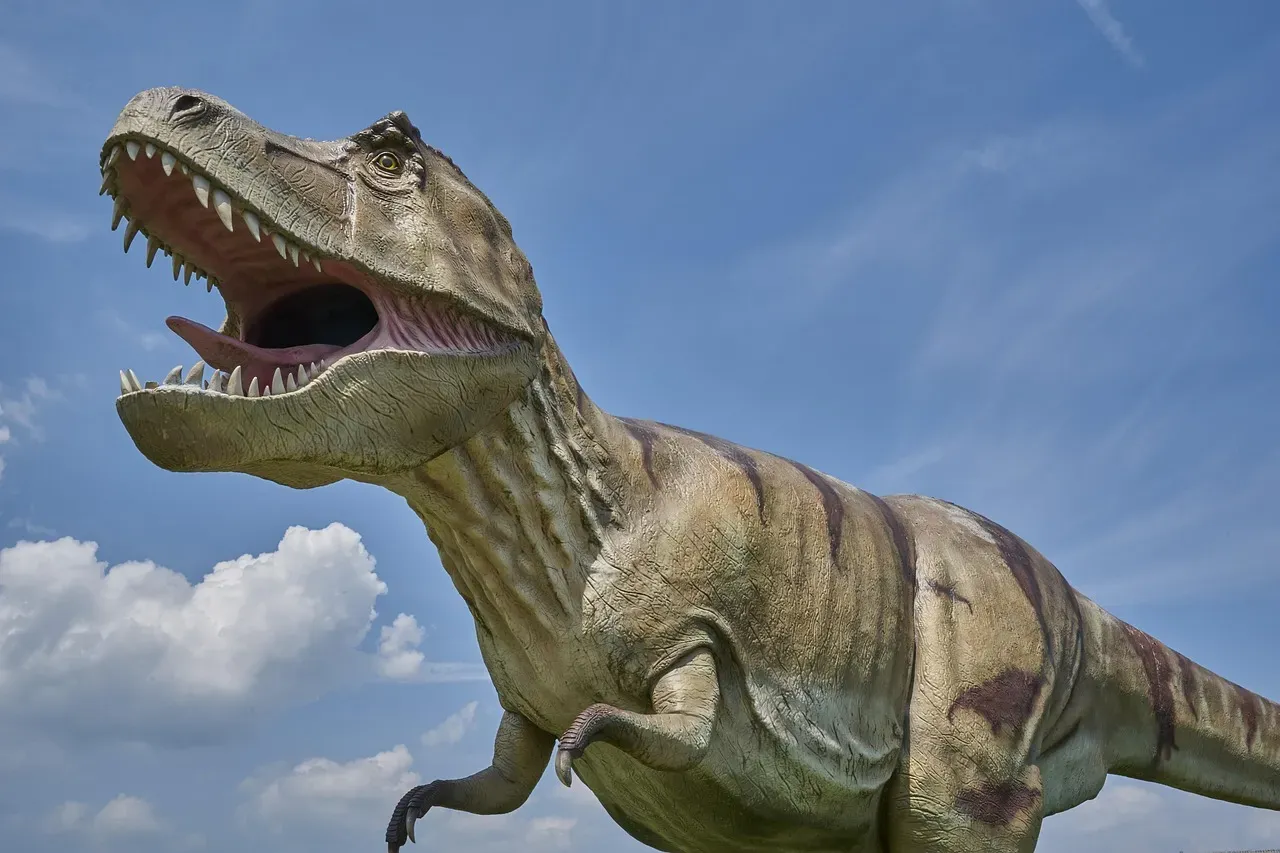
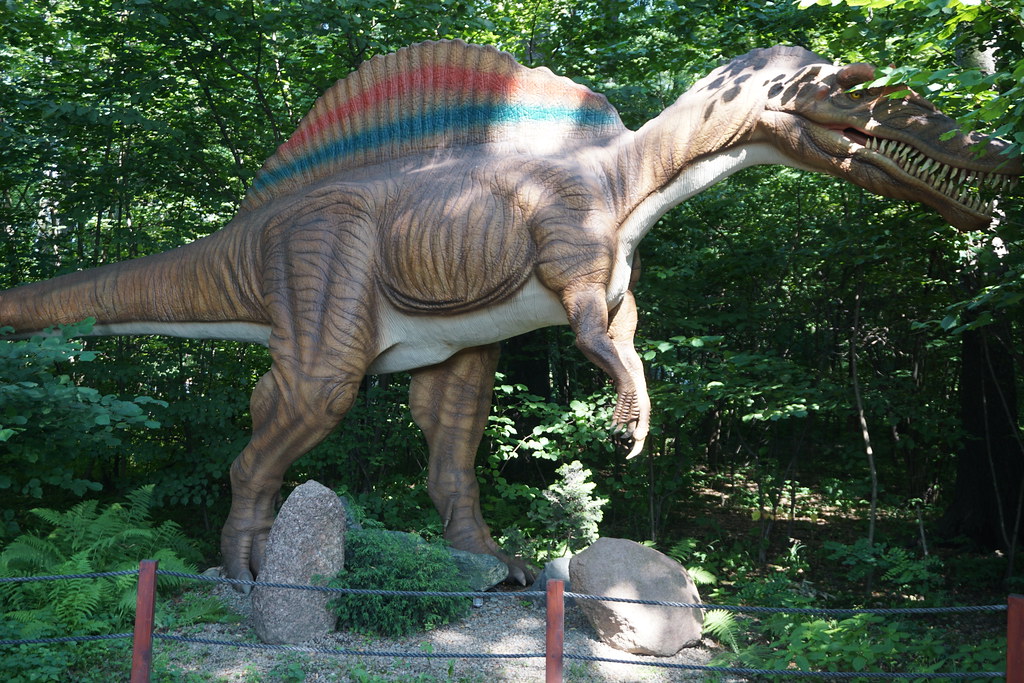
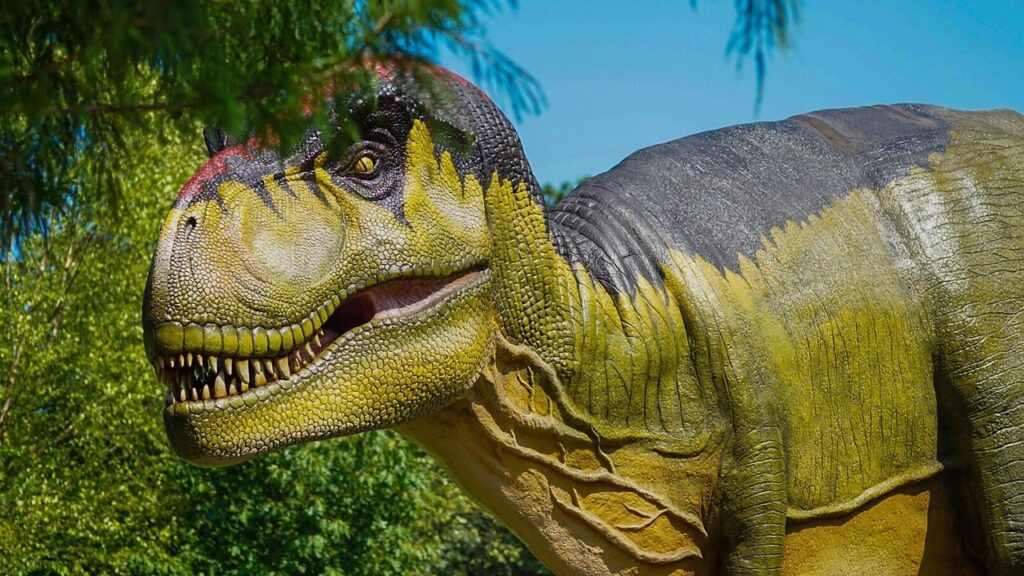
You might assume all giant carnivorous dinosaurs hunted in basically the same way – sharp teeth, big jaws, lots of slashing. New biomechanical work shows that T. rex actually evolved a very different strategy from many of its cousins. Its skull was reinforced like a living wrecking ball, optimized for quick, devastating bites that could withstand enormous stresses without breaking. In contrast, some other huge predators, like spinosaurs and allosaurs, had lighter skulls better suited for slicing flesh than pulverizing bone.
When you picture that, you aren’t just imagining a giant reptile chewing; you’re seeing an animal that weaponized raw physics. With each bite, you can imagine the shockwave traveling through its skull, the bones absorbing and redirecting the strain instead of shattering. If you’ve ever seen a hydraulic press video crushing metal objects, you’ve got a pretty good mental model for what T. rex jaws did to living dinosaurs.
3. You’re Not Looking at a Mindless Monster – Its Senses Were Razor-Sharp
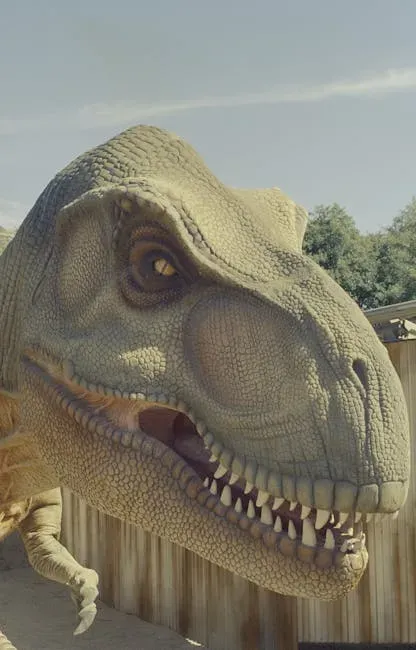
School probably taught you that T. rex had small arms, big teeth, and not much else. What you likely didn’t hear is that its head was basically a sensory command center. The parts of the skull that housed the brain and sensory nerves show that T. rex had a highly developed sense of smell, good hearing, and forward‑facing eyes that would have given it strong depth perception. Instead of a stumbling brute, you’re looking at a hunter built to track, stalk, and precisely judge distances.
Digital reconstructions of the skull reveal something even more unnerving: its lower jaw carried a complex web of nerves comparable to what you see in modern crocodiles and some birds. That means the edges of its mouth were probably quite sensitive, letting it feel exactly what it was biting into. You can imagine it testing a carcass or adjusting its grip on struggling prey with surprising finesse, more like a crocodile probing with its snout than a clumsy movie monster just chomping at random.
4. You Might Have Walked Up to a Scaly Giant… With Possible Fuzzy Past
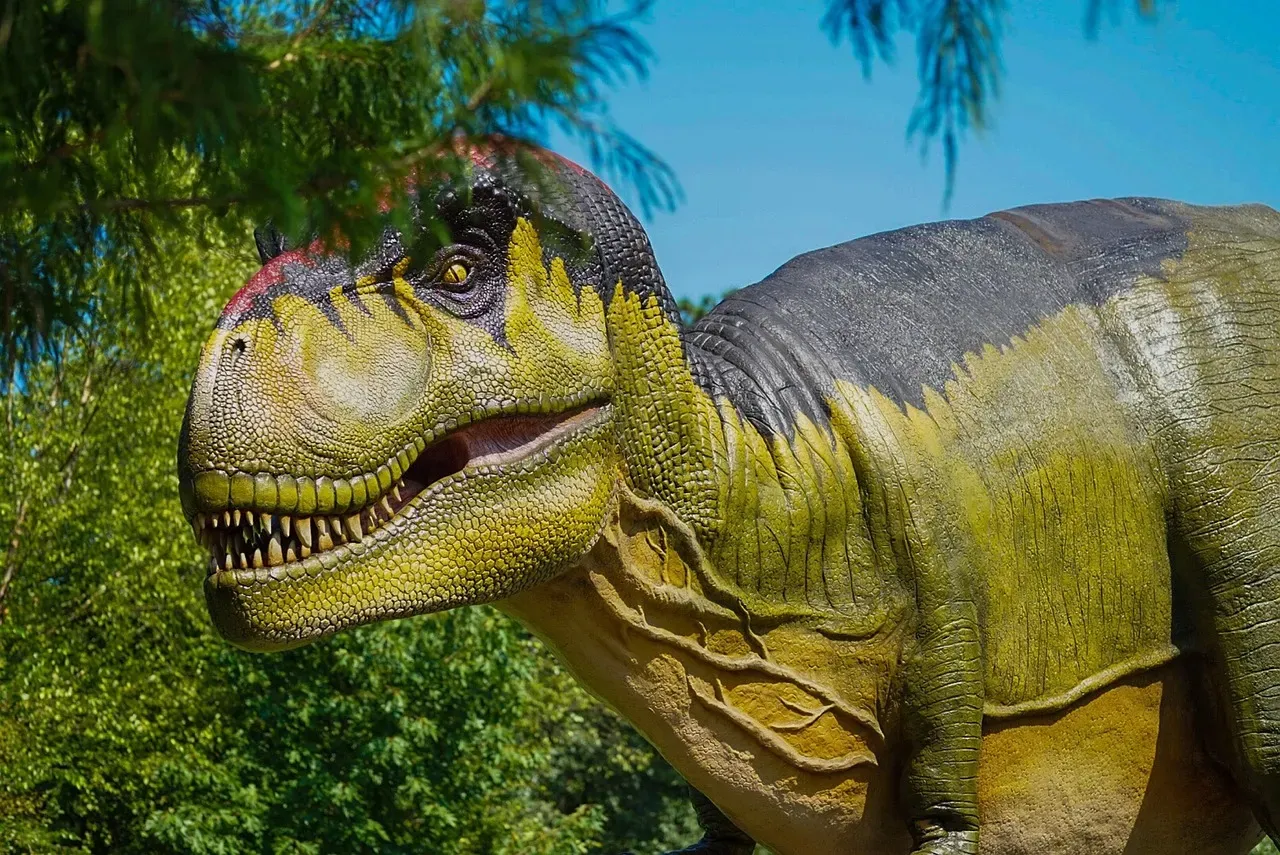
You probably grew up drawing T. rex as a big, green, lumpy lizard, and then maybe you heard later that it might have been fully feathered instead. The reality you have today sits somewhere between those extremes. Actual skin impressions from T. rex fossils show scaly, pebbly skin on parts of the body like the neck, tail, and hip area, which tells you adult T. rex was at least mostly scaly on the outside. That alone already makes the classic toy‑store reconstructions closer to reality than some ultra‑fluffy artwork.
But here’s where it gets interesting for you: earlier, smaller tyrannosaurs and some close relatives clearly had feathers, and many paleontologists suspect young T. rex may have started life with some kind of fuzzy coat. As it grew to multi‑ton sizes, it likely lost most of that insulation, the same way elephants only keep sparse bristles instead of a thick fur coat. So if you picture a teenage T. rex with a hint of downy fuzz fading into a more armored, scaly adult, you’re probably closer to the truth than either the fully naked lizard or the giant chicken version.
5. You’re Meeting a Teenager That Grew at a Terrifying Speed
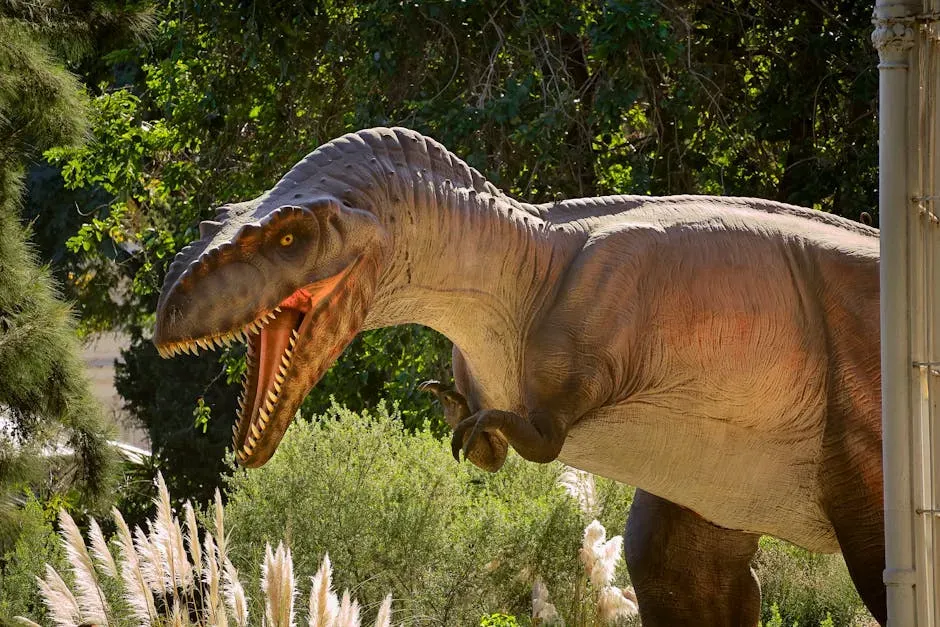
You may imagine T. rex as eternally giant, but it did not start that way at all. When you look at growth rings inside its bones – similar to tree rings – you see that it went through a brutal adolescent growth spurt. During its teenage years, a T. rex could gain several hundred pounds in a single year, going from a relatively lanky youngster to a multi‑ton heavyweight in what, on a geological timescale, is the blink of an eye. By around fourteen years old, some individuals were already weighing a couple of tons.
That growth curve means you would have watched it move through different ecological roles as it aged. A young T. rex, lighter and more agile, may have targeted smaller or faster prey, playing a very different game from the slower, bulkier adults. By the time it hit full size in its twenties, it had shifted into the role of bone‑crushing top predator. If you think of it like a human athlete who starts out as a nimble sprinter and ends up as a heavyweight powerlifter, you get a feel for how dramatically its life changed as it grew.
6. You’re Not Dealing With a Pure Scavenger – It Was a Capable Hunter
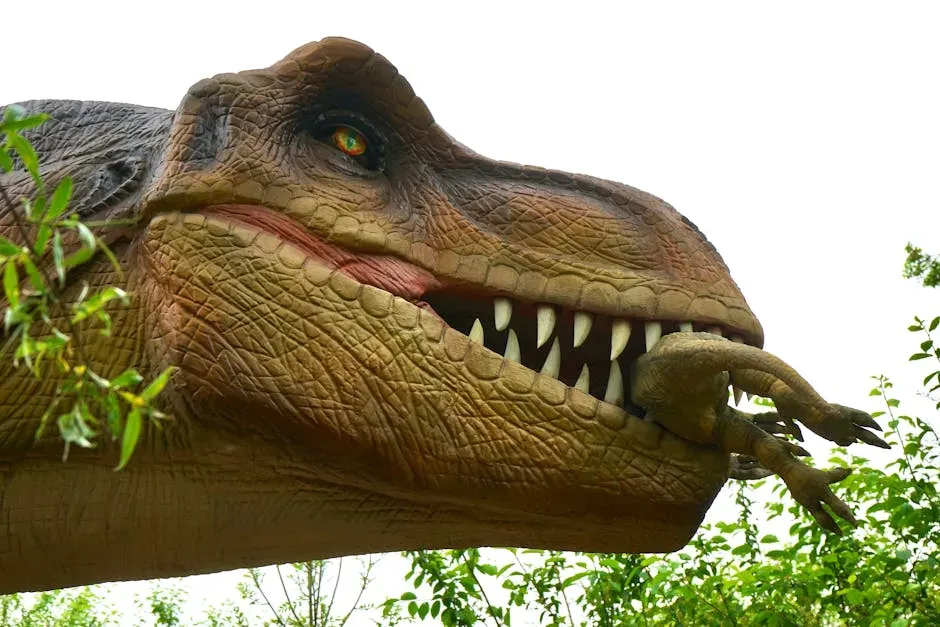
If you ever heard that T. rex might have been just a giant scavenger, living off carrion others killed, you can let that idea go. Evidence from healed bite marks on other dinosaurs shows you that T. rex sometimes attacked animals that survived the encounter, meaning it was actively biting live prey. Its long, powerful legs, forward‑facing eyes, and enormous bite are overkill if all it did was steal leftovers. Evolution rarely hands out that much hardware for a job you could do by strolling from carcass to carcass.
That said, you should not picture it as a noble predator that only hunted its own meals; a smart animal uses every trick it can. With its incredible nose, T. rex could probably smell dead or dying animals from far away, just like vultures and hyenas do today. You are looking at an opportunist: it likely hunted when it made sense, scavenged when the chance came up, and did whatever delivered the most calories for the least risk. In your world, it would be the person who hunts, farms, and raids the fridge – whatever keeps the energy budget in the black.
7. You’re Seeing Silent Footsteps, Not Thunderous Movie Stomps
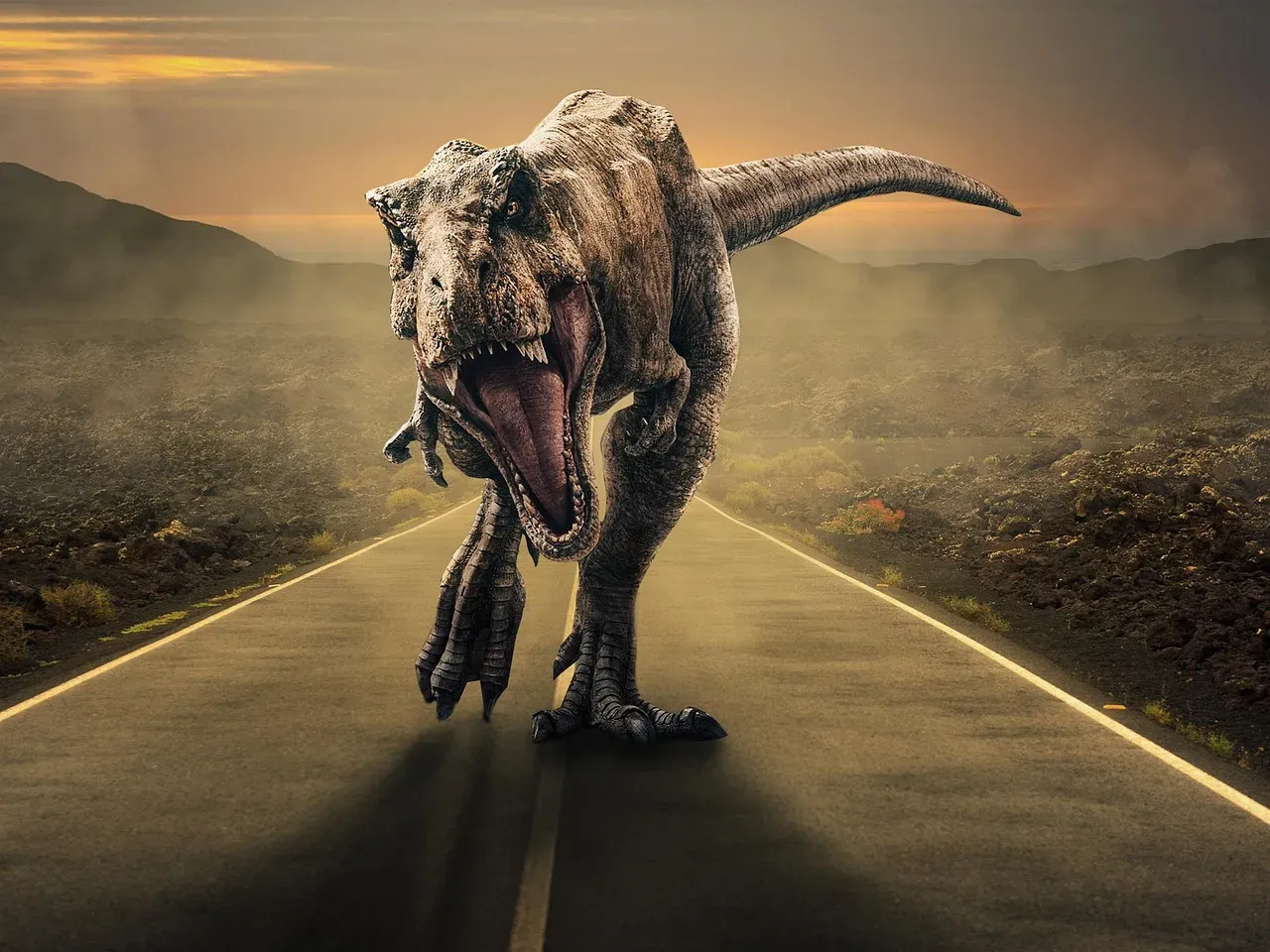
Pop culture loves to show T. rex announcing itself with every ground‑shaking step, but the evidence points you in the opposite direction. Studies of large theropod feet suggest they had thick pads of soft tissue that absorbed impact, similar to what you see in big cats and elephants. Instead of a booming stomp, its footsteps were probably surprisingly muted, especially on softer ground. If you were unlucky enough to be prey, you would not hear a drumbeat warning you that death was approaching.
Think about how quietly a house cat can move when it is really trying, then scale that idea up to an animal the length of a bus. You might still feel vibrations if you were close, but your ears would not necessarily give you much time to react. Combined with those sharp senses, a T. rex could have been a terrifying ambush predator when conditions were right, appearing out of the trees or over a rise far closer than you would ever want it to be.
8. You’re Looking at a Mouth That Was Probably Not a Permanent Tooth Display
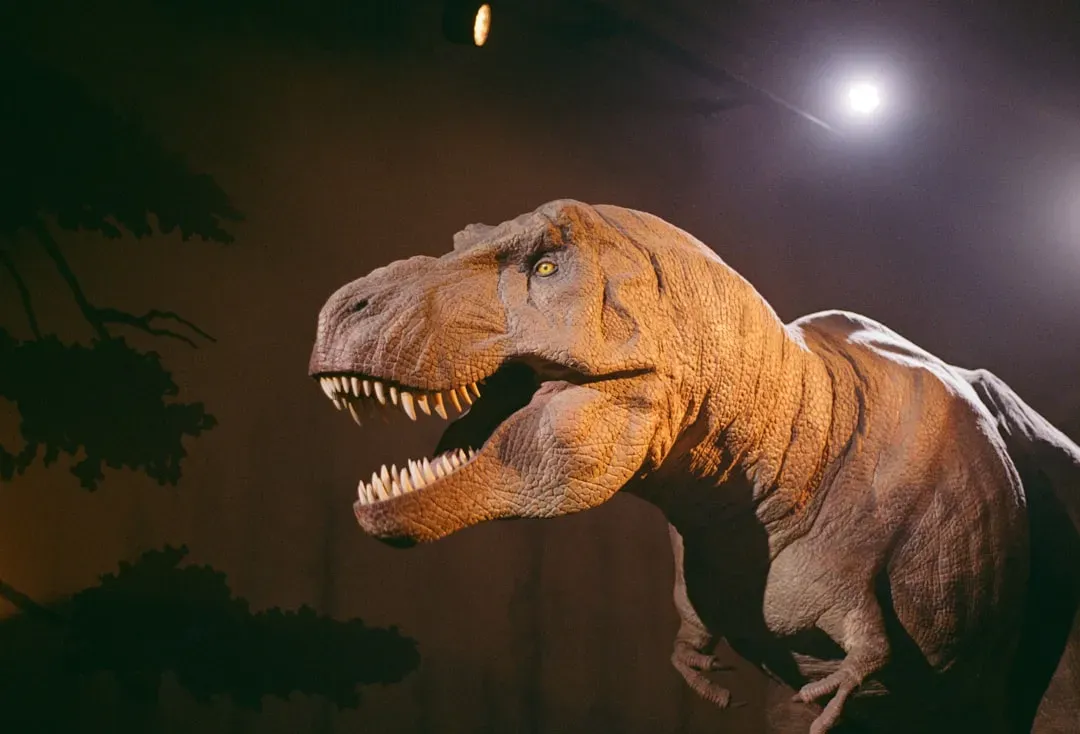
In most movies, you see T. rex with its teeth fully exposed even when its mouth is closed, like a crocodile permanently baring its fangs. Recent work comparing dinosaur skulls to those of reptiles and birds suggests that those giant teeth may actually have been covered by lips or lip‑like tissue when the jaw was shut. The enamel on the teeth needed to be kept moist, and having some sort of covering would help protect it from drying and cracking. For you, that means the real T. rex at rest might have looked a bit less like a horror‑movie skull and more like a massive, tight‑lipped reptile.
That doesn’t make it less scary once the jaws opened. You can imagine standing in front of what looks like a broad, muscular snout, only to watch those lips pull back and reveal a forest of dagger‑like teeth in a split second. It turns the animal from a constant snarl into something more controlled and, in a way, even more unsettling. You are not just facing a monster that can kill; you are facing a predator that can switch from relatively subdued to nightmarish in one movement.
9. You’re Not Looking at a Lone Villain – T. Rex Lived in a Complex World
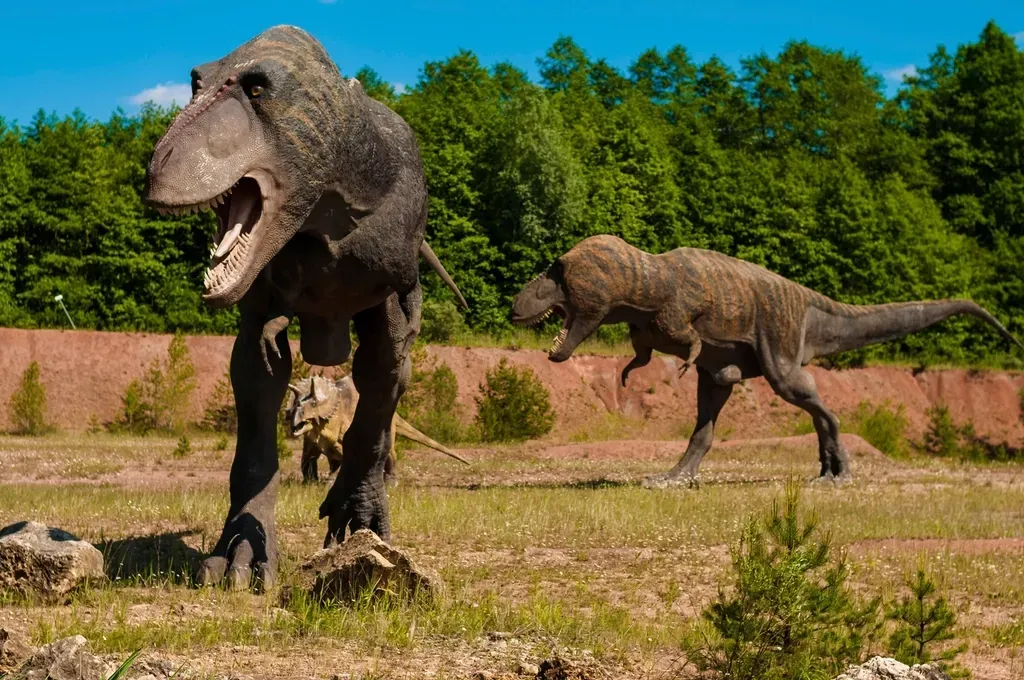
School lessons often throw T. rex onto a bare background, as if it were the only serious predator roaming its environment. In reality, you would have seen it moving through rich ecosystems filled with other large dinosaurs, smaller carnivores, and early birds and mammals. Its fossils show up mostly in what is now western North America, in ancient floodplains and coastal regions that would have been lush, muddy, and crowded with life. You are not dealing with a lone boss monster; you’re seeing the top tier of a whole food web.
There are also intriguing hints that T. rex might have had more social complexity than you were taught. Trackways and bonebeds containing multiple tyrannosaurs raise the possibility that at least some individuals spent time around others of their kind, whether for feeding, mating, raising young, or simply because good habitat draws many predators to the same place. You do not have a smoking gun for pack hunting, but you can picture a landscape where several T. rexes might be within roaring distance of each other, constantly testing boundaries and competing for territory.
10. You’re Watching Science Change What You Thought You Knew
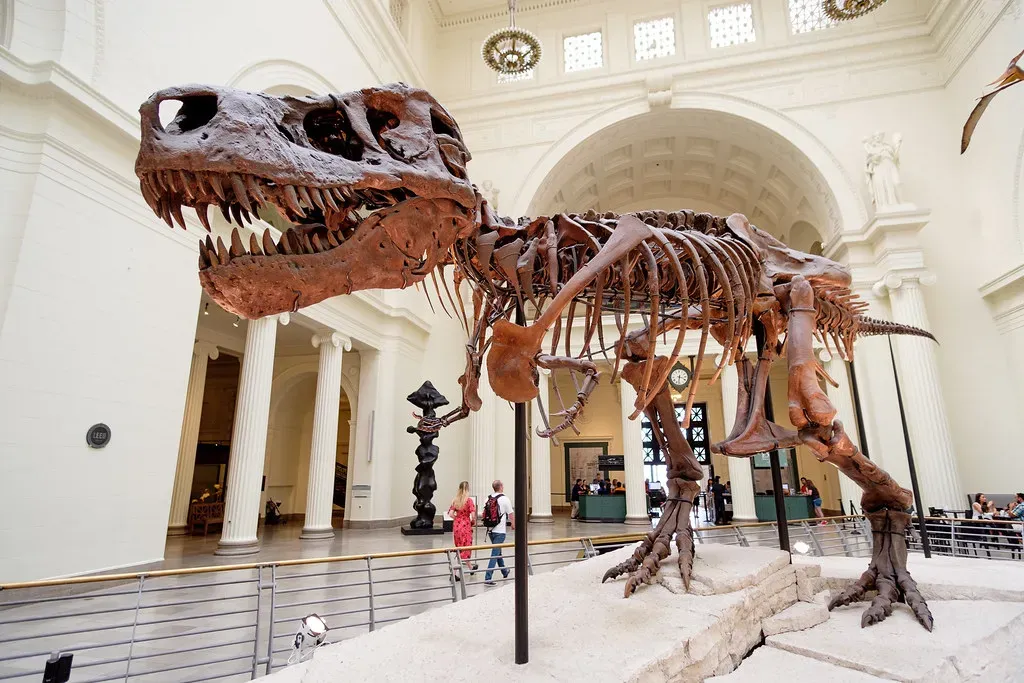
Maybe the most fascinating fact for you is that your mental picture of T. rex is guaranteed to keep evolving. In the last few decades, scientists have uncovered soft‑tissue traces, refined bite‑force estimates, rethought feather origins, and even debated how big the very largest individuals could get. New CT scans and computer models let researchers stress‑test skulls and bones in ways that were impossible when you were in school. Every time technology jumps forward, your T. rex gets updated like a piece of software.
That means you should hold your dinosaur knowledge a bit loosely and be ready to be surprised. The next big discovery might be a new specimen that rewrites how you think about its growth, its skin, or its behavior. Instead of treating T. rex as a static icon, you get to watch it as a moving target in science, a reminder that even the most famous creatures from the past still have secrets. In a way, you’re growing alongside it – what you “know” about this animal today will almost certainly look outdated to you ten or twenty years from now.
Conclusion: You’ll Never See T. Rex the Same Way Again
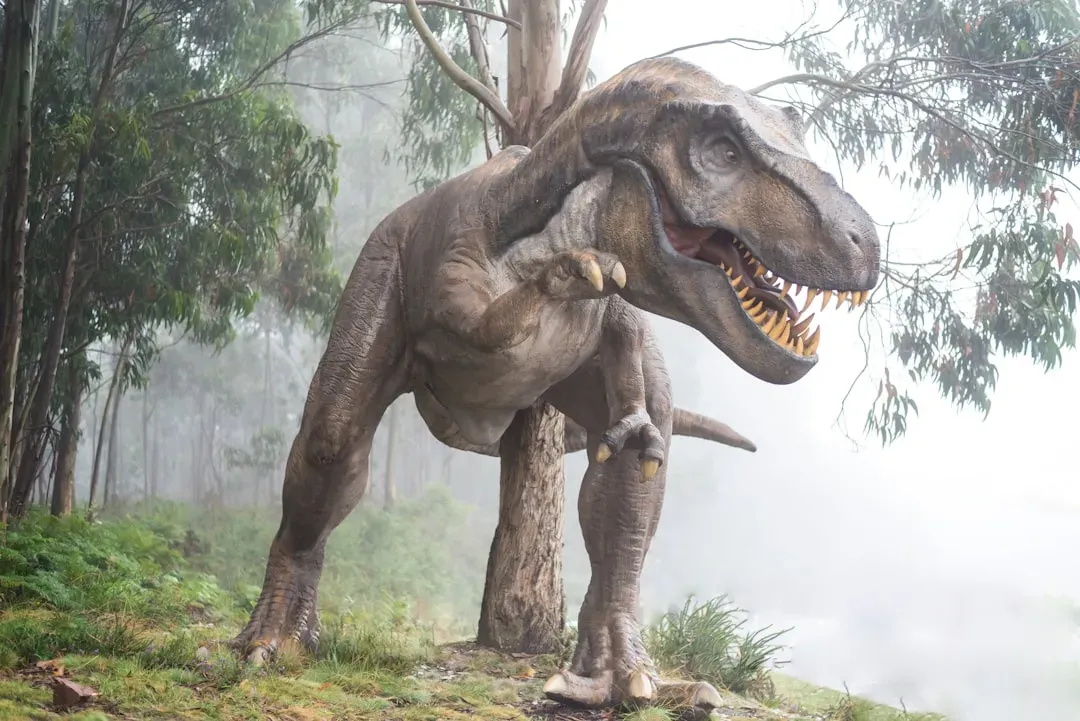
Once you pull together all these threads, your childhood image of T. rex starts to feel flimsy. You’re not just dealing with a giant lizard that liked to roar; you’re looking at a highly specialized predator with crushing power, sharp senses, rapid growth, and a surprisingly nuanced body plan. Its scaly skin, possible fuzz in youth, bone‑breaking jaws, and stealthy, padded feet paint a picture that is both more grounded and more unsettling than anything that walked across a movie screen. You realize that the real animal did not need exaggeration – it was already extreme.
The fun part for you is that this story is still unfolding, fossil by fossil and scan by scan. Every time you see a news headline about a new T. rex study, you’re being invited to update your mental model yet again. So next time you pass a T. rex skeleton in a museum or see it in a game or film, you can mentally peel back the fiction and imagine the real thing stalking through a Late Cretaceous floodplain. Knowing what you know now, which version feels more unforgettable – the cartoon monster, or the bone‑crushing, sharp‑sensed predator that truly ruled its world?