You’ve probably seen a million dinosaur documentaries. The truth is, while dinosaurs get all the glory, some of the most bizarre, terrifying, and downright strange creatures from prehistory weren’t dinosaurs at all. From armored fish with bone-crushing jaws to giant mammals with claws the size of kitchen knives, our planet has hosted an absolutely wild cast of characters. These animals ruled land, sea, and sky long before or alongside the famous dinosaurs we know so well.
Let’s get real. When you think prehistoric, your mind goes straight to T-rex and velociraptors. Makes sense. Those creatures dominated pop culture for decades. However, Earth’s ancient history spans hundreds of millions of years, and countless other life forms evolved, thrived, and vanished during that time. Some hunted prey that would make modern predators look timid. Others developed such unique adaptations that scientists still puzzle over how they functioned. So let’s dive in and meet ten absolutely deserve just as much attention.
Dunkleosteus: The Armored Terror of Ancient Seas
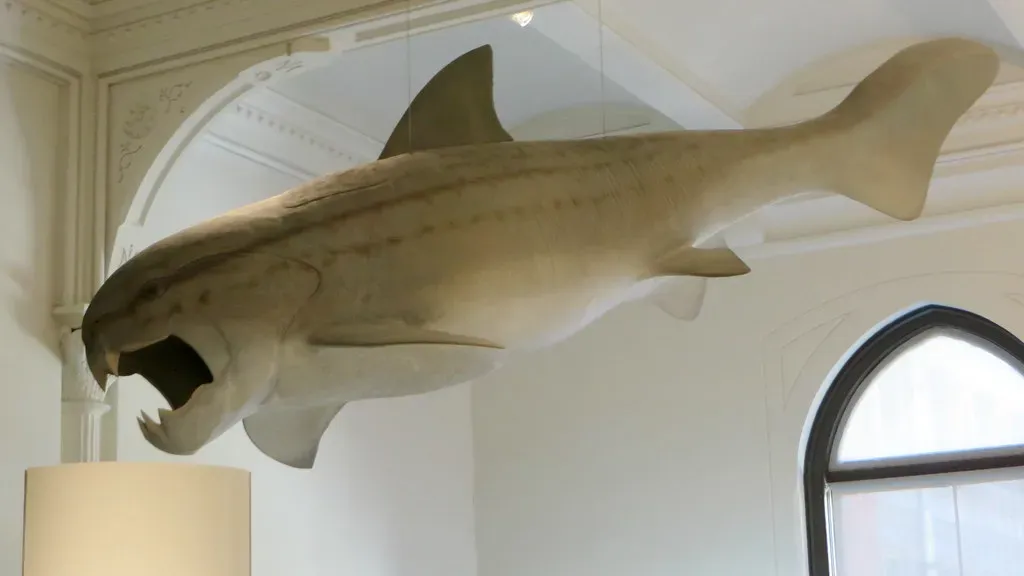
Dunkleosteus was an armored fish that swam Earth’s oceans during the Late Devonian period, roughly 380 to 360 million years ago. This fearsome prehistoric fish is thought to have had one of the strongest bite forces of any known animal, with estimates of maximum length ranging from around five meters to up to ten meters. Picture a creature built like an underwater tank with a head encased in thick, bony plates.
Instead of teeth, Dunkleosteus had sharp bony plates in its mouth that acted like self-sharpening shears. This blade-like jaw could snap shut with over 8,000 pounds of force. Honestly, it’s hard to imagine anything surviving an encounter with this monster. Its armor-plated skull was practically impenetrable, making it an apex predator that dominated its marine environment without serious competition.
Megalodon: The Ultimate Shark
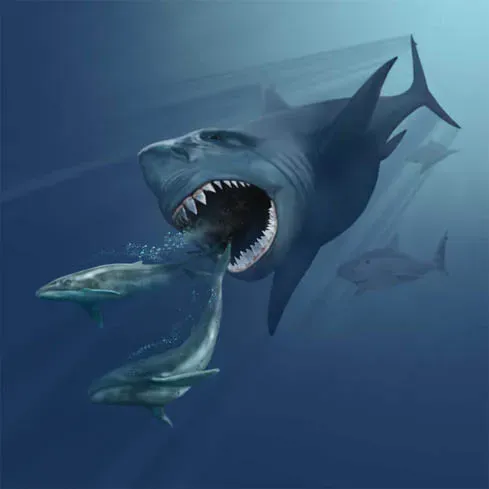
Megalodon is a possible ancestor of modern great white sharks, and based on their seven-inch teeth, paleontologists imagine the leviathans growing from 43 to 82 feet long. This shark wasn’t just big. It was colossal. Otodus megalodon was probably one of the most powerful predators to have existed, and for roughly 20 million years it sat at the very top of the ocean food chain.
Megalodon probably targeted large prey such as whales, seals and sea turtles, and unlike the great white which attacks from the soft underside, megalodon probably used its strong jaws to break through the chest cavity and puncture the heart and lungs of its prey. The sheer bite force of this beast could crush bone like crackers. Oceanic cooling associated with the onset of the ice ages, coupled with the lowering of sea levels and resulting loss of suitable nursery areas, may have contributed to its decline.
Smilodon: The Iconic Saber-Toothed Cat
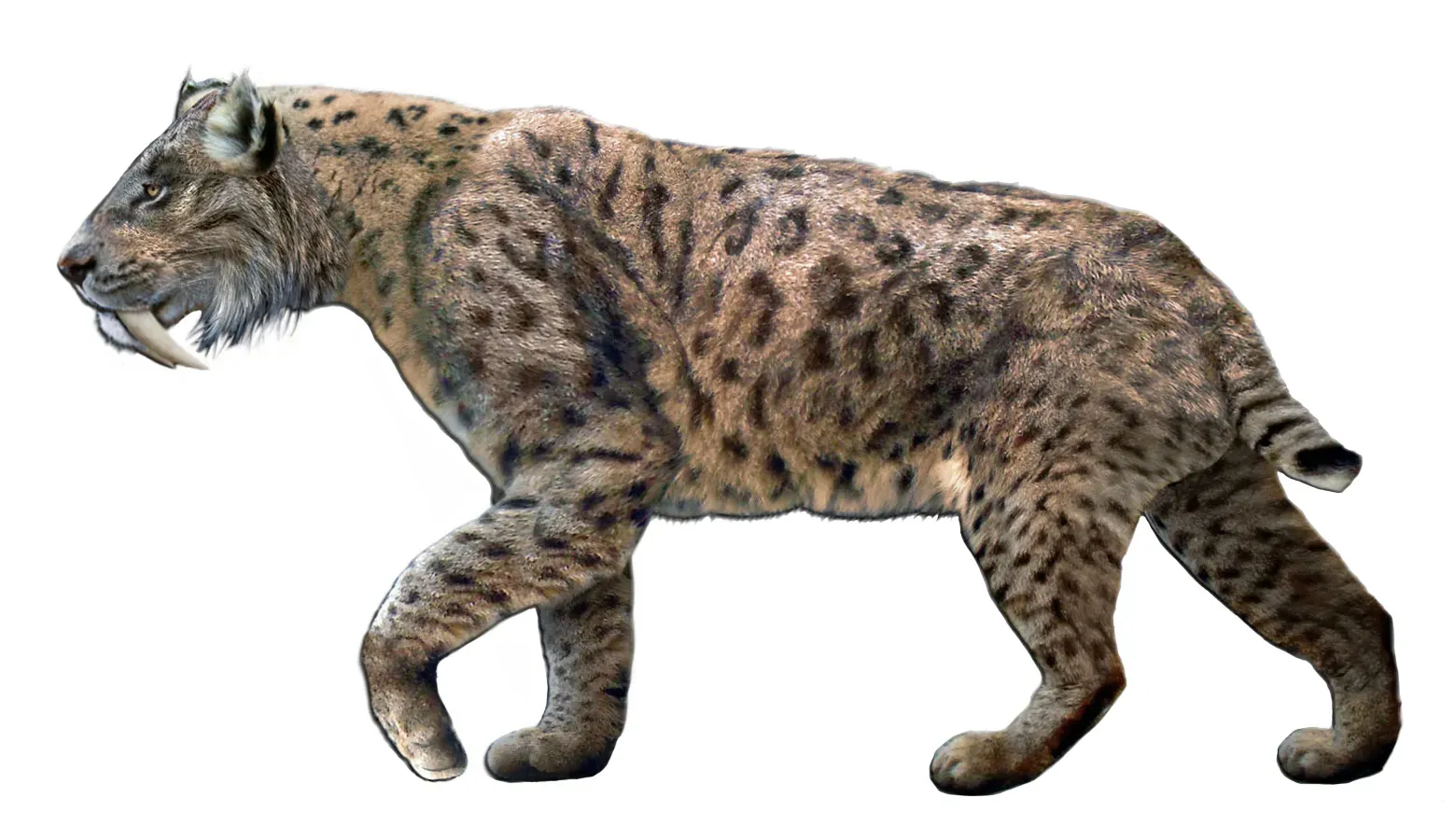
Smilodon is one of the best-known saber-toothed predators and prehistoric mammals, although commonly known as the saber-toothed tiger, it was not closely related to the tiger or other modern cats. Smilodon lived in the Americas during the Pleistocene to early Holocene epoch, from 2.5 million years ago to at latest 8,200 years ago. Those massive canine teeth, sometimes reaching seven inches in length, weren’t just for show.
An apex predator, Smilodon primarily hunted large mammals. Here’s the thing though: those impressive sabers were actually quite fragile. The cats couldn’t bite into bone, so they targeted soft tissue like throats and bellies to bring down prey quickly. The mosaic vegetation of woods, shrubs, and grasses in southwestern North America supported large herbivores such as horses, bison, antelope, deer, camels, mammoths, mastodons, and ground sloths, giving Smilodon plenty of hunting opportunities.
Megatherium: The Giant Ground Sloth
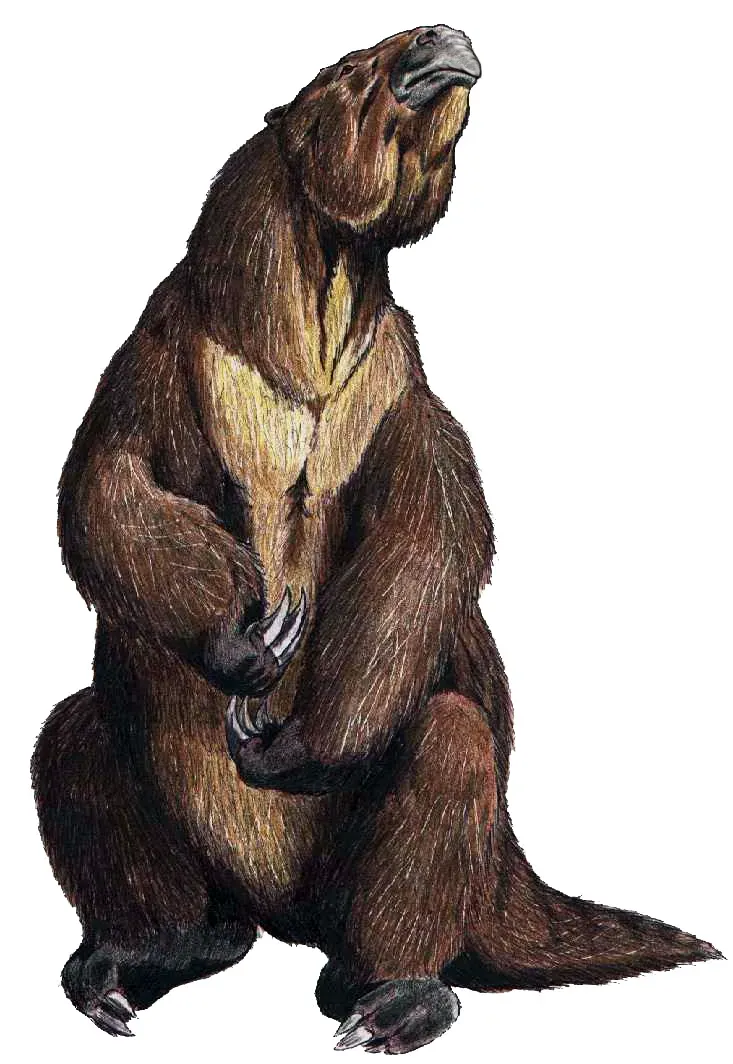
You know those adorable, slow-moving tree sloths in the Amazon today? Their prehistoric relatives were absolute units. Megatherium was a giant ground sloth that lived in South America from the Pliocene to the end of the Pleistocene, thought to have weighed up to four tonnes and being six meters in length. That’s basically the size of a modern elephant.
To defend themselves from predators like the sabre-tooth tiger Smilodon, ground sloths had long, sharp claws on the ends of several fingers, with some claws nearly a foot in length, and they had thick bones and even thicker joints so they could strike with surprising power. Their skeletal anatomy shows they were incapable of running, so when it came to a fight-or-flight encounter with predators, they probably always chose the former. These weren’t shy creatures you’d want to mess with.
Pterosaurs: Masters of Prehistoric Skies
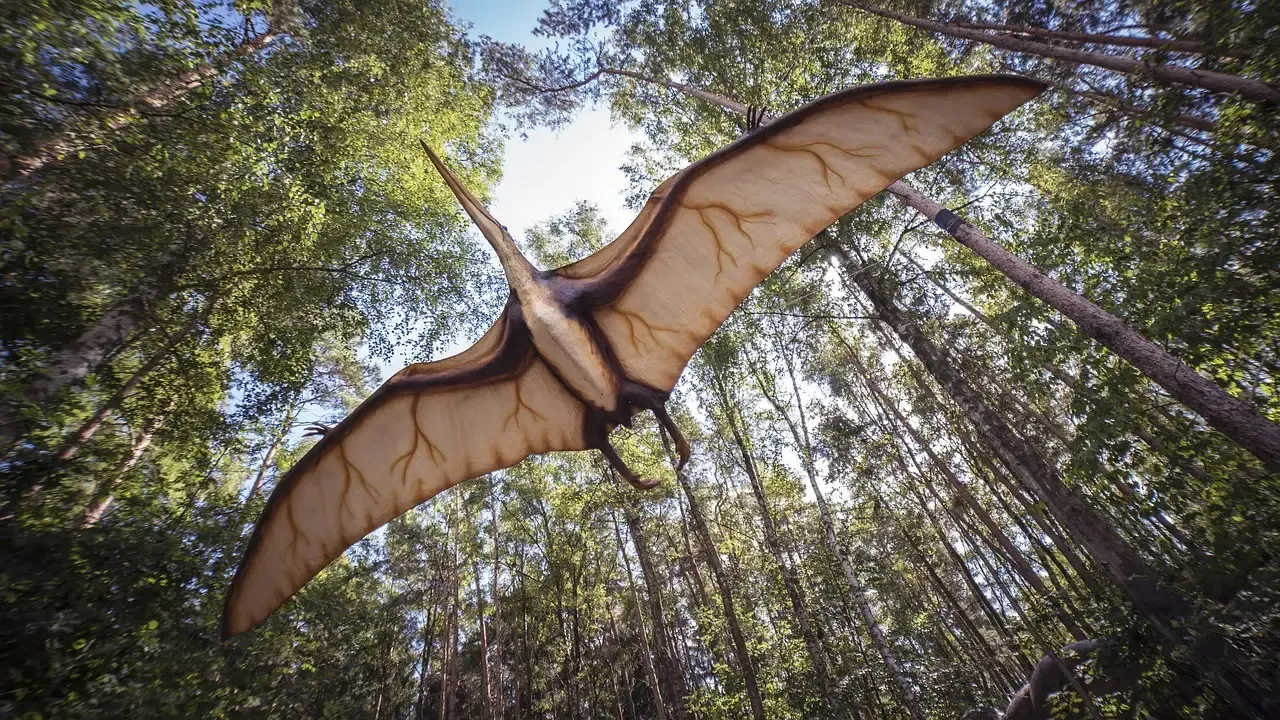
Modern birds are technically dinosaurs, but the scaly creatures that took to the skies hundreds of millions of years ago weren’t, as pterosaurs are a group of flying reptiles distinct from the clade Dinosauria. Unlike birds, pterosaurs relied on featherless wing membranes to achieve lift, and they were the first vertebrates capable of flight, with wingspans reaching 33 feet.
Quetzalcoatlus dominated the skies and is the largest animal ever to take flight, with a massive 36-foot wingspan and estimates putting their weight at nearly 600 pounds. Try picturing that flying overhead. They were too big to flap their wings much, choosing instead to soar high and let nature and physics do the heavy lifting. These magnificent reptiles ruled the skies for millions of years before vanishing along with many other large prehistoric creatures.
Dimetrodon: The Sail-Backed Ancient Predator
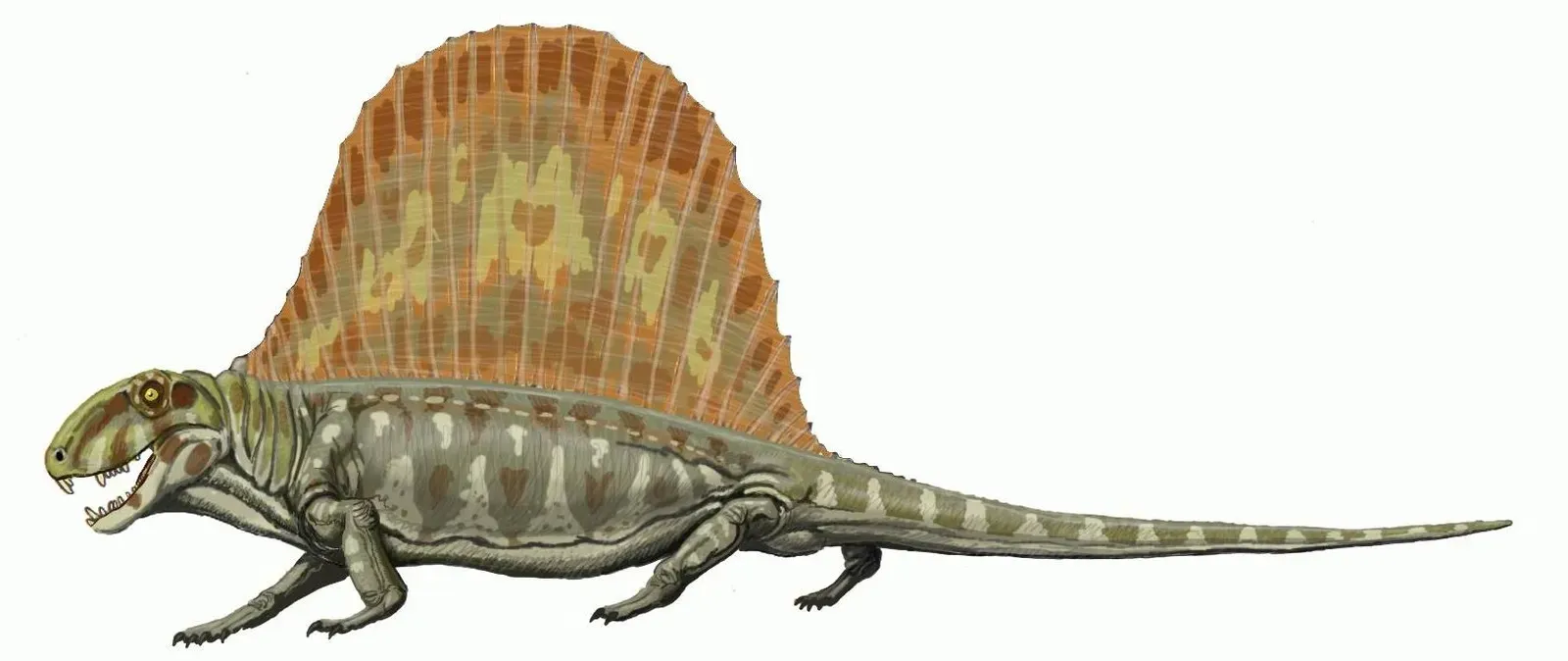
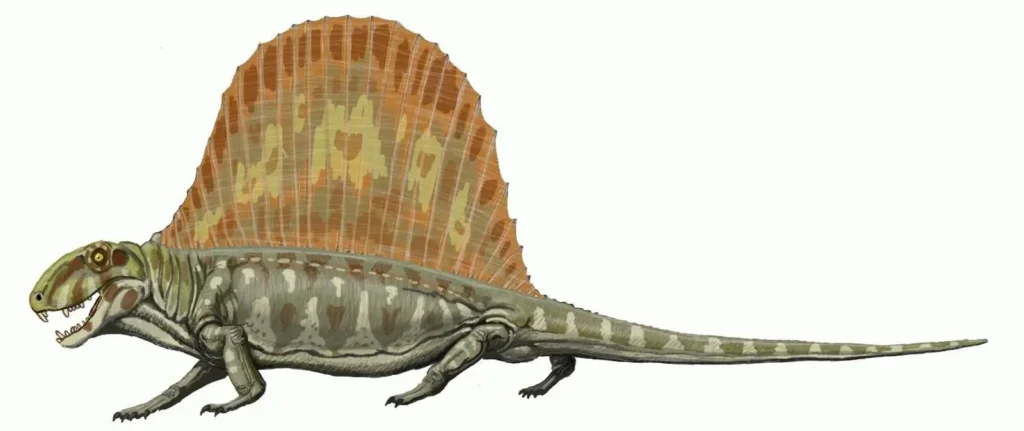
Contrary to popular belief, the sail-backed dimetrodon is not a dinosaur but actually a synapsid, a group of animals much older than the dinosaurs and a precursor to modern mammals. That distinctive sail on its back makes it instantly recognizable, yet most people incorrectly lump it in with dinosaurs. Dimetrodon thrived during the Permian era, 35 million years before the first dinosaurs had even evolved.
There were many different species, but the largest was a 10-foot long monster with serrated teeth perfect for carving flesh, making them one of the Permian’s most successful predators. If you look far back enough in your family tree, eventually your relatives will start looking a lot like dimetrodon. Strange to think we’re more closely related to this prehistoric beast than dinosaurs ever were.
Mosasaurus: The Sea Lizard Giant
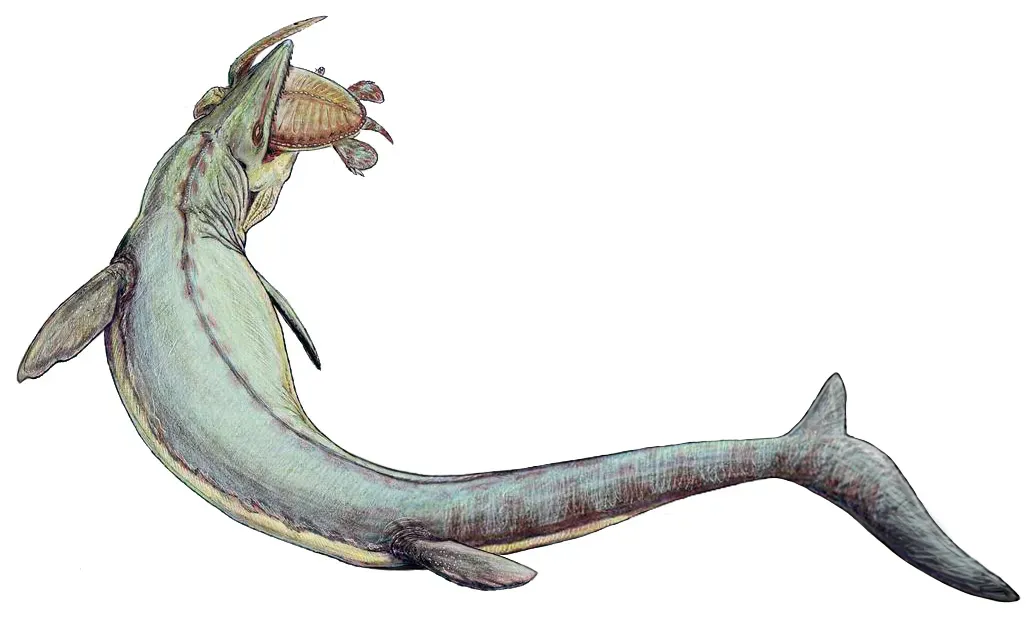
Although these aquatic reptiles are featured in the movie Jurassic World, they didn’t live during the Jurassic period and aren’t true dinosaurs, as mosasaurs are thought to have evolved in the early Cretaceous period. These giant sea-lizards were ferocious predators known for their powerful bite, and they were highly evolved and sophisticated organisms believed to have been warm-blooded with evidence that they gave birth to live young.
These aquatic creatures grew up to 82 feet long and had seven-inch teeth, with the closest living animals to the mosasaurs being lizards and snakes. I know it sounds crazy, but imagine a lizard the length of a semi-truck with jaws powerful enough to crush almost anything. These apex predators dominated the oceans during the late Cretaceous, hunting everything from fish to other marine reptiles.
Phorusrhacos: The Terror Bird
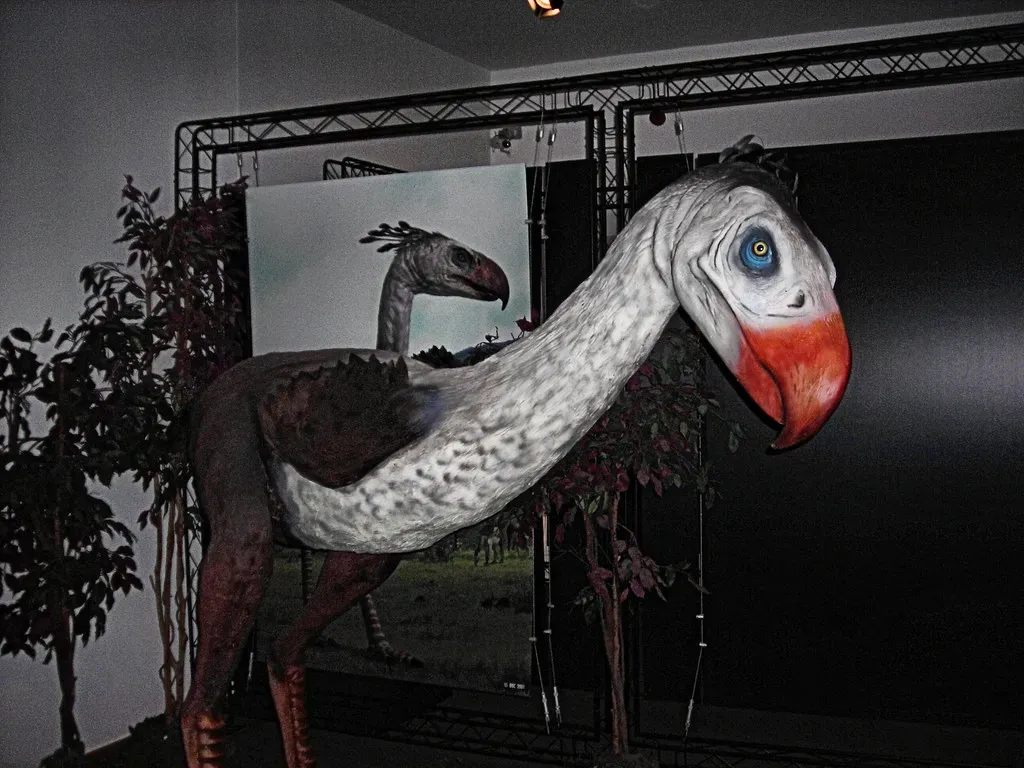
Phorusrhacos Longissimus was a species in the Phorusrhacidae family, a group of animals also known as ‘terror birds’, and these huge flightless meat-eaters lived up to their name, being equipped with powerful hooked beaks and large claws. Living in South America during the Miocene epoch, Phorusrhacos Longissimus was likely an apex predator.
Terror birds were a species of carnivorous and flightless birds that were the largest species of predators in South America between 62 million and two million years ago. These birds stood taller than most humans and could run down prey with frightening speed. Their beaks functioned like axes, capable of delivering devastating blows. Let’s be real: encountering one of these in the wild would be absolutely terrifying.
Basilosaurus: The Serpentine Whale
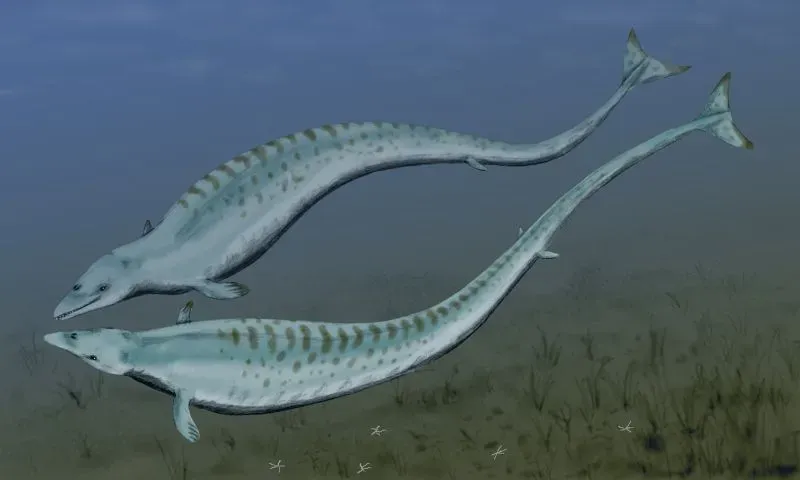
While its name translates to “king lizard,” Basilosaurus was a prehistoric species of whale that existed around 40 million years ago, and you can forgive experts for originally thinking otherwise because Basilosaurus is like no whale you’ve ever laid eyes on. Shaped like a giant slithering eel with a long snout full of sharp teeth, these sleek creatures grew to be around 65 feet long and weighed somewhere in the region of five to ten tons.
Basilosauruses were not just lumbering scavengers but also highly capable and active hunters. Despite being a whale, this creature looked more like a sea serpent from ancient mythology. Its elongated body and predatory nature made it one of the ocean’s most fearsome hunters during the Eocene epoch. The ocean was a very different place back then, filled with creatures that defy easy categorization.
Woolly Mammoth: The Ice Age Icon
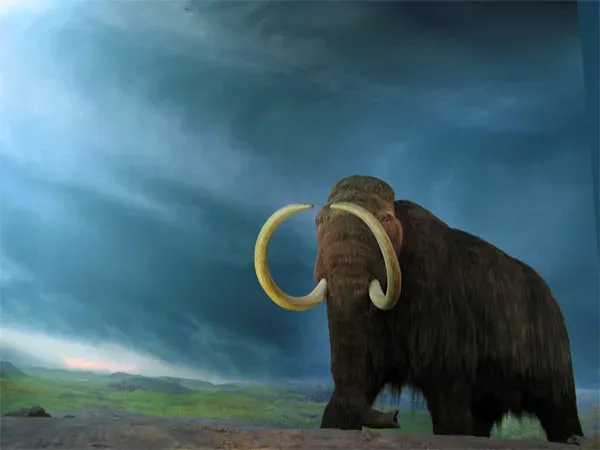
Mammoths were prehistoric members of the elephant family that lived during the Pliocene and Pleistocene epochs. Similar in size to an African elephant, the woolly mammoth was covered in fur, an adaptation for living during the ice age. These magnificent creatures have captured human imagination for millennia, appearing in ancient cave paintings and inspiring modern cloning efforts.
The woolly mammoth is a member of the elephant family, with several species including the Colombian mammoth and the steppe mammoth, and these creatures grew up to 11 feet tall and weighed up to nine short tons. Humans likely encountered these animals, and evidence suggests hunting pressure contributed to their extinction. People are currently aiming to re-introduce the woolly mammoth by combining DNA from mammoths and Asian elephants, which raises fascinating ethical questions about bringing extinct species back to life.
Conclusion: A World Beyond Dinosaurs
When we expand our view beyond just dinosaurs, prehistoric Earth becomes even more fascinating. These ten creatures represent just a fraction of the incredible diversity that existed throughout our planet’s history. From armored fish with guillotine jaws to giant sloths with foot-long claws, from terror birds to serpentine whales, evolution has experimented with body plans and survival strategies that seem almost alien today.
What’s remarkable is how these animals adapted to their environments, dominated their ecosystems, and then vanished, leaving behind only fossils and our imaginations to reconstruct their lives. Climate change, competition, and eventually human activity contributed to many of these extinctions. The prehistoric world wasn’t just about dinosaurs. It was a constantly changing stage where mammals, fish, birds, and reptiles all took their turn in the spotlight.
Did any of these creatures surprise you? What do you think about bringing some of them back through genetic engineering?