
Some of the most important clues to life’s deep history turned up not in high‑tech labs or carefully planned digs, but under tractor wheels, in drainage ditches, and even in someone’s backyard. There’s something almost ridiculous about it: teams of experts can spend months staring at empty rock, while a farmer or a teenager literally trips over a world‑changing fossil on the way home.
That mix of luck and science is exactly what makes these discoveries so gripping. Each of these fossils was found by accident, but none of them stayed “just a lucky find” for long. Once scientists stepped in, they rewrote timelines, upended evolutionary family trees, and sometimes ignited fierce debates. Let’s walk through ten of those stories and see how random chance can collide with very serious science.
1. The Archaeopteryx that fell out of a German quarry slab
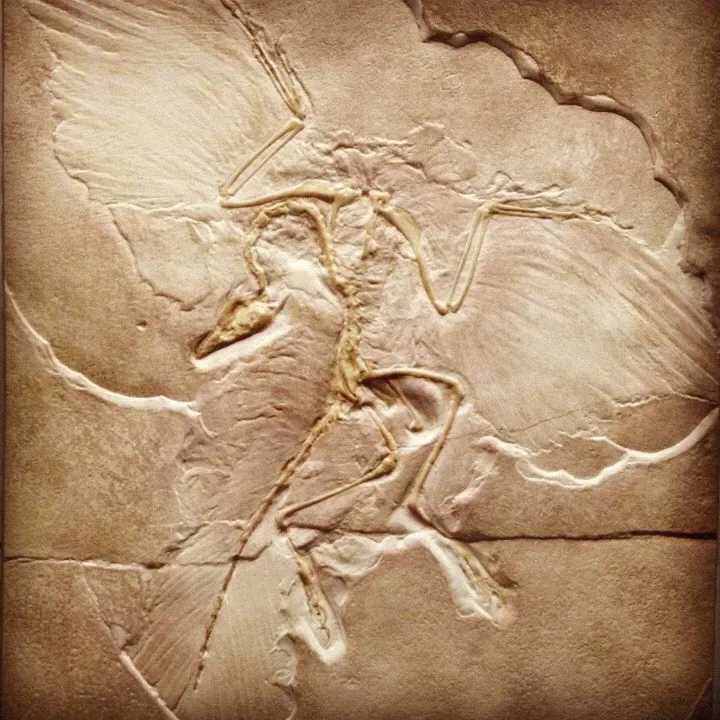
Imagine buying a slab of limestone from a quarry for a simple decorative piece, only to realize there’s an ancient winged creature quietly pressed into the rock. That’s essentially what happened in nineteenth‑century Germany, when workers in the Solnhofen quarries split stones and exposed the ghostly impressions of Archaeopteryx, the iconic “bird‑like dinosaur.” One famous specimen came to light only after a slab had already left the quarry, turning a routine building material into a headline fossil.
Archaeopteryx still matters because it neatly straddles the line between dinosaurs and modern birds: teeth in its jaws, a long bony tail, but also feathers and wings. Its accidental discovery reinforced Darwin’s then‑controversial ideas about evolution by providing a clear transitional form. The fact that this bridge between major groups was sitting in stone destined for mundane use is a humbling reminder: the planet is quietly storing evidence of deep time in places we barely glance at.
2. The Hadrosaur tail unearthed by construction workers in Mexico
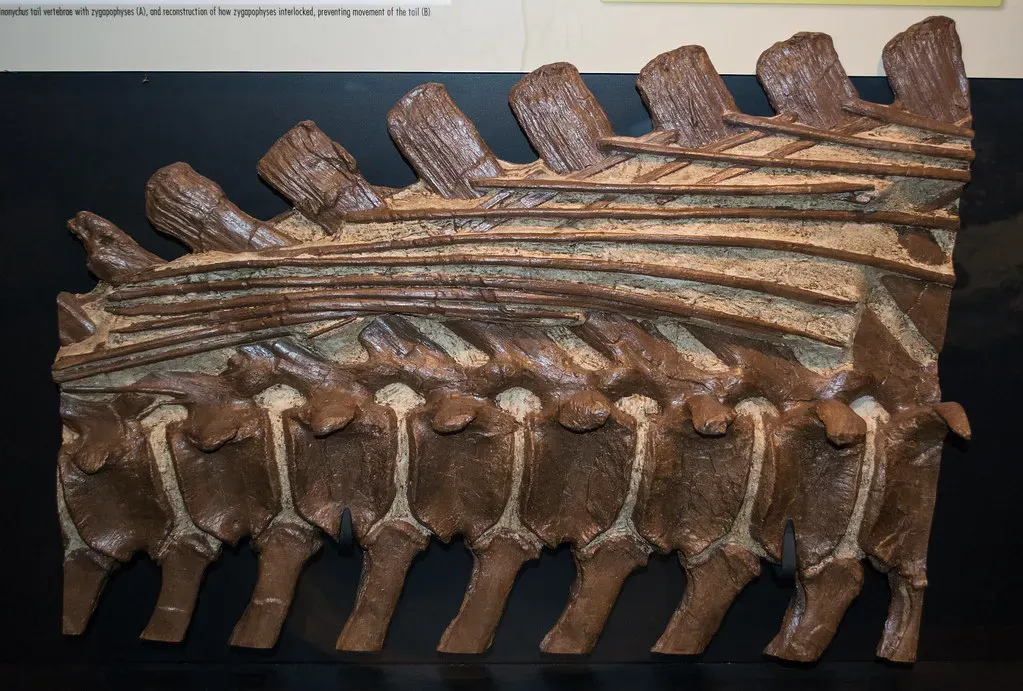
In 2013, construction workers in northern Mexico were doing what construction workers do: moving earth, pouring concrete, not hunting dinosaurs. While digging a trench near the town of General Cepeda, they hit a row of large, strange bones that clearly didn’t belong to any cow or horse. Work stopped, paleontologists were called in, and soon it became clear they had uncovered a remarkably complete hadrosaur (duck‑billed dinosaur) tail.
The tail was more than just a cool fossil; it was a nearly complete series of vertebrae, preserved in a way that let scientists study muscle attachments and movement in unusual detail. Hadrosaurs are already well known, but this tail added fresh information about how these animals may have used their powerful hindquarters and flexible tails for balance and locomotion. What started as an irritating delay to a building project turned into a scientific windfall – and a reminder that any big hole in the ground has the potential to nick the Mesozoic.
3. The first Neanderthal skeleton spotted in a Belgian cave wall
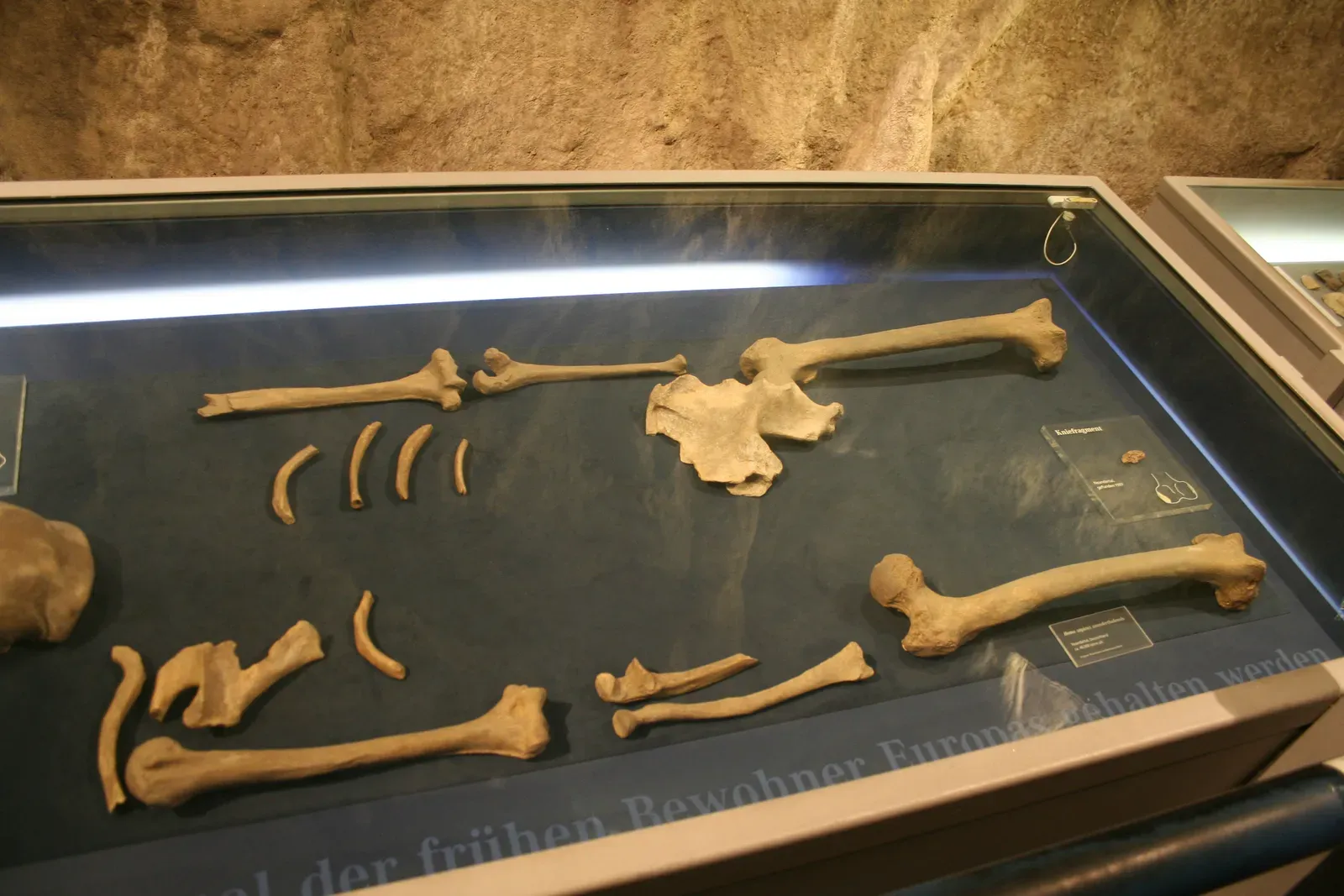
One of the most historically important Neanderthal discoveries was not the product of a careful grid excavation but the sharp eye of a schoolteacher touring a cave in Belgium in the early twentieth century. While wandering through the grotto at Spy (pronounced “spee”), he noticed bones sticking out of the cave wall that clearly were not from recent animals. His curiosity and willingness to speak up helped draw researchers back to the site.
Those bones turned out to belong to more than one Neanderthal individual, giving scientists a better look at their robust limbs, heavy brows, and overall build. The find helped cement the idea that Neanderthals were a widespread, long‑lasting human lineage in Europe, not just a one‑off oddity from a single German cave. It’s easy to romanticize this story, but there’s a solid lesson tucked in it: science often advances because some ordinary person refuses to walk past something that looks just a little bit off.
4. Lucy, the famous Australopithecus found after a casual detour
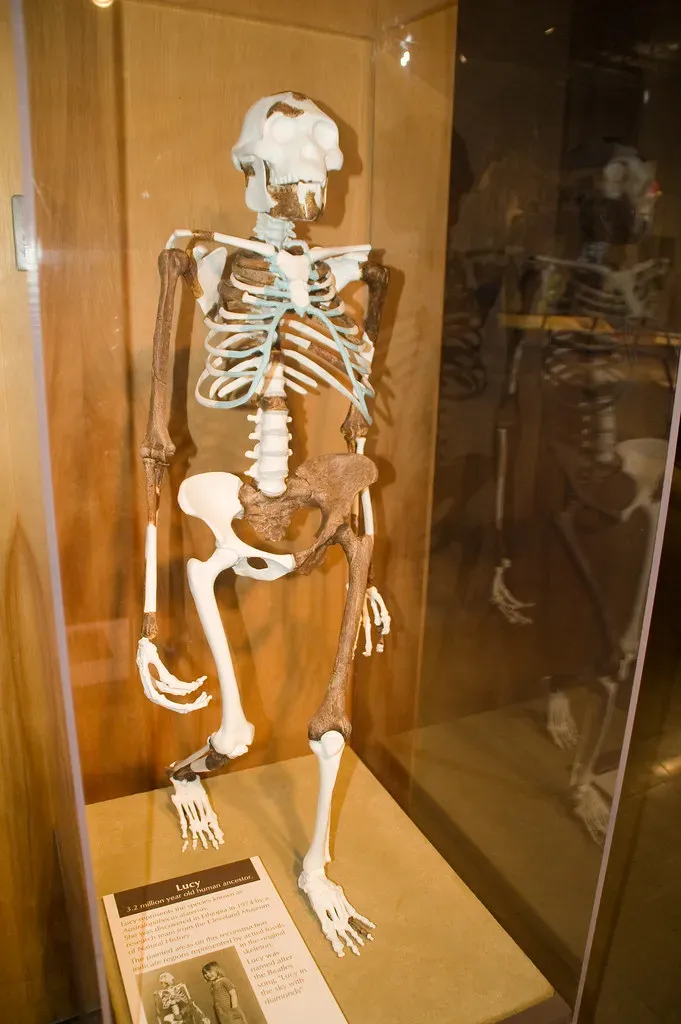
Lucy, the 3.2‑million‑year‑old hominin from Ethiopia, is often described as the result of a planned expedition – and that’s true. But the moment of discovery itself was surprisingly improvised. In 1974, the field team had finished a long, frustrating day and was heading back to camp when the lead researcher decided, almost on a whim, to take a different route across the hillside. Within minutes, scattered fossil fragments began to catch the light.
Those fragments turned into one of the most complete early hominin skeletons ever found, revealing a small, upright walker with a mix of human‑like and ape‑like traits. Lucy transformed debates about when and how habitual bipedalism evolved. The scientific work behind her analysis was rigorous and deliberate, but the key twist of choosing “let’s just cross over there instead” is what put those bones into human hands. It’s hard not to see that as a sharp illustration of how fragile our understanding of our own origins really is.
5. The Burgess Shale fossils discovered while mapping mountains
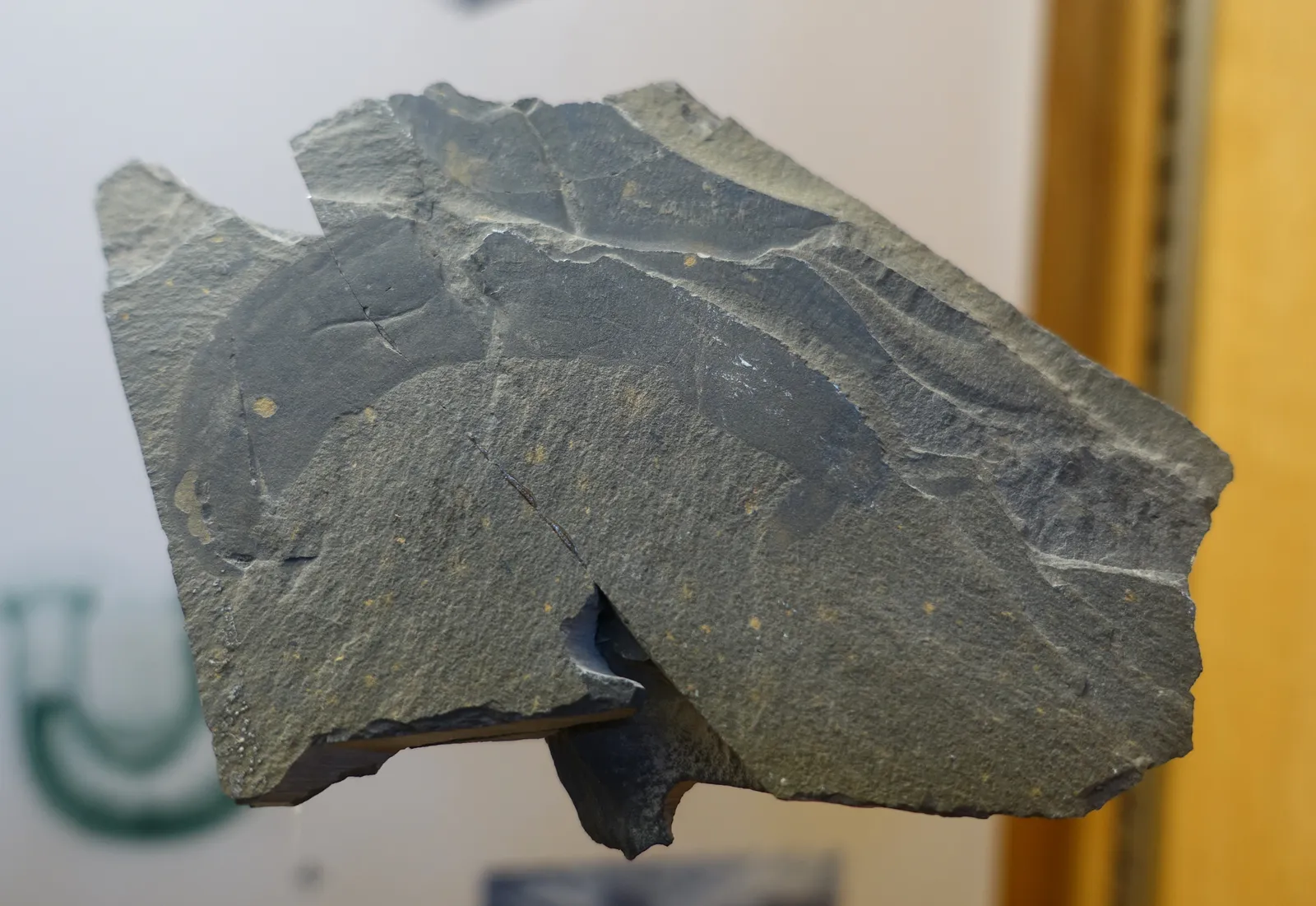
The Burgess Shale in Canada is now legendary for its soft‑bodied Cambrian creatures, but it first surfaced in the early twentieth century thanks to a geologist more focused on mapping rock layers than on collecting fossils. While working in the Canadian Rockies, he noticed odd impressions and faint outlines in the dark shale along a high mountain pass. They were not the hard shells and bones he was used to; they looked more like smudged silhouettes of entire animals.
Those “smudges” turned out to be exquisitely preserved jelly‑like organisms, worms, and bizarre body plans that do not map neatly onto modern animal groups. The site rewrote our ideas of how explosive and experimental the Cambrian period really was. None of that would have come to light if a mapping project had stayed strictly focused on structure and stratigraphy. Sometimes, the most transformative data shows up when you let your eyes wander beyond the job description.
6. The Spinosaurus bones pulled from a Moroccan phosphate mine
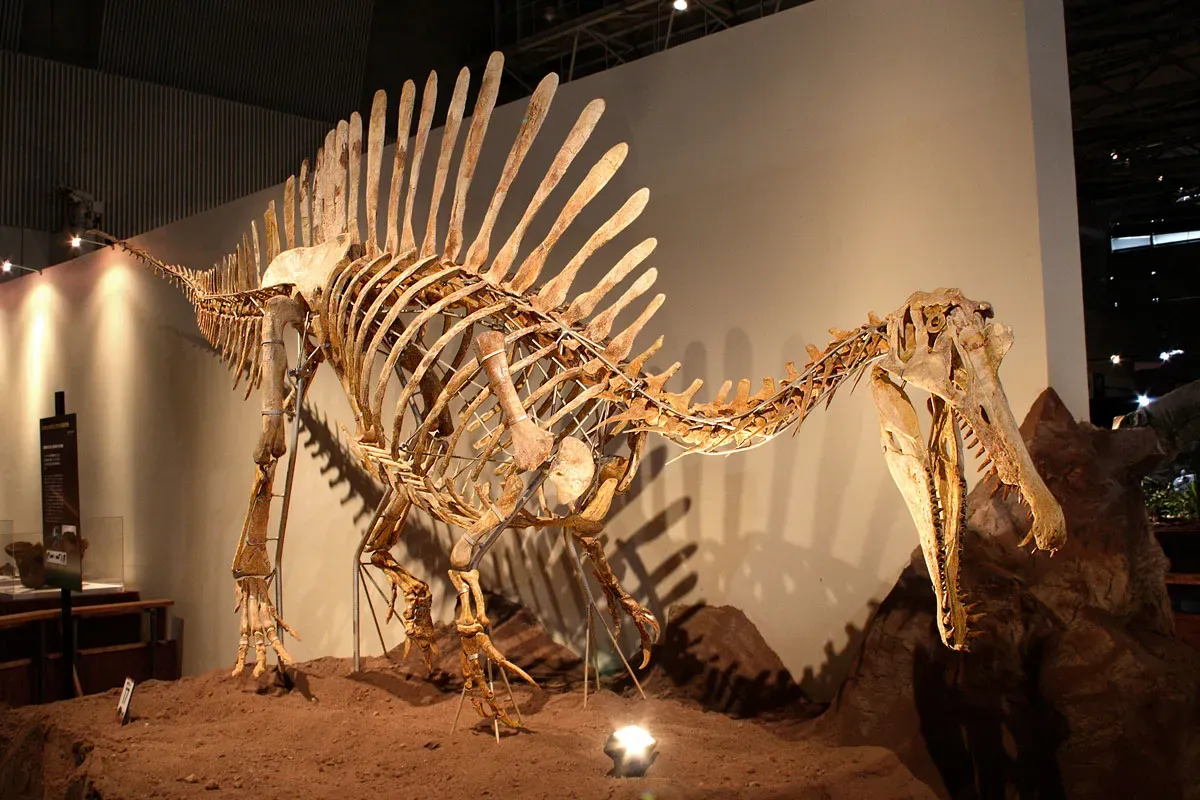
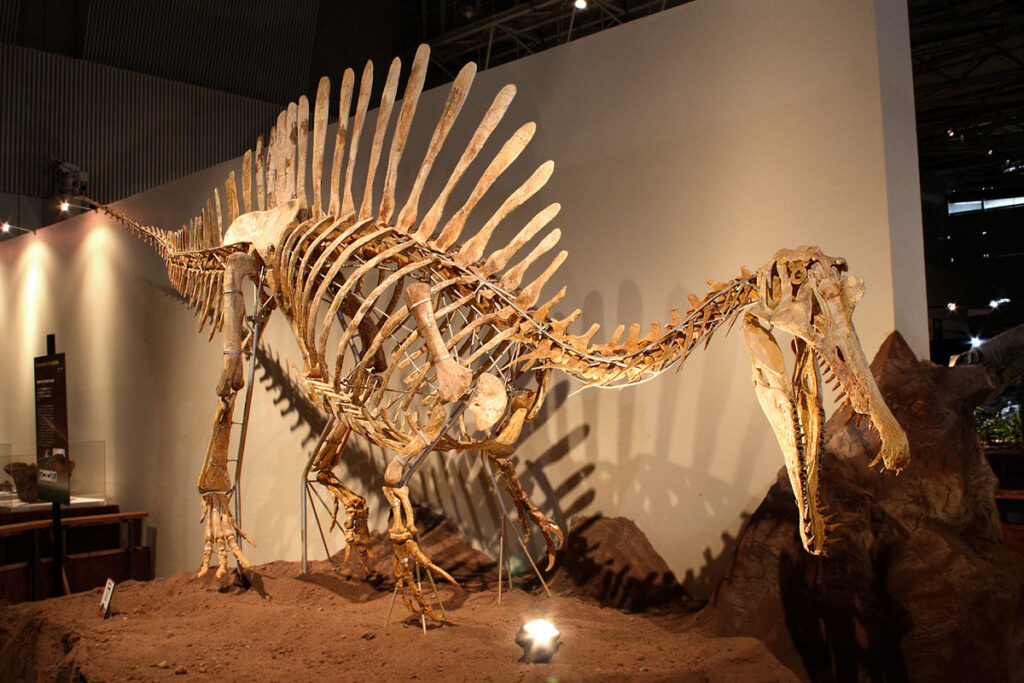
Spinosaurus, the enormous sail‑backed predator, was long known from incomplete remains, many of which were destroyed during World War II. For decades, paleontologists had only fragmentary material and a lot of guesswork. Then, miners working in the phosphate beds of Morocco began turning up large, strange bones among the rocks they were extracting for fertilizer. These finds were not part of any official fossil hunt; they were by‑products of an industrial operation.
Those accidental discoveries provided crucial new pieces of Spinosaurus’s skeleton, including limb bones and parts of the tail that suggested a semi‑aquatic lifestyle. The emerging picture is of a dinosaur that may have been more comfortable in water than most of its infamous cousins, with a crocodile‑like snout and paddle‑like tail. I find it slightly ironic that a predator from an ancient river system is now reconstructed thanks largely to mining aimed at feeding modern crops. Deep past and modern industry are tangled together in a way no one planned.
7. The Chilean whale graveyard revealed by a highway project
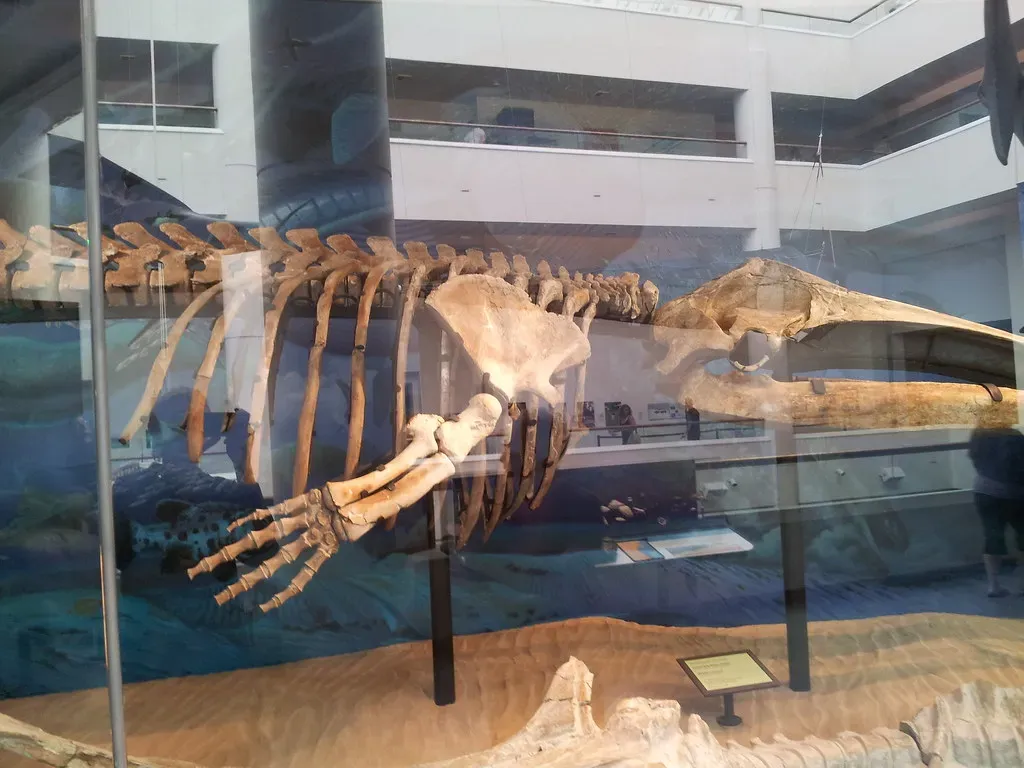
In northern Chile, workers widening a highway in the early 2010s started slicing into a low hill and quickly realized something was wrong with the dirt. Enormous bones were everywhere – jaws, ribs, vertebrae – clearly far too big to be livestock. The construction site was temporarily frozen, and paleontologists were rushed in to document what was rapidly recognized as one of the densest fossil whale graveyards ever found.
The site preserved dozens of marine mammals from around eleven million years ago, stacked in layers that suggested repeated mass dying events, probably from harmful algal blooms or sudden changes in coastal conditions. Because the road cut clean cross‑sections through the hill, scientists got an almost laboratory‑grade slice through time, something no traditional trench layout would have produced in quite the same way. It is a rare case where a disruptive human project unintentionally handed researchers a beautifully exposed page of Earth’s history.
8. A mammoth found beneath a Michigan farmer’s field
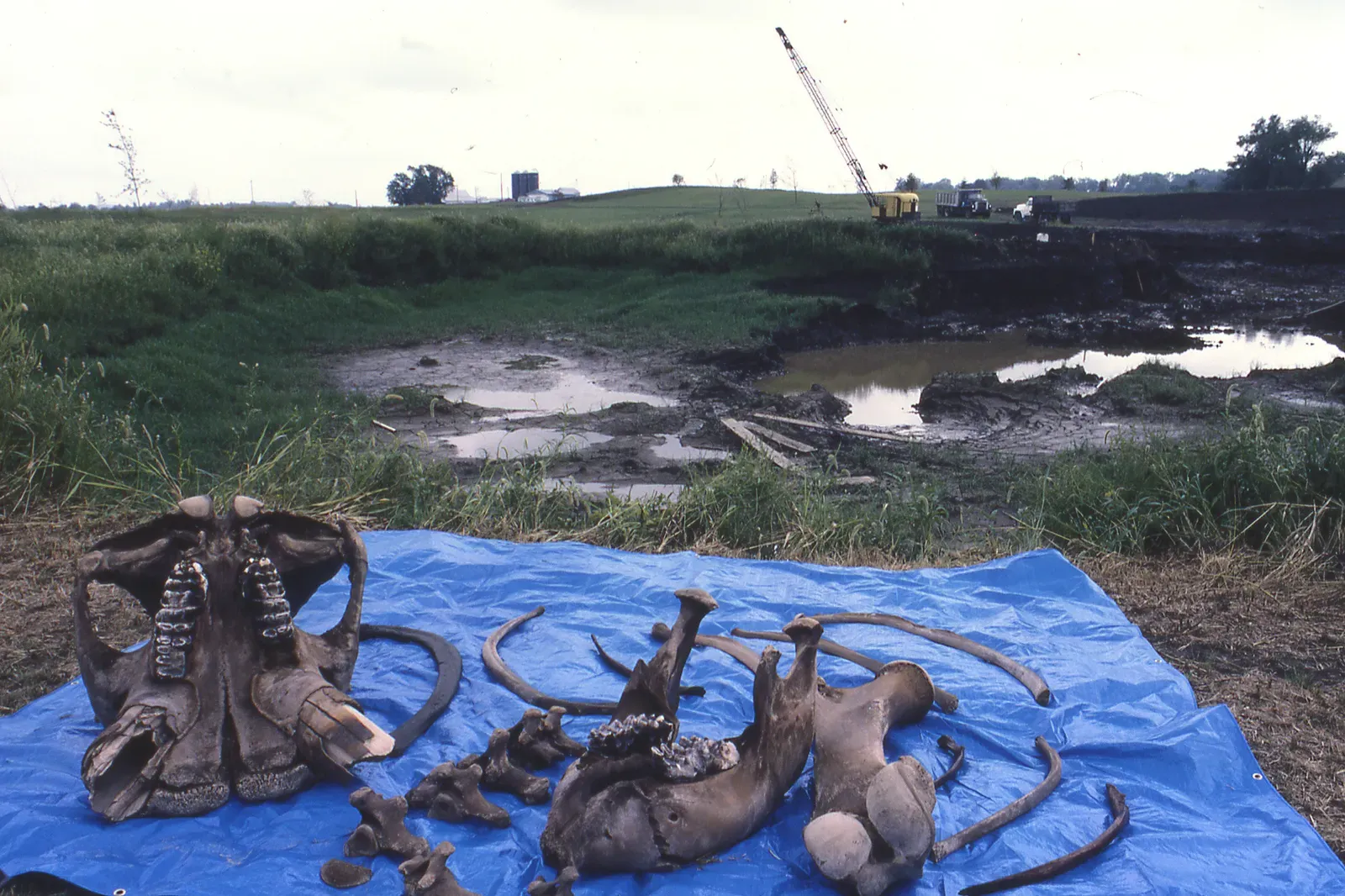
In 2015, a farmer in Michigan hired a neighbor with a backhoe to dig a trench for drainage tiles in one of his fields. A normal day’s work turned strange when the bucket lifted out huge, curved objects that looked disturbingly like giant ribs. The crew did the smart thing: they stopped and contacted a nearby university instead of just tossing the “weird rocks” aside. Within hours, experts confirmed they were dealing with the remains of a mammoth.
This accidental find included skull pieces, tusks, ribs, and vertebrae, offering a snapshot of Ice Age life in the American Midwest. The bones suggested that humans may have butchered and stored parts of the animal in a pond, adding to the ongoing debate about how early people in North America hunted and processed large game. To me, this is one of those cases where the everyday and the epic collide – the same field that grows soybeans was once a butcher site for a massive prehistoric elephant.
9. An Irish schoolboy stumbling on a dinosaur predecessor trace
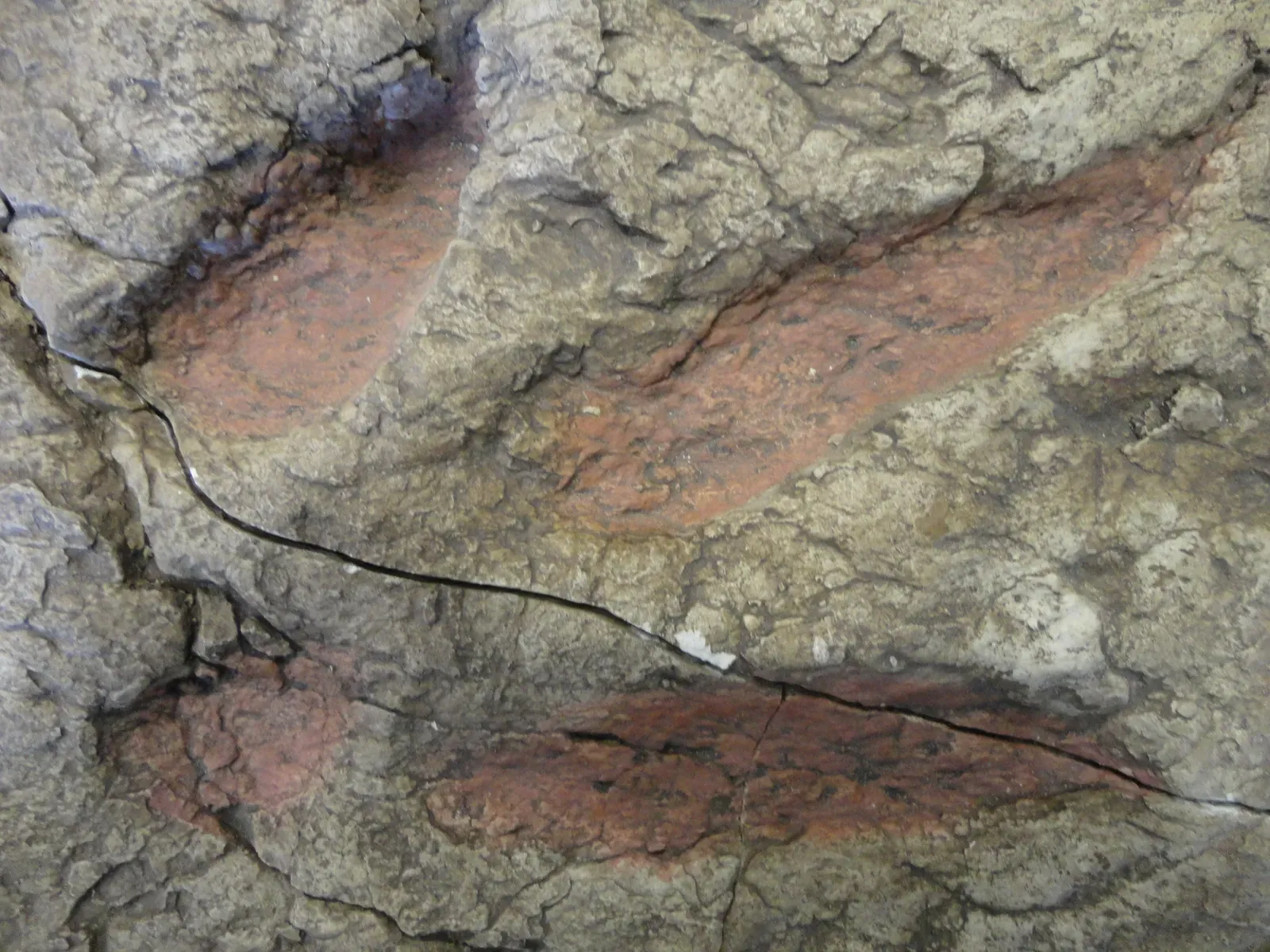
Sometimes the “fossil” is not a bone at all, but the marks an animal left behind. In the late twentieth century, a schoolboy walking along the shoreline in County Clare, Ireland, noticed a set of odd impressions in the rock that looked like little footprints. He pointed them out to adults, and eventually experts recognized them as trace fossils from early land‑walking vertebrates, distant relatives of the creatures that would later give rise to dinosaurs and other terrestrial groups.
These trackways helped fill in how tetrapods – four‑limbed vertebrates – were dispersing across ancient coastlines and shallow seas hundreds of millions of years ago. They are not as dramatic to look at as a giant skeleton, but scientifically they can be just as powerful, because they capture behavior in motion rather than a single frozen body. The fact that a child out on a walk could notice something professionals had passed over says something quietly uncomfortable: curiosity often beats credentials, at least at the moment of first contact.
10. A Chinese farmer uncovering feathered dinosaurs in Liaoning
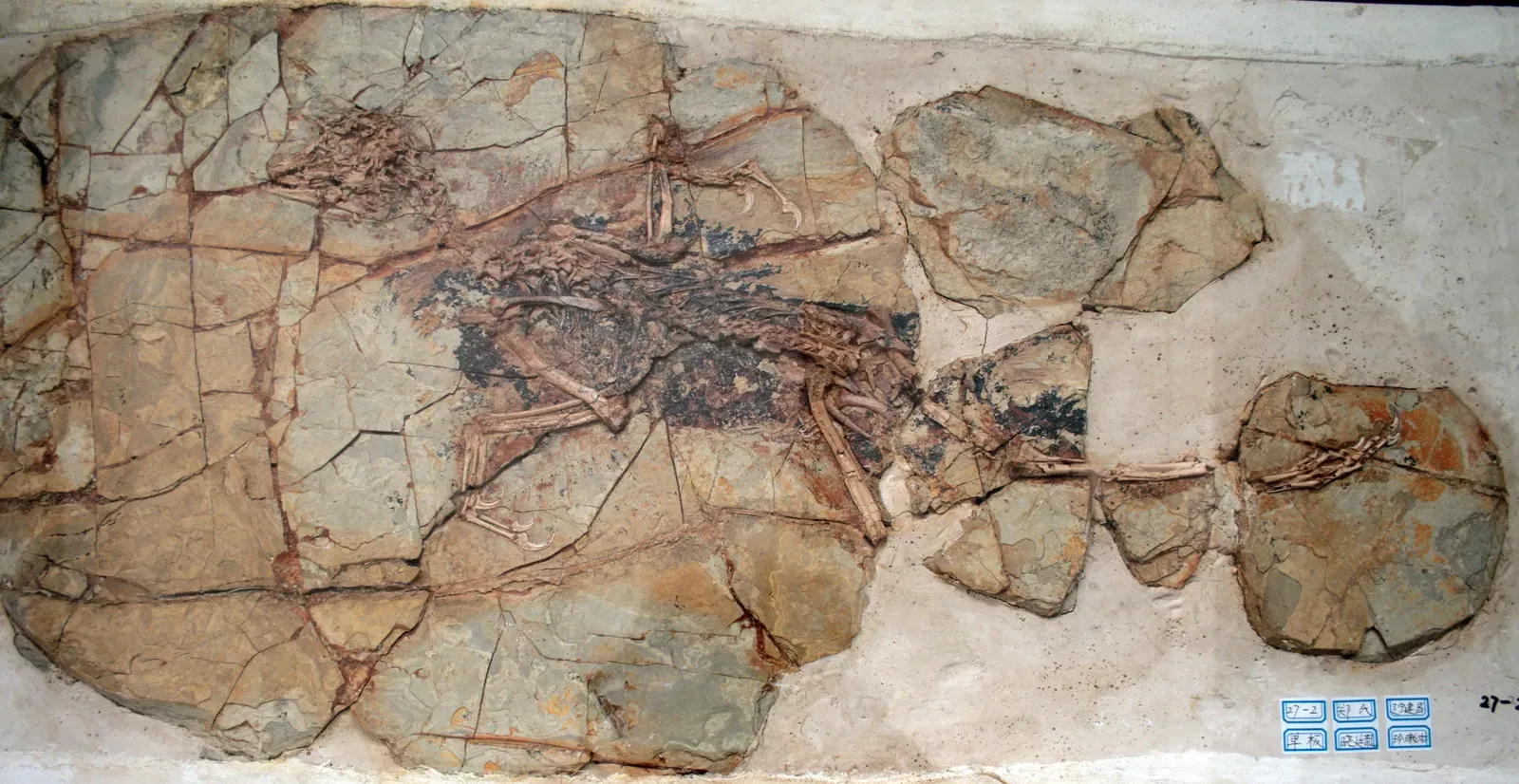
In China’s Liaoning Province, the rush for economic survival led villagers to quarry fine‑grained rock for sale as building stone and even decorative tiles. In the 1990s, one farmer splitting these slabs found delicate outlines of small dinosaurs with what looked like wispy filaments and full feathers. These were not part of any organized fossil program at first; they were essentially a side effect of trying to make a living off stone.
Those slabs opened the floodgates to dozens of feathered dinosaur species, from small, bird‑like raptors to larger, more primitive forms. They decisively showed that feathers were widespread among theropod dinosaurs and not just a late add‑on for true birds. The entire narrative of how flight, insulation, and display structures evolved had to be rethought. It’s hard not to take a strong position here: if you still picture dinosaurs as only scaly movie monsters, you are clinging to an outdated, pre‑Liaoning view of the world.
Conclusion: Chance may find fossils, but curiosity makes them matter
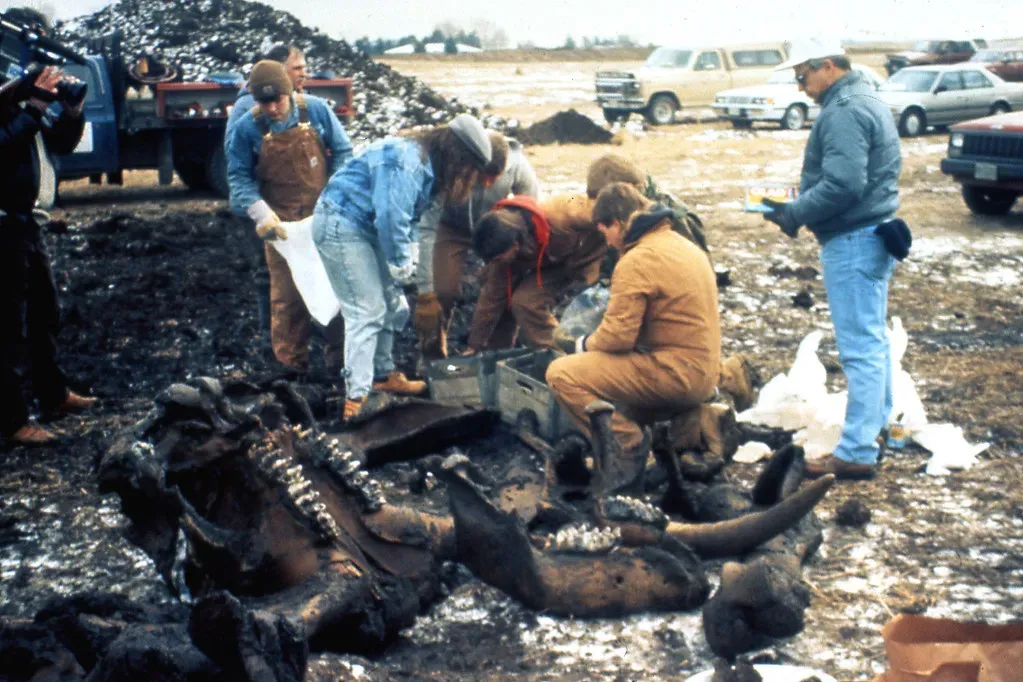
Looking across these stories, one theme jumps out: accidents may uncover fossils, but it is human curiosity that transforms them into knowledge. A quarry worker, a farmer, a schoolboy, a road crew – they all could have shrugged and moved on. Instead, someone cared enough to ask what that strange shape in the rock really was. My own bias is clear: I think we massively underestimate how much science depends on these unscripted, slightly nosy moments from people who are not wearing lab coats.
At the same time, these finds show that Earth is far from done telling us its story. Under every construction site, behind every roadside cut, there might be another Lucy, another whale graveyard, another feathered dinosaur waiting for the right pair of eyes. That is both thrilling and a little unsettling, because it means our current timeline of life is still provisional, still wildly incomplete. Next time you walk past an exposed rock face or watch a backhoe tear into the ground, it is worth wondering: what piece of deep time is being sliced open right in front of you, and will anyone actually notice?