Picture a dinosaur that looks a bit like a crocodile on stilts, stalking riverbanks under an Early Cretaceous sun. That is Suchomimus: long-snouted, sail-backed, and built for a life spent flirting with the water’s edge. It does not have the pop-culture fame of Tyrannosaurus or Velociraptor, yet many paleontologists and dino-nerds quietly rank it among the most fascinating predators we have ever discovered.
What hooked me the first time I read about Suchomimus was how oddly familiar it felt. It sits right at the crossroads between land and water, almost like nature’s early experiment in turning big theropod dinosaurs into something closer to a monster crocodile. The more you look at it, the more questions appear: How exactly did it hunt? How much time did it spend in the water? And why did a dinosaur this dramatic stay in the shadows of its more famous relatives for so long?
1. Suchomimus Literally Means “Crocodile Mimic” – And It Earns The Name
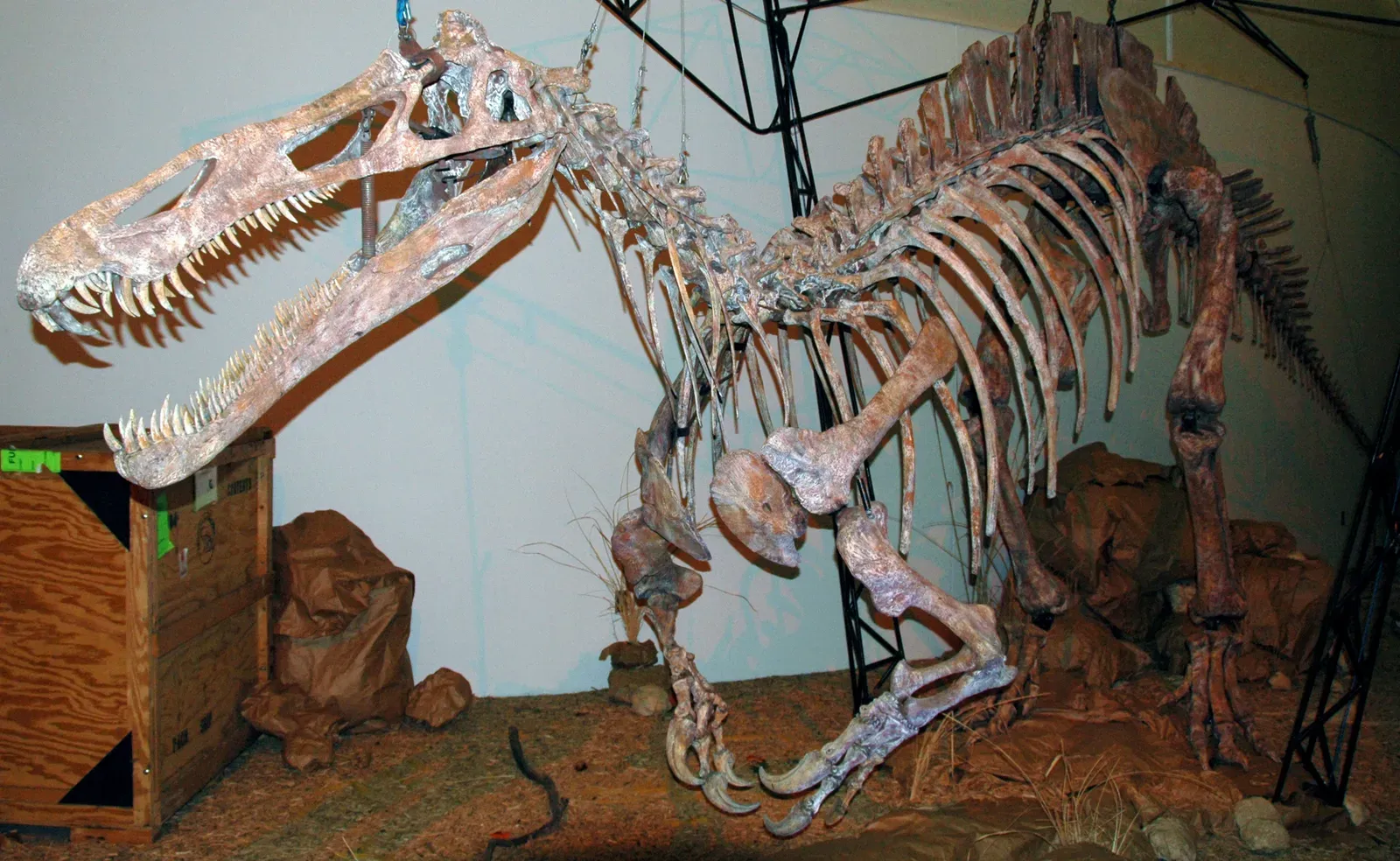
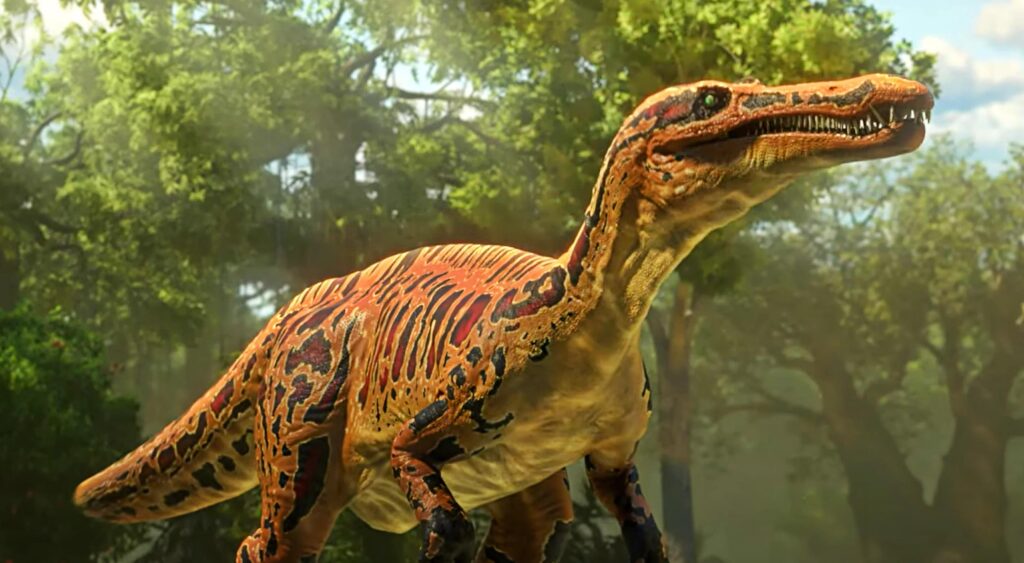
Let’s start with the name, because it says almost everything about first impressions. Suchomimus comes from the Ancient Greek words for “crocodile” and “mimic,” and once you see its skull you understand why. Its snout is long, narrow, and packed with conical teeth, giving it a profile that looks far more like a modern crocodile or gharial than a classic meat-eating dinosaur with a deep, blade-like head.
This crocodile-like design is not just cosmetic flair; it tells you what its lifestyle was probably like. A slender, elongated snout is not great for biting into huge, struggling land animals, but it is perfect for snapping at slippery prey in the water. When I first saw reconstructions of the skull, my brain automatically slotted it into the “river ambush” category, the same place we mentally put crocodiles and some big fish-eating birds. The name may sound a bit dramatic, but for once, the drama matches the anatomy.
2. It Was Big Enough To Be Terrifying, But Not Quite The Top Spinosaur
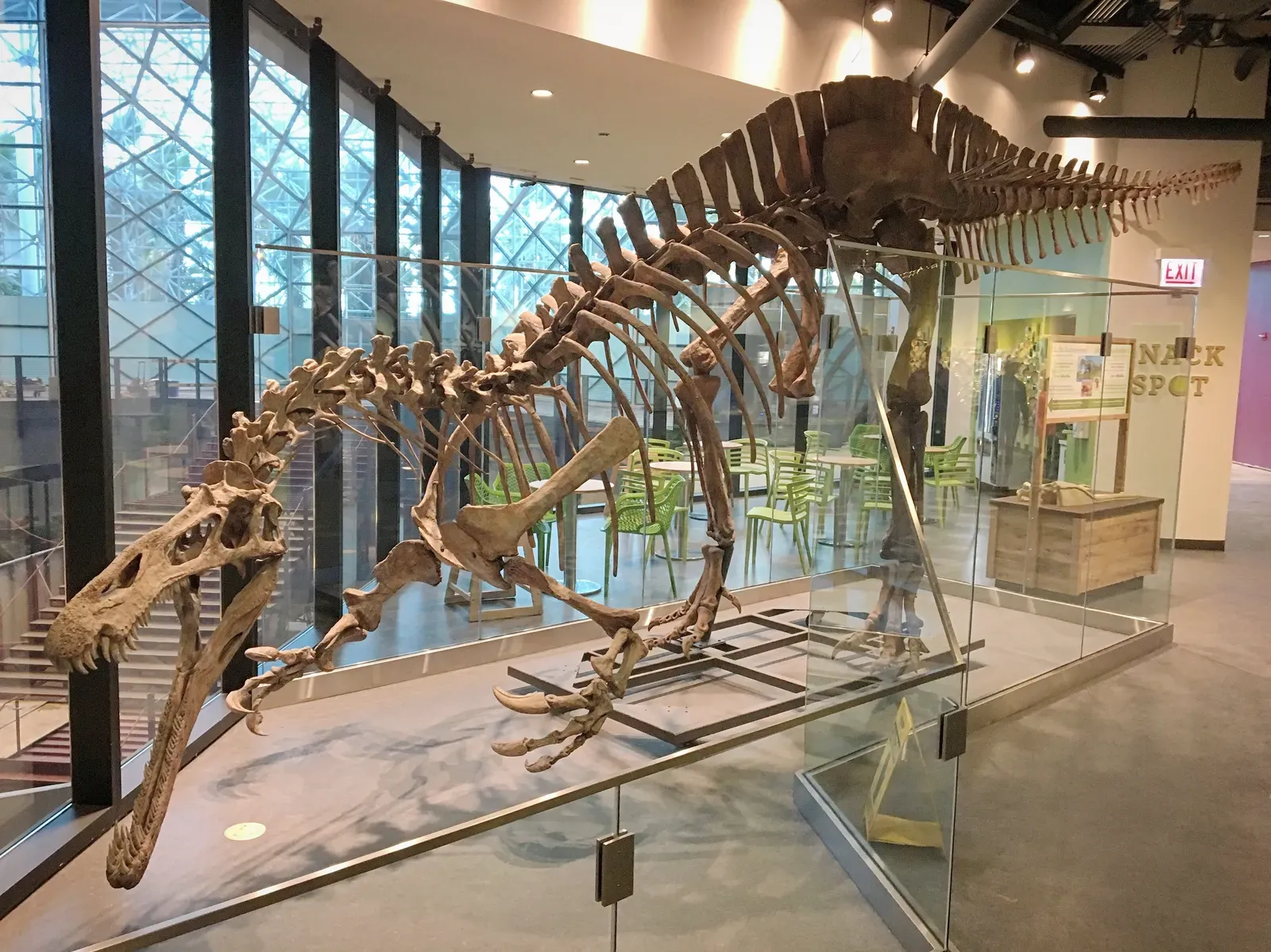
In photos or museum models, Suchomimus can sometimes look sleek and almost “medium-sized” compared to the hulking, sail-backed image of Spinosaurus that dominates dinosaur media. That is a bit misleading. Estimates suggest Suchomimus was roughly as long as a city bus, stretching out to around eleven meters or more from snout to tail, with a mass easily in the several-ton range. This was not a nimble little river hunter; it was a giant predator you would never want to meet at the water’s edge.
Still, it probably was not the absolute heavyweight champion among spinosaurids. Spinosaurus appears to have out-sized it, at least in length and mass, but that does not make Suchomimus some minor player. If anything, it shows how insanely diverse and oversized this whole family of predators became. Think of it like this: if Spinosaurus was the massive cargo ship of the waterways, Suchomimus was the big, dangerous fishing trawler – still enormous, still deadly, just a bit less extreme.
3. A Snout Built To Grab Slippery Fish, Not To Slice Flesh
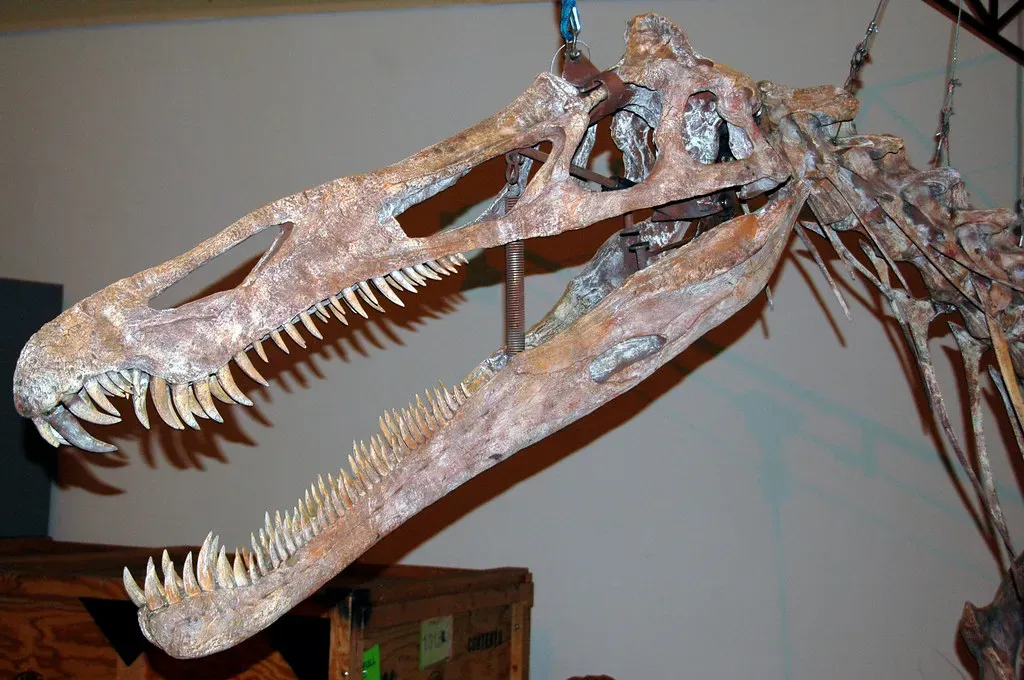
One of the coolest details about Suchomimus is hidden in its teeth and jaws. Instead of the blade-like, serrated teeth you see in predators such as Allosaurus or some tyrannosaurs, Suchomimus had more rounded, conical teeth that lacked big cutting edges. These are exactly the kind of teeth you expect in animals that grab and hold onto wriggling prey rather than tearing chunks off large carcasses.
That tooth design, paired with the long, narrow snout and bony rosette at the tip of the jaw where some teeth interlocked, strongly points to a fish-heavy diet. It reminds me of watching videos of crocodiles snapping up fish or gharials scissoring their slender snouts through the water. While it might still have scavenged or grabbed smaller land animals when the opportunity appeared, everything about its dental toolkit screams “specialist” rather than “generalist butcher.”
4. Huge Claws On Its Hands Hint At More Than Just Fishing
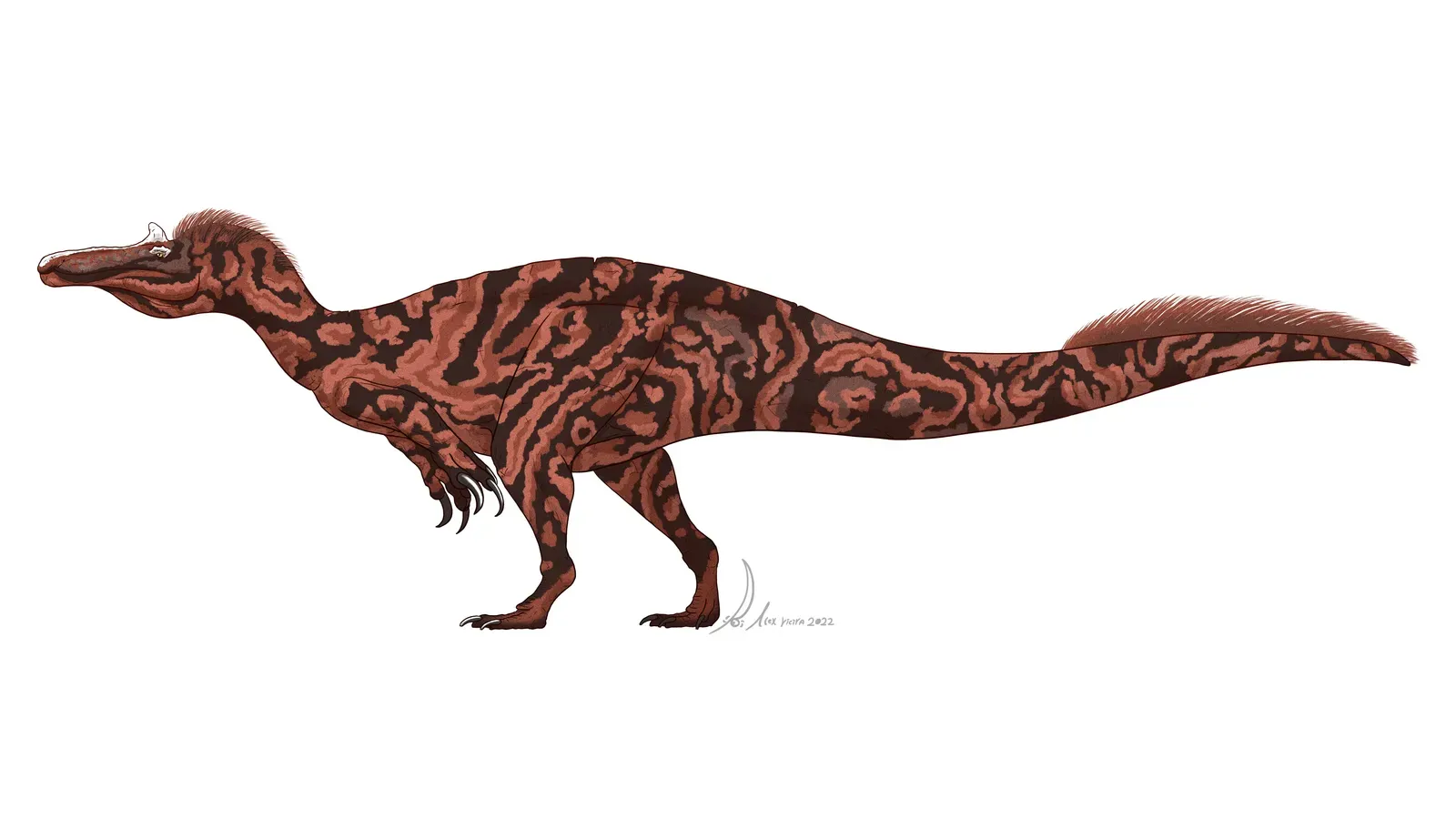
Spinosaurids are famous for those oversized thumb claws, and Suchomimus is no exception. Each hand carried a prominent, sickle-shaped thumb claw that could reach lengths comparable to a large human forearm. At first glance, it is tempting to imagine those claws raking through flesh like some dinosaurian slasher movie, but that might miss part of the story.
Those claws could have been incredibly useful for a variety of tasks related to a semi-aquatic lifestyle. They may have helped hook struggling fish, rake through mud or vegetation along riverbanks, or tear apart rotting logs and carcasses to find hidden meals. When I picture it, I see a big, powerful animal wading in shallow water, using its jaws to grab and its claws to pin or yank. There is something strangely practical about this design – like a Swiss army knife for surviving near the shoreline.
5. Its Back Was Lined With Extended Neural Spines, But Not A Giant Sail
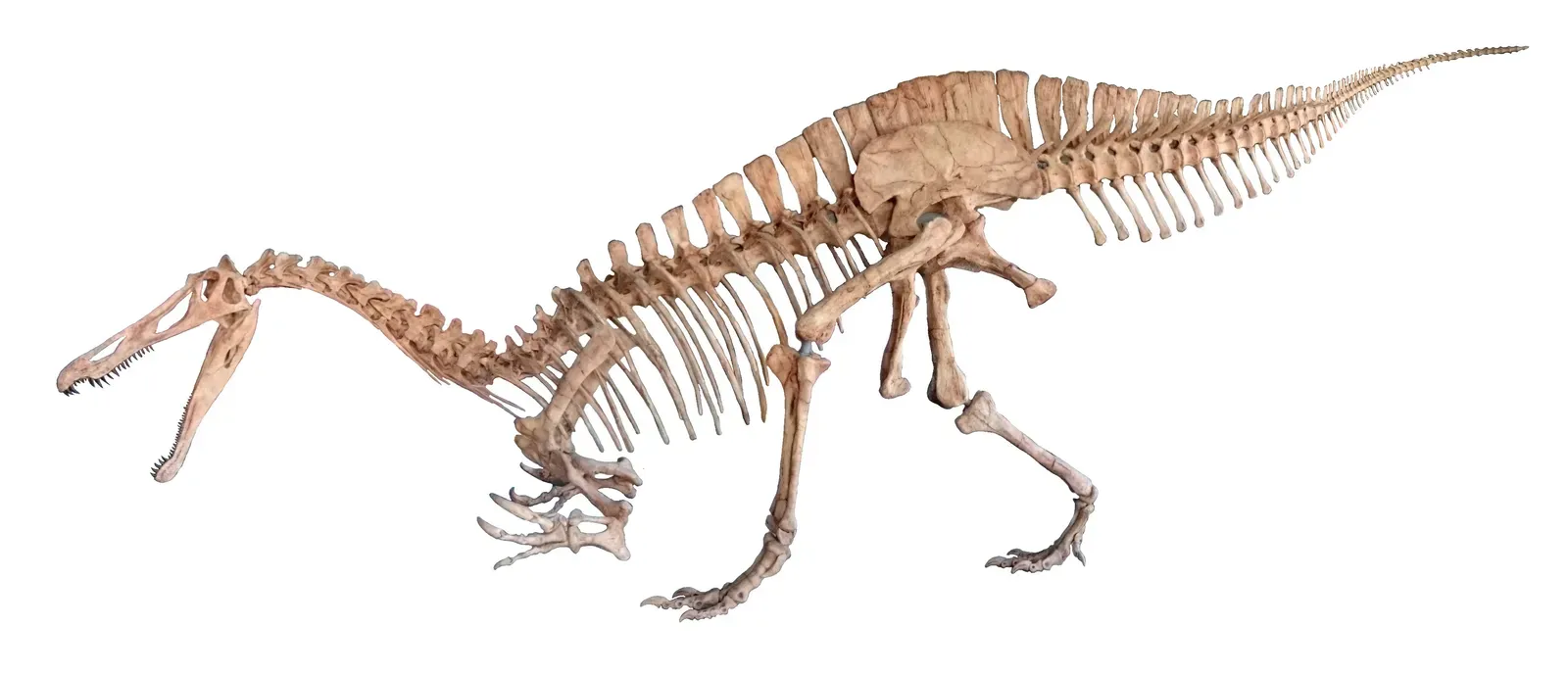
Everyone hears about the massive sail of Spinosaurus, but Suchomimus had its own spine story to tell. The vertebrae along its back had elongated neural spines – bony projections rising above each vertebra – that created a modest ridge or low sail along its body. It was not the towering, dramatic structure seen in some reconstructions of Spinosaurus, but it was still a noticeable feature when you imagine the muscles and skin covering it.
What this ridge was actually for is still debated. It might have helped with muscle attachment, strengthening the back and tail for powerful movement. It may also have played a role in display, making the animal look larger or more impressive to rivals or potential mates. I like to imagine that in the low light of dawn or dusk, that tall-boned back helped Suchomimus stand out as a jagged silhouette against the water, a living warning sign to anything thinking of sharing its fishing spot.
6. It Lived In A Rich River System, Not An Empty Desert
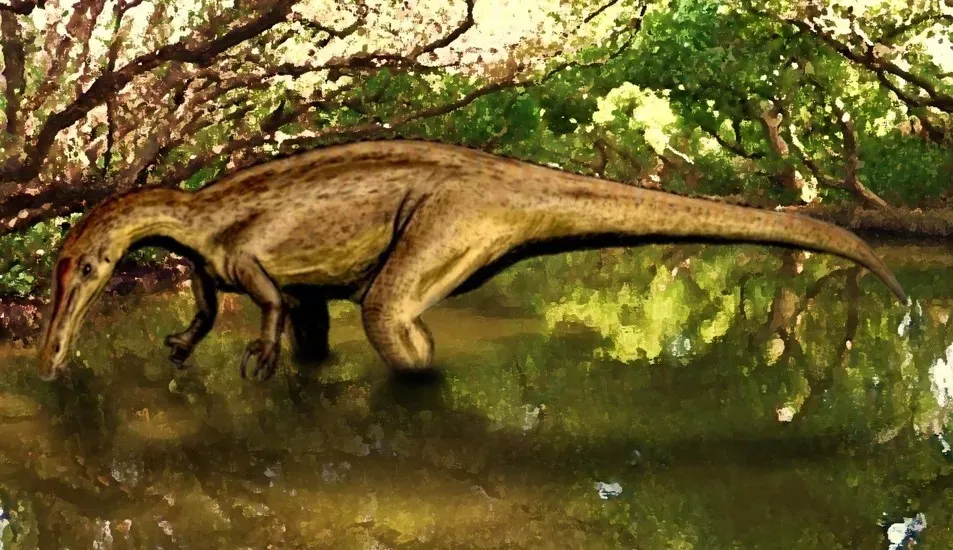
Fossils of Suchomimus were discovered in what is now Niger, in West Africa, in rocks that date back to the Early Cretaceous. Back then, this region was not the dry, open landscape people often picture when they hear “Sahara.” Instead, it was a lush environment with river systems, floodplains, and wetlands. That is exactly the kind of setting you would expect for a dinosaur built to haunt the water’s edge.
This river world would have been busy and dangerous, full of large fish, other dinosaurs, and possibly big crocodile-like reptiles sharing similar hunting spaces. Rather than being a lonely apex predator roaming empty plains, Suchomimus was part of a crowded ecological community. I imagine it like a prehistoric version of a bustling river delta, where every sandbar and shaded pool held something that wanted to eat – or avoid being eaten. That makes its adaptation to a watery lifestyle feel even more crucial to its success.
7. It Shows How Dinosaurs Kept Pushing Into Aquatic Territory
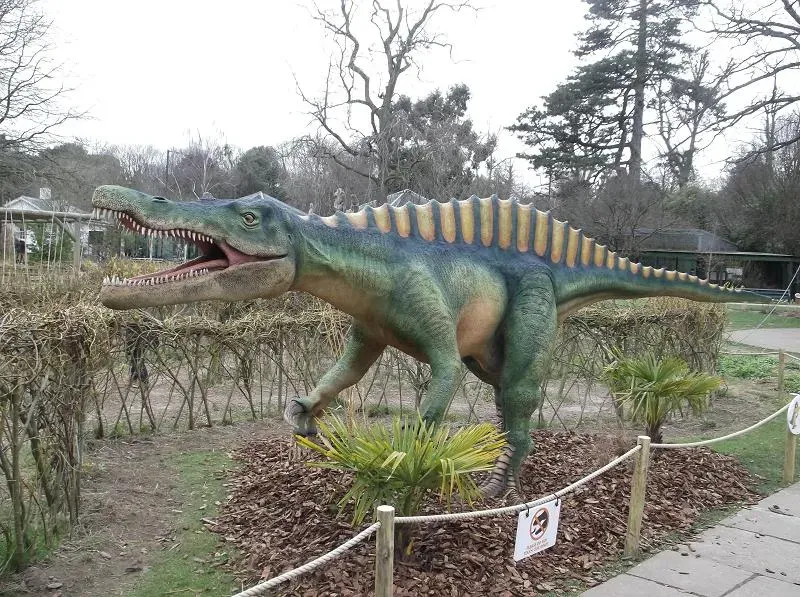
For years, dinosaurs were often described as mostly land animals, with only a few dabbling in water. Spinosaurids like Suchomimus help break that old, oversimplified view. Its crocodile-like head, fish-grabbing teeth, and limb proportions all point toward a lifestyle that blended land and water in a way we used to associate more with crocodiles, otters, or big wading birds.
We still do not know exactly how far into the water Suchomimus went. Maybe it preferred shallow rivers and sandbars, wading rather than swimming deeply, or maybe it occasionally ventured farther in for big hunting opportunities. To me, the most important point is what it represents: dinosaurs were not confined to one way of living. They were experimenting, evolving, and pushing into ecological roles that blur the line between “typical dinosaur” and “something closer to a crocodilian nightmare.”
8. Its Discovery Helped Fill A Giant Gap In The Dinosaur Family Tree
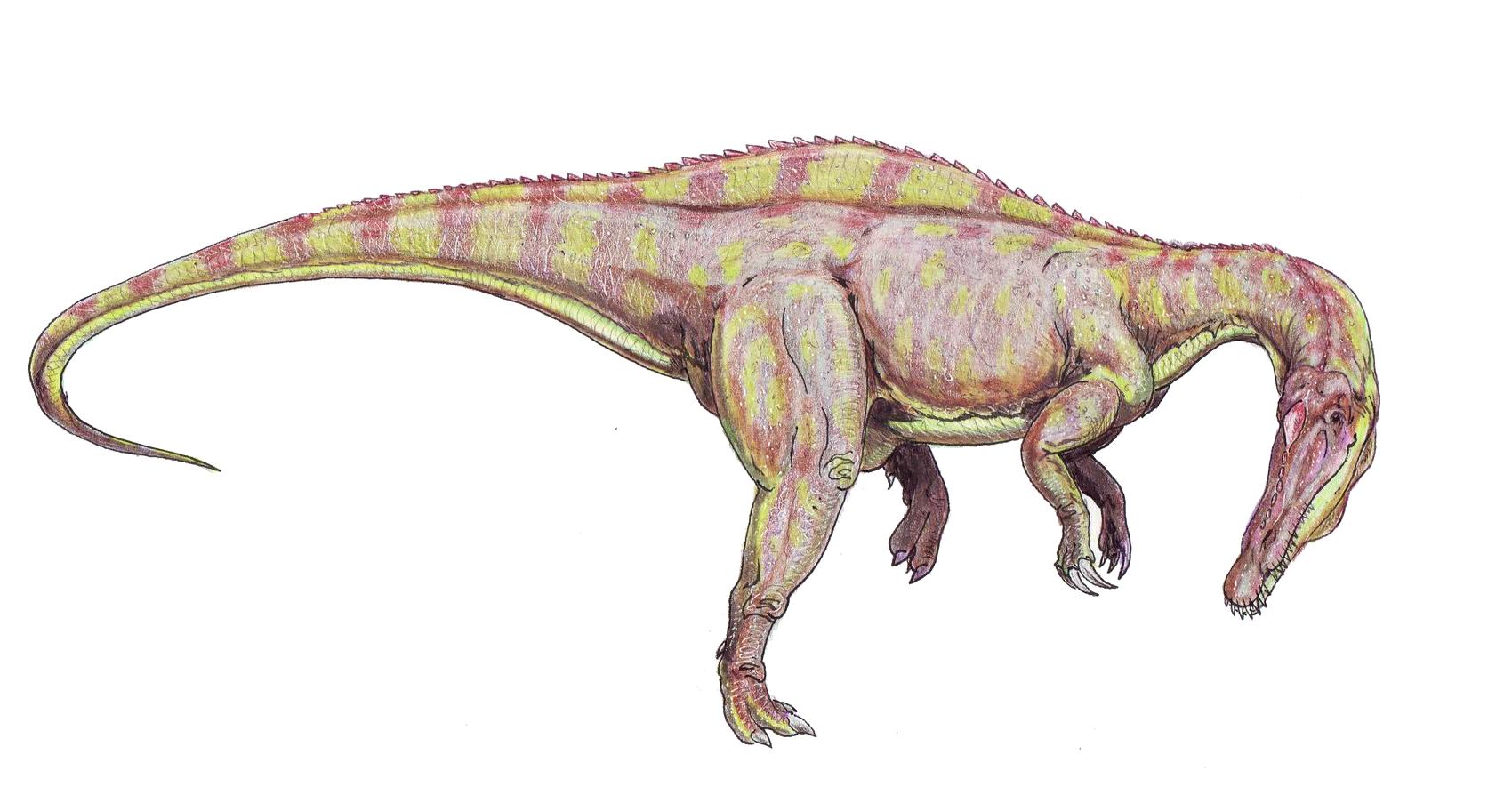
Suchomimus was described relatively late compared to some classic dinosaurs, which is partly why it still feels underappreciated outside paleontology circles. When it was recognized and studied, it did more than add another cool predator to the roster – it helped clarify the broader picture of spinosaurid evolution. It sits within a branch called Spinosaurinae or closely related to that group, linking different fossils from various continents into a more coherent story.
Finding Suchomimus in Africa also underscored how widely spread spinosaurids had become by the Early Cretaceous, with relatives in Europe, South America, and possibly Asia. It is like stumbling onto a missing chapter in a family history book and realizing your relatives were traveling and settling all over the place. For scientists, that makes Suchomimus not just visually dramatic, but scientifically powerful: a key piece in understanding how these crocodile-snouted hunters conquered so many ancient waterways.
9. Its Bones Reveal A Predator Built For Strength, Not Sprinting
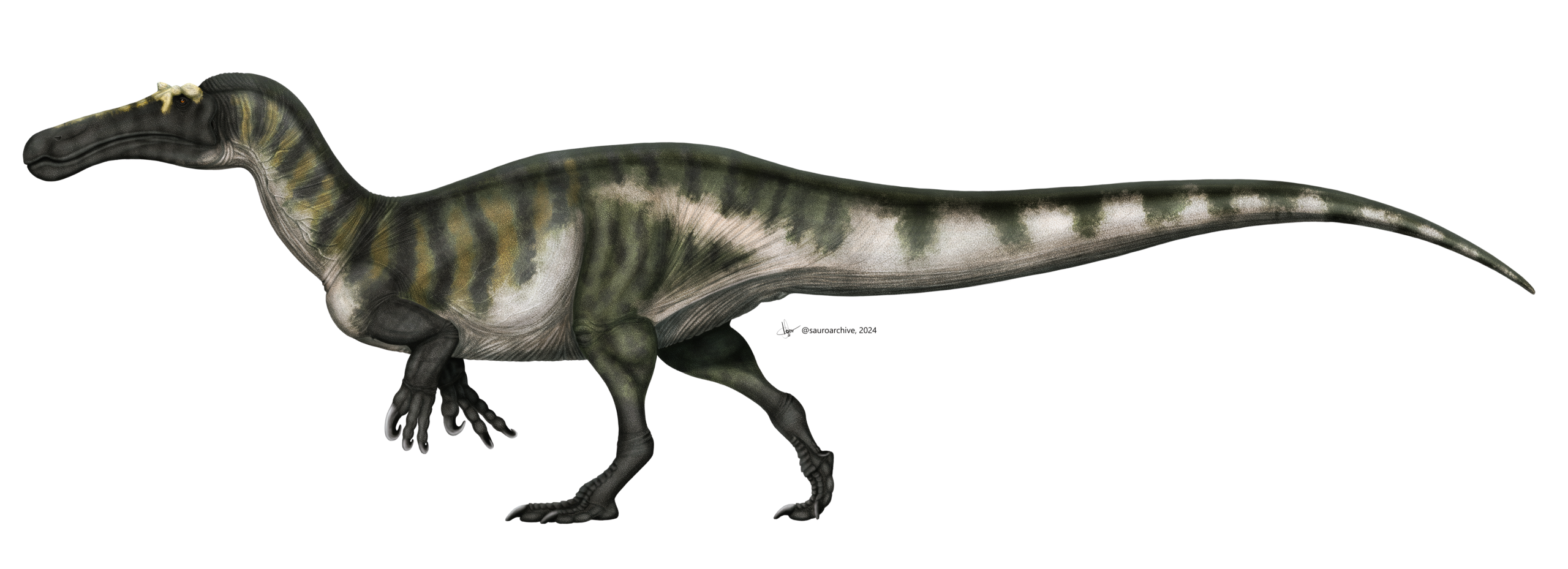
Looking beyond teeth and sails, the overall build of Suchomimus gives more clues about its lifestyle. Its body appears robust, with strong limb bones and a solid frame rather than the ultra-light, ultra-fast look of some other theropods. This does not mean it was slow and clumsy, but it suggests it was not specialized for long-distance sprinting across open ground.
Instead, that strength would have been extremely useful for a predator dealing with heavy, thrashing prey in water currents. Think about wrestling a large fish or dragging a struggling animal toward the bank – that is all about power, stability, and leverage. I always imagine Suchomimus as the dinosaur equivalent of a strong, stocky river fisherman rather than a track-and-field sprinter. It probably relied more on careful stalking, sudden lunges, and brute force than on chasing things down over long distances.
10. Suchomimus Deserves A Bigger Place In Dinosaur Pop Culture
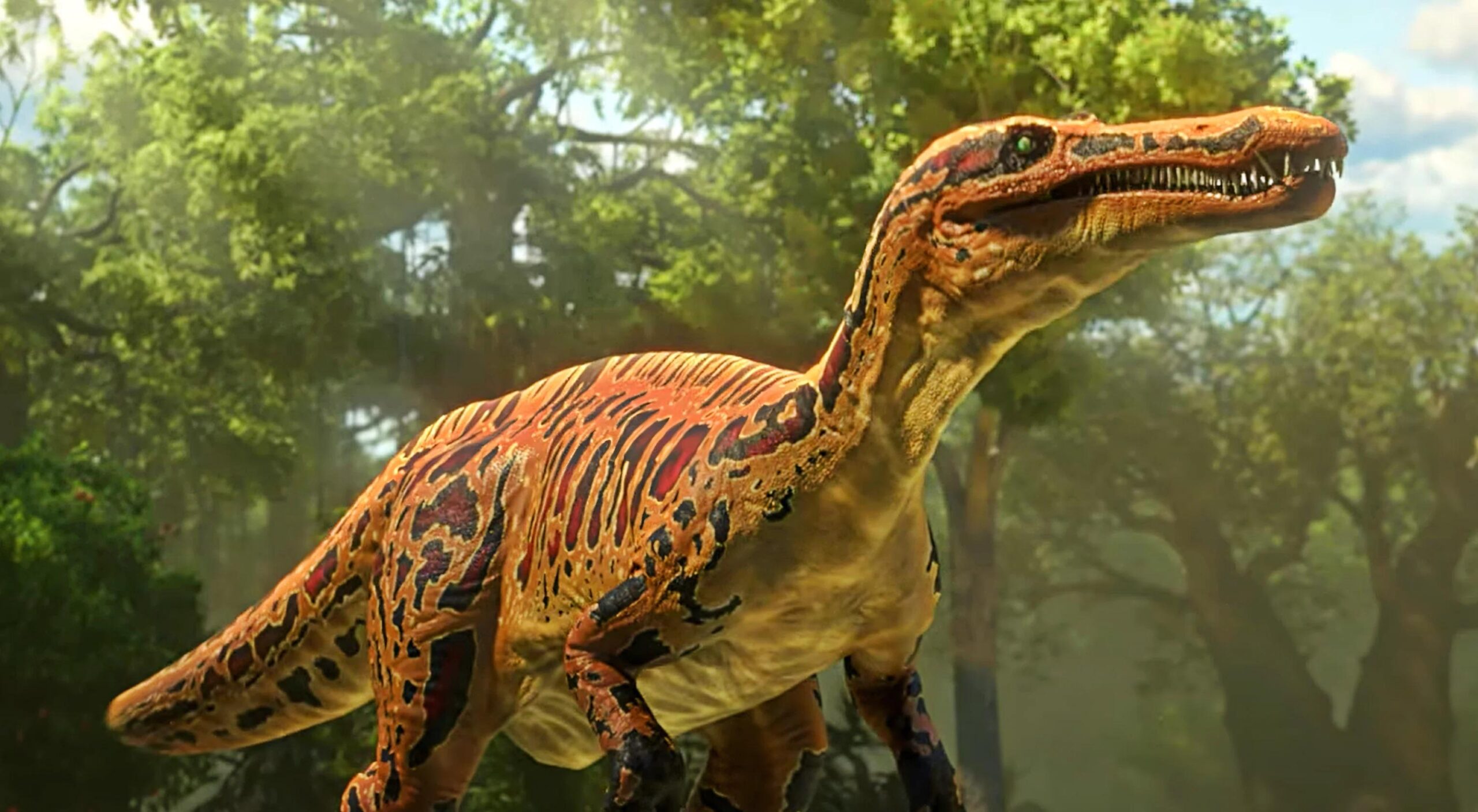
Despite everything we know about its dramatic looks and fascinating lifestyle, Suchomimus still lingers in the background of dinosaur pop culture. The spotlight usually lands on T. rex, raptors, and the ever-controversial reconstructions of Spinosaurus. In my opinion, that is a shame, because Suchomimus hits a perfect sweet spot: it is visually striking, scientifically informative, and just mysterious enough to keep people asking questions.
When I talk to younger dinosaur fans, I often bring up Suchomimus as a kind of gateway species into the weirder corners of dinosaur evolution. It challenges the stereotype of what a “normal” carnivorous dinosaur looks like and nudges people to think about ecosystems, specialization, and how life adapts to niche environments. If any dinosaur deserves to climb the fame ladder in the next decade, this crocodile-faced giant is high on my personal list.
Conclusion: A River Monster That Rewrites What A Dinosaur Can Be
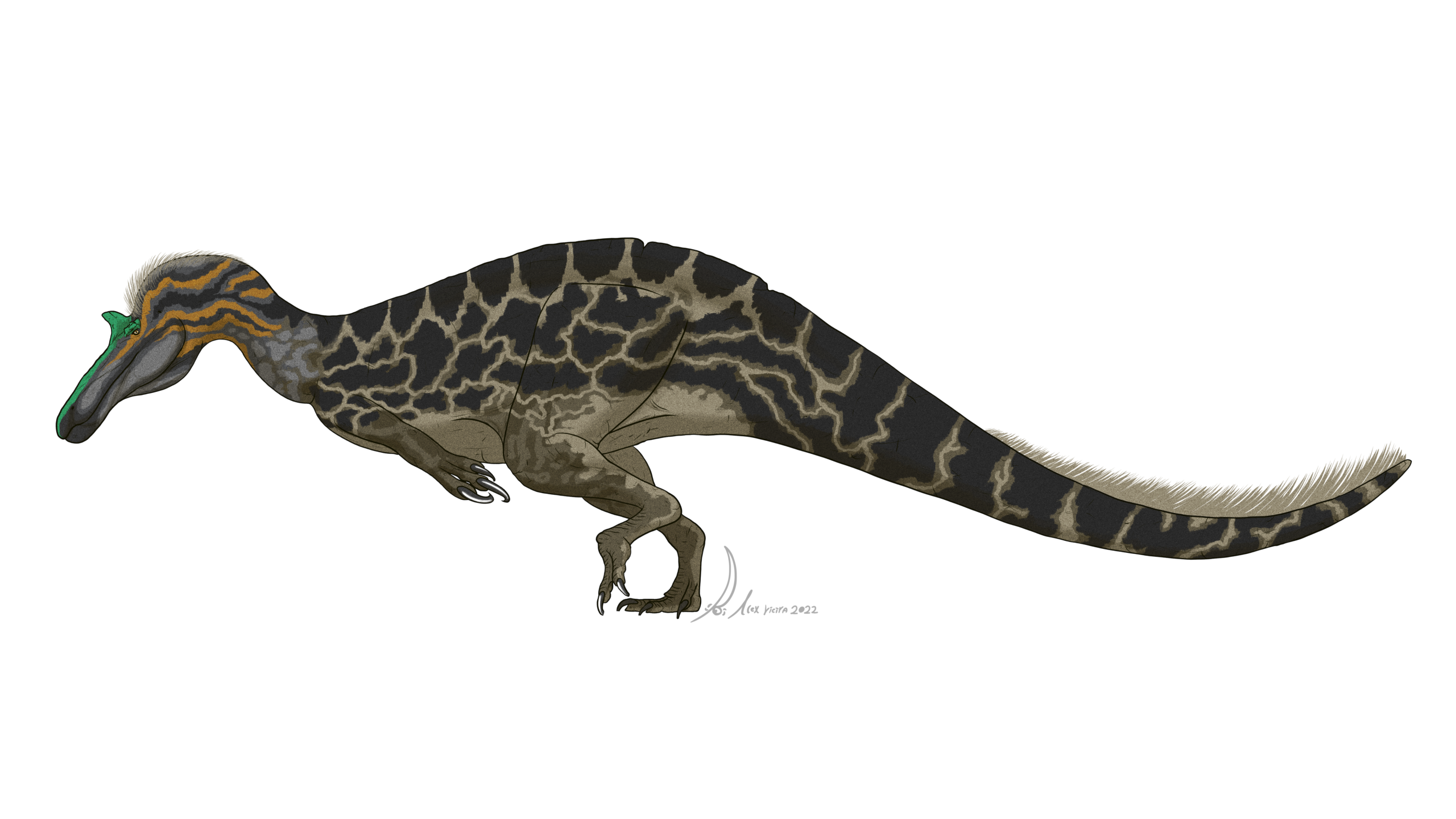
Suchomimus may never dethrone the biggest celebrity dinosaurs, but honestly, I think that works in its favor. Free from the constant hype and cinematic exaggeration, it stands as a more grounded, quietly mind-blowing reminder of how strange and flexible dinosaur evolution really was. This was not just a land-stalking brute; it was a semi-aquatic powerhouse with a crocodile’s snout, a ridge-backed spine, and claws tailored for life on the shifting boundary between water and shore.
To me, Suchomimus is one of those species that forces us to admit our mental image of “a typical dinosaur” is still way too narrow. It shows that even within one group of predators, nature was experimenting wildly – stretching skulls, reshaping teeth, and twisting bodies toward new habitats and hunting styles. The next time you picture the Age of Dinosaurs, it is worth adding a scene at a muddy riverbank where a long-snouted giant waits, half in shadow, watching the water. In that mental movie, do you still think dinosaurs all looked alike?