When most people think “prehistoric nightmare,” their brain jumps straight to dinosaurs. T. rex, Velociraptor, maybe Triceratops if you were a kid who liked the underdog. But here’s the twist: dinosaurs were only part of a much bigger and much stranger cast of ancient creatures, and some of their non-dinosaur neighbors would make a T. rex look almost manageable. Imagine oceans ruled by bus‑sized scorpions, skies darkened by flying reptiles with airplane‑sized wings, and land predators built like crocodiles on overdrive.
What makes these animals so chilling is not just their size or teeth, but how they fit into their ecosystems. Many of them were apex predators in worlds with almost no human‑sized animals at all, meaning we’d look like convenient snacks, not threats. As you read through these ten prehistoric monsters, try picturing them dropped into the modern world: a Megalodon cruising past your favorite beach, or a giant terror bird stalking the suburbs like something out of a horror movie. Dinosaurs were scary, sure – but these would rewrite the definition.
Megalodon – The Ocean’s Original Super‑Predator
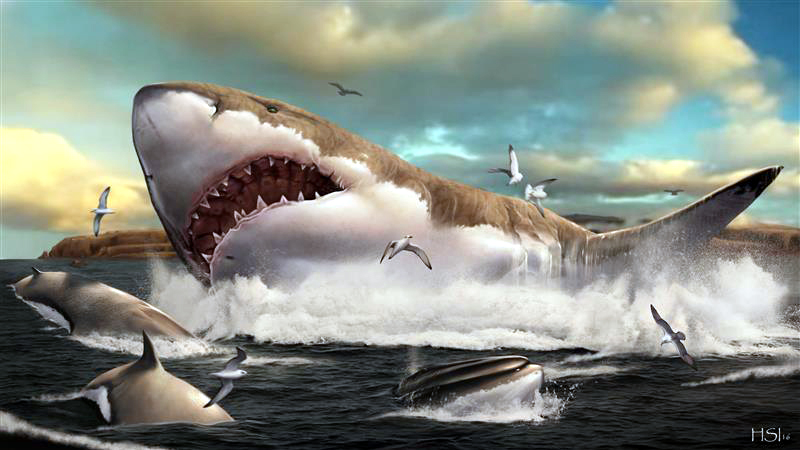
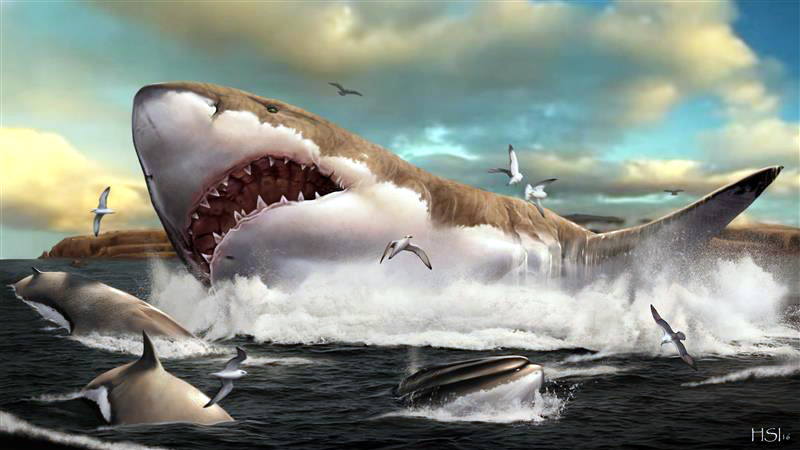
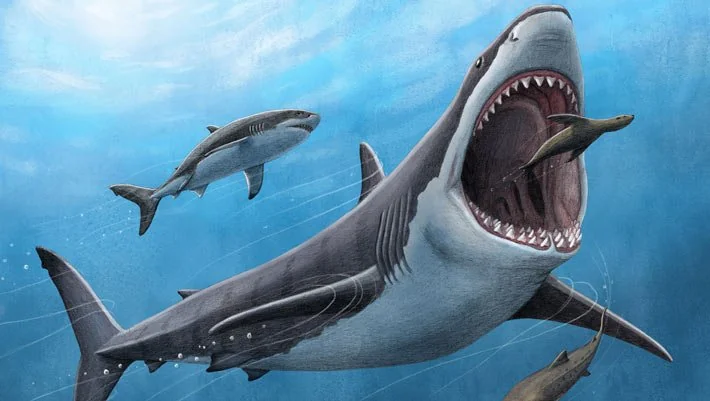
If there’s one prehistoric animal that would instantly ruin beach vacations forever, it’s Megalodon. This giant shark, which lived millions of years after most dinosaurs died out, could grow longer than a city bus, with a bite force that makes great white sharks look almost delicate. Scientists still debate its exact maximum size, but even the cautious estimates put it firmly into the “nope, I’m never swimming again” category. Its teeth, as big as a human hand, are scattered in fossil beds around the world like grim calling cards from a long‑dead apex predator.
Drop Megalodon into today’s oceans and our relationship with the sea would change overnight. Commercial shipping routes, offshore rigs, and coastal tourism would suddenly have to deal with a predator capable of attacking whales and possibly even boats. People worry now about shark attacks that are statistically rare; imagine knowing that somewhere out there is a shark that could swallow a small car if it really wanted to. The modern great white is scary because we can imagine meeting one in the surf. Megalodon would be terrifying because humanity would have to admit we are no longer anywhere near the top of the marine food chain.
Mosasaurs – The “T‑Rex” of the Ancient Seas
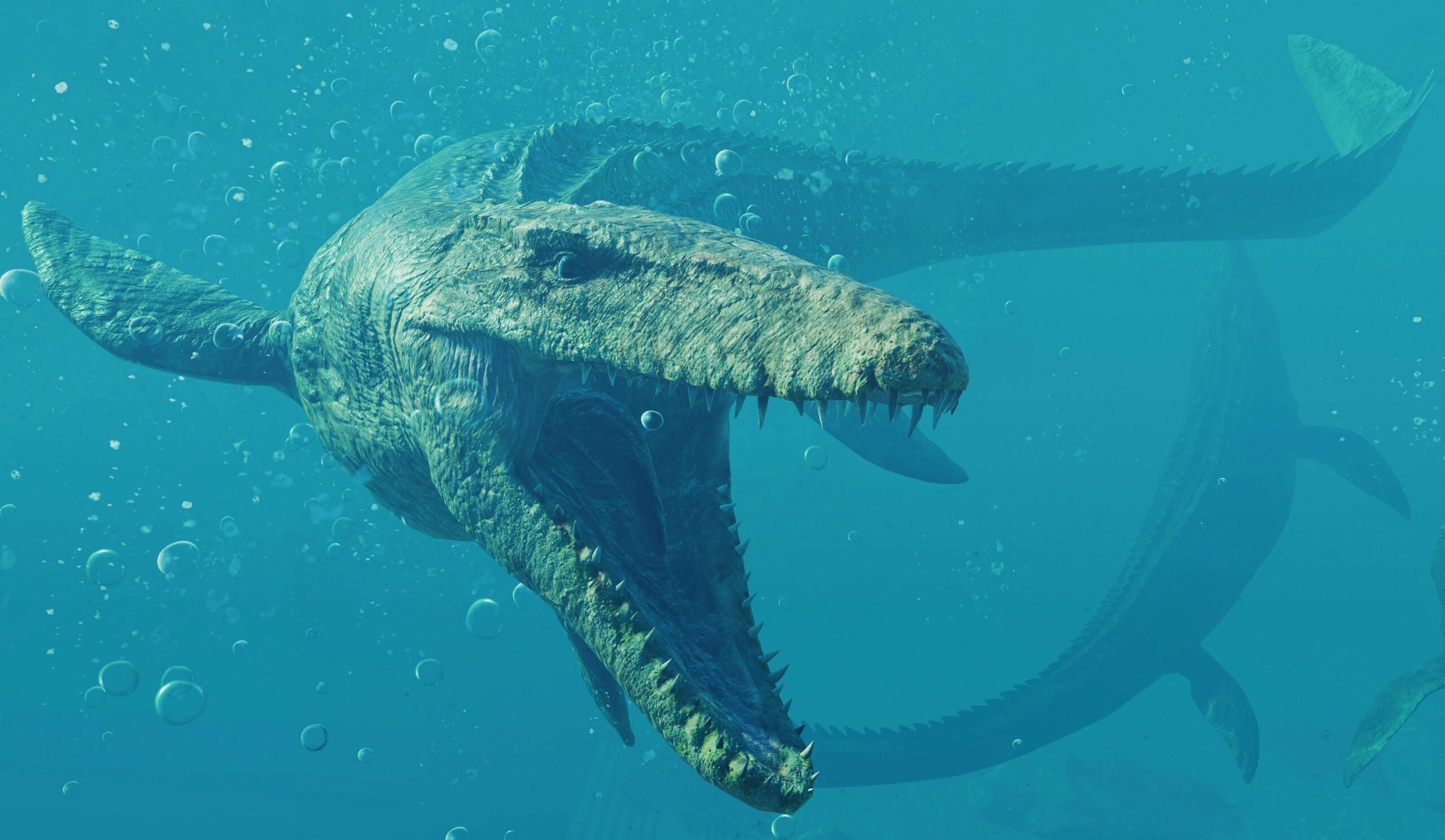
On land, dinosaurs ruled. But in the late Cretaceous oceans, mosasaurs were the undisputed overlords. Picture something shaped like a monstrous komodo dragon crossed with an eel, but scaled up to lengths rivaling a school bus, armed with double‑hinged jaws and conical teeth perfect for grabbing slippery prey. Some species even had a second row of teeth further back in the mouth to help drag struggling animals down the throat, which feels like a design specifically engineered to haunt your nightmares. These reptiles patrolled warm, shallow seas, hunting fish, squid, and even other marine reptiles.
If mosasaurs suddenly appeared in our modern oceans, coastal environments would become far more dangerous than any shark movie suggests. Surfers, divers, and sailors would share the water with fast, intelligent predators capable of ambush attacks from below, much like modern crocodiles but on a completely different scale. Whales and large dolphins would likely become targets, turning whale‑watching cruises into a very different kind of spectacle. Personally, I already get uneasy when I cannot see the bottom in deep water; add mosasaurs to that picture and I’m not even stepping off the pier. They would transform the sea from a place of adventure into something much closer to a living minefield.
Deinosuchus – The Crocodile That Could Hunt Dinosaurs
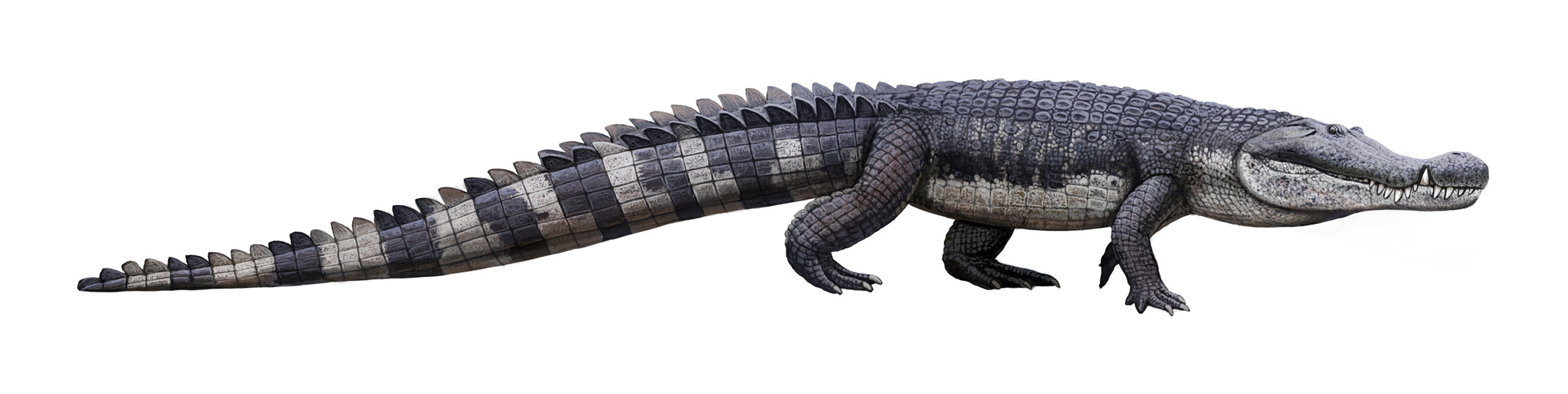
Modern crocodiles are already unsettling: patient, near‑silent, and terrifyingly fast over short distances. Deinosuchus took that formula and turned it up to maximum. This giant prehistoric crocodilian could grow to the length of a semi‑truck trailer, with a skull built to crush bone and armor thick enough to shrug off most attacks. Fossil evidence suggests Deinosuchus lurked along shorelines and riverbanks, ambushing even large dinosaurs that got too close to the water. In other words, it specialized in surprise attacks on creatures that were themselves at the top of the food chain.
Imagine Deinosuchus in the modern world, sliding through murky rivers in the American South or lurking in tropical estuaries. Places where people now fish, kayak, or let their kids splash would instantly move into a category somewhere between “insane” and “suicidal.” It would not just threaten humans, but also modern large mammals like bison, cattle, or even hippos if they shared a range. Crocodiles already demand respect; Deinosuchus would demand total avoidance. We tend to think we can manage wild animals with fences and warning signs, but with something like this, the only real strategy would be total retreat from its territory.
Sarcosuchus – The “Super Croc” That Owned the Rivers
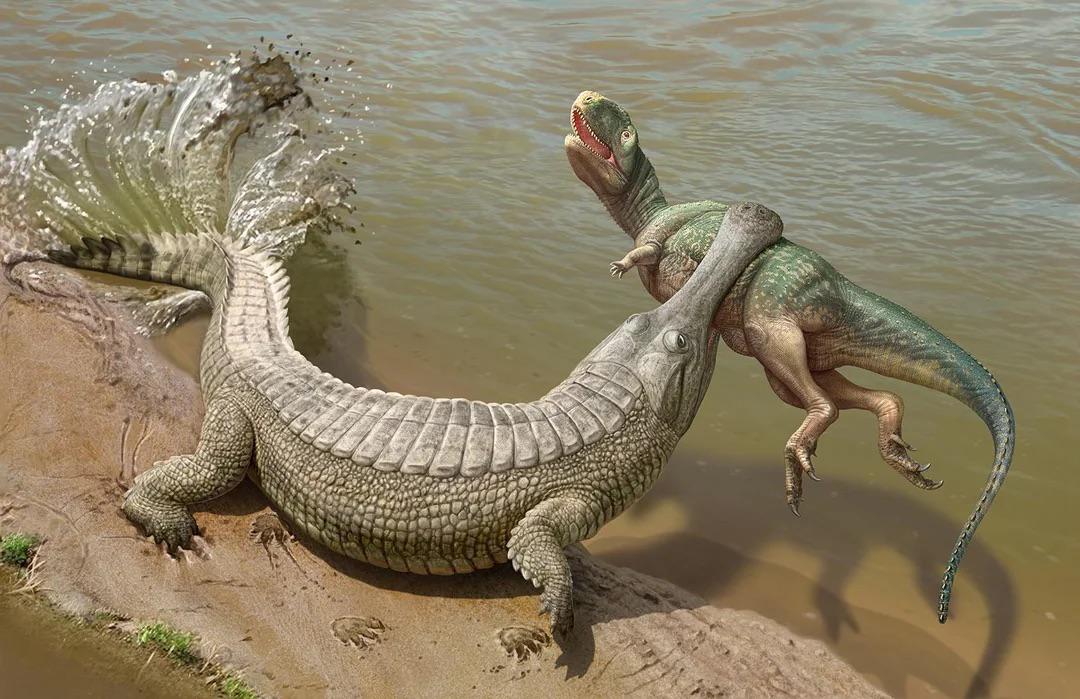
As if one giant prehistoric crocodile were not enough, the fossil record gives us Sarcosuchus, often nicknamed the “super croc.” Living earlier than Deinosuchus, it was roughly comparable in length but had a different skull shape and lived in vast river systems that once crisscrossed parts of what is now the Sahara. While scientists are still refining details about its exact diet, its size alone suggests it could prey on almost anything unlucky enough to come within reach, from big fish to land animals that approached the water’s edge. Its armor‑plated back and powerful tail would have made it a living tank in muddy, slow‑moving waters.
Set Sarcosuchus loose in modern river systems like the Amazon or the Congo, and entire ecosystems would have to reorganize around it. Local communities that rely on rivers for transportation and fishing would suddenly face a stealthy, almost unstoppable predator. Boats would not feel as safe, and swimming would go from risky to reckless. The crocs and alligators we fear today are dangerous, sure – but Sarcosuchus would occupy mental space more like a river dragon. I grew up thinking piranhas were the scariest thing in tropical rivers; Sarcosuchus makes piranhas look like annoying mosquitoes by comparison.
Quetzalcoatlus – A Flying Reptile the Size of a Small Plane
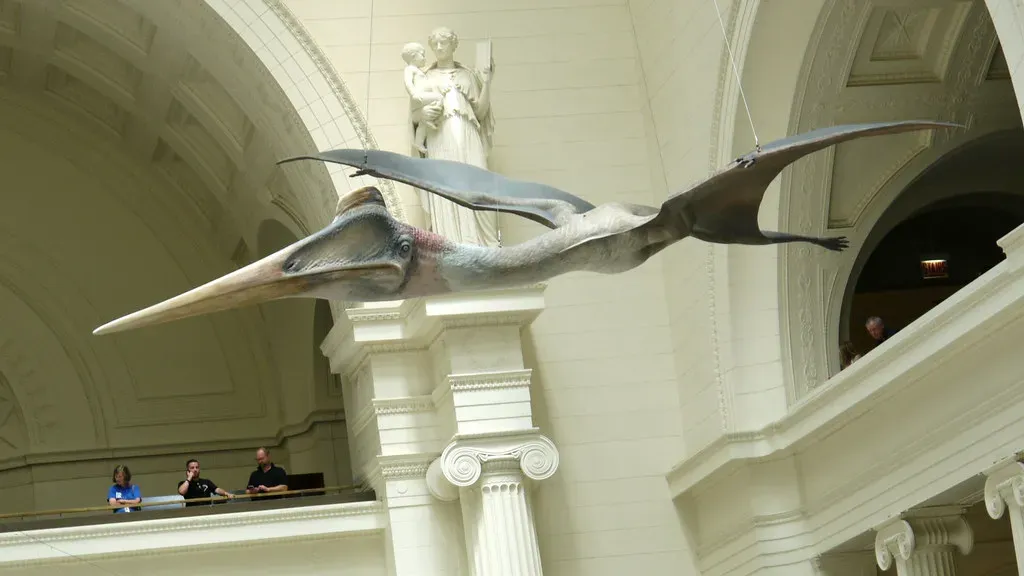
Most people still imagine pterosaurs as bat‑sized creatures fluttering harmlessly in the background of dinosaur scenes. Quetzalcoatlus shatters that image completely. This giant pterosaur had a wingspan that may have rivaled a small propeller plane, with a long neck and beak that made it look like a nightmarish stork. It likely stalked on land as well as in the air, striding across floodplains on long, pillar‑like limbs, possibly snatching up small animals with quick jabs of its beak. Just the sight of one cruising overhead would push birds, drones, and maybe even small aircraft into second place in the sky’s pecking order.
In today’s world, Quetzalcoatlus would be a serious threat to anything around the size of a dog, child, or even a small adult, depending on how bold it turned out to be. Urban environments would struggle to adapt, because this isn’t just a big bird; it is a predator that could potentially glide silently over long distances, then drop down to hunt. Airports, wind farms, and skyscrapers would suddenly have to consider massive flying reptiles as collision risks. Personally, the idea of walking across an open field knowing something that big could be circling above is more unsettling than any horror movie. Raptors on the ground are one thing; raptors with a wingspan wider than your house are another story entirely.
Arthropleura – The Giant Millipede That Owns Your Nightmares
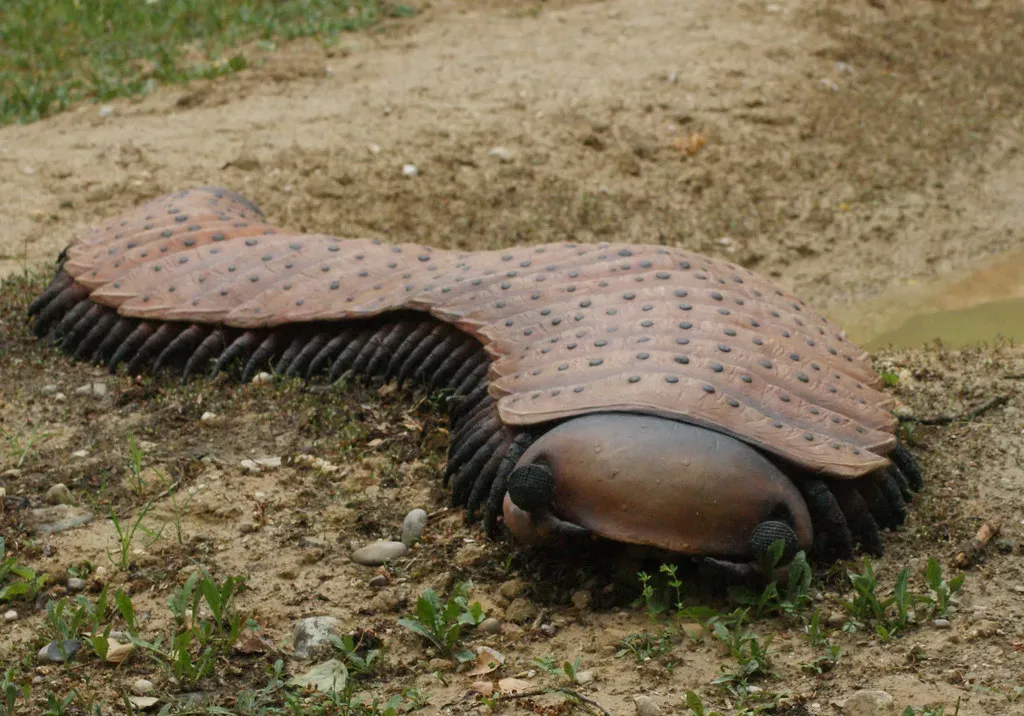
If you have even a mild fear of bugs, Arthropleura is the creature that takes that discomfort and dials it straight to panic. This prehistoric millipede‑like arthropod could grow longer than a grown adult is tall, trundling through Carboniferous forests on dozens of armored segments. It lived in a world with high oxygen levels and dense vegetation, conditions that let invertebrates reach freakish sizes. While evidence suggests it may have been more of a plant eater than a predator, that honestly does not make it feel any less alarming to imagine one crawling across your living room floor.
In a modern setting, Arthropleura would not have to be a killer to be terrifying; sheer physical presence would do the job. Imagine hiking in a damp forest and watching a many‑legged creature as long as a small car slide out from under a log. Even if it is just munching on leaves, the visceral reaction most people would have is pure fear. It would change how we think about forests, camping, and even our baseline idea of what a “big bug” is. Personally, I can handle spiders and most insects just fine, but the notion of a meter‑plus millipede clacking along a trail beside me would have me speed‑walking back to the car without looking back.
Jaekelopterus – The Bus‑Sized Sea Scorpion
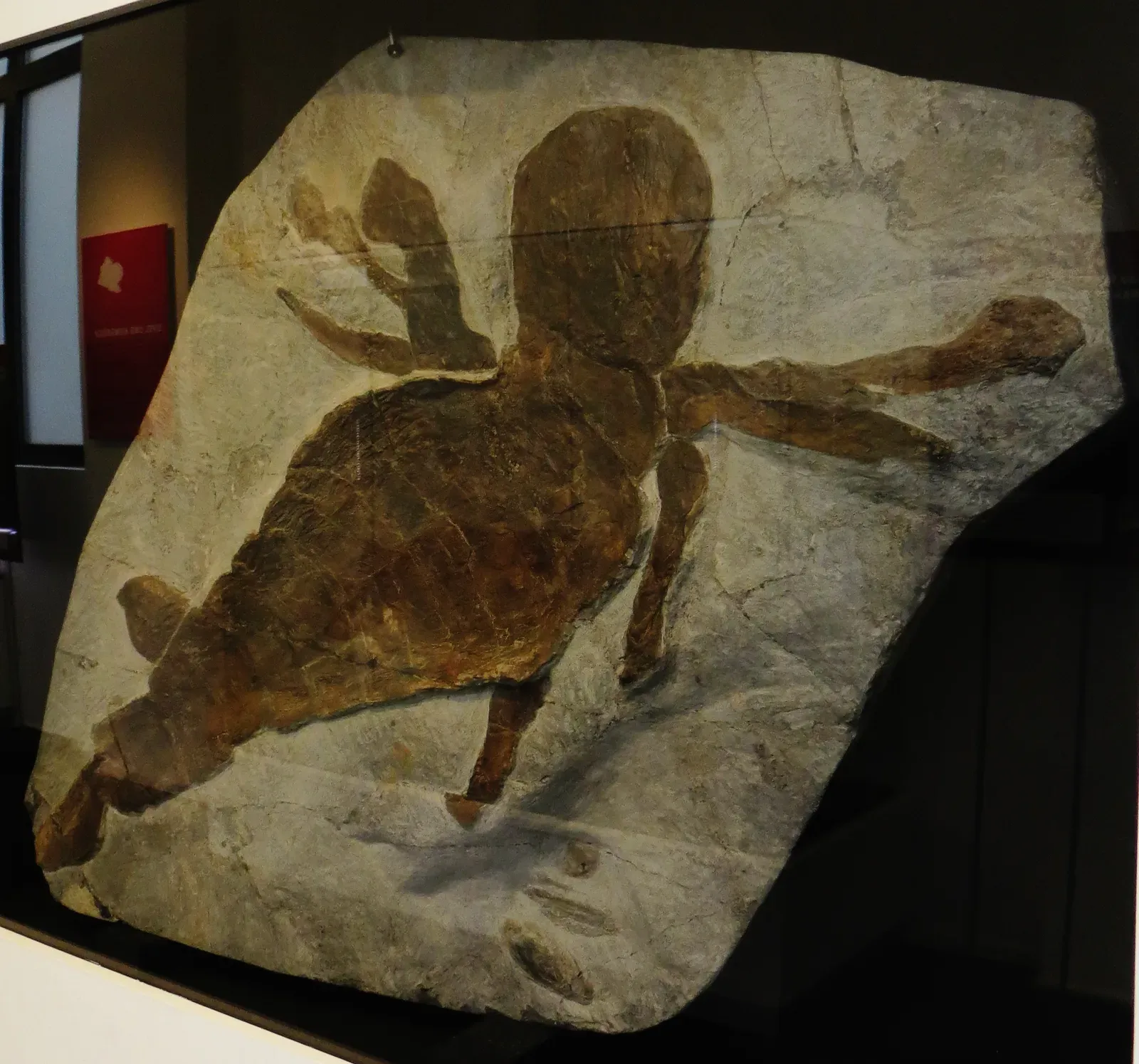
Just when you think prehistoric oceans could not get any weirder, along comes Jaekelopterus, a giant eurypterid often referred to as a sea scorpion. This arthropod lived long before dinosaurs, in the Paleozoic era, and may have reached lengths that rival a tall adult human or more. With large, grasping appendages and a body built for swimming and possibly scuttling along the bottom, it would have been a formidable predator in its time. Its fossilized claws alone are enough to send a shiver down the spine, hinting at a creature that could grab and tear apart substantial prey.
Transplant Jaekelopterus into today’s lakes, rivers, or shallow coastal waters, and you get an environment where wading suddenly feels like volunteering for a horror experiment. Even if it primarily targeted fish and other aquatic animals, the idea of a giant scorpion‑like creature brushing against your legs in murky water is genuinely nightmare fuel. It would likely dominate many freshwater systems, outcompeting or preying on modern fish and crustaceans. I have gone night swimming in dark lakes and found it peaceful; throw Jaekelopterus into that mental image and it becomes a scene I would never willingly step into again.
Titanoboa – The Snake That Makes All Other Snakes Look Small
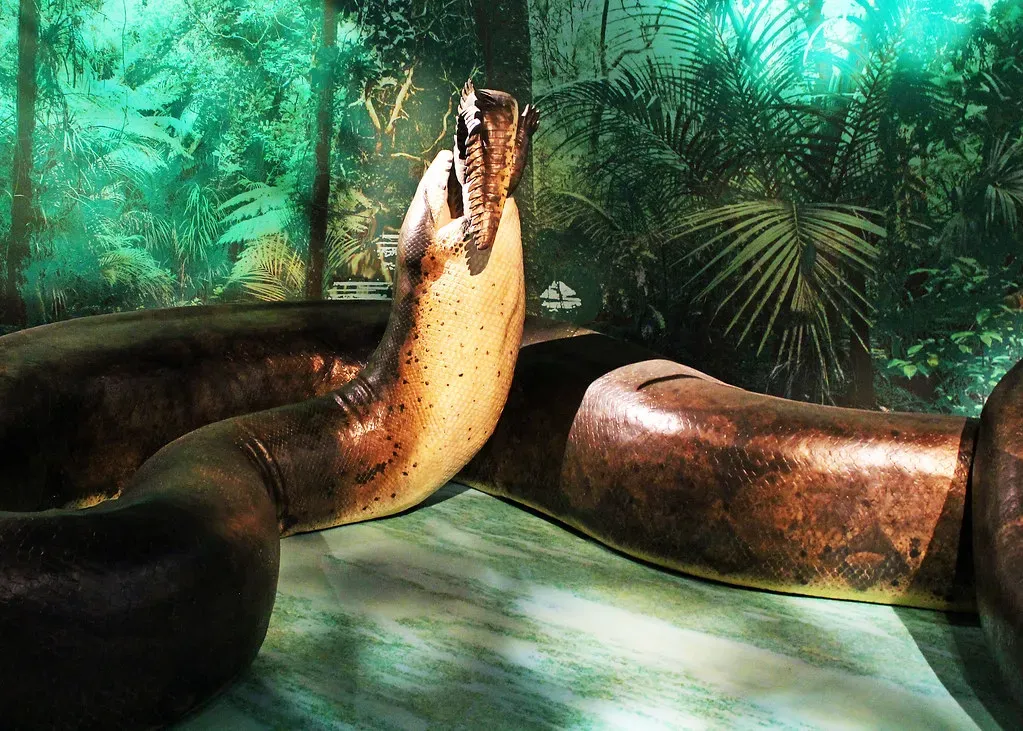
Modern giant snakes like anacondas and reticulated pythons already stretch the boundaries of what feels comfortable to share a planet with. Titanoboa shattered those limits. This enormous prehistoric snake, discovered in what is now South America, likely reached lengths well beyond any snake alive today, slithering through hot, swampy forests not long after the dinosaurs disappeared. It probably hunted large prey, possibly including crocodilian relatives and big mammals, using sheer muscle power to constrict and suffocate its victims. Just imagining that much snake coiled around anything is enough to make your chest tighten a little.
Place Titanoboa into modern tropical wetlands, and suddenly even heavily armed field teams would think twice before heading out at night. Livestock, large pets, and even people would be well within its potential meal range, especially in remote regions where it could grow large and old. It would turn jungles into fully fledged fear zones, not just for tourists, but for local communities that rely on forests for hunting and gathering. I have always found snakes fascinating rather than repulsive, but there is a psychological threshold where something is just too big, too quiet, and too powerful. Titanoboa crosses that line with ease.
Andrewsarchus – The Giant Mammal With a Question Mark
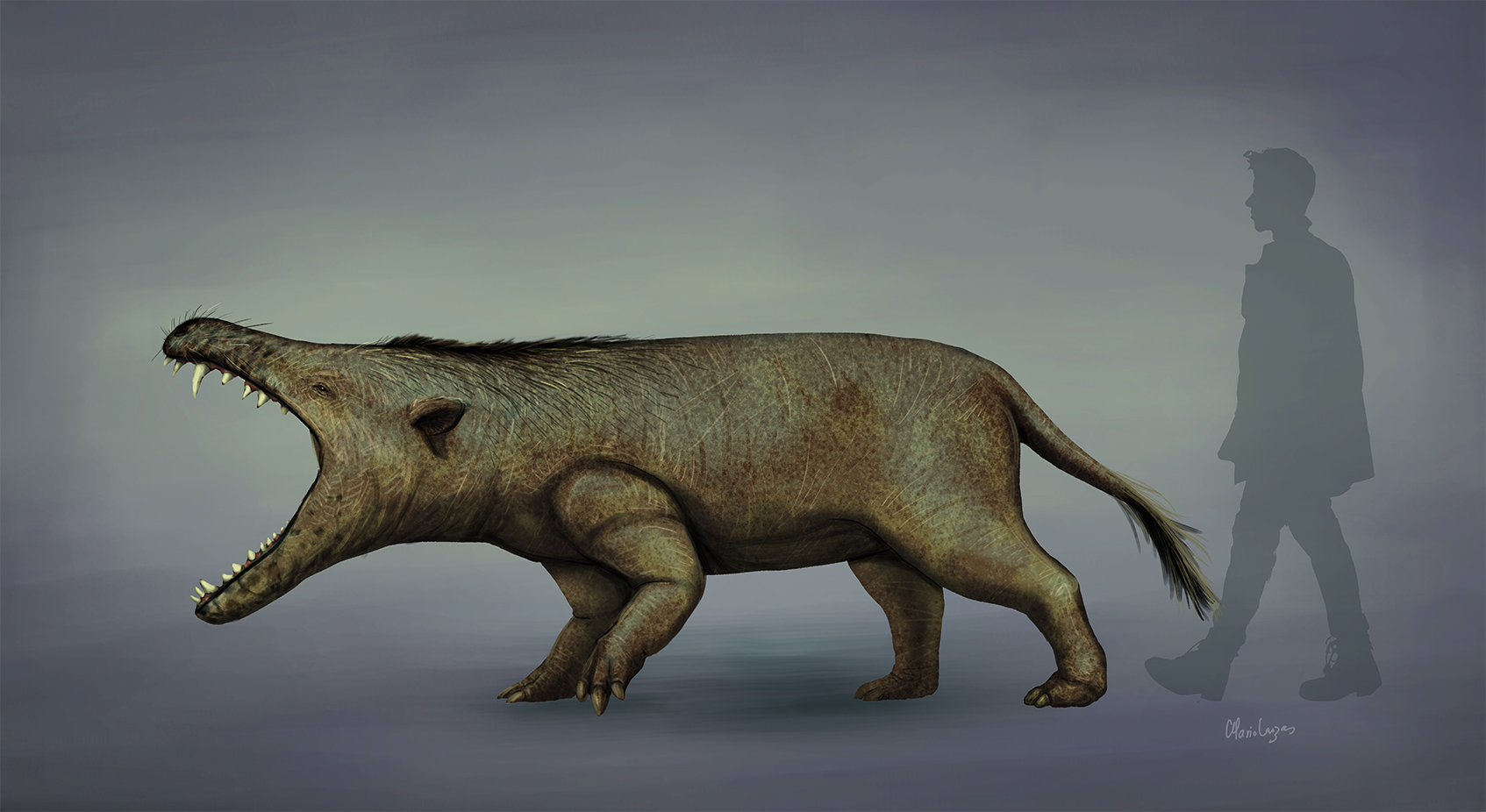
Andrewsarchus is one of those prehistoric animals that feels like a partial sketch rather than a complete portrait, and that uncertainty somehow makes it even more unsettling. Known mainly from a massive skull found in Asia, it belonged to a group of mammals distantly related to hoofed animals and possibly even early relatives of whales. Reconstructions suggest it might have been a huge, wolf‑like or hyena‑like predator or scavenger, with powerful jaws capable of crunching bone. The lack of a full skeleton leaves a lot unknown, but the head alone implies an animal that commanded serious respect in its environment.
Drop a fully realized Andrewsarchus into our world and it might occupy a role somewhere between a super‑sized hyena and a land‑based orca. It could potentially harass large herds of mammals, scavenge carcasses, and drive smaller predators away from kills. Imagine hiking in wide open steppe or grassland and knowing that somewhere out there is a predator bigger than any wolf or big cat alive today, built to crack bones and maybe charge you down if it felt inclined. Personally, I find the half‑known nature of Andrewsarchus more disturbing than fully understood animals; the unknown details let the imagination fill in the worst‑case scenarios.
Phorusrhacids – The Terror Birds That Replaced Apex Predators
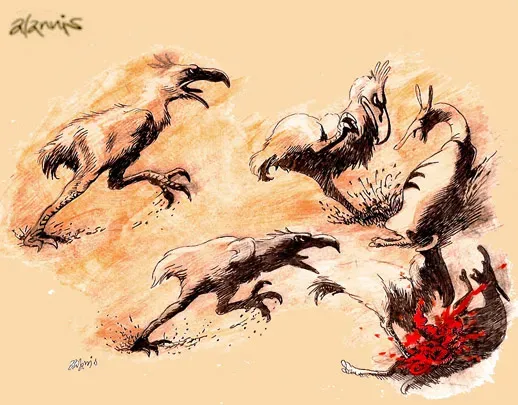
There is something uniquely unnerving about a predator that looks like a giant bird but acts like a land‑stalking carnivore. Phorusrhacids, often called terror birds, were flightless, long‑legged predators that dominated parts of South America after the dinosaurs were gone. Standing as tall as an adult human or more, with massive hooked beaks and strong legs, they likely chased down prey in open habitats and delivered powerful, shearing bites. Picture an ostrich crossed with an eagle and then stripped of any interest in seeds or insects, and you are in the right mental neighborhood.
If terror birds roamed our world today, open country would feel a lot less safe. Joggers, cyclists, and even casual walkers in rural areas would have to worry not just about dogs or big cats, but about fast‑moving birds with beaks designed to tear flesh. Livestock would be at serious risk, and fencing that keeps out wolves might not stop a determined terror bird. To me, the combination of familiar and alien is what makes them so creepy – they move like birds, look vaguely comical at a distance, and yet up close they would be all muscle and weaponized face. It is the sort of predator you could almost underestimate until it is too late.
Conclusion: Would We Even Still Feel Like the Dominant Species?
Thinking honestly about these prehistoric animals dropped into the modern world is a good ego check for our species. We like to believe we sit comfortably at the top of every food chain, backed by technology, walls, and weapons. But face a Megalodon in open water, a Titanoboa in a flooded jungle, or a Quetzalcoatlus circling over a crowded beach, and suddenly our dominance looks fragile. Many of these creatures operated at scales and power levels that would overwhelm not just individuals, but entire communities and industries. You do not negotiate with a super croc; you just get out of its river.
In my view, what makes these animals truly more terrifying than dinosaurs is not just size or teeth, but how they attack our sense of control. Dinosaurs feel safely locked in the past, almost mythic. A world where terror birds stalk grasslands, sea scorpions patrol lakes, and giant millipedes wander forests would force us to admit how thin our comfort bubble really is. Maybe the lucky truth is that we were born in a relatively gentle chapter of Earth’s history, where the monsters are mostly small and the biggest threats are ones we create ourselves. If even one of these ancient titans came back, how quickly do you think we would stop feeling like the main characters of this planet’s story?