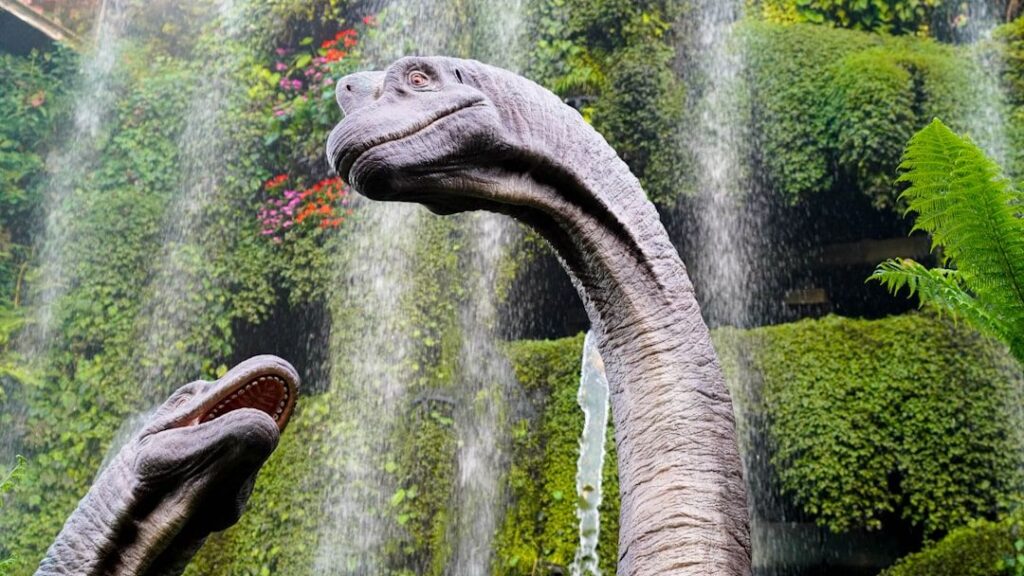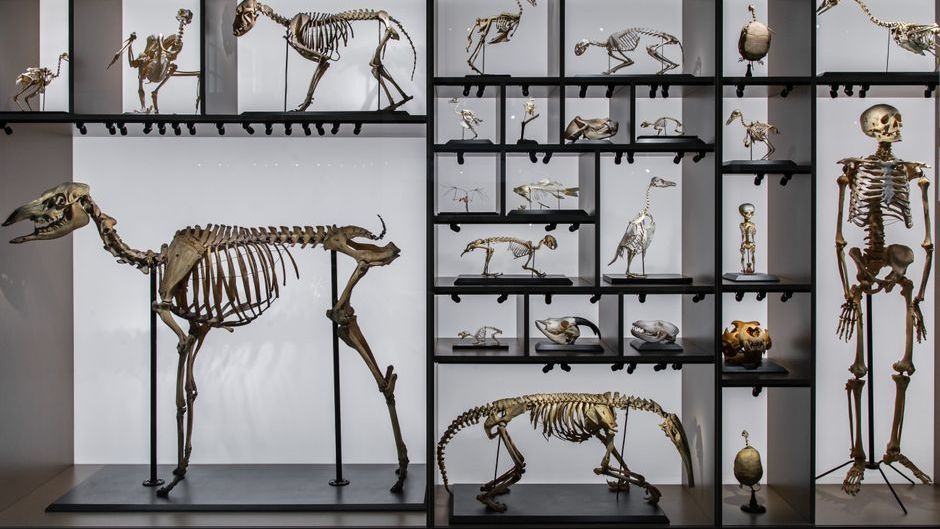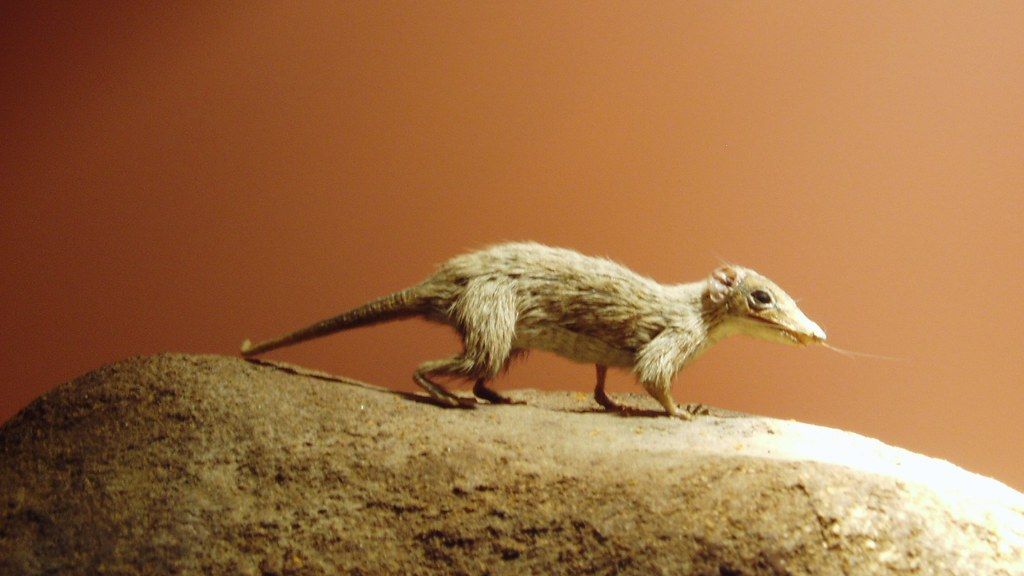
Picture the last days of the dinosaurs: a world shaken by firestorms, tsunamis, and months of eerie darkness. Giant reptiles that had ruled for more than a hundred million years suddenly found themselves in a world they simply weren’t built for. Yet in the same ruined landscape, tiny, shrew‑like mammals were not only surviving, but quietly setting the stage to take over the planet. How on earth did that happen?
At first glance, it seems almost unfair. Dinosaurs were massive, powerful, and everywhere. Early mammals, by comparison, were small, nervous, and mostly nocturnal insect‑eaters. But that is exactly the point. The reason mammals made it through the apocalypse while dinosaurs did not is less about who was stronger and more about who was better prepared – almost by accident – for a world turned upside down. The real story is stranger, more subtle, and much more relatable than a simple tale of “weak beats strong.”
A Planet on Fire: Why the Rules Suddenly Changed
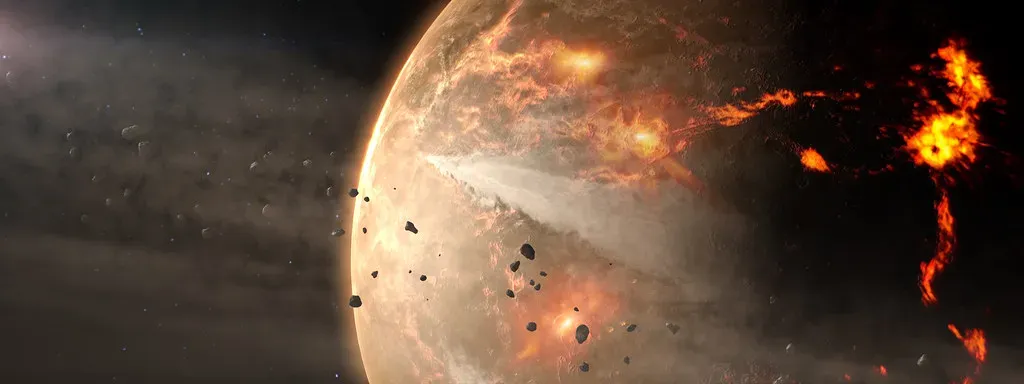
The end of the age of dinosaurs was not a slow fade‑out; it was an abrupt, violent reset. When a massive asteroid slammed into what is now the Yucatán Peninsula around sixty‑six million years ago, it unleashed energy far beyond anything humans have ever witnessed. In a geological blink, forests burned, shock waves raced across continents, and debris blasted into the atmosphere. For a while, life on the surface of the planet was essentially living through a very bad day that kept going.
But the real killer was not just the initial impact; it was everything that followed. Dust and aerosols hung in the sky, blocking sunlight, chilling the planet, and collapsing food chains that depended on plants. Acid rain, long winters, and wildly unstable climates turned lush dinosaur ecosystems into something closer to a global disaster zone. The world that dinosaurs dominated simply disappeared, and all the traits that once made them kings suddenly became heavy, deadly baggage.
Small, Warm, and Always Hungry: Mammalian Superpowers in Disguise
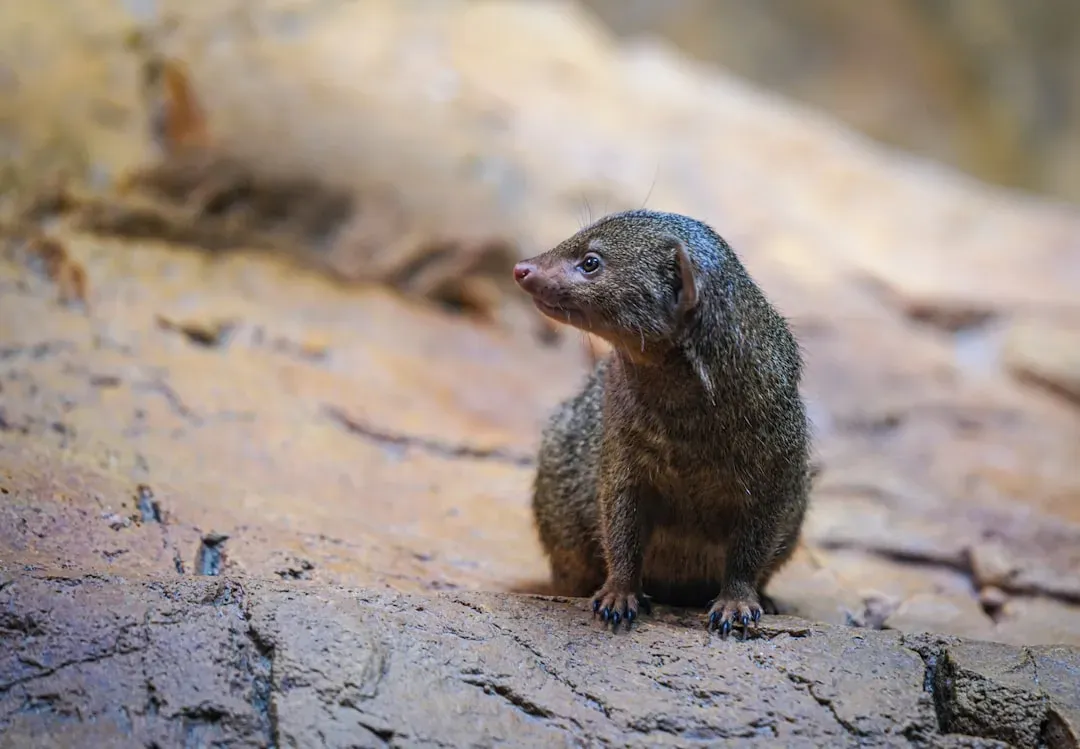
Early mammals were not the glamorous heroes of this story; they were scrappy survivors. Most were small, roughly the size of mice to small rats, which meant they needed less food and space than their enormous reptilian neighbors. In a world where resources suddenly crashed, being tiny was not a weakness – it was a lifesaving advantage. It is easier to feed a hungry mouse than a hungry elephant when the pantry is almost empty.
They were also warm‑blooded, constantly burning energy to keep their body temperature stable. That sounds like a liability in hard times, but it came with a powerful upside: they could stay active in the cold, in the dark, and in rapidly changing environments. Instead of shutting down when temperatures dropped or light levels changed, mammals could keep moving, keep foraging, and keep adapting. In the chaos after the impact, that kind of biological flexibility was priceless.
Nocturnal Ninjas: How Living in the Shadows Paid Off
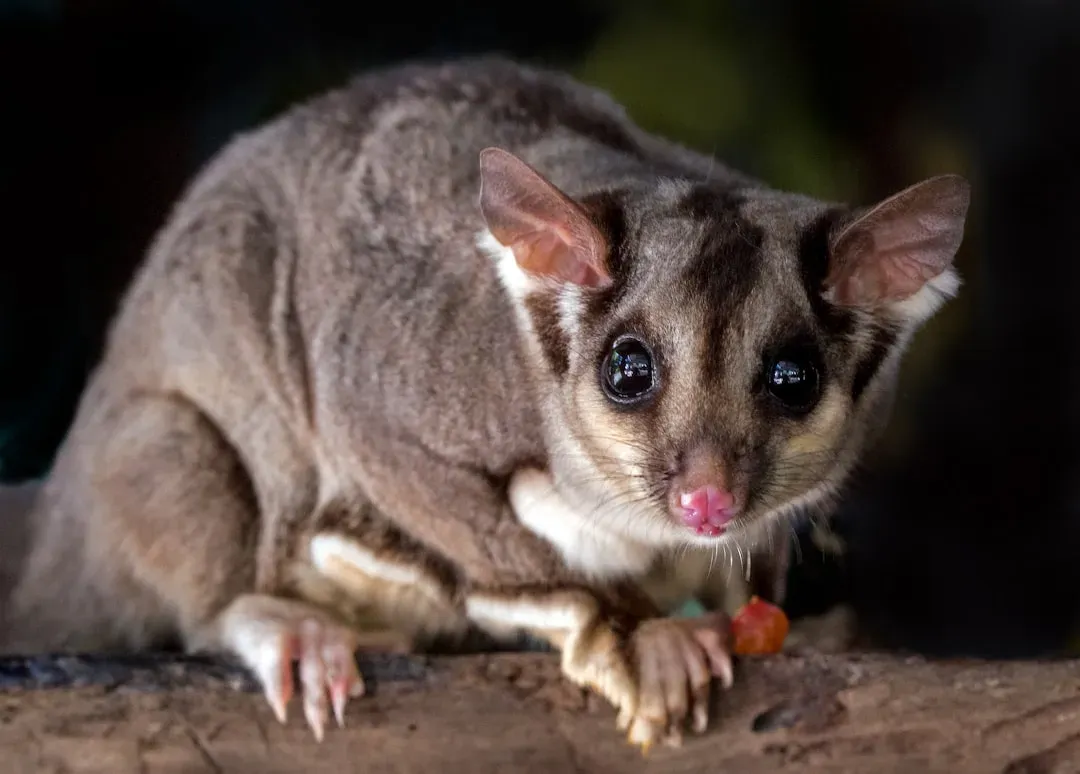
Long before the asteroid hit, many early mammals had already adapted to life in the shadows, literally. They were mostly nocturnal, scurrying through the undergrowth at night to avoid being eaten by dinosaurs during the day. Their senses, especially hearing and smell, were tuned to low‑light living, and their brains were wired to process complex information from a dark, cluttered world. You could say they lived in a permanent blackout drill.
When the impact winter plunged the planet into gloom and dim light, this nocturnal toolkit turned into a survival cheat code. Dinosaurs, especially the big plant‑eaters and many of their predators, were better suited to bright, stable conditions where plants were abundant and days were predictable. Mammals were already comfortable navigating a world where sight was not the main sense, and where you survived by being cautious, alert, and opportunistic. When daylight failed, the night creatures simply kept doing what they had always done.
Generalists vs. Specialists: The Power of Being a Little Bit Good at Everything
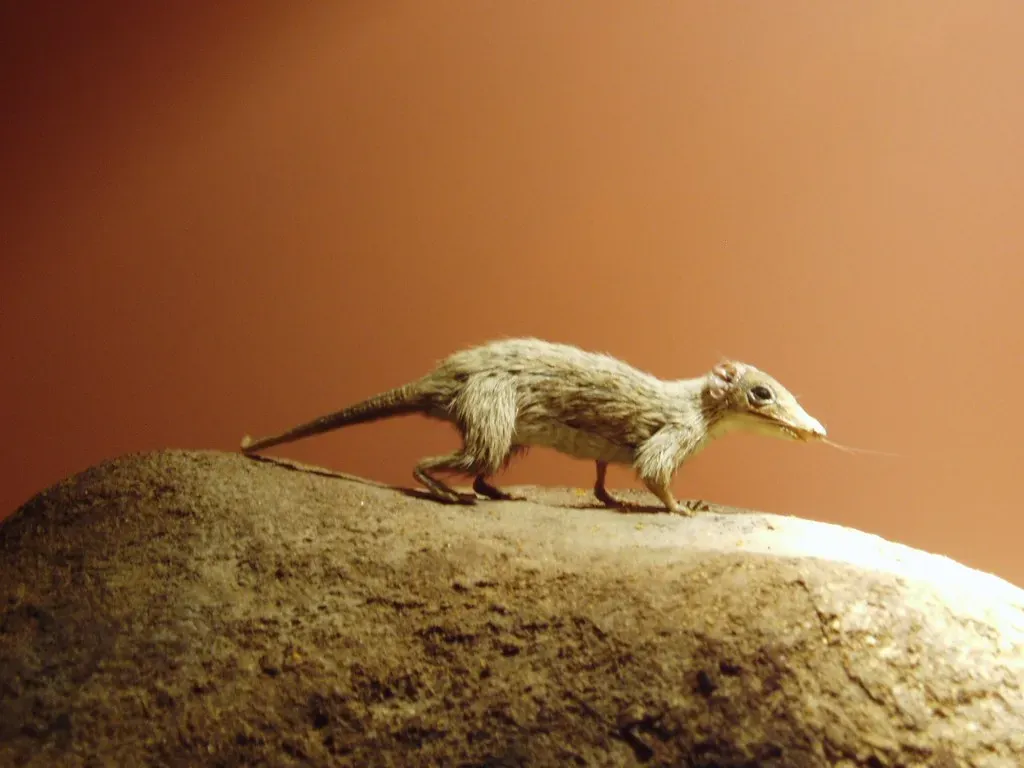
One of the most underrated differences between many dinosaurs and early mammals is dietary flexibility. A lot of dinosaurs, particularly the huge ones, lived highly specialized lives, with bodies and habits tuned to very specific food sources and environments. When those ecosystems collapsed, specialization became a trap. If the only thing you can really do is eat a certain kind of plant that suddenly vanishes, it does not matter how impressive you are. You are stuck.
By contrast, many early mammals were generalists – small omnivores willing to eat insects, seeds, roots, carrion, and whatever else they could find. That kind of menu may not be glamorous, but during a mass extinction, it is exactly what you want. A generalist can pivot as conditions change, switching from bugs to seeds to leftover carcasses without rewriting its entire biology. That flexibility, more than any dramatic physical weapon, is what quietly allowed mammals to thread the needle through one of the worst crises life has ever faced.
Hidden Brains: Why Cognitive Flexibility Mattered
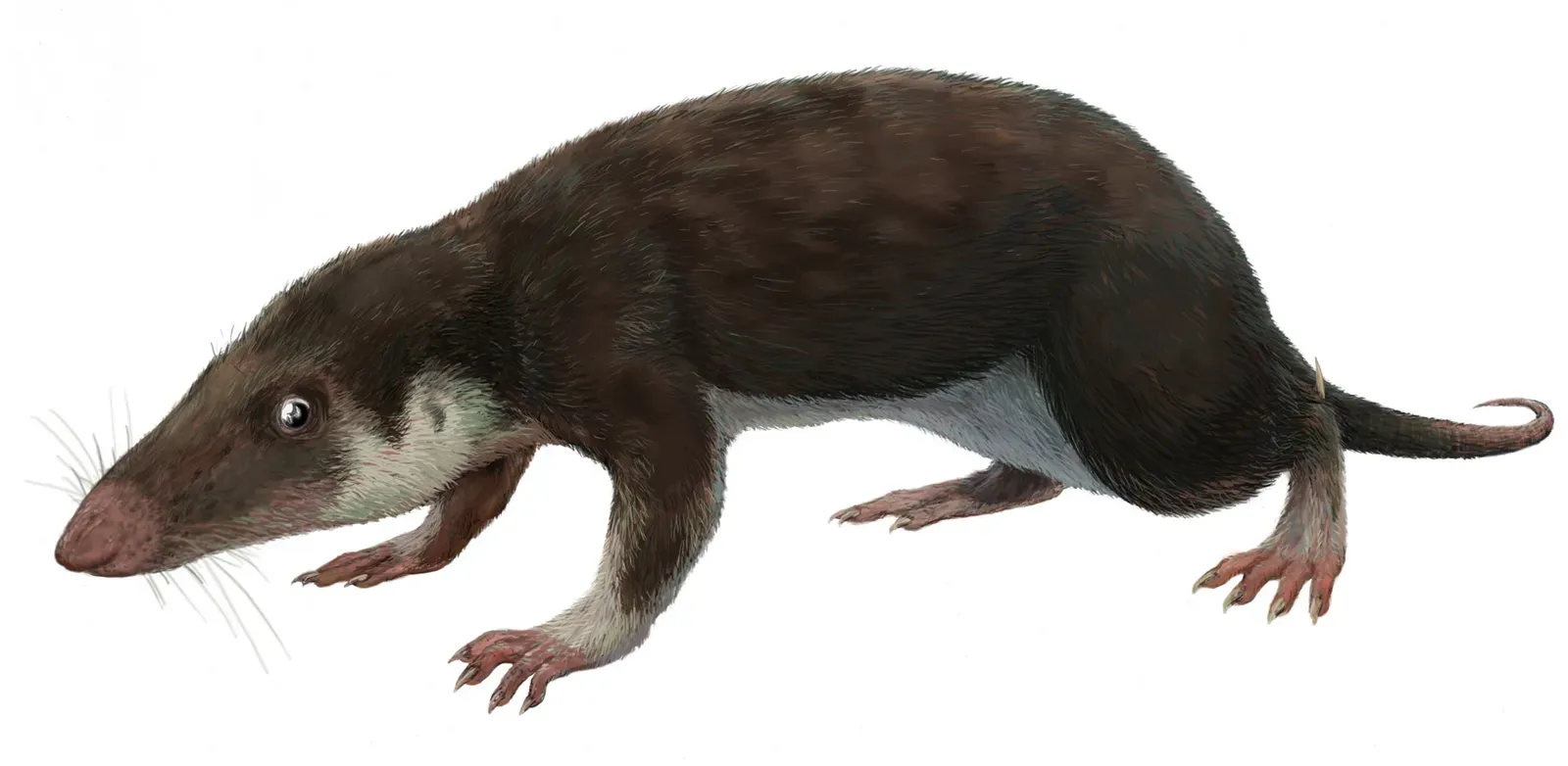
Mammals tend to have relatively larger and more complex brains for their body size than most reptiles, including many dinosaurs. Even in those early forms, there are signs of well‑developed sensory regions and areas associated with more flexible behavior. That does not mean they were little geniuses plotting their rise to power, but it does suggest they could handle more varied, problem‑solving behaviors – like exploring new foods, new shelters, and new ways to avoid predators.
In unstable environments, brains become a kind of survival toolkit. The ability to learn quickly, remember safe places, recognize new threats, and adjust foraging strategies can make the difference between scraping by and vanishing. After the impact, when habitats were shredded and old routines stopped working, those subtle cognitive advantages likely helped mammals test and exploit new niches faster than many of their reptilian competitors. Sometimes survival is less about raw strength and more about how fast you can rewrite your internal rulebook.
Fast Lives, Fast Recoveries: Reproduction as a Survival Strategy
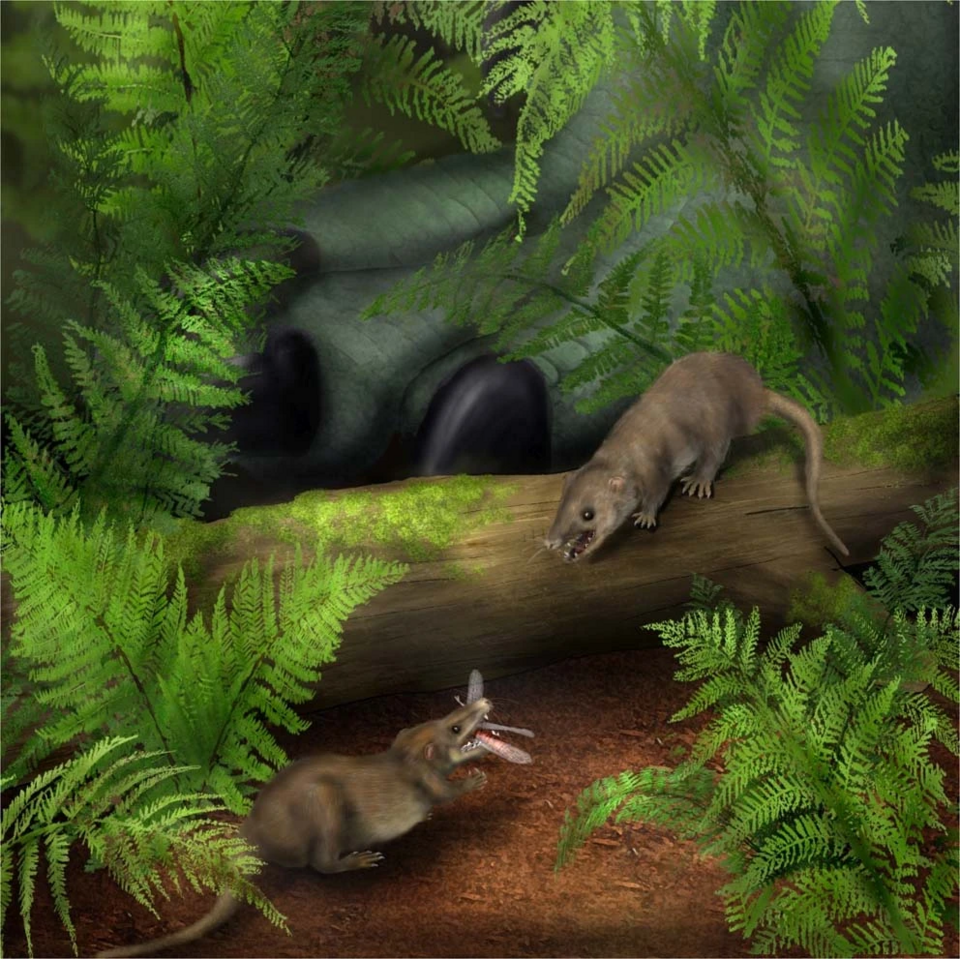
Another quiet factor in this story is reproductive speed. Large dinosaurs grew slowly, took years to reach maturity, and invested in fewer, larger offspring, even if they laid many eggs at once. That works beautifully in a stable world where most young have a decent chance of finding food and surviving. In a shattered ecosystem, though, slow growth and long maturation times become dangerous delays. If most of your young die and it takes a long time to replace them, your population can plummet beyond recovery.
Early mammals, being small, tended to grow quickly, reproduce earlier, and cycle through generations at a faster pace. That means populations could rebound more easily after crashes, and beneficial traits could spread more quickly through each new generation. In human terms, it is like the difference between a slow, majestic ocean liner trying to turn around and a swarm of tiny boats zipping in every direction. After the asteroid, speed and numbers beat grandeur and momentum.
Luck, Timing, and the Strange Gift of Being Overlooked
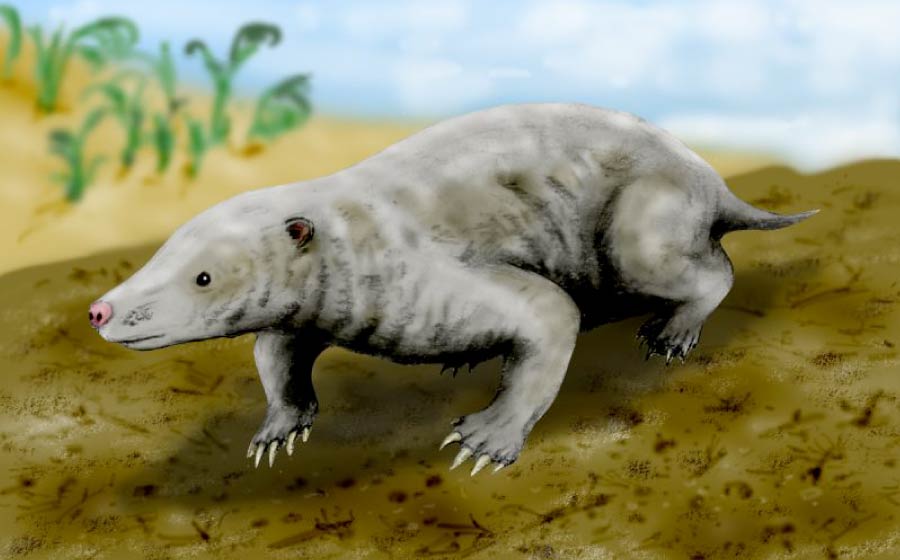
As tempting as it is to turn this into a neat moral tale about mammals being somehow superior, reality is messier and more humbling. A huge part of their success comes down to timing and luck. Mammals had already evolved several traits that happened to be useful in a post‑impact world, but they did not evolve those traits because an asteroid was coming. They were simply responding to the pressure of living under dinosaur rule – staying small, hiding at night, eating whatever they could, staying alert. The very strategies that kept them out of the spotlight accidentally prepared them for catastrophe.
There is something strangely hopeful in that. The creatures that seemed least impressive – timid, overlooked, forced into the margins – were the ones that made it through the worst day in Earth’s history and went on to reshape the planet. Without that combination of quiet adaptability and sheer luck, there would be no primates, no humans, no cities, no science trying to piece this story together. The mammal story is not a triumphant conquest; it is a reminder that sometimes survival belongs to the adaptable, the flexible, and the underestimated.
What the Fall of Dinosaurs Really Says About Us
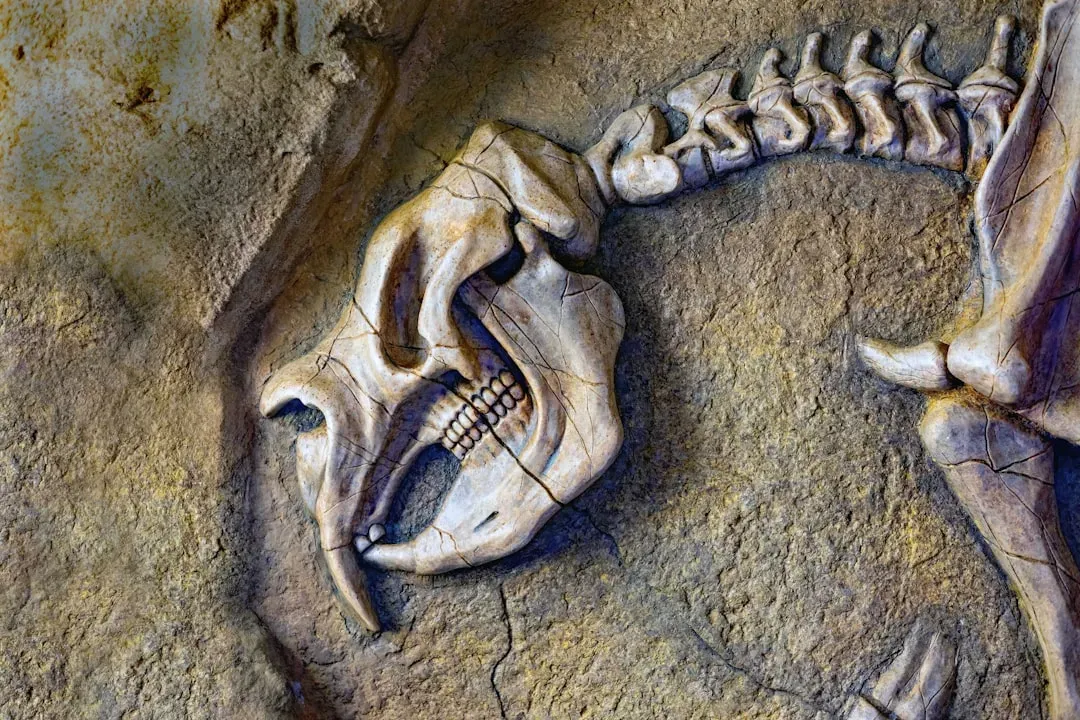
When you step back, the strange reason early mammals succeeded is not a single trait, but a whole survival style: be small enough to bend, flexible enough to switch strategies, and clever enough to navigate uncertainty. Dinosaurs failed not because they were flawed, but because they were exquisitely tuned for a world that vanished almost overnight. Mammals, shaped by fear and constraint, happened to be the right kind of “wrong” for the old world and the right kind of “right” for the new one. In my view, that makes their rise feel less like a victory lap and more like a hard‑won, almost accidental break.
In a century where our own environment is changing in fast, unsettling ways, this story hits uncomfortably close to home. The lesson is not that the biggest, boldest, or most dominant will endure, but that survival tilts toward those who can improvise when the script burns. Our mammalian ancestors got their chance because they were forced to live on the edges and adapt or die. The real question for us is simple and a bit haunting: in our own age of sudden change, are we behaving more like the nimble mammals or the doomed dinosaurs – and which side of that history would you rather be on?