
Have ever walked into a room and felt the energy shift? Not the kind where people are excited to see , but the kind where conversations suddenly pause, eyes dart away, and smiles become a little too polite. It’s an uncomfortable feeling, this sense that people are responding to in a way that doesn’t quite match who think are.
‘re not trying to be intimidating. ‘re just being rself. Yet somehow, somewhere along the way, r presence started making others uneasy. The truth is, fear wears many disguises in social interactions. It doesn’t always announce itself with trembling hands or stuttering words. More often, it shows up in subtle behaviors that most of us miss entirely. Let’s explore the hidden signals that reveal when .
They Dodge r Gaze Like ‘re Made of Fire

Eye contact avoidance is one of the clearest signs someone finds intimidating, as they might feel embarrassed or vulnerable when meeting r gaze. Think about it this way: when we’re comfortable with someone, looking them in the eye feels natural, almost effortless. Yet when fear enters the equation, suddenly that simple act becomes impossible.
During conversations, might notice their eyes keep darting around, avoiding direct contact with rs. It’s not that they’re distracted by something more interesting across the room. They’re protecting themselves from what they perceive as r intensity. This instinctive response runs deeper than social awkwardness – it’s a primal reaction to perceived threat.
Their Body Language Screams “Exit Strategy”

Physical distance tells a story that words rarely do. People who feel intimidated create protective barriers, and if someone lingers in doorways or takes a step away from , it signals they find r behavior intimidating. Watch how they position themselves during group conversations. Are they angling away from ? Do they keep a chair or table between as a buffer?
When someone turns slightly away from , it acts as a protective mechanism because that person feels unsafe or unsettled, making escape easier. I’ve seen this happen at networking events where someone will literally reposition their entire body to face the door rather than fully engage. It’s fascinating how our bodies betray what our polite words try to hide.
They Agree with Everything Say

Here’s the thing: healthy relationships include disagreement. When someone never challenges r ideas, never offers a different perspective, and treats every suggestion make like gospel truth, something’s off. While this might seem like respect or agreement at first, consistent agreement could suggest people are afraid to voice their differing views around , which can stifle critical feedback and healthy debates.
If people often defer to r opinion without expressing their own, it indicates they might be afraid to disagree with or feel their views won’t be taken into consideration. This creates an echo chamber where ‘re surrounded by yes-people, which honestly does nobody any favors. Real connection requires the freedom to disagree without fear of consequences.
They’re Overly Polite to the Point of Weirdness

When politeness crosses into excessive territory with consistent compliments or overstated gestures, it may be a sign of intimidation, their way of saying they don’t want to provoke without actually saying it. There’s normal courtesy, and then there’s the kind of nervous, over-the-top politeness that feels performative.
Think of it like watching someone handle a bomb. Every word is carefully chosen. Every gesture is calculated to avoid triggering an explosion. They might shower with compliments that don’t quite ring true, or use formal language even in casual settings. It’s exhausting for them, and once notice it, it becomes impossible to unsee.
Their Voice Changes Around

Speaking quietly or in a high tone are both signs that the other person is anxious and uncomfortable in r presence. Listen carefully next time. Does their pitch climb higher when addressing ? Do they speak so softly have to lean in to hear them?
Rapid speech is another subtle cue – when someone feels intimidated, they might start talking faster than usual because they’re trying to get their thoughts out quickly, in fear of being interrupted or dismissed. Their words tumble over each other in a rush to say what needs saying before cut them off. The irony? probably weren’t planning to interrupt them at all.
They Never Bring Problems to

When people assume won’t be on their side or don’t come to for help, it can mean they don’t want to create situations where they’d be around . Let’s be real – everyone has problems. Everyone needs help sometimes. So when colleagues consistently go to someone else for assistance, or friends never confide their struggles to , it’s worth asking why.
If ‘re not great with ignorance or poor performance, might be a difficult person to ask for help when it’s really needed. Maybe r standards are so high that people fear looking incompetent in front of . Maybe r reactions to mistakes have taught them it’s safer to struggle in silence than risk r judgment.
Conversations End Abruptly When Arrive
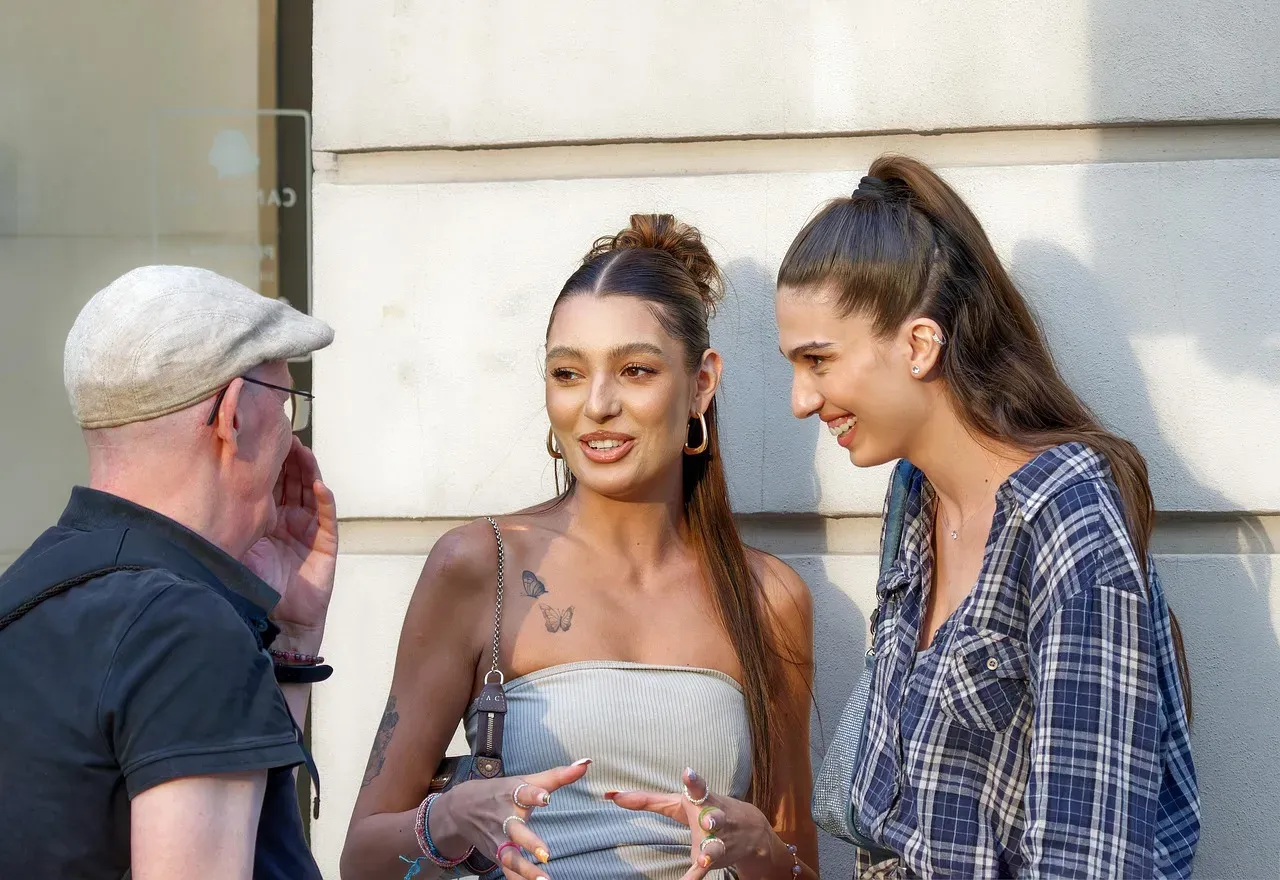
Others don’t ask questions about rself because they want to end the conversation as soon as possible and make a swift getaway. Picture this: walk up to a group chatting by the coffee machine, and suddenly everyone’s checking their watches, remembering urgent emails, finding reasons to scatter. Coincidence? Probably not.
When people frequently respond to r input with silence, especially when it’s clear they have something to say, they might find intimidating and it’s worth considering r delivery. That awkward silence following r comments isn’t people being thoughtful – it’s people being cautious. They’re mentally calculating the safest response, or deciding if any response is worth the risk at all.
They Mirror r Behavior Excessively

If somebody begins replicating r speech patterns, gestures, or clothing choices, they may be attempting to align themselves with . Now, some mirroring is normal in social situations – it’s how we build rapport. Yet when it becomes excessive, when someone seems to be studying and copying r every move, it signals something different.
Mirroring can be a subtle sign of intimidation, and if notice people around often mimic r behavior, it could mean they’re subconsciously trying to align with because they find intimidating. They’re essentially trying to become more like as a protective measure, hoping that similarity will make less likely to turn r intensity their way.
They Get Nervous and Fidgety in r Presence

Nervous behaviors including fidgeting, avoiding eye contact, or giving quick, short responses might indicate they’re uncomfortable or anxious around . Watch their hands. Do they constantly adjust their clothing, play with their phone, tap their fingers, or engage in other self-soothing behaviors?
Fidgeting, faltering over words, or unbalanced giggling are obvious signs of nervousness, and they’re not trying to annoy – they’re fairly overwhelmed by r presence. It’s hard to watch, honestly. Nobody wants to make others that uncomfortable. Yet recognizing these signs gives the power to adjust r approach and help them feel more at ease.
They Criticize Behind r Back

Sometimes intimidation manifests as criticism because tearing someone down is easier than admitting they’re impressed, and this could be subtle like nitpicking r choices or outright dismissing r accomplishments as their way of trying to level the playing field. When people feel smaller in r presence, they sometimes try to cut down to size when ‘re not around.
People who feel debilitated might gossip as a defense mechanism as a way to handle their feelings and gain approval from others. If hear through the grapevine that someone’s been talking about negatively despite being perfectly cordial to r face, fear might be the underlying driver. They’re attempting to reclaim some sense of power by diminishing rs in conversations where can’t defend rself.
Finding Balance in r Power

Being perceived as intimidating isn’t inherently negative. Often it reflects genuine strengths like confidence, competence, or clarity of vision. An intimidating personality is not inherently a bad thing, and it’s not that ‘re meaning to be aggressive – some people just find certain traits more daunting than others. The goal isn’t to shrink rself or dim r light to make others comfortable.
Still, awareness matters. Understanding body language isn’t just about knowing when someone is uncomfortable – it’s about recognizing our impact on others and adjusting our behavior accordingly. Small shifts can make enormous differences. Softening r tone when giving feedback. Asking more questions and listening more intently. Sharing r own vulnerabilities occasionally so others see as human rather than untouchable.
Did notice any of these signs in r own interactions? The fascinating thing about fear is that it often says more about the other person’s insecurities than about r actual behavior. Yet once understand these hidden signals, gain the ability to create connection where there was once distance. What would r relationships look like if could ease the fears never meant to create?