
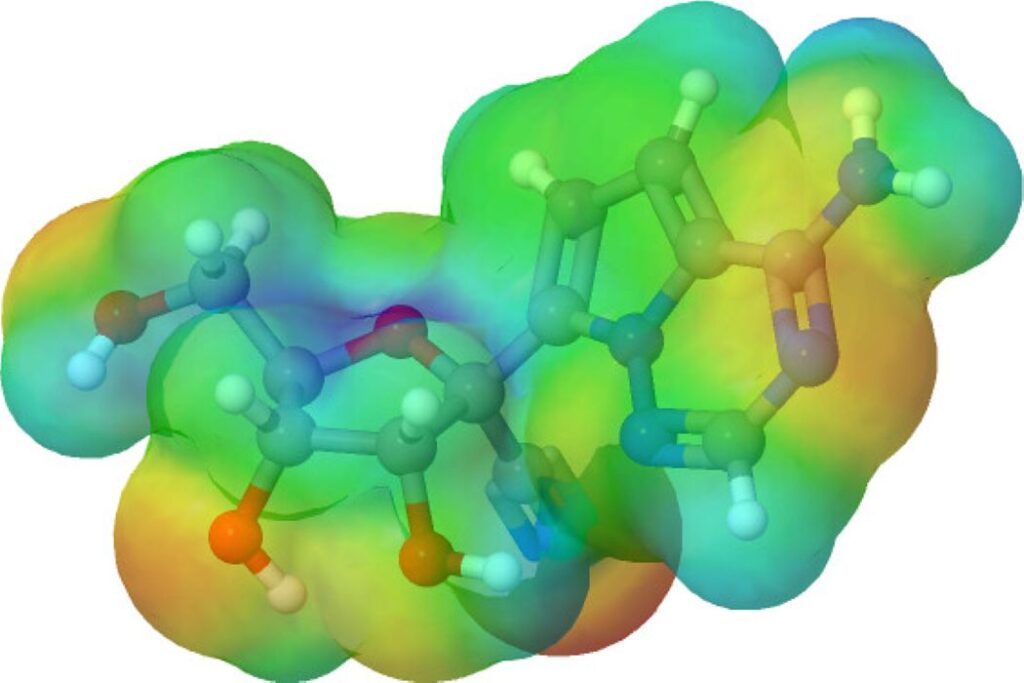
You live on a planet that once had no breathing, crawling, growing things at all. Then, somehow, chemistry turned into biology, and lifeless rock began to host cells that could copy themselves, adapt, and eventually think. When you step back and really look at that, it is almost unsettling. How did something as messy and meaningful as your life grow out of a world of simple molecules and volcanic storms?
Scientists have spent decades trying to answer that question, and the truth is, there is no single agreed‑upon story yet. Instead, you have a set of competing and overlapping theories that try to explain how the first self‑sustaining, evolving systems might have appeared. Think of them less as mutually exclusive and more like puzzle pieces that might one day snap together into a clearer picture. As you explore these ideas, you are not just learning about the past; you are peeking into the limits of what chemistry can do when given enough time and a restless planet.
1. The “Primordial Soup” and Lightning-Sparked Chemistry
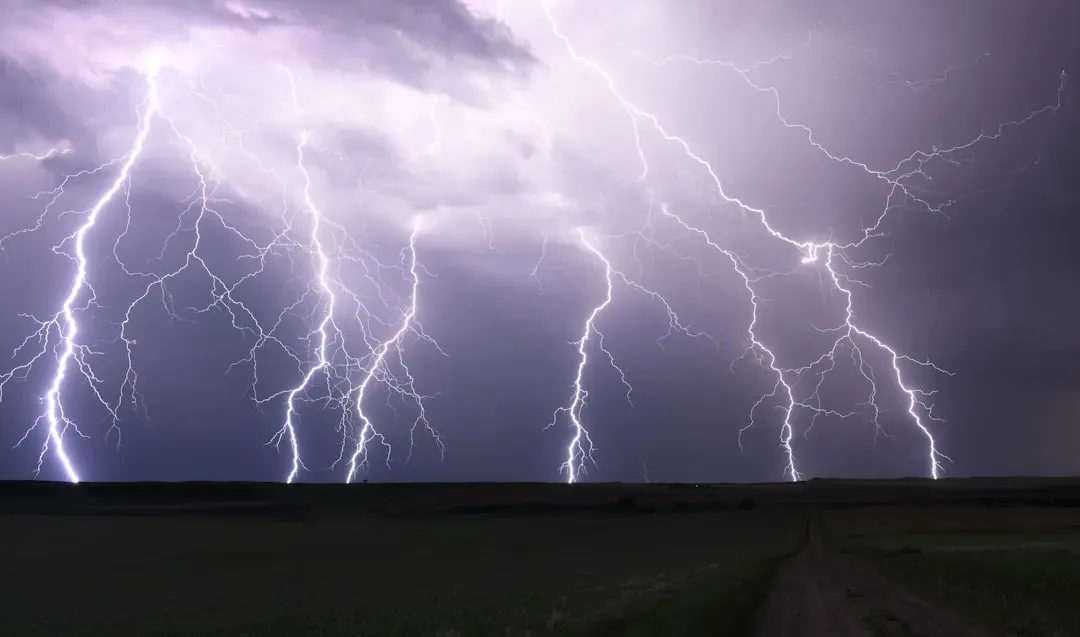
You have probably seen the classic image in your mind: an early Earth covered in oceans under a thick, gassy sky, with lightning cracking through the atmosphere and striking the water. In this scenario, often called the primordial soup model, you imagine simple gases like methane, ammonia, hydrogen, and water vapor swirling together in a young, unstable atmosphere. When lightning or ultraviolet light hits this mixture, it injects energy that can drive chemical reactions toward more complex organic molecules, the kind that life needs as raw material.
In the mid‑twentieth century, you would have watched researchers run exactly that kind of experiment in a glass apparatus, cycling gases and zapping them with sparks. They found that amino acids, the building blocks of proteins, can form fairly easily under the right conditions. For you, the important lesson is not that this experiment perfectly copies early Earth, because it probably does not, but that organic molecules do not need a miracle to show up. With enough energy and the right ingredients, your planet can cook up a surprising chemical stew all by itself.
2. Hydrothermal Vents: Life from the Deep, Dark Sea
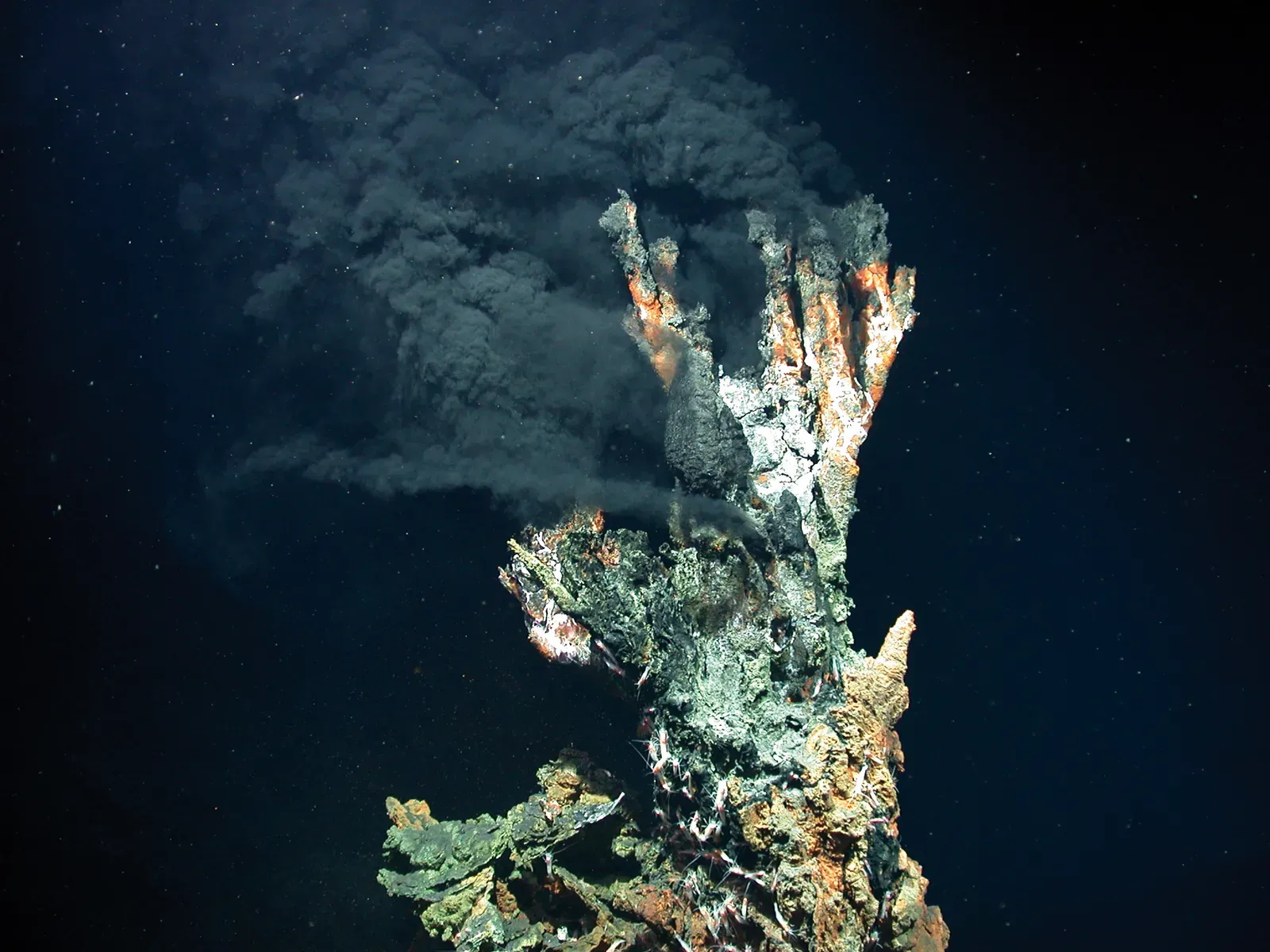
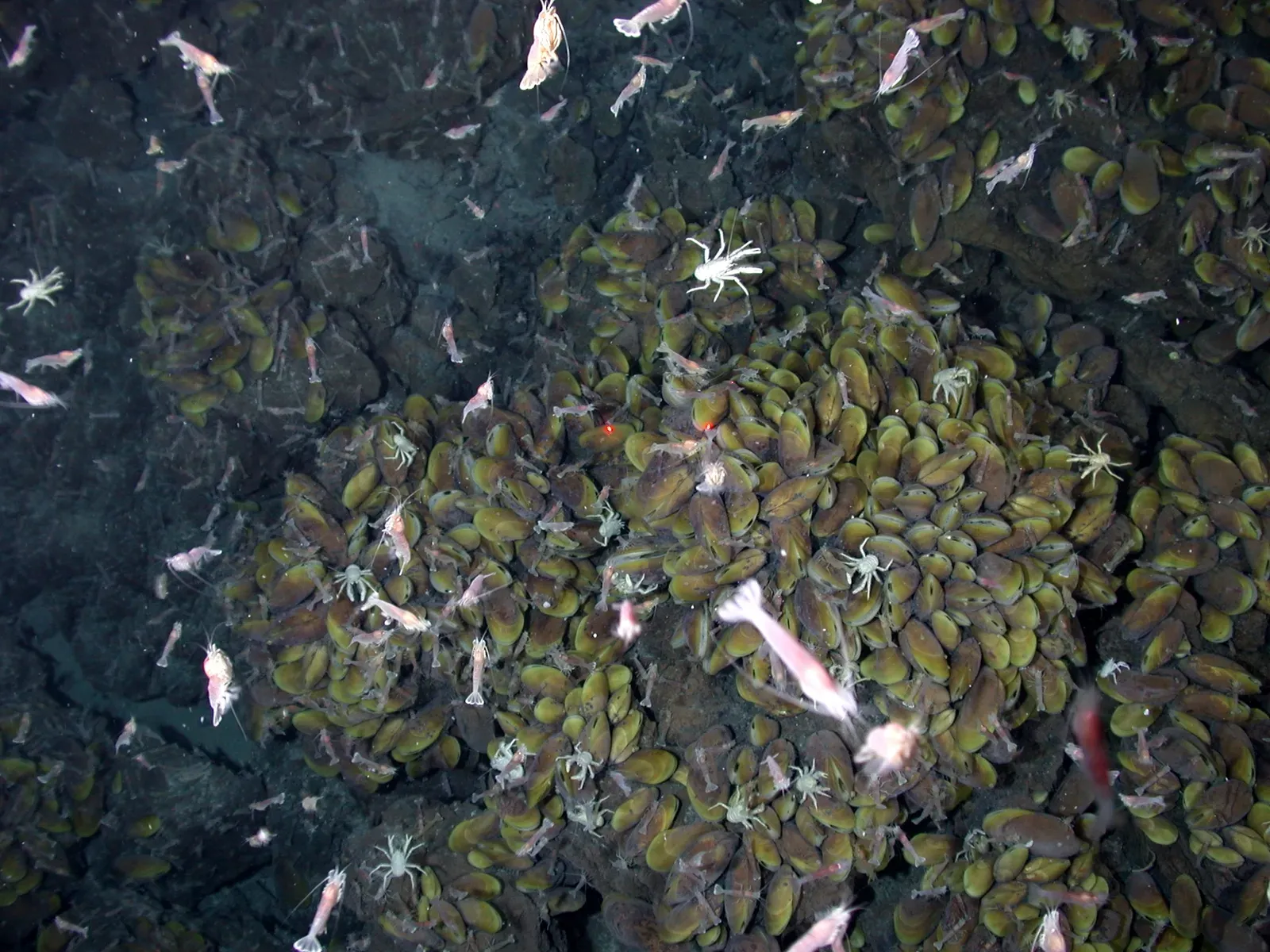
If you imagine early life starting, you might picture shallow, sunlit ponds, but one powerful idea pushes you to look instead at the deep ocean. On the seafloor, you find hydrothermal vents: cracks where mineral‑rich, superheated water gushes out into icy depths. Around these vents today, you see rich ecosystems thriving without sunlight, feeding on chemical energy instead. That alone should catch your attention, because it proves that life can be powered directly by geochemistry, not just by the sun.
In this theory, you place the first life not at the surface but on mineral surfaces inside or near these vents. The porous structures there can act like tiny compartments, concentrating molecules that would otherwise drift apart in the vast ocean. Gradients in temperature and chemistry across the vent walls can drive reactions, a bit like a natural battery. For you, this means that early Earth might have offered not just raw ingredients but ready‑made, structured environments that naturally encourage step‑by‑step complexity, turning simple chemistry into something more organized and potentially self‑sustaining.
3. The RNA World: When Genes and Chemistry Were One
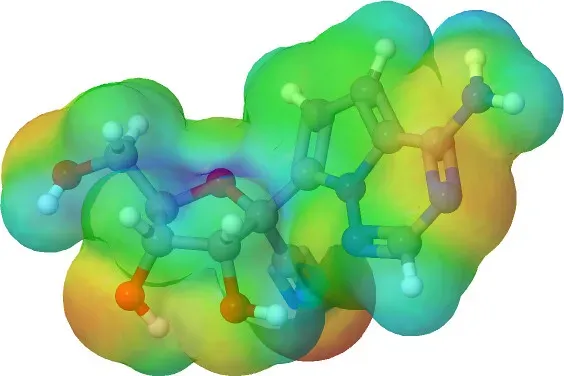
When you look at life today, you see a neat division of labor: DNA stores genetic information, proteins do most of the catalytic work, and RNA helps connect the two. But if you rewind far enough, that kind of complexity becomes hard to justify right away. The RNA world hypothesis asks you to imagine a simpler time when one type of molecule – RNA – handled both information storage and catalysis. RNA can form long chains that hold sequences, and it can also fold into shapes that speed up chemical reactions, which makes it a rare kind of multitasker in biology.
In this picture, you have early Earth filled with basic building blocks that assemble into short RNA strands. Some of those strands can help copy others, even if only imperfectly, and that opens the door to evolution. You do not need a fully formed cell at first; you just need a population of molecules that can replicate with variation and be selected for stability and efficiency. For you, this idea offers a conceptually clean path: once RNA‑based systems become good enough at copying and protecting themselves, they can gradually recruit proteins and, much later, hand off long‑term data storage to DNA.
4. The Metabolism-First Idea: Life as Cycles Before Genes
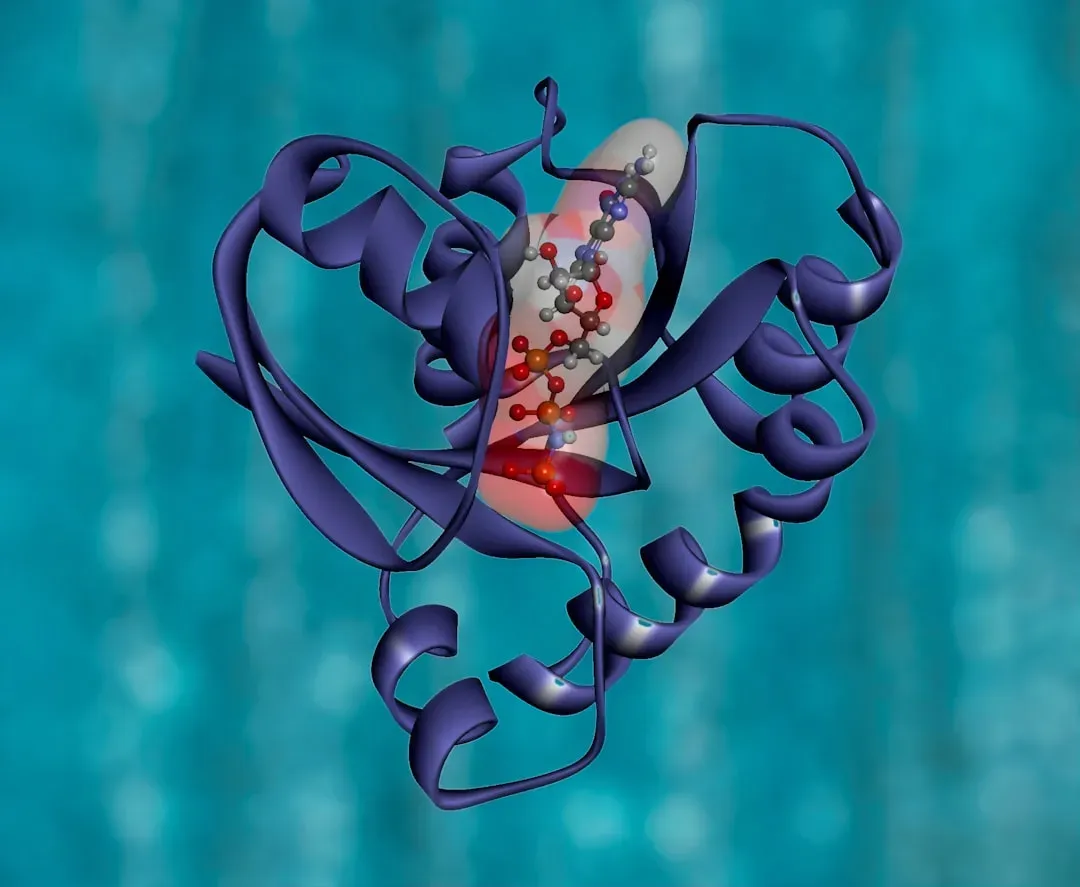
If the RNA world feels too focused on information, another school of thought asks you to start not with genes, but with metabolism – networks of chemical reactions that cycle and feed into one another. In a metabolism‑first view, you picture early Earth providing natural reaction cycles, especially around mineral surfaces or in specific environments like vents or hot springs. These cycles can process energy and matter in a repeatable way, long before there is a coded genetic system to record anything.
In this approach, you would see life emerging gradually as these cycles become more enclosed and stable, turning into simple, self‑maintaining systems. Only after you have a robust metabolic network does it make sense to add a genetic layer that can fine‑tune and inherit those pathways. For you, this flips the usual script: instead of life being defined first by a molecule that copies itself, you treat it as a dynamic pattern of chemistry that later learns how to write its own instructions for future generations.
5. The “Lipid World” and Spontaneous Proto-Cells
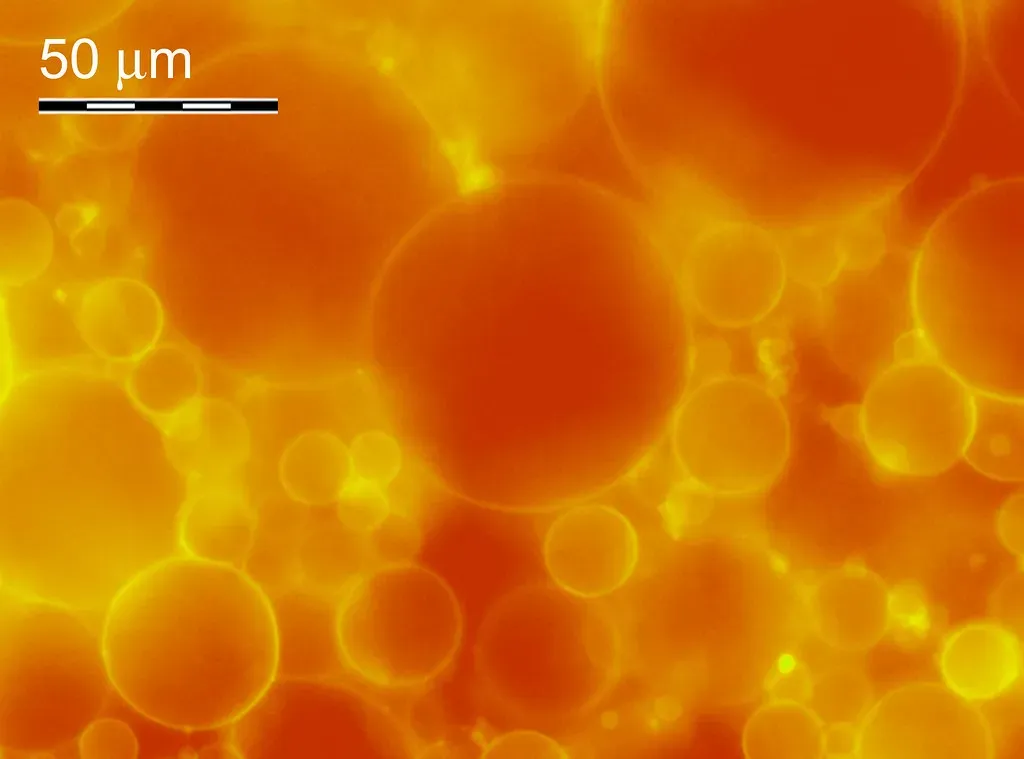
When you think of a living cell, you probably imagine a little bag of fluid wrapped in a membrane. That membrane is made of lipids – fatty molecules with one end that loves water and one end that fears it. In water, such molecules can spontaneously arrange into spheres called vesicles, with the water‑loving parts facing out and the water‑hating parts tucked safely inside. This simple trick of physics gives you compartments without any genetic plan or complicated machinery.
In a lipid world scenario, you picture natural environments where fatty molecules are free to assemble into millions of tiny bubbles. Some of these vesicles might trap useful molecules, like small RNAs or simple catalysts, purely by chance. Once that happens, you suddenly have protected spaces where chemistry can run faster, more reliably, and with less interference from the outside world. For you, the key insight is that you do not need to design a cell membrane from scratch; nature can build lots of primitive shells for free, and evolution can then keep the combinations that work best.
6. Panspermia: Seeds of Life from Space
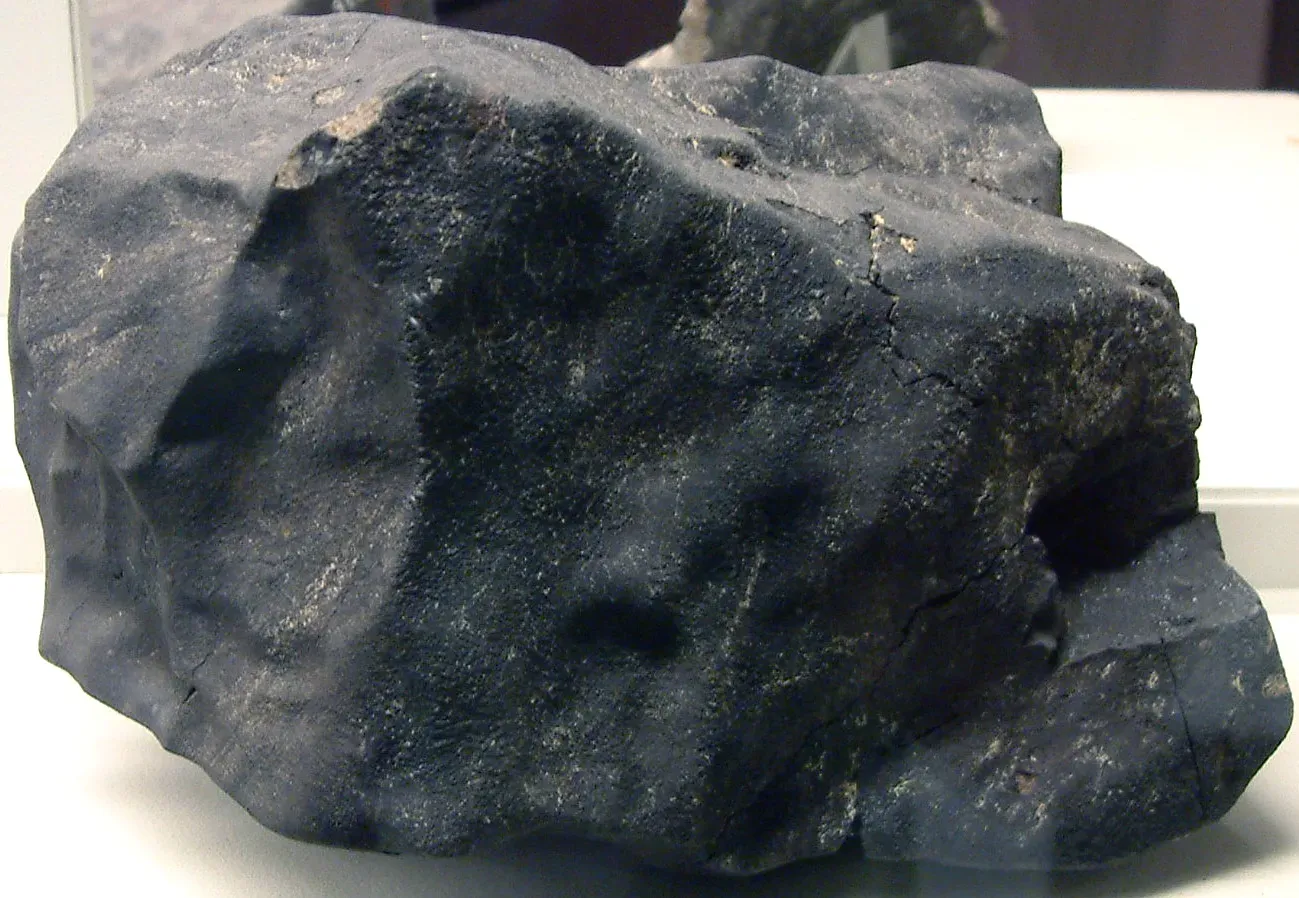
Sometimes you might wonder whether you are asking the wrong question by focusing only on Earth. The panspermia idea suggests that the first living systems – or at least the crucial building blocks of life – might have come from space. Comets, asteroids, and interstellar dust are known to carry organic molecules, and some meteorites that have fallen to Earth contain amino acids and other life‑related compounds. In this view, your planet is less a lone experiment and more a participant in a wider cosmic exchange of chemistry.
This does not mean you imagine whole ecosystems floating through space, but you do consider hardy microbes or pre‑cellular systems hitching a ride inside rocks blasted off one world and landing on another. Some bacteria on Earth today can survive extreme cold, dryness, and radiation, which makes this idea less far‑fetched than it once seemed. For you, panspermia shifts the origin problem outward: instead of Earth alone inventing life, the universe might be scattering the ingredients or even the earliest living sparks across young planets wherever conditions allow them to take hold and grow.
7. Life from Mineral Surfaces and Clay Templates
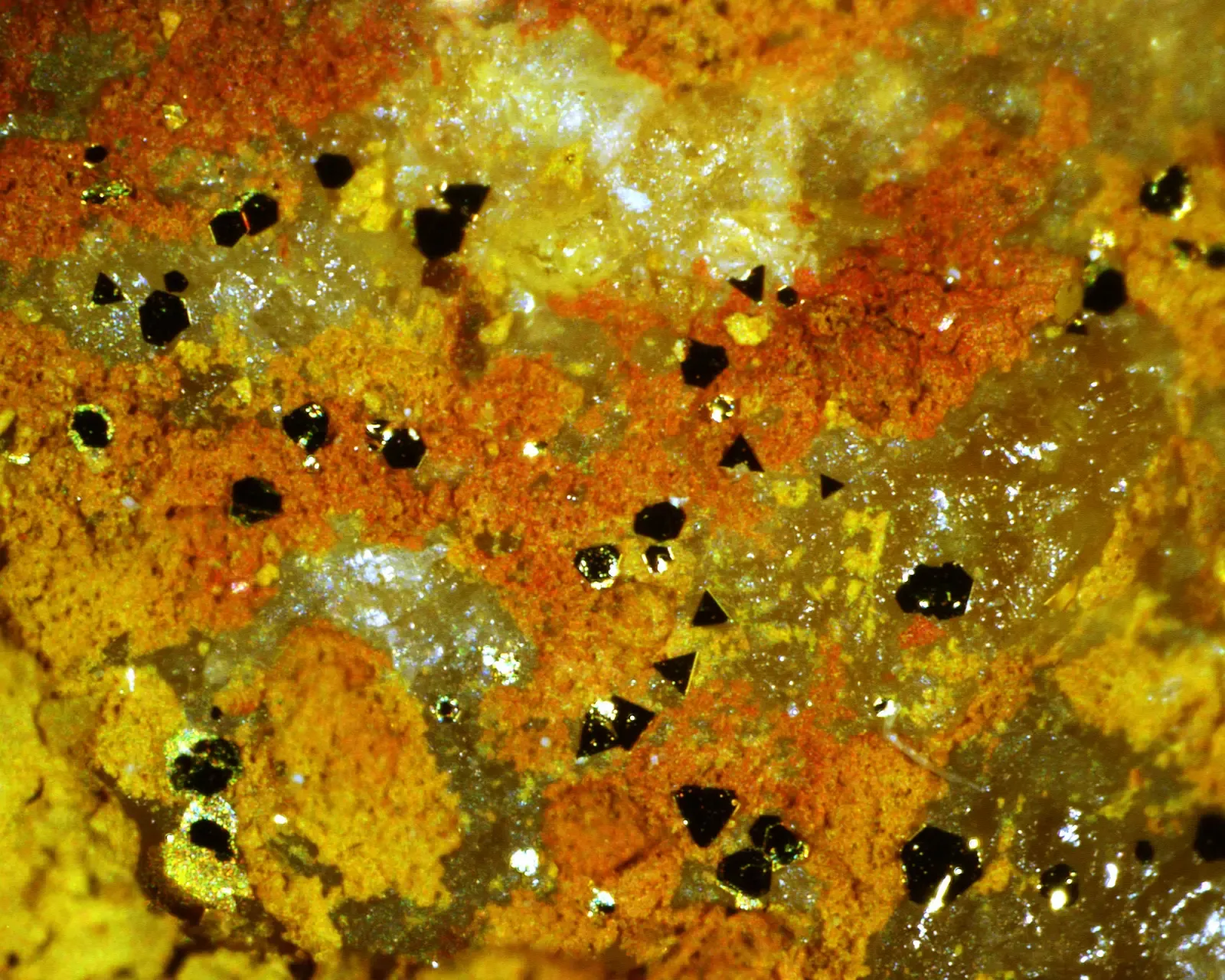
If you have ever tried to build something tiny with your hands, you know how hard it is to get small pieces to line up correctly. Molecules face a similar challenge in open water, drifting and colliding randomly. Mineral surfaces, especially clays, can change that by providing flat, charged platforms where molecules stick, align, and react more easily. In this theory, you imagine early Earth’s rocks and sediments acting almost like makeshift workbenches for prebiotic chemistry.
On these mineral surfaces, small organic molecules can gather at much higher local concentrations than in open ocean water. Some minerals help specific reactions along, guiding which bonds form and which structures grow. This can give you simple polymers – chains of molecules – built up step by step on a solid template. For you, this approach shows that early chemistry might not have been floating aimlessly; instead, it could have been anchored and directed by the geology of your planet, turning random collisions into more predictable and complex arrangements.
8. Hot Springs, Wet-Dry Cycles, and “Chemical Baking”
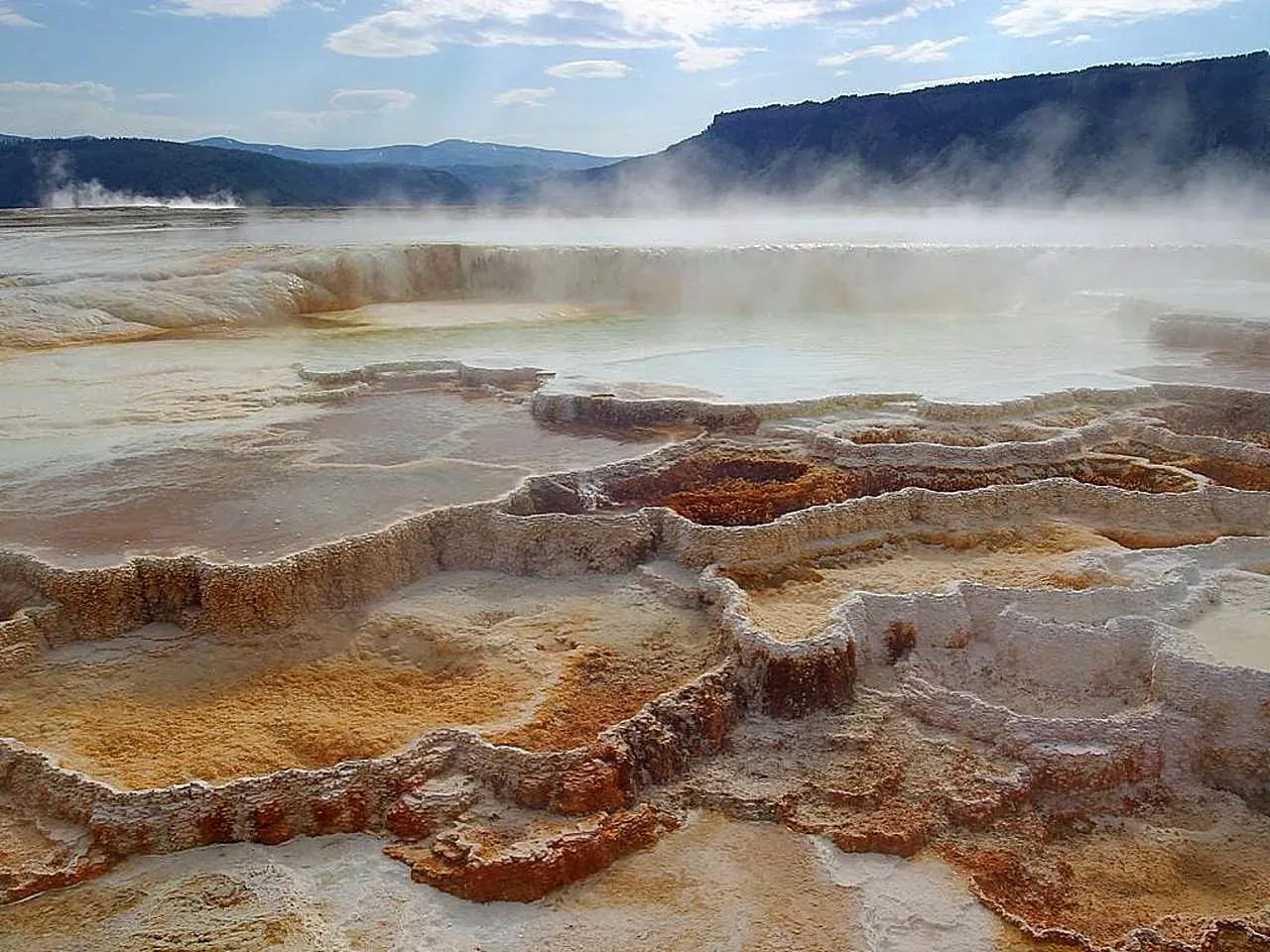
On land, you can picture volcanic landscapes dotted with pools and hot springs where water levels rise and fall repeatedly. Those wet‑dry cycles may sound trivial, but they give you something water alone cannot: periods where molecules are squeezed together as water evaporates, then released again when fresh water flows back in. During drying phases, small building blocks can link into longer chains because water, which normally pulls them apart, is temporarily removed from the equation.
In this scenario, you imagine complex organic molecules forming in these surface pools, almost like dough being baked layer after layer. The heat, minerals, and fluctuating conditions drive reactions that are difficult to achieve in constant, deep‑ocean environments. For you, hot springs and their cycles offer a vivid setting where early Earth’s atmosphere, sunlight, and geology all interact. They give you a stage where molecules can be repeatedly concentrated, rearranged, and tested, gradually moving from simple mixes toward more life‑like systems enclosed in primitive membranes.
9. Electric, UV, and Impact-Driven Chemistry in a Violent Young World
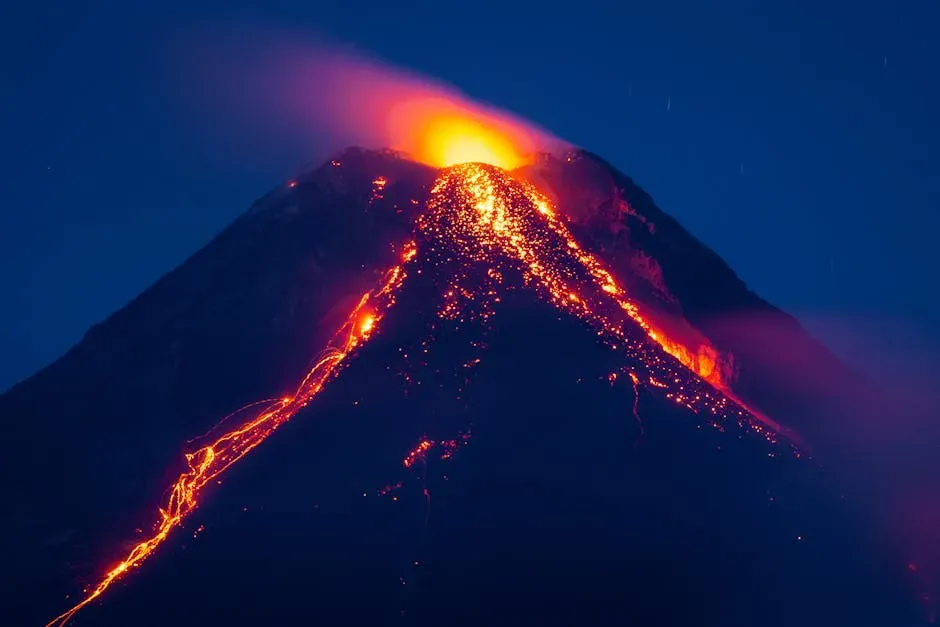
When you think of early Earth, do not picture a calm blue marble; think of a world hammered by meteorites, shaken by constant volcanism, and blasted by far stronger ultraviolet radiation than you experience today. Each of these harsh forces pumps energy into the environment. Lightning splits atmospheric gases, UV light rearranges bonds, and impacts briefly create extreme temperatures and pressures. At first glance, you might assume that such violence only destroys fragile molecules, but it also opens pathways to reactions that gentler conditions would never allow.
In this view, you treat the young planet almost like a giant, chaotic laboratory. You imagine countless locations where these extreme energy sources strike pools, ice, or rock surfaces, creating exotic compounds and rearranged organics. Some of those products will be dead ends, but a fraction may turn out to be especially suited for further chemistry or even early metabolic cycles. For you, this reminds you that life does not necessarily arise in quiet, stable corners; it can be born out of a planet’s wild, destructive phases, as long as there are pockets where useful products can accumulate and persist.
10. Hybrid Scenarios: Many Paths Converging into the First Cells
As you move through all these theories, it is tempting to search for a single correct answer, but reality may be less tidy than that. A growing number of researchers suspect that you might be looking at different parts of the same, larger story. Maybe simple organics formed in the atmosphere and rained into oceans, while hydrothermal vents built early metabolic networks, clay minerals helped grow polymers, and lipid vesicles spontaneously formed shelters. Over vast stretches of time, these pieces could intersect, combine, and refine each other, inching toward something you would finally recognize as a primitive cell.
In a hybrid view, you stop asking which idea wins and start asking how they might cooperate. You imagine fatty vesicles picking up RNA‑like molecules from a hot spring, or vent‑driven cycles benefiting from organics delivered by meteorites. For you, this is both a humbling and empowering way to think about your origins: life may not have begun with a single dramatic event, but through a long, messy interplay of geology, chemistry, and chance. The real magic is not in one perfect step, but in the way many imperfect processes eventually converged into a system that could copy itself and change.
When you stand back and consider all these possibilities, you see that the story of life’s origin is still very much under construction. You do not yet know exactly which path your planet followed, but you can see that nature had many plausible routes from simple molecules to self‑replicating systems. As evidence accumulates – from ancient rocks, deep‑sea vents, hot springs, and even space missions – you will likely refine these ideas, discard some, and merge others into richer, more detailed narratives.
For you personally, there is something quietly profound in all this uncertainty. It means your existence rests not on a single fragile explanation but on a tapestry of potential pathways woven by a restless, creative planet. The same physics and chemistry that once turned dust and gas into oceans and cells are still operating around you and inside you every day. When you think about that, do you feel a little more at home in the universe than you did before?