
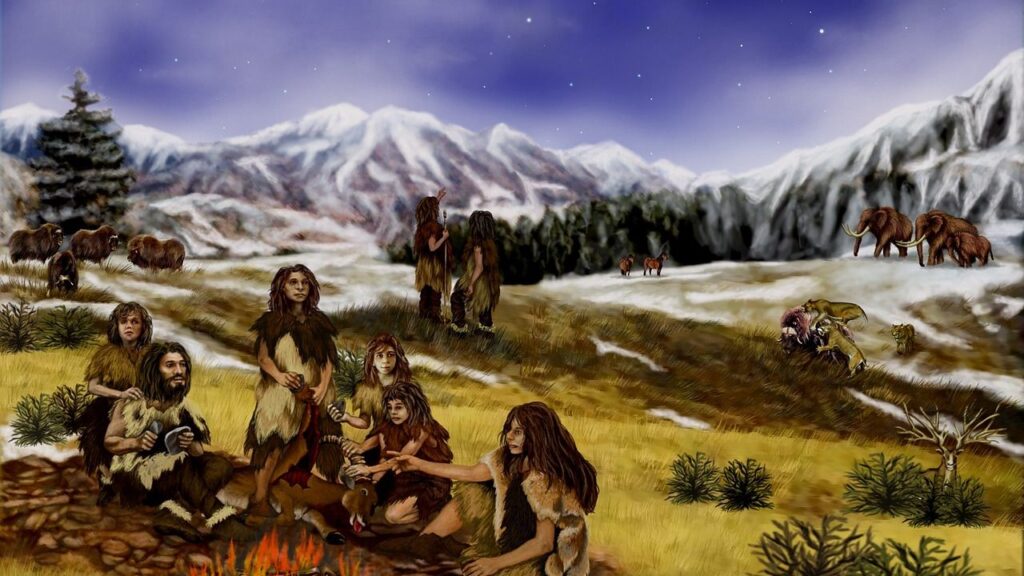
We like to assume that history is a straight line of progress, with us sitting proudly at the peak. But when you look closely at how ancient humans lived, a more uncomfortable truth creeps in: in some crucial areas of life, they might actually have done it better than we do now. Not just different – better for their bodies, their minds, and sometimes even their communities. That stings a little when you’re scrolling on a glass rectangle at 2 a.m. and calling it “modern life.”
As I dug into the research on past civilizations, I kept running into the same weird feeling. Yes, they lacked antibiotics, electricity, and streaming video, but they often had a kind of grounded wisdom we’ve lost in the noise. They walked more, slept in sync with the sun, ate real food, and depended deeply on one another. In a few areas, the data is still evolving, so we have to stay cautious. But the broad patterns are surprisingly clear. Let’s look at ten things our ancestors arguably nailed better than we do – and what we might want to steal back from them.
1. Moving All Day Instead of “Exercising” for an Hour

Imagine a lifestyle where you never “work out” but you are rarely still. For many ancient humans – hunter-gatherers, early farmers, nomadic herders – movement wasn’t a scheduled activity, it was the water they swam in. They walked long distances, carried loads, squatted, climbed, ran in short bursts, and did it all from childhood to old age. Their bodies adapted to a constant mix of low and moderate physical activity, with occasional intense efforts, rather than hours of sitting punctuated by a frantic gym session. Anthropologists studying modern hunter-gatherer groups have found that many older adults maintain impressive cardiovascular health and mobility deep into later life, despite never stepping on a treadmill.
Compare that with our world of chairs, car seats, elevators, and ergonomic everything. We try to patch over eight or ten hours of sitting with a forty-five-minute workout, then wonder why our backs hurt and our energy is flat. Even if you hit the gym regularly, you might still be what researchers call an “active couch potato” if most of your day is sedentary. Ancient humans didn’t need fitness trackers to close a ring; movement was baked into survival. The takeaway is not that we should abandon modern life and grab a spear, but that integrating more standing, walking, carrying, and squatting into everyday tasks might do more for our health than another fancy exercise gadget.
2. Eating Whole, Unprocessed Food Without Obsessing Over It

Ancient humans did not count calories, track macros, or google the glycemic index. They ate what their environment offered: wild plants, roots, tubers, nuts, seeds, fruits in season, and animals they hunted or fished. Even early farmers, while their diets changed with the rise of grains, still relied on minimally processed foods with recognizable ingredients. Archaeological and skeletal evidence suggests that many pre-industrial populations had fewer cavities, more stable blood sugar patterns, and lower rates of extreme obesity compared with heavily industrialized societies, even when food was scarce or seasonal.
Today, we live in a world where an enormous share of what we call “food” is ultra-processed: manufactured products loaded with added sugars, refined flours, seed oils, and flavor enhancers. It’s engineered to be hyper-palatable and shelf-stable, not to align with the slow, subtle feedback loops our bodies evolved with. The irony is that with all the nutrition labels and diet trends, we often feel more confused about eating than ever. Ancient humans, in many regions and eras, likely had less variety at any given moment, but they had far fewer temptations dragging their appetite away from real nourishment. Reclaiming even a fraction of that simplicity – more basic ingredients, fewer barcodes – might be one of the most powerful “ancient hacks” we have.
3. Sleeping in Sync With Nature (Instead of Fighting the Clock)

Before electric light, humans had a much more intimate relationship with darkness. Nighttime meant firelight, moonlight, and sleep. Seasonal rhythms influenced when people went to bed and woke up, and daytime exposure to natural light helped anchor their internal clocks. Historical and anthropological evidence suggests sleep was often segmented – sometimes with a first and second sleep – but it was still tightly tied to the sun and sky. Many traditional and rural communities today still show more regular sleep patterns, less blue-light exposure at night, and a more obvious connection between physical tiredness and bedtime.
In contrast, modern life often means scrolling in bed under bright screens, working night shifts, or living out of sync with our own circadian rhythms. Sleep scientists are increasingly linking chronic sleep deprivation and circadian disruption with mood problems, metabolic issues, and even increased risk of chronic disease. Ancient humans absolutely struggled with cold nights, predators, and uncomfortable bedding, so it was hardly a sleep utopia. But they were rarely confused about one basic thing: night was for winding down, not for endless stimulation. We may never fully go back, but dimming lights in the evening, getting more daylight in the morning, and treating sleep as a non-negotiable, not a luxury, is one area where they can clearly teach us something.
4. Building Deep, Interdependent Communities
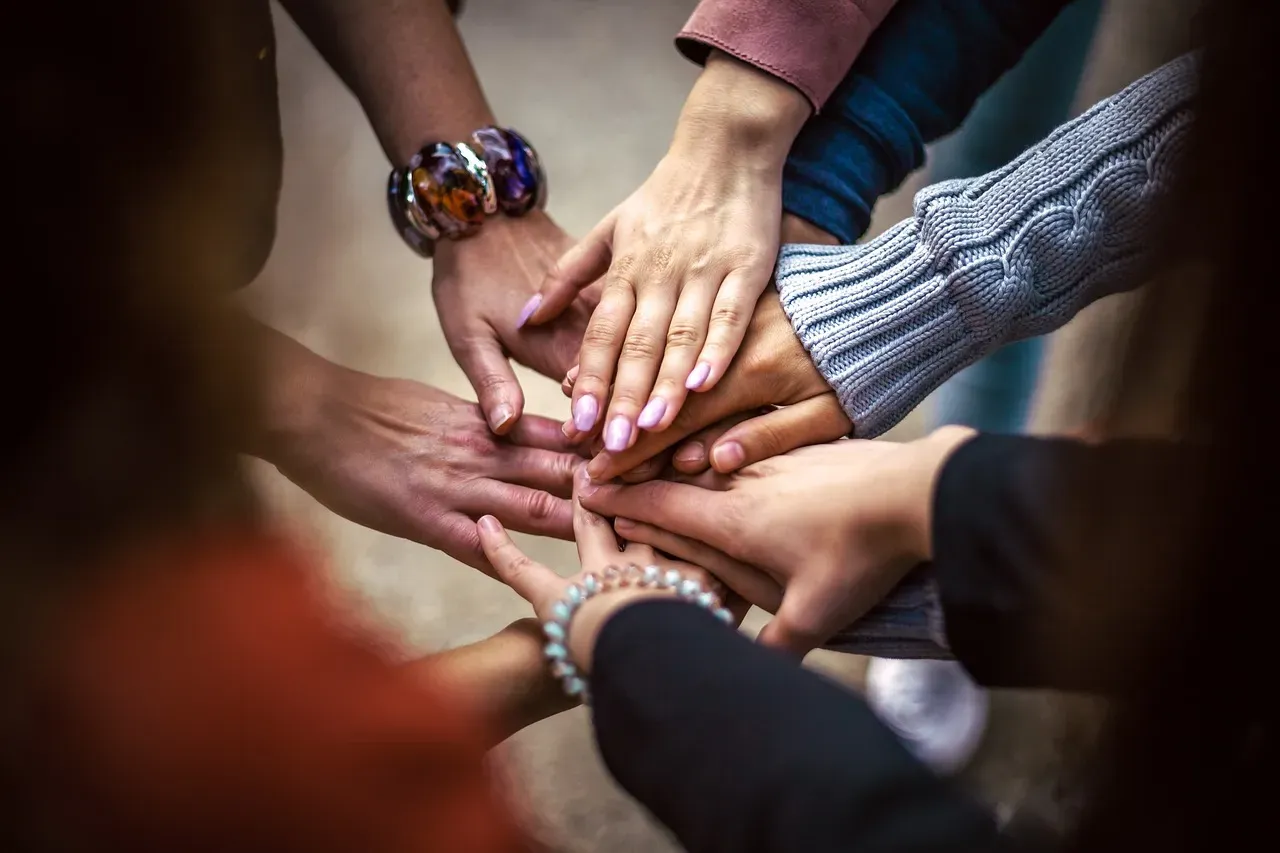
If there’s one thing ancient life almost never offered, it was isolation. Survival depended on your group: your kin, your band, your village. People shared tasks, food, childcare, stories, and daily labor. Elders were more likely to be woven into community life rather than quietly sidelined. Anthropological studies of small-scale societies living in more traditional ways show that people are rarely truly alone; cooperative parenting, shared rituals, and communal resource use are normal expectations, not bonus features. Emotional support is not perfect, of course – conflicts, hierarchies, and injustices existed – but the basic assumption was that you belonged to others, and they belonged to you.
Modern societies, especially in wealthier urban settings, have more individual freedom and privacy but also more loneliness. People can live surrounded by millions in a city and still feel invisible. Rates of reported social isolation and mental distress have risen in many countries, and it’s not hard to suspect that our fractured communities are part of the story. In a world where you can get anything delivered to your door without knowing your neighbor’s name, the ancient commitment to face-to-face interaction can feel almost radical. We may not want to exactly recreate clan structures or village gossip networks, but learning to build interdependent circles – sharing meals, favors, skills, and time – might be one of the best “old” technologies we could bring back.
5. Crafting Things to Last (and to Be Repaired)

Picture a stone hand axe from hundreds of thousands of years ago: shaped carefully, sharpened, used, resharpened, and carried for years. Or think of Roman roads that are still visible today, or wooden structures in ancient temples that have resisted time and weather far longer than our average fast-built home. Many ancient craftspeople worked with a mindset of durability and repair. Tools were expensive in terms of labor and resources, so you treated them as near companions. Artisans in metalwork, pottery, textiles, and construction used methods designed so items could be maintained, not tossed at the first sign of wear.
Our consumer culture is brilliant at producing things quickly and cheaply, but it often bakes in planned obsolescence. Electronics become hard or impossible to repair, clothes are designed to be replaced next season, and furniture can be more disposable than the cardboard box it came in. The mental shift here is profound: ancient humans often saw objects as investments over years or even generations, while we tend to view them as temporary conveniences. I still remember fixing a pair of boots with an older relative who grew up repairing everything; it felt oddly empowering, like I’d stepped into a slower, more respectful relationship with stuff. That mindset has a lot more in common with ancient tool users than with the culture of single-use everything.
6. Paying Attention to the Land and the Seasons

Most ancient humans did not need a weather app; their lives embodied local knowledge. They could read the sky, the wind, the behavior of animals, and the subtle signs of seasonal change with a level of sensitivity that modern city-dwellers rarely approach. Farmers in early agricultural societies learned by trial and error how to work with their specific soil, climate, and water sources, often developing complex calendars and practices tuned to their ecosystem. Hunter-gatherers tracked migration patterns, fruiting cycles, and safe water sources with astonishing accuracy because getting it wrong could be fatal.
Today, many of us are insulated from the land we live on. Food travels across continents, seasons blur in grocery stores, and climate systems feel like abstract graphs rather than the air we breathe and the ground we stand on. Of course, modern science has given us powerful tools for understanding global weather and climate, and we should absolutely keep those. But our day-to-day disconnection from local landscapes makes it easy to ignore slow changes in ecosystems or our own reliance on them. Ancient humans’ “data” came through their senses and seasonal routines, not just devices, and that lived attention is something worth relearning – whether through gardening, hiking, or simply noticing the same tree every week as it changes through the year.
7. Telling Stories as a Core Technology for Memory and Meaning
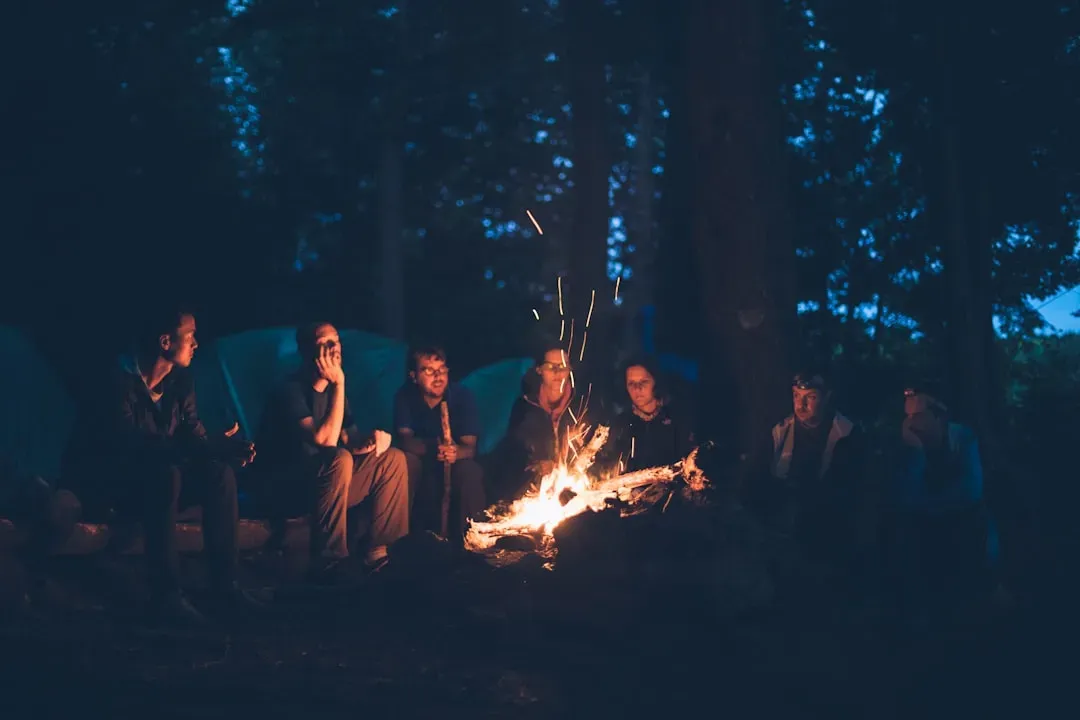
Long before writing, humans carried vast libraries in their heads. Myths, genealogies, how-to guides for surviving in a specific environment, moral lessons, and historical events were all woven into stories. Oral traditions used rhythm, repetition, vivid imagery, and communal performance to make information unforgettable. Elders and storytellers functioned as living archives, and audiences were active participants, sometimes correcting details and keeping the narrative alive. In many traditional societies that still maintain oral storytelling, complex knowledge – like navigation, plant uses, or conflict resolution strategies – can be encoded in tales that children grow up hearing again and again.
Modern life, by contrast, has outsourced memory to devices, documents, and search engines. We gain speed and access but risk losing depth. How often do we skim headlines or social media posts that never really sink in? Stories still matter today – movies, novels, podcasts – but their role as practical, shared wisdom has been diluted by sheer volume and distraction. Ancient humans understood that narrative was not just entertainment but survival software. Re-centering story – not only as something you consume but something you share in families, communities, and workplaces – might be one of the most underrated ways to reclaim attention, cohesion, and a sense of who we are.
8. Accepting Hardship as Normal, Not a Sign of Failure

For ancient humans, hardship was not an exception; it was the background setting of life. Food shortages, harsh weather, physical danger, loss, and uncertainty were routine. That does not mean people were stoic superheroes, but it does mean many cultures developed narratives and rituals to help them face difficulty without assuming something had gone wrong with them personally. Rites of passage often involved discomfort or challenge, signaling that struggle was part of becoming a full member of the group. Resilience was not a buzzword; it was a daily practice embedded in how children were raised and how adults supported each other.
In our time, we have rightly tried to reduce suffering through medicine, social safety nets, and technology. But there is a downside when comfort becomes the only acceptable state. We may interpret every obstacle as evidence that we or the world are broken, rather than as a painful but expected part of being human. That can leave us emotionally fragile even as our material circumstances improve. I’m not romanticizing famine or violence; those were and are tragedies. But the ancient assumption that life will be hard sometimes – and that you prepare for it emotionally and socially – may be wiser than pretending we can engineer all discomfort away. Ironically, accepting that life includes hardship can make it easier to enjoy the good days more fully.
9. Integrating Spirituality With Daily Life (Rather Than Compartmentalizing It)

Across continents and eras, ancient humans rarely separated the sacred from the everyday. The cycles of planting and harvest, the phases of the moon, the birth of a child, the death of an elder – these were all framed within shared beliefs about meaning and connection to something larger, whether that was a pantheon of gods, ancestral spirits, or the living land itself. Rituals were not just occasional events but recurring practices: offerings, dances, songs, or moments of silence that knit people into a shared worldview. This gave many communities a strong sense of identity and continuity, even when facing uncertainty and loss.
In contemporary life, spirituality – whether religious or more loosely defined – is often pushed to the margins. It might appear in a one-hour weekly gathering, a private meditation app, or not at all. Many people feel a hunger for meaning but are wary of institutions or dogma, leaving them caught between cynicism and longing. Ancient humans certainly had belief systems that were sometimes rigid or unjust, and we should not gloss over that. But their ability to weave meaning into ordinary routines – meals, seasons, work, sleep – meant fewer people floated through life feeling that everything was random and hollow. Reimagining that integration today could mean shared rituals with friends, community service framed as something bigger than yourself, or simply taking time to mark transitions in life with intention instead of rushing past them.
10. Raising Children as a Village, Not a Solo Project

One of the clearest advantages ancient humans had, in many societies, was the sheer number of hands involved in raising children. Anthropologists talk about “alloparenting” – grandparents, aunts, uncles, older siblings, and non-relatives all playing active roles in care. In small-scale communities, it’s common for a child to be watched over by many adults at once, learning language, norms, and skills through constant interaction with different age groups. This spreads the workload of parenting and gives kids a rich social environment to grow in. Modern research on cooperative child-rearing echoes the idea that broader support networks are linked with better outcomes for both kids and caregivers.
Today, many parents – especially in urban, nuclear-family settings – find themselves attempting what is essentially a historically abnormal task: raising children with little regular help, while juggling jobs, commutes, and financial pressure. It is no wonder burnout and stress feel almost inevitable. We have childcare centers, schools, and digital resources, but those do not always substitute for the everyday presence of committed, familiar adults. In this arena, I think ancient humans were frankly wiser. They treated parenting as a community endeavor, not a private performance. Recreating that now might mean living closer to extended family when possible, forming tight-knit circles of friends who share care duties, or advocating for policies that recognize raising the next generation as a shared social responsibility, not just an individual burden.
Conclusion: What If Progress Means Looking Backward Too?
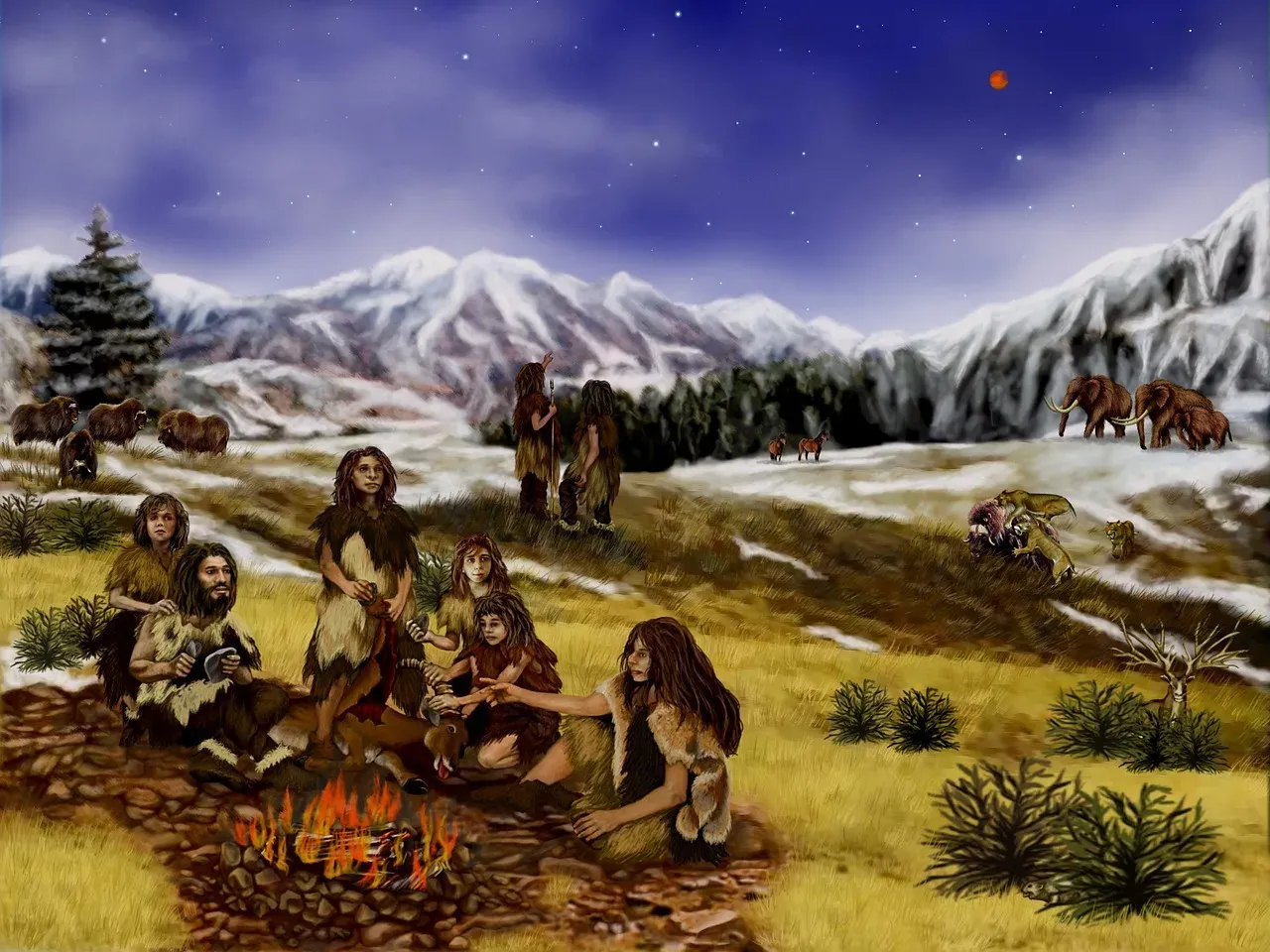
When you zoom out, a pattern emerges: ancient humans were worse off in many ways we can measure – higher child mortality, fewer medical options, shorter average lifespans in many eras. But in these ten specific domains, they often aligned more closely with what our bodies and minds evolved to handle: constant movement, real food, deep community, repairable tools, connection to land, story-based memory, accepted hardship, integrated meaning, and shared parenting. It is uncomfortable to admit that people without electricity might have had a more coherent approach to some of life’s fundamentals than we do with all our apps and algorithms.
For me, the point is not nostalgia or romanticizing the past. I would not trade antibiotics or clean water for a stone-age lifestyle, and we should be honest about the brutality that many ancient people faced. But if progress is real – and I believe it is – it should include the humility to notice where we have drifted away from what makes humans thrive. Maybe the smartest path forward is not a straight line upward but a loop: taking the best of modern science and technology while consciously borrowing the older patterns that kept our ancestors grounded. The real question is, which of these ancient strengths are you actually willing to weave back into your own life?