
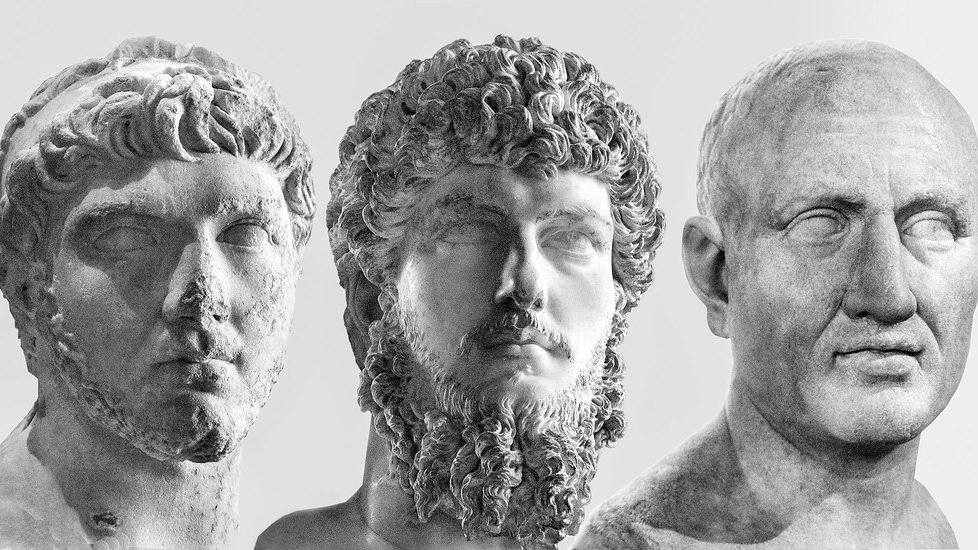
We like to think of ourselves as the peak of human evolution, scrolling through our glowing screens with the smug certainty that newer always means better. But if you zoom out beyond the past few centuries and look at the full sweep of human history, an uncomfortable truth pops up: in some important ways, our ancient ancestors actually had life more figured out than we do. Not with gadgets or medicine, of course, but with how they related to their bodies, their communities, and the world around them.
When you strip away cars, Wi‑Fi, and delivery apps, you start seeing core human skills that used to be second nature and are now almost exotic. Things like reading the sky as easily as we read notifications, or knowing every plant within a day’s walk the way we know brand logos. This isn’t about idolizing the past or pretending life was easy back then. It was brutal in many ways. But if we’re honest, there are at least ten things ancient humans clearly – and maybe understanding those could help us live a little smarter right now.
1. Reading the Natural World Like a Daily Newsfeed

Imagine waking up and knowing, just from the wind, the light, and the smell of the air, whether it’s a good day to travel, hunt, plant, or stay put. For ancient humans, the landscape was not a backdrop; it was a living dashboard filled with information. They recognized subtle changes in clouds, animal behavior, and plant cycles the way we notice changes in an app interface. If you lived in a foraging band or early farming village, failing to notice those cues could literally mean the difference between feast and famine.
Today, most of us could not tell you which way is north without checking our phone, let alone predict a weather shift from the feel of the air. Our senses are still capable, but we rarely train them on the outdoors for long enough to learn. Instead, we outsource everything to satellites and alerts. The irony is that the science of ecology reinforces just how much information is encoded in natural patterns that ancient people knew intimately – migration routes, flood rhythms, soil types, seasonal shifts. We have the data, but they had the embodied skill of noticing, and that is something modern life quietly erodes.
2. Moving Their Bodies the Way They Were Designed to Move

Most ancient humans did not “work out.” Their lives were the workout. Hunting, gathering, carrying, squatting, climbing, and walking long distances were built into daily survival. Anthropologists looking at skeletal remains from many ancient populations often find joints and bones that show heavy use – but also strong, functional bodies adapted to constant varied movement rather than repetitive strain. Their “exercise routine” looked a lot like what modern trainers now call natural movement or functional fitness, just without the gym membership or the cute water bottle.
We, on the other hand, sit for hours, then try to undo that damage with an hour on a treadmill. Our tech makes physical effort optional, so we can easily go through a whole day barely engaging our full range of motion. It’s no surprise that lower back pain, neck stiffness, and metabolic issues are so common. Ancient people faced injuries and hardship, absolutely, but they did not have to schedule movement – it was their default. In a weird twist, thousands of years later, we are paying money and downloading apps to re-create what used to come free with simply being alive.
3. Building Deep, Tight-Knit Communities (Without Group Chats)
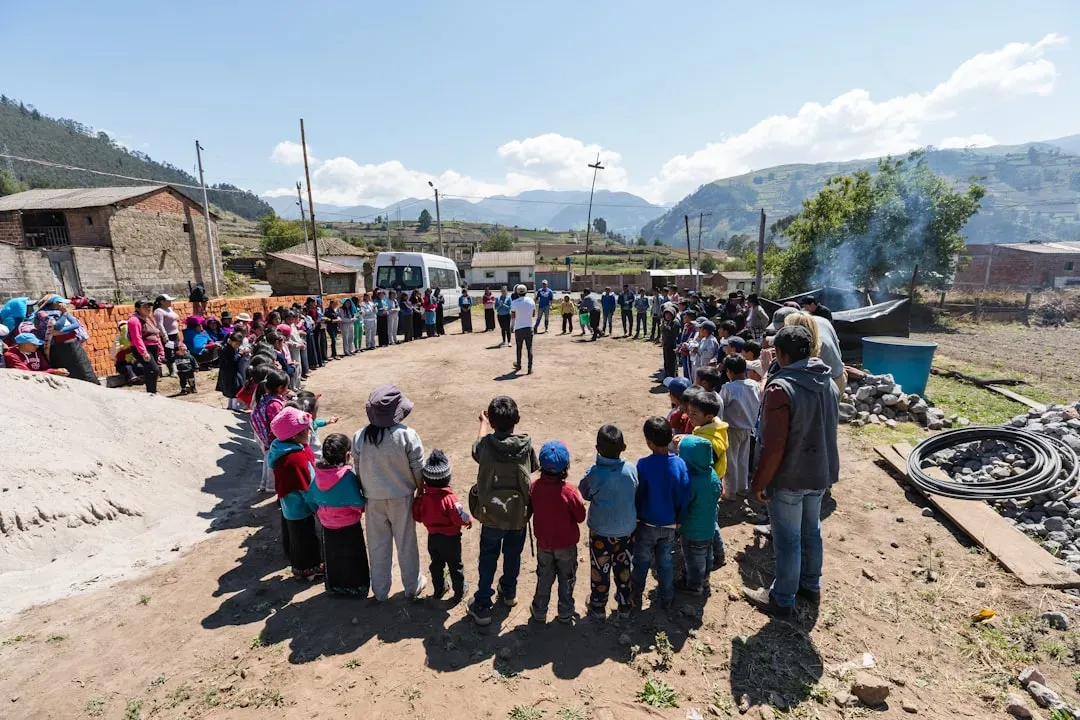
Living in small bands or villages, ancient humans were surrounded by people who knew them from birth to death – family, not just in the biological sense, but in the shared-history sense. Everyone’s contribution mattered: the skilled hunter, the midwife, the elder with stories, the child learning by watching. Humans evolved in this kind of social environment, where you saw the same faces day after day and your survival depended on mutual support. Loneliness, while not unknown, was not baked into the structure of daily life the way it can be now.
Modern society offers more choice but often less depth. You can have thousands of followers and still feel like nobody really knows you. We move for jobs, lose touch, reinvent ourselves in new cities, and rebuild our networks over and over. That freedom is powerful, but it can also be disorienting. Studies on well-being consistently show that close, supportive relationships are one of the strongest predictors of a good life, and ancient humans had those relationships woven into their social fabric by design. We, with all our connectivity, are somehow still trying to engineer what they largely took for granted: a village that actually shows up.
4. Eating Real Food Instead of Products

When ancient humans sat down to eat, every bite had a clear origin. Meat came from an animal they knew, grains from a field they worked, fruits and nuts from specific trees or regions. Their diets varied wildly across regions – from fish-heavy coastal groups to tuber-focused foragers to early grain farmers – but in almost every case, the food was minimally processed and nutrient dense. There were no mystery flavorings or overly refined sugars hiding in everything. You could look at a meal and recognize what it once was in the wild.
Today, a huge chunk of what many people eat is not really food in the traditional sense; it is an industrial product carefully engineered for shelf life, taste, and profit. Labels read like chemistry sets. It’s not that all modern food is bad – far from it – but we have drifted astonishingly far from the simple relationship between effort and nourishment. Ancient people understood seasonality, scarcity, and the physical labor behind every calorie. We mostly understand convenience and cravings. Ironically, modern nutrition science is now circling back to a message our ancestors lived by default: eat real, varied, recognizable food as often as you can.
5. Sleeping with the Sun, Not the Screen

For most of human history, night was genuinely dark. Apart from fire, moonlight, and early lamps, there was not a lot to do after sunset except talk, rest, or sleep. Circadian rhythms were closely aligned with natural light cycles: wake with the dawn, wind down after dusk. That does not mean ancient people always slept peacefully or safely – threats and discomfort were real – but their biology was working with the environment instead of constantly fighting it. The pattern of earlier sleep and early rising fit how our hormones and internal clocks evolved over millions of years.
We, in contrast, have engineered a world where it is biologically afternoon in our brains at midnight because of glowing screens and artificial light. Many people stay up scrolling or streaming, only to drag themselves through mornings with caffeine. Sleep research keeps confirming what common sense already suggests: our bodies hate this. Chronic sleep disruption is linked to a long list of physical and mental health problems. Ancient humans had their own struggles, but they were not being yanked out of deep sleep by sudden notification chimes or late-night work emails. In at least this one way, their nights made more biological sense.
6. Remembering and Storytelling Without Outsourcing Their Memory

Before writing, human culture traveled almost entirely by memory. Myths, histories, genealogies, survival tips, and moral lessons all lived in stories, songs, and rituals passed down over generations. In many oral traditions, people could recite long narratives or complex lineages with an accuracy that seems superhuman to us today. Memory was not just a personal tool; it was a community responsibility, and the brain adapted to that demand. Repetition, rhythm, visual imagery, and emotional charge turned stories into living archives.
Now, we barely remember phone numbers because we do not have to. We have external hard drives, search engines, and cloud backups for almost everything, which is incredibly useful but also slowly atrophies our raw recall skills. When you know your device can store it, your brain stops trying as hard to encode it. What ancient humans did better was not just memorizing for the sake of it, but weaving memory into identity and meaning. Stories about who you were and where you came from were not optional content; they were the operating system. We have endless information, yet we often lack that deep, shared narrative thread.
7. Accepting Hardship as a Normal Part of Life

Ancient humans lived with constant reminders that life is fragile: illness, weather disasters, injury, predators, conflict. There was no illusion that everything could be controlled or optimized. That sounds grim, but it also created a kind of mental toughness and realism that many of us are missing. When hardship is expected, not treated as a glitch in the system, people develop cultural practices – rituals, stories, shared grief – that help them cope. There was space, however imperfect, for sorrow, endurance, and acceptance.
Modern life, by contrast, often sells a quiet promise that things should be comfortable and frictionless. When pain or difficulty shows up, it can feel like a personal failure rather than a universal human experience. We have more tools than ever to ease suffering, which is a good thing, but we sometimes forget that discomfort is not always a sign that something has gone wrong. Ancient humans were forced to face that truth daily; we can go years without confronting it head-on. In terms of psychological resilience, they had a tougher environment – and, in many cases, a tougher mindset to match.
8. Crafting Things to Last Generations, Not Just Seasons
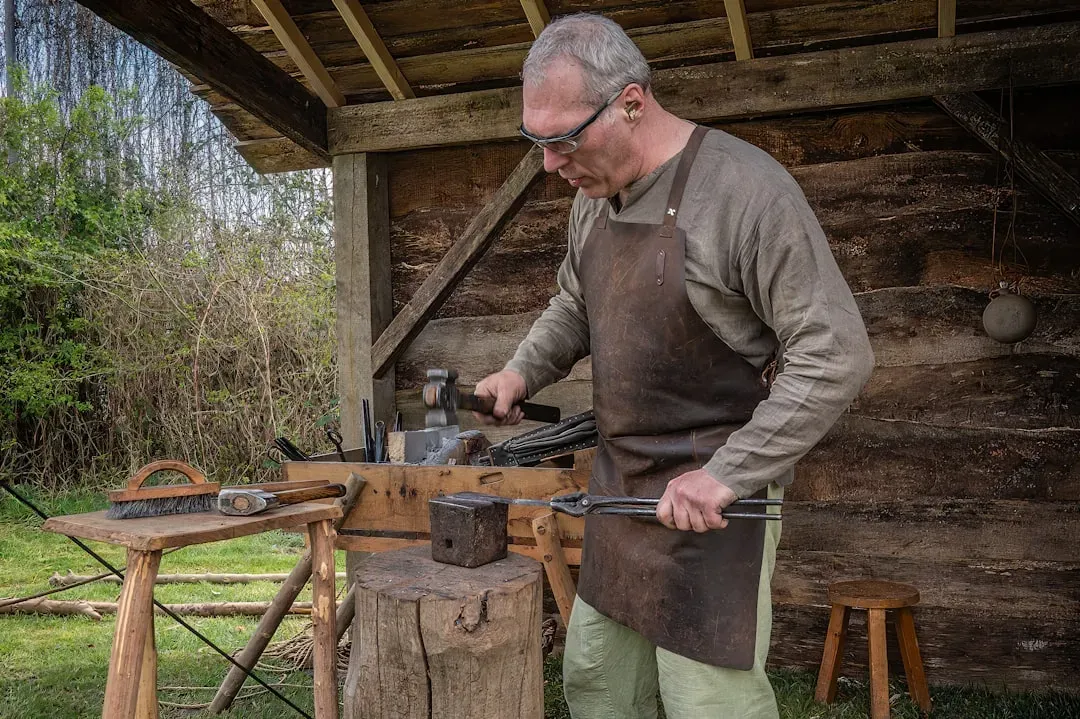
From stone tools to textiles to early dwellings, ancient humans often built and crafted with durability in mind. When it takes enormous effort to make something, you naturally design it to last and to be repairable. Archeologists still find tools and objects that survived thousands of years, not because they were magical, but because function and longevity were central design goals. Clothing was mended, tools were resharpened, and materials were reused until they could give no more.
Our era, by contrast, runs largely on planned obsolescence and trends. Everything from phones to furniture is designed to be replaced frequently, not kept and maintained. That throwaway mindset spills into how we treat not just objects, but sometimes even jobs and relationships. Ancient humans were not saints – they wasted and broke things too – but the default assumption was that resources were precious and effort was costly. They often did better at treating material goods as long-term companions, not disposable props. In a world grappling with environmental limits, that old instinct to build for the long haul looks surprisingly wise.
9. Staying in Sync with Their Local Environment
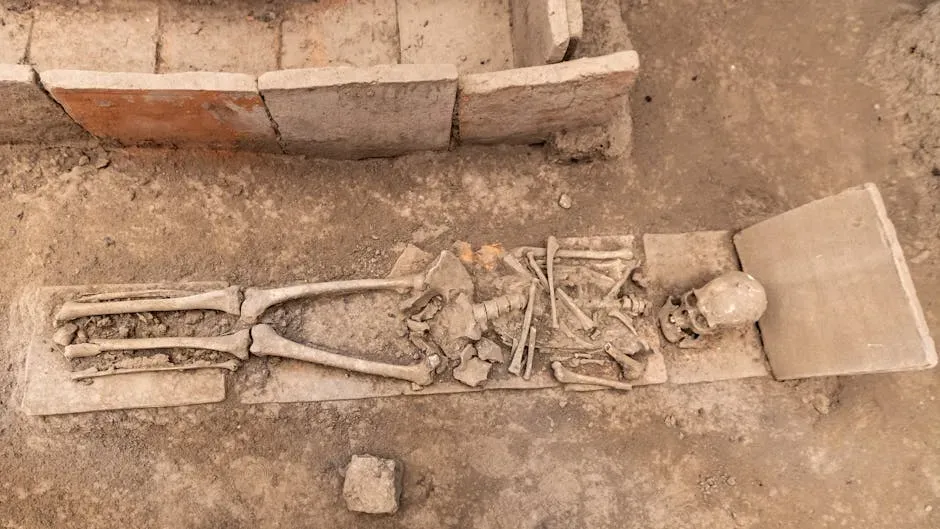
Ancient humans normally lived, died, and were buried in landscapes they knew intimately. They understood local waters, seasons, animal migrations, and plant cycles in a way that came from constant lived contact, not just charts. Their traditions, rituals, and daily routines were tuned to local realities: when to plant, when to move, when certain foods or dangers appeared. Even spiritual beliefs were often tied to particular rivers, mountains, or forests. Place was not an optional background; it was a core part of who they were.
We move between cities and countries so easily that many of us are, in a sense, ecological tourists. We might know more about global news than about the birds that appear in our own neighborhood each spring. There is power in that global awareness, but we lose something when no single place shapes us deeply. Ancient humans did better at being of a place, not just in it. That intimacy with their local environment meant they could sense subtle changes long before any official report, and it gave their lives a sense of rootedness that many modern people quietly crave.
10. Giving Life a Shared Sense of Meaning
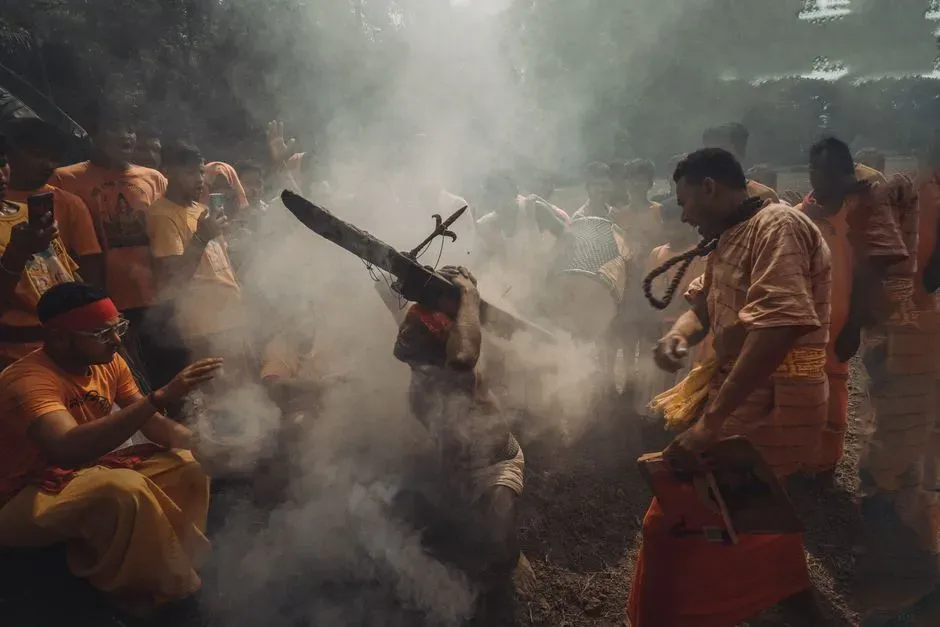
Whether through early religions, ancestor veneration, or complex mythologies, ancient humans almost always lived inside big shared stories about why they were here and what their lives meant. These stories varied wildly, and they were not always kind or gentle, but they anchored people. Birth, death, success, and catastrophe all had a place in a larger pattern. Rituals, festivals, and rites of passage gave structure to the chaos. You knew where you fit, even if you did not always like it.
In our modern world, meaning is often treated as a personal side project. You pick and choose from different ideas, belief systems, and lifestyles, which allows for freedom but can also leave people feeling unmoored. Many struggle with a quiet sense of emptiness even while surrounded by comfort and stimulation. Ancient humans had fewer choices, and many beliefs were harsh by today’s standards, but they rarely faced the specific modern problem of feeling that nothing really matters. In that sense, they did something we are still trying to figure out: how to live as if life has weight and purpose, not just distractions.
Conclusion: Learning From the Past Without Worshiping It
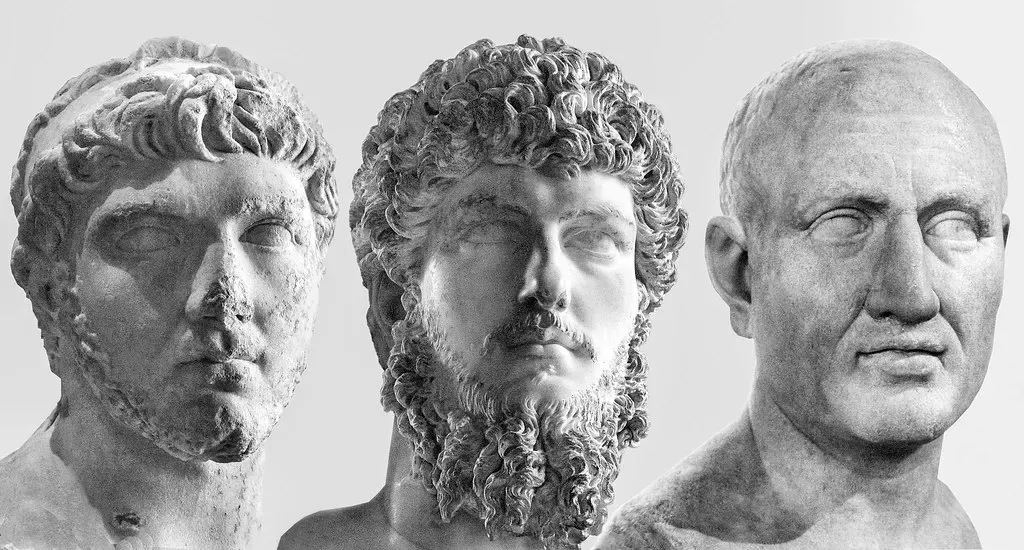
Looking back at ancient humans, it is tempting to romanticize their lives as pure and authentic, but that would be dishonest. They faced hunger, violence, disease, and heartbreak on a scale most of us never have to imagine. Still, it is equally dishonest to pretend that progress has been a straight line upward in every respect. In community, movement, food, sleep, resilience, craftsmanship, connection to place, and shared meaning, they often played the game of being human with more wisdom than we do, simply because they had no choice but to stay close to the basics.
My own take is that the goal is not to go back – no one sane wants to give up modern medicine or clean water – but to steal shamelessly from the best parts of the past. Walk more. Eat food your great‑great‑grandparents would recognize. Spend time in an actual place until it feels like part of your story. Tell family stories. Accept that hardship will come, and that it does not have to shatter you. If ancient humans peeked into our world, they would be stunned by our tech and maybe a little horrified by how disconnected we sometimes are from ourselves. The real question is simple and unsettling: with everything we know now, are we willing to reclaim the things they quietly did better?