
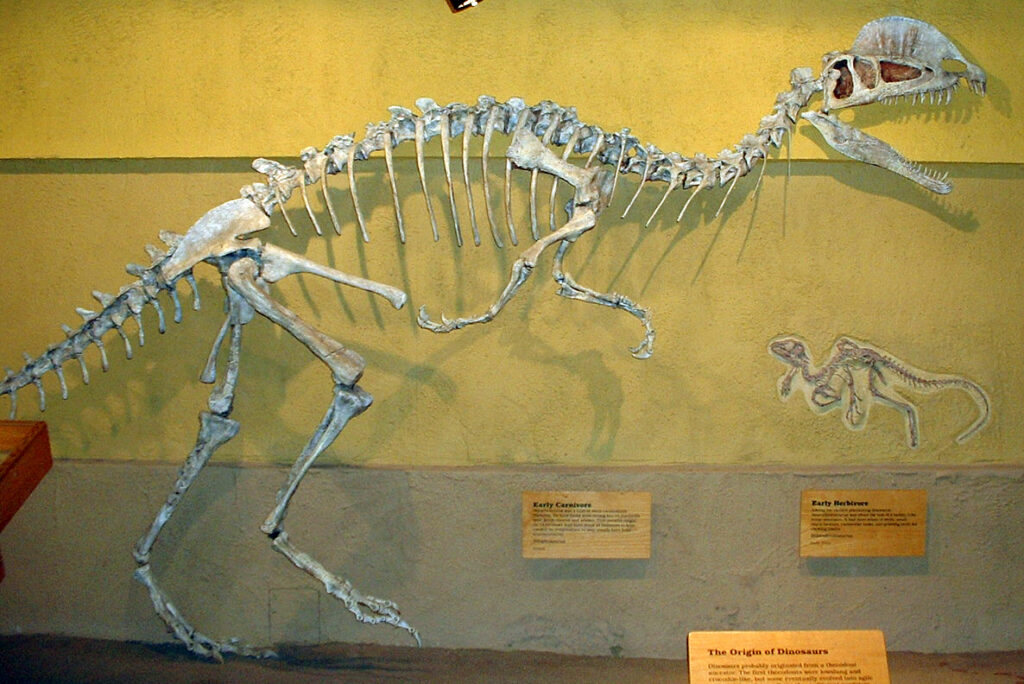
Every now and then, science gets lucky. Instead of a scattered tooth here and a broken bone there, researchers pull from the rock that rewrites an entire chapter of Earth’s history. One skeleton, one imprint, even one lonely tooth can flip what we thought we knew about evolution, climate, or behavior right on its head.
I still remember the first time I stood in front of a nearly complete dinosaur skeleton in a museum. There was this odd mix of awe and irritation: awe at the sheer detail, irritation that so much of what I had been taught in school was already outdated because of specimens like this. That’s the magic of : it can be a time capsule, a crime scene, and a confession letter from deep time, all in one.
1. The First Feathered Dinosaurs Changed What “Dinosaur” Even Means
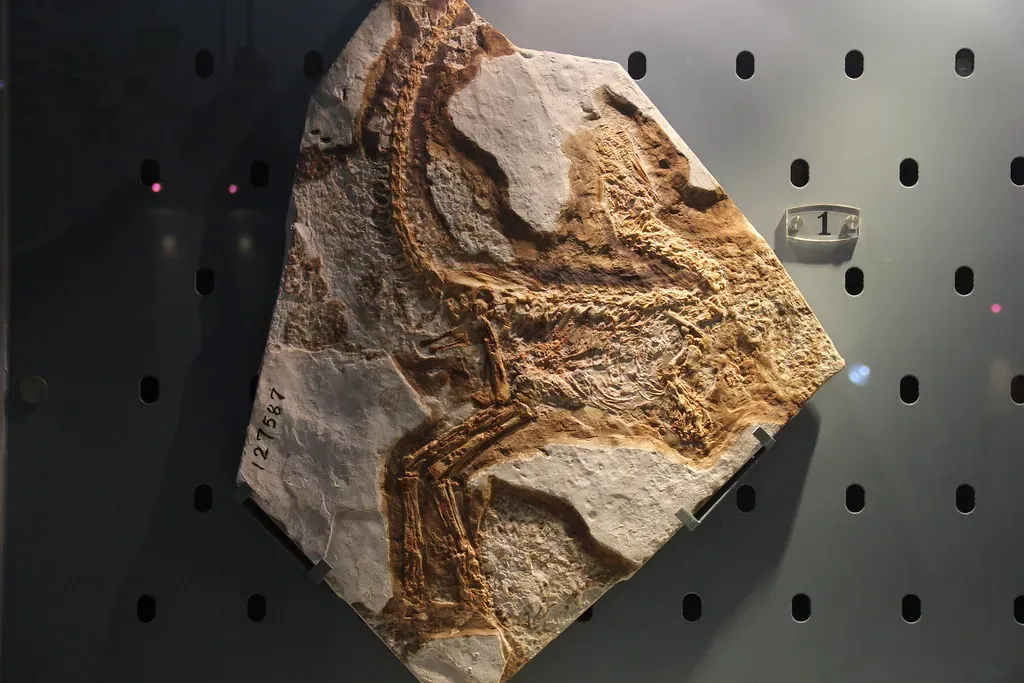
When the first clearly feathered dinosaur fossils came out of northeastern China in the late twentieth century, they did more than just add a stylish coat to a few species. These fossils, with delicate feather impressions fanning out around arms and tails, forced scientists to accept that many dinosaurs were not scaly movie monsters, but fluffy, birdlike animals. From one beautifully preserved specimen, researchers suddenly had a bridge between classic raptors and modern birds.
This single find helped confirm that birds aren’t just related to dinosaurs – they are dinosaurs. It shifted depictions in textbooks, museums, and movies, and it pushed scientists to re-examine previously found bones for missed feather traces. Today, when you see art of dinosaurs with colorful plumage, that aesthetic does not come from imagination alone; it traces back to those first feathered fossils that shattered the old reptile stereotype.
2. A Pregnant Ichthyosaur Revealed Ancient Live Birth
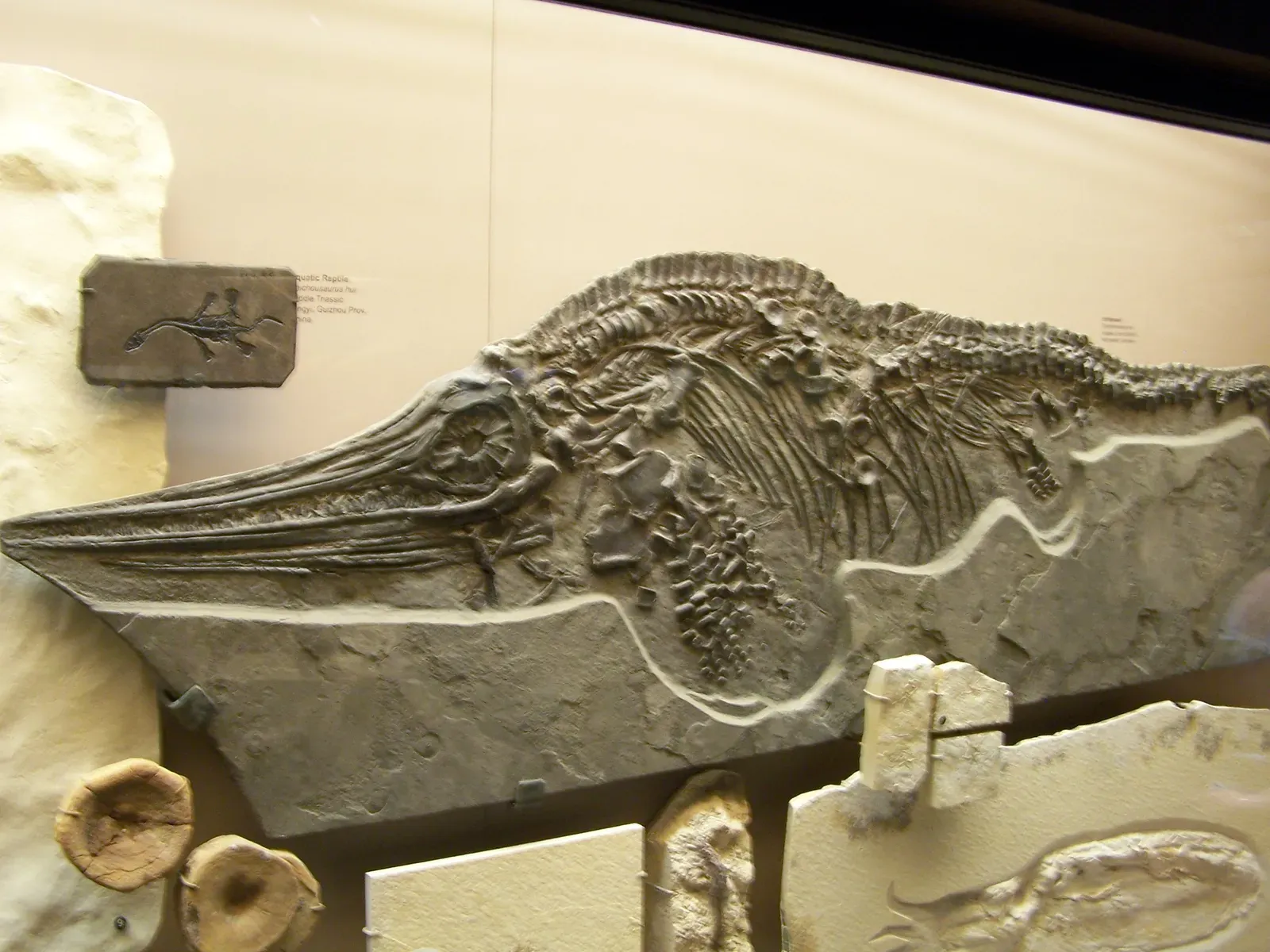
For a long time, many marine reptiles were assumed to have laid eggs like turtles do, crawling onto beaches in risky, awkward trips. Then paleontologists uncovered a single ichthyosaur fossil with tiny skeletons preserved inside its body cavity, including one apparently in the process of being born. That one specimen turned a vague assumption into direct evidence: at least some of these ocean reptiles gave birth to live young.
This discovery rewrote our understanding of how fully adapted to marine life these animals were. If they could reproduce at sea without ever crawling onto land, it meant their entire life cycle was locked into the ocean. It also helped scientists compare reproductive strategies across time, linking these prehistoric creatures to modern whales and dolphins in a striking parallel evolution story.
3. The “Walking Whale” Showed How Mammals Returned to the Sea
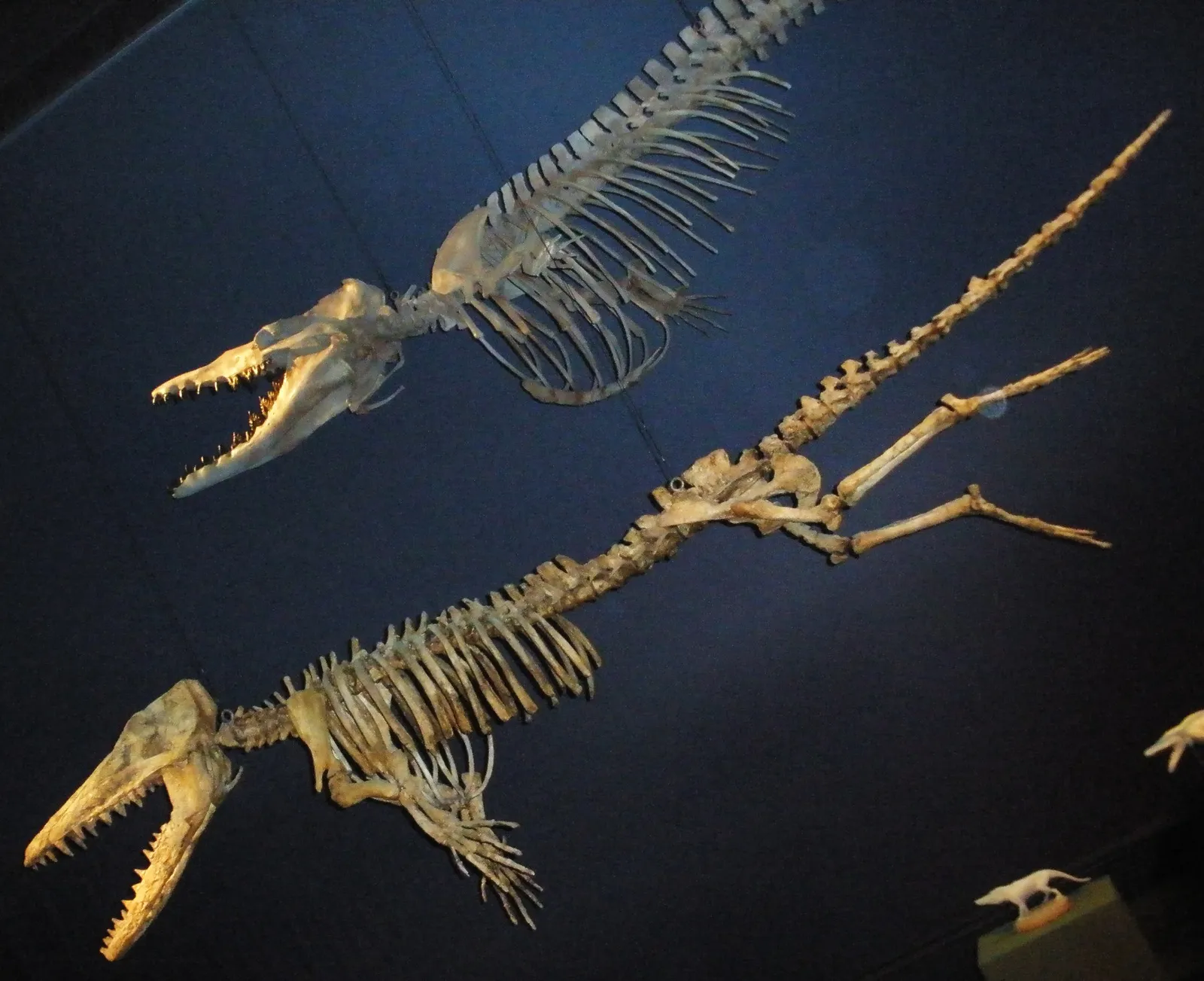
One of the most mind-bending fossils ever found is an early whale with legs strong enough to walk on land and a body already adapted for swimming. Before this kind of specimen turned up, the idea that whales evolved from land mammals sounded abstract and hard to picture, even for many scientists. Then along came a fossil with four limbs, hip bones designed for walking, and ear structures that matched early whales.
From a single skeleton, researchers could reconstruct a creature that probably hunted in shallow water but still trudged onto land. It gave solid, visual proof of an evolutionary transition that had mostly lived in theory and scattered fragments. Suddenly, the story of whales became less of a vague arrow on a chart and more of a specific, vivid animal you could imagine lumbering along a shoreline.
4. A Tiny Early Bird Fossil Clarified How Flight Evolved
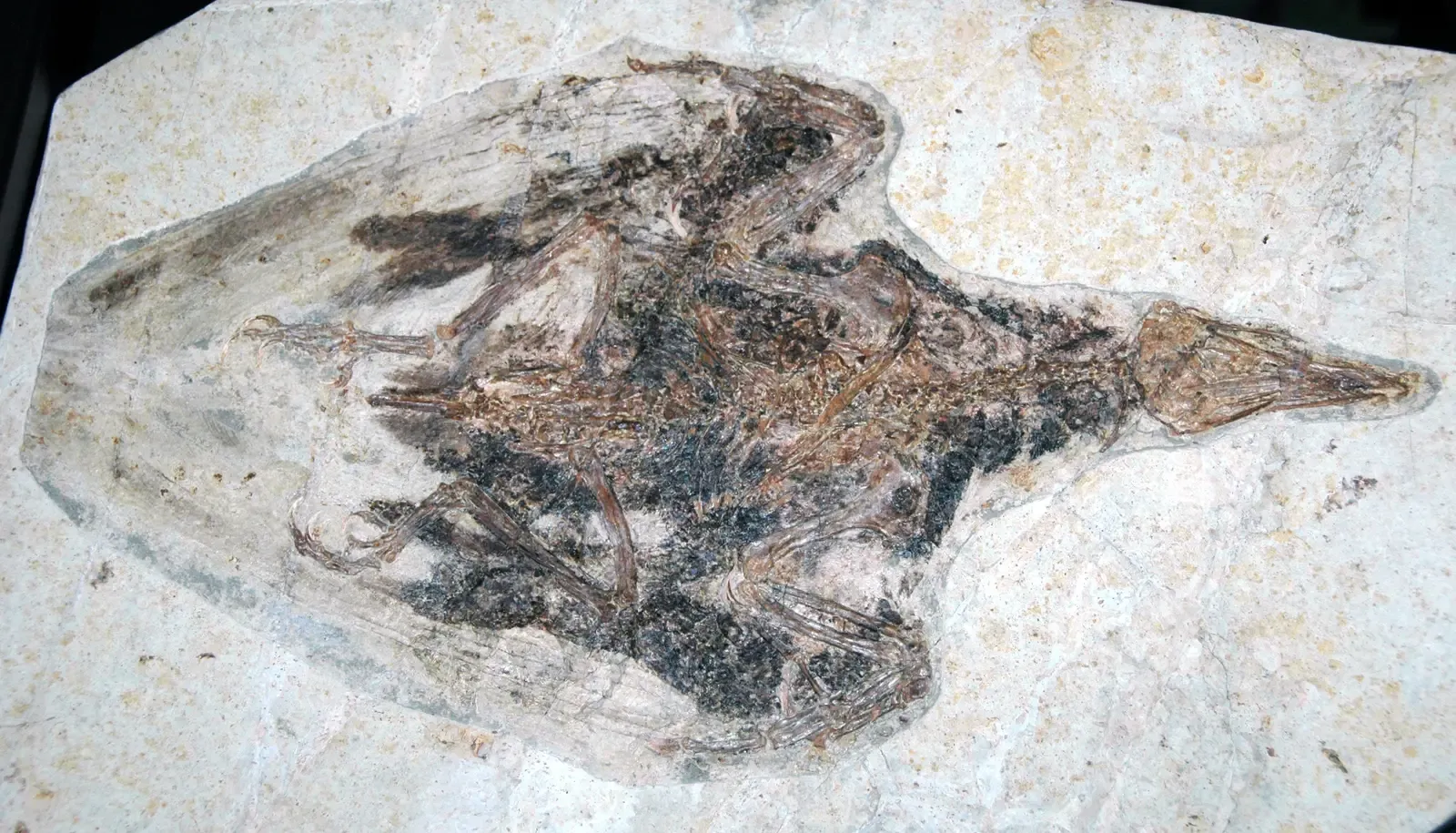
Early bird fossils with preserved wings, tails, and even stomach contents have been critical in figuring out how flight first took off. One particular fossil from the age of dinosaurs showed a mix of features: teeth in its beak, long claws on its wings, and a tail that was longer and more reptilian than that of modern birds. This strange blend made it clear that flight did not arrive fully formed; it emerged step by step from ground-running, tree-climbing ancestors.
By carefully analyzing the wing joints and feather arrangements in that single fossil, scientists could test ideas about whether early birds were gliding from trees or flapping from the ground. It became a kind of anatomical Rosetta stone, helping to sort out which traits were truly “bird” and which were legacy holdovers from small, predatory dinosaurs. Without that one skeleton, the path from earthbound hunter to sky-dwelling flyer would look far blurrier.
5. A Fossilized Dinosaur Nest Exposed Parenting and Social Behavior
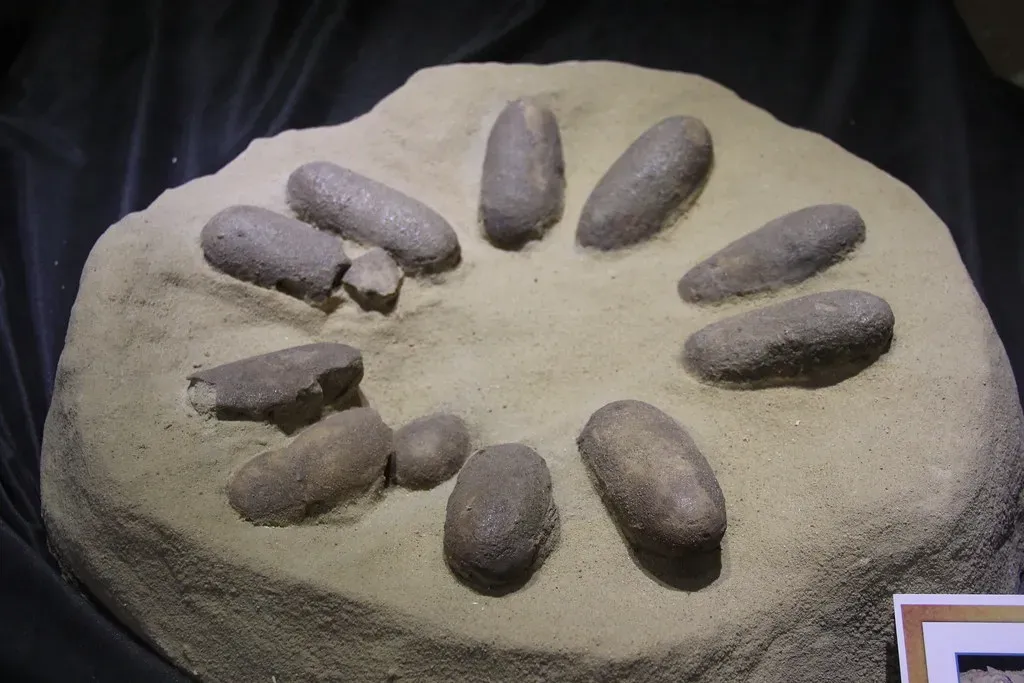
Sometimes is not an individual, but a frozen moment in family life. One spectacular dinosaur nest, complete with eggs and a parent preserved in a brooding posture, overturned the old image of dinosaurs as indifferent, cold-blooded loners. This fossil showed a creature clearly positioned over its eggs, in a pose eerily similar to a modern bird protecting its clutch.
From that one site, scientists inferred not just incubation behavior, but also the likelihood of complex nesting strategies and parental care. It suggested that at least some dinosaurs guarded their young, maybe even warmed or shaded them using their own bodies. That single fossil scene hinted at emotional complexity: protection, risk-taking, and energy investment that feel surprisingly familiar to anyone who has watched birds defend a nest today.
6. A Single Footprint Trackway Captured Movement in Real Time
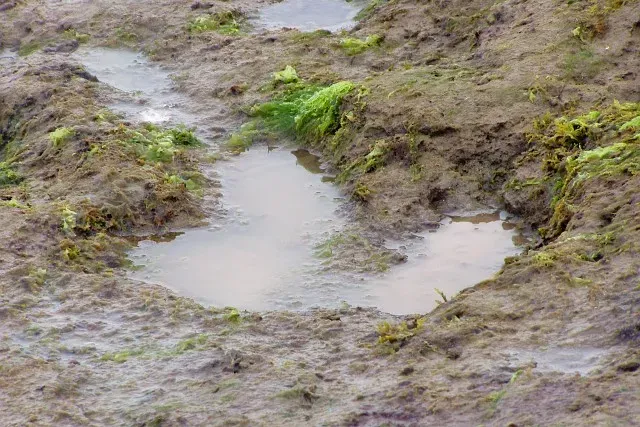
Not all fossils are bones; some of the most revealing are footprints left in ancient mud. One famous dinosaur trackway, a sequence of preserved steps, allowed scientists to calculate walking speed, gait, and even how the animal shifted its weight. From a few dozen prints in stone, researchers could reconstruct the rhythm of an animal’s walk across a lakeshore millions of years ago.
This kind of trace fossil gives something bones cannot: a snapshot of behavior in motion. By measuring the distance and depth of the prints, scientists learned whether the animal was strolling, running, or maybe turning. It turned static skeletons into moving, breathing beings in the imagination, all because one trackway survived where the animal itself did not.
7. A Frozen Mammoth Carcass Preserved Ancient DNA and Tissues
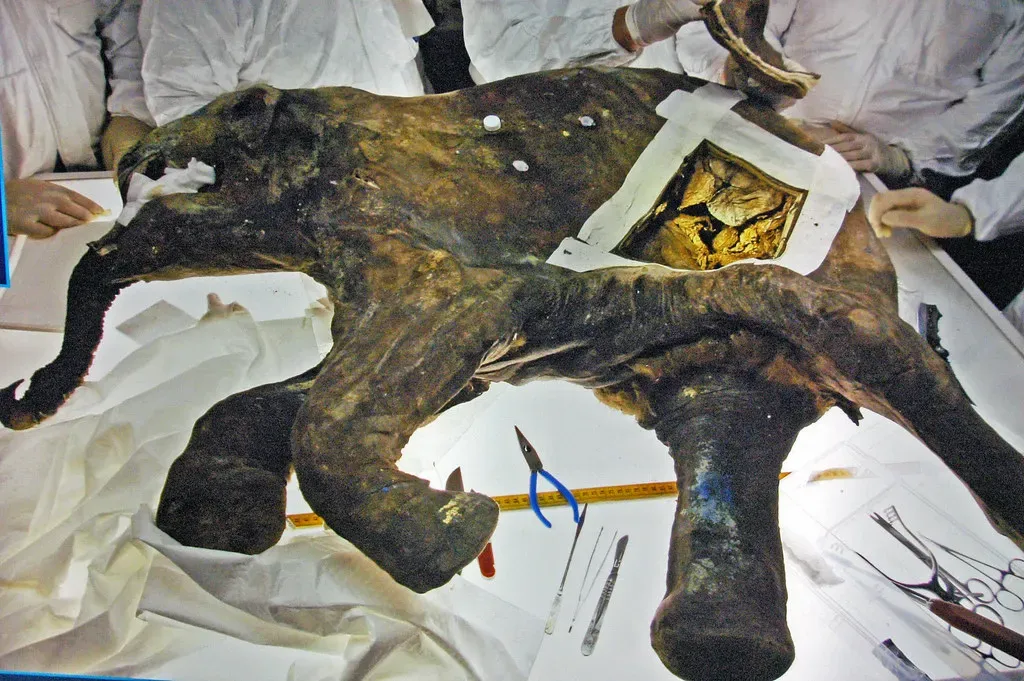
When a nearly complete mammoth was pulled from Siberian permafrost, with hair, skin, and even soft tissues intact, it exploded the possibilities for studying extinct animals. Unlike dry bones, this frozen giant carried traces of DNA and proteins, giving researchers a bridge into genetics rather than just skeletons. From this single carcass, scientists learned about mammoth diet, disease, and adaptation to cold climates.
The find also fueled big debates about de-extinction and cloning, even if those goals remain mostly theoretical and ethically tangled. Whether or not mammoths ever walk again, that one specimen showed how ice can act like a deep-freeze time capsule. It plugged emotional human questions, like why these animals died out and what we owe to species we helped push over the edge, straight into the lab.
8. A Fish With Primitive Limbs Illuminated the Water-to-Land Leap
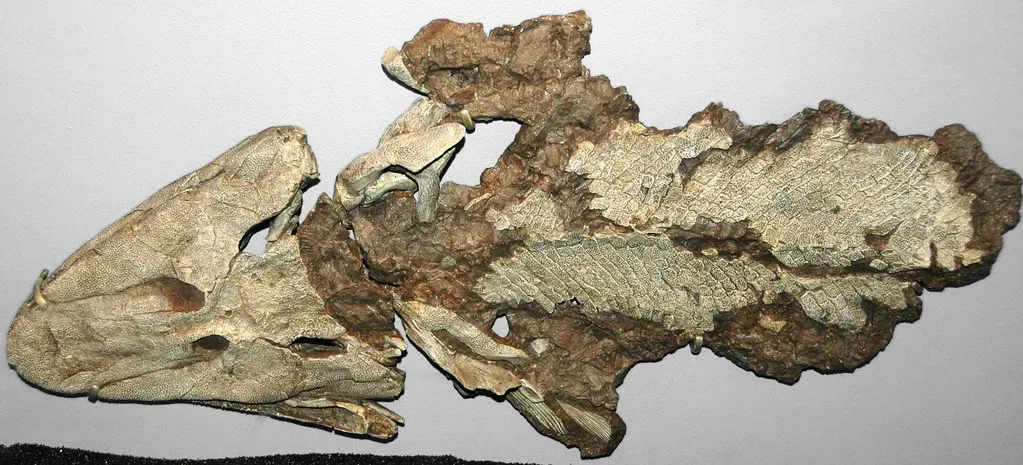
Some of the most important fossils in evolutionary biology are the awkward in-betweens, and one famous lobe-finned fish with proto-limbs sits right at the root of land vertebrates. Found in ancient river deposits, this fossil had fins strengthened with bones arranged in a pattern similar to arms and legs. From one skeleton, scientists could visualize how a fin slowly morphed into a limb able to push an animal’s body onto mudflats.
By studying its joints and shoulder girdle, researchers concluded that this creature could probably prop itself up and maybe even drag along in shallow water, like a modern mudskipper on steroids. That one fossil nearly felt like catching evolution in the act, mid-stride. It provided a crucial piece in the story of how our distant ancestors left the water and set the stage for every land mammal, reptile, and bird that followed.
9. A Human Ancestor Skull Reordered Our Own Family Tree
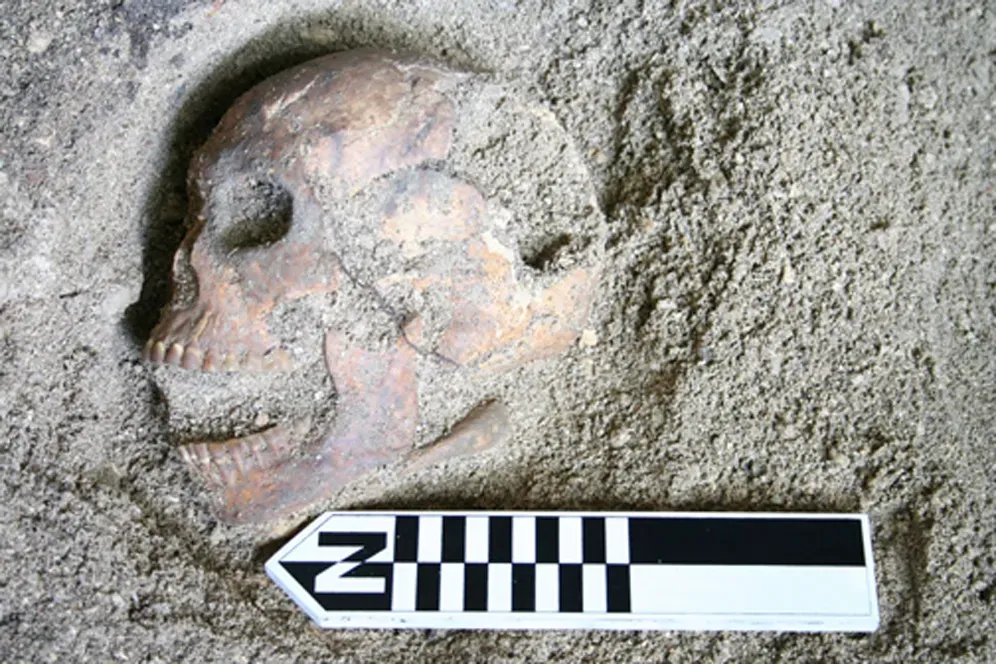
In human evolution, single skulls can spark years of heated argument. One early hominin skull, with a mix of primitive and advanced traits, forced scientists to rethink the neat, linear story they once told about our origins. Rather than a simple march from one species to the next, this fossil supported a branching, tangled tree, where several close relatives of humans lived at the same time.
The shape of its braincase, teeth, and jaw provided clues about diet, tool use, and possibly social behavior. From that skull alone, researchers inferred how fast brains were enlarging, how faces were flattening, and how posture was changing. It was a humbling reminder that our own story is not a straight ladder of progress, but a messy experiment with many dead ends and side branches.
10. A Fossil Insect Trapped in Amber Captured an Ancient Ecosystem
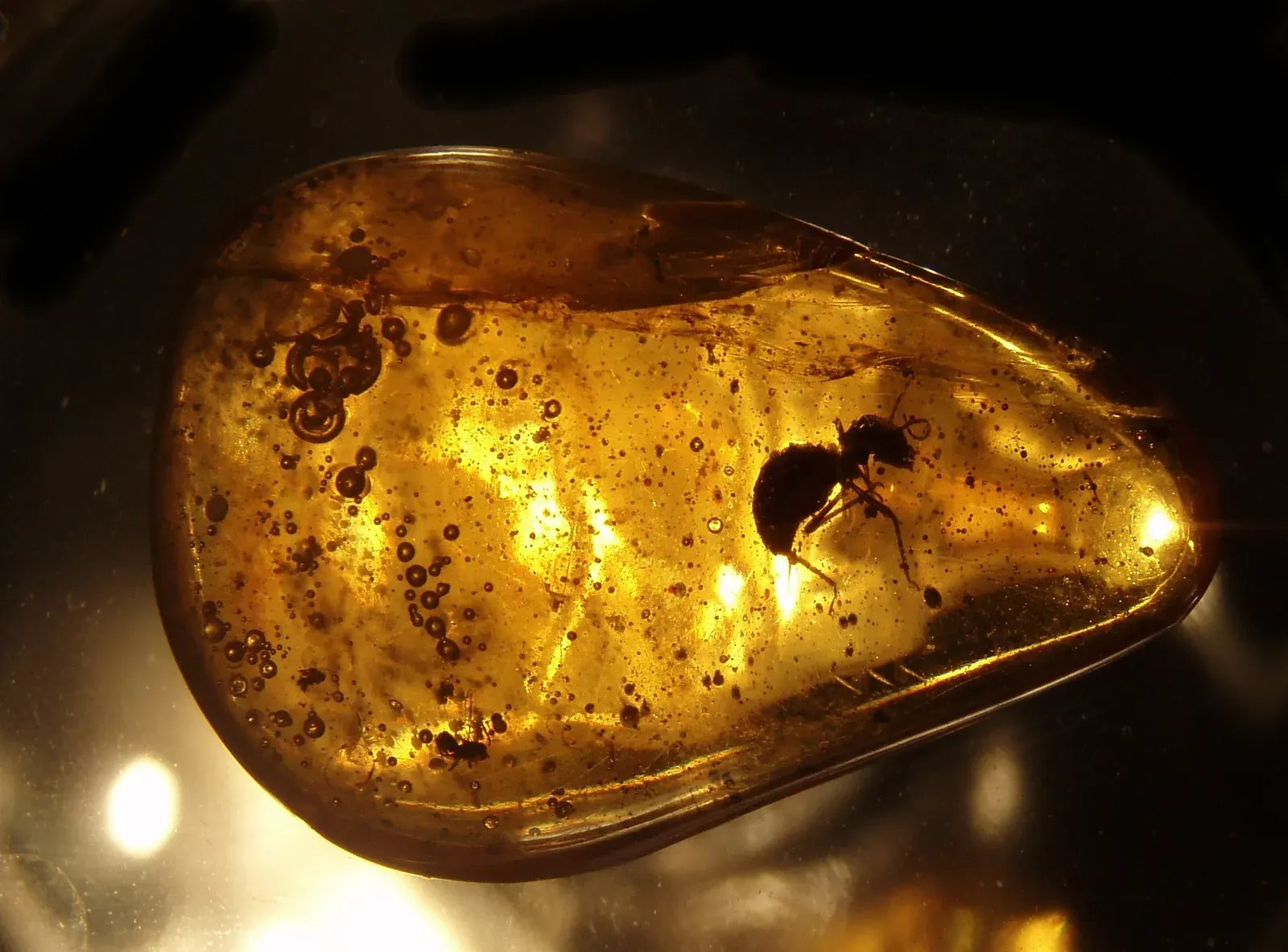
Amber fossils can feel almost comically small compared to dinosaur skeletons, but a single insect perfectly preserved in golden resin can light up an entire lost world. One such specimen held not only an ancient bug, but also pollen grains stuck to its body and microscopic bubbles of ancient air. From this, scientists pieced together details about the plants that grew, the climate that reigned, and even how pollination worked at the time.
Unlike compressed fossils in rock, amber preserves fine hairs, wing veins, and tiny mouthparts, revealing behavior as well as anatomy. That one insect became a key to understanding early relationships between insects and flowering plants, which underlie much of today’s biodiversity. It is a quiet but powerful example of how a single, delicate fossil can tell a story just as sweeping as any towering skeleton.
Conclusion: Why One Good Fossil Is Worth a Thousand Theories
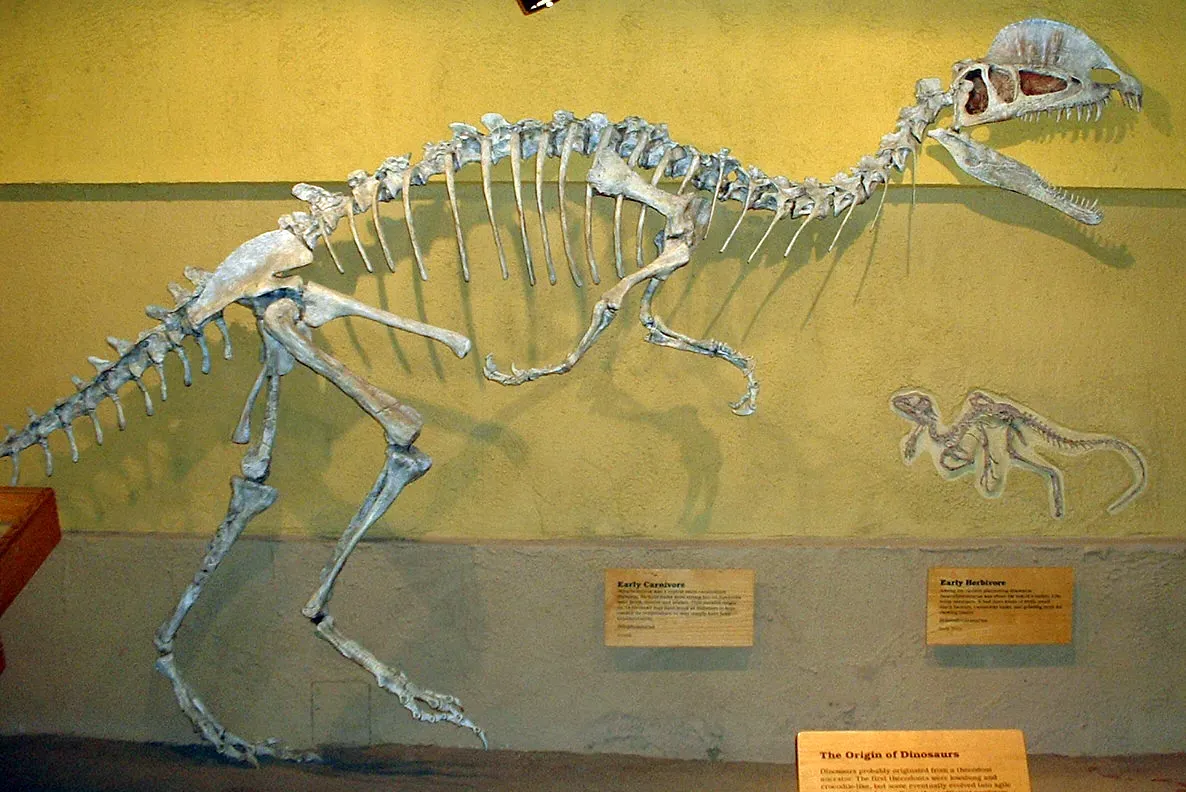
Looking across these examples, there is a pattern that I find both thrilling and a little unsettling: one well-preserved fossil can overturn decades of confident scientific storytelling. A single skeleton can ignite arguments, rewrite diagrams in textbooks, and force us to admit that nature’s imagination has always been wilder than ours. For all our models and clever ideas, hard evidence in stone or ice still has the final word.
If anything, these discoveries argue for patience and humility. The fossil record is painfully incomplete, more like scattered pages than a full book, but every rare complete specimen gives us a new chapter we did not know we were missing. The bold claim, in my view, is that many of our current neat narratives will look naive once the next extraordinary fossil is pulled from the ground. When that happens, will we cling to the old story, or let the bones speak for themselves?